Our verdict
Boma places dinner inside the safari-camp tradition of open-air, fire-led cooking at Mala Mala Game Reserve. The appeal is less a formal restaurant script than a South African outdoor format: reed enclosure, shared appetite after game drives, and a menu logic shaped by smoke, coals, local produce, and reserve rhythm.

Pearl is the En Primeur Club membership app — saves, bookings, and concierge access live there. Same editors, same standards.
- Address
- MalaMala Game Reserve (traditional reed boma)
- Directions
- Get directions
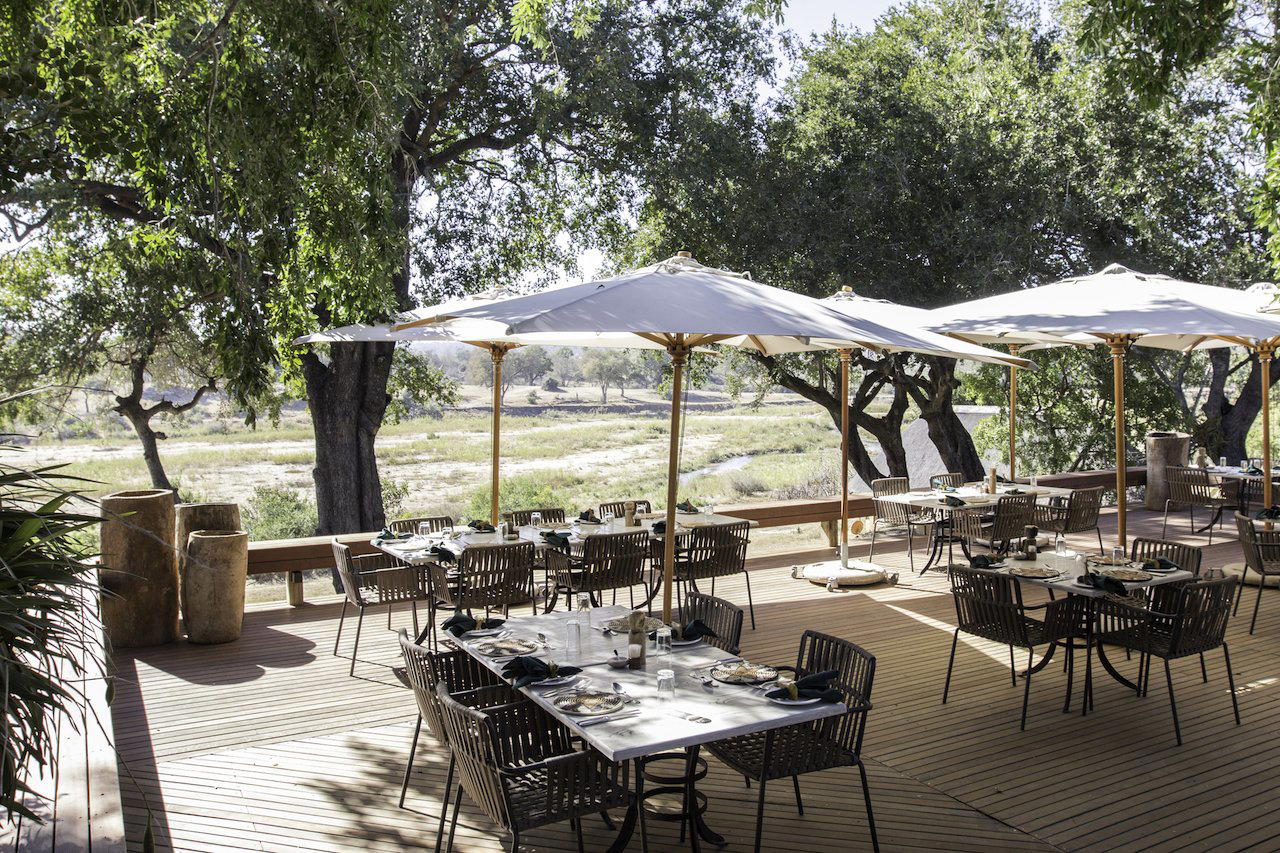
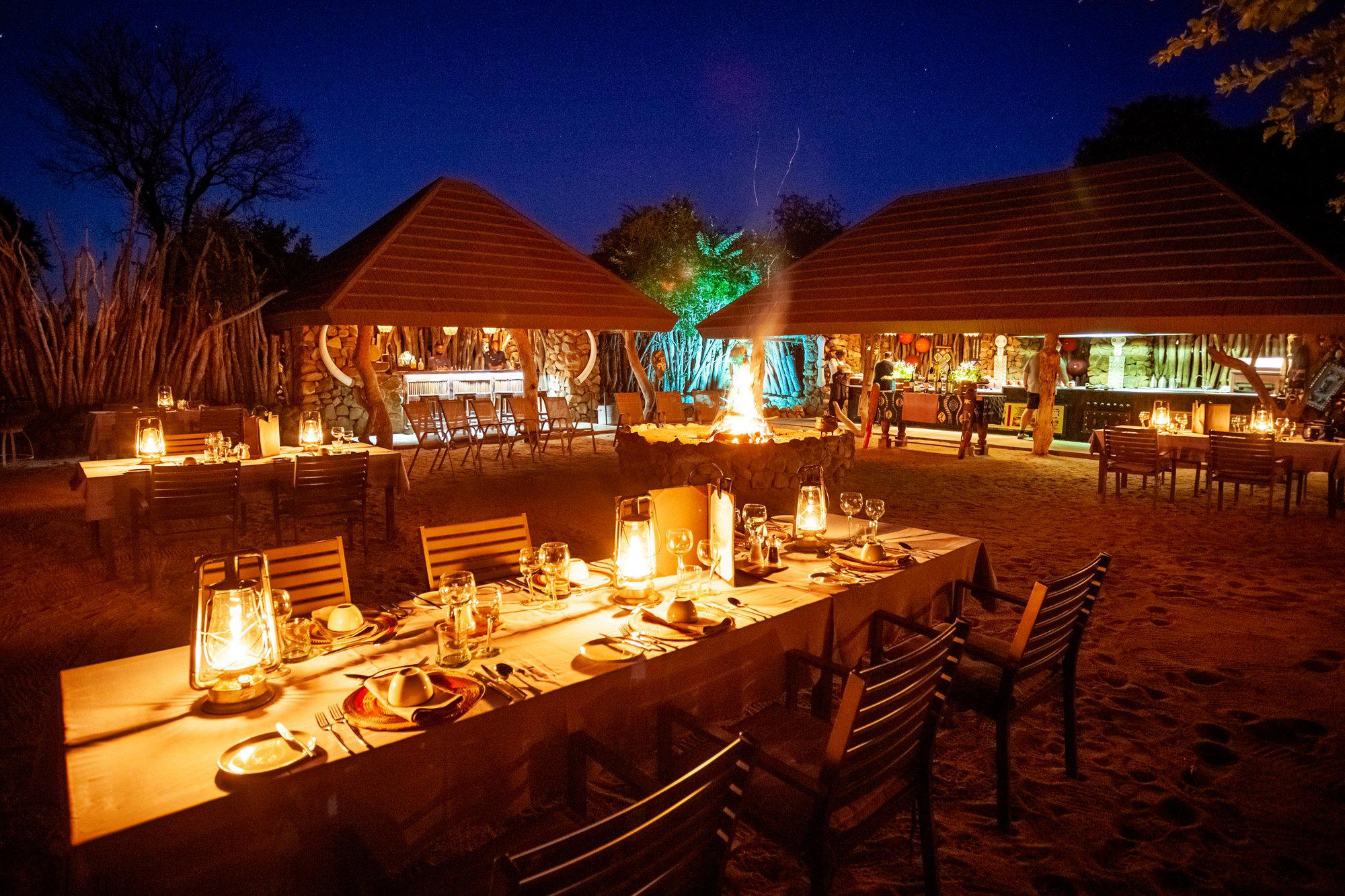
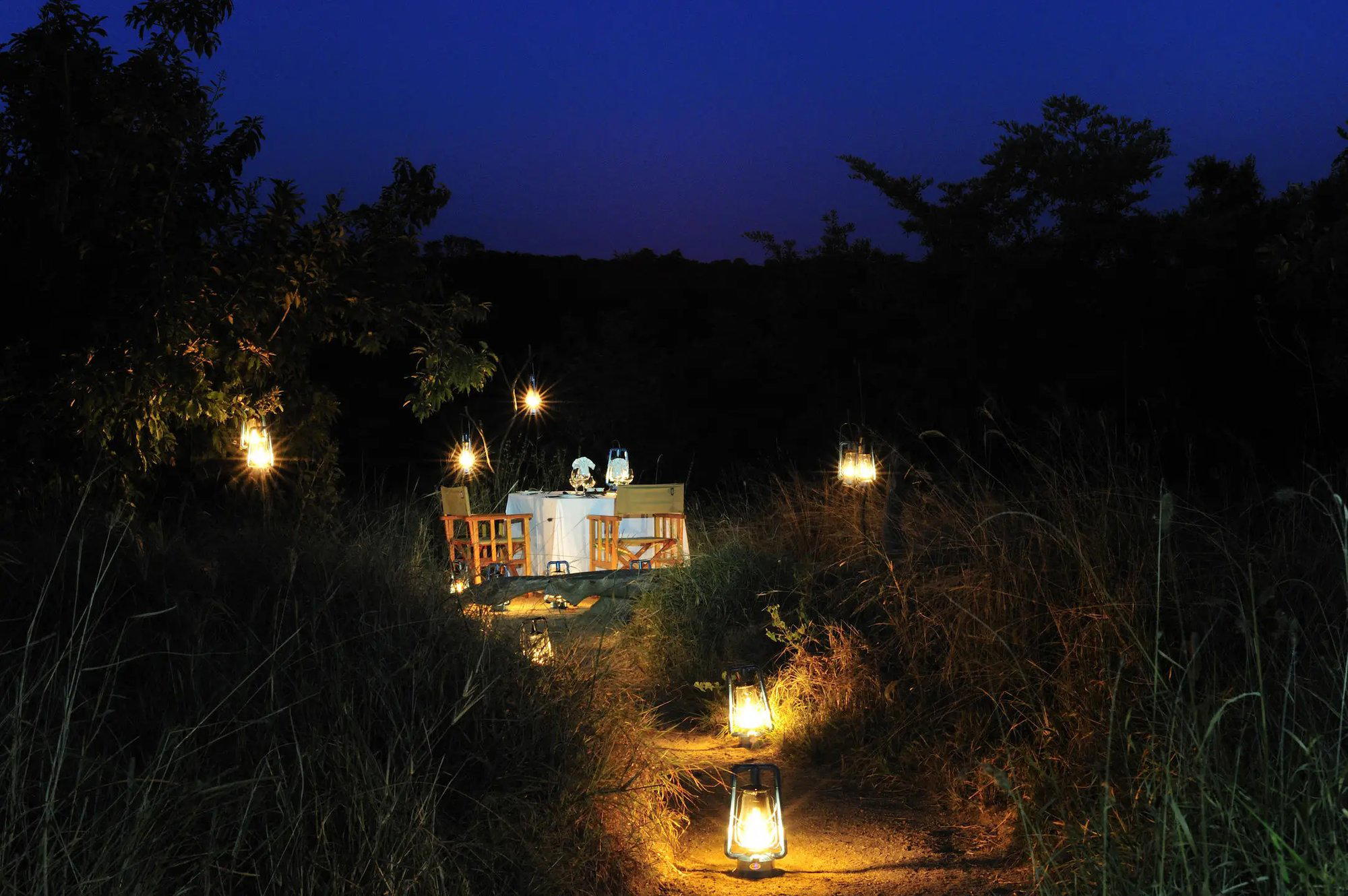
Approaching a reed boma after dark changes the terms of dinner. The room is not a room in the city sense: it is an outdoor enclosure, built for firelight, night air, and the collective appetite that follows hours in the bush. At Mala Mala Game Reserve, that format matters because safari dining is judged differently from urban restaurants. Precision still counts, but context carries weight: the smell of wood smoke, the sound of the reserve after sunset, and the practical intelligence of feeding guests in a remote setting without turning dinner into theatre for its own sake.
Safari camps have long used the boma as a social dining structure, part hearth, part courtyard, part camp gathering point. The format draws from a broad habit of cooking over coals rather than from the dégustation logic of metropolitan dining rooms. That sourcing angle is the useful one here. Ingredients in a reserve setting are selected not only for taste but for resilience, transport, seasonality, and the ability to read clearly when cooked over open heat. In that sense, Boma belongs to a category where supply chain and setting are inseparable.
Fire-led safari dining, not city-restaurant choreography
The stronger boma meals resist the urge to imitate a formal restaurant outdoors. The appeal sits in abundance, heat management, and a menu structure that can accommodate mixed groups without losing its sense of place. Safari cooking gives the format a broad pantry: fire-ready mains, vegetable sides, relishes, breads, and camp-style sweets can all sit naturally beside the fire without requiring a fragile plating language. Specific dishes change by operator and season, but the governing principle is stable: ingredients need to survive the distance from producer to reserve, then make sense over flame.
This is where comparison helps. A safari meal such as Safari Deck leans into the same reserve economy of timing and place, while Boma Dining shows how the boma idea can be understood as a distinct hospitality format rather than simply an outdoor version of a restaurant room. Other dining in Mala Mala Game Reserve works from related pressures of timing, supply, and guest rhythm. A reserve boma has a narrower, more logistical brief than an urban or wine-country dining room, and that constraint is part of its character.
The wider dining map is broad enough that boma cooking should not be treated as a novelty version of a national table. Urban restaurants, business-district rooms, resort dining, and coastal hotel settings answer different questions: city polish, pacing, service style, or seaside ease. The boma answers a simpler but harder question: how to make dinner feel rooted in place when the kitchen is working inside the practical limits of a game reserve.
Why the reed enclosure changes the appetite
A traditional reed boma creates a boundary without sealing guests off from the reserve. That distinction is central. Walls would domesticate the meal; an open enclosure keeps dinner tied to the night outside. In safari hospitality, the schedule often turns on dawn drives, afternoon returns, and early evenings that compress fatigue and appetite into the same hour. A boma suits that rhythm because it allows the meal to be communal, generous, and relatively informal without becoming casual in the careless sense.
Ingredient sourcing in this setting is not a slogan about locality. It is a chain of decisions: what can be obtained consistently, what holds quality after transport, what works for international guests without flattening the identity of the setting, and what can be cooked reliably in an open-air service environment. That is why fire is more than atmosphere. It is a technique that forgives fewer errors than it suggests, especially when different components all compete for heat and timing. The better version of this format depends on disciplined preparation before guests ever see the coals.
Reserve dining has several related expressions, and the useful comparison is not hierarchy but terrain. Bush, lodge, deck, and open-air formats each produce a different version of hospitality because each places different demands on sourcing and service. Within that frame, Boma is best understood as a place-led evening meal rather than a restaurant trying to reproduce the conditions of a city dining room.
How to place it within a Mala Mala stay
Boma makes the most sense as part of the reserve’s evening rhythm rather than as a standalone restaurant target. Mala Mala Game Reserve is not an urban dining district where guests move between independent rooms; its hospitality works through lodge routines, game-drive timing, and meals that support the broader safari day. Readers comparing the area should use Our full Mala Mala Game Reserve restaurants guide for the dining picture, then cross-check the wider stay through Our full Mala Mala Game Reserve hotels guide, Our full Mala Mala Game Reserve bars guide, Our full Mala Mala Game Reserve wineries guide, and Our full Mala Mala Game Reserve experiences guide.
The editorial test is simple: choose this format for atmosphere, group ease, and a fire-cooked expression of safari hospitality, not for a chef-led tasting-menu performance. It is better read beside other destination-specific meals, including Safari Deck, Silvan Safari Lodge, and Singita Ebony Restaurant, than against city counters or formal destination restaurants. Those other formats may depend on specialization, lodge identity, or a different kind of service rhythm, while a reserve boma depends on place, timing, and the communal logic of the safari evening.
Frequently asked questions
Does Boma work for a family meal?
Yes, if the family is comfortable with a shared setting at the Mala Mala Game Reserve reed boma. The format suits a group meal better than a formal restaurant room, and that works well for mixed-age evenings.
Is Boma better for a quiet night or a lively one?
Boma suits a lively reserve evening more than a quiet, pared-back dinner. The traditional reed boma setting in Mala Mala Game Reserve naturally frames a social meal rather than an intimate, hushed one.
What's the address for Boma?
Mala Mala Game Reserve.
Can I walk in to Boma?
Boma sits inside Mala Mala Game Reserve, so it is best treated as part of a stay rather than a casual walk-in address.
A Quick Peer Check
Comparable venues by cuisine and price in the same metro.
| Venue | Cuisine |
|---|---|
| BomaThis venue — the venue you are viewing | South African bush boma dining |
| Safari Deck | Safari Lodge Dining |
| Silvan Safari Lodge | South African |
| Boma | South African bush boma dining |
Continue exploring
More in Mala Mala Game Reserve
Restaurants in Mala Mala Game Reserve
Browse all →
Bars in Mala Mala Game Reserve
Browse all →
Details
- Rustic
- Scenic
- Elegant
- Intimate
- Special Occasion
- Date Night
- Group Dining
- Family
- Celebration
- Private Event
- Garden
- Hotel Restaurant
- Private Dining
- Panoramic View
- Garden
- Mountain
- Set Menu
- Family Style
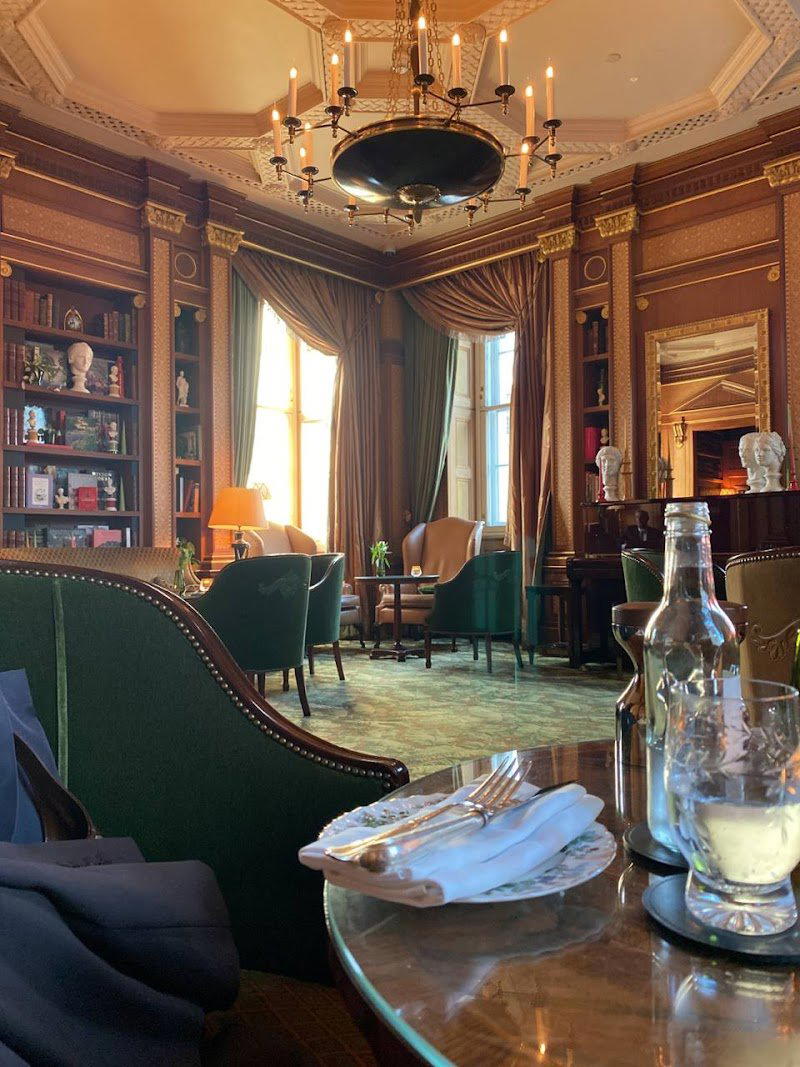
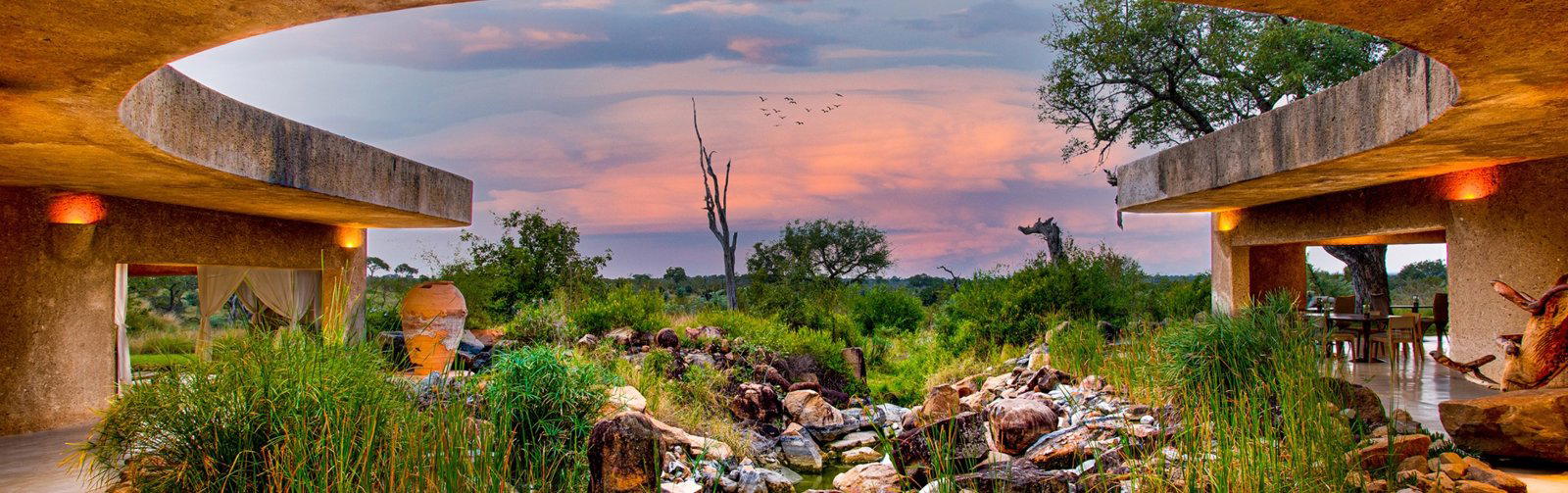
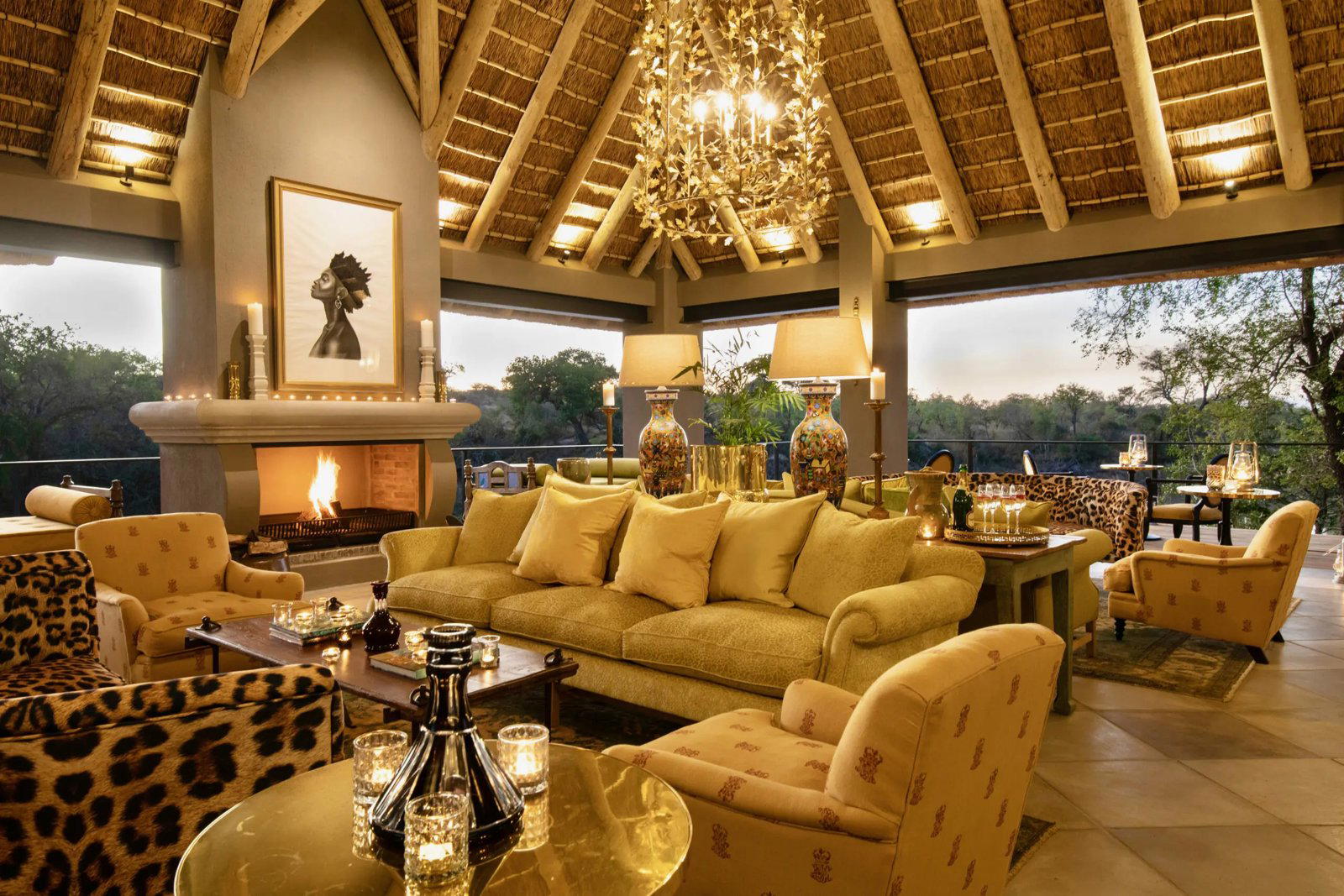
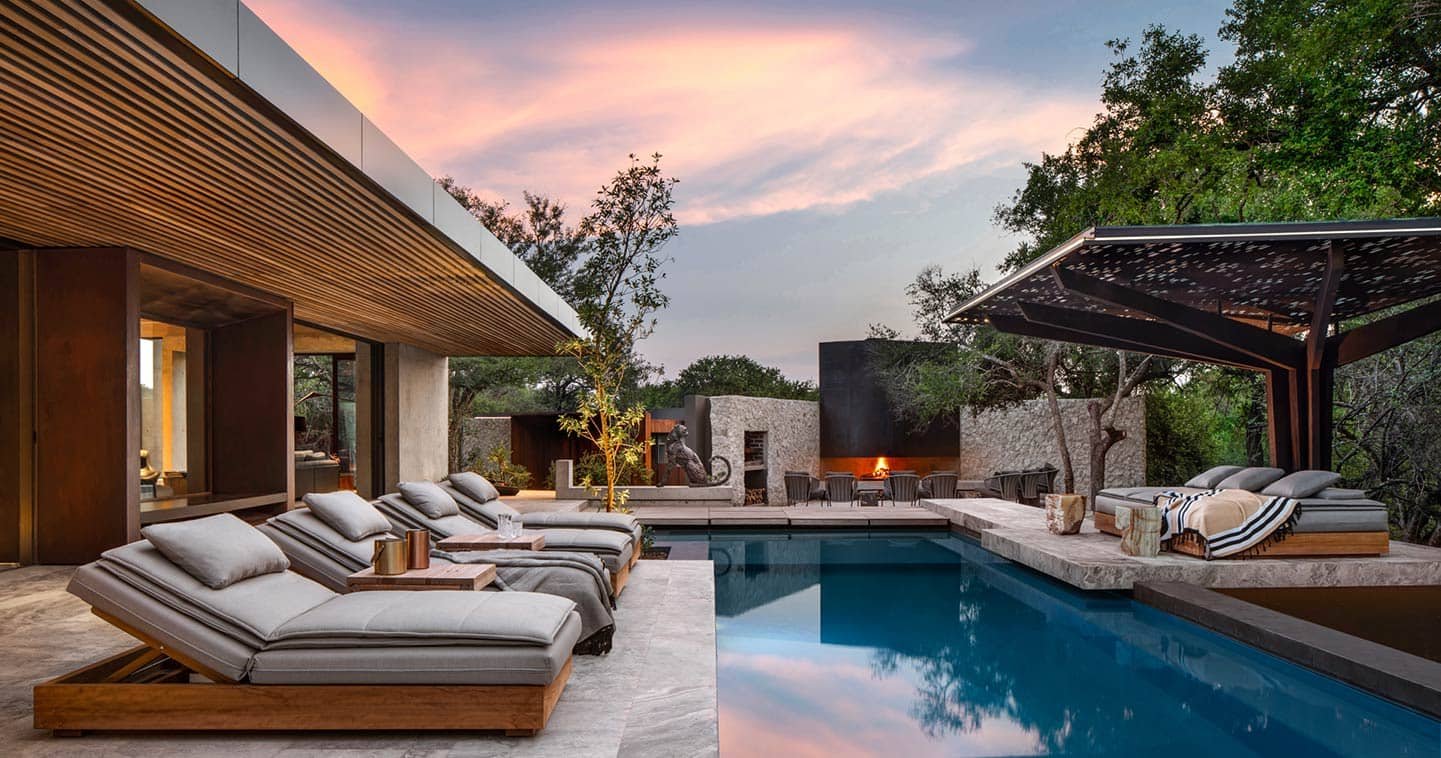
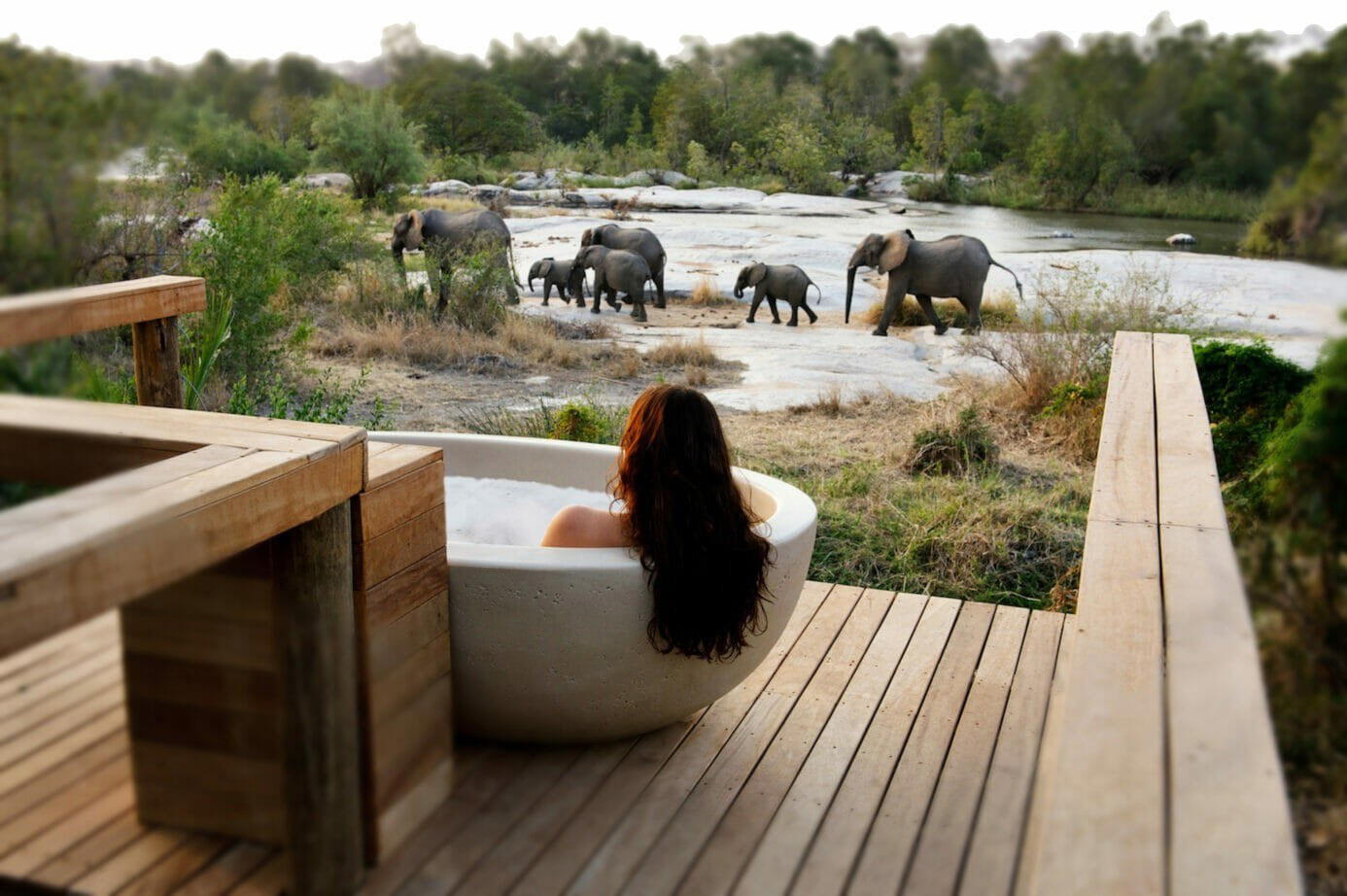
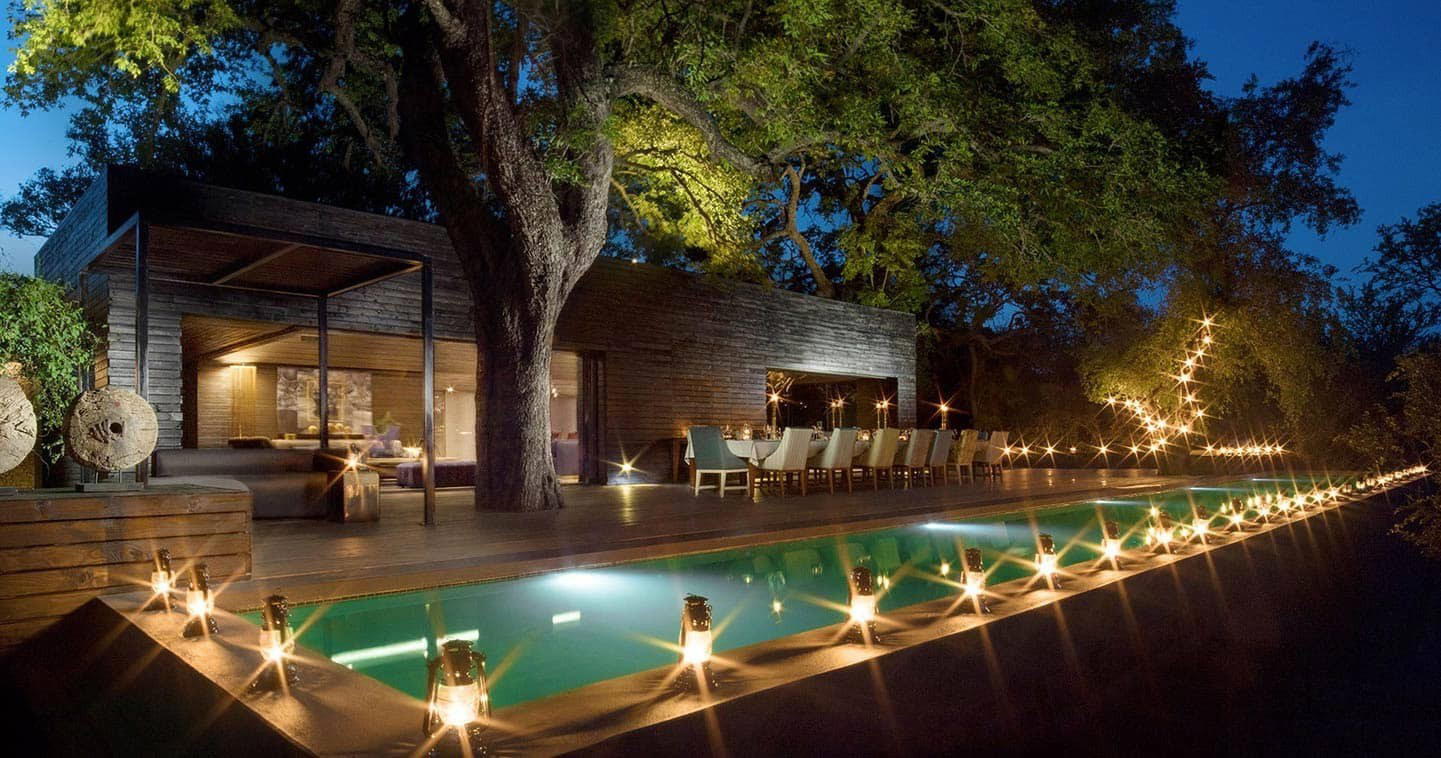
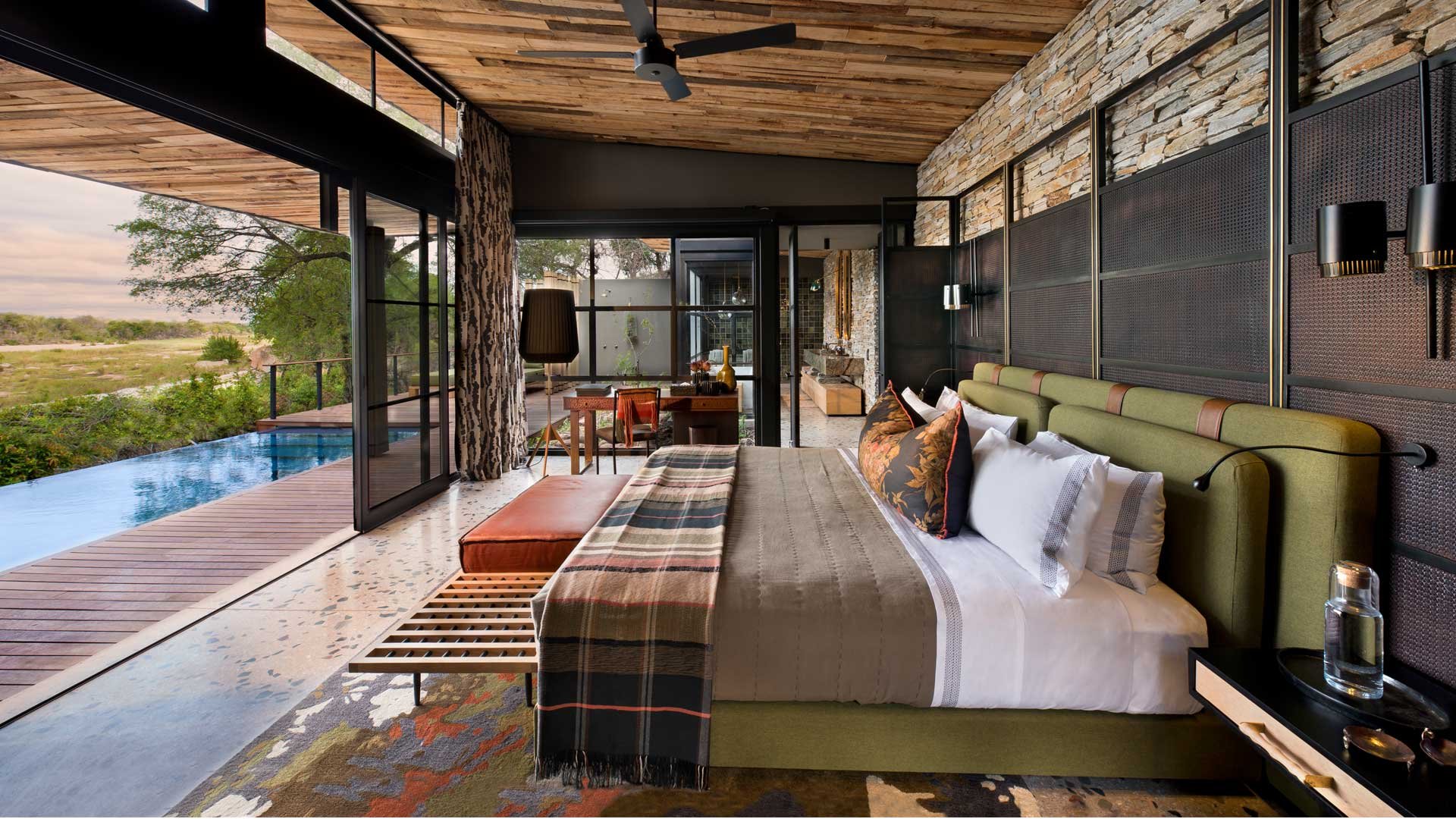
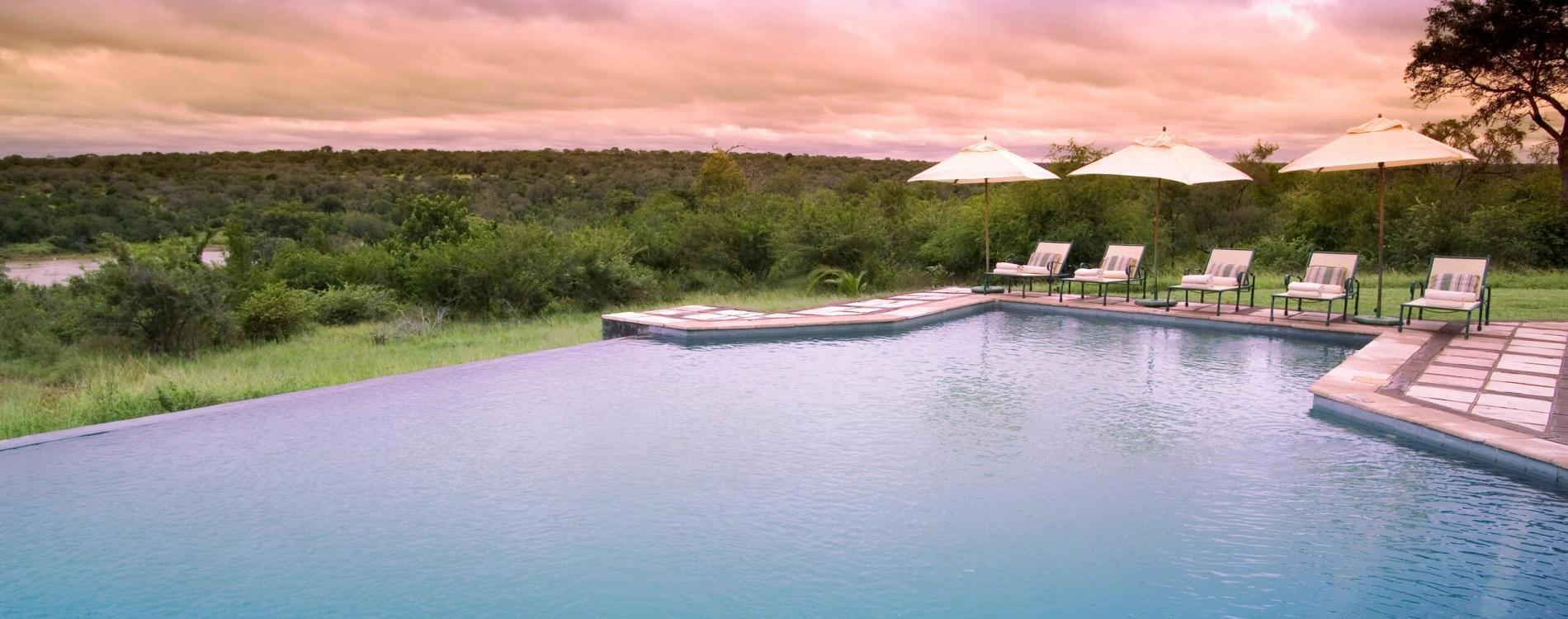
The boma dining area is set outdoors with lanterns and firelight creating a warm, intimate glow, combining classic safari‑lodge charm with a relaxed but refined camp atmosphere focused on the surrounding bush and river views.