Boma Dining
Our verdict
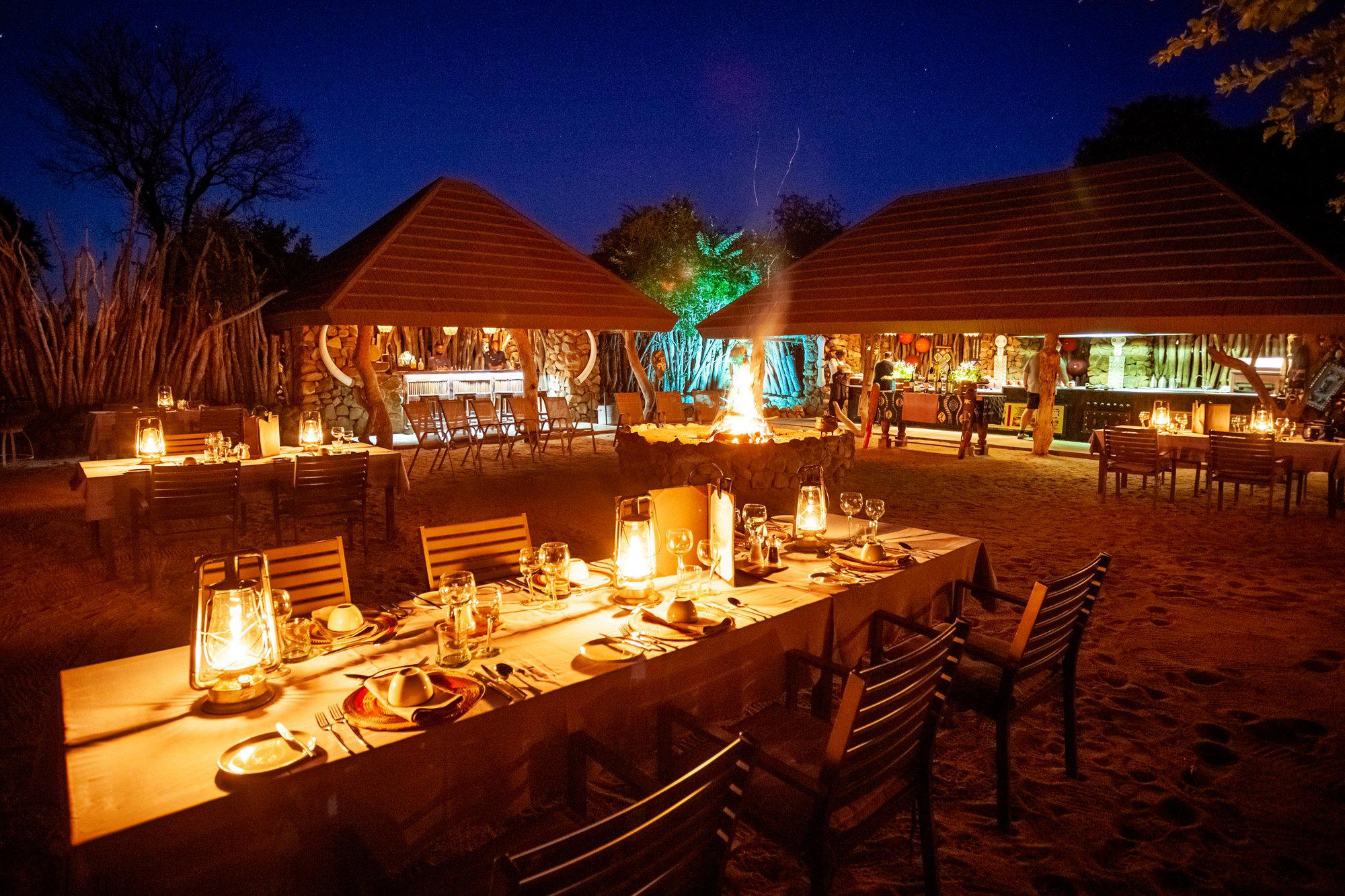
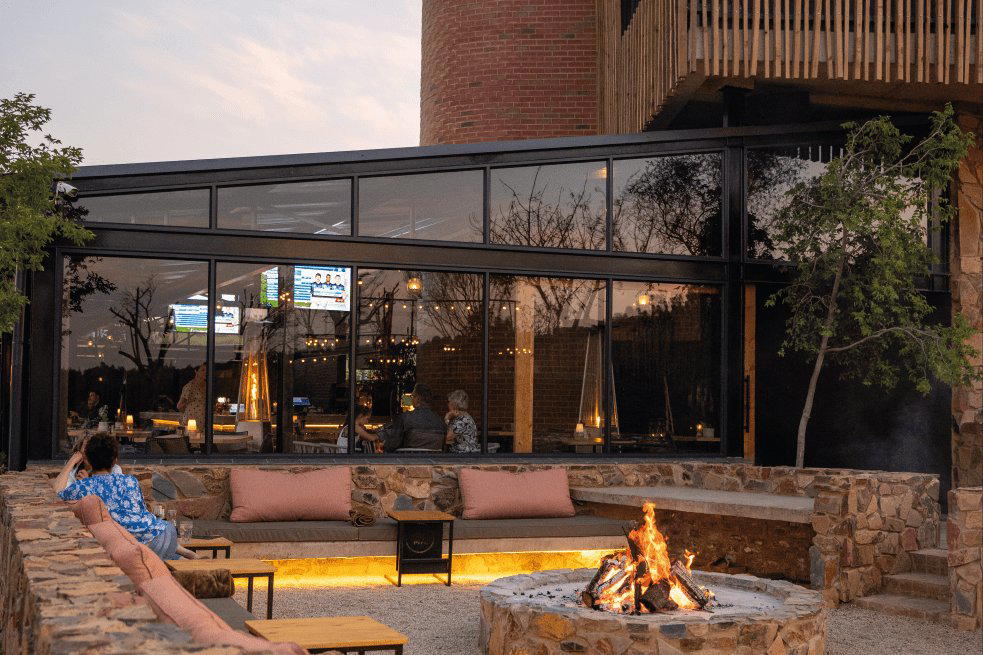
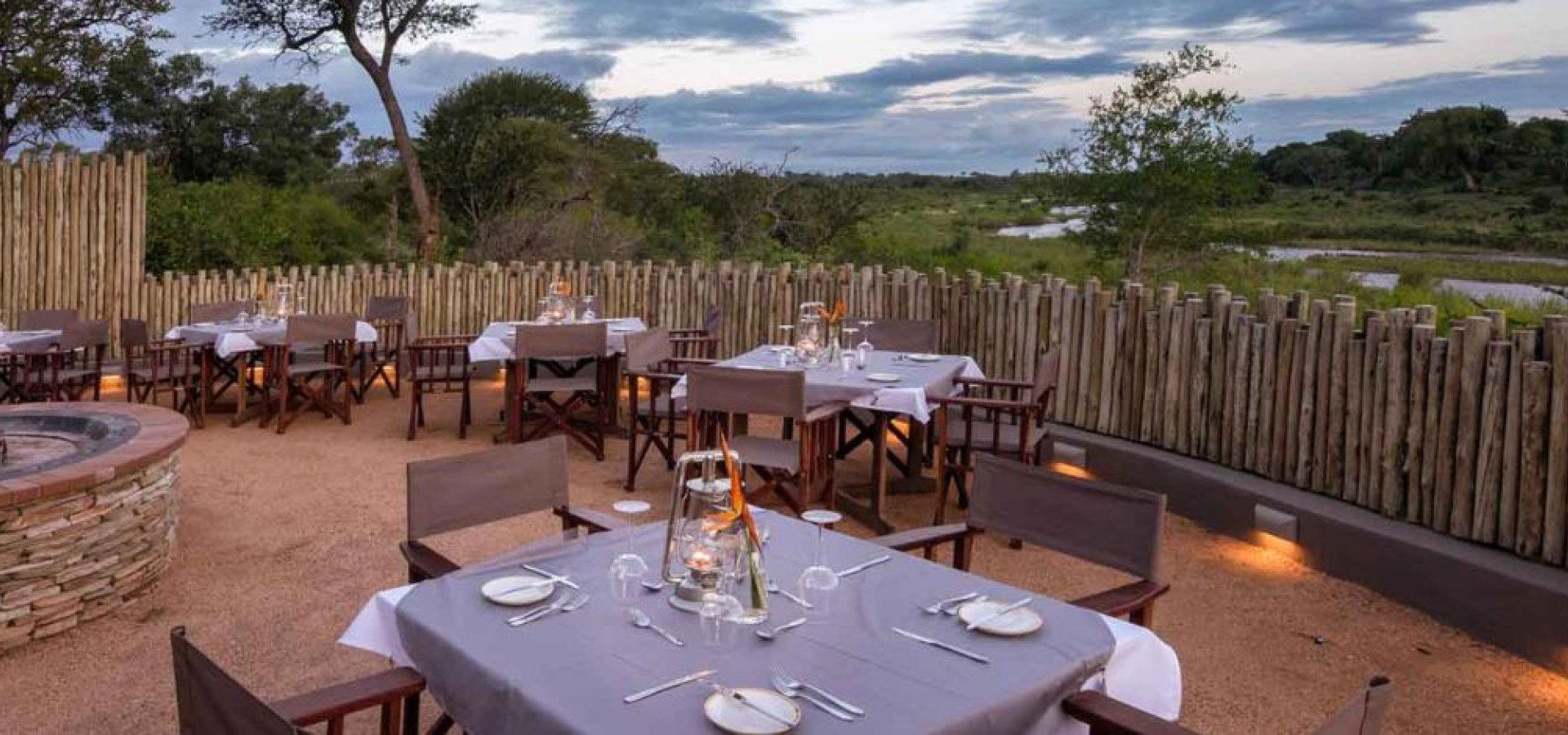
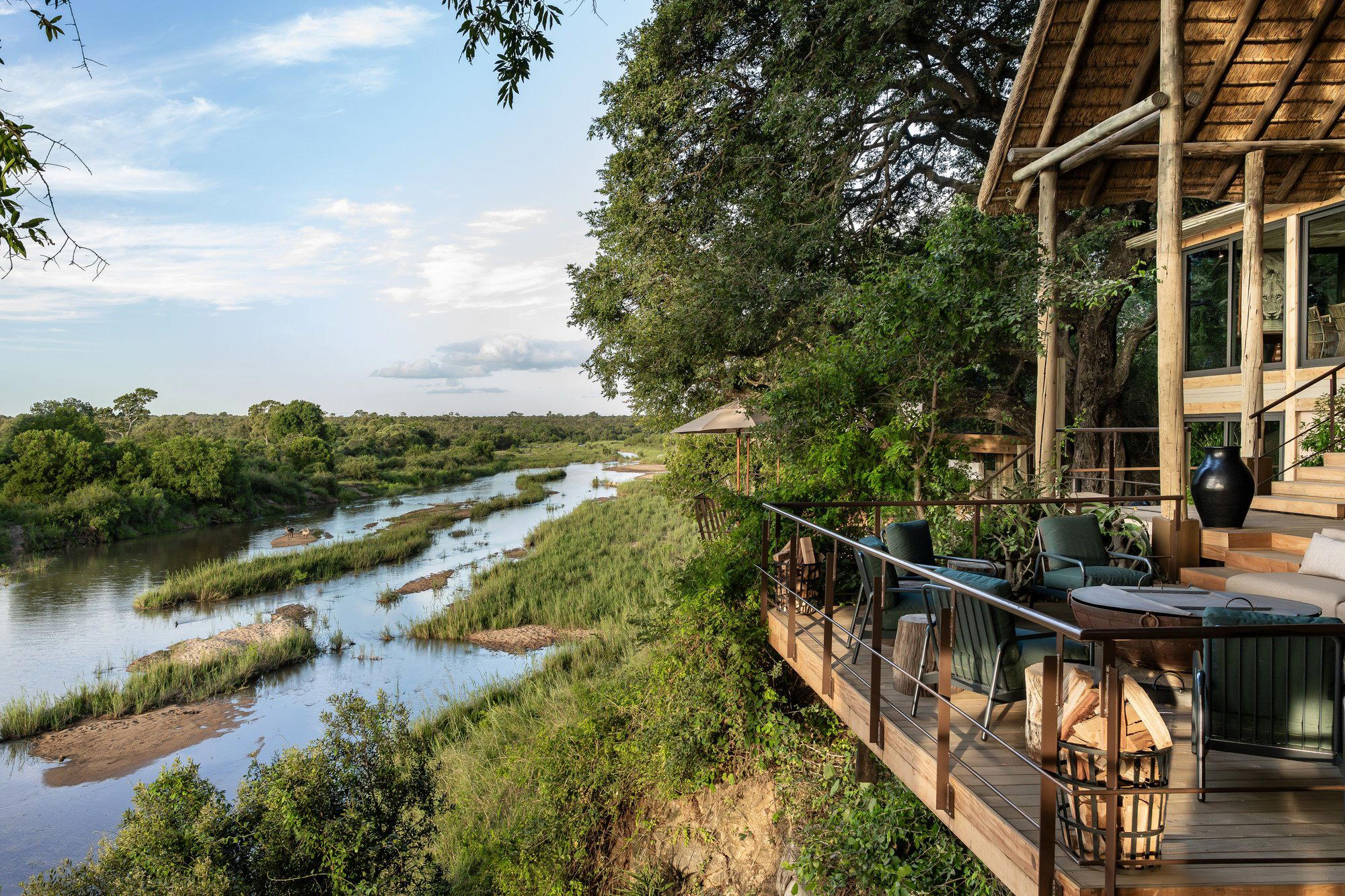
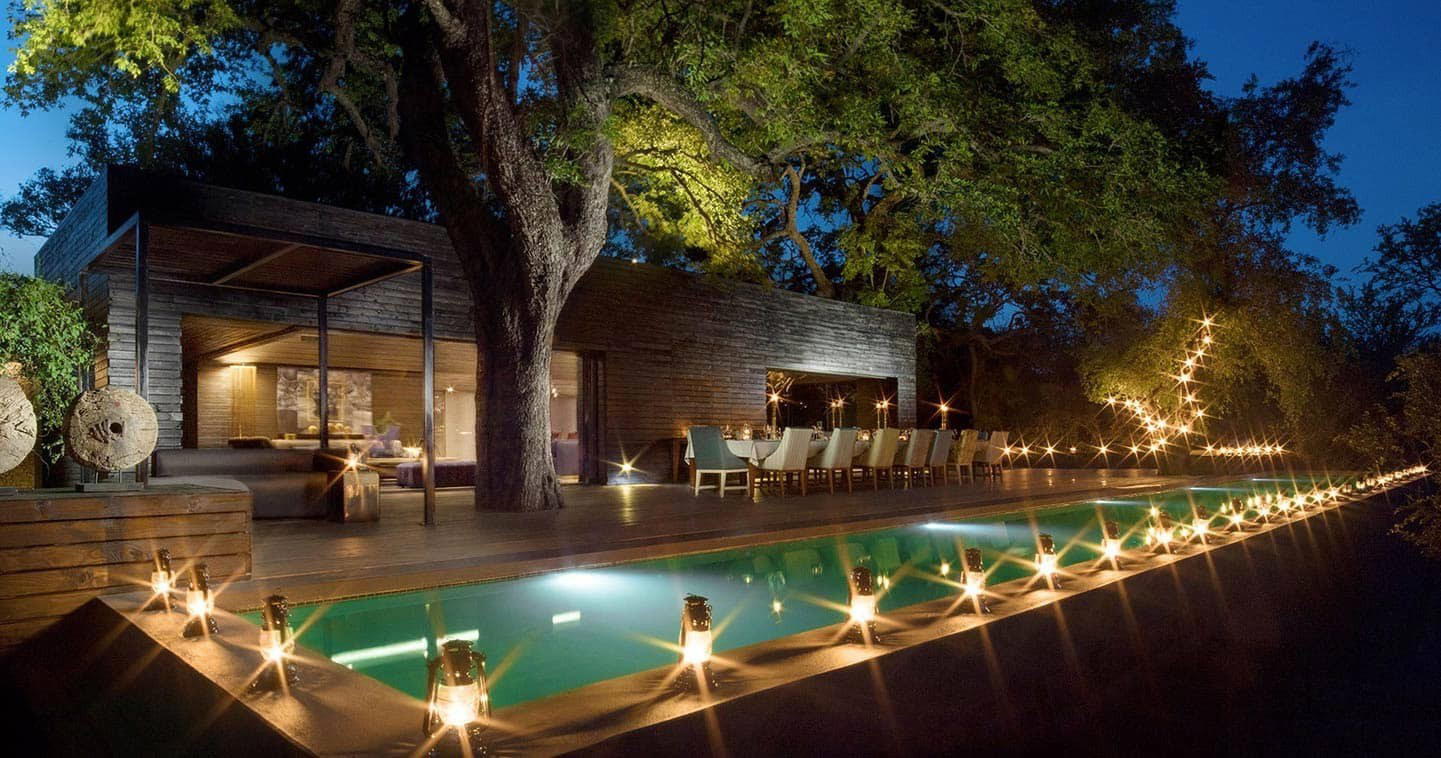
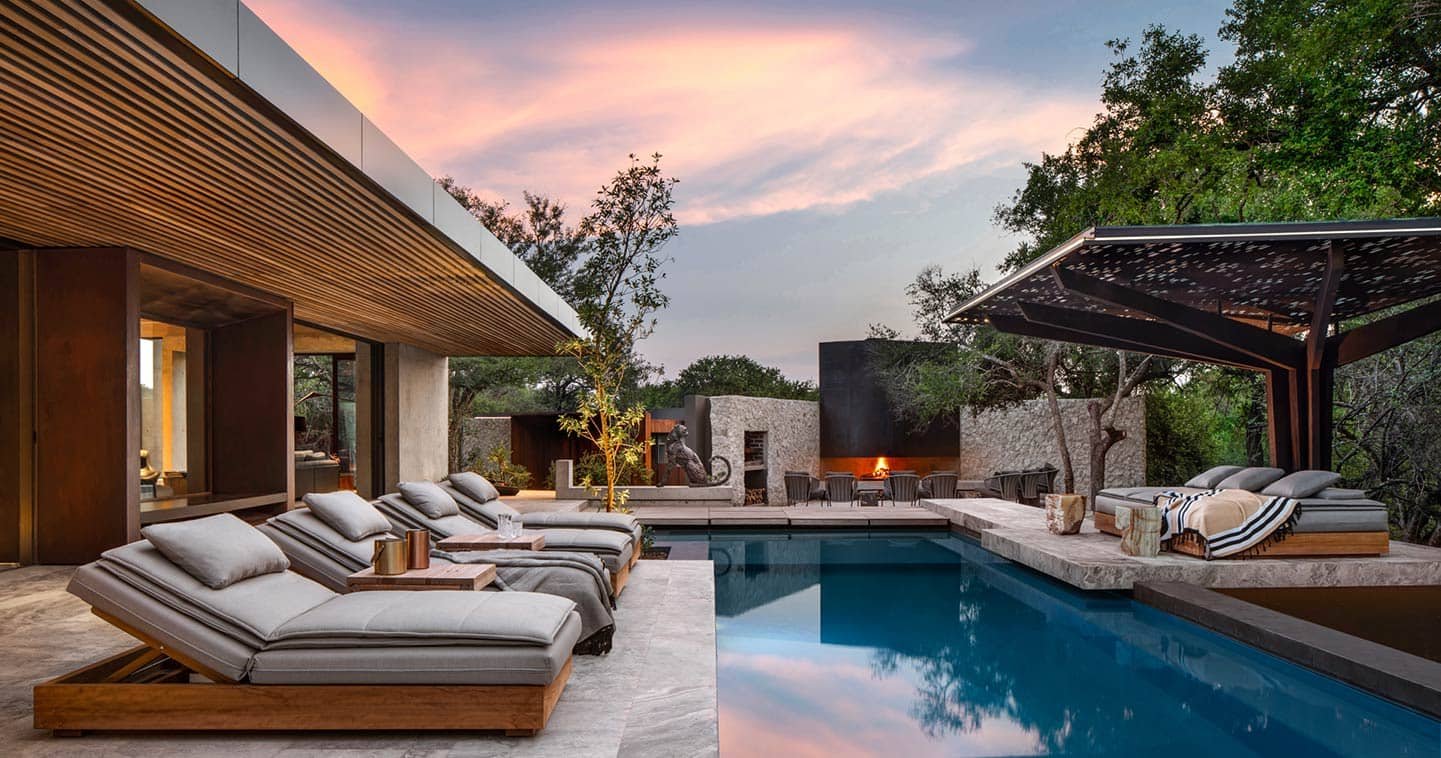
Boma Dining in Sabi Sand belongs to the safari-camp tradition where dinner is shaped by fire, open air, and proximity to the bush rather than a conventional restaurant room. The address places it inside Sabi Sands Game Reserve near Hazyview, with the outdoor fire pit setting doing much of the editorial work: this is about place, sourcing, and the rhythm of lodge dining.

Pearl is the En Primeur Club membership app — saves, bookings, and concierge access live there. Same editors, same standards.
- Address
- Sabi Sands Game Reserve, Hazyview, 1242 (outdoor fire pit area)
- Directions
- Get directions
The menu
What to order
- Braai
- Game meats
- Bobotie
Approaching a boma in Sabi Sand is less like entering a restaurant than crossing into the evening register of the reserve. The room is outside, the fire is part of the architecture, and the meal belongs to a format built around heat, smoke, and communal timing. The broader boma tradition explains the grammar of this style, but Boma Dining sits in a more specific context: Sabi Sand, where the bushveld is not scenery added after the fact. It determines how dinner feels, how guests gather, and why open-fire dining carries more authority here than it would in a city dining room.
Fire-led dining in a reserve where setting changes the meal
The boma format has deep roots across Southern African lodge hospitality, but in premium safari territory it has become a distinct dining category rather than a casual barbecue. The point is not elaborate plating. It is the way a meal is anchored to an outdoor fire pit, with the surrounding reserve supplying the acoustics, darkness, temperature shift, and sense of scale. In Sabi Sand, that matters because dinners compete less with urban fine dining and more with the day’s game drives, early starts, and long gaps between scheduled lodge rituals.
Ingredient handling is the more interesting lens here than chef biography. In the bush, freshness and logistics have consequences: kitchens work around remote supply chains, lodge provisioning, and menus that need to satisfy international guests without flattening the South African character of the table. A boma meal can make sense when it keeps the cooking close to elemental methods and dishes that read clearly in firelight. The format rewards directness. Overcomplication tends to feel misplaced outdoors.
That is also why Boma Dining should be understood beside other Sabi Sand lodge tables rather than against metropolitan tasting rooms. Singita Ebony Restaurant represents the polished lodge-restaurant end of the local spectrum, while campfire formats keep attention on atmosphere, shared pacing, and regional cues. Other private-reserve dining rooms sit in a related safari tradition, which helps explain why the boma remains such a durable form: it gives dinner a social structure that a standard dining room cannot copy.
What the Sabi Sand setting adds that a city boma cannot
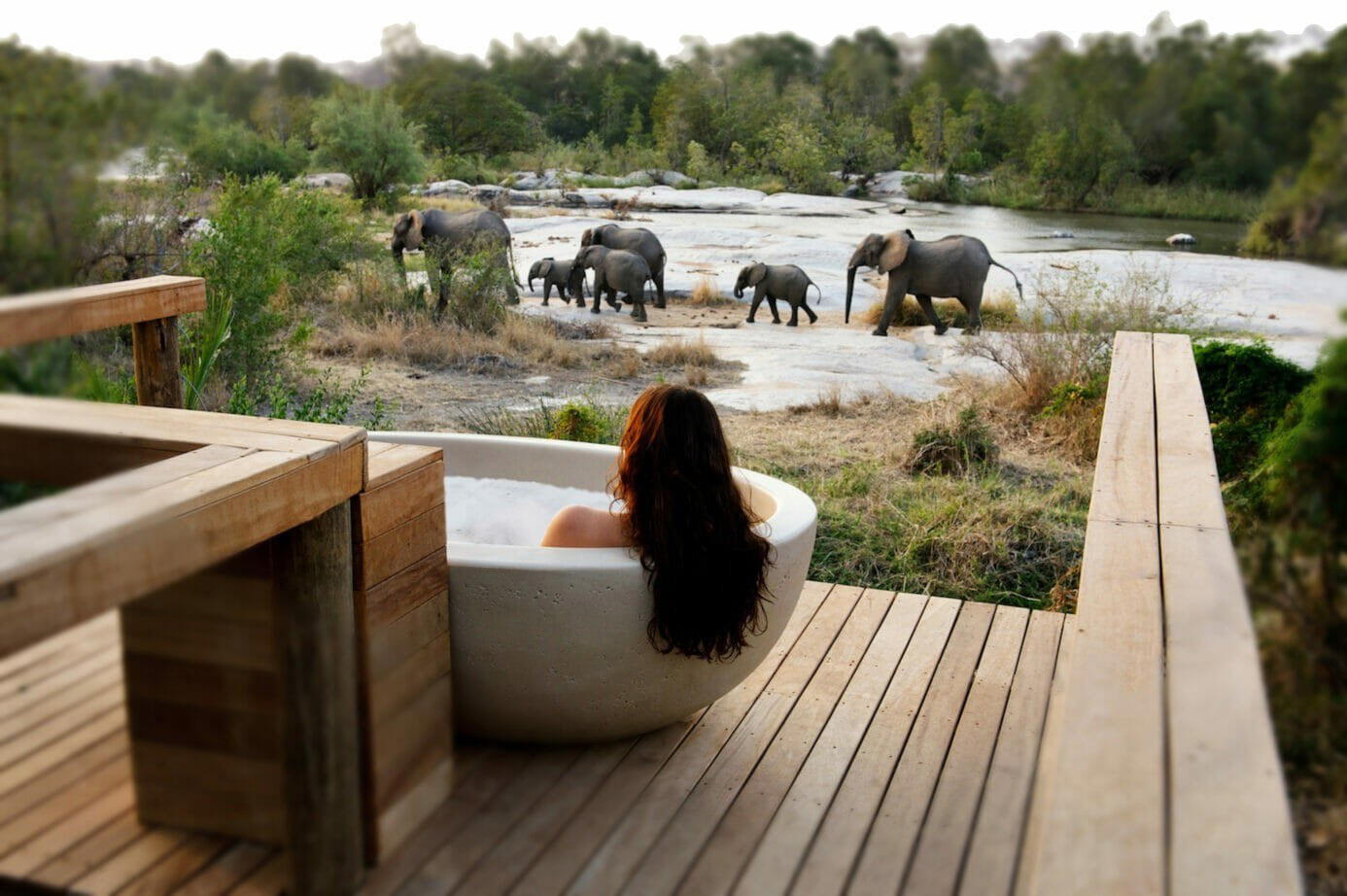
Sabi Sand’s dining culture is inseparable from the reserve’s hospitality model. Meals are often framed by the rhythm of a safari stay, so dinner has to do more than feed guests at the end of the day. It resets the group. The outdoor fire pit setting in Sabi Sand gives Boma Dining its central advantage: the setting makes the meal part of the safari experience rather than an add-on after it.
Compared with South African restaurants in cities and wine regions, the sourcing story changes. Urban and vineyard destinations often frame produce through farms, cellars, and coastal access, with menus shaped by their own local networks and audiences. Sabi Sand works differently. The emphasis shifts toward provisioning discipline, lodge hospitality, and food that can hold its shape outdoors. That does not make the cooking simpler in an operational sense. It makes the success criteria different.
The comparison becomes even clearer when set against coastal and urban hospitality. Seaside hotels and city restaurants operate with their own cues, audiences, and rhythms. In Sabi Sand, the audience is transient, international, and time-bound by the structure of a safari stay. That makes reliability, warmth, and a clear sense of place more valuable than theatrical menu language.
How to place it within a wider South African itinerary
Boma Dining is useful for travellers who want the safari portion of a South African trip to have its own dining identity rather than function as a pause between city, coast, or wine-country stops. The broader country itinerary can move from farm-led cooking to lodge dining, then to coastal hotels or city restaurants, without asking every table to perform the same role. Other rural dining points to another register, while the Sabi Sand boma format remains tied to reserve life and the communal pull of the fire.
Planning should start with category, not hype. This is an outdoor fire-pit dining experience inside Sabi Sand, so the reader decision is about appetite for atmosphere, shared rhythm, and South African lodge hospitality. Travellers building a fuller Sabi Sand stay should also cross-check our full Sabi Sand restaurants guide, our full Sabi Sand hotels guide, our full Sabi Sand bars guide, our full Sabi Sand wineries guide, and our full Sabi Sand experiences guide to see how dining, lodging, drinks, and guided activities fit together.
As a reference point, the format also shows how local dining traditions can travel unevenly. Compact city specialists and counter-led venues depend on precision, urban tempo, and product focus. A Sabi Sand boma depends on the opposite conditions: space, darkness, flame, and group tempo. That contrast is the reason Boma Dining earns attention in an itinerary. It is not trying to imitate the city. It works because the reserve gives the meal its logic.
Frequently asked questions
Is Boma Dining okay with children?
Boma Dining is an outdoor fire pit dining format in Sabi Sand. Families should confirm suitability, timing, and any age guidance directly with the property before planning a meal.
What's the overall feel of Boma Dining?
Boma Dining is defined by its outdoor fire pit area in Sabi Sand. The feel is informal and fire-led, with the reserve setting doing most of the work.
Where exactly is Boma Dining?
Sabi Sand.
Is Boma Dining reservation-only?
Boma Dining sits inside Sabi Sand rather than on a street-facing dining strip, so access is shaped by the property schedule. Advance coordination is the sensible assumption for a meal at the outdoor fire pit area.
What is Boma Dining known for?
Boma Dining is known for the boma format itself, served at an outdoor fire pit area in Sabi Sand. The setting gives safari dining a distinct identity that is closely tied to the reserve.
Can Boma Dining adjust for dietary needs?
Boma Dining does not list a chef or fixed menu in the public record, so specific dishes cannot be pinned down here. For dietary requests, check the venue's official channels in advance for the latest details.
In Context: Similar Options
Comparable venues by cuisine and price in the same metro.
| Venue | Cuisine |
|---|---|
| Boma DiningThis venue — the venue you are viewing | African Bush Dining |
| Singita Ebony Restaurant | Modern South African |
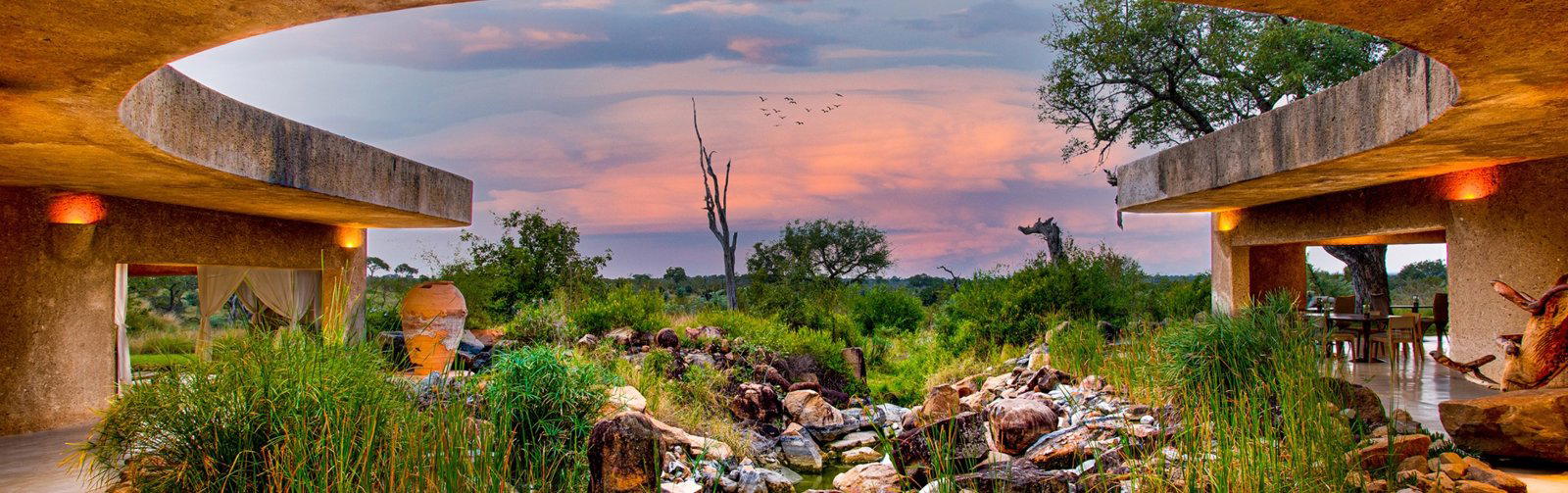
| Silvan Safari Lodge | South African |
Continue exploring
More in Sabi Sand
Restaurants in Sabi Sand
Browse all →
Bars in Sabi Sand
Browse all →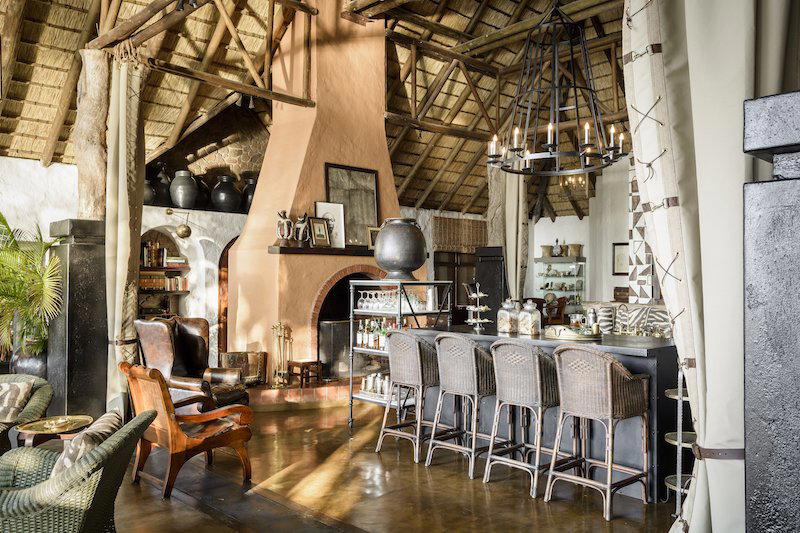
Boma Dining
The wine
- Wine program
- Curated wine list
- Extensive wine list
- Craft cocktails
Details
- Rustic
- Scenic
- Intimate
- Sophisticated
- Group Dining
- Special Occasion
- Casual Hangout
- Standalone
- Courtyard
- Extensive Wine List
- Craft Cocktails
- Local Sourcing
- Garden
- Set Menu
- Wine
- Cocktails
- Vegetarian Friendly
Traditional bush boma dining with a fire-lit, lantern-style safari atmosphere and an emphasis on immersive outdoor experience.