Boma
Our verdict
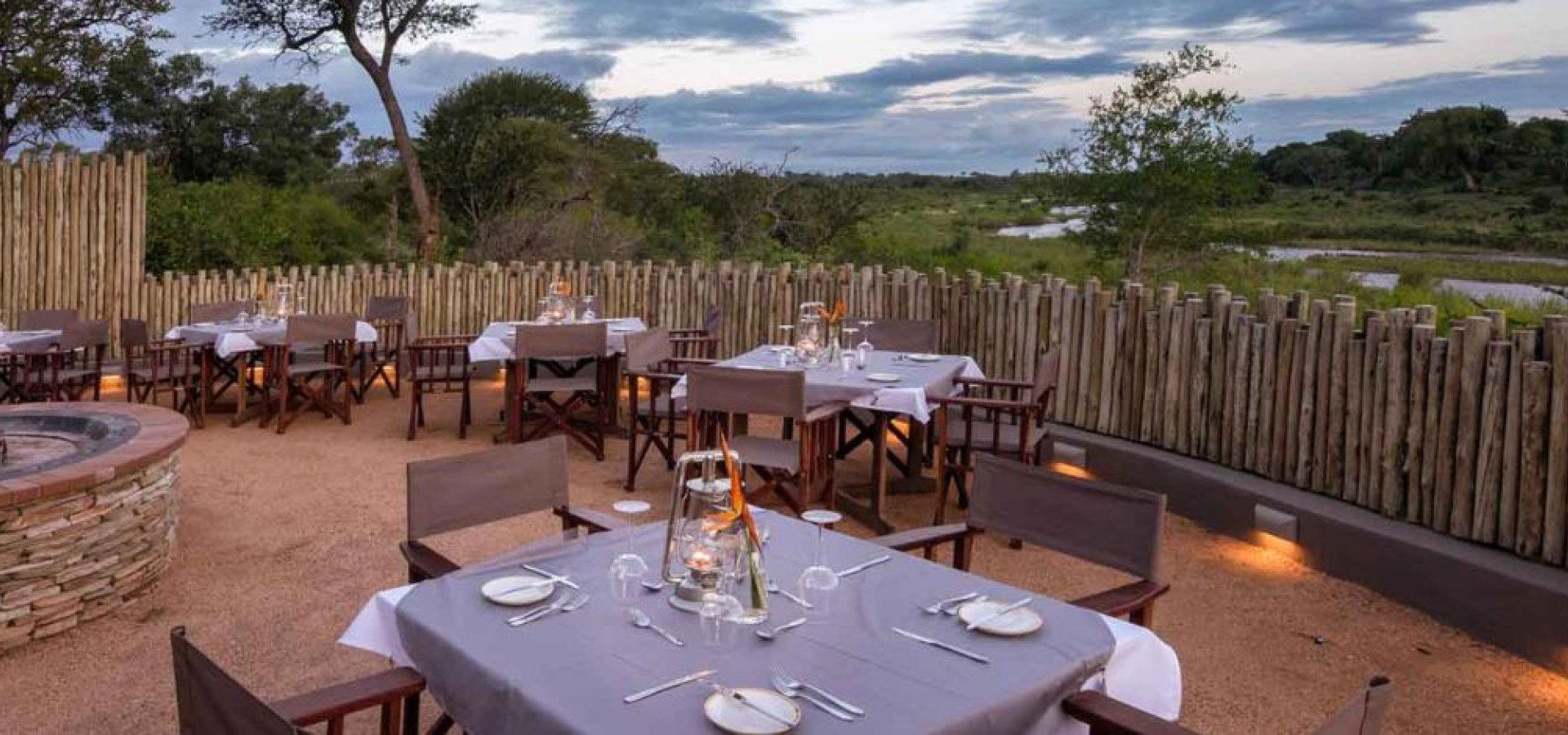
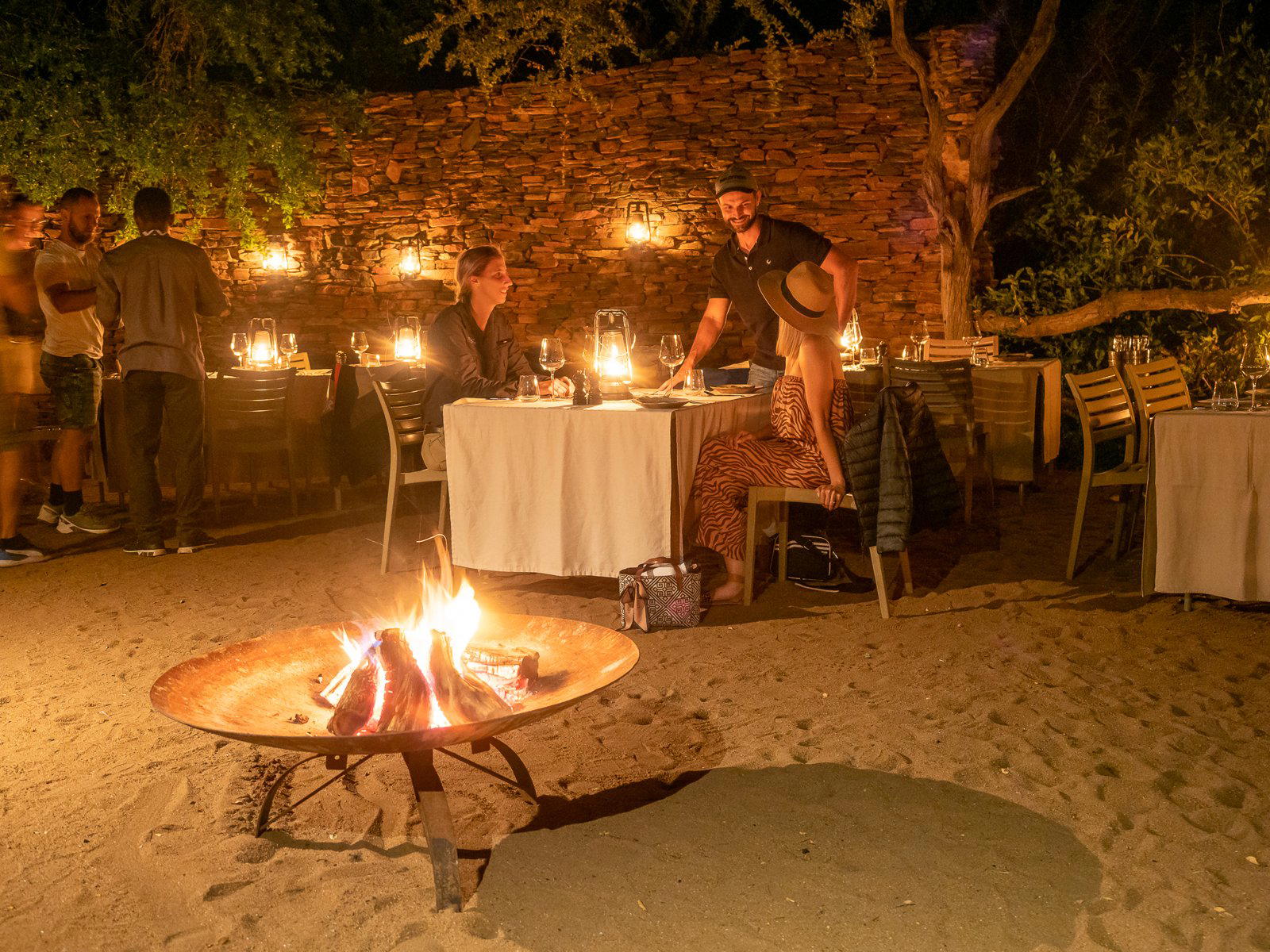
Boma in Sabi Sands belongs to the safari-dining tradition where the setting is not decorative but structural: fire, open air, and the rhythm of a game reserve shape the meal. With no chef, awards, or pricing publicly attached, its interest lies in format and place rather than culinary celebrity.

Pearl is the En Primeur Club membership app — saves, bookings, and concierge access live there. Same editors, same standards.
- Address
- Sabi Sand Game Reserve, South Africa (open-air boma)
- Directions
- Get directions
The menu
What to order
- Braai meats
- Potjiekos
- Boerewors
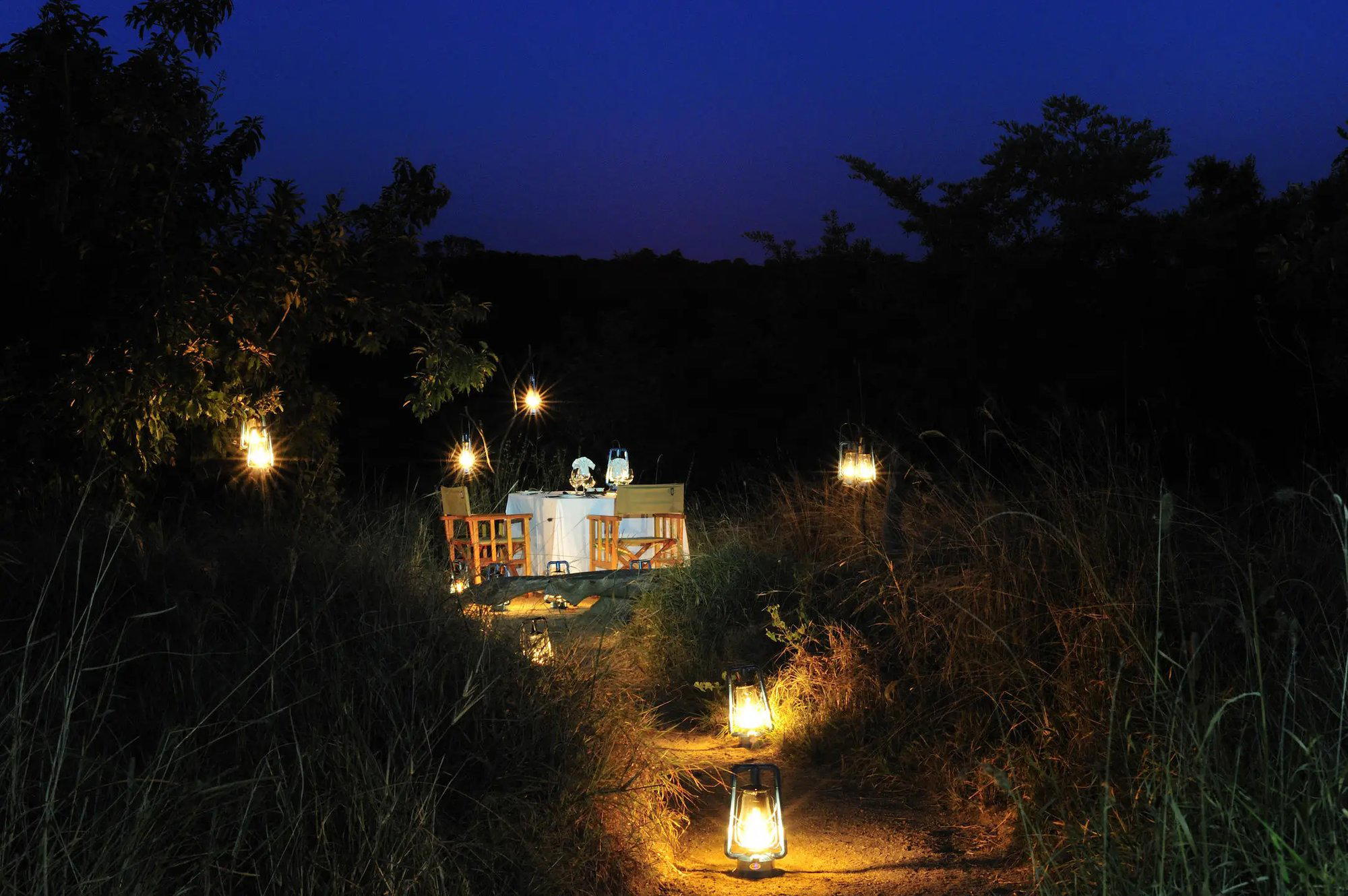
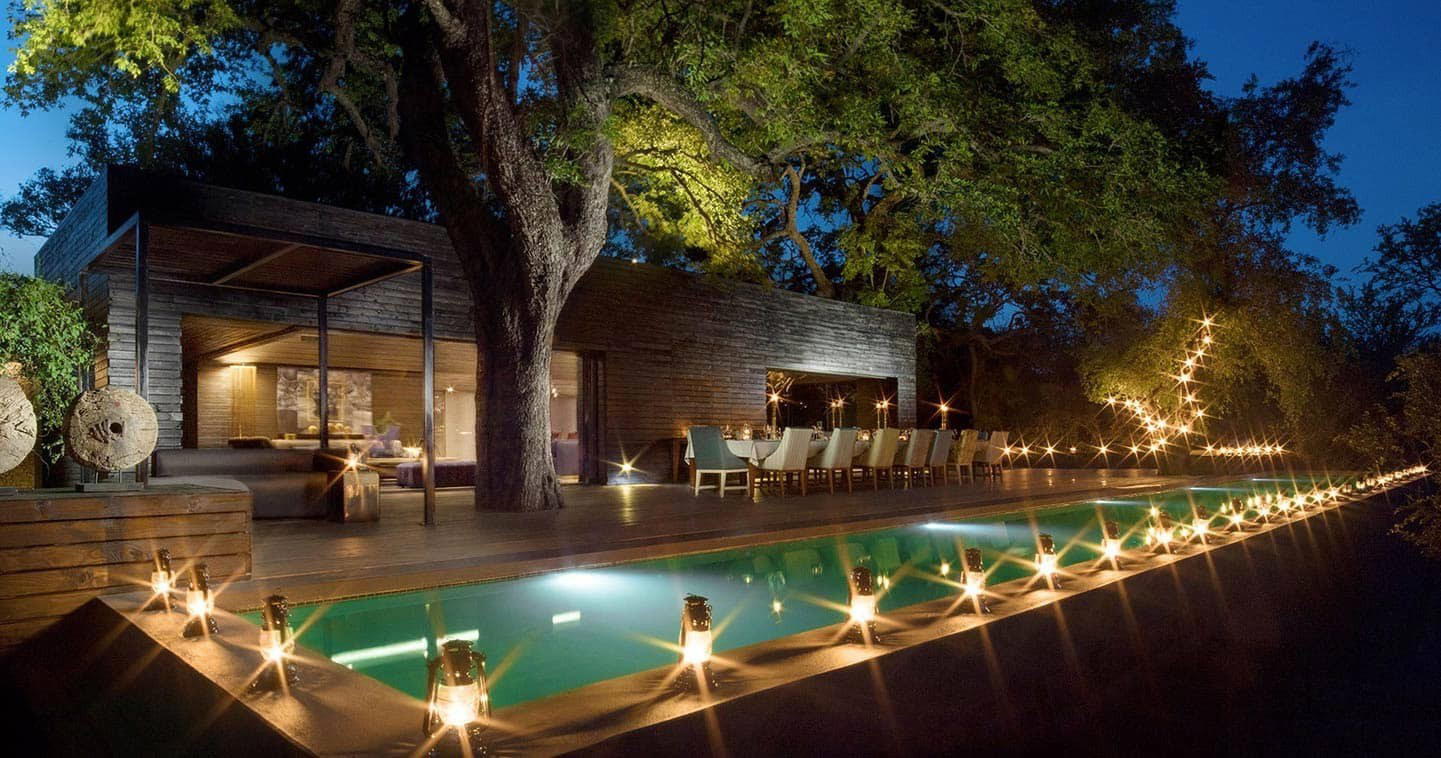
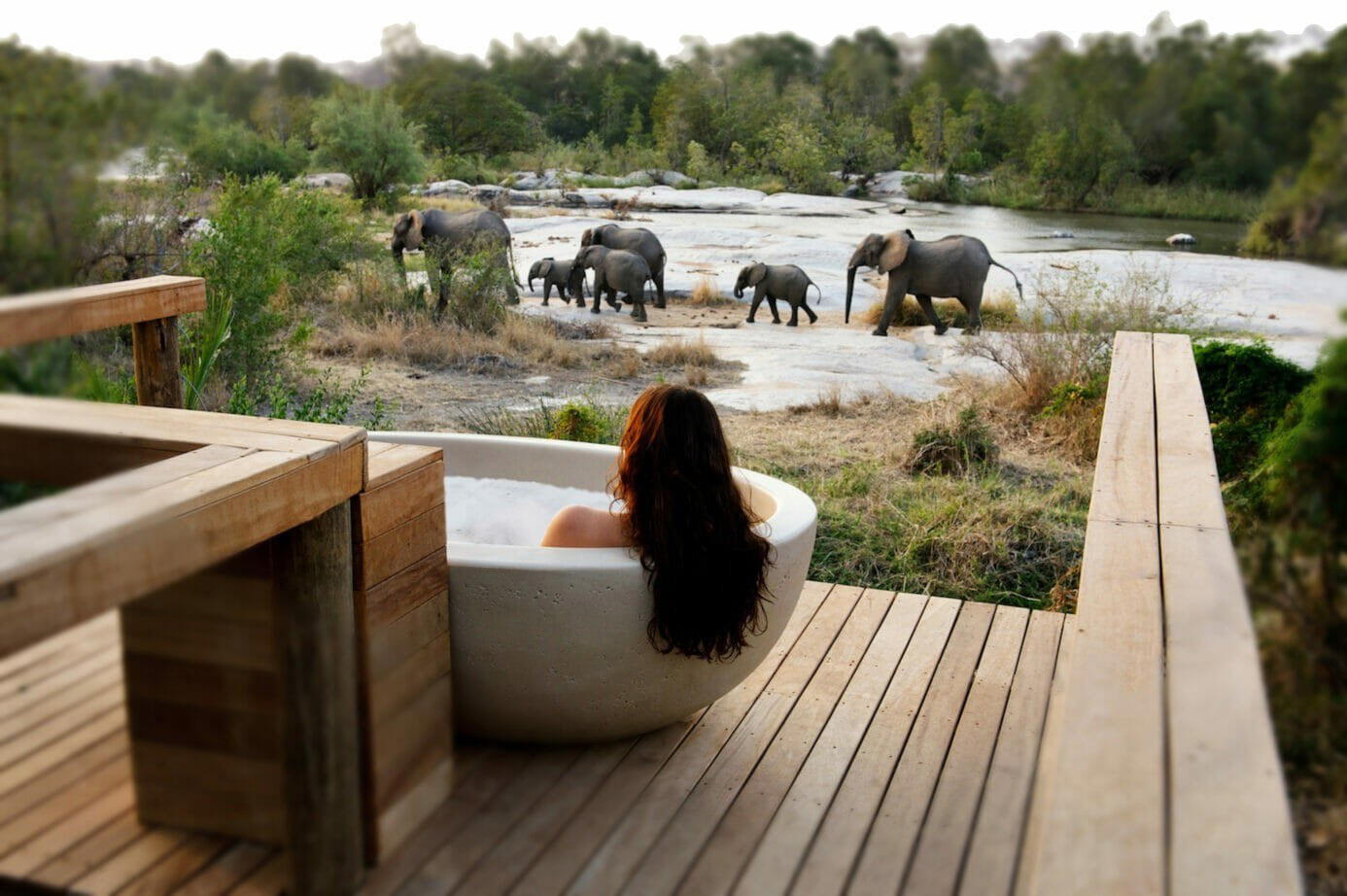
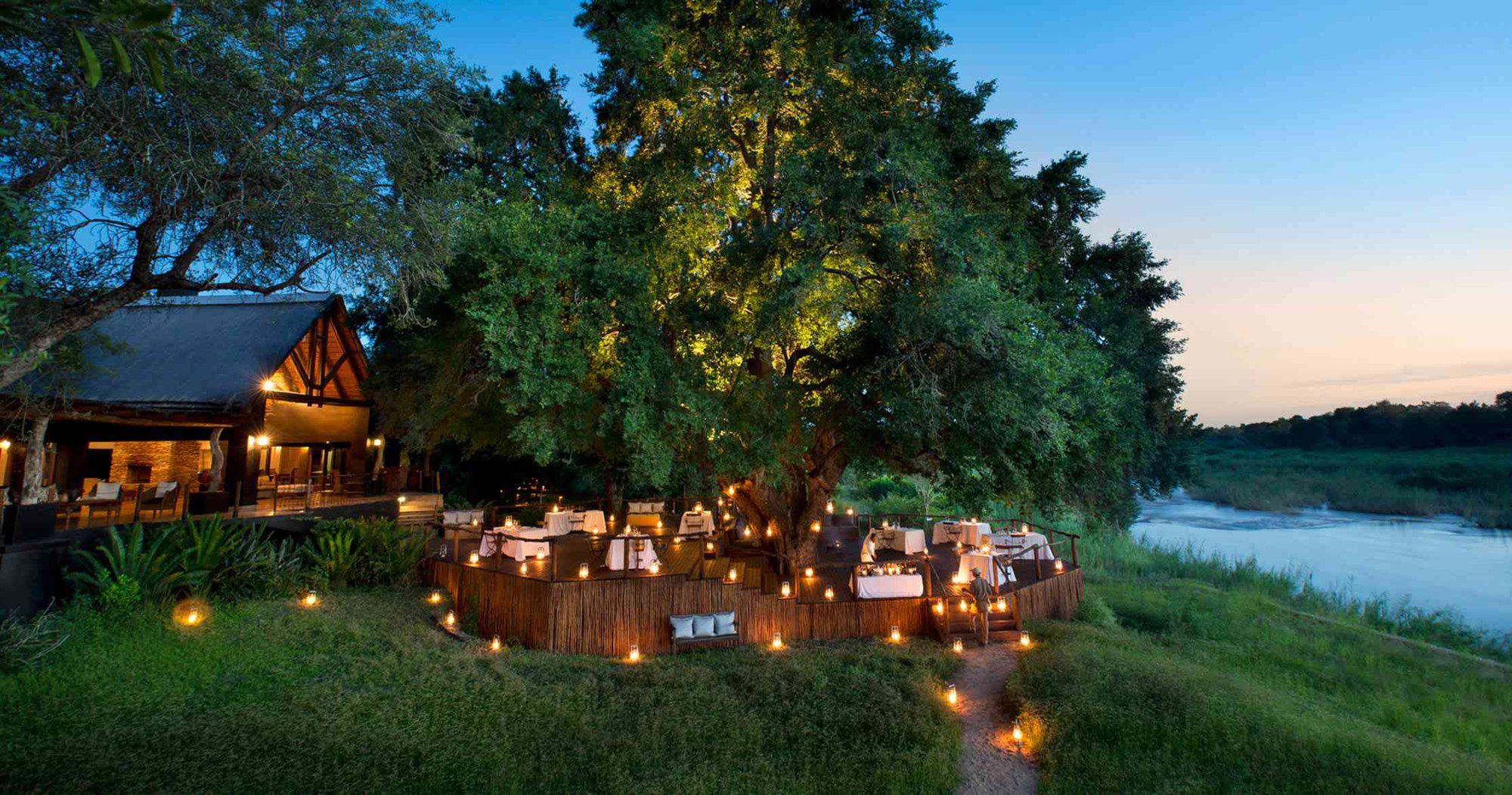
After dark in Sabi Sands, dinner changes register. The bush is no longer scenery beyond the lodge deck; it becomes the room. An open-air boma places the meal inside that shift, with firelight, night sounds, and a circular enclosure doing work that polished dining rooms usually assign to architecture. Boma belongs to this South African safari format: outdoors, communal in spirit, and shaped by the practical reality that remote lodges feed guests where supply lines, weather, wildlife movement, and lodge rhythm all matter.
The word boma has a long regional association with enclosed outdoor gathering spaces, and in safari country it is dining shorthand rather than a single cuisine. The format usually points to grill, smoke, shared dishes, and local pantry logic, but the better reading is sourcing. In the reserve, food is never only what arrives on a plate. It reflects what can be brought in consistently, cooked outdoors with discipline, and translated into South African hospitality for guests whose day has followed game drives rather than urban restaurant timing.
Open-air safari dining is a format, not a restaurant genre
Sabi Sands dining sits apart from city-led South African food culture. Cape Town and the Winelands can build long menus around farms, cellars, and chef-led tasting formats; the reserve works on another clock. Morning and afternoon drives set the tempo. Dinner often follows the return from the bush, when guests want warmth, clarity, and a sense of place rather than prolonged technical performance. The boma format corrects imported luxury habits: it values setting, timing, and fire management as much as plating.
Ingredient sourcing is the quiet test. In a remote reserve, credible cooking depends on restraint. Menus that mimic metropolitan dining can feel strained when logistics show; outdoor formats work better when they accept distance and season. South African produce, grilled meats, breads, relishes, and lodge-style shared service make sense here because they align with the environment. The point is not rusticity as theatre, but food that can hold up to smoke, cooler evening air, and a table focused on conversation rather than ceremony.
That distinction explains why comparison within Sabi Sands should be careful. A venue such as Silvan Safari Lodge, with a stated South African angle, belongs to the same broad reserve dining conversation, while formats labelled Boma Dining or Outdoor Boma show how common the category has become across safari hospitality. Boma in Sabi Sands should be judged within that field: not against urban tasting rooms, but against other lodge-driven outdoor meals where atmosphere, sourcing discipline, and service timing carry the evening.
Where Sabi Sands changes the meaning of provenance
In city restaurants, provenance often means named farms, line-caught fish, estate olive oil, or a chef’s relationship with a grower. In Sabi Sands, provenance adds distance. The reserve’s location makes every ingredient a logistical decision before it becomes a culinary one. That does not excuse dull cooking; it raises the value of menus that understand what travels, what should be cooked simply, and what belongs to the regional table. Fire is not a decorative cue here. It is one of the few cooking languages native to the setting without needing explanation.
The strongest version of this meal is less about novelty than coherence. A boma dinner should make sense after a drive through the reserve. It should not ask guests to switch into city-restaurant mode or reduce South African cooking to safari clichés. The format is most convincing when local ingredients and outdoor cooking carry the evening plainly: smoke, heat, shared platters, and enough restraint to let the night remain part of the experience.
For travellers mapping the broader region, the useful comparison is not only between restaurants. Sabi Sands is a hospitality ecosystem, so restaurants, lodges, bars, and experiences overlap. Start with Our full Sabi Sands restaurants guide, then cross-check lodge context through Our full Sabi Sands hotels guide, drinks through Our full Sabi Sands bars guide, regional cellar planning via Our full Sabi Sands wineries guide, and safari programming in Our full Sabi Sands experiences guide.
How to place it within a South African dining itinerary
A safari boma should not be forced into the same category as the country’s urban and coastal restaurants. Eating here is contextual: the meal belongs to the reserve and evening, not to a stand-alone chef narrative. Travellers building a wider South African route can use contrast as the organizing principle. Urban dining rooms, wine-country restaurants, farm-led kitchens, and coastal tables frame food through city, agriculture, and infrastructure. Sabi Sands frames it through remoteness and the nightly return from the bush.
Other South African settings sharpen the point: safari-style bomas and lodge dining elsewhere sit closer to the same outdoor grammar, while coastal restaurants and conservation-area cafés move the conversation toward sea air, shoreline produce, and protected landscapes. Inland bistros and rural hospitality add further counterpoints. International comparisons are useful only as reminders that format changes expectations: a counter, a café, and a firelit reserve dinner ask to be read by different rules.
The editorial case for Boma is strongest as place-led dining. Public recognition is not the main way to understand it, so the evidence sits in the format itself: an open-air boma in Sabi Sands. For travellers who care where food comes from, that matters. The reserve makes sourcing visible by making logistics visible, and the meal succeeds when it respects those conditions rather than disguising them.
Frequently asked questions
Is Boma suitable for children?
Boma is an open-air dining format in Sabi Sands, so it suits families comfortable with an outdoor safari setting. The practical answer depends on the evening schedule and how children handle a communal meal outdoors in South Africa.
What is the atmosphere like at Boma?
Expect an open-air boma setting in Sabi Sands, with the dinner format shaped by the reserve rather than a city dining room. It is an outdoor, communal experience in South Africa, not a formal restaurant interior.
Where is Boma located?
Sabi Sands.
Should I book Boma in advance?
Yes, planning ahead is sensible for any safari dining arrangement in Sabi Sands, especially because Boma is an open-air setup. The format is tied to the lodge or camp rhythm rather than casual walk-in service.
What is Boma known for?
Boma is known for open-air safari dining in Sabi Sands. Its appeal is the setting and format: an outdoor boma rather than a conventional restaurant room.
Comparable Spots, Quickly
Comparable venues by cuisine and price in the same metro.
| Venue | Cuisine |
|---|---|
| BomaThis venue — the venue you are viewing | African Braai / Boma Dining |
| Silvan Safari Lodge | South African |
| Boma | African Braai / Boma Dining |
Continue exploring
More in Sabi Sands
Restaurants in Sabi Sands
Browse all →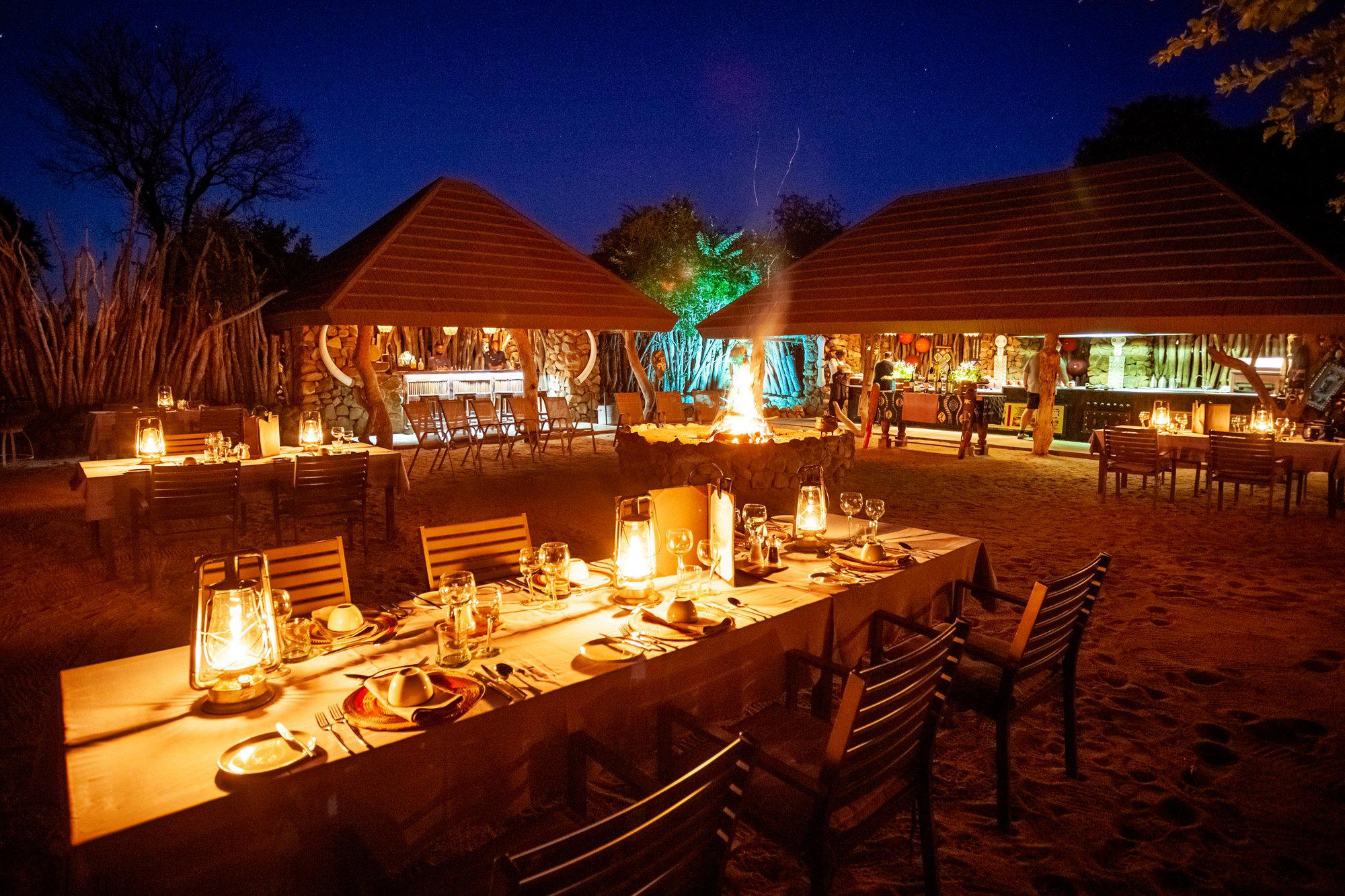
Bars in Sabi Sands
Browse all →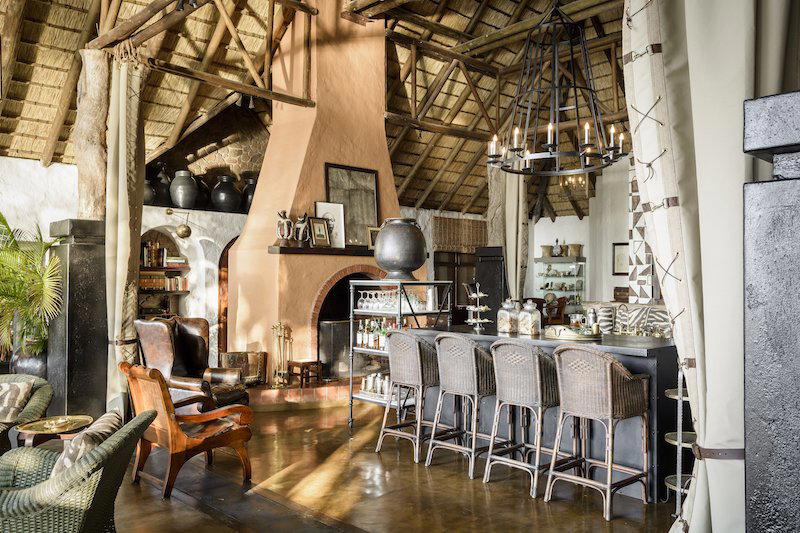
Boma
The wine
- Wine program
- Curated wine list
- Extensive wine list
- Craft cocktails
- Beer program
Details
- Scenic
- Rustic
- Classic
- Group Dining
- Special Occasion
- Family
- Standalone
- Extensive Wine List
- Craft Cocktails
- Beer Program
- Local Sourcing
- Garden
- Buffet
- Set Menu
- Wine
- Vegetarian Friendly
Open-coal-fire safari dining with a traditional African barbecue feel, often described as atmospheric and under-the-stars.