Boiling Beijing
Our verdict
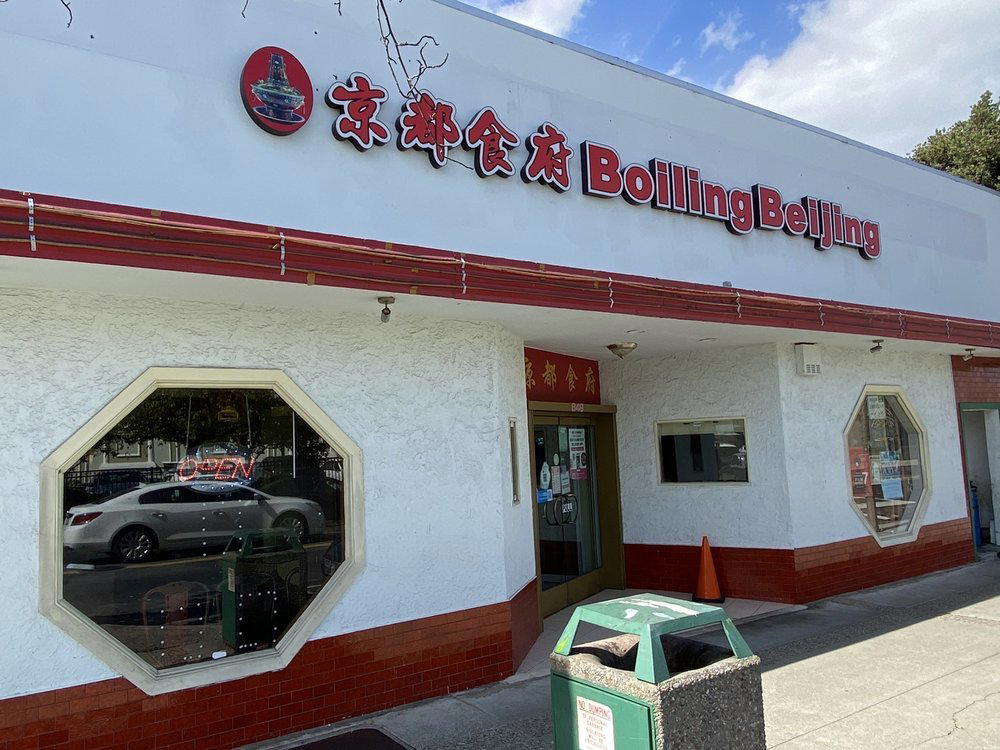
Boiling Beijing brings northern Chinese hot pot and bold spice-forward cooking to San Mateo Avenue, placing it among San Bruno's more distinctive options for communal, ingredient-driven dining. The format rewards groups willing to engage with the food rather than simply receive it. For the Peninsula's Chinese dining scene, it occupies a niche that few neighbors on the strip attempt.

Pearl is the En Primeur Club membership app, where members save venues, book tables and use the concierge.
The menu
What to order
- Peking Duck
- Beijing Style Lamb Hot Pot
Steam, Spice, and the San Mateo Avenue Strip
San Bruno's San Mateo Avenue has quietly accumulated a cross-section of Asian dining that punches well above what the city's modest footprint might suggest. Where Gintei (Japanese) anchors the Japanese end of the strip and Patio Filipino holds the Filipino corner, Boiling Beijing slots into a category that the street otherwise leaves underserved: northern Chinese hot pot, built around the ritual of communal cooking and the sourcing logic that defines the format at its most serious.
Hot pot as a dining format is inseparable from ingredient quality. The broth is infrastructure; what matters is what goes into it, and in what condition it arrives at the table. The leading hot pot operations source with the same intentionality that farm-to-table tasting menus at places like Blue Hill at Stone Barns in Tarrytown or Single Thread Farm in Healdsburg apply to their mise en place. The logic differs, but the dependency on provenance does not. At Boiling Beijing, that framing matters: the format asks guests to cook their own food, which means the raw state of the ingredients is the kitchen's primary statement.
The Ingredient-First Logic of Hot Pot
Northern Chinese hot pot, particularly in the Beijing style, leans toward a cleaner, less chili-saturated broth than its Sichuan counterpart. Where Sichuan mala hot pot drowns ingredients in numbing heat, the Beijing tradition uses a clear or lightly seasoned base to let proteins and vegetables carry their own character. This is a format that rewards sourcing discipline: thinly shaved lamb, hand-cut beef, and fresh tofu register distinctly in a clean broth in ways they cannot when buried in spice.
That distinction matters for understanding what Boiling Beijing is doing on San Mateo Avenue. The Peninsula's Chinese restaurant scene has historically skewed toward Cantonese and Shanghainese formats, with northern Chinese options appearing less frequently. A Beijing-style hot pot operation fills a gap that diners coming down from San Francisco, where the Chinese dining scene is broader and more segmented, will recognize immediately. For context, northern Chinese cooking more broadly has found recognition in the Bay Area, though it remains a smaller niche than the Cantonese tradition that dominated the region's Chinese restaurant history through the twentieth century.
The communal format also signals something about the dining posture the restaurant is designed for. Hot pot is not a solo experience, and it is not a passive one. Guests manage their own cooking times, sequence their own additions to the pot, and make decisions that affect the flavor trajectory of their meal. For diners accustomed to the precision sequencing of a tasting menu, the kind of control exerted at The French Laundry in Napa or Smyth in Chicago, hot pot represents the inverse: authority handed to the table.
Positioning Boiling Beijing within San Bruno's dining scene requires acknowledging that the city's restaurant offerings are neighborhood-level rather than destination-level. This is not a criticism; it reflects the character of a small Peninsula city where most restaurants serve a local and commuter population rather than drawing from across the Bay Area. Ichika Izakaya and Pho de Nguyen operate in the same register: honest, format-specific, priced for regulars. Boiling Beijing fits that pattern.
Hot pot operations require more equipment investment and more ingredient logistics than a standard à la carte kitchen. The table-based induction burners, the portioned ingredient trays, the dual-broth split pots that have become standard in the category: these are signals of commitment to the format rather than improvisation. Compared to a casual noodle shop or a Cantonese rice plate operation, a functioning hot pot restaurant represents a more deliberate operational posture.
For the San Bruno diner, that means Boiling Beijing occupies a different role than its neighbors. It is the kind of restaurant that works well for groups who want an active, extended meal rather than a quick plate. The format slows the table down in a way that suits family gatherings and casual celebrations without requiring the ceremony of a fine dining reservation at, say, Providence in Los Angeles or Addison in San Diego.
Planning a Visit
Boiling Beijing is located at 649 San Mateo Ave, San Bruno, CA 94066, within walking distance of the broader strip of Asian restaurants that defines this stretch. The venue sits in a commercial corridor that is direct to reach from the 101 or via Caltrain to San Bruno station. Given the nature of the hot pot format, arriving as a group rather than staggering arrivals makes practical sense: the meal is designed to start collectively.
For a broader map of the San Bruno dining scene, including the full range of options on and around San Mateo Avenue, see our full San Bruno restaurants guide. Diners interested in how ingredient-sourcing philosophy plays out at the higher end of the American dining spectrum can find useful reference points at Lazy Bear in San Francisco, Le Bernardin in New York City, Atomix in New York City, Emeril's in New Orleans, Frasca Food & Wine in Boulder, and The Inn at Little Washington in Washington, each of which approaches provenance from a different culinary tradition. For a European perspective on sourcing-led cooking, Atelier Moessmer Norbert Niederkofler in Brunico offers a sharp contrast in format while sharing the same underlying discipline.
Frequently asked questions
Is Boiling Beijing a family-friendly restaurant?
Hot pot is structurally one of the more family-compatible dining formats: the communal pot, cook-at-your-own-pace setup suits different ages and preferences at the same table. Located at 649 San Mateo Ave in San Bruno, the venue sits within a walkable strip of Asian restaurants that draws a broad neighborhood crowd.
What's the vibe at Boiling Beijing?
San Mateo Avenue in San Bruno trends toward casual, neighborhood-anchored dining rather than destination fine dining, and Boiling Beijing fits that register. Beijing-style hot pot is by nature a social, participatory meal, the table does the cooking, which sets an informal, unhurried tone. Expect a functional, communal atmosphere rather than a curated dining room.
How does Beijing-style hot pot at Boiling Beijing differ from Sichuan hot pot?
Beijing-style hot pot traditionally uses a clear or lightly seasoned broth, often mutton-based, which lets the flavor of individual ingredients, thinly sliced lamb, fresh vegetables, tofu, carry each bite rather than a heavily spiced cooking liquid. Sichuan hot pot, by contrast, relies on a chili-and-numbing-pepper base that dominates the palate. Boiling Beijing on San Mateo Ave in San Bruno is one of the few spots in the South Bay specifically oriented around the Northern Chinese tradition.
What should I eat at Boiling Beijing?
Beijing-style hot pot centers on a cleaner, less chili-forward broth than Sichuan variations, making the quality of the raw ingredients the focal point. Thinly sliced meats, vegetables, and dipping sauces carry the meal.
What's Boiling Beijing's location?
Boiling Beijing is located at 649 San Mateo Ave, San Bruno, CA 94066, San Bruno.
What has Boiling Beijing built its reputation on?
Boiling Beijing has positioned itself within San Bruno's San Mateo Avenue corridor, a strip that has accumulated a cross-section of Asian dining that outperforms the city's modest size. Its focus on Northern Chinese hot pot, a format that prioritizes broth clarity and ingredient quality over heat-driven complexity, distinguishes it from the Sichuan-dominant hot pot options more common across the Bay Area.
A Quick Peer Check
Comparable venues nearby, for context on price, style, and recognition.
| Venue | Cuisine | Price | Awards | Notes |
|---|---|---|---|---|
| Boiling BeijingThis venue (the venue you are viewing) | Authentic Beijing Chinese | $20–30 | Not listed | Not listed |
| Patio Filipino | Authentic Filipino | $20–30 | Not listed | San Bruno |
| Pho de Nguyen | Authentic Vietnamese Pho | $10–20 | Not listed | San Bruno |
| Ichika Izakaya | Japanese Izakaya | $30–50 | Not listed | San Bruno |
| Gintei | Authentic Japanese Sushi Omakase | $100–150 | Michelin Plate | San Bruno |
| IPOT | All-You-Can-Eat Hotpot & Korean BBQ | $30–50 | Not listed | Inner Sunset |
Continue exploring
More in San Bruno
Restaurants in San Bruno
All restaurants in San Bruno →
Bars in San Bruno
Browse all →
Details
- Cozy
- Group Dining
- Casual Hangout
- A La Carte
- Halal
Current opening hours
- Monday
- 11 AM–2:30 PM, 5–9 PM
- Tuesday
- Closed
- Wednesday
- 11 AM–2:30 PM, 5–9 PM
- Thursday
- 11 AM–2:30 PM, 5–9 PM
- Friday
- 11 AM–2:30 PM, 5–9 PM
- Saturday
- 11 AM–2:30 PM, 5–9 PM
- Sunday
- 11 AM–2:30 PM, 5–9 PM
Hours can change for holidays and private events. Hours as of .
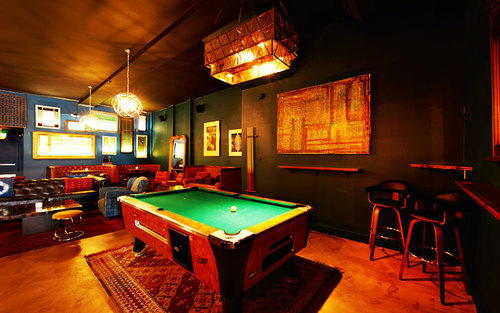
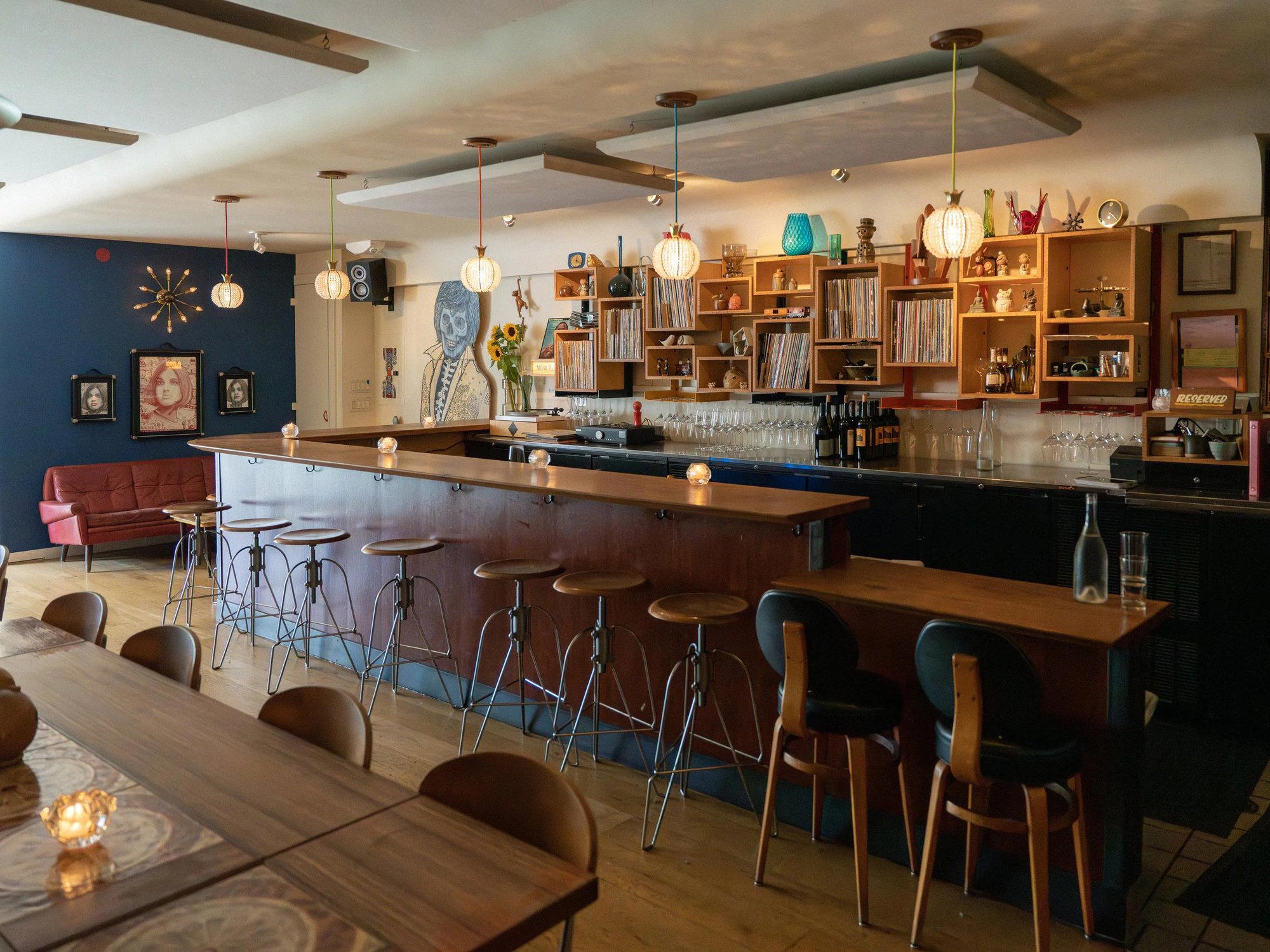
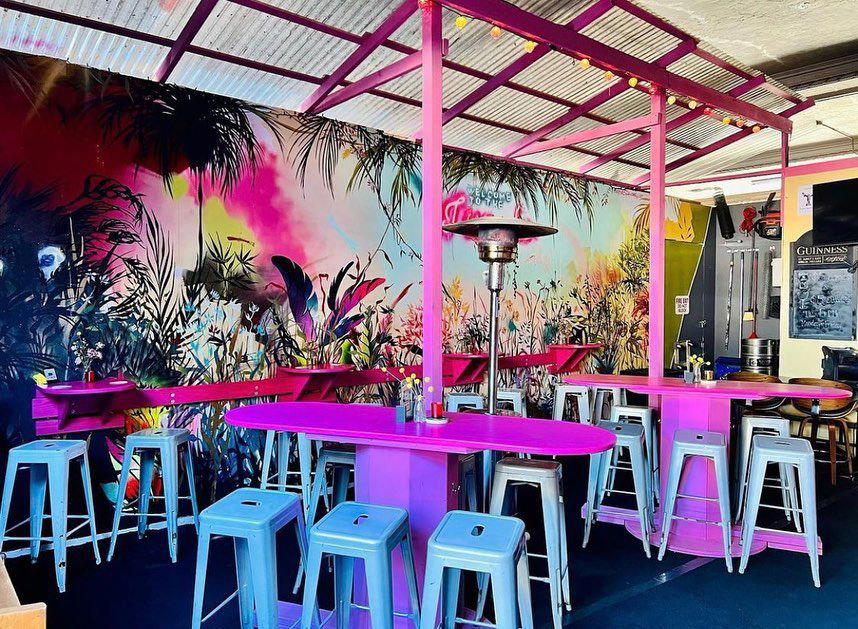
Cozy and inviting with a lively, loud atmosphere filled with diners enjoying authentic flavors.