Bodensee
Our verdict
Bodensee sits on Munich Strasse in Helen, Georgia, the small Appalachian town that has maintained a Bavarian architectural theme since the late 1960s. The restaurant draws on that Central European context to shape its approach to the table, placing it within a dining scene that few Georgia destinations can claim. For visitors working through Helen's food options, it represents the German-inflected end of a compact but earnest local roster.

Pearl is the En Primeur Club membership app — saves, bookings, and concierge access live there. Same editors, same standards.
- Address
- 64 Munich Strasse, Helen, GA 30545
- Phone
- (706) 878-1026
- Hours
- Mon–Tue 11 AM–8 PMWed ClosedThu 11 AM–8 PMFri–Sat 11 AM–9 PMSun 11 AM–8 PM
- Website
- bodenseerestaurant.com
- Directions
- Get directions
The menu
What to order
- Schnitzel
- Spaetzle
- Goulash
- Schweinebraten
Where Alpine Architecture Meets Appalachian Address
Helen, Georgia is an odd proposition on paper: a former timber town in the Blue Ridge foothills that rebranded itself in 1969 as a Bavarian alpine village, complete with half-timbered facades, flower boxes, and street names in German. The transformation was economic necessity dressed as civic imagination, and it stuck. Today the town draws roughly two million visitors a year to its half-mile commercial strip along the Chattahoochee River, making it one of the more visited small towns in the American Southeast. Bodensee, addressed at 64 Munich Strasse, operates inside that context, and the context matters more than it might seem at first pass.
The name references the Bodensee, the large lake shared by Germany, Austria, and Switzerland, a region whose food culture sits at the intersection of Southern German, Alsatian, and Swiss Alpine traditions. That geographic reference sets an expectation: cuisine shaped by lacustrine and farming sources, by cured meats, lake fish, root vegetables, and bread traditions that predate industrial supply chains by centuries. Whether a restaurant in a Georgia mountain town can fully honor that lineage is the question a serious diner brings to the table. For the regional context, it is enough that the framing exists and that Helen's dining scene, reviewed in our full Helen restaurants guide, rewards visitors who engage with it on its own terms rather than measuring it against urban benchmarks.
The Sourcing Logic Behind Central European Table Traditions
Central European cooking, at its core, is a cuisine of preservation and proximity. Before refrigeration, the Bodensee region's kitchens worked with what could be caught, cured, pickled, or stored through winter: whitefish from the lake, pork in every form from schmaltz to Speck, fermented cabbage, mustard, horseradish, and root cellars full of beets and turnips. That sourcing logic produced dishes of genuine structural interest, where technique exists to extend ingredient life rather than to perform novelty. The contrast with contemporary tasting-menu culture, exemplified at places like Blue Hill at Stone Barns in Tarrytown or Single Thread Farm in Healdsburg, is instructive: both traditions care deeply about where food comes from, but the Alpine version was shaped by scarcity rather than abundance, which gives it a different character on the plate.
In a town like Helen, where the agricultural hinterland is genuinely productive, that sourcing philosophy has local resonance. The North Georgia mountains grow apples, raise trout in cold-water streams, and support small pork operations whose output can plausibly supply a kitchen that knows what to do with it. A restaurant working in the Bavarian register, even loosely, has access to regional ingredients that align with the tradition it is invoking. That alignment is not incidental: it is the difference between a themed dining room and a restaurant with a coherent ingredient argument.
Helen's Dining Scene and Where Bodensee Sits Within It
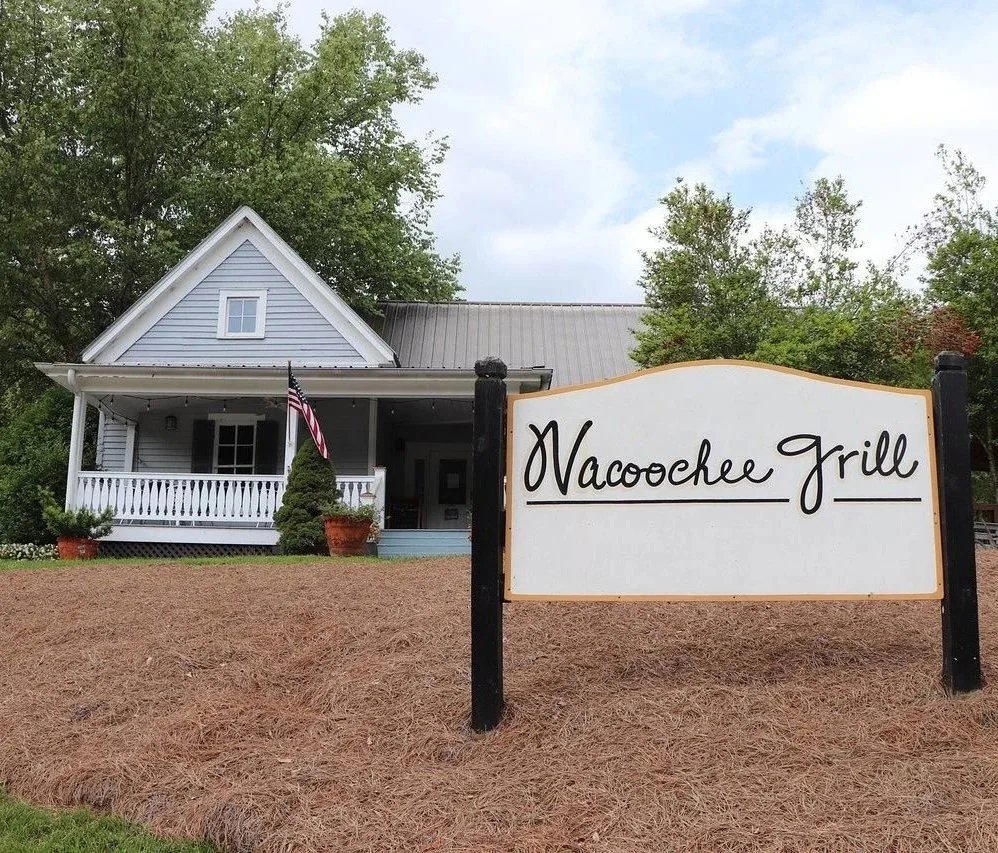
Helen's restaurant roster is modest in scale but more considered than the town's tourist-trap reputation might suggest. Nacoochee Grill anchors the more regionally focused end of the local market, working with Southern Appalachian ingredients and traditions. Bodensee occupies a different register, leaning into the European theme that defines the town's identity rather than pushing against it. That division, between restaurants that engage the Bavarian conceit and those that operate independently of it, is the main fault line in Helen's dining geography.
For visitors accustomed to the ingredient transparency that defines ambitious American restaurants, from Smyth in Chicago to Oyster Oyster in Washington, D.C., or the farm-to-table rigour of The French Laundry in Napa, Helen operates at a different altitude. The comparison is not a criticism. Small-town dining in a tourist-dependent economy answers different questions than destination fine dining.
What distinguishes Helen's better restaurants from their thinner competitors is precisely the willingness to take the regional sourcing argument seriously, even within the constraints of a small mountain-town economy. A kitchen that sources North Georgia trout and treats it with the respect the Alpine lake-fish tradition demands is making a more coherent statement than one that imports generic proteins and dresses them in lederhosen-adjacent plating.
The Broader Tradition at the Table
German and Austrian restaurant culture in the United States has historically been underrepresented at the serious end of the dining market. While French and Italian traditions built deep institutional roots in American fine dining, from Le Bernardin in New York City to Frasca Food and Wine in Boulder, the Central European canon remained largely in the domain of beer halls, festivals, and tourist-oriented kitchens. This is partly a consequence of immigration patterns and partly a reflection of German cuisine's own resistance to the kind of mythologizing that refined French cooking in the American imagination.
That gap has begun to close at the progressive end of the American dining scene. Restaurants like The Wolf's Tailor in Denver and the produce-driven ethos at places like Lazy Bear in San Francisco share a sensibility with the Alpine tradition's emphasis on fermentation, preservation, and seasonal constraint, even when they do not explicitly invoke it. The intellectual infrastructure for a serious Central European restaurant in America exists; it is a matter of whether specific kitchens choose to engage it at depth.
In Helen's case, the town itself provides a built-in audience for that engagement. Two million annual visitors, many of them arriving specifically for the Bavarian atmosphere, represent a market that has already opted into the premise. The question for a restaurant like Bodensee is whether it meets that audience with genuine culinary conviction or treats the theme as set dressing. That distinction, between substance and surface, is the one that separates restaurants worth returning to from those that serve the occasion once and are forgotten.
For readers planning a Georgia mountain itinerary that extends beyond Helen, the regional dining picture includes strong options at multiple price points and registers. Our Helen dining guide maps the full roster, and the comparison venues linked throughout this piece, from Providence in Los Angeles to Emeril's in New Orleans to The Inn at Little Washington and ITAMAE in Miami, offer a sense of where serious American regional dining is heading at larger scale. The gap between Helen and those destinations is real, but the gap between a Helen restaurant that takes its sourcing seriously and one that does not is equally real, and more immediately relevant to the visitor making a dinner reservation on Munich Strasse.
Planning Your Visit
Helen sits roughly 90 minutes northeast of Atlanta via GA-400 and US-19, making it a practical day-trip or weekend destination from the metropolitan area. The town's peak seasons run from late September through October, when leaf season drives significant visitor volume, and again around Oktoberfest, which Helen has celebrated for decades in a form that draws crowds well beyond the local base. Arriving midweek outside of festival periods gives visitors a considerably quieter experience of the town and its restaurants. Specific booking information, hours, and pricing for Bodensee were not available at time of writing; contacting the restaurant directly or checking current listings before visiting is advisable. For a broader orientation to what Helen's dining scene offers across price points and styles, the EP Club Helen guide is the practical starting point.
Frequently asked questions
Can I bring kids to Bodensee?
Helen, Georgia is a family-oriented tourist town, and most of its dining establishments accommodate children without issue. Bodensee sits on Munich Strasse at the center of that environment, so the surrounding context skews casual and multigenerational. Nothing in the venue's profile suggests a counter-only or adults-preferred format. Confirming current family seating arrangements directly with the restaurant before visiting is advisable.
What's the overall feel of Bodensee?
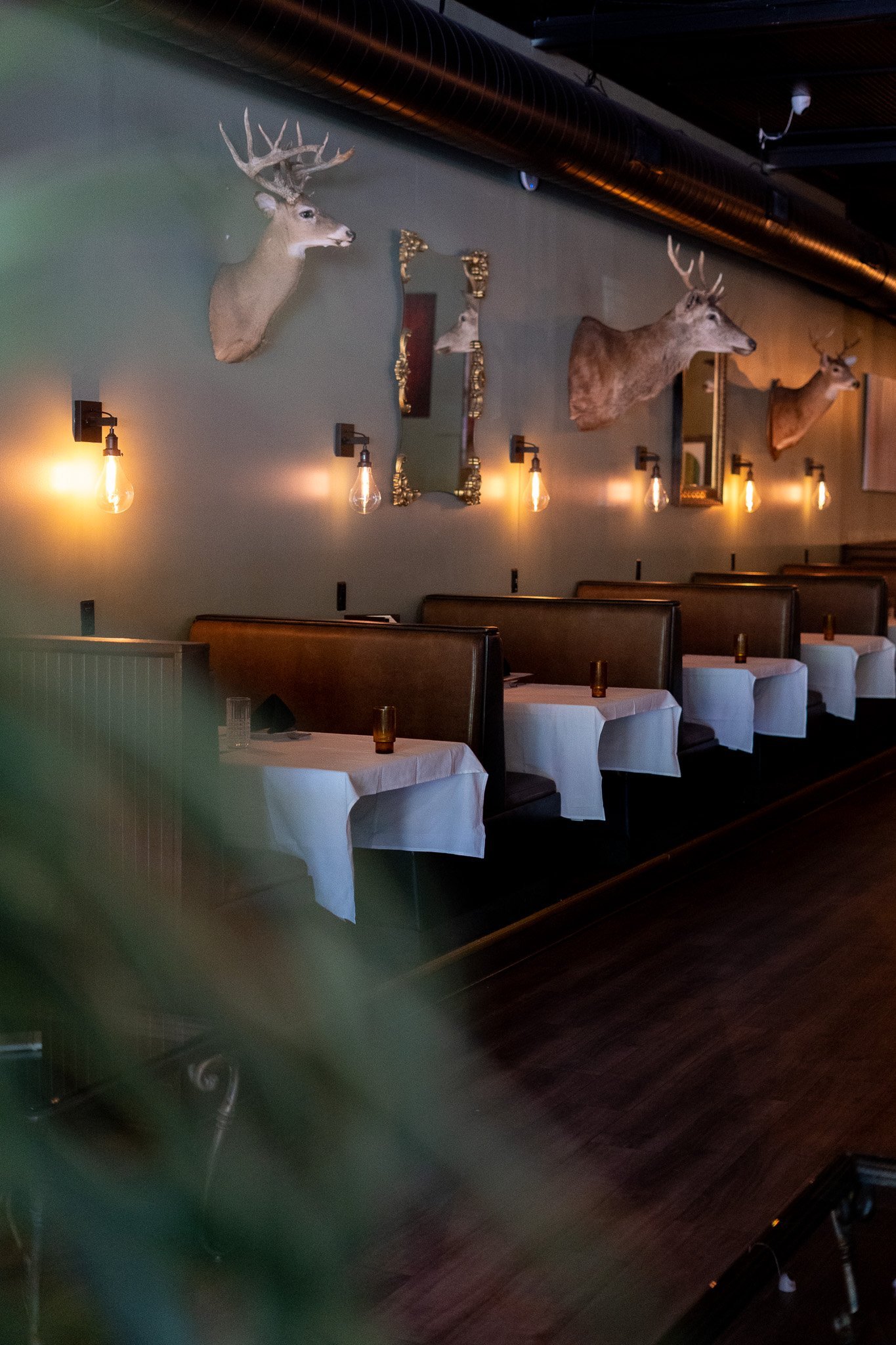
Bodensee occupies a specific niche in Helen's dining scene: Central European table traditions in a town that already leans hard into Bavarian architectural aesthetics. The address on Munich Strasse puts it inside that visual context, but the cooking tradition it draws from — preservation-focused, proximity-driven Central European cuisine — has more culinary depth than the surrounding tourist strip implies. Think regional German and Austrian cooking logic, not beer-hall pageantry.
How does Bodensee connect to the actual Bodensee region of Central Europe?
The name references the lake shared by Germany, Austria, and Switzerland — a region historically associated with a cooking tradition built around freshwater fish, orchard produce, and cold-cellar preservation. That culinary geography, rather than generic pan-German fare, is the framework Helen's Bodensee draws on, placing it in a different category from the bratwurst-and-pretzel restaurants more common to American Bavarian-themed towns. Helen, GA may seem an unlikely setting for that kind of specificity, but the town's 1969 architectural reinvention as an alpine village gives the premise a coherent backdrop.
What dish is Bodensee famous for?
The Central European culinary tradition the restaurant operates within typically centers on cured meats, root vegetables, lake fish, and fermented preparations — a canon shaped by pre-refrigeration preservation techniques from the Bodensee region of Germany, Austria, and Switzerland. Reaching out to the restaurant directly will give the clearest picture of what's currently on the menu.
Where do I go for Bodensee?
Bodensee is located at 64 Munich Strasse, Helen, GA 30545, Helen.
Do they take walk-ins at Bodensee?
Helen sees concentrated visitor traffic on weekends and during its Oktoberfest season, which runs through autumn, so walk-in availability at any Munich Strasse restaurant tightens considerably during those windows. Contacting the restaurant ahead of a visit — particularly for Friday or Saturday evenings — is the practical approach.
A Quick Peer Check
Comparable venues nearby, for context on price, style, and recognition.
| Venue | Cuisine | Price | Notes |
|---|---|---|---|
| BodenseeThis venue — the venue you are viewing | German | $20–30 | Not listed |
| Nacoochee Grill | Upscale Southern American Grill | $30–50 | Nacoochee Village |
| Honey Pig | Korean BBQ | $20–30 | Duluth |
| Crust Pasta & Pizzeria | Modern Italian Pizza and Pasta | $20–30 | Downtown Alpharetta |
| Iron Age | Korean BBQ All-You-Can-Eat | $20–30 | Duluth |
| Canton Cooks | Authentic Cantonese Chinese | $20–30 | Sandy Springs |
Continue exploring
More in Helen

Details
- Classic
- Cozy
- Rustic
- Family
- Group Dining
- Casual Hangout
- Standalone
- Beer Program
- Street Scene
- A La Carte
- Beer
- Vegetarian Friendly
Current opening hours
- Monday
- 11 AM–8 PM
- Tuesday
- 11 AM–8 PM
- Wednesday
- Closed
- Thursday
- 11 AM–8 PM
- Friday
- 11 AM–9 PM
- Saturday
- 11 AM–9 PM
- Sunday
- 11 AM–8 PM
Hours can change for holidays and private events. Last verified .
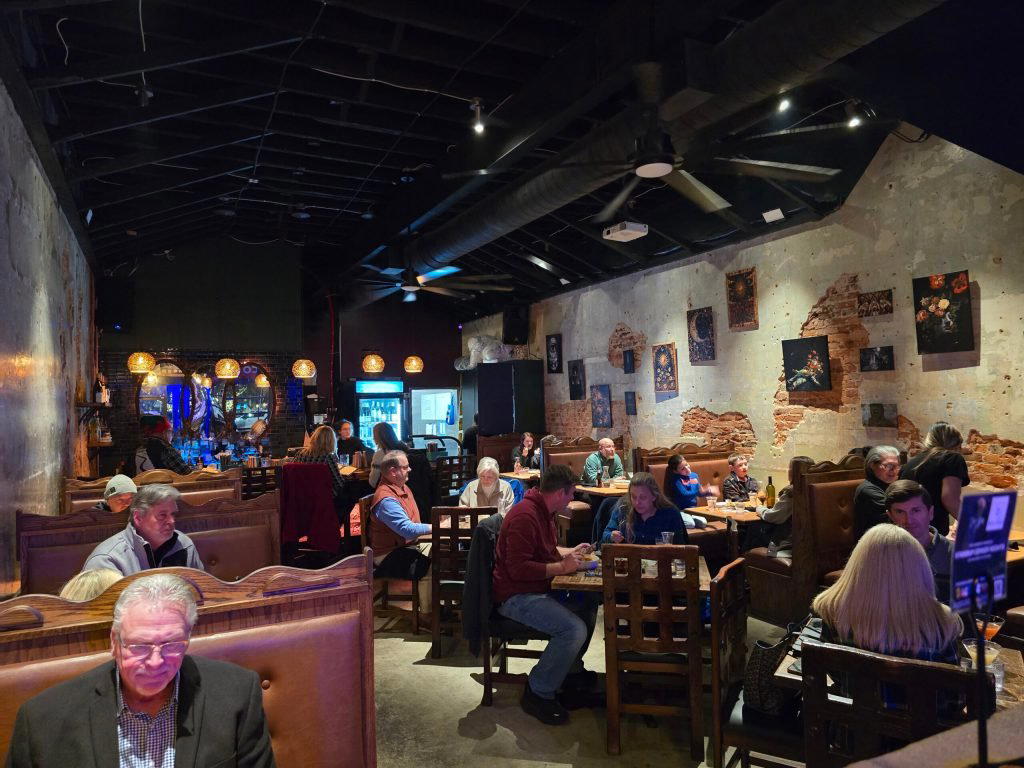
Authentic, welcoming German restaurant atmosphere with a fine-dining feel and family-friendly hospitality in downtown Helen.