
Michelin Plate
Our verdict
One of Hanoi's most established bún chả addresses, Bún Chả Đắc Kim on Hang Manh Street has held a Michelin Plate in both 2024 and 2025, placing it among a small tier of Old Quarter street-food spots that have received formal international recognition. The format is direct: grilled pork, vermicelli, and dipping broth, executed with the consistency that earns repeat visits from locals and travelling diners alike.

Pearl is the En Primeur Club membership app — saves, bookings, and concierge access live there. Same editors, same standards.
- Address
- 67 P. Đường Thành, Hàng Bông, Hoàn Kiếm, Hà Nội, Vietnam
- Phone
- +84 24 3828 7060
- Hours
- Daily 9 AM–8:30 PM
- Website
- bunchahangmanh.vn
- Directions
- Get directions
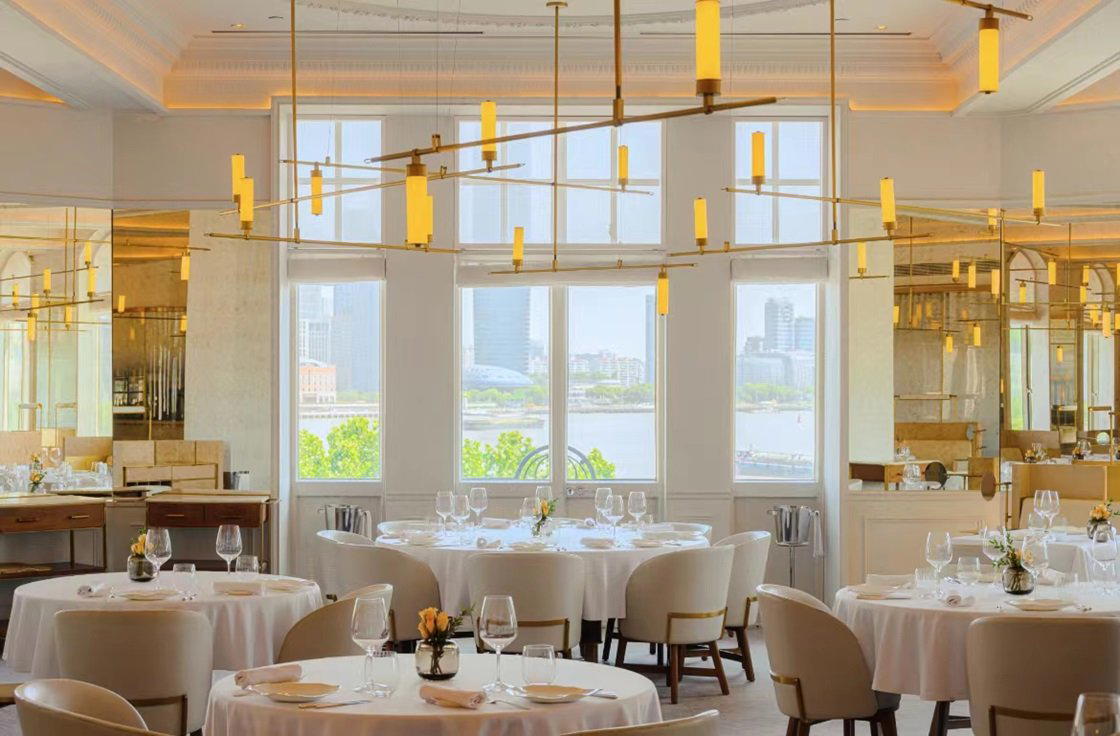
Where the Old Quarter Puts Bún Chả to Work
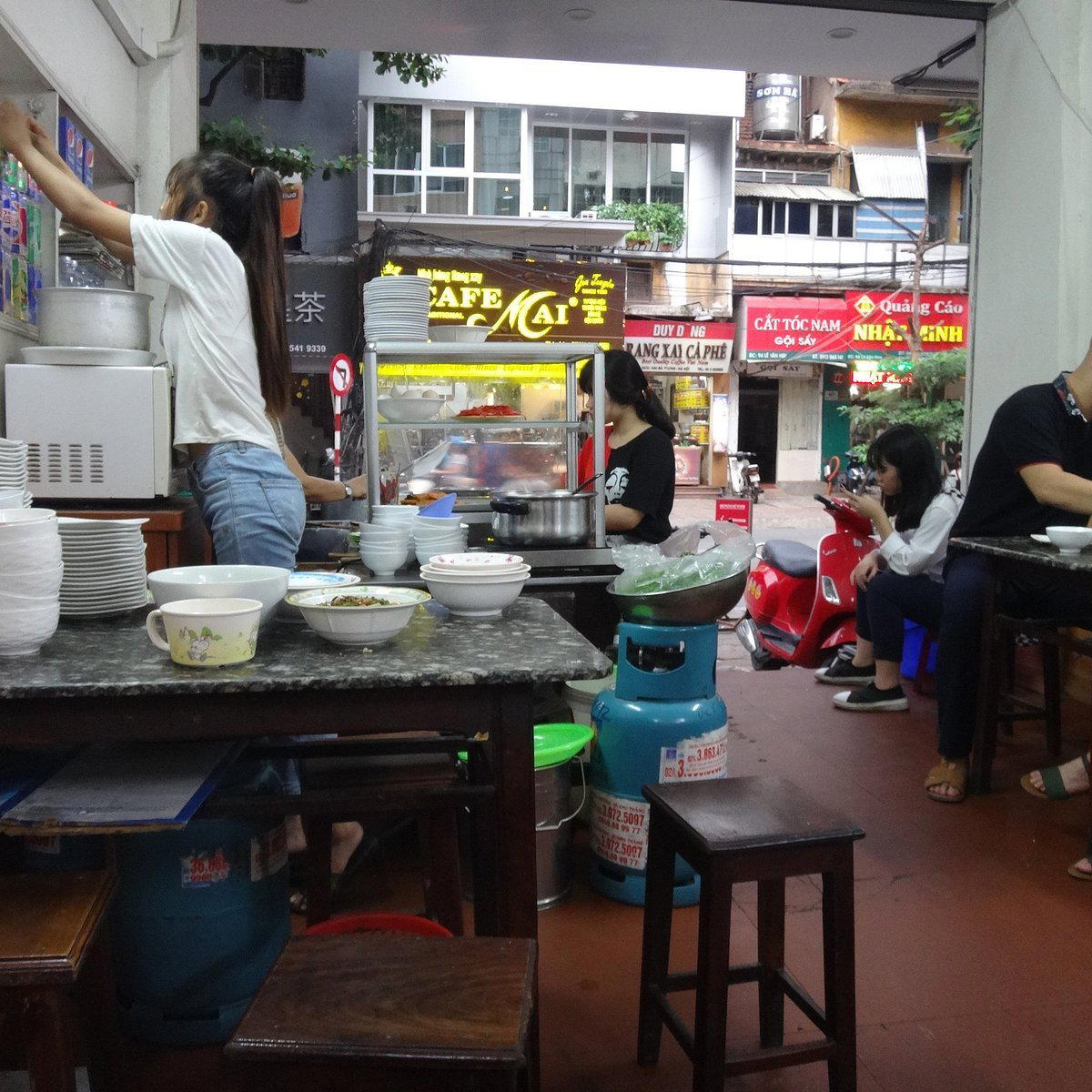
The stretch of street around Hoàn Kiếm district that contains Bún Chả Đắc Kim is not quiet. The narrow pavement, the low plastic stools pushed close together, the smell of charcoal-grilled pork moving through the air before you have identified the source — this is what bún chả actually looks and feels like at its most functional. There are no concessions to atmosphere here in the designed sense. The atmosphere is the thing itself: a format that has not changed because it does not need to.
The address — 67 Đường Thành, in the Hàng Bông area of Hoàn Kiếm, puts the restaurant inside the dense grid of the Old Quarter, a neighbourhood whose food culture is defined by specialisation. Each street, or cluster of streets, tends to concentrate a particular dish or trade. Bún chả, grilled pork eaten with rice vermicelli and a clear, slightly sweet dipping broth called nước chấm, is one of Hanoi's most specifically local dishes: it is less common in southern Vietnam and functions as a kind of culinary marker of the north.
What Michelin Recognition Means at This Price Point
In 2024 and again in 2025, the Michelin Guide awarded Đắc Kim a Plate, the guide's entry-level designation, given to restaurants that inspectors consider serve food worth seeking out, without awarding a star. In the context of Hanoi's recognition tier, this matters. The city's starred venues, places like Gia at the Vietnamese Contemporary end, or Tầm Vị at a Vietnamese mid-range, operate at ₫₫ to ₫₫₫₫ price points with formal kitchen teams. Đắc Kim sits at the single ₫ tier, which means consecutive Michelin Plate recognition at street-food pricing is a relatively rare position in the city's overall range of recognised addresses.
For the reader deciding how to allocate time and appetite across Hanoi, this framing is useful. The Michelin Plate does not place Đắc Kim in competition with Gia or Hibana by Koki. It places it in a different argument entirely, about whether a dish executed at volume, at low cost, and with deep local roots can hold consistent quality.
Across Southeast Asia, the Michelin model of recognising street-format and hawker-style cooking has become more established since the Singapore guide made Hill Street Tai Hwa Pork Noodle and 545 Whampoa Prawn Noodles among the most-discussed starred addresses in the region. The Hanoi Plate designations follow a similar logic: formal recognition applied to informal formats, with the implicit argument that technique and consistency matter regardless of price bracket. Comparable Michelin-recognised street formats in the region include A Noodle Story in Singapore, 91 Fried Kway Teow Mee, and 888 Hokkien Mee (Lebuh Presgrave) in George Town, all operating on the same premise.
Planning a Visit: What the Booking Experience Actually Looks Like
There is no booking system here, and no reservation to make. The editorial angle for this kind of address is not about managing a waitlist or securing a preferred counter seat, it is about timing, local knowledge, and realistic expectations about how the format operates.
Bún chả is a lunch dish in Hanoi. This is not a suggestion; it is a structural feature of how the dish fits into daily life in the city. The midday window, broadly, late morning through early afternoon, is when the charcoal grill is running at full capacity and the broth is freshest. Visiting outside this window at a traditional bún chả address is often a diminished experience, and in some cases the kitchen simply closes. Arriving before the peak lunch rush is the most practical approach at a venue with no reservations and limited seating on low stools that turns over quickly.
The Old Quarter's grid can be disorienting on a first visit. Đường Thành sits adjacent to Hàng Bông, which connects to several of the area's better-known food streets. Visitors who plan their morning around the neighbourhood's broader offer, perhaps starting with a bowl of phở at Phở Bò Lâm or Phở Bò Ấu Triệu, then moving to bún chả at midday, are following a logical sequence that mirrors how locals structure morning eating in Hanoi. The two meals are not redundant: phở is a breakfast dish; bún chả is lunch.
For those building a longer Hanoi food itinerary, the Old Quarter's bánh cuốn addresses, Bánh Cuốn Bà Hoành and Bánh Cuốn Bà Xuân, sit in the same neighbourhood cluster and provide a different texture reference point within northern Vietnamese cooking. The contrast between the steamed rice rolls of bánh cuốn and the charcoal-grilled pork of bún chả illustrates how specifically Hanoi's street-food traditions are differentiated by cooking method and meal occasion, not just ingredient.
Đắc Kim is not the only Michelin-recognised bún chả address in Hanoi. Bún Chả Hương Liên on Hai Ba Trung is perhaps the most internationally discussed address in the sub-category, partly because of a well-documented 2016 visit by a prominent American television personality. That external attention created a different kind of queue at Hương Liên, one partly driven by international visitors repeating a documented experience rather than by local habit.
Đắc Kim operates on a different basis. For the reader trying to understand which bún chả address to prioritise, the distinction matters: Hương Liên offers a documented cultural reference point; Đắc Kim offers the dish with fewer theatrical layers around it.
Other ₫-tier venues in Hanoi, such as Bun Cha Ta on Nguyen Huu Huan Street, operate in the same price bracket without Michelin recognition, which positions Đắc Kim in a small cohort of street-format addresses where formal international attention and local pricing have not diverged.
Vietnam's Broader Dining Range
For visitors contextualising Đắc Kim within a wider Vietnam trip, the range from street-plate pricing to full fine-dining is substantial. At the opposite end of the spectrum, Akuna in Ho Chi Minh City and La Maison 1888 in Da Nang represent the country's higher-end offer. Đắc Kim sits at the foundational tier, the version of Vietnamese cooking that predates restaurants as a category, and that the Michelin Guide has increasingly treated as worth mapping.
For full coverage of where to eat, stay, and drink in the capital, see [our full Hanoi restaurants guide](), [our full Hanoi hotels guide](), [our full Hanoi bars guide](), and our full Hanoi experiences guide. Regional coverage is also available through [our full Hanoi wineries guide]() for those spending time outside the city. In the broader Southeast Asian street-food context, A Pong Mae Sunee in Phuket represents another Michelin-recognised street-format address operating at the same price logic.
What to Order
at Bún Chả Đắc Kim (Hang Manh Street)?
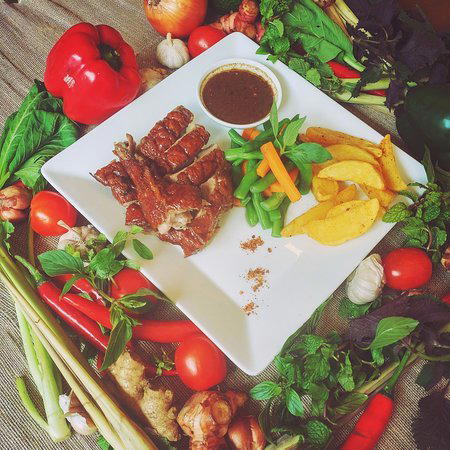
The core order at any bún chả address is the dish itself: a bowl of grilled pork (a mix of patties and sliced belly), a plate of rice vermicelli, fresh herbs, and a side of dipping broth. At Đắc Kim, this remains the operative format, the one that has earned two consecutive Michelin Plate designations. Nem cua bể (crab spring rolls) are a standard accompaniment at Hanoi's bún chả restaurants and are worth ordering as a side if available. The dish does not require modification or strategy; the question is simply whether to arrive with appetite and at the right time of day.
Frequently asked questions
What price level is Bún Chả Đắc Kim (Hang Manh Street)?
Pricing at Bún Chả Đắc Kim (Hang Manh Street) is listed as ₫.
Where is Bún Chả Đắc Kim (Hang Manh Street) located?
Bún Chả Đắc Kim (Hang Manh Street) is located at 67 P. Đường Thành, Hàng Bông, Hoàn Kiếm, Hà Nội, Vietnam, Hanoi.
What kind of recognition has Bún Chả Đắc Kim (Hang Manh Street) received?
Bún Chả Đắc Kim (Hang Manh Street) has received recognition including: Michelin Plate (2025); Michelin Plate (2024).
What's the best thing to order at Bún Chả Đắc Kim (Hang Manh Street)?
Order the bún chả: grilled pork patties and sliced belly served alongside rice vermicelli, fresh herbs, and a dipping broth. That combination is the dish in its standard form and the reason the Michelin Guide issued Đắc Kim a Plate in both 2024 and 2025. At ₫ pricing, it is one of the lowest entry points to Michelin-recognised cooking anywhere in Hanoi. Nem cua bể (fried crab spring rolls) appear as a common accompaniment at bún chả addresses in this district and are worth asking about on arrival.
Cuisine-First Comparison
| Venue | Cuisine | Price | Awards | Notes |
|---|---|---|---|---|
| Bún Chả Đắc Kim (Hang Manh Street)This venue — the venue you are viewing | Hanoi-Style Bún Chả | $1–10 | Michelin Plate | Not listed |
| Hibana by Koki | Michelin-Starred Japanese Teppanyaki | $200–300 | 1 Michelin Star · La Liste Top Restaurants | Teppanyaki, ₫₫₫₫ |
| Tầm Vị | Northern Vietnamese Home-Style | $10–20 | 1 Michelin Star | Vietnamese, ₫₫ |
| Gia | Modern Vietnamese Fine Dining | $100–150 | 1 Michelin Star · La Liste Top Restaurants | Vietnamese Contemporary, ₫₫₫₫ |
| 1946 Cua Bac | Northern Vietnamese | $10–20 | Michelin Bib Gourmand | Vietnamese, ₫ |
| Bun Cha Ta (Nguyen Huu Huan Street) | Authentic Vietnamese Bun Cha | $1–10 | Michelin Bib Gourmand | Noodles, ₫ |
Recognition history
Dated appearances from independent guides and award organizations, with the underlying list record or original source where available.
Michelin Plate
Michelin
Full recognition history (3 entries)
Michelin Plate
Michelin
Michelin Plate
Michelin

Details
- Rustic
- Well Known
- Casual Hangout
- Historic Building
- Street Scene
- A La Carte
Current opening hours
- Monday
- 9 AM–8:30 PM
- Tuesday
- 9 AM–8:30 PM
- Wednesday
- 9 AM–8:30 PM
- Thursday
- 9 AM–8:30 PM
- Friday
- 9 AM–8:30 PM
- Saturday
- 9 AM–8:30 PM
- Sunday
- 9 AM–8:30 PM
Hours can change for holidays and private events. Last verified .
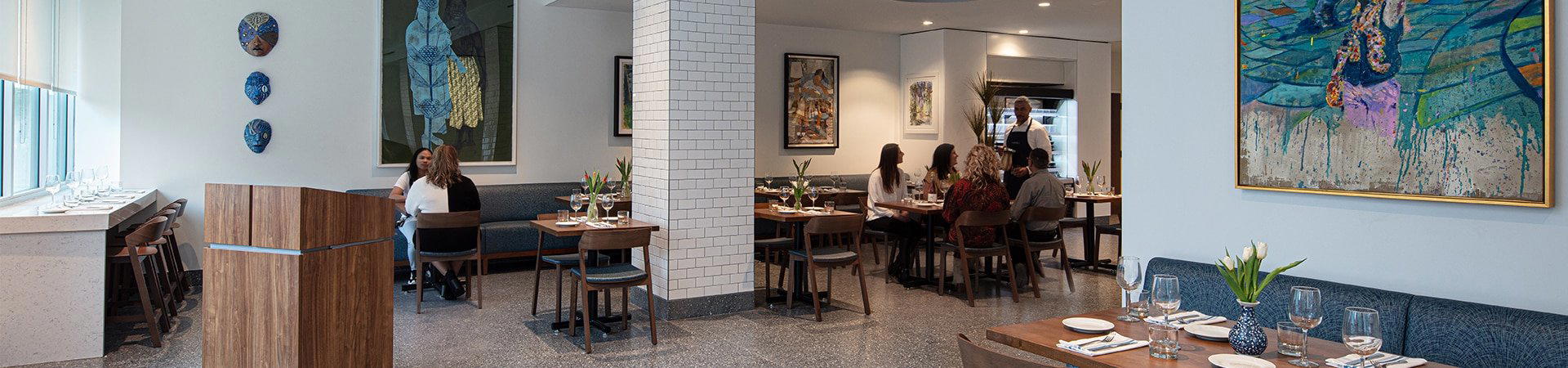
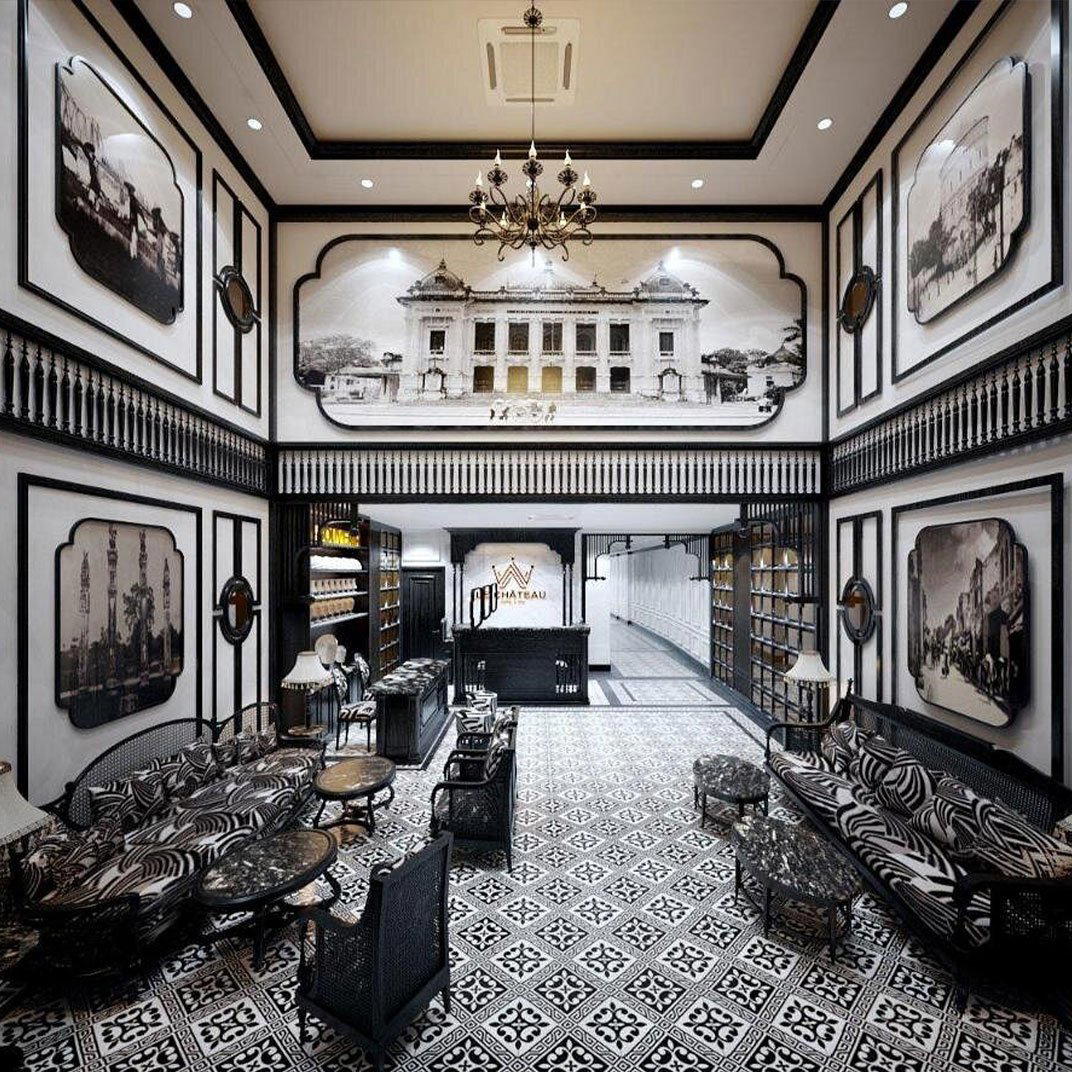
Bustling street-side atmosphere with plastic stools on the pavement and indoor seating on multiple floors, evoking authentic Hanoi street food energy amid the dense Old Quarter grid.