Bún Bò Huế Cô Như

Michelin Plate
Our verdict
A Michelin Plate recipient in both 2024 and 2025, Bún Bò Huế Cô Như serves the spiced, lemongrass-forward beef noodle soup of Hue from a side-street address in District 3 at prices that remain firmly within the city's street-food tier.

Pearl is the En Primeur Club membership app — saves, bookings, and concierge access live there. Same editors, same standards.
- Address
- 274/29 Võ Văn Tần, Phường 5, Quận 3, Thành phố Hồ Chí Minh, Vietnam
- Phone
- +84 937 937 818
- Hours
- Mon–Wed 11 AM–8 PMThu–Sat ClosedSun 11 AM–8 PM
- Directions
- Get directions
The menu
What to order
- Bún Bò Huế with mỡ nổi (fatty beef oil)
- Bún Bò Huế with fresh beef cuts
A Central Vietnamese Classic in Saigon's Third District
The address — 274/29 Võ Văn Tần, buried in one of District 3's residential laneways — is the first signal that this is not a restaurant built for passing trade. Bún bò Huế, the spiced beef and pork noodle soup that originated in Vietnam's former imperial capital, has always occupied a different register from phở: more assertive in its aromatics, richer in its broth, and less widely understood outside the central Vietnamese diaspora. That a bowl of it has been recognised by Michelin in consecutive years, Plate status in 2024 and again in 2025, from an address priced at the single-₫ tier tells you something about how Ho Chi Minh City's food recognition is evolving.
Bún Bò Huế and the Case for Regional Specificity
Across Ho Chi Minh City's noodle soup scene, the dominant reference point is phở, a northern dish that has been globalised and adapted to the point where its Saigon variants now form a category of their own. Venues like Phở Bò Phú Gia (District 3), Phở Chào, and Phở Hùng (District 1) each represent a strand of that tradition, from bone-broth orthodoxy to higher-volume neighbourhood staples. Bún bò Huế sits in a different lineage entirely. The broth is built on lemongrass and shrimp paste rather than charred onion and star anise, the noodles are round and firm rather than flat, and the heat level is structural rather than optional. It is a dish that resists casual adaptation, and the leading versions of it in Ho Chi Minh City are typically found at specialist addresses rather than multi-dish menus.
Bún Bò Huế Cô Như sits squarely in that specialist tier. The single-dish focus, the kind of operational discipline that street-food Michelin recognition tends to reward, means that the kitchen's attention is not divided. This is the same logic that applies to the city's other recognised single-format addresses: depth comes from repetition, and repetition over time produces a broth with a particular consistency and character that broader menus rarely sustain.
What Michelin Recognition at the Plate Level Actually Signals
Michelin's Plate designation, awarded in both 2024 and 2025, does not carry the star hierarchy's prestige, but it carries something arguably more useful for this category: credibility without transformation. A starred designation in Vietnam's street-food tier often prompts price increases, expanded seating, and format changes that gradually distance the venue from what earned the recognition. Plate status tends to arrive at addresses that Michelin inspectors consider worth eating at without the implicit expectation of upgrade. At the single-₫ price point, Bún Bò Huế Cô Như is positioned in the same affordable tier as Hồng Phát (District 3), another District 3 address with its own following, and considerably below the city's starred Vietnamese operations such as Anan Saigon, which operates at ₫₫ with a street-food-refined format, or Akuna and Coco Dining, which push into the ₫₫₫ and ₫₫₫₫ tiers with modernist menus.
That pricing gap matters. The majority of the city's Michelin-recognised Vietnamese cooking now sits at addresses where the dish itself is the point, not the room or the service choreography.
The Technique Behind the Broth
Bún bò Huế's broth is among the more technically demanding in Vietnamese regional cooking. The foundational aromatics, lemongrass, shrimp paste (mắm ruốc), chilli, need to be balanced against a pork and beef bone base that simmers long enough to develop body without turning cloudy or bitter. The shrimp paste in particular is a point of differentiation: too much and the soup becomes saline and one-dimensional; too little and the dish loses the fermented depth that separates a considered Huế preparation from a generic spiced broth. The round noodles (bún) need to hold their texture in a hotter, more assertive liquid than phở's comparatively gentle stock.
This intersection of time-intensive technique and hyper-local ingredients places bún bò Huế in the same category of regional precision that Michelin has been recognising across Southeast Asia's noodle traditions. The comparison set is instructive: A Niang Mian Guan in Shanghai, A Bing Bao Shan Mian in Hangzhou, and Ajisai in Taichung each represent a Michelin-recognised noodle format where the discipline of a single preparation, executed with ingredient fidelity, earns formal recognition alongside far more elaborate and expensive kitchens. Bà Diệu in Da Nang is another central Vietnamese reference point in this category.
Within Vietnam, the contrast between street-level recognition and fine-dining ambition is visible across multiple cities. Gia in Hanoi and La Maison 1888 in Da Nang represent the country's higher-tier Michelin presence, where imported technique and premium format meet Vietnamese produce. Bún Bò Huế Cô Như operates from the opposite direction: it is the local ingredient and the local method that carry the weight, with no imported framework required to justify the recognition.
District 3 as a Context for This Kind of Eating
District 3 has a different character from the tourist-facing restaurant clusters of District 1 or the street-food density of Districts 4 and 5. It is residential and professional in equal measure, with a strong local lunch and early-dinner trade and relatively little pressure to adapt for foreign-visitor formats. This is the kind of neighbourhood where a specialist noodle address can operate for years without changing its formula, because the clientele that returns is not looking for reinvention. Phở Hoàng on Nguyen Tri Phuong Street operates on a similar neighbourhood logic.
Planning Your Visit
The laneway address at 274/29 Võ Văn Tần requires a deliberate approach, this is not a venue you arrive at by accident. Given the single-₫ pricing and the local-focused format, walk-ins are the default mode of arrival; there is no indication of an advance booking system, and the operational model is consistent with high-turnover street-food service. The most reliable windows for visiting tend to be early in the meal-service period, when broth is freshest and the queue, if any, has not yet peaked. For the broader range of dining options across the city, see our full Ho Chi Minh City restaurants guide. Those combining food with accommodation and other planning can also reference our Ho Chi Minh City hotels guide, bars guide, wineries guide, and experiences guide.
Frequently asked questions
Is Bún Bò Huế Cô Như more mid-range or high-end?
Pricing at Bún Bò Huế Cô Như is listed as ₫.
Is Bún Bò Huế Cô Như Michelin-listed?
Bún Bò Huế Cô Như has received recognition including: Michelin Plate (2025); Michelin Plate (2024).
What dish is Bún Bò Huế Cô Như famous for?
The venue specialises in bún bò Huế, the lemongrass and shrimp paste-spiced beef noodle soup originating from central Vietnam. It is a distinct regional dish from phở — richer, spicier, and built on a more complex aromatic base. Michelin awarded the venue a Plate designation in both 2024 and 2025, specifically recognising this single-dish focus.
How do I find Bún Bò Huế Cô Như?
Bún Bò Huế Cô Như is located at 274/29 Võ Văn Tần, Phường 5, Quận 3, Thành phố Hồ Chí Minh, Vietnam, Ho Chi Minh City.
Can I walk in to Bún Bò Huế Cô Như?
Walk-in is the expected format at this price point and address type. No booking infrastructure has been confirmed. The laneway location at 274/29 Võ Văn Tần in District 3 means first-timers should navigate carefully; arrival by rideshare with the full address is more reliable than flagging a taxi.
What makes Bún Bò Huế Cô Như worth seeking out?
Consecutive Michelin Plate recognition in 2024 and 2025 at a single-₫ price point puts this venue in a narrow category: independently validated cooking that costs almost nothing by any international standard. It also represents one of the few places in Ho Chi Minh City where bún bò Huế, rather than phở, is the entire point of the operation.
Price and Recognition
| Venue | Cuisine | Price | Awards | Notes |
|---|---|---|---|---|
| Bún Bò Huế Cô NhưThis venue — the venue you are viewing | Authentic Central Vietnamese Bún Bò Huế | $1–10 | Michelin Plate | Not listed |
| Anan Saigon | Modern Vietnamese Street Food Fine Dining | $50–100 | 1 Michelin Star · World's 50 Best #86 | Vietnamese Street Food, ₫₫ |
| CieL | Modern Vietnamese Fusion Fine Dining | $100–150 | 1 Michelin Star · The Best Chef One Knife | Innovative, ₫₫₫₫ |
| Coco Dining | Progressive Vietnamese Fine Dining | $150–200 | 1 Michelin Star | Innovative, ₫₫₫ |
| Long Trieu | Michelin-Starred Cantonese | $50–100 | 1 Michelin Star · La Liste Top Restaurants | Cantonese, ₫₫₫₫ |
| Bánh Xèo 46A | Traditional Vietnamese Bánh Xèo | $10–20 | Michelin Bib Gourmand | Vietnamese, ₫ |
Recognition history
Dated appearances from independent guides and award organizations, with the underlying list record or original source where available.
Michelin Plate
Michelin
Full recognition history (3 entries)
Michelin Plate
Michelin
Michelin Plate
Michelin
Continue exploring
More in Ho Chi Minh City
Restaurants in Ho Chi Minh City
Browse all →
Bars in Ho Chi Minh City
Browse all →


Details
- Rustic
- Cozy
- Casual Hangout
- Group Dining
- Solo
- Family
- Standalone
- Open Kitchen
- Local Sourcing
- A La Carte
- Family Style
Current opening hours
- Monday
- 11 AM–8 PM
- Tuesday
- 11 AM–8 PM
- Wednesday
- 11 AM–8 PM
- Thursday
- Closed
- Friday
- Closed
- Saturday
- Closed
- Sunday
- 11 AM–8 PM
Hours can change for holidays and private events. Last verified .
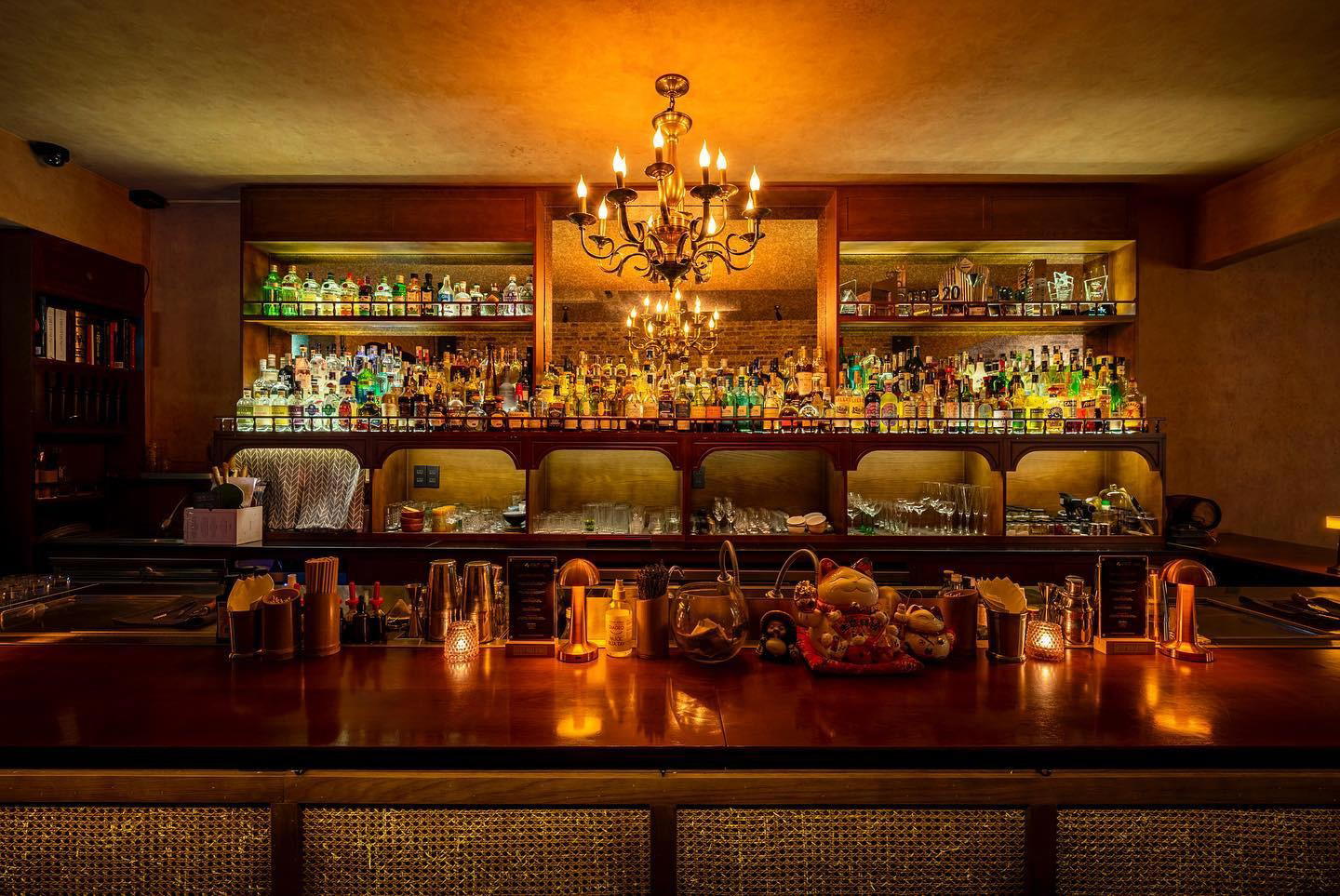
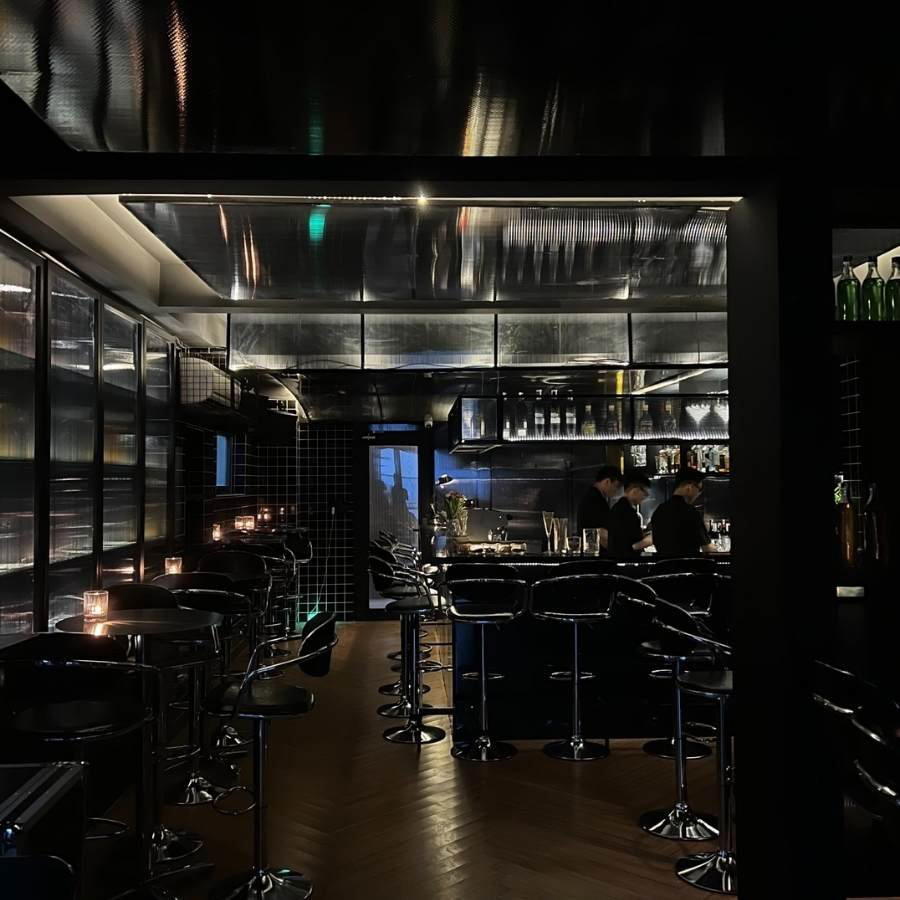
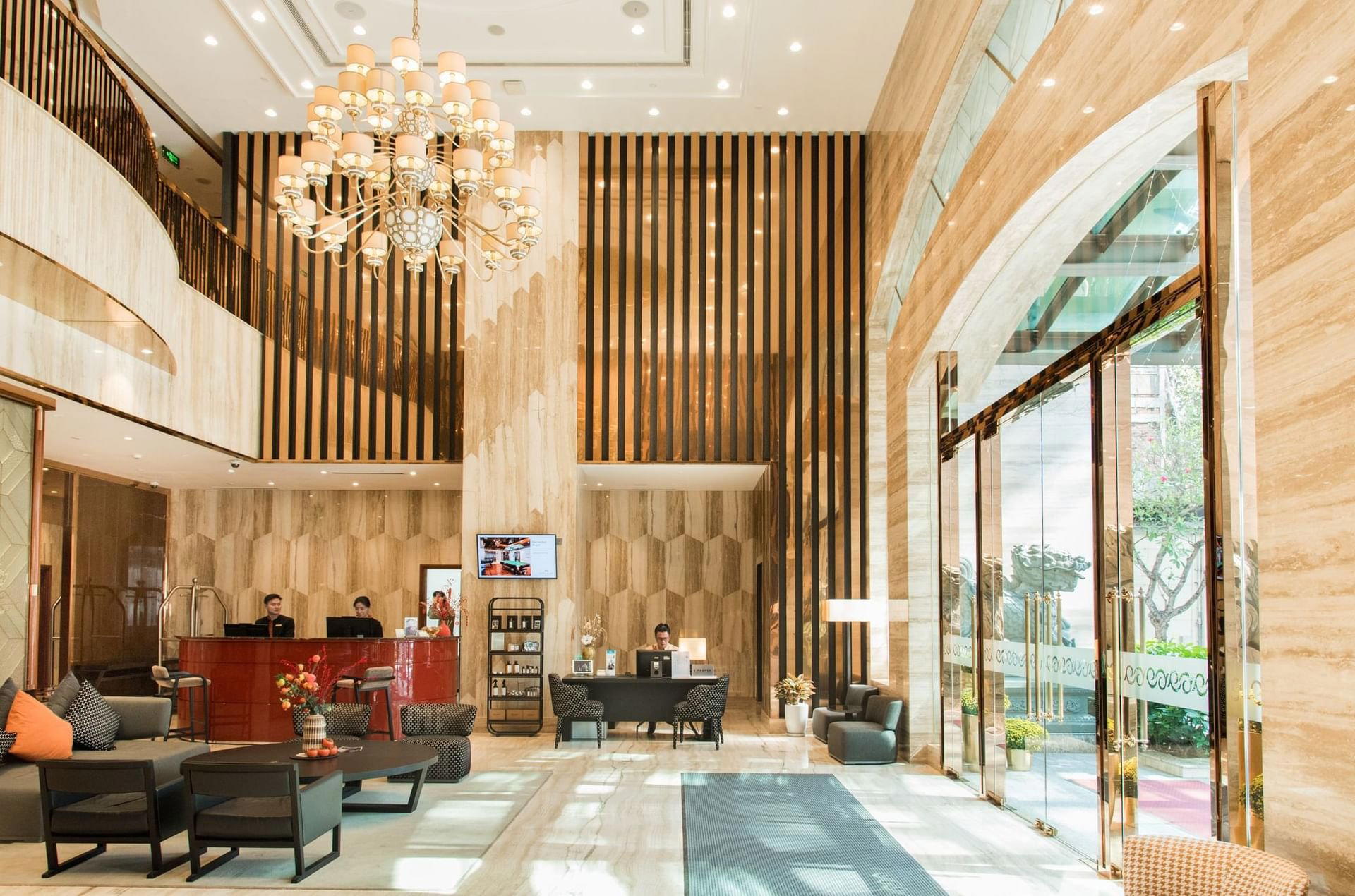
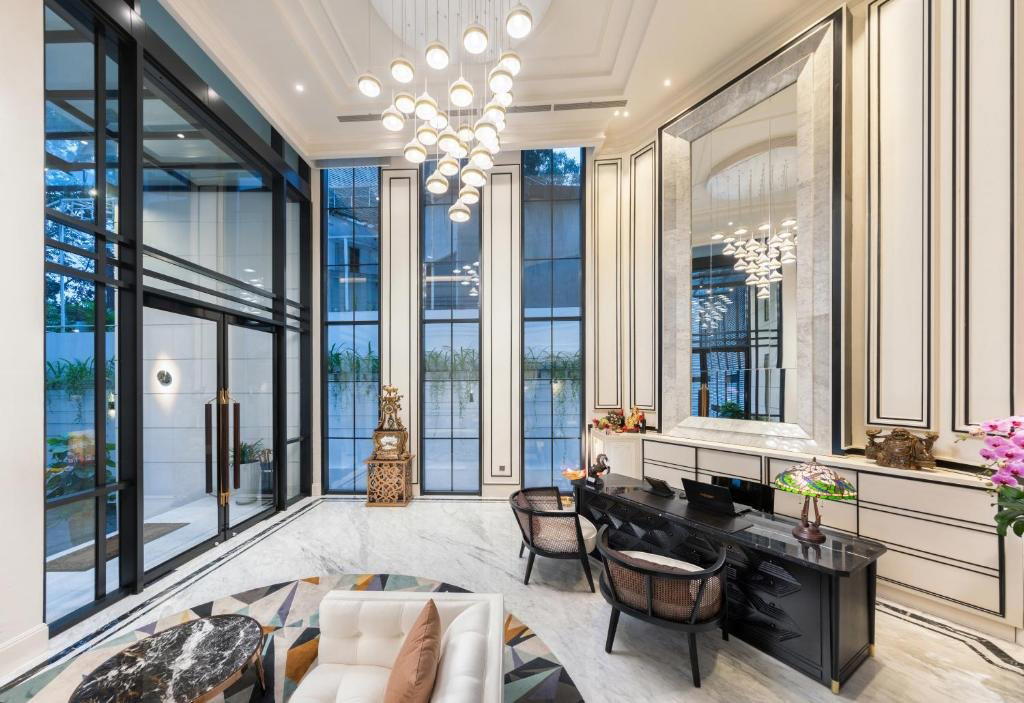
Modest, rustic space with warm lighting and a homely atmosphere; modest decor that feels authentically Vietnamese with friendly, attentive staff creating a welcoming family-like environment.