Phở Bò Phú Gia (District 3)

Michelin Plate
Our verdict
A consecutive Michelin Plate holder for 2024 and 2025, Phở Bò Phú Gia on Lý Chính Thắng is among the small number of single-dish street-level spots in District 3 to earn international recognition. The menu centres on beef phở at prices that sit at the lowest tier of Ho Chi Minh City dining, making it a reference point for understanding how the city's phở tradition earns its reputation without ceremony or markup.

Pearl is the En Primeur Club membership app, where members save venues, book tables and use the concierge.
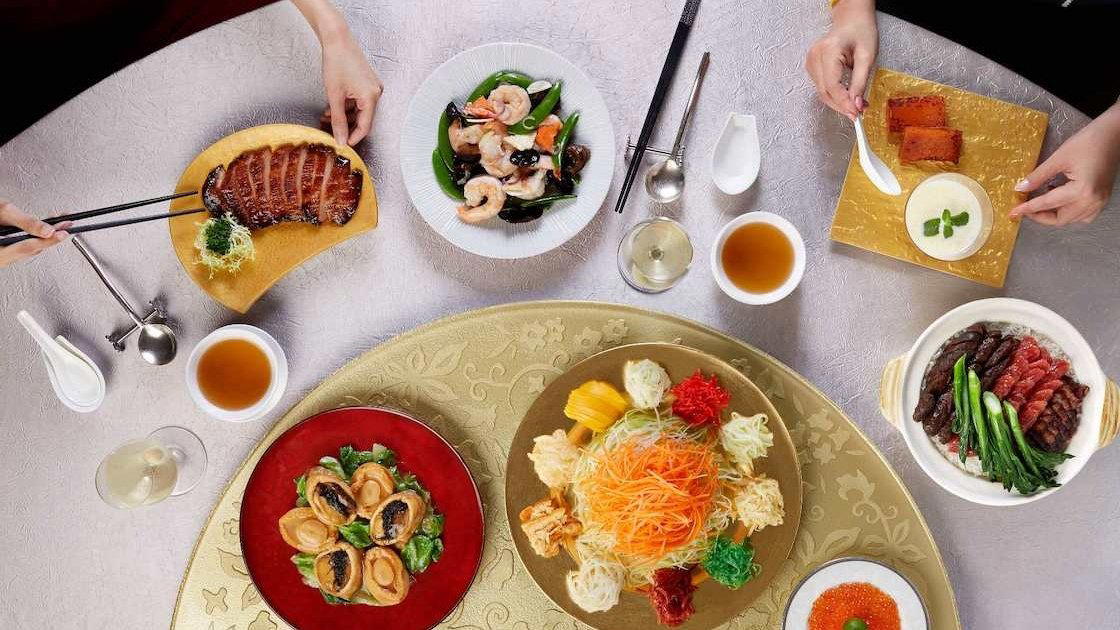
The menu
What to order
- Phở tái lăn
- Phở dặc biệt
Where District 3 Starts Its Day
Lý Chính Thắng is a quieter artery threading through District 3, lined with mid-century shophouses and the kind of pavement commerce that characterises this part of Ho Chi Minh City rather than the more tourist-trafficked streets of District 1. Arriving at 146E in the morning hours means joining a scene that operates on its own logic: plastic stools pulled close to low tables, bowls arriving fast, and a clientele split between neighbourhood regulars who have been eating here for years and a smaller number of visitors who arrived because a Michelin inspector got there first. The mood is functional and unhurried in the way that only places with a settled identity can be.
The Phở Tradition and Where This Bowl Sits
Vietnam's phở belt runs from Hanoi's clear, lightly seasoned northern style down through regional variations to the richer, more herb-laden southern bowls that Ho Chi Minh City has made its own. Southern phở tends to arrive with a larger accompaniment plate, bean sprouts, fresh basil, sliced chilli, hoisin and sriracha on the side, and a broth that carries more sweetness and depth than its northern counterpart. The beef-only focus at Phở Bò Phú Gia places it squarely in this tradition: the name signals its commitment, and the menu at this kind of single-focus shop does not attempt to be a broader Vietnamese restaurant.
At the single-dong price tier, a bowl here competes with the widest possible field of phở shops across the city. What separates the Michelin Plate holders from the rest of that field is not price but consistency and broth quality. The Michelin Plate, awarded in both 2024 and 2025, does not denote starred ambition; it marks a place that meets a standard of cooking worth knowing about. For phở, where the distinction between a careful, long-simmered broth and a shortcut version is detectable in the first spoonful, that recognition carries weight.
Lunch vs. Earlier Hours: How the Service Divide Shapes the Visit
Phở shops in Ho Chi Minh City do not follow standard restaurant hours, and this one is no exception to the broader pattern. Across the city, the serious phở counters tend to run heaviest in the morning, tapering toward midday, and in many cases closing before the dinner hour entirely. The bowl and the context are calibrated for morning eating: a light but sustaining meal taken before the heat of the afternoon sets in, consumed quickly and without ceremony.
This is the editorial angle that most casual visitors miss. Arriving at midday rather than early morning changes what you find: ingredients may be fresher earlier, the crowd is at its most authentic in the pre-work and school-run window, and the energy of the room carries a different charge. A lunchtime visit is still valid, the broth, if the kitchen keeps to form, will be the same, but the experience is quieter and the supply of certain cuts may already be limited. If the editorial advice can be compressed to one sentence: treat this as a morning meal, not a lunch option.
The evening question does not really apply here. The phở-for-dinner culture exists in Ho Chi Minh City but it tends to be served by different establishments with different formats. The street-level phở shop that earns Michelin recognition is almost always operating in the morning economy.
Price, Accessibility, and What the ₫ Tier Means
Ho Chi Minh City's dining price spread is considerable. At one end, venues like CieL operate at the ₫₫₫₫ tier, where tasting menus and imported wine lists drive the check. At the other, the single-dong tier where Phở Bò Phú Gia operates means a complete bowl of beef phở arrives for a price that would not cover a coffee at a mid-range café in most Western cities. This is not a hidden value proposition, it is the standard pricing structure for street-level phở across the city. What makes the comparison meaningful is that the Michelin recognition places this bowl in the same annual guide as significantly more expensive establishments, with the plate acknowledging cooking quality rather than format or price.
For visitors building a broader picture of Ho Chi Minh City eating, the single-dish street-level category is worth treating as a separate track alongside restaurant dining. A morning bowl at a Michelin Plate phở counter, a midday stop at a bánh xèo shop, and an evening at a table-service restaurant covers more ground than concentrating only on the higher-price tier.
District 3 in Context
District 3 holds a particular position in Ho Chi Minh City's food geography. Less commercially dense than District 1 but with a longstanding residential character, it has retained street-food addresses that serve primarily local customers. The phở shops here are not positioned around tourist demand, they exist because the neighbourhood requires them. That distinction matters when reading the experience: nothing about the format, the signage, or the service style is calibrated for outside visitors, which is precisely what gives a meal here its texture.
For visitors spending time in this part of the city, District 3 also holds other food references worth building into a visit. Hồng Phát (District 3) operates in the same neighbourhood and offers a different reference point within the district's eating culture. Across Ho Chi Minh City more broadly, the range of Michelin-recognised phở and noodle formats is worth mapping: Phở Chào, Phở Hoàng (Nguyen Tri Phuong Street), and Phở Hùng (District 1) each represent a variation on how the city approaches the same foundational dish. Bún Bò Huế Cô Như extends the noodle-soup conversation into the spicier Hue register.
The wider context of Michelin-recognised noodle culture across Asia is also instructive. The guide's attention to single-bowl formats in Vietnam mirrors its approach in other markets: A Niang Mian Guan in Shanghai, A Bing Bao Shan Mian in Hangzhou, and A Kun Mian in Taichung all demonstrate the same editorial logic: broth quality and ingredient discipline matter regardless of format or price point. For Vietnam's higher-end restaurant tier, Hibana by Koki in Hanoi and La Maison 1888 in Da Nang represent the opposite end of the country's Michelin spectrum.
Planning the Visit
Phở Bò Phú Gia sits at 146E Lý Chính Thắng in the Võ Thị Sáu ward of District 3. No booking is required or possible, this is a walk-in format. The practical advice is to arrive early, expect to share space in a compact street-level room, and order promptly. Payment is cash-in-hand at prices that will not require a second thought. No dress code applies, and the experience is measured in minutes rather than hours. For a fuller orientation to eating and staying in the city, our Ho Chi Minh City restaurants guide, hotels guide, bars guide, wineries guide, and experiences guide cover the broader picture.
What to Eat at Phở Bò Phú Gia (District 3)
The menu is built around beef phở, and that is where attention should go. As a Michelin Plate holder in both 2024 and 2025, the kitchen has met a recognised standard for this single discipline. Southern-style phở arrives with the typical accompaniment plate of fresh herbs, bean sprouts, and condiments; the degree of customisation at the table is standard practice across the city's phở shops. No specific cuts or signature variations are confirmed from available data, but the category convention is to choose between well-done and rare beef, with the broth doing the principal work in either case. Keep the order simple and let the bowl make its argument on its own terms.
Comparable Spots, Quickly
| Venue | Cuisine | Price | Awards | Notes |
|---|---|---|---|---|
| Phở Bò Phú Gia (District 3)This venue (the venue you are viewing) | Authentic Northern Vietnamese Pho | $1–10 | Michelin Plate | Not listed |
| Anan Saigon | Modern Vietnamese Street Food Fine Dining | $50–100 | 1 Michelin Star · World's 50 Best #86 | Vietnamese Street Food, ₫₫ |
| CieL | Modern Vietnamese Fusion Fine Dining | $100–150 | 1 Michelin Star · The Best Chef One Knife | Innovative, ₫₫₫₫ |
| Coco Dining | Progressive Vietnamese Fine Dining | $150–200 | 1 Michelin Star | Innovative, ₫₫₫ |
| Long Trieu | Michelin-Starred Cantonese | $50–100 | 1 Michelin Star · La Liste Top Restaurants | Cantonese, ₫₫₫₫ |
| Bánh Xèo 46A | Traditional Vietnamese Bánh Xèo | $10–20 | Michelin Bib Gourmand | Not listed |
Recognition history
Dated appearances from independent guides and award organizations, with the underlying list record or original source where available.
Michelin Plate
Michelin
Full recognition history (3 entries)
Michelin Plate
Michelin
Michelin Plate
Michelin
Continue exploring
More in Ho Chi Minh City
Restaurants in Ho Chi Minh City
All restaurants in Ho Chi Minh City →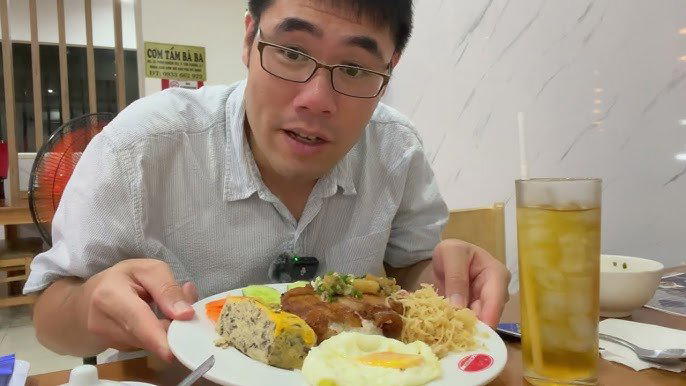
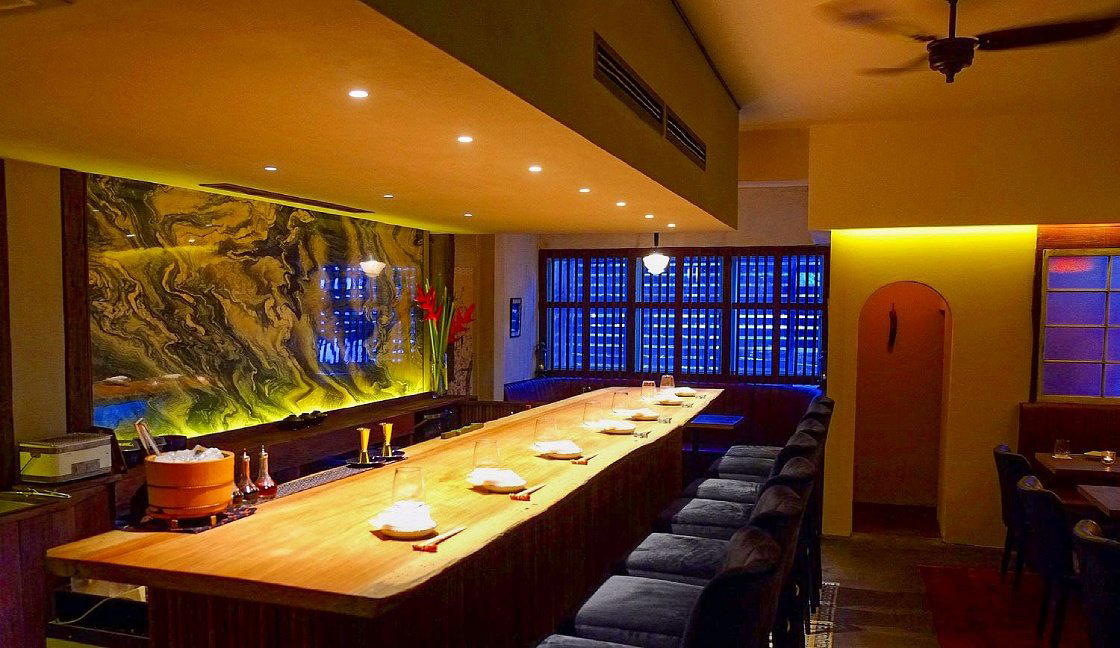
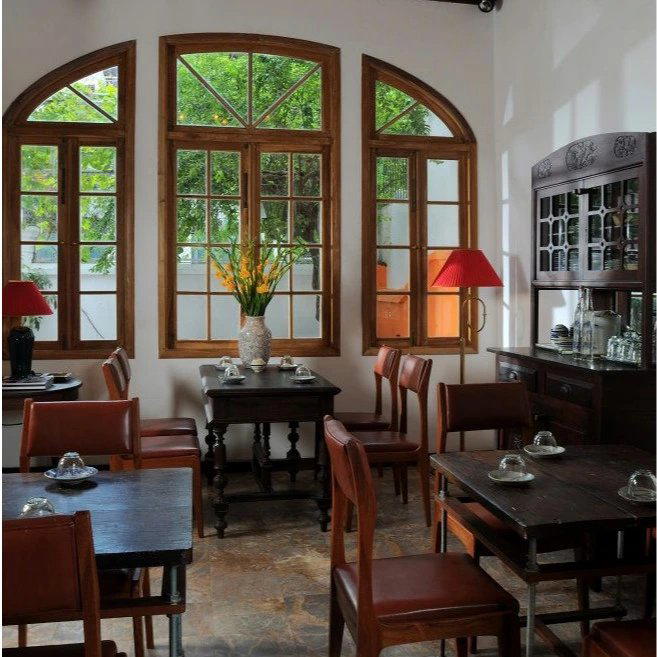
Bars in Ho Chi Minh City
All bars in Ho Chi Minh City →
Details
- Classic
- Cozy
- Casual Hangout
- Standalone
- A La Carte
Current opening hours
- Monday
- 6–11 AM, 5–9 PM
- Tuesday
- 6–11 AM, 5–9 PM
- Wednesday
- 6–11 AM, 5–9 PM
- Thursday
- 6–11 AM, 5–9 PM
- Friday
- 6–11 AM, 5–9 PM
- Saturday
- 6–11 AM, 5–9 PM
- Sunday
- 6–11 AM, 5–9 PM
Hours can change for holidays and private events. Hours as of .
Casual, crowded street-side spot with a bustling, authentic local atmosphere.