Bluefin
Bluefin sits along Pacific Coast Highway in Newport Coast, where the California seafood tradition meets the kind of coastal-highway address that has defined Southern California dining for decades. The restaurant draws from the stretch of Orange County coastline that runs between Los Angeles and San Diego, positioning itself within a competitive local dining scene that includes hotel restaurants, Mexican-inflected seafood, and Italian coastal fare.
Pearl is the En Primeur Club membership app — saves, bookings, and concierge access live there. Same editors, same standards.
- Address
- 7952 E Pacific Coast Hwy, Newport Beach, CA 92657
- Phone
- +19497157373
- Website
- bluefinbyabe.com
- Directions
- Get directions
 Saves & bookings on Pearl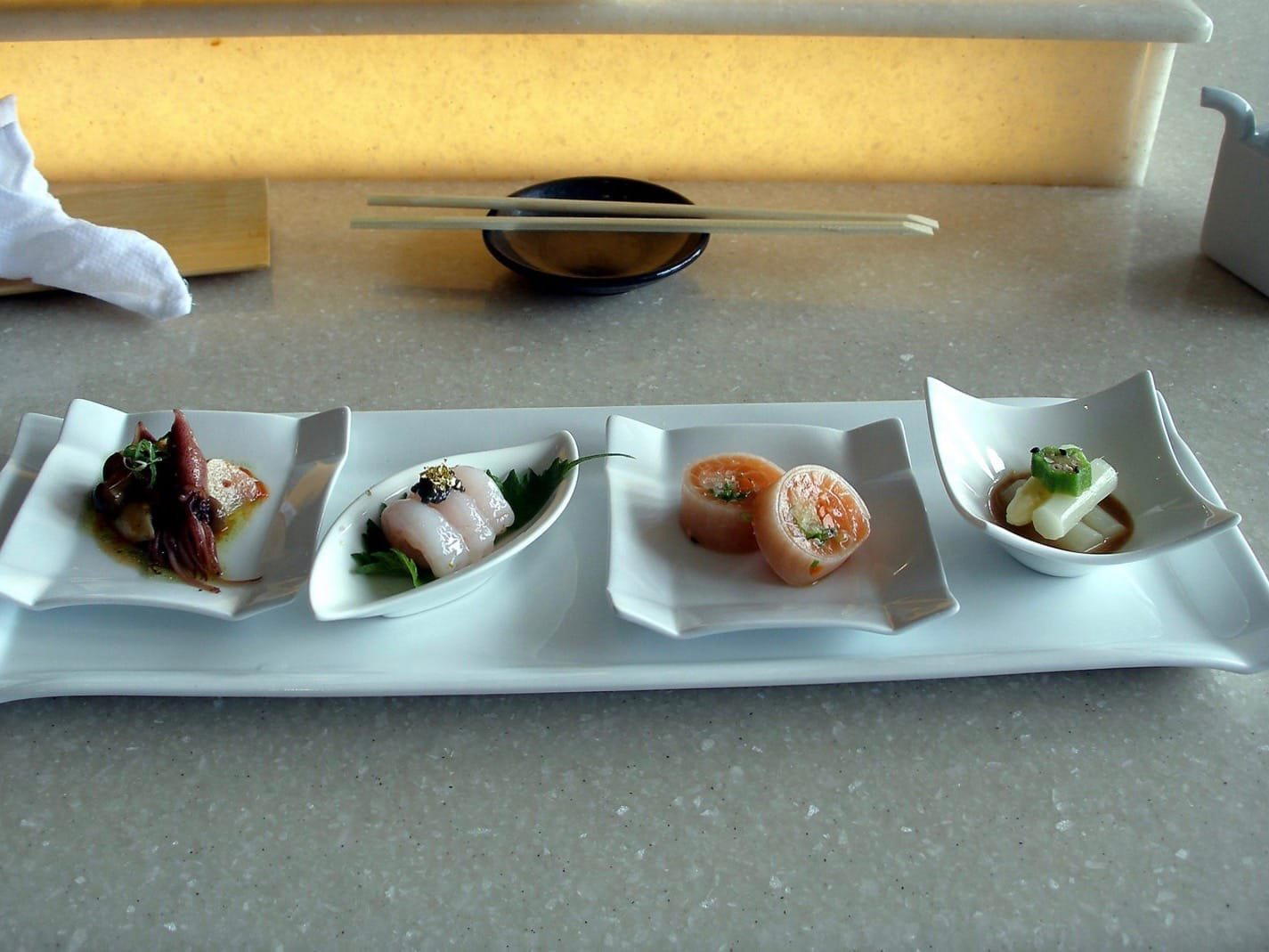
Pacific Coast Highway and the Seafood Dining Tradition It Built
Bluefin is a restaurant in Newport Beach, California, serving innovative Japanese sushi in a smart casual setting. The road itself sets expectations: proximity to the ocean, seafood as the natural anchor of any serious menu, and a clientele that arrives from Newport Beach money or Crystal Cove tourism in roughly equal measure. Bluefin, at 7952 East Pacific Coast Highway, occupies a stretch of this corridor that has supported destination-level dining for years, where the competition is not abstract but immediately legible, Andrea and Modo Mio represent the Italian coastal register nearby, while Javier's and Coliseum Pool & Grill anchor different ends of the price and format spectrum.
Bluefin itself takes its name from the Atlantic and Pacific bluefin tuna, a fish that carries as much cultural weight as it does commercial value. In Japanese culinary tradition, bluefin tuna, specifically its otoro and chutoro cuts, represents the apex of the omakase counter. In Southern California, where Japanese-inflected seafood restaurants have anchored the dining culture since the 1980s, the name signals an allegiance to that tradition rather than to the citrus-and-avocado casualness that defines the region's beachside staples. The name is an editorial choice as much as a menu one.
Southern California's Japanese Seafood Inheritance
The broader context matters here. Southern California, Los Angeles in particular, but Orange County by extension, developed one of the densest concentrations of Japanese restaurants outside Japan over the last four decades. That density was not accidental: proximity to Japan-routed Pacific shipping lanes, a large Japanese-American population, and an affluent coastal clientele willing to pay for premium raw fish created the conditions for serious Japanese seafood culture to take root and evolve. By the 2000s, the market had stratified. At the leading sat omakase counters competing on the same terms as their Tokyo counterparts. Below that, a broader tier of Japanese-American fusion restaurants developed their own hybrid traditions, drawing on both California ingredient availability and Japanese technique.
Restaurants like Providence in Los Angeles represent what happens when that seafood-forward sensibility gets formalized into a tasting-menu format with Michelin recognition. Bluefin operates in a different register: the Newport Coast address places it within a wealthy enclave rather than a restaurant-district ecosystem, which shapes who walks through the door and what they expect from a seafood-focused meal.
For comparison at the national level, the seafood fine-dining conversation is anchored by venues like Le Bernardin in New York City, where the French technique applied to fish has set a benchmark for decades, and Addison in San Diego, which sits closer geographically and operates in the same Southern California premium tier. The distance between Newport Coast and that caliber of institutional recognition defines the territory Bluefin occupies: serious enough to draw from a high-income local base, without the national profile of a tasting-menu destination.
What the Newport Coast Address Signals
Newport Coast is not a restaurant neighborhood in the way that Los Feliz or Silver Lake functions in Los Angeles. It is a residential enclave and resort corridor, with the Pelican Hill resort complex anchoring much of the hospitality infrastructure. Dining here serves a local population with high disposable income and visitors who arrive via hotel stays rather than specifically for food. That dynamic affects the competitive logic of every restaurant in the area, including Bluefin.
The A Crystal Cove area nearby demonstrates the range of what Newport Coast dining accommodates: casual beachside formats sit alongside more formal experiences, and the through-line is the coastal setting rather than any particular culinary tradition. Bluefin's positioning within that context, leading with a name that invokes premium Japanese seafood culture, represents a specific bet on what this clientele will support.
The Broader California Seafood Canon
California's relationship with seafood dining extends well beyond the coastal corridor. Single Thread Farm in Healdsburg approaches seafood as one component of a broader kaiseki-influenced format rooted in Northern California agriculture. Lazy Bear in San Francisco incorporates coastal ingredients into a format built on American culinary tradition. Further afield, Blue Hill at Stone Barns in Tarrytown and Smyth in Chicago demonstrate how seriously the farm-to-table framework has been applied to ingredient sourcing at the summit of the American dining market. The common thread across all of them is specificity: knowing exactly what tradition you are working within and making that legible to the diner through every decision from the menu structure to the room design.
Venues like The French Laundry in Napa, The Inn at Little Washington, Emeril's in New Orleans, Atomix in New York City, and Atelier Moessmer Norbert Niederkofler in Brunico each demonstrate how a strong culinary identity, executed with consistency, builds the kind of durable reputation that generates booking demand across years rather than seasons. That consistency is what separates a strong neighborhood restaurant from a destination.
Planning Your Visit
Bluefin sits at 7952 East Pacific Coast Highway, accessible by car along the coastal highway with the Newport Beach address placing it within reach of both the Pelican Hill corridor and the broader Newport Beach dining circuit.
The Newport Coast setting means parking is generally available along the highway corridor.
Budget and Context
Comparable venues nearby, for context on price, style, and recognition.
| Venue | Cuisine | Price | Notes |
|---|---|---|---|
| BluefinThis venue — the venue you are viewing | Newport Coast, Innovative Japanese Sushi | $$$$ | Not listed |
| Modo Mio - Newport Coast | Newport Coast, Rustic Northern Italian | $$$ | Not listed |
| The Beachcomber at Crystal Cove | Not listed | $$$ | Crystal Cove State Park, California Coastal American |
| A Crystal Cove | Newport Coast, New American Coastal | $$$ | Not listed |
| Andrea | Not listed | $$$$ | Newport Coast, Northern Italian with Rustic Tuscan Influences |
| Javier's | Newport Coast, Polished Mexican Seafood | $$$$ | Not listed |
Continue exploring
More in Newport Coast
Restaurants in Newport Coast
Browse all →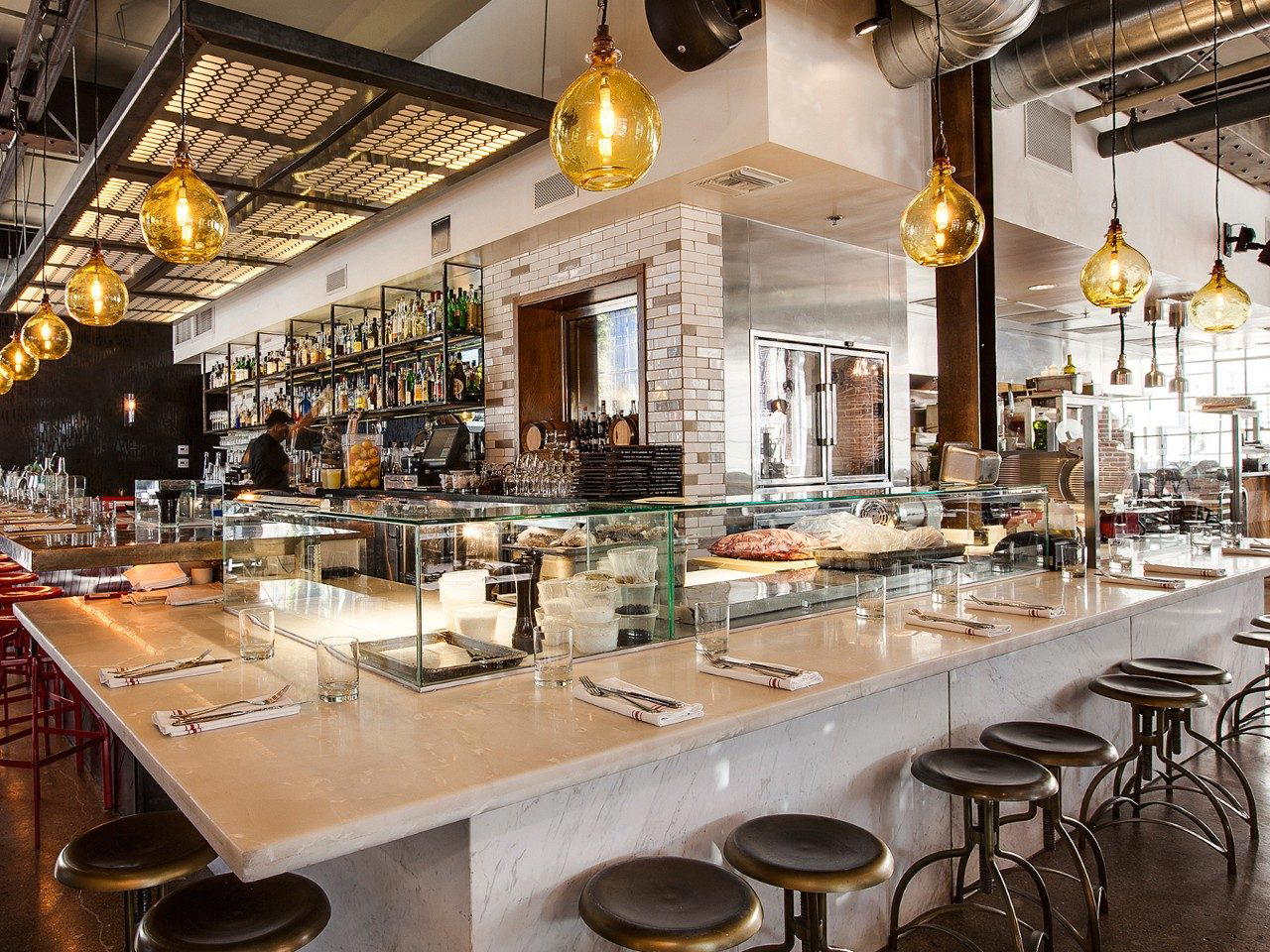
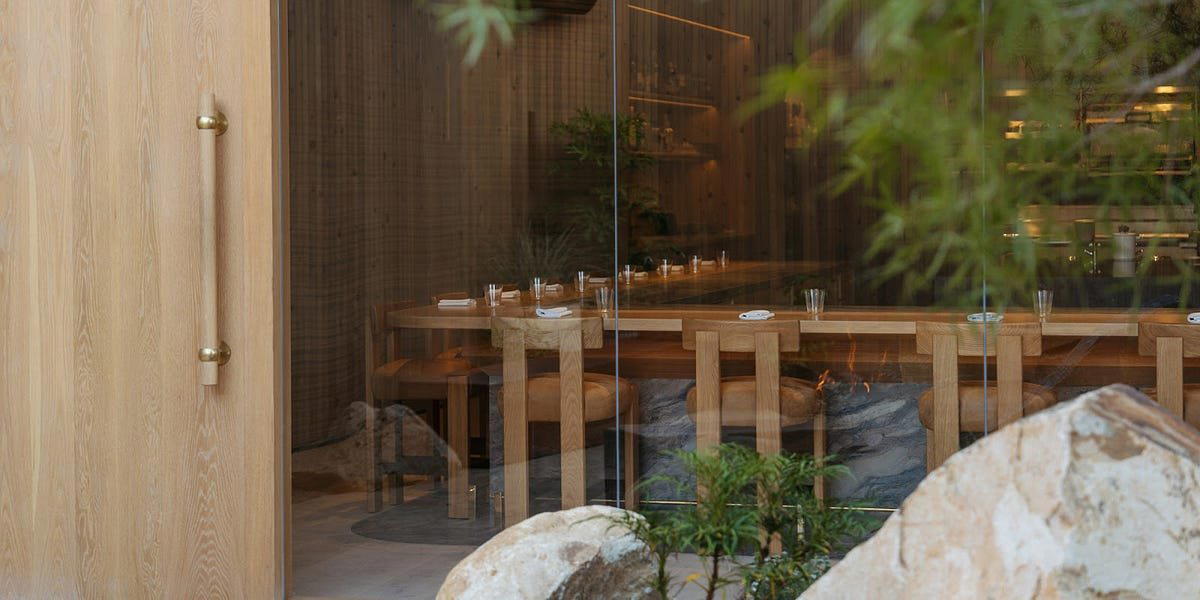
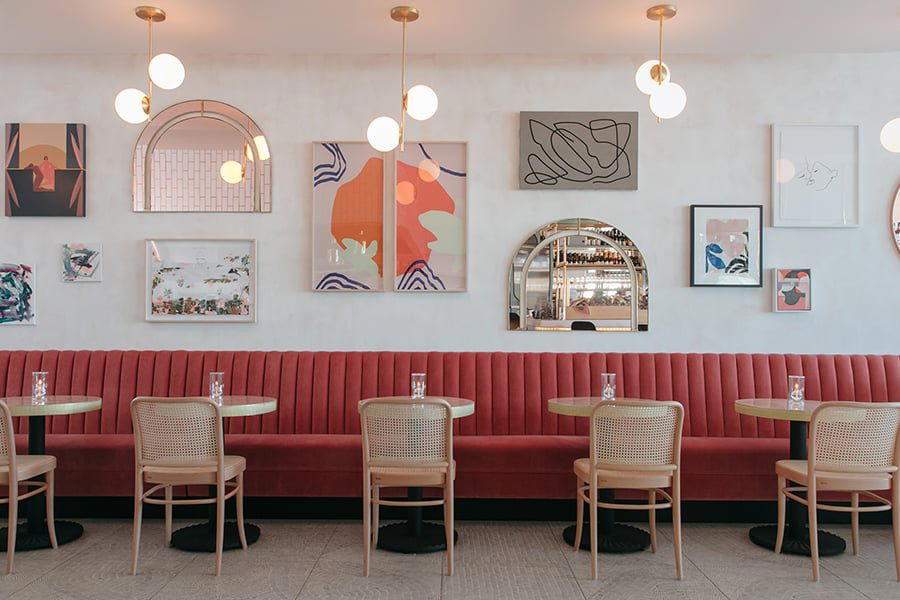
Bars in Newport Coast
Browse all →
Hotels in Newport Coast
Browse all →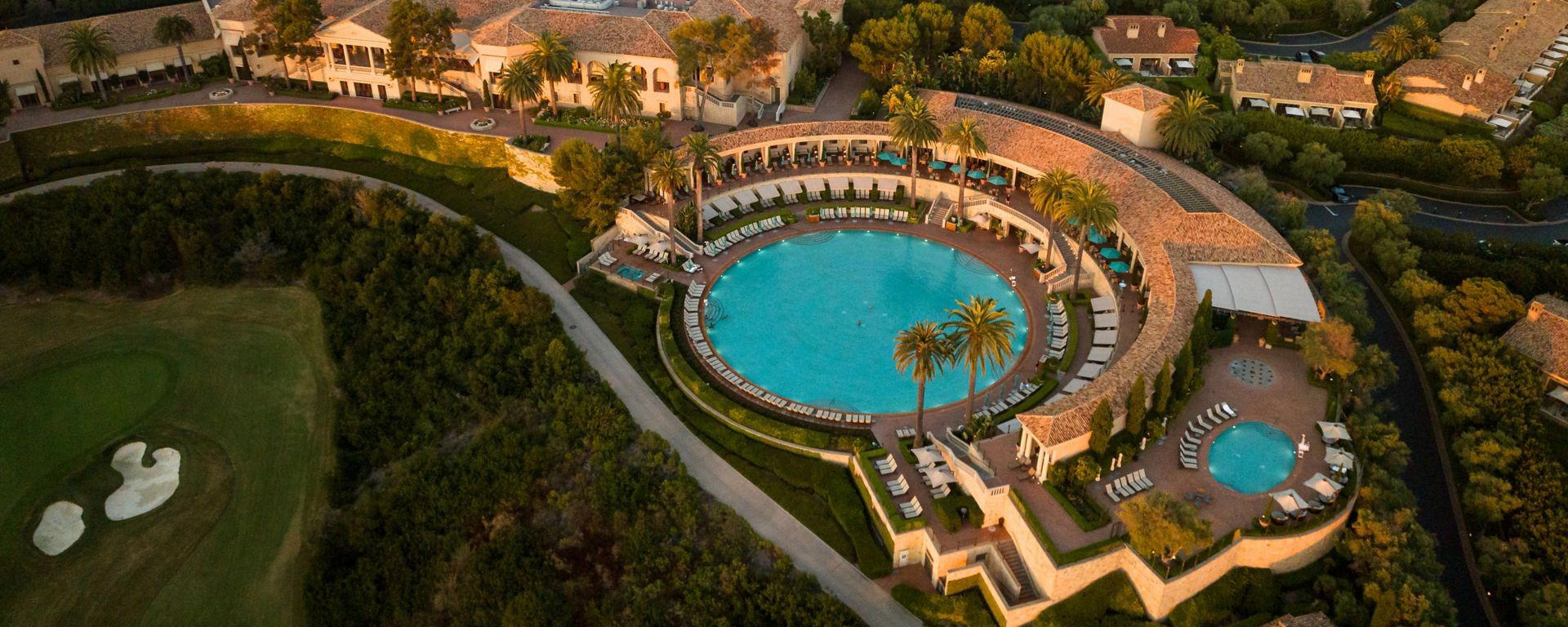

Wineries in Newport Coast
Browse all →
At a Glance
- Sophisticated
- Elegant
- Intimate
- Modern
- Date Night
- Special Occasion
- Sake Program
- Waterfront
Current opening hours
- Monday
- 12–2:30 PM, 5–9 PM
- Tuesday
- 12–2:30 PM, 5–9 PM
- Wednesday
- 12–2:30 PM, 5–9 PM
- Thursday
- 12–2:30 PM, 5–9 PM
- Friday
- 12–2:30 PM, 5–9 PM
- Saturday
- 12–2:30 PM, 5–9 PM
- Sunday
- 12–2:30 PM, 5–9 PM
Hours can change for holidays and private events. Last verified .
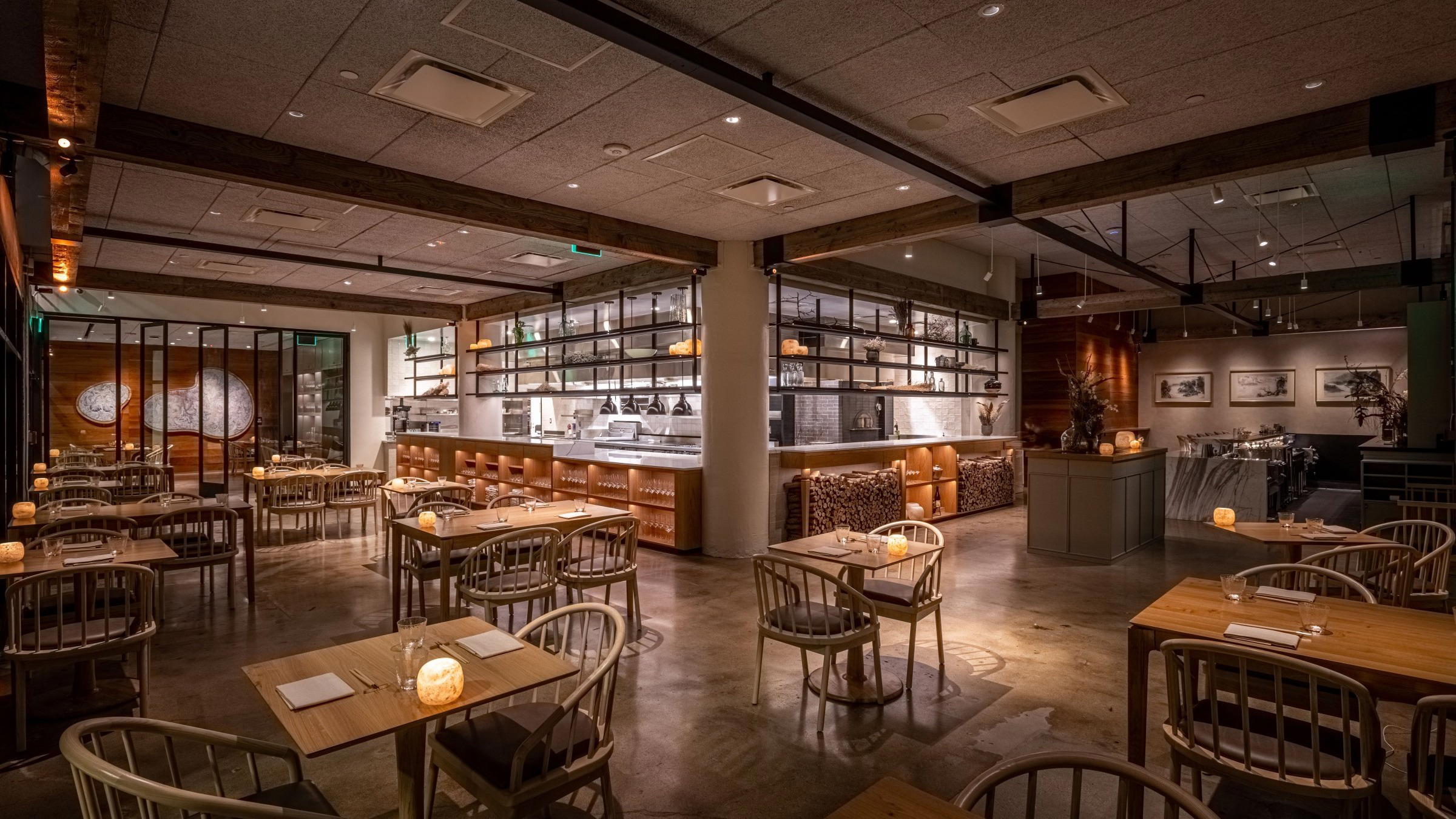
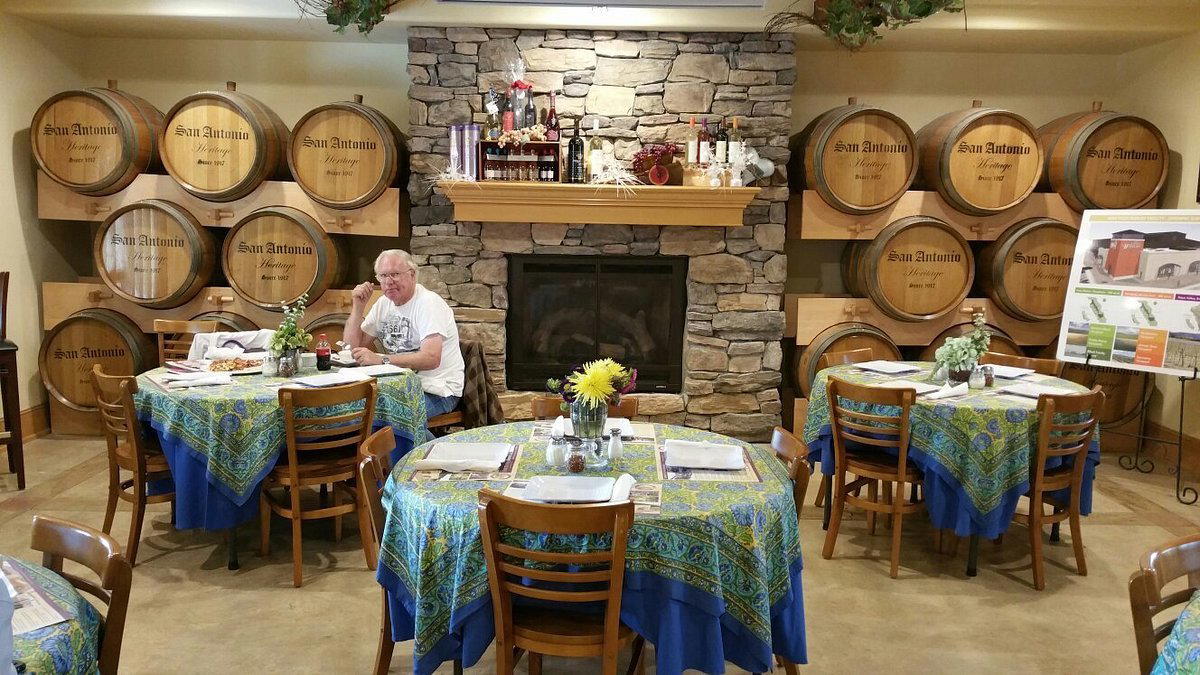
Sophisticated intimate interior with deep ocean blue waterfall dramatic illuminated sushi bar dark woods and contemporary furnishings overlooking the ocean.