Blue Moon Brewery & Grill
Positioned inside Truist Park's Battery Atlanta district, Blue Moon Brewery & Grill occupies the intersection of craft beer culture and stadium-adjacent dining that has reshaped how Atlanta eats and drinks around live events. The address places it among a growing tier of destination brewery concepts that compete less on neighborhood intimacy and more on volume, variety, and the energy of a crowd with somewhere to be afterward.
Pearl is the En Primeur Club membership app — saves, bookings, and concierge access live there. Same editors, same standards.
- Address
- 755 Battery Ave SE, Atlanta, GA 30339
- Phone
- +14044941202
- Website
- bluemoonbreweryandgrill.com
- Directions
- Get directions
 Saves & bookings on Pearl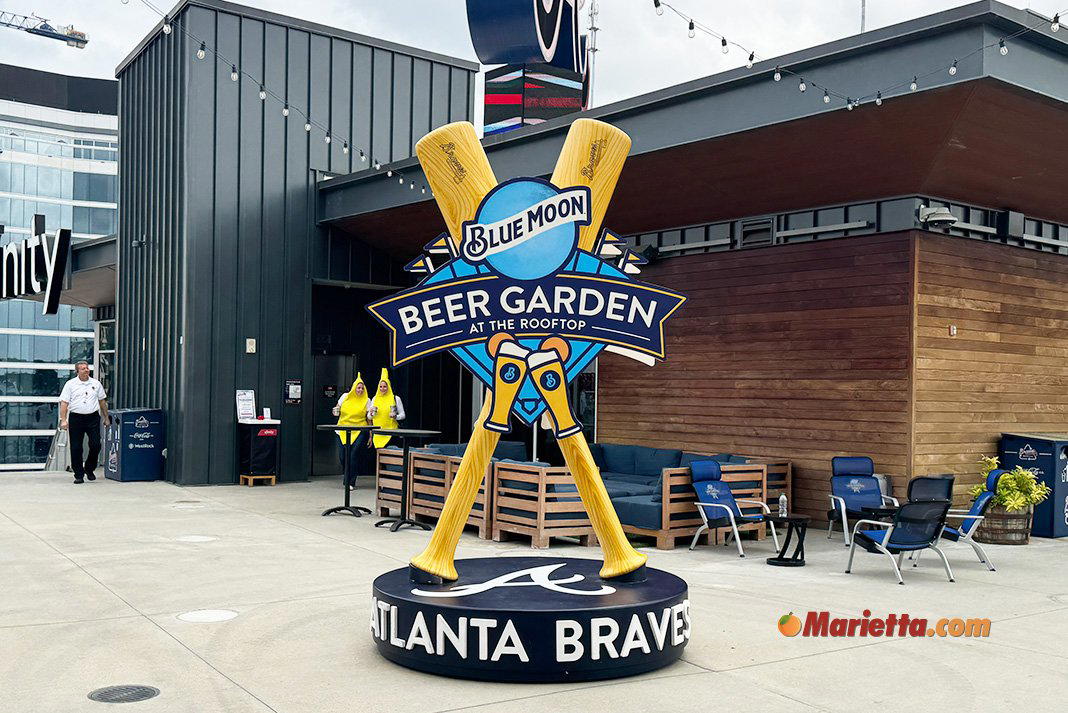
Battery Atlanta and the Stadium Brewery Moment
The area surrounding Truist Park represents one of the more deliberate entertainment district builds in recent American sports development. Battery Atlanta, which wraps around the Braves' stadium at 755 Battery Ave SE, was designed from the ground up to capture pre- and post-game spending, and it pulled in a specific category of dining and drinking concept to do it: the large-format brewery with food. Blue Moon Brewery & Grill is among the anchor tenants in that category, and its presence there says something about how the Blue Moon brand has evolved from a ubiquitous tap handle to a physical hospitality format.
Blue Moon the beer has existed since 1995, originally brewed under Coors (now Molson Coors), and for most of its history it operated as a mass-market craft-adjacent brand rather than a brewery destination. The shift toward branded brewery restaurants represents a deliberate reinvention of that identity, moving the label from liquor store shelf and sports bar draft line into a controlled environment where the full range of the brewing program, including seasonal and small-batch releases that never reach distribution, can be presented in context. That evolution mirrors a broader industry pattern: as craft beer competition compressed margins on packaged product, large brewing groups moved toward experiential formats where margins on food and specialty pours are substantially higher.
What the Format Looks Like in Practice
Stadium-adjacent brewery concepts operate under specific constraints that shape everything from menu design to seating flow. A venue at this address serves an enormous volume of guests across narrow pre-game windows, which demands kitchen systems built for throughput. That tends to push menus toward American grill formats, where execution at scale is more reliable than it would be for technically demanding preparations. The result is a category of dining that sits closer to refined sports bar territory than to the destination restaurant tier occupied by Atlanta venues like Bacchanalia or Lazy Betty.
That is not a criticism so much as a calibration. Comparing Blue Moon Brewery & Grill to Atlas or Hayakawa would be a category error. Based on what the Blue Moon brand has historically brought to its taproom formats, the answer is at least partially yes: the on-site brewing capability produces variants and seasonals that are genuinely unavailable elsewhere, which gives the venue a reason to exist beyond simple convenience.
The Reinvention Arc of a Mass-Market Brand
There is something worth examining in the distance Blue Moon has traveled as a concept. A Belgian-style witbier served with an orange slice, originally positioned to reach drinkers who found standard American lager too thin but found traditional craft beer too assertive, has become the centerpiece of a physical hospitality destination inside one of the most purpose-built entertainment zones in the American Southeast. That arc tracks almost exactly with the broader democratization of craft beer culture over the past two decades.
What the brewery-restaurant format allows Blue Moon to do is reframe a brand that many drinkers associate with a default option into something that rewards attention. Taproom exclusives, brewing process visibility, and staff who can speak to production details all work toward that reframing. The degree to which that reframing succeeds at the Atlanta location depends on execution that the available record does not allow us to assess with precision, but the structural bet is sound. Visitors who arrive as Blue Moon skeptics and leave having tried three variants they had not encountered before are more valuable to the brand than the same number of people who simply ordered the familiar draft.
For context on how other brands have navigated similar pivots, it is worth noting that the physical flagship format has worked well in the premium tier for restaurants like Emeril's in New Orleans, where a television-famous brand translated into a brick-and-mortar destination that outlasted the peak of its celebrity. The mechanisms are different, but the underlying logic is the same: control the environment, and you control the story the brand tells about itself.
Atlanta's Drinking Scene and Where This Sits
Atlanta's craft beer culture has developed unevenly, with strong independent breweries concentrated in neighborhoods like Krog Street Market, West Midtown, and Old Fourth Ward rather than in stadium-adjacent zones. The Battery sits geographically and culturally at a distance from that independent scene, which means Blue Moon Brewery & Grill is not really competing for the same drinker who plans an afternoon around a taproom crawl through Ponce City Market. It is competing for game-day traffic, out-of-town visitors staying near the stadium, and groups who want a reliable, large-format experience without much planning friction.
That audience is real and large, and serving it well is a legitimate hospitality achievement. For visitors oriented toward the kind of precision and culinary ambition represented by Mujō or the tasting menu formats common across Atlanta's $$$$ tier, the Battery district more broadly is not the destination. But for those spending time in the Truist Park area, having a brewery with a full kitchen and a range of on-site pours is considerably better than the alternative. See our full Atlanta restaurants guide for a broader map of where the city's dining energy is concentrated by neighborhood and price point.
Planning a Visit
The 755 Battery Ave SE address places the venue within the Battery Atlanta development, accessible via the Braves-Galleria station on the Cumberland line and by car with parking inside the Battery complex. Timing matters considerably: arriving during a game-day rush means navigating high volume and compressed service, while off-peak visits on non-game days allow more time with the beer list and a calmer environment for making sense of the brewing program. For visitors whose Atlanta itinerary includes a Braves game, building a pre- or post-game stop here requires minimal additional planning. Booking details, current hours, and real-time availability are best confirmed directly through the venue or the Battery Atlanta website, as operational details at stadium-district venues shift seasonally and around the event calendar.
How Blue Moon Brewery & Grill Atlanta compares with similar nearby venues.
| Venue | Cuisine | Price |
|---|---|---|
| Heirloom Market BBQ | Barbecue | $$ |
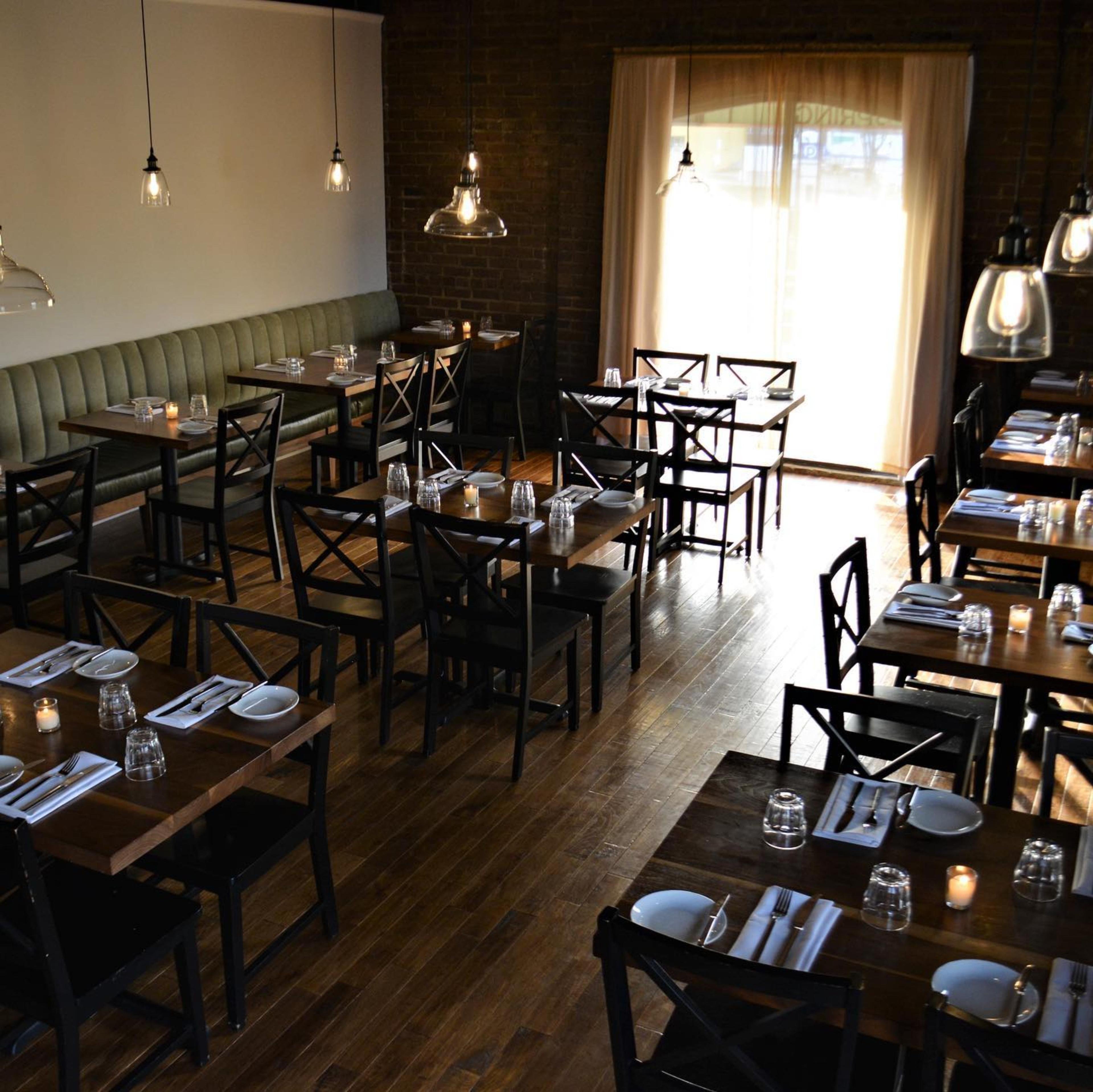
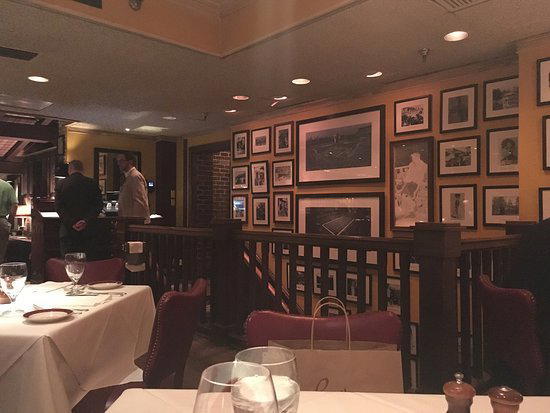
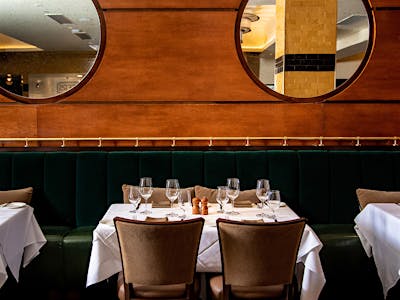
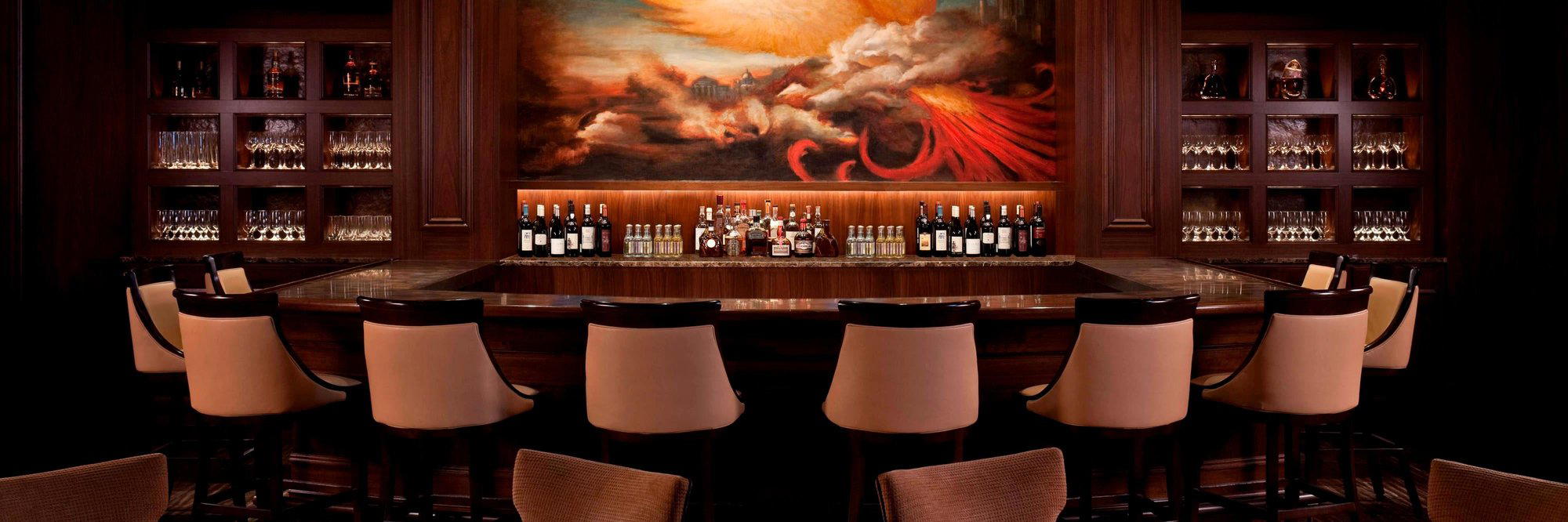
At a Glance
- Lively
- Energetic
- Rustic
- Group Dining
- Casual Hangout
- After Work
- Open Kitchen
- Beer Program
- Craft Cocktails
Current opening hours
- Monday
- 11 AM–10 PM
- Tuesday
- 11 AM–10 PM
- Wednesday
- 11 AM–10 PM
- Thursday
- 11 AM–10 PM
- Friday
- 11 AM–11 PM
- Saturday
- 11 AM–11 PM
- Sunday
- 11 AM–9 PM
Hours can change for holidays and private events. Last verified .
Energetic sports bar vibe with a casual, lively atmosphere centered around craft beer and barbecue.
Know Before You Go
- Getting there
- 755 Battery Ave SE, Atlanta, GA 30339