Blu On The Water
Our verdict
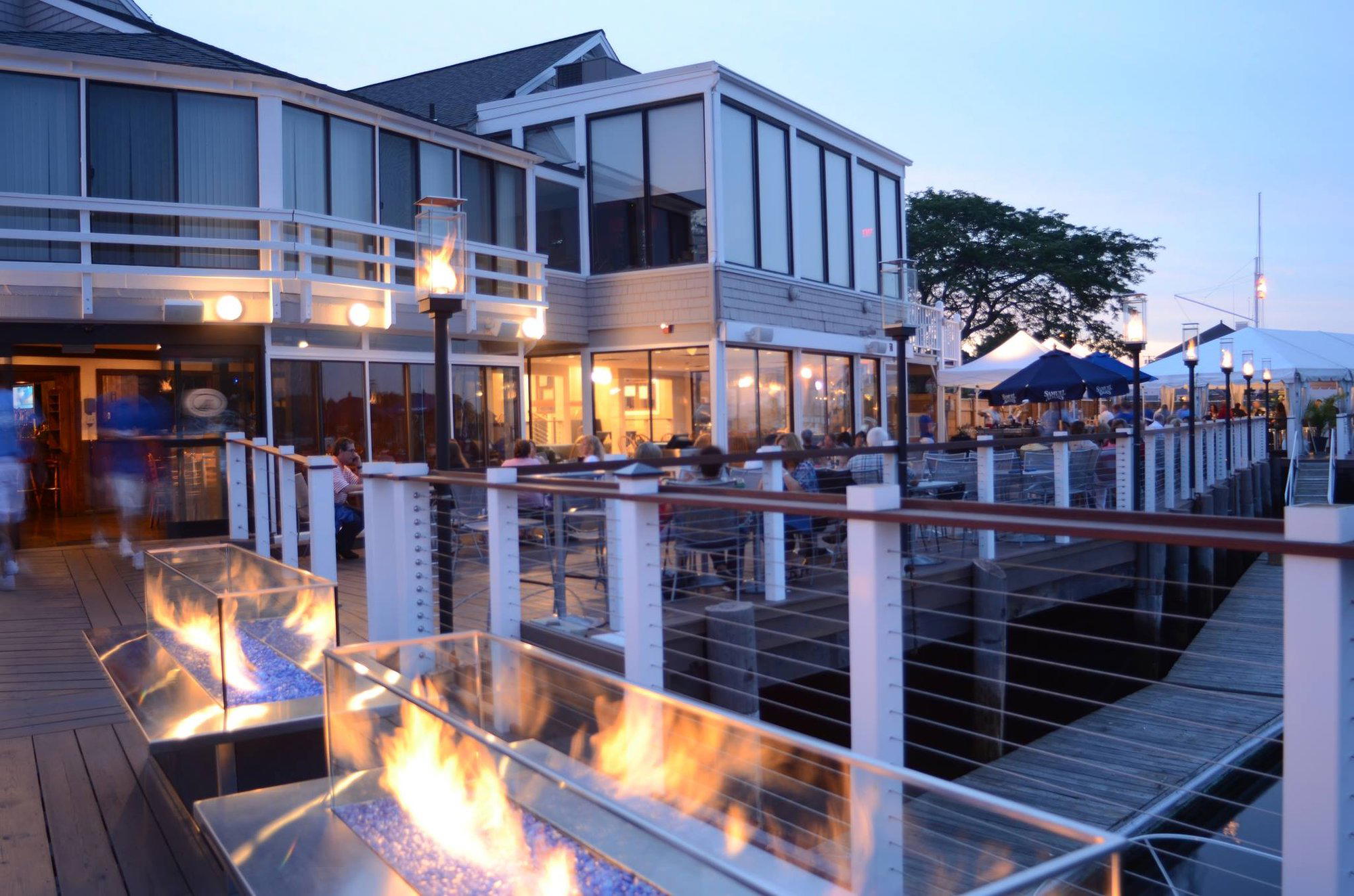
Positioned on the waterfront in East Greenwich, Rhode Island, Blu On The Water brings a seafood-focused approach to one of the state's most visited dining corridors. The address at 20 Water Street places it squarely within the town's harbour-facing restaurant cluster, where water views shape the terms of the meal as much as the menu does.

Pearl is the En Primeur Club membership app — saves, bookings, and concierge access live there. Same editors, same standards.
- Address
- 20 Water St, East Greenwich, RI 02818
- Phone
- (401) 885-3700
- Hours
- Mon–Thu 11:30 AM–10 PMFri–Sat 11:30 AM–1 AMSun 11:30 AM–10 PM
- Website
- bluonthewater.com
- Directions
- Get directions
- Booking
- Book on OpenTable
Waterfront Dining in Rhode Island: What the Setting Demands
Rhode Island's relationship with water is not incidental to its dining culture — it is the foundation of it. Narragansett Bay and its tributaries have defined what people eat along this coastline for centuries, from the indigenous quahog traditions that predate European settlement to the chowder houses and oyster shacks that defined the twentieth-century shore experience. East Greenwich sits at the upper reaches of the bay, and its Water Street corridor represents a more polished iteration of that tradition: restaurants that use the waterfront setting as both backdrop and culinary logic.
Blu On The Water occupies a position on Water Street that places it inside that narrative. The address at 20 Water Street is not incidental. In a town where the harbour view is the primary premium a restaurant can offer, the physical positioning of a dining room signals its competitive tier before a guest sits down. East Greenwich has developed a tighter, more ambitious restaurant scene than its size might suggest, with venues like Circe East Greenwich, La Masseria, and Rasa each staking out distinct culinary identities along the same main artery. The waterfront itself sets a different standard: guests arrive expecting the view to be earned by what arrives at the table.
The Broader Context: New England Seafood at This Tier
American seafood dining at the premium end has fractured into recognisable sub-categories over the past decade. On the coastal fine-dining axis, houses like Le Bernardin in New York City and Providence in Los Angeles define a technically precise, often French-influenced approach to oceanic ingredients. Further along the spectrum sit farm-to-table coastal formats like Blue Hill at Stone Barns in Tarrytown and Single Thread Farm in Healdsburg, which embed local sourcing as an explicit part of the menu's meaning. New England's contribution to this broader conversation has historically been less architecture-heavy: the regional tradition values proximity, seasonality, and directness over elaborate technique.
Waterfront restaurants in Rhode Island operate inside that tradition rather than against it. The expectation is fresh provenance, a menu that tracks what the bay and the surrounding Atlantic fisheries are producing, and a room that lets the water do some of the experiential work. That is a different proposition from the tasting-menu formalism of Smyth in Chicago or Atomix in New York City, and it should be evaluated on its own terms.
East Greenwich as a Dining Town
The town's main commercial corridor has attracted a concentrated set of independent restaurants that punch above what the population base alone would typically support. That density is partly a function of geography — East Greenwich draws from a wide Providence metropolitan catchment, and partly a function of the town's income demographics, which skew toward households with the disposable income to support mid-to-upper-tier dining regularly rather than occasionally.
The result is a local dining scene with genuine range. Blackstone Steakhouse East Greenwich addresses the direct red-meat demand that waterfront towns tend to generate alongside their seafood trade. Scotti's Salumeria operates in a more informal, Italian-provisions register. Together, these venues define the competitive field that any Water Street address enters. For a full picture of what the town's restaurant scene offers across categories, the full East Greenwich restaurants guide maps the options by format and price tier.
What the Waterfront Format Requires
Dining in rooms oriented toward the water carries specific expectations that differ from interior dining rooms, regardless of the menu's ambition level. Guests sitting with a view of Narragansett Bay are, in part, buying access to a particular Rhode Island hour: late afternoon light on the water, the sound of boats, the particular quality of a coastal evening in summer. The kitchen's job is to not interrupt that experience with food that feels disconnected from the setting.
That is a discipline that rewards restraint. Chefs working in waterfront contexts, from the modest to the celebrated, Emeril's in New Orleans operates a comparable waterfront logic in a different regional idiom, tend to find that the setting is most coherent when the menu acknowledges its geography. Rhode Island's specific larder includes some of the eastern seaboard's most consistent bivalves, an active groundfish industry, and access to pelagic species that move through the Atlantic corridor seasonally. A dining room on Water Street that draws from those sources connects to a food culture with genuine depth.
Planning Your Visit
East Greenwich's dining corridor is most active from late spring through early autumn, when outdoor seating along the waterfront becomes a genuine part of the experience and the regional seafood supply reaches its seasonal peak. Weekend evenings in summer compress demand across the whole street, and reservations across Water Street venues fill faster during those months than the town's size might suggest. Planning ahead by at least a week or two for weekend sittings during peak season is standard practice for the block.
For those building a longer New England or Northeast itinerary that includes higher-tier reference points, the regional context extends naturally toward Providence and Boston, with national-level destinations like The French Laundry in Napa, Lazy Bear in San Francisco, Addison in San Diego, The Inn at Little Washington, and Atelier Moessmer Norbert Niederkofler in Brunico representing the upper tier of the form for those mapping comparative experiences across a wider trip.
Frequently asked questions
Is Blu On The Water okay with children?
The waterfront setting at 20 Water St in East Greenwich tends to work well for families visiting during daylight hours, when the bay views hold attention as well as any menu. Evening service at waterfront rooms in this corridor generally skews toward adult dining, particularly on weekends.
What is the atmosphere like at Blu On The Water?
The room sits on the water in East Greenwich, which means the setting does a significant amount of the work — light off the bay, boat traffic, and the particular calm that comes from dining at the edge of Narragansett Bay. East Greenwich's Water Street corridor has attracted a concentrated set of independent restaurants, and Blu fits within a scene that leans toward relaxed but considered dining rather than loud casual.
Is Blu On The Water a good option for waterfront dining on Narragansett Bay in Rhode Island?
Blu On The Water's location at 20 Water St, East Greenwich puts it directly within the Narragansett Bay watershed, making it one of the few dining rooms in the East Greenwich corridor with a genuine on-water position rather than a proximate one. East Greenwich has developed a concentrated independent restaurant scene that draws diners from across Rhode Island, and a waterfront address on that stretch carries specific situational value during the spring-to-autumn season when bay views are at their most active.
Where is Blu On The Water located?
Blu On The Water is located at î20 Water St, East Greenwich, RI 02818, East Greenwich.
How far ahead should I plan for Blu On The Water?
East Greenwich's waterfront corridor runs hottest between late spring and early autumn, when outdoor seating along the water becomes a genuine draw. During that window, weekend reservations at well-positioned rooms on Water Street can fill several days ahead. Booking a week or more out for Friday and Saturday evenings during summer is a reasonable precaution.
What's the standout thing about Blu On The Water?
The address itself is the primary credential: 20 Water St places the dining room directly on the East Greenwich waterfront, with Narragansett Bay as the operative backdrop. In a town whose commercial corridor has built a reputation for independent restaurants that exceed what the population base alone would suggest, a bay-edge position is a material advantage rather than incidental scenery.
Price Lens
Comparable venues nearby, for context on price, style, and recognition.
| Venue | Cuisine | Price | Awards | Notes |
|---|---|---|---|---|
| Blu On The WaterThis venue — the venue you are viewing | Seafood with Raw Bar | Not listed | Not listed | Not listed |
| Rasa | Authentic Indian | $20–30 | Not listed | East Greenwich, Authentic Indian |
| Circe East Greenwich | Modern American-Italian with Raw Bar | $30–50 | Not listed | East Greenwich, Modern American-Italian with Raw Bar |
| Blackstone Steakhouse East Greenwich | American Steakhouse with Seafood | $30–50 | Not listed | East Greenwich, American Steakhouse with Seafood |
| La Masseria | Authentic Italian Cuisine | $50–100 | Wine Spectator Award of Excellence | East Greenwich, Authentic Italian Cuisine |
| Tavern in The Square | American Gastropub | $20–30 | Not listed | East Greenwich, American Gastropub |
Continue exploring
More in East Greenwich
Restaurants in East Greenwich
Browse all →
Bars in East Greenwich
Browse all →
Details
- Scenic
- Lively
- Romantic
- Elegant
- Date Night
- Celebration
- Casual Hangout
- Waterfront
- Live Music
- Private Dining
- Craft Cocktails
- Local Sourcing
- Waterfront
- A La Carte
- Craft Cocktails
- Vegetarian Friendly
- Gluten Free Options
- Vegan Options
Current opening hours
- Monday
- 11:30 AM–10 PM
- Tuesday
- 11:30 AM–10 PM
- Wednesday
- 11:30 AM–10 PM
- Thursday
- 11:30 AM–10 PM
- Friday
- 11:30 AM–1 AM
- Saturday
- 11:30 AM–1 AM
- Sunday
- 11:30 AM–10 PM
Hours can change for holidays and private events. Last verified .
Picturesque waterfront deck lined with fire features and outdoor bars, offering a swanky vibe with marina views and lively atmosphere.