Bloom Cafe
Our verdict
On West Pico Boulevard, Bloom Cafe occupies a stretch of Mid-City Los Angeles that rewards the attentive diner over the trend-chaser. Sparse on hype and light on digital footprint, it sits in a corridor where neighborhood regulars and curious visitors share tables without ceremony. What the address lacks in marquee recognition, the surrounding dining culture more than compensates for in texture and variety.

Pearl is the En Primeur Club membership app, where members save venues, book tables and use the concierge.

West Pico and the Case for Mid-City Dining
Los Angeles dining has always been more polycentric than its critics allow. While reservation queues form for omakase counters in Arts District lofts and tasting menus at Michelin-flagged rooms, the city's Mid-City corridor along West Pico Boulevard operates on a different register: lower profile, higher density of neighborhood regulars, and a physical environment shaped more by the block's commercial character than by interior design consultants. Bloom Cafe, at 5544 W Pico Blvd, sits inside that corridor, in a stretch of 90019 that functions as a connective tissue between Culver City's curated restaurant row to the west and the Fairfax District's busier pedestrian traffic to the east.
The West Pico strip is a useful lens for understanding how Los Angeles absorbs independent food businesses. Unlike the concentrated dining clusters that define neighborhoods such as Silver Lake or Larchmont Village, this stretch rewards dispersal. Cafes and small restaurants coexist with service businesses and mid-century retail frontages, which means that any given dining room here competes less on foot traffic and more on word of mouth and return visits from a defined local radius. That dynamic shapes what a place like Bloom Cafe can be: modest in scale, grounded in a specific community, and largely absent from the algorithmic discovery channels that push destination restaurants into broader visibility.
The Physical Container: Space as Signal
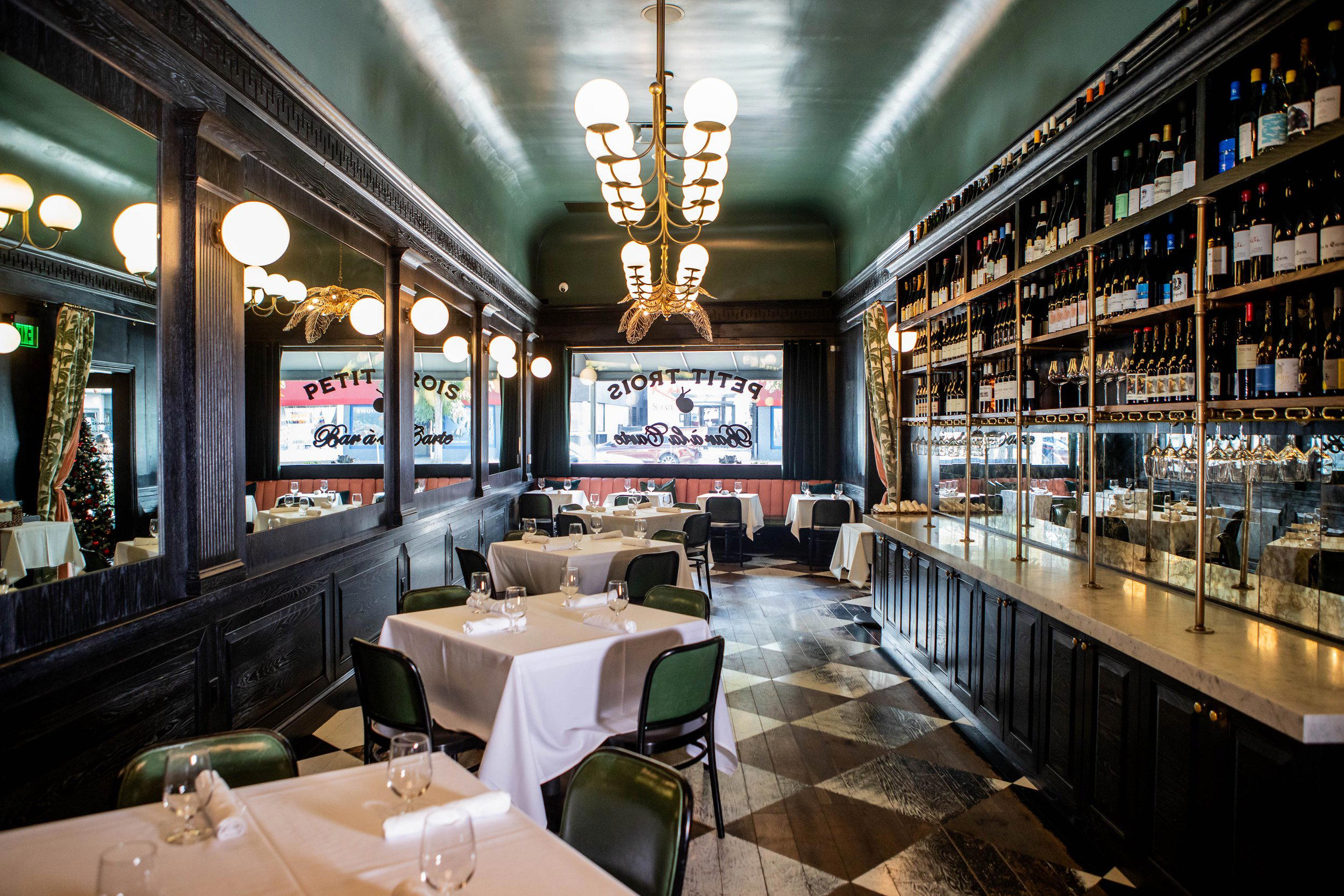
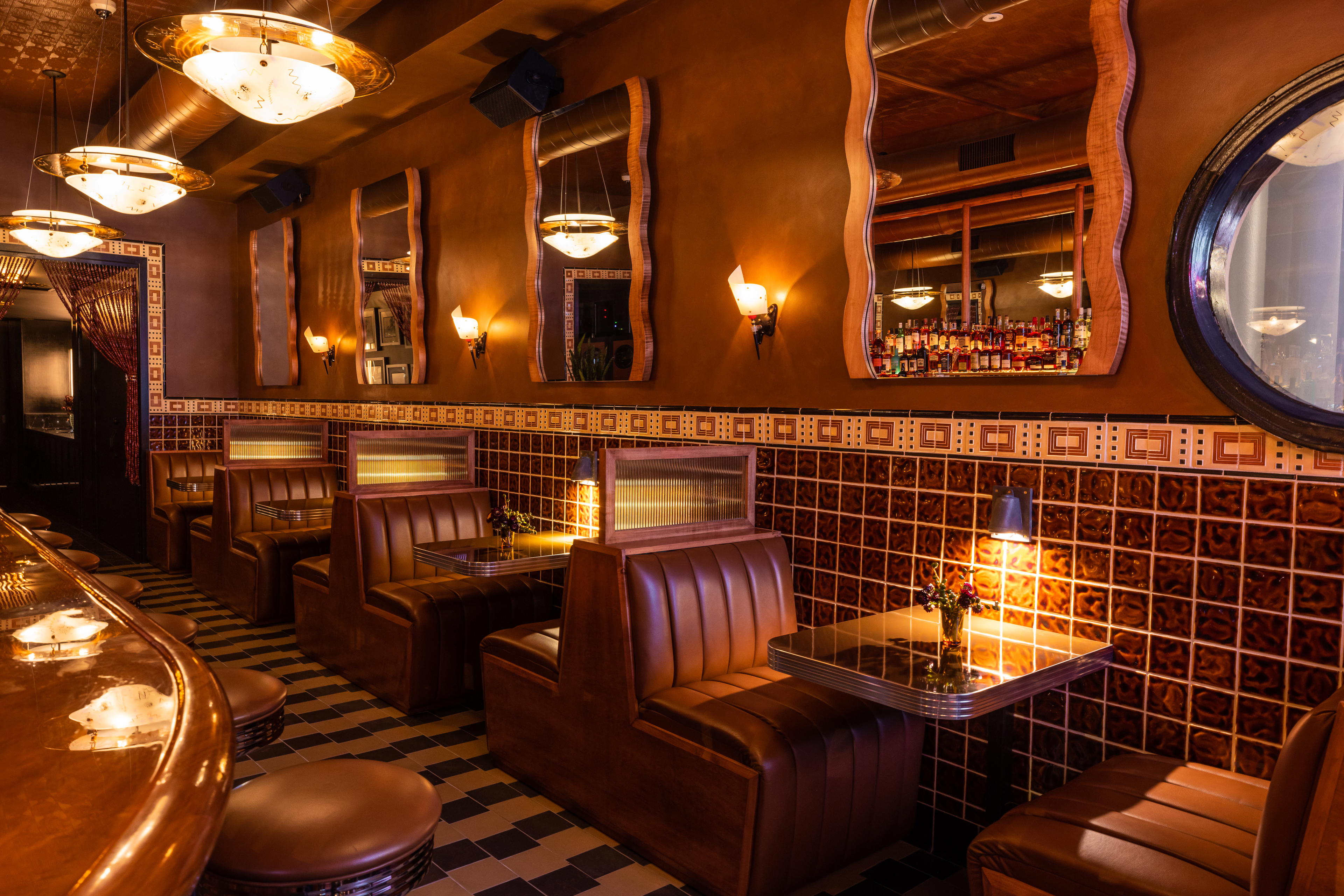
In a city where interior design has become a primary competitive variable, the spaces that resist the trend communicate something through their restraint. Los Angeles has produced some of the country's most architecturally deliberate dining rooms in recent years: Somni's controlled theatricality, Vespertine's full-building conceptual commitment, even Kato's deliberate counter format that positions the diner in specific relation to the kitchen. These are rooms built to carry meaning before a dish arrives. The West Pico cafe format is a different proposition entirely. Here, the physical container is not the message; it is the background condition that allows the transaction between cafe and neighborhood to function without theater.
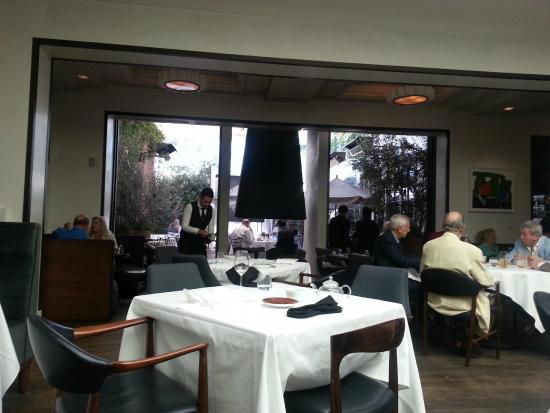
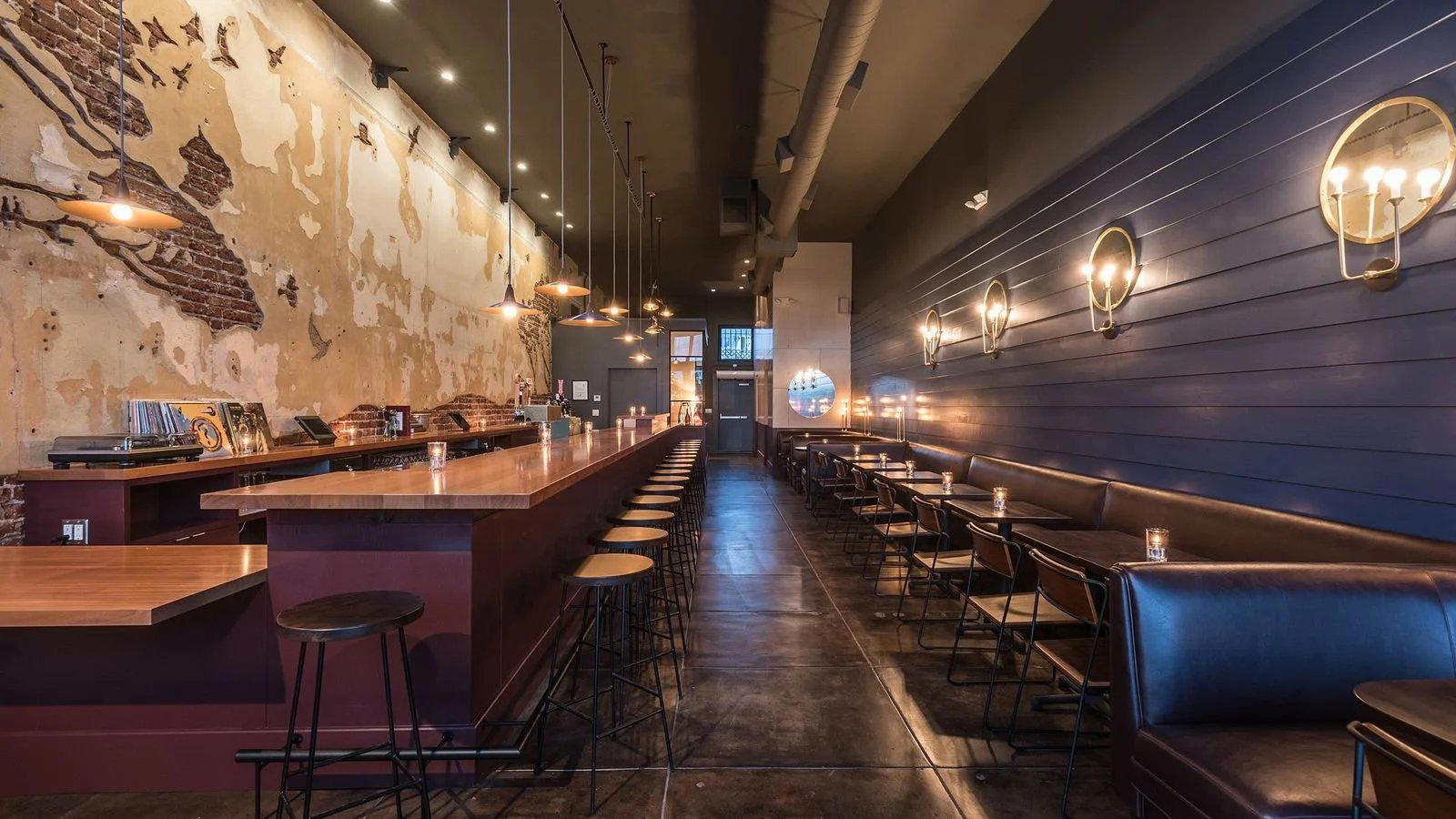
That matters as an editorial category. Mid-city independent cafes along corridors like West Pico tend toward functional interiors: accessible seating arrangements, natural light where the frontage allows, and a material palette determined by cost and practicality rather than specification by a designer. The result is spaces that age into their neighborhoods rather than announce themselves at opening.
Compare this to the deliberate spatial architectures at Hayato in the Row DTLA, where the kaiseki room's materiality is part of the proposition, or Providence on Melrose, where the formal dining room signals the tasting menu tier. Design investment, in Los Angeles as in most major cities, correlates closely with price point and format ambition. The cafe tier, by contrast, earns its place through consistency and community fit rather than spatial spectacle.
Mid-City in the Broader LA Dining Map
Understanding where Bloom Cafe sits geographically helps calibrate expectations. The 90019 zip code is not a dining destination in the way that Venice or West Hollywood is, which is precisely what gives businesses here a different kind of durability. Restaurants in high-visibility neighborhoods face constant pressure from new openings and shifting editorial attention. Cafes on quieter commercial strips operate with a more stable customer base and less exposure to the trend cycle that accelerates turnover in denser dining corridors.
For visitors using Los Angeles restaurant coverage as a primary planning tool, the West Pico corridor rarely surfaces in the same editorial breath as Osteria Mozza or Hayato. This is partly a function of how dining media in LA clusters its attention around neighborhoods with stronger pedestrian infrastructure and higher concentrations of headline openings. The practical implication is that places like Bloom Cafe exist in a category that requires more local knowledge to locate, and where the diner's experience is shaped less by expectation management and more by the conditions of the actual visit.
Nationally, the cafe tier in American cities has fractured into distinct sub-categories: specialty coffee anchors with food programs that have outgrown their origin format, neighborhood lunch-and-breakfast spots with strong local loyalty, and hybrid spaces that blend working environment with dining offer. What the address confirms is a West Pico location that places Bloom Cafe among a dense, diverse, and relatively low-profile set of food businesses where local reputation is the primary currency.
For context on what the higher price tiers look like in the same city, the range runs from Kato and Hayato at the $$$$ tasting-menu end to Holbox's accessible Mexican seafood at $$, with a full mid-range populated by strong independent operators. The cafe tier typically sits at the lower end of that range, making it an accessible entry point for exploring a neighborhood's food character without commitment to a reservation-driven format. Comparable cafe-tier dynamics appear in other major American cities, from Smyth's broader Chicago neighborhood context to the community dining culture surrounding Lazy Bear in San Francisco's Mission District.
Planning Your Visit
Reservations: Budget: Specific pricing not available; the cafe tier in this part of Los Angeles typically runs well below the $$$$ omakase tier. Getting there: West Pico Boulevard is accessible by car with street and lot parking common along the corridor; Metro connectivity in this part of Mid-City requires a transfer from major lines. When to go: Cafe-format businesses in this zip code typically see lighter midweek traffic compared to weekend brunch periods, which is when neighborhood demand on West Pico tends to concentrate.
For deeper context on Los Angeles dining across all price tiers and neighborhoods, the full Los Angeles restaurants guide covers the city's most documented options from Michelin-level rooms to neighborhood anchors. Additional reference points at the high end of the American dining spectrum include The French Laundry in Napa, Blue Hill at Stone Barns in Tarrytown, Addison in San Diego, and Le Bernardin in New York City, which collectively illustrate the range of what serious dining investment looks like in American cities when compared to the neighborhood cafe format that defines the West Pico corridor.
Frequently asked questions
What's the address for Bloom Cafe?
Bloom Cafe is located at 5544 W Pico Blvd, Los Angeles, CA 90019, Los Angeles.
What neighborhood is Bloom Cafe in, and how does it compare to other Los Angeles dining areas?
Bloom Cafe sits at 5544 W Pico Blvd in the 90019 zip code, which places it in Mid-City Los Angeles, geographically between Culver City to the west and the Miracle Mile to the north. This corridor doesn't carry the dining-destination profile of Silver Lake or Venice, which makes it more representative of the city's everyday food culture than its headline restaurant scene.
What's the signature dish at Bloom Cafe?
The cafe sits on West Pico Blvd in the 90019 zip code, a corridor where menus tend to reflect the neighborhood's working character rather than trend-driven formats.
How hard is it to get a table at Bloom Cafe?
Bloom Cafe occupies a stretch of West Pico Blvd in Mid-City Los Angeles, outside the reservation-queue pressure zones of Venice or the Arts District.
What's the defining dish or idea at Bloom Cafe?
The available record on Bloom Cafe doesn't specify a signature dish or stated culinary concept. What the address does signal is context: 5544 W Pico Blvd places it in a part of Los Angeles where cafes typically serve a local, repeat clientele rather than destination traffic. That orientation tends to shape menus toward consistency over spectacle.
Can Bloom Cafe accommodate dietary restrictions?
As with any cafe in Los Angeles where plant-based and allergy-aware options have become broadly standard, it's worth calling ahead or visiting in person to ask about specific requirements before your visit.
Is eating at Bloom Cafe worth the cost?
Its location on West Pico Blvd in Mid-City Los Angeles, away from the premium-dining corridors of Melrose or Downtown, typically correlates with accessible price points, but that should be confirmed directly with the cafe rather than assumed.
Same-City Peers
| Venue | Cuisine | Price | Awards | Notes |
|---|---|---|---|---|
| Bloom CafeThis venue (the venue you are viewing) | Healthy American Cafe | $20–30 | Not listed | Not listed |
| Kato | Modern Taiwanese Fine Dining | $300–500 | 2 Michelin Stars · World's 50 Best #49 | New Taiwanese, Asian |
| Hayato | Traditional Japanese Kaiseki | $300–500 | 2 Michelin Stars · La Liste Top Restaurants | Japanese |
| Vespertine | Avant-Garde Tasting Menu | $200–300 | 2 Michelin Stars · La Liste Top Restaurants | Progressive, Contemporary |
| Holbox | Modern Mexican Seafood | $30–50 | 1 Michelin Star · World's 50 Best #26 | Mexican Seafood, Mexican |
| Sushi Kaneyoshi | Edomae Omakase | $300–500 | 1 Michelin Star · LA Times 101 Best Restaurants #24 | Sushi, Japanese |