Blind Coyote Cantina
Blind Coyote Cantina brings a casual cantina format to Lakeview Avenue in Yorba Linda, a suburb where Mexican-influenced dining occupies a particular niche between fast-casual chains and more formal sit-down options. The address places it within reach of the city's residential core, making it a neighbourhood fixture rather than a destination draw. Expect the relaxed register that defines Southern California's cantina tradition.
Pearl is the En Primeur Club membership app — saves, bookings, and concierge access live there. Same editors, same standards.
- Address
- 4975 Lakeview Ave, Yorba Linda, CA 92886
- Phone
- +17144852593
- Website
- blindcoyotecantina.com
- Directions
- Get directions
 Saves & bookings on Pearl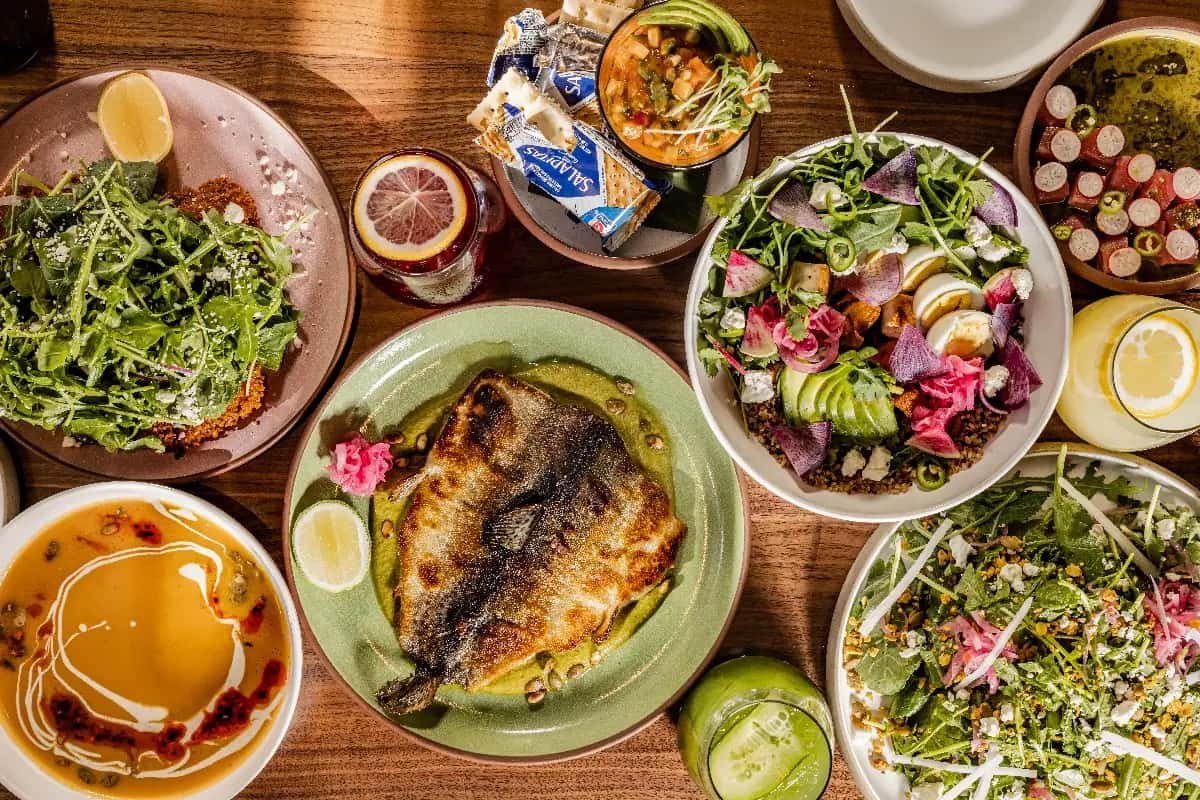
The Cantina Format in Southern California's Suburban Belt
Southern California's approach to Mexican-influenced dining splits along a fairly clear axis. On one end sit the fast-casual formats, counter-service and high-volume, where the priority is throughput. On the other are the more serious regional Mexican kitchens, places that treat sourcing and technique with the same attention you'd find at a produce-forward American restaurant. Between those poles, the cantina occupies its own territory: a dining room with a bar at its centre, where the food is expected to hold its own but the atmosphere carries equal weight. Blind Coyote Cantina at 4975 Lakeview Ave operates within that middle register, in a part of Orange County where the cantina format functions as a local dining anchor rather than a culinary statement.
Yorba Linda's dining scene is quieter and more residential in character than coastal Orange County nodes like Newport Beach or Laguna Beach. That context matters when reading any cantina here. These are not venues competing for the same attention as, say, Providence in Los Angeles or Addison in San Diego. They serve a different function: consistent, accessible dining for a community that eats out regularly but without the ceremony of a destination restaurant. The cantina format is well-suited to that role.
What the Cantina Tradition Actually Means for Sourcing
The ingredient question at any cantina is worth pressing. At the lower end of the format, proteins are commodity, salsas are pre-made, and the kitchen's job is assembly. At the better end, the cantina tradition in California draws from a genuine regional logic: dried chiles sourced by variety and origin, corn treated as a serious ingredient rather than a filler, citrus and herbs that reflect the agricultural abundance of Southern California itself. The Central Valley, less than two hours from most of Orange County, remains among the more productive agricultural regions in North America, and kitchens that pay attention to that proximity can source tomatoes, peppers, avocados, and stone fruits at a quality level that most of the United States simply cannot access.
That regional advantage is often underplayed in suburban cantina settings. The conversation about sourcing in American dining tends to concentrate on fine dining operations, places like Blue Hill at Stone Barns in Tarrytown, Single Thread Farm in Healdsburg, or Smyth in Chicago, where the farm-to-table credential is part of the value proposition. But the logic applies at every price point. A cantina kitchen that uses fresh, regionally sourced produce and correctly hydrated dried chiles will simply taste different from one that doesn't, and that difference is detectable without any fine dining framework to make sense of it. California's produce calendar runs nearly year-round, which means a kitchen in Yorba Linda has structural sourcing advantages that a cantina in, say, Denver or Chicago does not.
Yorba Linda's Dining Character and Where the Cantina Fits
Among the options in central Yorba Linda, the dining mix is relatively compact. Sushi Noguchi represents the Japanese counter format in the city, Terra Wood-Fired Kitchen anchors the wood-fired American category, and Wild Artichoke covers a more health-forward casual register. The cantina slot is distinct from all three: it carries a bar program, typically runs into the evening with a different energy than lunch-focused spots, and positions Mexican-influenced cuisine as the main draw rather than a secondary option.
Lakeview Avenue, where Blind Coyote Cantina sits, is a commercial corridor with a residential catchment that stretches in multiple directions. That geography tends to produce a loyal regular base rather than heavy tourist foot traffic, which shapes how a cantina in this location actually operates on any given evening. The room is likely to fill with recognizable faces, the service rhythm adjusted for a clientele that visits more than once a month rather than once a year.
How to Think About Visiting
Booking behaviour at suburban cantinas tends to differ from destination dining. At places like The French Laundry in Napa, Le Bernardin in New York City, or Atomix in New York City, the booking window runs months ahead and the format is fixed. A neighbourhood cantina operates on a much shorter cycle: weekend evenings fill faster than weekday visits, and the bar area tends to carry its own rhythm independent of the dining room. Walk-ins are generally more viable at lunch and on weekday evenings.
Cantina dining in California's suburban markets is also a format where the full experience benefits from ordering across the menu rather than anchoring on a single dish. The bar program, where it extends beyond mass-market spirits, often signals more about a kitchen's seriousness than the food menu alone does. Tequila and mezcal selections that reflect regional Mexican production, agave spirits from specific valleys and producers, indicate a kitchen that thinks in the same terms as its bar. That pairing logic, food and drink as a single coherent offer, is what separates a serious cantina from a casual one.
The cantina format doesn't reach for those ambitions, nor should it. But the underlying logic, that where ingredients come from shapes what a dish can achieve, holds across price points and formats. Orange County's proximity to California's agricultural belt means the ceiling for ingredient quality at a cantina here is genuinely high, if the kitchen chooses to use it.
- Snapper Ceviche
- Tableside Guacamole
- Carnitas Enchiladas
- Burrito Mojado
- Bay Scallop Tostadas
- Vaquero Steak
Comparable Spots, Quickly
Comparable venues nearby, for context on price, style, and recognition.
| Venue | Cuisine | Price | Notes |
|---|---|---|---|
| Blind Coyote CantinaThis venue — the venue you are viewing | Polished Mexican with California Ranchero Influence | $$$ | Not listed |
| Wild Artichoke | Modern Boutique French Bistro | $$$ | Yorba Linda |
| Sushi Noguchi | Traditional Japanese Omakase | $$$ | Yorba Linda |
| Terra Wood-Fired Kitchen | Wood-Fired Mediterranean Pizza | $$ | Downtown Yorba Linda |
| Palmilla Newport Beach Cocina y Tequila | Sonoran-Baja Mexican Cocina y Tequila | $$$ | Balboa Peninsula |
| Kalaveras | Modern Mexican | $$$ | Corona |
Continue exploring
More in Yorba Linda
Restaurants in Yorba Linda
Browse all →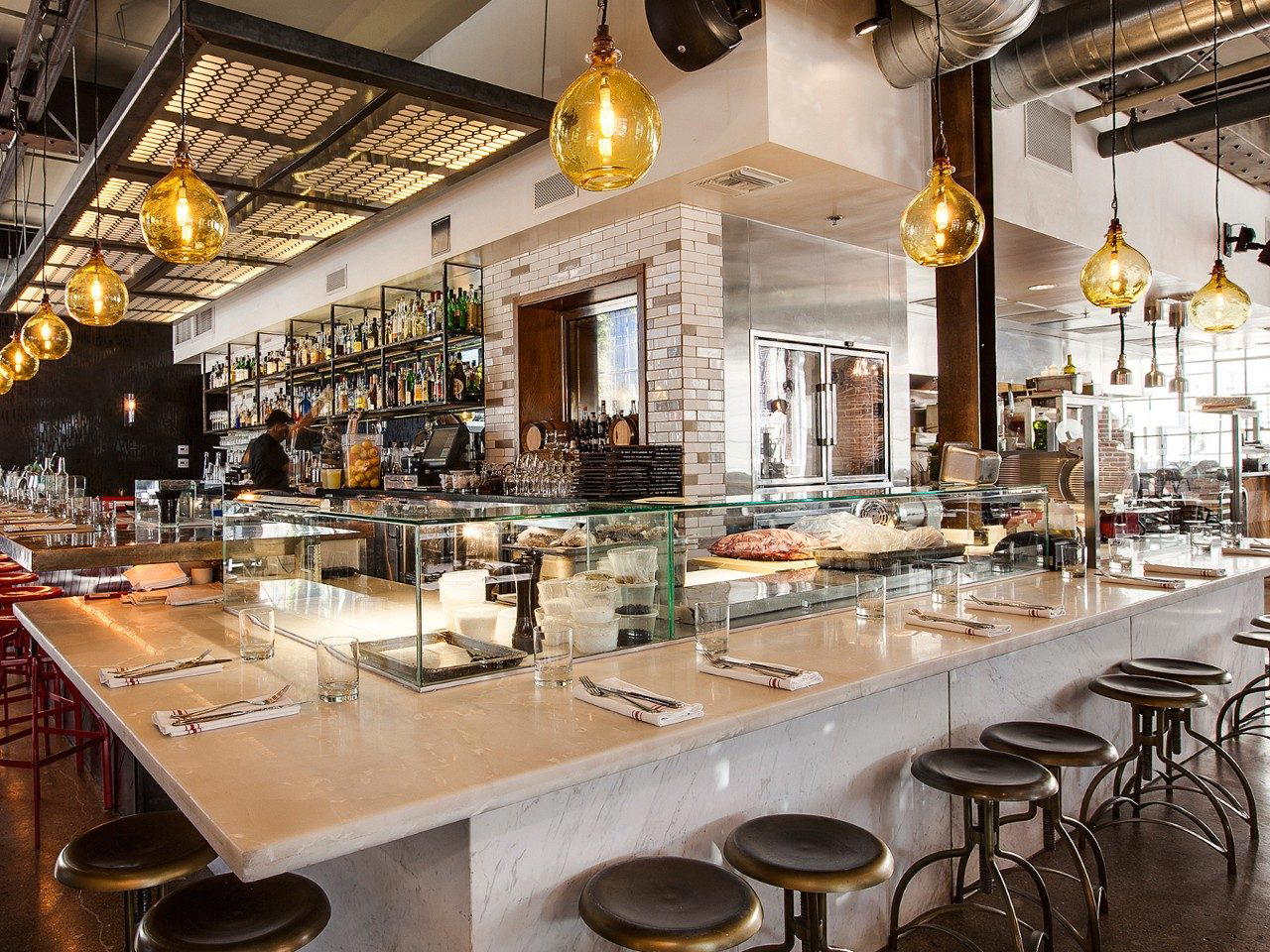
Bars in Yorba Linda
Browse all →
Hotels in Yorba Linda
Browse all →
Wineries in Yorba Linda
Browse all →
At a Glance
- Elegant
- Lively
- Modern
- Group Dining
- Casual Hangout
- Family
- Date Night
- Open Kitchen
- Standalone
- Craft Cocktails
- Local Sourcing
Current opening hours
- Monday
- Closed
- Tuesday
- 11:30 AM–9 PM
- Wednesday
- 11:30 AM–9 PM
- Thursday
- 11:30 AM–9 PM
- Friday
- 11:30 AM–10 PM
- Saturday
- 11:30 AM–10 PM
- Sunday
- 11:30 AM–8 PM
Hours can change for holidays and private events. Last verified .
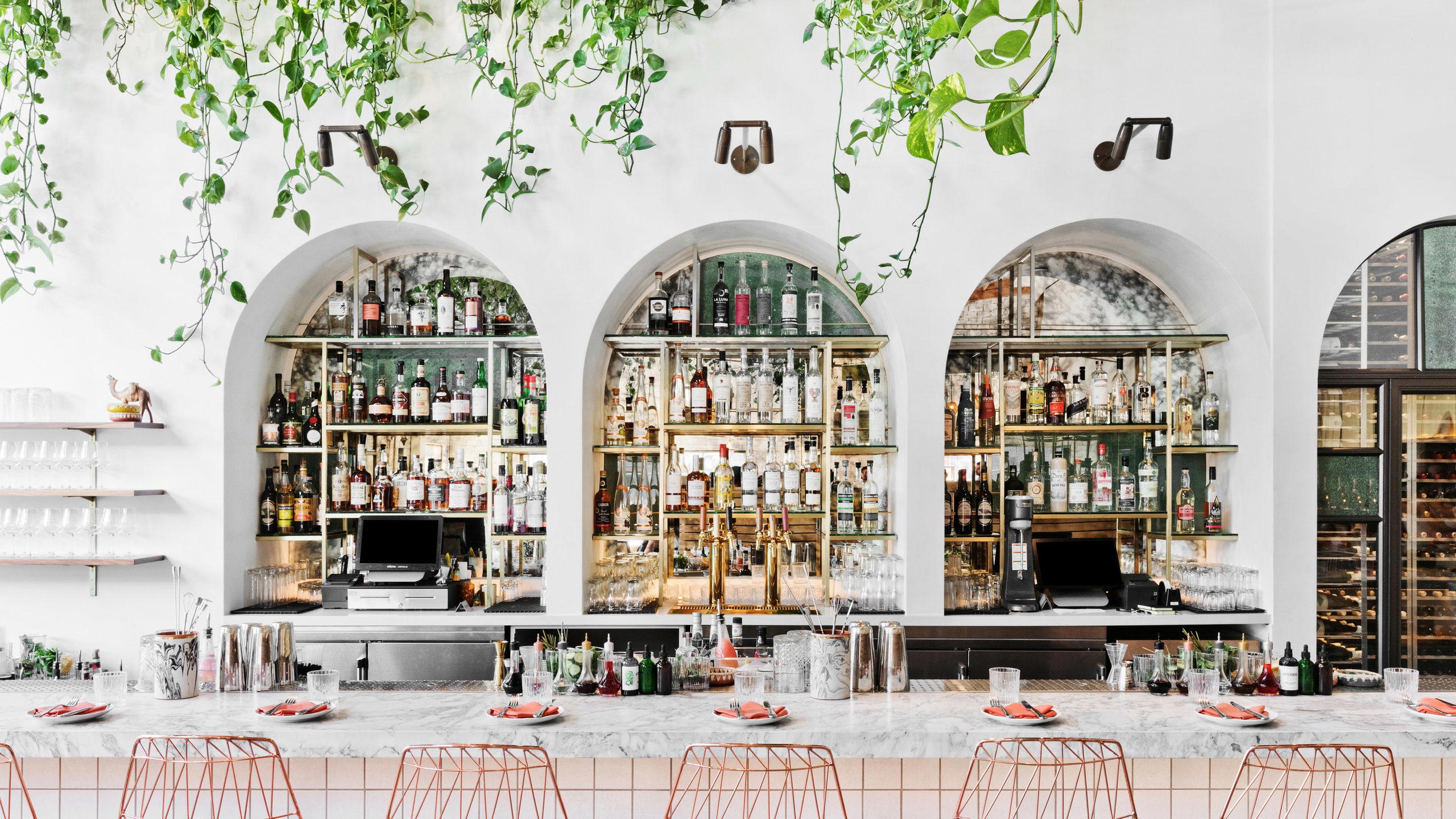
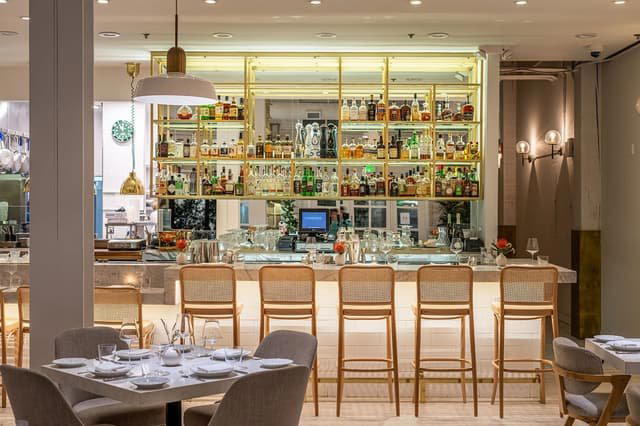
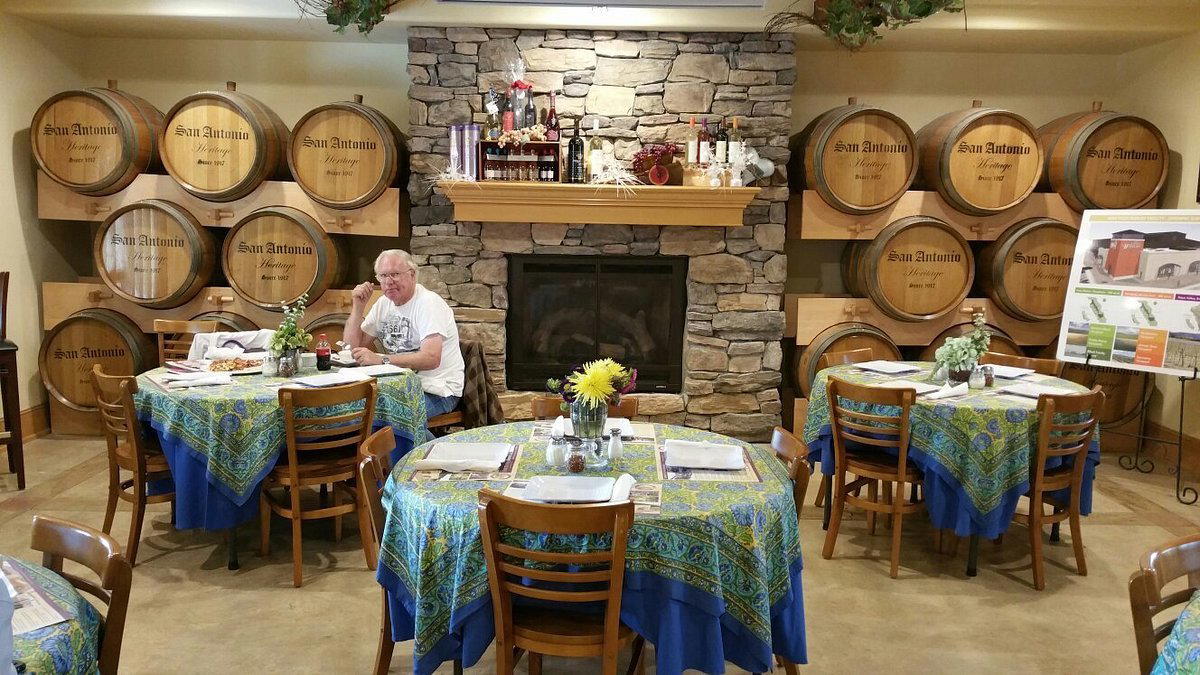
Lively and contemporary with warm lighting, celebrating Mexican culinary traditions in a refined casual setting.