BlackSalt

A Michelin Plate-recognized seafood restaurant on MacArthur Boulevard NW, BlackSalt operates as part fish market, part serious dining room, an arrangement that keeps the sourcing honest and the menu responsive to daily catch. The shellfish program draws consistent critical attention, and the Provençal market stew has become a reference point for coast-to-continent cooking in Washington, D.C.
Pearl is the En Primeur Club membership app — saves, bookings, and concierge access live there. Same editors, same standards.
- Address
- 4883 MacArthur Blvd NW, Washington, DC 20007
- Phone
- (202) 342-9101
- Website
- blacksaltrestaurant.com
- Directions
- Get directions
 Saves & bookings on Pearl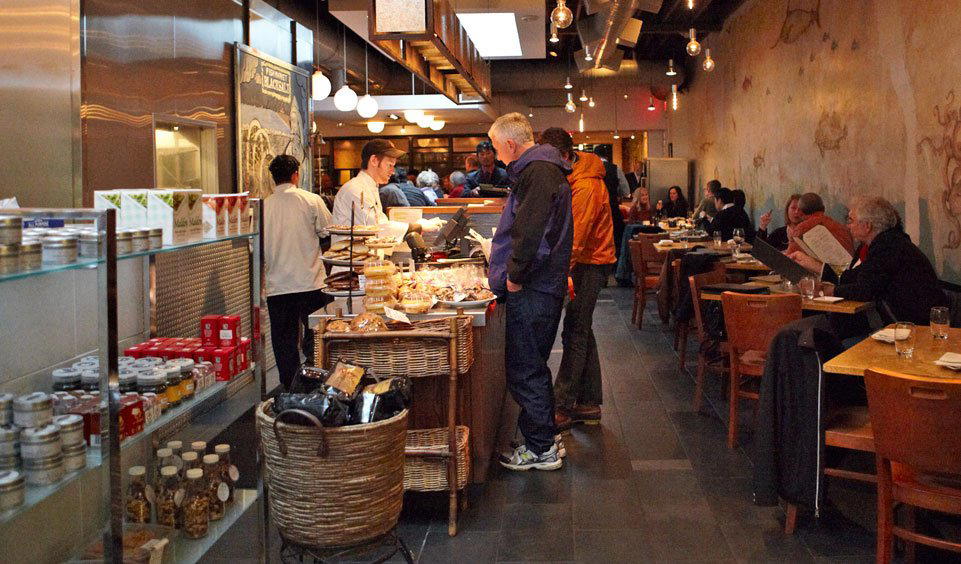
Where the Fish Market Ends and the Restaurant Begins
MacArthur Boulevard NW sits in the Palisades, one of the quieter residential corridors in northwest Washington, a long way from the Penn Quarter dining cluster and its concentration of national press attention. The neighbourhood draws a local clientele rather than a tourist circuit, and that geography has shaped BlackSalt's character more than any single decision about format or menu. You arrive at a building that operates simultaneously as fish market and restaurant, and the division between those two functions is deliberately porous. The smell of the ocean, clean and mineral rather than fishy, greets you before you reach the dining room. The room itself runs lively rather than hushed, not the controlled silence of a tasting-menu counter, but the particular energy of a place where the sourcing is taken seriously and the crowd knows it.
That hybrid market-restaurant format is not incidental. In American seafood dining, the leading guarantor of quality has historically been proximity to supply. The fish counters that also feed you, a model with deep roots in coastal New England and the Gulf South, tend to produce menus that respond to what actually arrived that morning rather than what was promised six weeks ago. BlackSalt operates inside that tradition, which gives the kitchen a structural advantage in a city that sits hours from the nearest major fishing port.
Michelin Recognition and What It Signals About the Room
BlackSalt is a modern seafood restaurant in Washington, D.C. at a price point of about $75 per person. It sits below star level but represents the inspectorate's formal acknowledgment of cooking that merits attention, food that is "good," in Michelin's language, rather than merely adequate. In Washington's seafood category, that recognition places BlackSalt among restaurants that are neither casual fish houses nor the elaborately composed tasting formats seen at starred peers like Estuary. It occupies the middle ground where technique is present but not performed, and where the plate is the argument.
Across the broader D.C. dining scene, Michelin stars cluster around ambitious modern formats: Albi (Middle Eastern, one star), Causa (Peruvian, one star), and others in the $$$$-tier contemporary bracket. BlackSalt operates at the $$$ price point, which positions it as the more accessible entry in serious D.C. seafood, closer in register to Hank's Oyster Bar on approachability, but with a kitchen ambition that edges toward the composed end of the spectrum.
For reference across American seafood dining at the highest tier, Le Bernardin in New York City has set the national benchmark for fish-forward fine dining for decades, while formats like Single Thread Farm in Healdsburg and The French Laundry in Napa demonstrate how seriously American kitchens treat provenance across categories. BlackSalt's Plate recognition signals that the same seriousness applies here at a different price register and with considerably less ceremony.
The Menu: Coast to Continent
BlackSalt's menu is approachable and interesting simultaneously. That balance is harder to achieve than either pole alone. The menu pulls from coastal American and European references, the Provençal market stew being the clearest expression of that reach, its saffron broth and rotating catch producing a dish that reads as southern French in structure but sources locally. The mussels prepared in the style associated with Addie's (a now-closed Rockville institution whose influence persists in D.C. kitchens) arrive in a broth that worth sopping up entirely, a sensory cue that signals generosity of seasoning rather than restraint-led minimalism.
The stew format itself is a useful signal about the kitchen's approach. Market stews, known in Provençal tradition as bourride or bouillabaisse-adjacent preparations, are disciplined tests of a kitchen's sourcing relationships and stock-making ability. The quality of the broth reflects the quality of the bones and shells that built it. When the daily catch rotates to include swordfish alongside mussels and shrimp, the kitchen is committing to whatever the market delivered rather than anchoring the dish to a fixed protein. That's a structural choice that signals confidence in supply.
Key lime pie that closes the meal, tart, served with blueberry compote, freshly whipped cream, and a sesame seed tuille, functions as a deliberate gear shift. The tartness cuts the richness of shellfish and broth, and the compote adds a textural and acidic counterpoint. It is a dessert choice that reflects the same pragmatic intelligence as the rest of the menu: no performance, just a well-judged conclusion.
For comparison in the smoked and cured end of D.C.'s seafood range, Ivy City Smokehouse occupies a different register entirely, focusing on the production side of the fish market model. Internationally, the Provençal broth tradition that informs BlackSalt's stew finds its most direct analogues along the Italian coasts, Gambero Rosso in Marina di Gioiosa Ionica and Alici Restaurant on the Amalfi Coast both work within similar Mediterranean catch-driven frameworks.
How BlackSalt Fits the D.C. Dining Map
Washington's restaurant scene has grown considerably more technically ambitious since 2015, with starred tables emerging across modern American, contemporary European, and non-Western categories. The presence of Lazy Bear in San Francisco, Alinea in Chicago, and Emeril's in New Orleans as reference points nationally illustrates how American fine dining has diversified far beyond classical French structures. D.C.'s Michelin-recognized cohort follows that pattern. Inside it, BlackSalt represents a specific counter-tendency: the case for ingredient-led cooking at a moderate price point, without the tasting-menu architecture that now dominates critical attention.
At that volume, a score above 4.5 is not easily manufactured by a loyal local base alone, it reflects consistent execution across a wide range of visits. For a neighbourhood restaurant on a residential boulevard, that consistency is the primary argument.
Planning Your Visit
BlackSalt sits at 4883 MacArthur Blvd NW, in the Palisades neighbourhood of northwest Washington. The $$$ price bracket places it in the range of a serious but not extravagant dinner, and the market-restaurant format means the menu composition will shift with the season and the day's supply. Visiting in the late autumn and winter months, when shellfish quality peaks along the Atlantic coast and the kitchen's broth-based dishes make most sense against the weather, is a reasonable strategy. The room runs lively on weekend evenings, so those seeking a quieter experience should consider weekday visits.
Peers in This Market
Comparable venues nearby, for context on price, style, and recognition.
| Venue | Cuisine | Price | Notes |
|---|---|---|---|
| BlackSaltThis venue — the venue you are viewing | Modern Seafood | $$$ | Not listed |
| Fish Shop | Modern Mid-Atlantic Seafood | $$$ | Southwest Waterfront |
| Estuary | Modern American Seafood | $$$ | East End |
| Tiger Fork | Modern Cantonese Dim Sum | $$$ | Shaw |
| The Bombay Club | Elegant Indian Fine Dining | $$$ | Golden Triangle |
| Maydan | Modern Middle Eastern Fire Cooking | $$$ | Cardozo |
Recognition history
Dated appearances from independent guides and award organizations, with the underlying list record or original source where available.
Michelin Plate
Michelin
Michelin Plate
Michelin
Continue exploring
More in Washington DC
Restaurants in Washington DC
Browse all →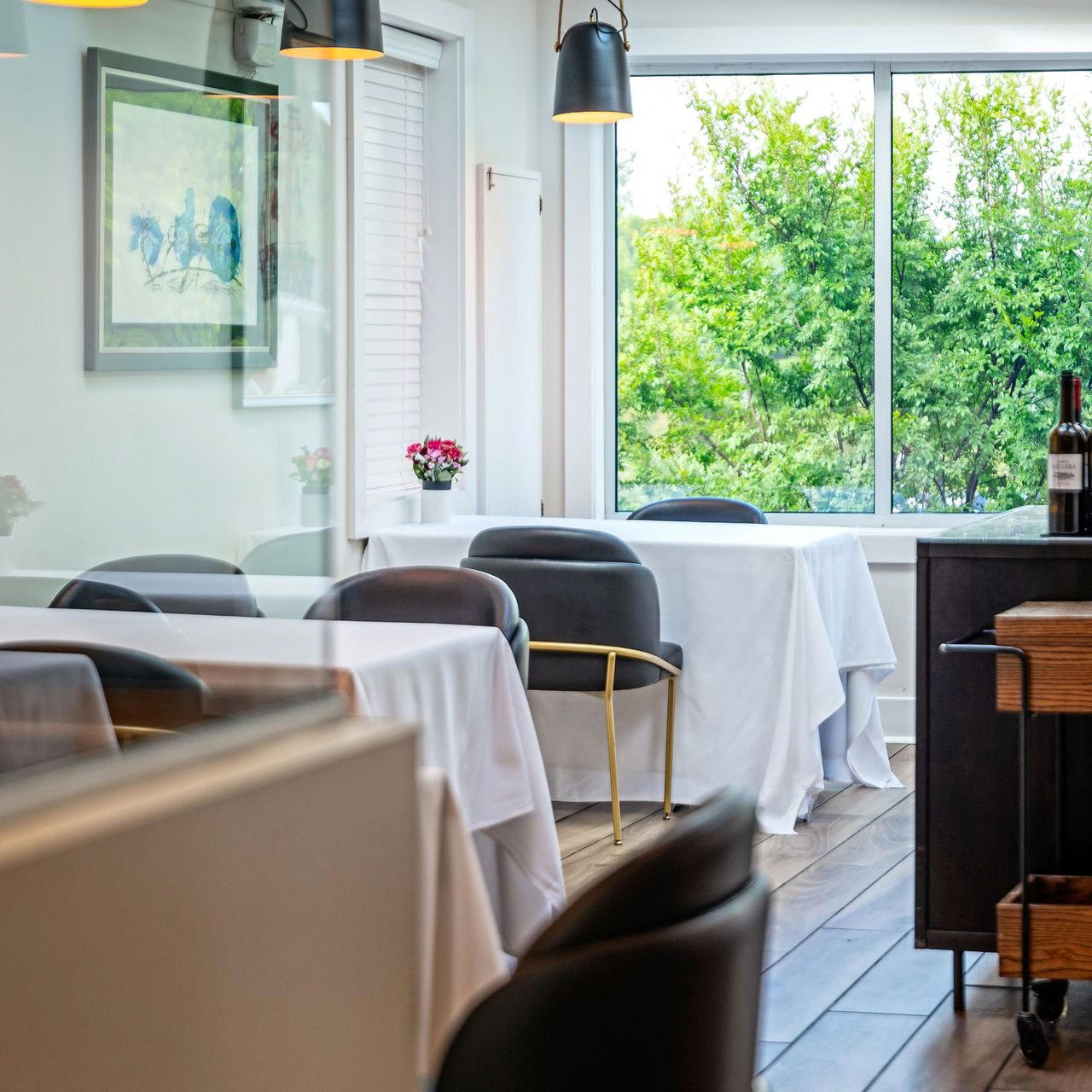
Bars in Washington DC
Browse all →
Hotels in Washington DC
Browse all →

At a Glance
- Lively
- Elegant
- Sophisticated
- Date Night
- Business Dinner
- Group Dining
- Special Occasion
- Open Kitchen
- Extensive Wine List
- Craft Cocktails
- Sustainable Seafood
- Local Sourcing
Current opening hours
- Monday
- 11:30 AM–9 PM
- Tuesday
- 11:30 AM–9 PM
- Wednesday
- 11:30 AM–9 PM
- Thursday
- 11:30 AM–9 PM
- Friday
- 11:30 AM–9:30 PM
- Saturday
- 11:30 AM–9:30 PM
- Sunday
- 4–9 PM
Hours can change for holidays and private events. Last verified .
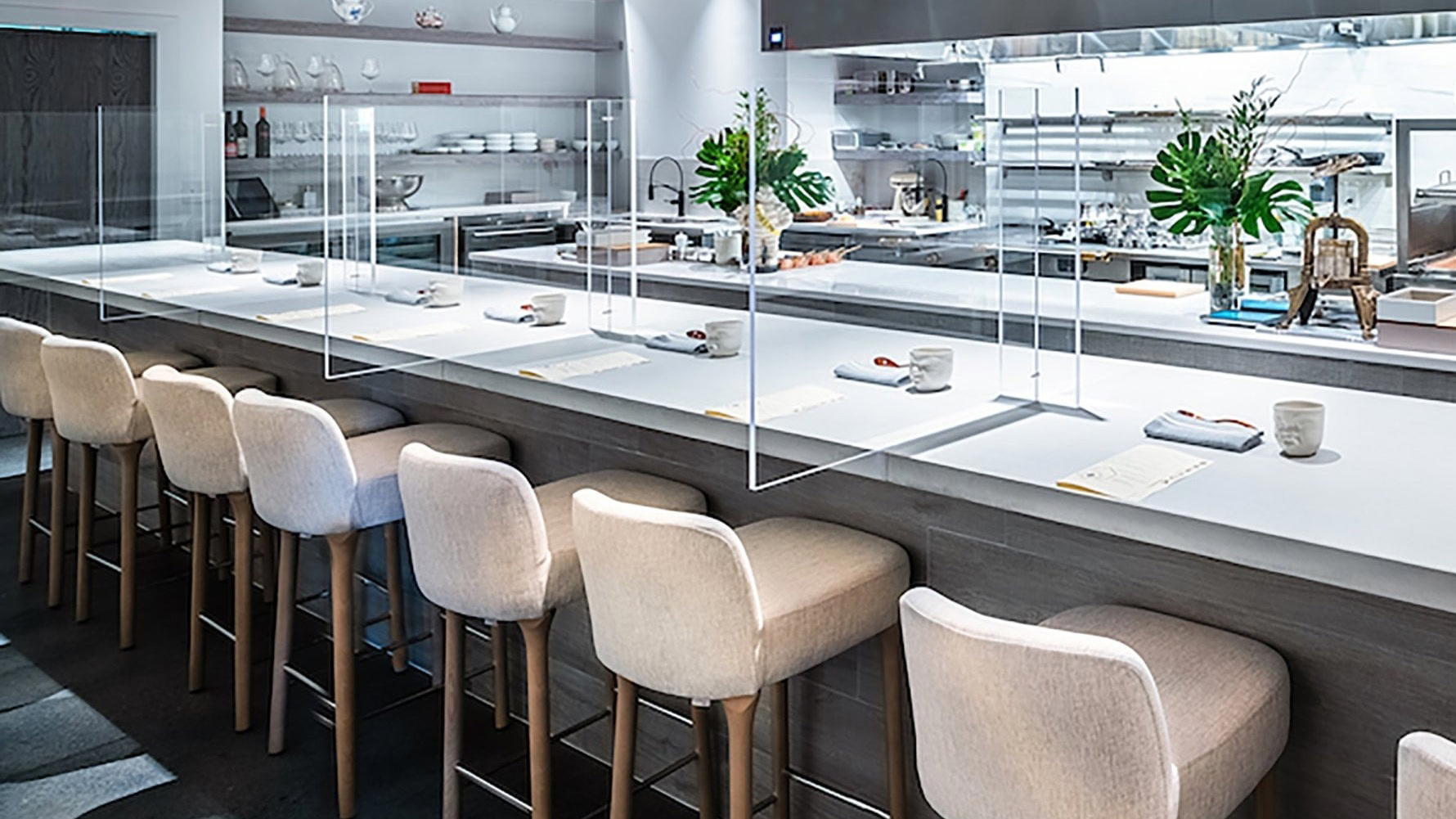
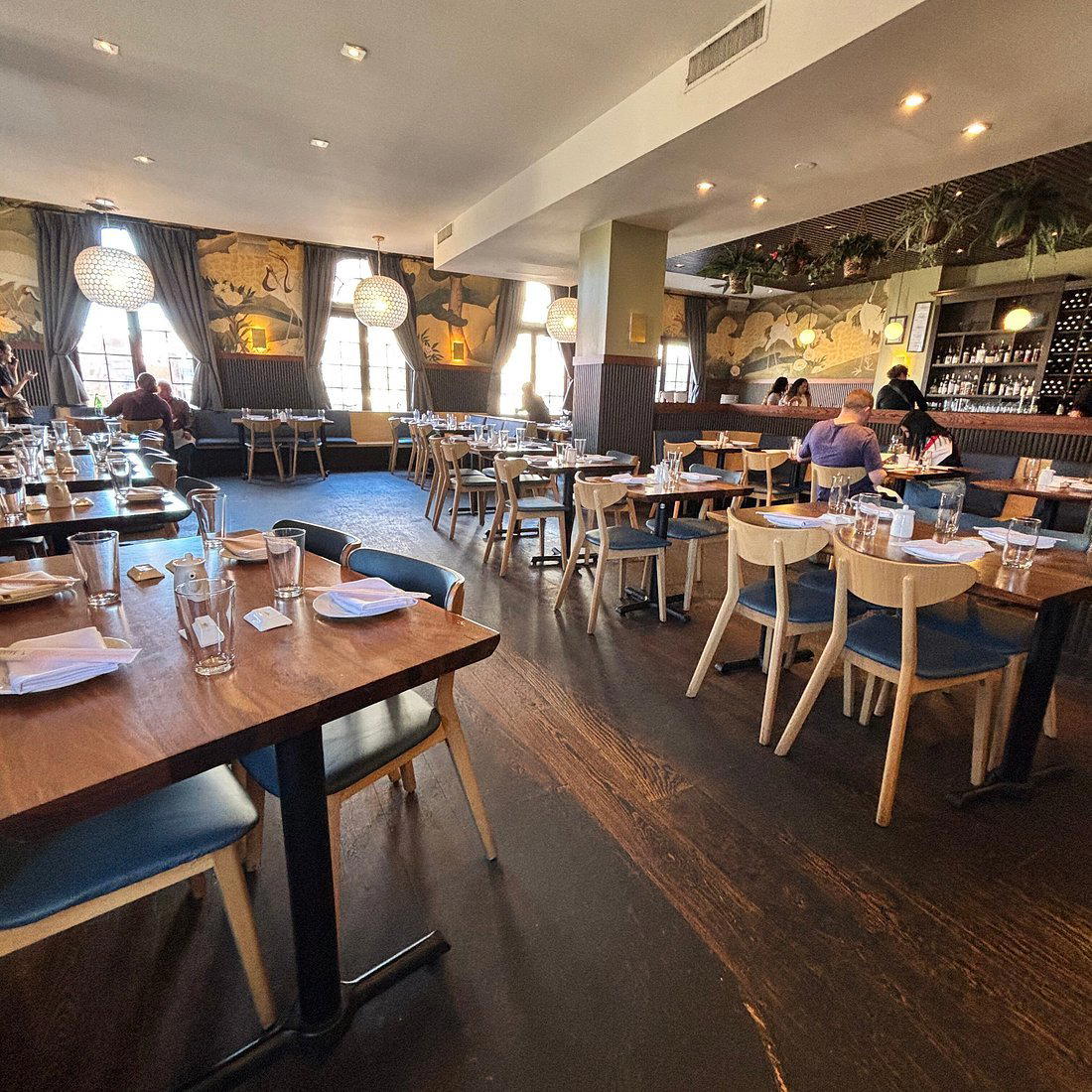
Bright and energetic with an open kitchen visible from dining areas, fresco-style art on walls, blue pendant lights, and a bustling atmosphere that can be loud near the kitchen; quieter seating available upstairs.