Blackfish
Our verdict
Blackfish operates on Fayette Street in Conshohocken, Pennsylvania, positioning itself within a suburban dining scene that increasingly draws Philadelphia-area guests willing to travel for serious cooking. The restaurant's address and local reputation place it in a tier of destination-worthy venues where sourcing and craft matter more than proximity to a major city center.
- Address
- 119 Fayette St Unit 2, Conshohocken, PA 19428
- Phone
- (610) 397-0888
- Website
- blackfishrestaurant.com
- Directions
- Get directions
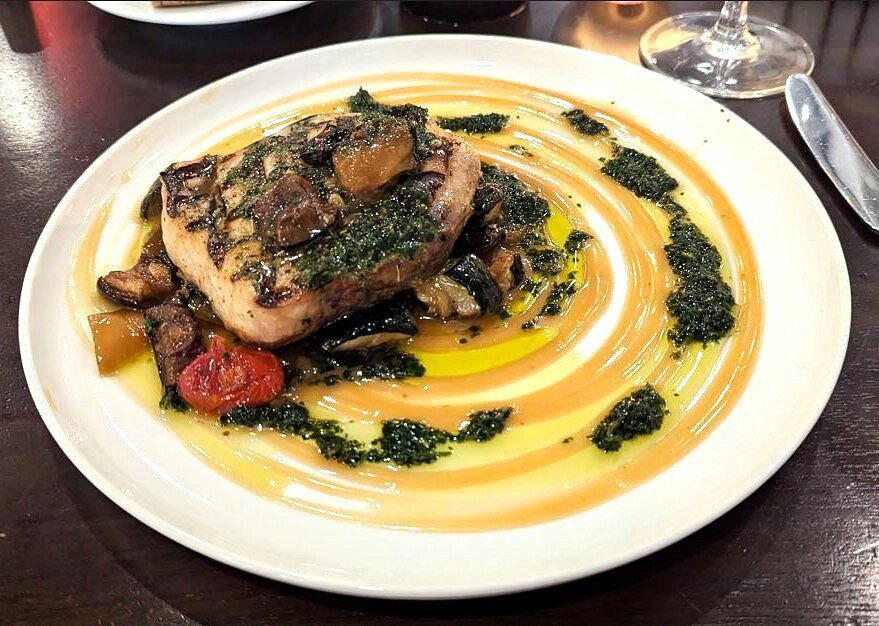
The menu
What to order
- Foie Gras Soup
Conshohocken's Quiet Case for Serious Dining
There is a particular kind of restaurant that thrives not in spite of its suburban address but because of it. Conshohocken, a small borough tucked along the Schuylkill River roughly 14 miles northwest of Philadelphia, has cultivated a dining identity that owes little to the city's noise and a great deal to the habits of its own community. Fayette Street, the borough's commercial spine, is where that identity concentrates, and Blackfish at 119 Fayette Street sits within that corridor as one of the more closely watched tables in the greater Philadelphia region.
The physical setting on Fayette Street is the kind that rewards arrival on foot. The street runs through a borough that never quite lost its working-town bones, and the contrast between that texture and the caliber of cooking that has developed here is part of what makes Conshohocken worth the drive from Center City. For a fuller picture of how Blackfish fits into the surrounding options, our full Conshohocken restaurants guide maps the borough's dining character in detail.
Sourcing as the Organizing Principle
Across American fine dining, the restaurants that have held the most sustained critical attention over the past two decades share a common operating logic: what arrives at the table is only as interesting as where it came from and how honestly it was treated. This is the frame through which the strongest kitchens in the country — from Blue Hill at Stone Barns in Tarrytown to Single Thread Farm in Healdsburg — have built their reputations. Both operate farm programs that give the kitchen direct control over what grows and when it is harvested. The sourcing relationship is the menu.
Blackfish operates in the same philosophical current, though at a different scale and without a proprietary farm. The broader Mid-Atlantic region offers the kitchen a supply chain that most American cities would envy: Chesapeake shellfish, Lancaster County produce, Pennsylvania dairy, and the seasonal rhythms of a mid-Atlantic climate that shifts genuinely between the four seasons. A kitchen working seriously with those inputs has as much raw material to work with as one positioned in more conventionally celebrated food regions.
This matters because ingredient-sourcing is not a marketing position in the restaurants that do it seriously, it is a constraint system. Choosing to cook with what is local and seasonal means the menu cannot be static, and the kitchen's technical range has to be broad enough to make that variation compelling rather than apologetic. The restaurants that pull this off, Smyth in Chicago, Oyster Oyster in Washington, D.C., The Wolf's Tailor in Denver, tend to share a willingness to let the ingredient lead rather than forcing it into a signature format.
Where Blackfish Sits in the American Scene
Suburban fine dining occupies a specific and sometimes underrated position in the American restaurant ecosystem. The economics differ from city flagship restaurants: lower rent-per-square-foot, a guest base that tends to be repeat rather than tourist-driven, and a relationship with the neighborhood that city restaurants rarely sustain. The trade-off is reduced visibility on national award circuits, which tend to cluster attention on dense urban corridors. This does not make the cooking less serious; it makes the signal-to-noise ratio different.
Within the broader spectrum of American kitchens working at a premium level, Blackfish's positioning on Fayette Street places it in the company of restaurants that have built regional authority without relying on national media attention for room-fill. Compare that model to Addison in San Diego or Frasca Food and Wine in Boulder, both of which have achieved sustained critical recognition outside the traditional New York-San Francisco axis. The pattern holds: serious cooking in secondary markets earns loyalty from a different kind of diner, one who travels less for novelty and more for consistency.
The Philadelphia region specifically has produced a dining culture that is harder to summarize than New York's or Los Angeles's, partly because it has not been written about with the same frequency and partly because its leading restaurants are distributed across a geography that includes suburbs and small boroughs as genuine dining destinations, not just overflow from the city. Neos Americana, also on the Conshohocken circuit, is part of the same pattern.
The Seafood Frame and Its Peers
American seafood-focused kitchens at a premium level operate across a wide range of formats and price points. At one end of that spectrum, Le Bernardin in New York City has defined what rigorous classical technique applied to fish and shellfish looks like at the highest price tier, maintaining three Michelin stars across decades of service. At the other end, restaurants like ITAMAE in Miami have built followings around Nikkei seafood preparation and a more informal counter format. Providence in Los Angeles holds two Michelin stars and has demonstrated that serious seafood programs can anchor a restaurant for the long term in a city not traditionally associated with fish-first cooking.
Where a kitchen like Blackfish's fits in that spectrum depends on the sourcing relationships it maintains and the formats in which it expresses them. The Mid-Atlantic's proximity to both Chesapeake Bay and the mid-Atlantic shelf means the raw ingredient access is genuine, not aspirational. That geography is an advantage that kitchens in landlocked markets, however technically accomplished, do not have.
Planning Your Visit
Blackfish is located at 119 Fayette Street, Unit 2, in Conshohocken, Pennsylvania 19428. Conshohocken is accessible by SEPTA's Manayunk/Norristown Regional Rail line, with the Conshohocken station a short walk from the Fayette Street corridor. For drivers coming from Philadelphia, the borough is roughly 20 to 25 minutes by highway under typical conditions. Given the restaurant's local reputation and the relatively limited seating that most serious kitchens in this format maintain, booking ahead is advisable rather than optional. Contact and reservation details are best confirmed directly through the restaurant's current listings, as operational specifics shift seasonally. For comparison points across the broader fine dining tier in the United States, the EP Club profiles of Lazy Bear in San Francisco, The French Laundry in Napa, Atomix in New York City, Emeril's in New Orleans, The Inn at Little Washington, and Atelier Moessmer Norbert Niederkofler in Brunico offer useful context for calibrating expectations across price tiers and formats.
Frequently asked questions
Is Blackfish a family-friendly restaurant?
Blackfish operates at a fine dining register, which typically means a quieter, more deliberate atmosphere than casual family restaurants. Located at 119 Fayette Street in Conshohocken, it suits older children comfortable with a slower-paced meal, but it is not designed around a family dining format. Groups planning a visit should factor that context into their reservation.
What kind of setting is Blackfish?
Blackfish sits in Conshohocken, a small borough along the Schuylkill River roughly twelve miles northwest of central Philadelphia — a suburban address that defines its character. The restaurant operates in the tradition of American fine dining outside major urban cores, where lower overheads tend to allow kitchens to prioritize ingredient sourcing over spectacle. The address at 119 Fayette Street, Unit 2, places it in a low-key commercial block consistent with that approach.
Is Blackfish worth the trip from Philadelphia for a special occasion dinner?
Conshohocken is accessible via SEPTA's Manayunk/Norristown Regional Rail line, making Blackfish reachable from central Philadelphia without a car. For a special occasion, the case for the trip rests on that trade-off: less urban noise, more attention on the plate.
What dish is Blackfish famous for?
Restaurants operating in this category at the suburban fine dining level typically rotate preparations seasonally around market availability rather than anchoring to a fixed signature plate. Checking directly with the restaurant before visiting will give the most current picture of what the kitchen is emphasizing.
What's Blackfish's location?
Blackfish is located at 119 Fayette St Unit 2, Conshohocken, PA 19428, Conshohocken.
A Quick Peer Check
| Venue | Cuisine | Price | Awards | Notes |
|---|---|---|---|---|
| BlackfishThis venue — the venue you are viewing | Seafood-Centric Progressive American with French Influences | Not listed | Not listed | Not listed |
| Le Bernardin | French Seafood Fine Dining | $300–500 | 3 Michelin Stars · World's 50 Best #13 | French, Seafood |
| Lazy Bear | Modern American Tasting Menu | Not listed | 2 Michelin Stars · World's 50 Best #25 | Progressive American, Contemporary |
| Atomix | Modern Korean Tasting Menu | $300–500 | 2 Michelin Stars · World's 50 Best #7 | Modern Korean, Korean |
| Per Se | French Fine Dining Tasting Menu | $300–500 | 3 Michelin Stars · World's 50 Best #40 | French, Contemporary |
| Masa | Traditional Japanese Omakase | $500+ | 2 Michelin Stars · World's 50 Best #27 | Sushi, Japanese |
Continue exploring
More in Conshohocken
Restaurants in Conshohocken
Browse all →
Bars in Conshohocken
Browse all →
Hotels in Conshohocken
Browse all →
Wineries in Conshohocken
Browse all →
Details
- Elegant
- Sophisticated
- Intimate
- Date Night
- Special Occasion
- Open Kitchen
- Byob
- A La Carte
- Tasting Menu
- Prix Fixe
- Gluten Free Options
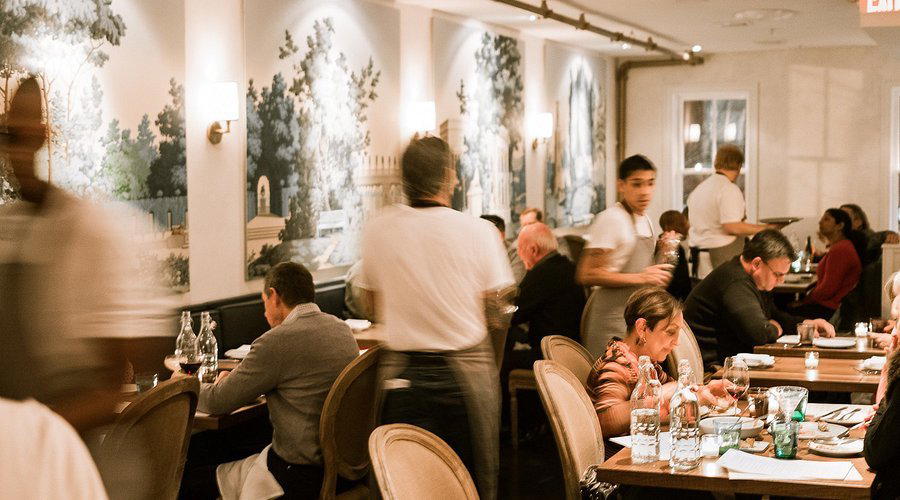
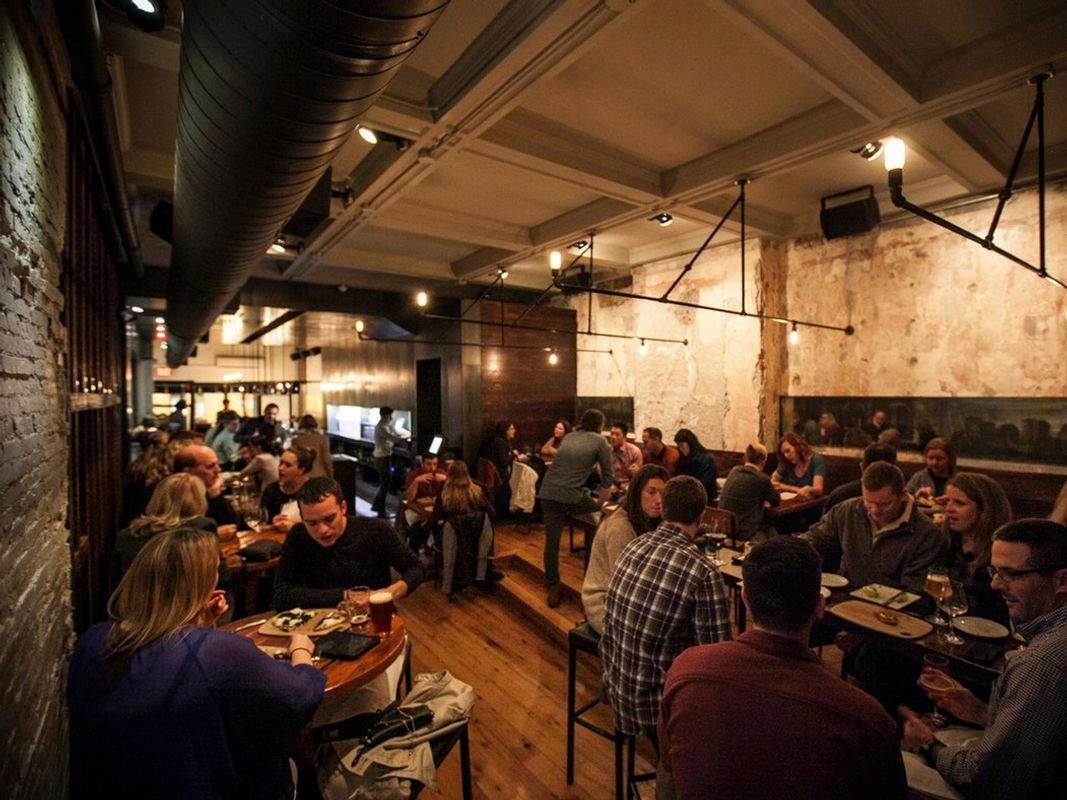
Sophisticated and elegant atmosphere with fresh, pretty presentations that balance refinement and approachability.