black & blue Steak and Crab - Wellesley
A steak and crab house on Central Street in Wellesley, MA, black & blue sits at the intersection of surf and turf dining traditions that have defined American steakhouse culture for decades. The format positions it alongside casual-to-mid market dining in a suburban Boston town known for its concentration of neighborhood restaurants. Visitors looking for a meat-forward meal with seafood accompaniments will find it within the broader Wellesley dining scene.
 Discover on Pearl
Pearl is the En Primeur Club membership app — saves, bookings, and concierge access live there. Same editors, same standards.
- Address
- 65 Central St, Wellesley, MA 02482
- Phone
- +17817390123
- Website
- blackandbluesteakandcrab.com
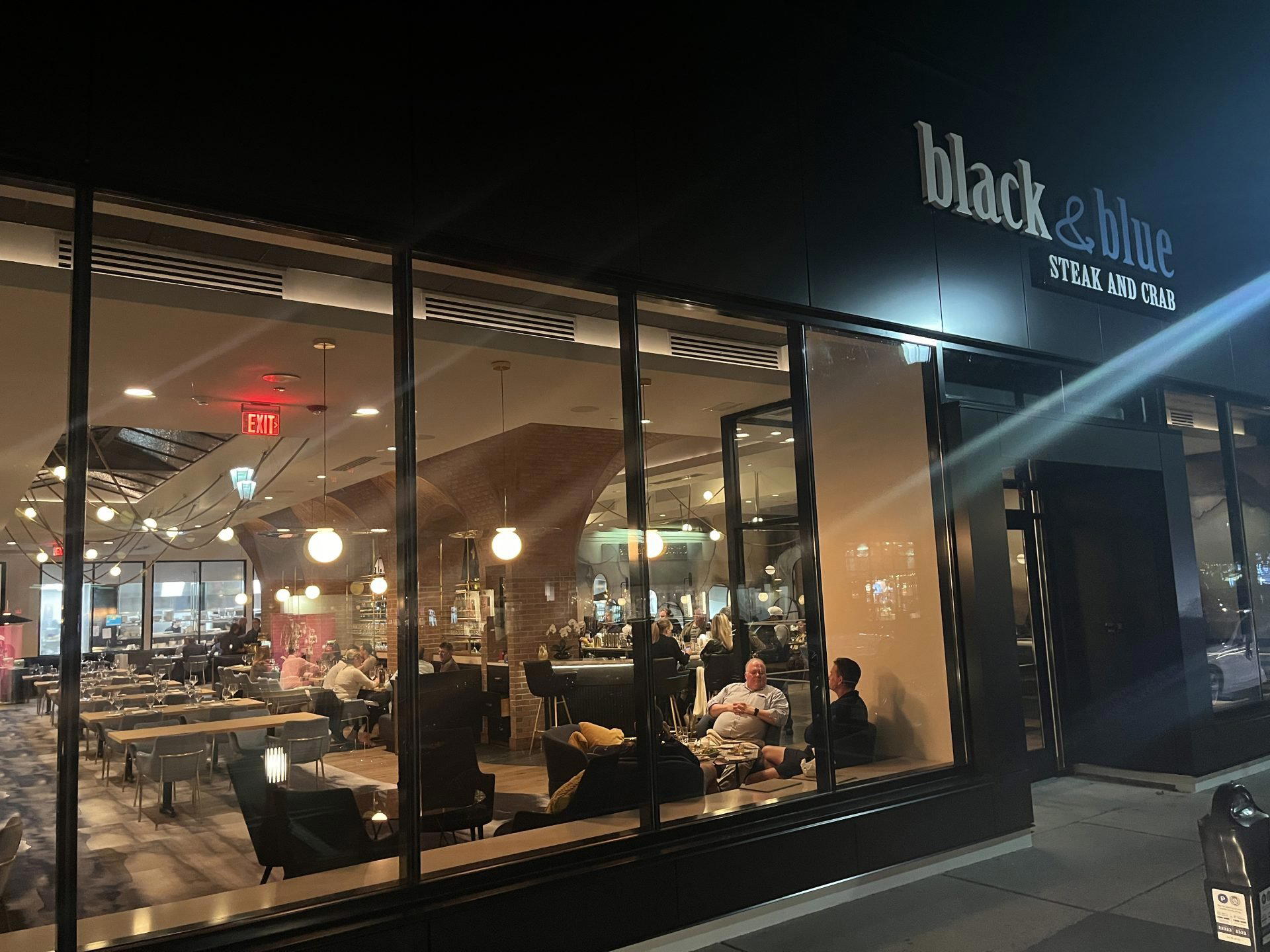
Surf and Turf in Suburban Boston: What the Format Tells You
The steakhouse occupies a specific cultural position in American dining that no amount of farm-to-table repositioning has fully displaced. From the mid-century chophouses of Manhattan to the white-tablecloth beef temples of Chicago, the format has proven durable because it answers a reliable demand: protein-led meals with clear hierarchy, where the cut is the centerpiece and everything else orbits it. Adding crab to that equation is equally American in its logic, rooted in the coastal abundance of the Northeast and the Gulf, where shellfish became a natural counterpoint to aged beef on menus from New Orleans to Boston.
black & blue Steak and Crab on Central Street in Wellesley, MA, sits within that tradition. The name itself signals the format plainly: this is not a venue hedging toward ambiguity. Steak and crab is the premise, and the address at 65 Central Street places it in the commercial center of one of metropolitan Boston's more affluent suburban towns, where the dining population skews toward families, local professionals, and residents who want a reliable, protein-forward meal without commuting into the city.
The Cultural Roots of the Steak and Crab Pairing
The surf-and-turf combination traces back to American steakhouse menus of the 1960s, when the pairing of a lobster tail or crab legs alongside a prime cut became shorthand for celebration dining. In New England specifically, crab carries regional weight: the area's proximity to cold-water shellfish grounds made crustaceans a natural steakhouse companion long before the pairing became standardized across chain formats nationwide.
What distinguishes higher-end executions of this tradition is the sourcing discipline applied to both protein streams. At the apex of American seafood-forward dining, venues like Le Bernardin in New York City treat seafood as the primary artistic statement. The steakhouse format inverts that hierarchy: beef anchors the menu and shellfish serves as counterpoint. Neither approach is superior; they are different arguments about what a protein-led meal should prioritize.
Wellesley's dining culture has absorbed both logics. The town supports everything from neighborhood Italian to contemporary American tasting formats, and a direct steak and crab house fills a gap that more concept-driven restaurants leave open: the uncomplicated, generous meal where no one needs to decode the menu.
Setting and Atmosphere
Central Street in Wellesley runs through the town's commercial core, a low-rise stretch of storefronts that serves the daily rhythms of a wealthy commuter suburb. The context matters because it shapes expectations: this is not a destination dining strip in the way that Boston's Back Bay or Cambridge's Inman Square function for visitors. It is a neighborhood street, and the dining room at black & blue operates within that register, oriented toward the local population rather than out-of-town food tourism.
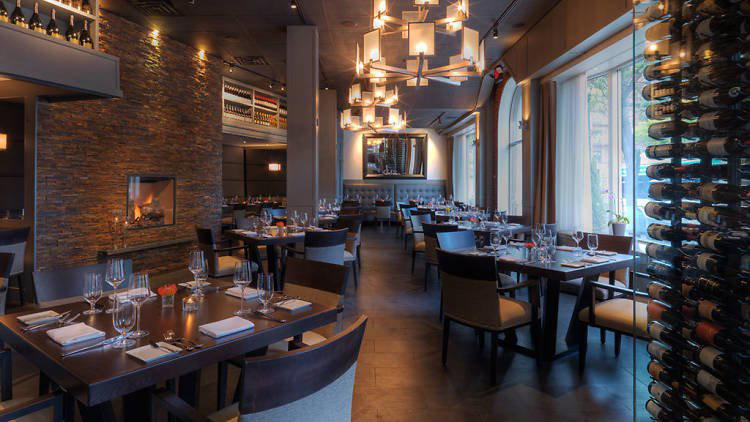
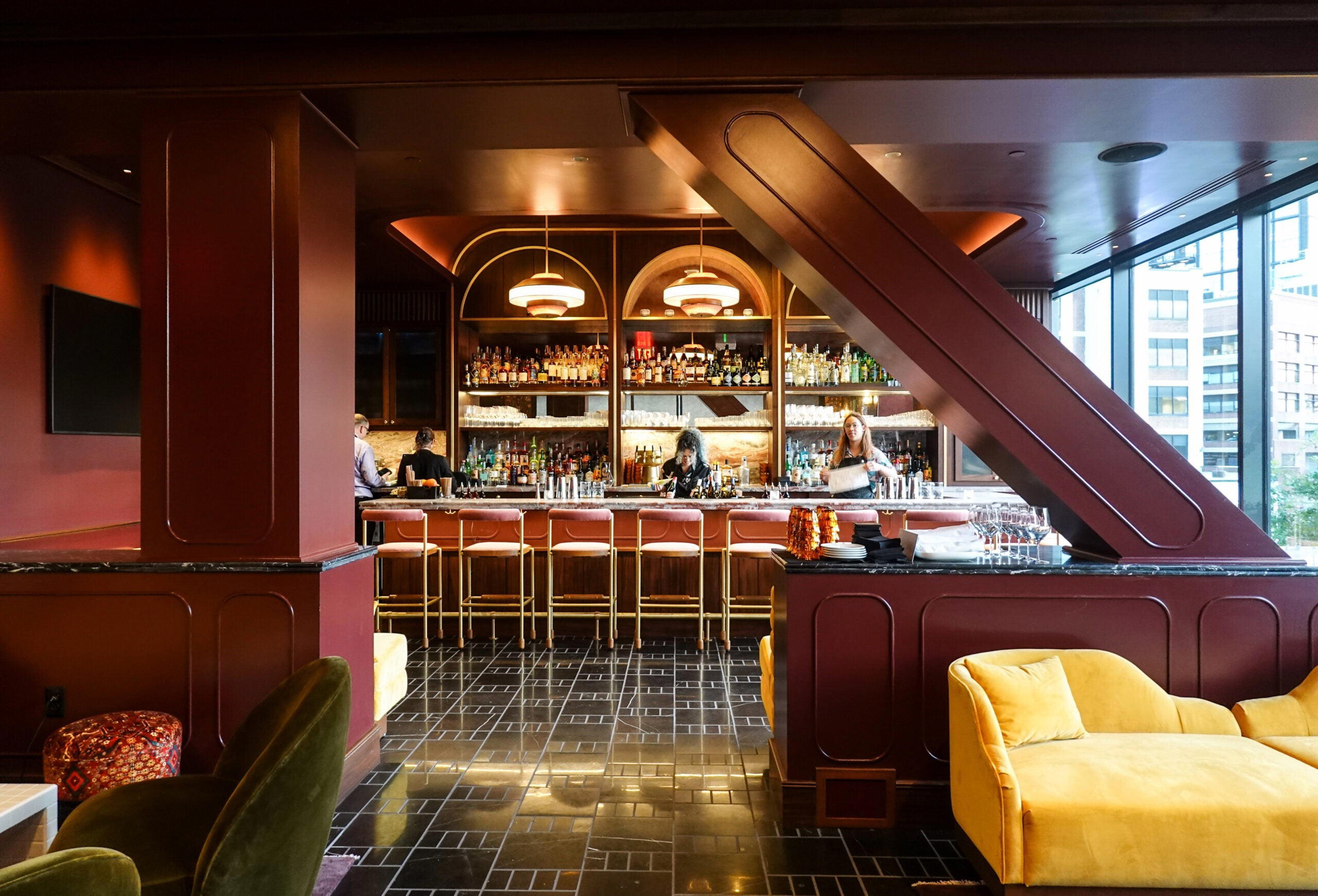
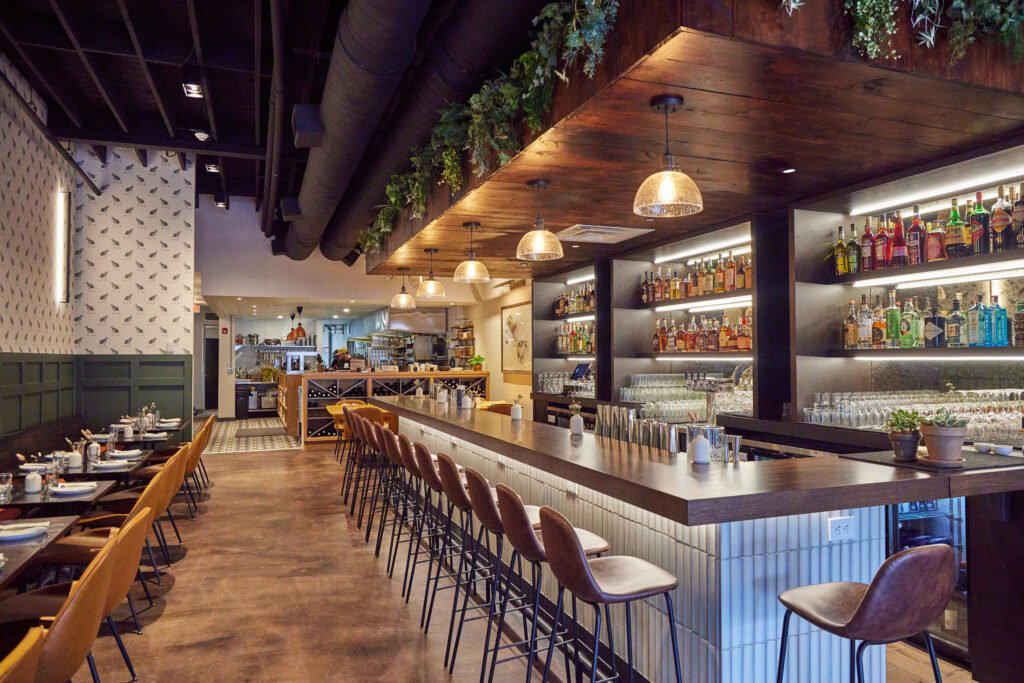
The steak house format, even at its mid-market tier, tends toward darker interiors, warm lighting, and a noise level calibrated for conversation rather than performance. These are not arbitrary aesthetic choices but functional ones: the format signals comfort and generosity, a counterpoint to the spare, high-concept environments that define much of contemporary fine dining. Where venues like Lazy Bear in San Francisco or Smyth in Chicago ask diners to submit to an experience, the steakhouse asks them to relax into one.
What to Order and Why
At any steak and crab house, the ordering architecture is predictable by design: the beef cuts anchor the menu, with grade, aging method, and cut specification serving as the primary differentiators between price points. Crab preparation, whether steamed, cracked tableside, or served in composed formats, typically appears as both a standalone option and an add-on to beef plates.
In the Northeast steakhouse tradition, king crab legs and Dungeness crab are common formats, though Jonah crab, native to New England waters, has gained significant ground on regional menus over the past decade as chefs and restaurateurs have responded to local sourcing pressures. The cuts most associated with American steakhouse culture, ribeye, New York strip, and filet mignon, each carry different fat-to-muscle ratios that suit different preferences: ribeye for richness, strip for texture and mineral character, filet for those who prioritize tenderness over flavor intensity.
The combination of a mid-tier steakhouse with seafood in a suburban Boston context fits the record's roughly $75 per person price point. Suburban formats have absorbed some of that overflow demand, particularly from residents who find the city's parking and pricing overhead increasingly prohibitive for a regular weekend meal.
How It Fits the Wellesley Dining Scene
Wellesley's restaurant concentration along and around Central Street reflects the town's demographics: high household income, strong local loyalty, and a preference for restaurants that function reliably as weekly habits rather than occasional spectacles. This is the same consumer logic that sustains strong neighborhood steakhouses in affluent suburbs across the country, from the North Shore of Chicago to the Westchester County towns north of New York City.
For travelers or visitors using Wellesley as a base while exploring the broader Boston metropolitan area, the venue's Central Street address puts it within the commercial center of a town that rewards walking exploration. The dining comparison set in this context is not the destination-driven tasting menu circuit, where venues like The French Laundry in Napa, Providence in Los Angeles, Addison in San Diego, or Blue Hill at Stone Barns in Tarrytown operate. The comparable set here is suburban American dining at its functional middle tier: reliable, format-driven, priced for repeat visits.
Readers interested in contrasting that approach with more format-experimental American restaurants might look at Single Thread Farm in Healdsburg, The Wolf's Tailor in Denver, or Frasca Food & Wine in Boulder, where the ambition of the kitchen changes the terms of the visit significantly. At the opposite end of conceptual ambition, Emeril's in New Orleans shows how a recognizable American dining format can be anchored to a specific regional culinary tradition. For those drawn to seafood-centric menus as the primary editorial lens, ITAMAE in Miami and Atomix in New York City operate in entirely different registers, while The Inn at Little Washington and Atelier Moessmer Norbert Niederkofler in Brunico represent European tasting-menu traditions that share nothing with the steakhouse format except a serious approach to sourcing.
Planning Your Visit
black & blue Steak and Crab is located at 65 Central Street in Wellesley, MA 02482, in the town's commercial center. Wellesley is accessible via the MBTA Commuter Rail on the Framingham/Worcester Line, with the Wellesley Hills or Wellesley Square stations both within reasonable walking distance of Central Street. For visitors driving from Boston, the Route 9 corridor connects directly to Wellesley's center. The restaurant is recommended for reservations and keeps hours on Monday through Thursday from 4 to 9 PM, Friday and Saturday from 4 to 10 PM, and Sunday from 4 to 9 PM.
Price and Recognition
Comparable venues nearby, for context on price, style, and recognition.
| Venue | Cuisine | Price | Awards | Notes |
|---|---|---|---|---|
| black & blue Steak and Crab - WellesleyThis venue — the venue you are viewing | Wellesley Square, Steakhouse & Crab | $$$$ | , | |
| Lockheart Restaurant | Wellesley Center, Southwestern Tacos | $$$ | , | |
| Alta Strada | $$ | , | Central Street, Italian Trattoria & Pizzeria | |
| The Palm | Financial District, Classic Steakhouse | $$$$ | 1 recognition | |
| Pellana Steak House | Peabody, Prime Steakhouse | $$$$ | 1 recognition | |
| Grill 23 & Bar | $$$$ | 4 recognitions | Back Bay, Classic Steakhouse & Seafood Grill |
Continue exploring
More in Wellesley
Restaurants in Wellesley
Browse all →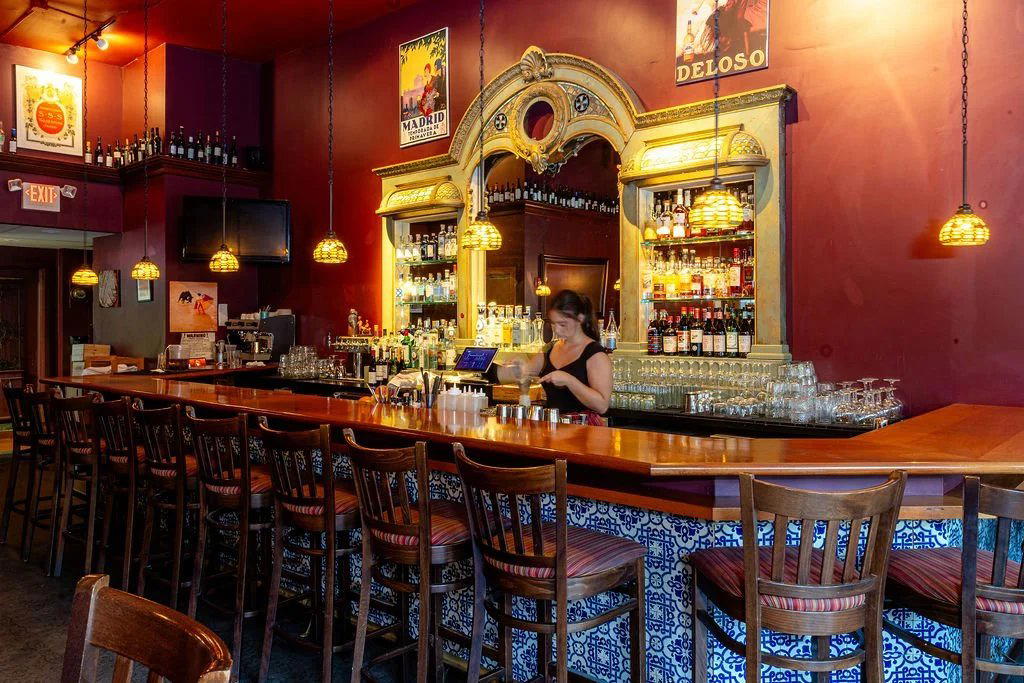
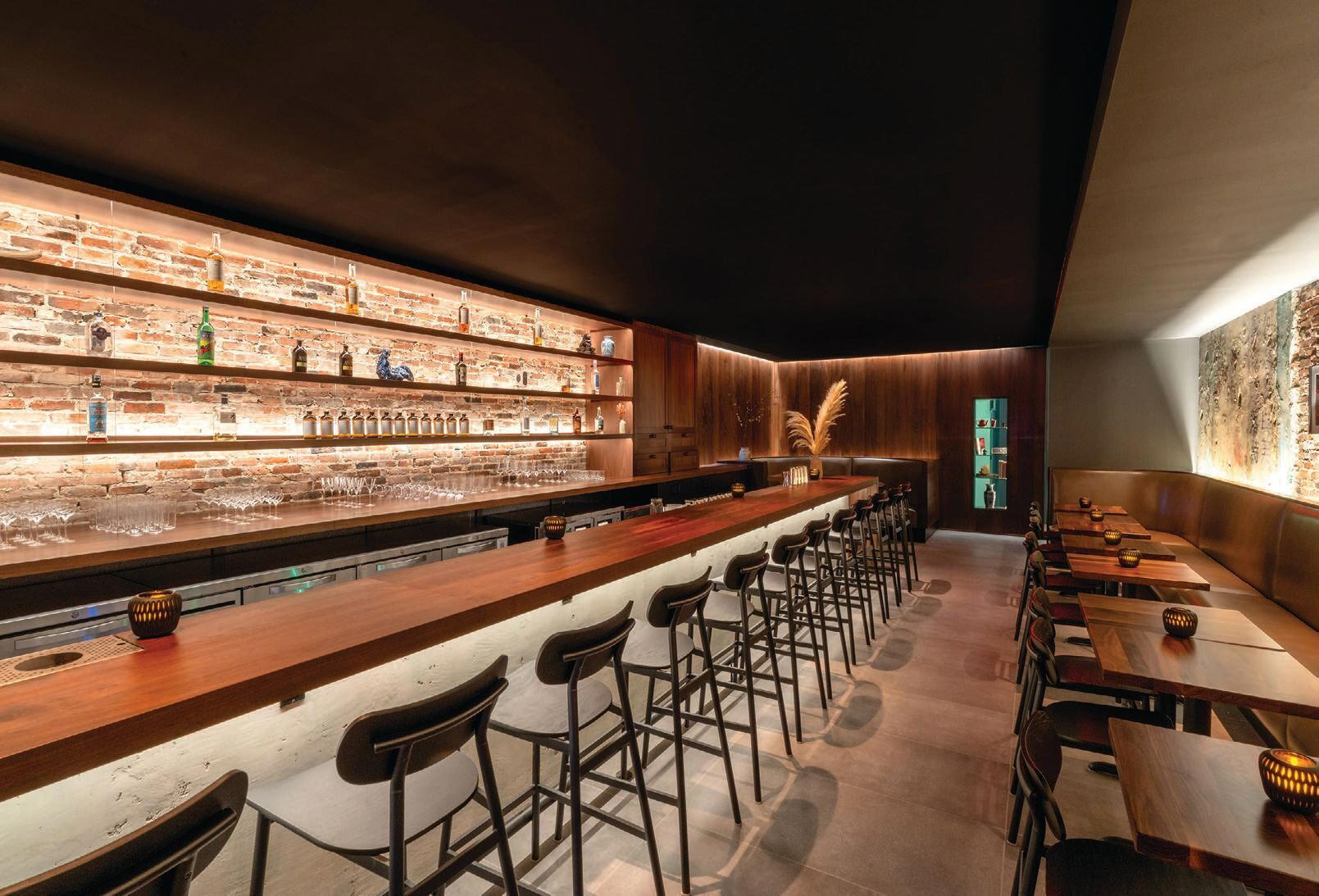
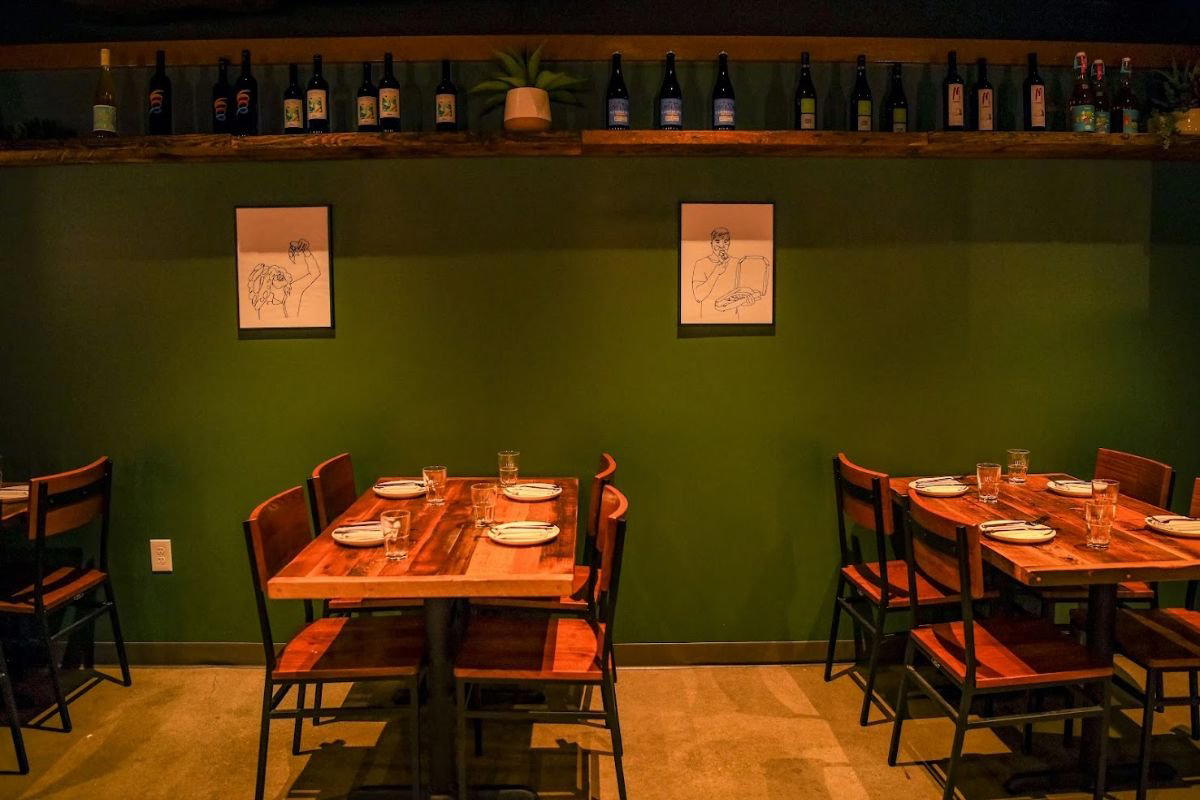
Bars in Wellesley
Browse all →


At a Glance
- Elegant
- Sophisticated
- Lively
- Date Night
- Business Dinner
- Group Dining
- Special Occasion
- Private Dining
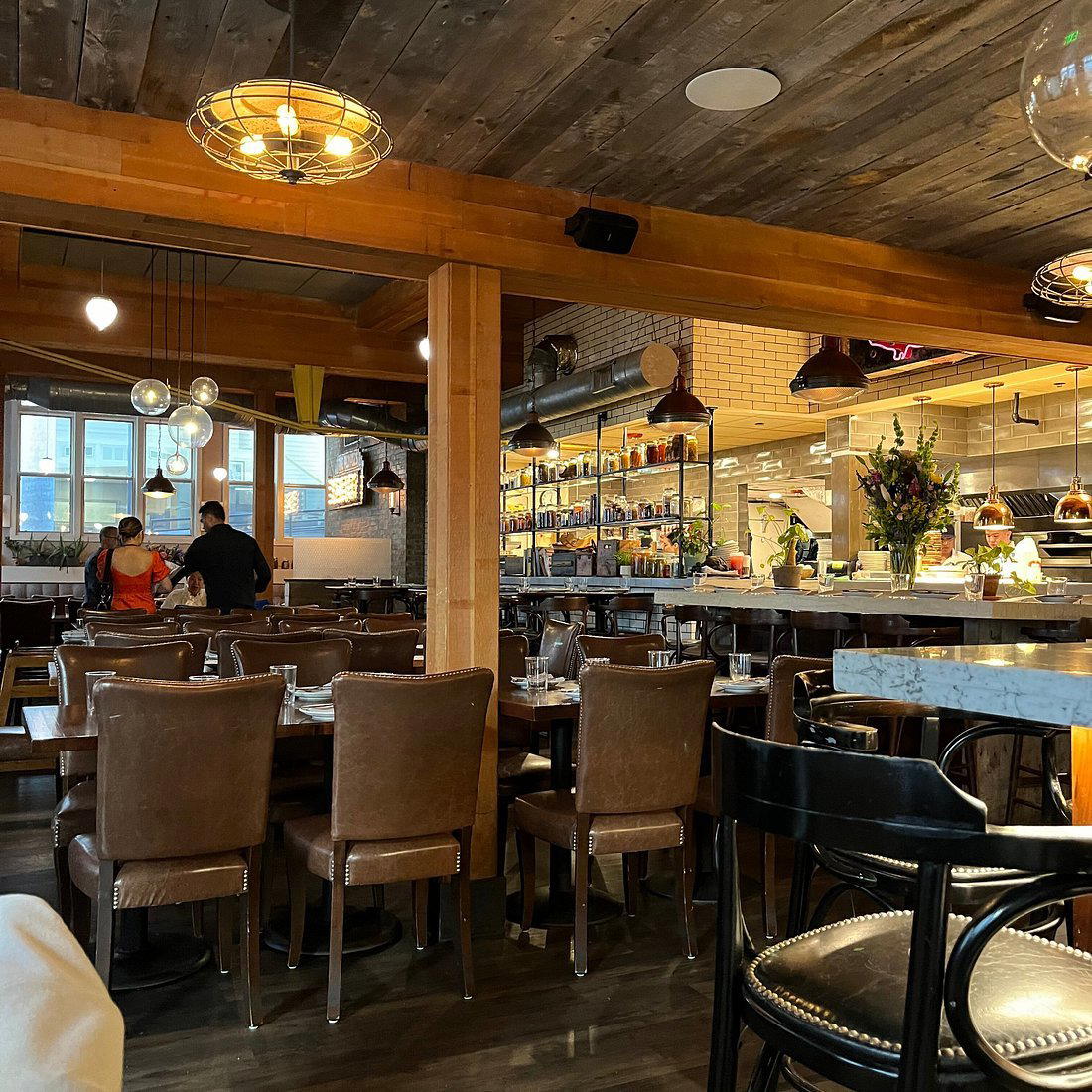
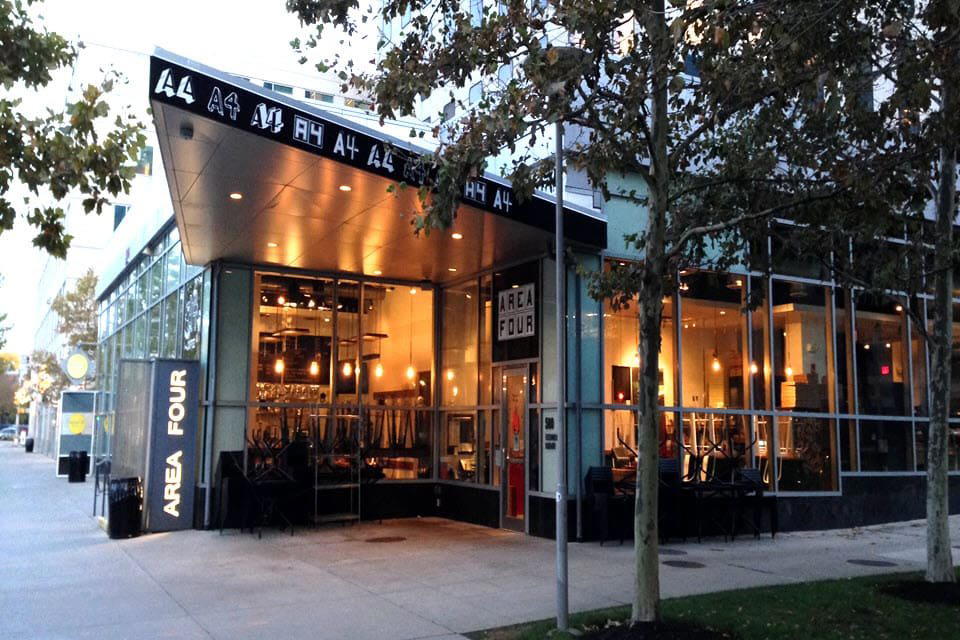
Plush seating, long bar, and big storefront windows creating a sophisticated yet approachable atmosphere with vibrant energy.