Alta Strada
Alta Strada on Central Street sits within Wellesley's compact but serious dining corridor, where Italian-influenced cooking has found a reliable foothold among a suburban crowd that expects more than chain-restaurant execution. The kitchen's sourcing orientation places it in a category of restaurants where the supply chain is part of the editorial statement, not an afterthought. It earns its place on any serious survey of the town's better tables.
 Discover on Pearl
Pearl is the En Primeur Club membership app — saves, bookings, and concierge access live there. Same editors, same standards.
- Address
- 92 Central St, Wellesley, MA 02482
- Phone
- +17812376100
- Website
- altastradarestaurant.com
Central Street and the Italian Kitchen in Suburban Boston
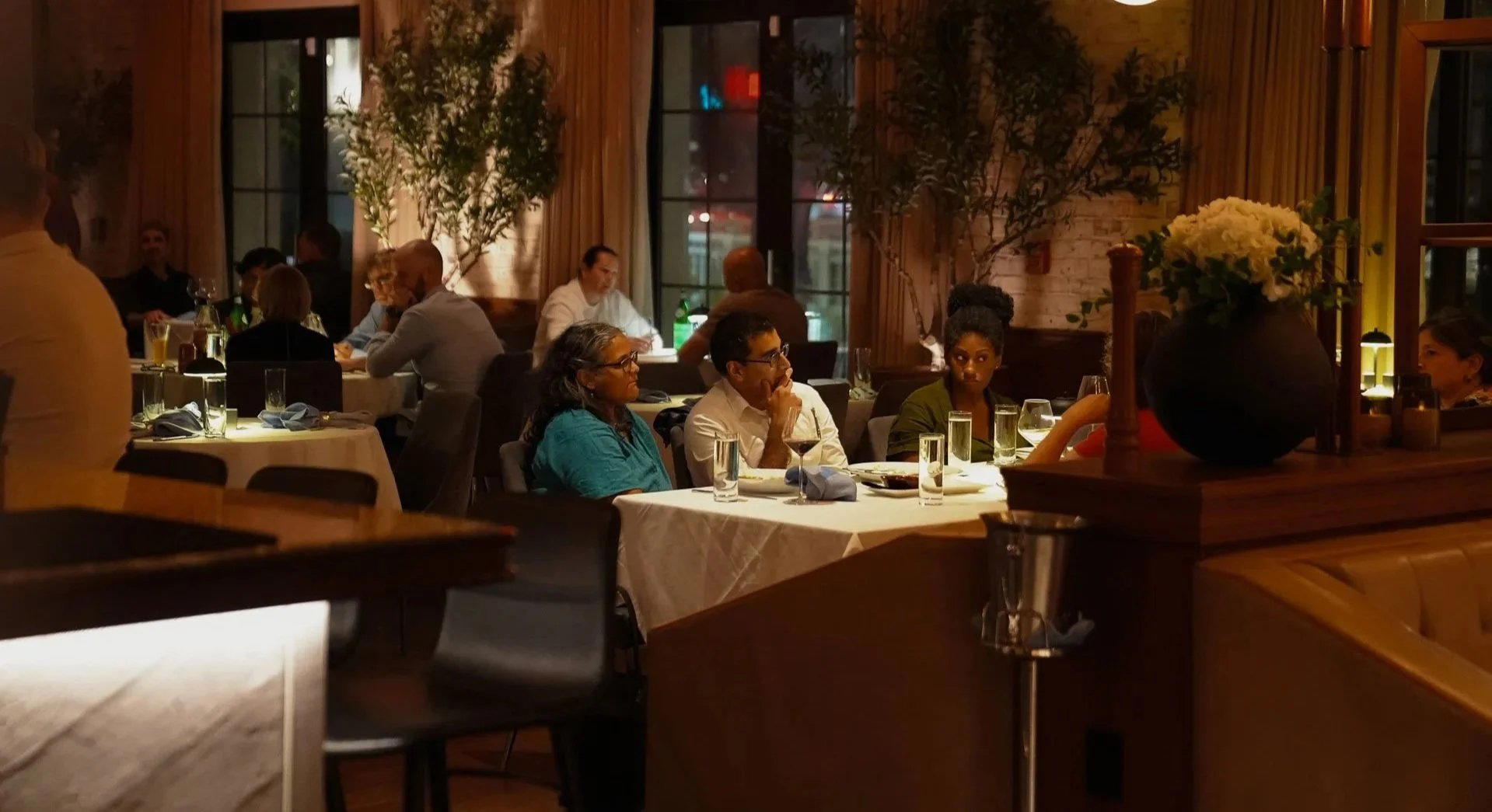
Central Street in Wellesley runs through a town that punches above its suburban weight when it comes to serious dining. The stretch between the commuter rail stop and the main commercial blocks contains a handful of restaurants that draw from the Greater Boston dining conversation rather than retreating into the safe, undifferentiated Italian-American formulas that fill so many suburb-facing rooms. Alta Strada at 92 Central Street sits inside that more serious cohort. The physical approach is understated in the way that confident neighborhood restaurants often are: no marquee drama, no valet theater, just a room that signals confidence from the outside.
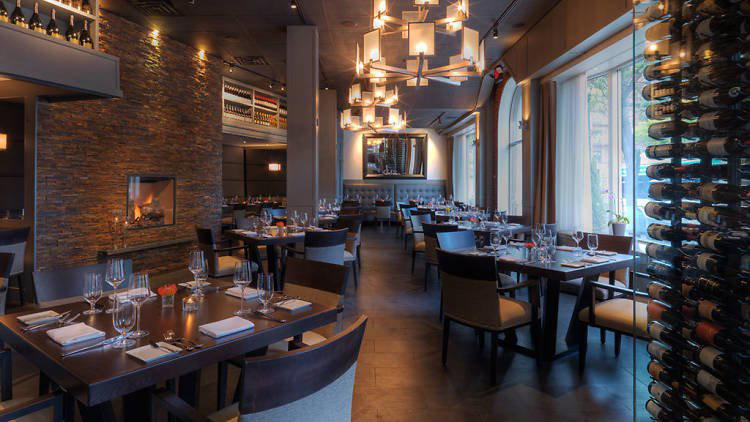
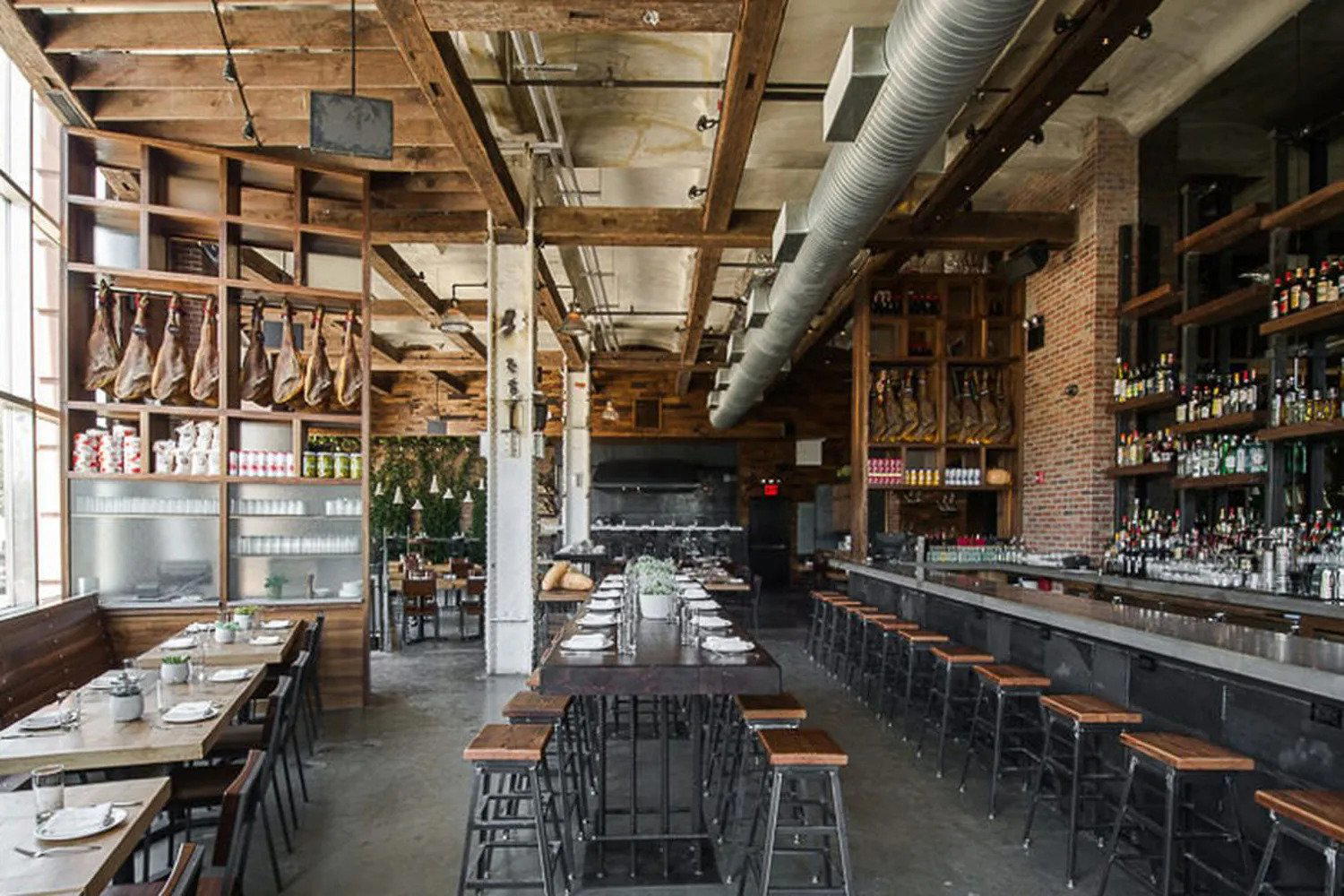
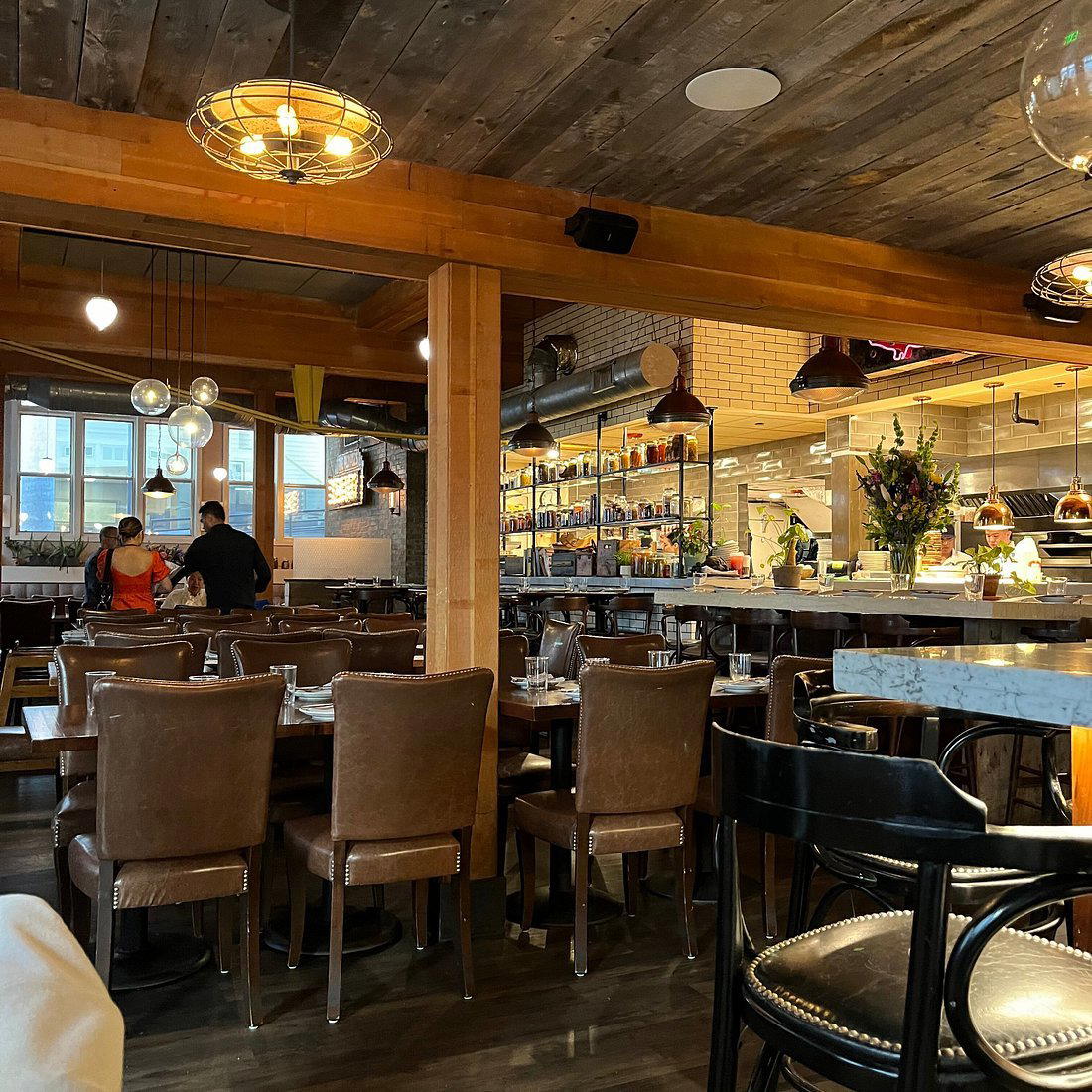
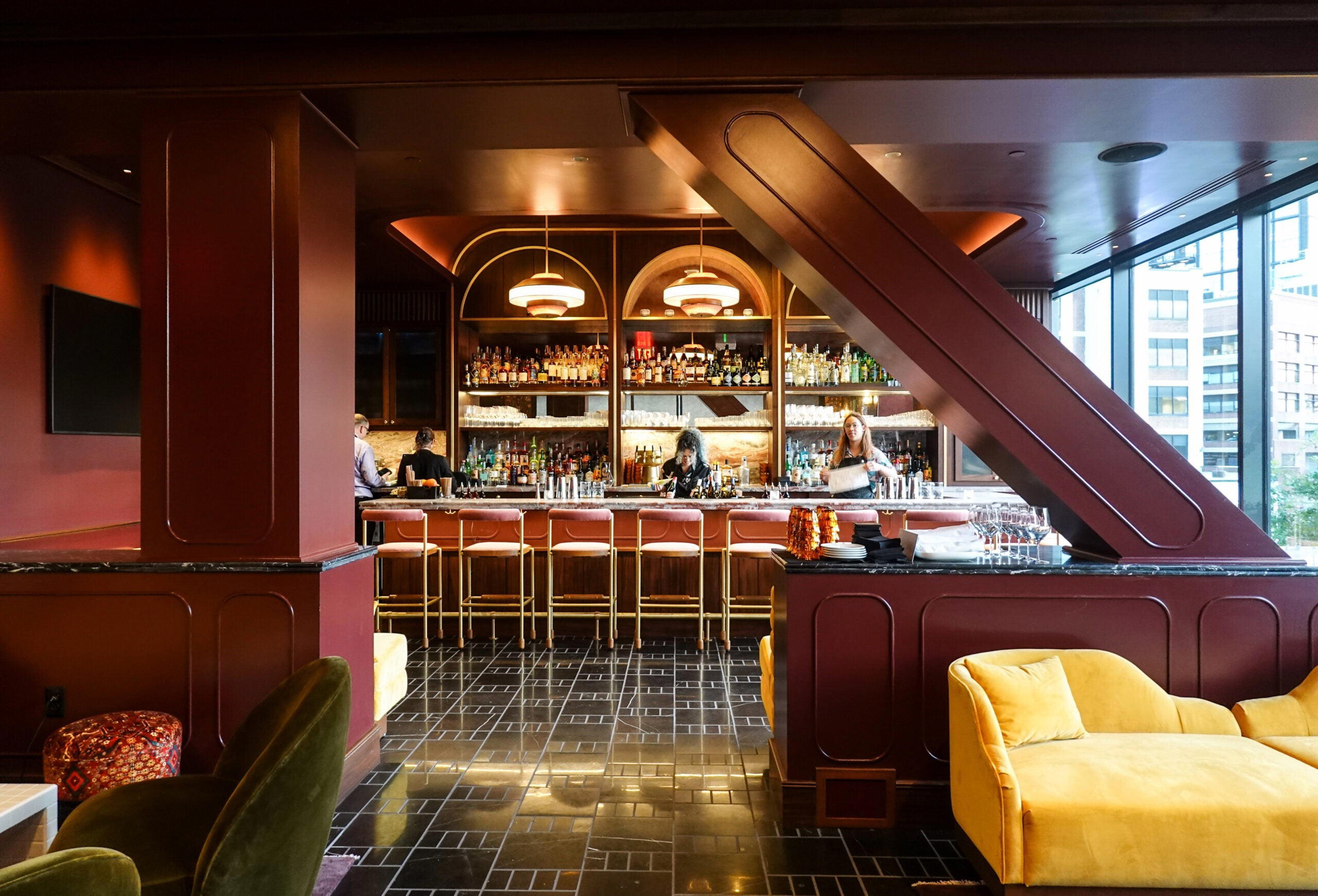
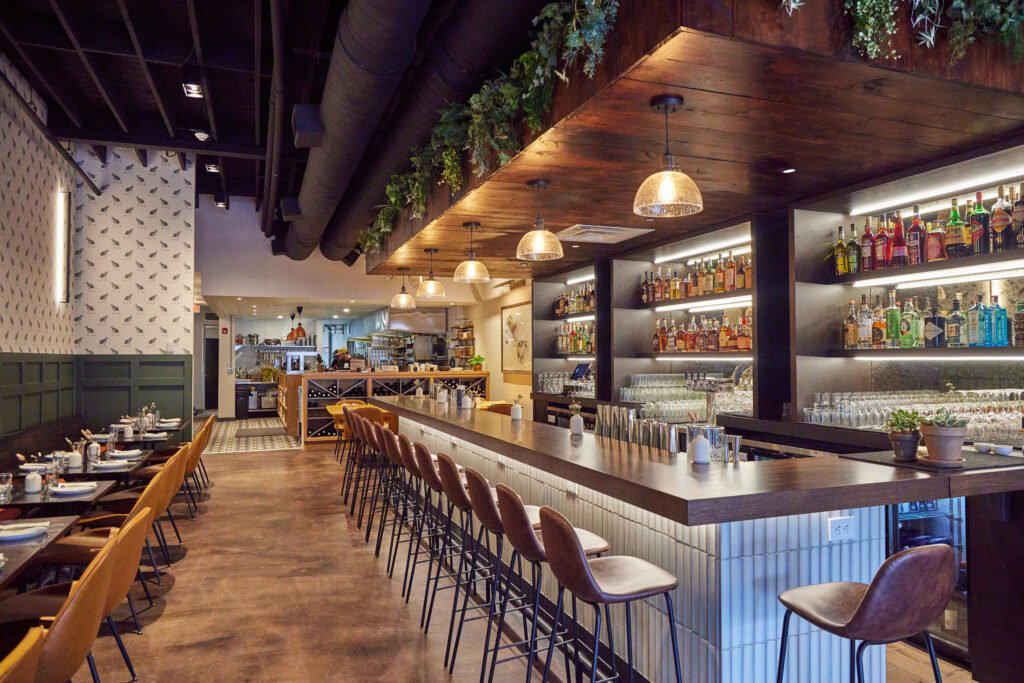
Inside, the atmosphere follows the logic of a well-run Italian trattoria translated for an American context. The materials are warm, the noise level is the productive kind that means the room is occupied, and the pace of service suggests a kitchen that has found its rhythm. This is a room built for a relaxed dinner at its price point.
Where the Food Comes From and Why It Changes the Plate
American Italian cooking has shifted over the past decade toward sourcing discipline. The restaurants that have separated themselves from the middle tier, from Frasca Food and Wine in Boulder down to serious neighborhood Italian rooms in smaller markets, have generally done so by treating the supply chain as the first act of cooking rather than a procurement afterthought. Alta Strada operates within that frame.
The logic here connects to a broader truth about Italian cuisine at its source: the food in Emilia-Romagna or Campania reflects the quality of its ingredients. Translating that to Massachusetts means finding producers who can deliver equivalent signal. New England's agricultural calendar is shorter and harsher than northern Italy's, but the region does produce serious dairy, good root vegetables through autumn, and a fishing industry that still brings genuine variety to the plate. Kitchens that work with what the season and the geography actually provide tend to produce food that is more coherent than those that import regardless of provenance.
In the ingredient-sourcing frame, proximity matters as a discipline, not just a marketing claim. When a kitchen commits to sourcing within a defined radius or from a defined producer set, the menu becomes seasonal by necessity rather than by seasonal-menu-as-aesthetic-gesture. That constraint is where the cooking either becomes interesting or reveals its limits. Wellesley's dining room clientele tends to notice the difference.
Alta Strada in Wellesley's Dining Conversation
Wellesley's restaurant density is modest relative to Boston's urban core, which means each serious restaurant carries more weight in the local conversation. Black and Blue Steak and Crab handles the steakhouse end of the spectrum on the same corridor, and Lockheart Restaurant occupies a different register entirely. Alta Strada fills the Italian-influenced room that every functional dining town needs: the place where the sourcing is honest, the pasta is made with intent, and the wine list doesn't embarrass itself.
That positioning matters because it sets the competitive frame correctly. Alta Strada is not competing with Le Bernardin in New York City or with the tasting-menu intensity of Lazy Bear in San Francisco or the farm-system rigor of Blue Hill at Stone Barns in Tarrytown. It is competing with every other Italian-influenced room within twenty miles of Wellesley's commuter rail stop, and within that comparable set it occupies the tier where sourcing intent, kitchen discipline, and room comfort converge at a price point that works for a regular weeknight as much as a considered occasion.
The US Italian scene has increasingly split between the large-format red-sauce institution and the smaller ingredient-led room. Smyth in Chicago and Single Thread Farm in Healdsburg operate at the far end of the sourcing-discipline spectrum. Alta Strada operates in a more accessible register, but the underlying logic is the same: what arrives on the plate is shaped first by what the kitchen decided to source and from whom.
Planning a Visit
Alta Strada is located at 92 Central Street, Wellesley, MA 02482.
How It Stacks Up
Comparable venues nearby, for context on price, style, and recognition.
| Venue | Cuisine | Price | Awards | Notes |
|---|---|---|---|---|
| Alta StradaThis venue — the venue you are viewing | Italian Trattoria & Pizzeria | $$ | , | |
| black & blue Steak and Crab - Wellesley | Steakhouse & Crab | $$$$ | , | Wellesley Square |
| Lockheart Restaurant | Southwestern Tacos | $$$ | , | Wellesley Center |
| OTTO | Creative Italian Pizza | $$ | , | Coolidge Corner |
| Serafina | Modern Italian Pizza and Pasta | $$ | , | Back Bay |
| The Salty Pig | Italian Charcuterie & Wood-Fired Pizza | $$ | , | Back Bay |
Continue exploring
More in Wellesley
Restaurants in Wellesley
Browse all →
Bars in Wellesley
Browse all →

At a Glance
- Cozy
- Intimate
- Lively
- Family
- Group Dining
- Casual Hangout
- Special Occasion
- Open Kitchen
- Extensive Wine List
Cozy and inviting atmosphere with brick walls, bare wood floors, and an airy intimate patio tucked in the back parking area.