Bjørnekælderen

Bjørnekælderen on Frederiksberg Allé operates at the intersection of French bistro tradition and new Nordic sourcing, serving classic smørrebrød at lunch and a tighter, more considered evening menu. The format sits comfortably in Frederiksberg's neighbourhood dining culture: without the ceremony of a tasting-menu house, but with enough culinary intent to reward attention. It is the kind of address that regulars protect rather than broadcast.
 Discover on Pearl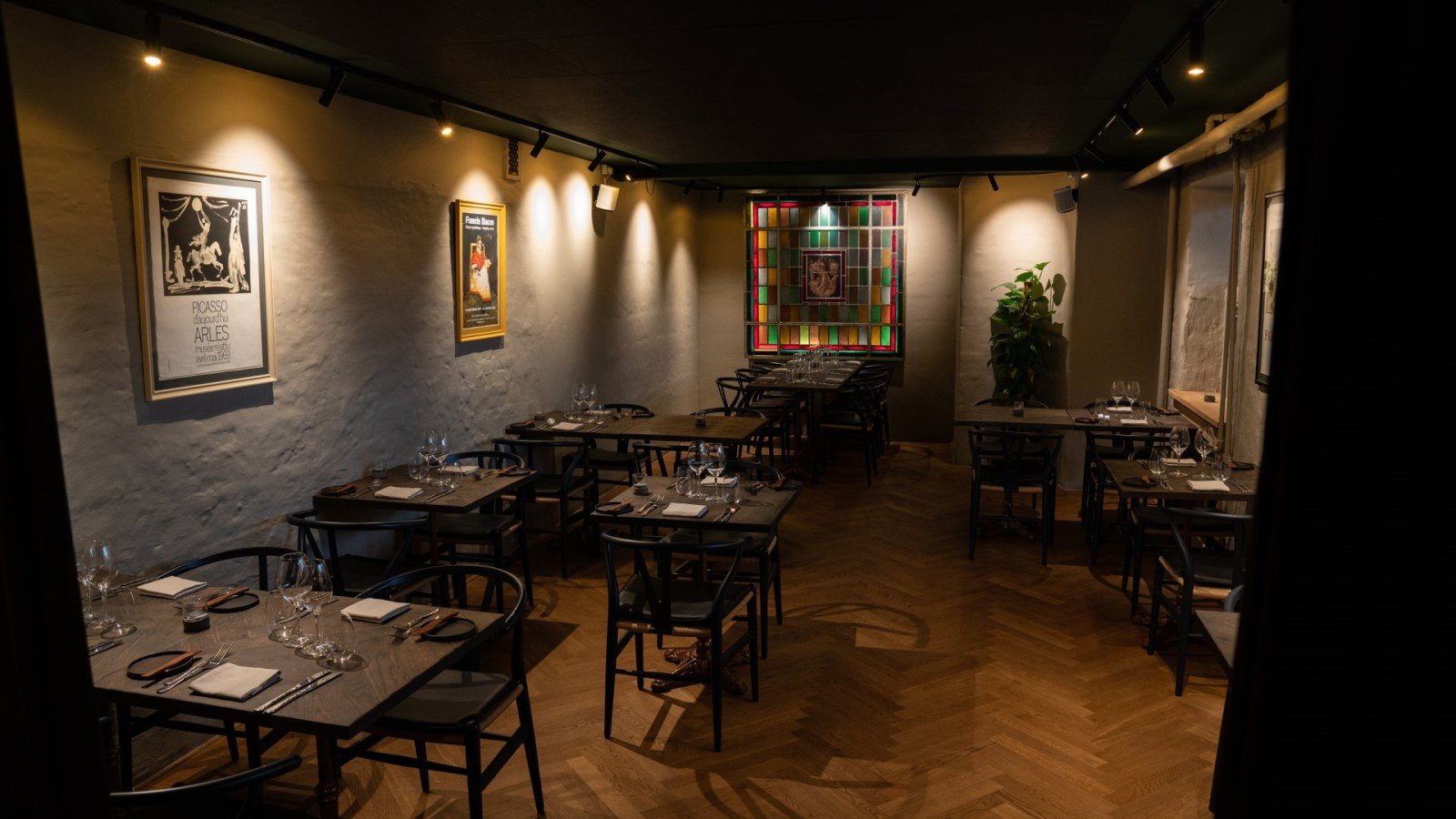
The Allé Setting and What It Signals
Frederiksberg Allé is one of Copenhagen's more composed residential corridors: tree-lined, low-key by the standards of the inner city, and populated by the kind of neighbourhood restaurants that answer to their regulars rather than the tourism cycle. Bjørnekælderen sits on this stretch, and the address alone tells you something about its register. This is not a destination in the way that the high-commitment tasting-menu houses of central Copenhagen are destinations. It operates closer to the French model of the neighbourhood bistro: a place with a clear point of view on food, a short list of things done well, and a format built for repeat visits rather than once-a-year occasions.
The broader Frederiksberg dining scene has developed a distinct identity from central Copenhagen, shaped by residential density, a slightly older and more local clientele, and a preference for accessible formats over theatrical ones. Where venues like Noma in Copenhagen or Jordnær in Gentofte built their reputations on maximalist ambition and high-ceremony service, Frederiksberg's better addresses have tended toward the kind of cooking that sits between rigorous and relaxed. Bjørnekælderen belongs to that cohort.
The shortlist, unlocked.
Hard-to-book tables, cellar releases, and concierge-planned trips.
Get Exclusive Access →French Foundations, Nordic Provenance
The French-Nordic pairing that defines Bjørnekælderen's identity is less a novelty than a natural outcome of where Danish food culture has settled in the post-Noma era. The vocabulary of new Nordic cooking, which placed sourcing, seasonality, and regional identity at the centre of menu logic, has filtered down from the high end and now inflects cooking across a much wider range of formats and price points. What matters at a bistro level is not whether the kitchen uses foraged herbs or cold-smoked fish as a statement, but whether the sourcing decisions behind the cooking are legible on the plate.
At Bjørnekælderen, the French framework provides structure: classic preparation methods, a respect for the bistro format's pacing and portion logic, and a menu architecture that doesn't require explanation at the table. The Nordic element introduces a provenance discipline that distinguishes the kitchen from straight French imitation. Across Denmark, the bistros that have aged well are those that treated Nordic sourcing not as a trend overlay but as the foundation that French technique builds on. The comparison set here is not Frederikshøj in Aarhus or Henne Kirkeby Kro, which operate in the premium rural-Nordic register. It is closer to what Restaurant Alf and Promenaden 1932 represent in the same neighbourhood: serious cooking without the apparatus of the tasting-menu format.
Smørrebrød and the Lunch Tradition
The decision to anchor the lunch service around smørrebrød is not merely a nod to Danish tradition. It is a sourcing argument made visible. Classic smørrebrød, at its most considered, is an exercise in ingredient hierarchy: the quality and preparation of the base bread, the fat used beneath the toppings, and the provenance of proteins and garnishes all read directly because there is nowhere to hide them. The open-faced sandwich format, which has persisted in Danish food culture for over a century, resists shortcuts in a way that more composed plates sometimes do not.
In the Copenhagen metropolitan area, smørrebrød has experienced a quiet re-evaluation over the past decade. What was once treated as lunchtime utility has been reclaimed by restaurants with a more deliberate approach to ingredient sourcing, returning to the format's original logic of showcasing individual components rather than masking them in sauce or technique. Bjørnekælderen's lunch format sits within that current. It also positions the venue for a different use pattern than the evening service: the lunch crowd on Frederiksberg Allé skews toward local residents and workers, which means the smørrebrød list functions as a daily sourcing exercise rather than a set-piece for visiting diners.
The Evening Format
The evening service steps back from the smørrebrød structure and into a shorter, more considered menu that extends the French-Nordic logic into composed plates. A select evening menu, as a format, is a deliberate constraint: it forces clarity about what the kitchen does well and removes the padding that longer à la carte lists often introduce. For the diner, this means fewer decisions and a higher hit rate on quality; for the kitchen, it means buying and preparing in proportion to what will actually be used.
This is not the kind of evening format that demands advance planning in the way that, say, Dragsholm Slot Gourmet or Frederiksminde in Præstø do, where tasting-menu commitments and destination logistics shape the visit. Bjørnekælderen operates without that level of ceremony. The evening menu is short enough to read in a minute, which is a signal about the kitchen's priorities: quality over variety, precision over range.
Where It Sits in the Wider Danish Picture
Danish restaurant culture at the premium end is well mapped: Noma, Geranium, Alchemist, and Jordnær occupy a tier defined by international recognition, lengthy tasting menus, and multi-month booking windows. Further down the ambition curve but not the quality curve, venues like Alimentum in Aalborg, ARO in Odense, and Domæne in Herning have built regional followings around serious kitchens without the international apparatus. Bjørnekælderen operates in a more local register still: neighbourhood-specific, format-modest, and oriented toward the kind of diner who already knows the Allé well.
That localism is not a limitation. The bistro format, whether in Paris or Copenhagen, has always derived its credibility from the loyalty of a local clientele rather than the endorsement of external authority. The international comparison that applies here is not Le Bernardin in New York or Emeril's in New Orleans, which represent a different scale of ambition entirely. It is the Paris bistro that a neighbourhood keeps to itself for a decade before a critic discovers it.
Planning a Visit
Bjørnekælderen is at Frederiksberg Allé 55, reachable by metro to Forum or by a short walk from Frederiksberg station. For lunch, the smørrebrød format makes it a natural stop in the middle of a day in the neighbourhood. For the evening, the shorter menu and bistro scale suggest a booking rather than a walk-in, though the venue's profile means it does not carry the six-week lead time of the city's tasting-menu houses. Those wanting to extend a Frederiksberg evening have options nearby: the bar scene and hotel options in the area are covered in EP Club's full guides. For a broader orientation to what Frederiksberg's restaurant scene offers at multiple formats and price points, the full Frederiksberg restaurants guide maps the neighbourhood's dining character in more depth, alongside the experiences and wineries guides for visitors spending more time in the area.
Frequently Asked Questions
- Is Bjørnekælderen a family-friendly restaurant?
- The bistro format and neighbourhood setting make it a reasonable choice for families, particularly at lunch where the smørrebrød menu is accessible and the pace is relaxed by Frederiksberg standards.
- What's the overall feel of Bjørnekælderen?
- It reads as a serious neighbourhood bistro in the French tradition, adjusted for Nordic sourcing. Frederiksberg has a more residential and local character than central Copenhagen, and Bjørnekælderen fits that context: considered cooking without the formality or price commitment of the city's tasting-menu tier.
- What dish is Bjørnekælderen famous for?
- The smørrebrød at lunch is the anchor of the venue's identity. Classic Danish open-faced sandwiches, prepared with French bistro discipline and Nordic ingredient sourcing, define what the kitchen does most consistently. Specific dish details are leading confirmed directly with the venue before visiting.
- Do I need a reservation for Bjørnekælderen?
- For evening visits, a booking is advisable given the venue's neighbourhood following and the shorter menu format. Lunch may allow for walk-ins, but Frederiksberg's residential lunch trade means availability can be tighter than it appears. Contact the venue directly to confirm.
- What's the signature at Bjørnekælderen?
- The French-Nordic bistro format itself is the clearest signature: lunch smørrebrød executed with sourcing rigour, and an evening menu that keeps its range deliberately short. For a neighbourhood address on Frederiksberg Allé, that restraint is the statement.
Peer Set Snapshot
A fast peer set for context, pulled from similar venues in our database.
| Venue | Cuisine | Price | Awards | Notes |
|---|---|---|---|---|
| Bjørnekælderen | Bjørnekælderen is a bistro where the food is inspired by French cuisine, but wit… | This venue | ||
| Noma | Creative | €€€€ | Michelin 3 Star | Creative, €€€€ |
| Geranium | New Nordic, Creative | €€€€ | Michelin 3 Star | New Nordic, Creative, €€€€ |
| Alchemist | Progressive, Creative | €€€€ | Michelin 2 Star | Progressive, Creative, €€€€ |
| Koan | New Nordic, Kaiseki, Creative | €€€€ | Michelin 2 Star | New Nordic, Kaiseki, Creative, €€€€ |
| a|o|c | New Nordic, Mediterranean Small Plates, Creative | €€€€ | Michelin 2 Star | New Nordic, Mediterranean Small Plates, Creative, €€€€ |
Need a table?
Our members enjoy priority alerts and concierge-led booking support for the world's most difficult tables.
Get Exclusive AccessThe shortlist, unlocked.
Hard-to-book tables, cellar releases, and concierge-planned trips.
Get Exclusive Access →