
White Guide Sweden Restaurants - Very Fine Level
Our verdict
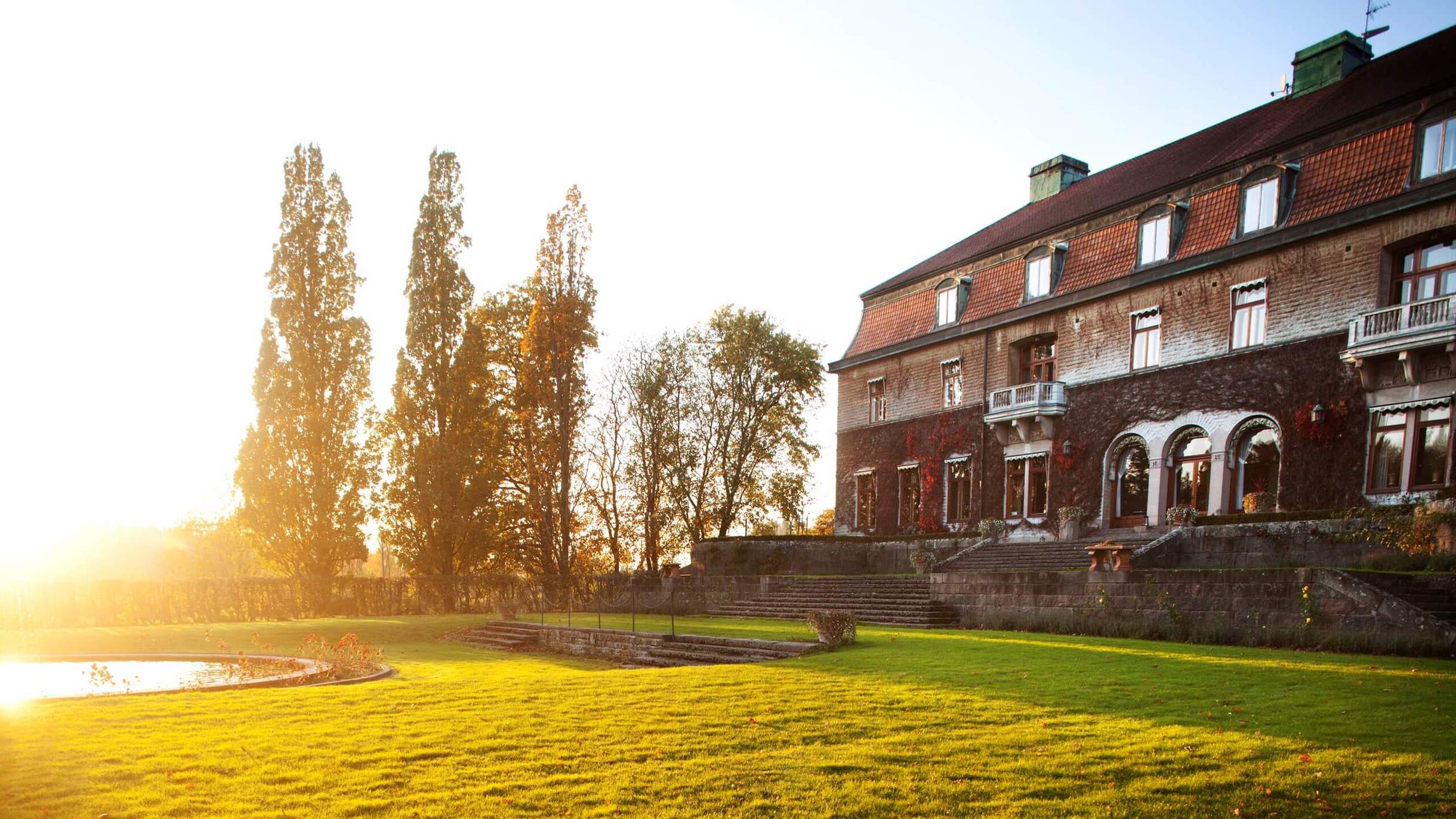
Bjertorp Slott occupies a Swedish castle estate in the rural Västergötland countryside, placing fine dining within a setting where the surrounding land, seasonal produce, and estate character shape the experience as much as the kitchen does. For travellers moving through western Sweden, it represents the region's broader argument that serious gastronomy belongs as much in the countryside as in Gothenburg or Stockholm.

Pearl is the En Primeur Club membership app — saves, bookings, and concierge access live there. Same editors, same standards.
- Address
- 535 91 Kvänum, Sweden
- Phone
- +46512300500
- Website
- bjertorpslott.se
- Directions
- Get directions
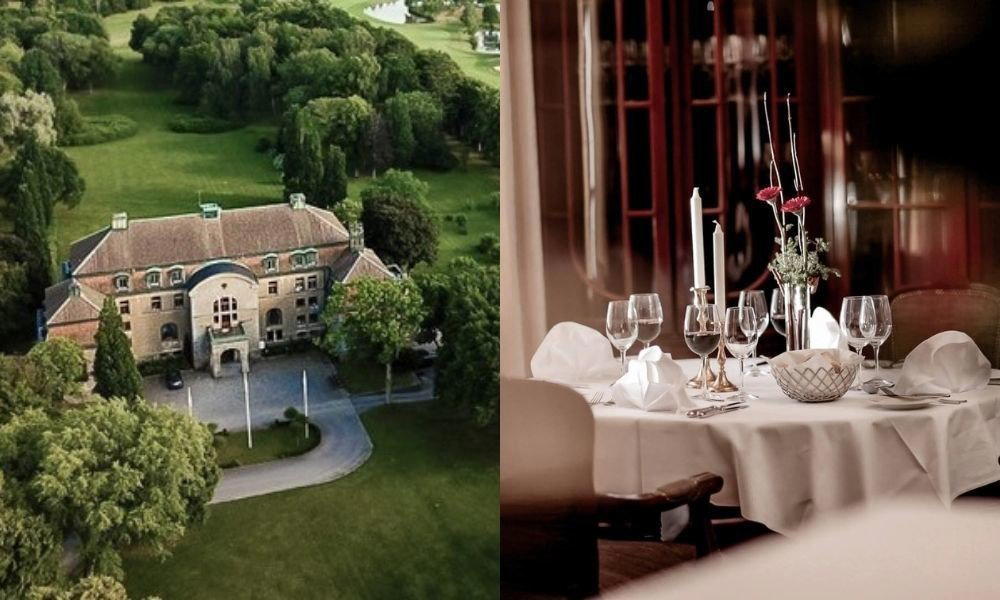
Castle Dining in Rural Västergötland
Sweden's most compelling restaurant arguments have increasingly been made outside its major cities. The same logic that sent critics to Fäviken in Kall — a remote estate where geography and ingredient provenance were inseparable from the food — has played out across the country's rural south and west. Bjertorp Slott, a castle property in Kvanum in the Västergötland region, sits within that tradition: a dining destination where the physical environment and the surrounding agricultural land are not background scenery but active ingredients in what arrives on the table.
The castle approach to hospitality in Scandinavia carries specific expectations. Guests do not simply arrive for a meal; they arrive for a setting in which the estate itself provides context. Stone walls, formal grounds, and the particular quiet of the Swedish countryside combine to frame the experience before any food is served. This is the logic that has made estate dining one of the more durable formats in Nordic gastronomy, precisely because it anchors what might otherwise be abstract notions of provenance and seasonality to something physically present and visible.
The Ingredient Argument for Rural Sweden
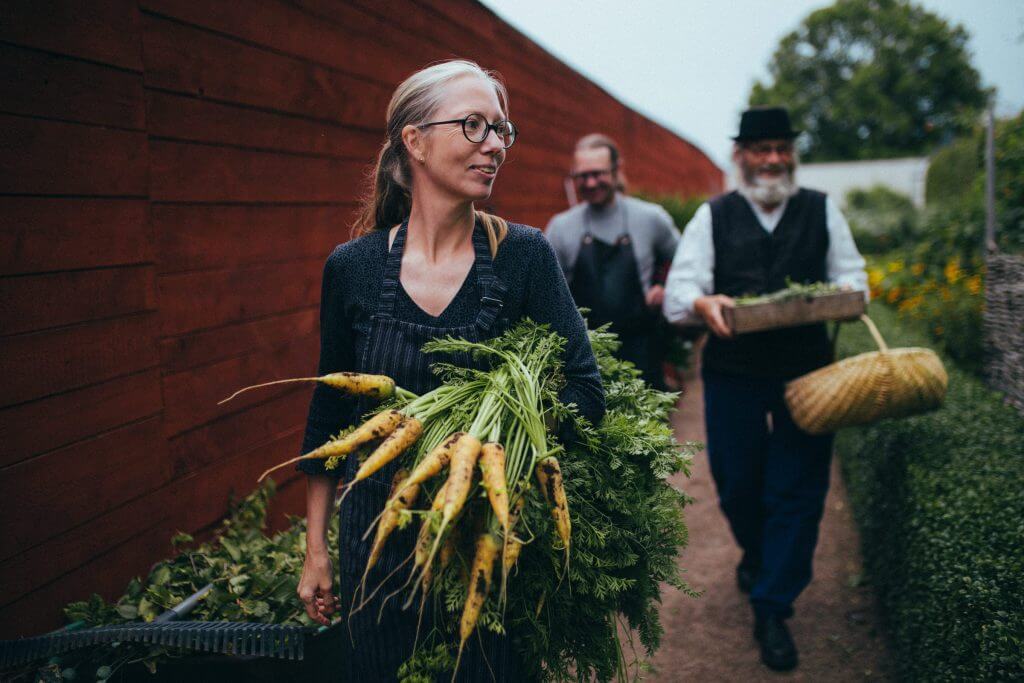
Western Sweden's agricultural character gives estates like Bjertorp Slott a sourcing infrastructure that urban restaurants have to construct laboriously through supplier networks. The Västergötland region produces dairy, root vegetables, game, and forest ingredients across a landscape that changes dramatically from midsummer to deep winter. What this means practically is that a kitchen operating within this environment has access to a seasonal rhythm that is both constraint and resource: what grows, grazes, or can be foraged nearby defines what appears on the plate.
This is the broader tension that defines Nordic fine dining's most serious tier. The kitchens at VYN in Simrishamn and Vollmers in Malmö have built their reputations on precisely this kind of sourcing discipline, a commitment to local and regional ingredients that is verifiable rather than decorative. Rural estates can make the same argument with an added layer of integrity: the source is often visible from the dining room window.
Sweden's castle estates occupy a specific niche in this ecosystem. They are not farm restaurants in the casual sense, nor are they urban fine dining operations that happen to source from farms. They represent a third category in which property, kitchen, and landscape are integrated into a single proposition. For the reader familiar with comparable formats, the English country house restaurant, the French château table, Bjertorp Slott operates within a Swedish equivalent, shaped by Nordic season logic and the particular character of Västergötland.
Situating Bjertorp Slott in the Swedish Restaurant Scene
Sweden's premium restaurant tier has diversified considerably over the past decade. Stockholm retains its concentration of Michelin-recognised tables, with addresses like Frantzén anchoring the capital's claim to Nordic gastronomy's upper reaches. But the more interesting editorial story has been the spread of serious cooking into secondary cities and rural settings. ÄNG in Tvååker, Knystaforsen in Rydöbruk, and PM & Vänner in Växjö each represent a version of this shift: fine dining embedded in regional settings rather than concentrated in the capital.
Kvanum itself is a small community in Västra Götaland County, positioned between Gothenburg and the interior of Sweden. It is not a dining destination in the way that a city neighbourhood might be, there is no cluster of restaurants to construct an evening around. The castle is the destination. This places Bjertorp Slott in a category that requires intentionality from the guest: you plan the visit around the property, not the other way around. The comparable format internationally would be something like the destination restaurant model that Lazy Bear in San Francisco operates, where the evening is a constructed event rather than a drop-in experience.
Within the Gothenburg orbit, the estate sits alongside urban alternatives that approach Nordic cuisine from a different angle. Hoze in Gothenburg and Signum in Mölnlycke represent the western Swedish city's own serious dining register, but neither operates within the physical estate framework that gives Bjertorp Slott its particular character.
What the Estate Format Delivers
The case for estate dining in Sweden is not purely romantic. There are practical advantages to a property with direct access to land and forest. Game seasons mean that venison, wild boar, or grouse can move from estate grounds to kitchen with a directness that no urban supply chain can replicate. Root cellars and storage infrastructure on historic properties allow for preservation methods, pickling, fermenting, drying, that align with both traditional Scandinavian technique and the contemporary Nordic kitchen's renewed interest in pre-industrial food culture.
This is the same argument that has driven interest in coastal estate dining at properties like Sydkustens at Pillehill in Skivarp or the sea-to-table proposition at Archipelago of Gothenburg in Styrso. The geography provides the ingredient identity; the kitchen translates it. When the estate has centuries of relationship with its land, that translation carries a depth of knowledge that shorter-tenured restaurants take years to approximate.
For travellers building an itinerary through western Sweden, the estate format rewards a different pace than city dining. An evening at a castle property is typically structured around arrival, reception, and a meal that unfolds across several hours. Planning an overnight stay, or at minimum allowing travel time without a hard departure deadline, is consistent with how these properties are leading experienced. Kvanum is accessible from Gothenburg by car, making it a viable day or overnight trip from the city, though specific journey times depend on the precise route taken.
Regional Context and Peer Comparisons
Placed against the full map of Swedish fine dining, Bjertorp Slott occupies a position that is less about competing with Stockholm's leading tables and more about embodying a specifically regional and estate-anchored proposition. The comparison set is not Le Bernardin in New York City or urban European fine dining benchmarks, but rather the growing body of Scandinavian properties that have made geography and ingredient origin the primary editorial argument.
Readers planning a broader Swedish itinerary that takes in Skåne's dining scene at addresses like Claesgatan 8 in Malmö, central Sweden's urban options like Kitchenette Ågatan 3 in Örebro, or the coastal Halland experience at Bistro Jarlen in Halmstad will find Bjertorp Slott offers a counterpoint to all of those: an experience defined by the estate's physical remove and its relationship to the land immediately around it, rather than by urban energy or coastal access. See our full Kvanum restaurants guide for additional context on the region's dining options and how to plan around this part of western Sweden.
Planning Your Visit
Given the estate's location in rural Västergötland and its position as a destination property, booking in advance is the sensible approach regardless of season. Swedish castle properties in this tier are not walk-in venues. Autumn and early winter tend to sharpen the estate atmosphere considerably, the combination of forest ingredients at their peak and shorter Nordic days suits the enclosed, candlelit character of historic castle dining rooms. Midsummer visits offer a different quality, with late Scandinavian light and the countryside at its most generous in terms of fresh produce. Either season makes a strong case; the choice depends on what kind of Swedish experience the reader is constructing.
Frequently asked questions
Is Bjertorp Slott child-friendly?
Bjertorp Slott is a castle estate set in rural Västergötland, which suits families travelling with older children who appreciate a formal or semi-formal setting. The estate grounds offer space that younger visitors may enjoy. Given the destination nature of the property in Kvanum, it is worth contacting the estate directly to confirm what arrangements are in place for families before booking.
What kind of setting is Bjertorp Slott?
Bjertorp Slott is a Swedish castle estate located outside Kvanum in rural Västergötland, western Sweden. The property functions as a destination venue, meaning the setting itself — the castle building, surrounding land, and agricultural context — is central to the experience rather than incidental to it. This places it in the same category as Sweden's other estate-format properties, where the journey to reach the venue is part of the proposition.
How far is Bjertorp Slott from Gothenburg, and is it worth the drive?
Bjertorp Slott is located at Kvänum in Västergötland, roughly 120 kilometres northeast of Gothenburg — approximately 90 minutes by car. Estate-format venues in western Sweden, including properties in this agricultural region, are built around the premise that the distance is deliberate: the rural setting is what makes the sourcing model and the castle environment possible. For guests travelling from Gothenburg or Stockholm, the estate functions as an overnight or weekend destination rather than a dinner excursion.
What do people recommend at Bjertorp Slott?
Guests drawn to estate dining in Sweden typically come for the provenance-driven cooking that such properties can support, rather than for a fixed signature dish. Confirming the current menu format with the estate directly is the practical approach.
Where is Bjertorp Slott located?
Bjertorp Slott is located at 535 91 Kvänum, Sweden, Kvanum.
Do I need a reservation for Bjertorp Slott?
Bjertorp Slott sits in rural Västergötland outside Kvanum, and as a destination property it operates differently from a city restaurant with walk-in capacity. Booking ahead is the sensible approach regardless of the season, since estate venues of this type typically manage covers carefully. Contact the estate directly to establish current availability and any advance booking requirements.
In Context: Similar Options
Comparable venues nearby, for context on price, style, and recognition.
| Venue | Cuisine | Price | Awards | Notes |
|---|---|---|---|---|
| Bjertorp SlottThis venue — the venue you are viewing | Modern Swedish Fine Dining | Not listed | White Guide Sweden Restaurants - Very Fine Level | Not listed |
| Ölme Prästgård Gästgiveri | Nordic Swedish | Not listed | White Guide Sweden Restaurants - Fine Level | Ölme |
| Bhoga | Modern Nordic Seasonal | $100–150 | Michelin Plate · Star Wine List | Inom Vallgraven |
| Restaurang Natur | Modern Nordic Fine Dining | $50–100 | Star Wine List · White Guide Sweden Restaurants - Fine Level | Centrum |
| Daniel Berlin i Skåne Tranås | Nordic Fine Dining | Not listed | Not listed | Skåne Tranås |
| Icehotel Restaurant | Modern Swedish Fine Dining with Ice Presentation | Not listed | White Guide Sweden Restaurants - Very Fine Level | Jukkasjarvi |
Recognition history
Dated appearances from independent guides and award organizations, with the underlying list record or original source where available.
White Guide Sweden Restaurants - Very Fine Level
White Guide
Continue exploring
More in Kvanum
Restaurants in Kvanum
Browse all →
Bjertorp Slott
The wine
- Wine program
- Curated wine list
- Extensive wine list
Details
- Romantic
- Elegant
- Classic
- Scenic
- Sophisticated
- Ornate
- Date Night
- Special Occasion
- Celebration
- Private Event
- Historic Building
- Hotel Restaurant
- Garden
- Extensive Wine List
- Local Sourcing
- Organic
- Garden
- A La Carte
- Tasting Menu
- Vegetarian Friendly
- Gluten Free Options
Elegant historic castle atmosphere with captivating Art Nouveau architecture, scenic gardens, and a refined dining experience in drawing rooms.