Bites Cafe
Our verdict
Bites Cafe sits in Makkah’s Wadi Jalil area, where casual dining has to serve residents, pilgrims, and cross-city traffic rather than a single polished dining crowd. Treat it as a cafe-format stop in a city whose food culture depends on speed, mixed groups, and reliable sourcing more than ceremony.

Pearl is the En Primeur Club membership app — saves, bookings, and concierge access live there. Same editors, same standards.
- Address
- Street, 7587 Al Hajj, Wadi Jalil, Makkah 24224, Saudi Arabia
- Directions
- Get directions
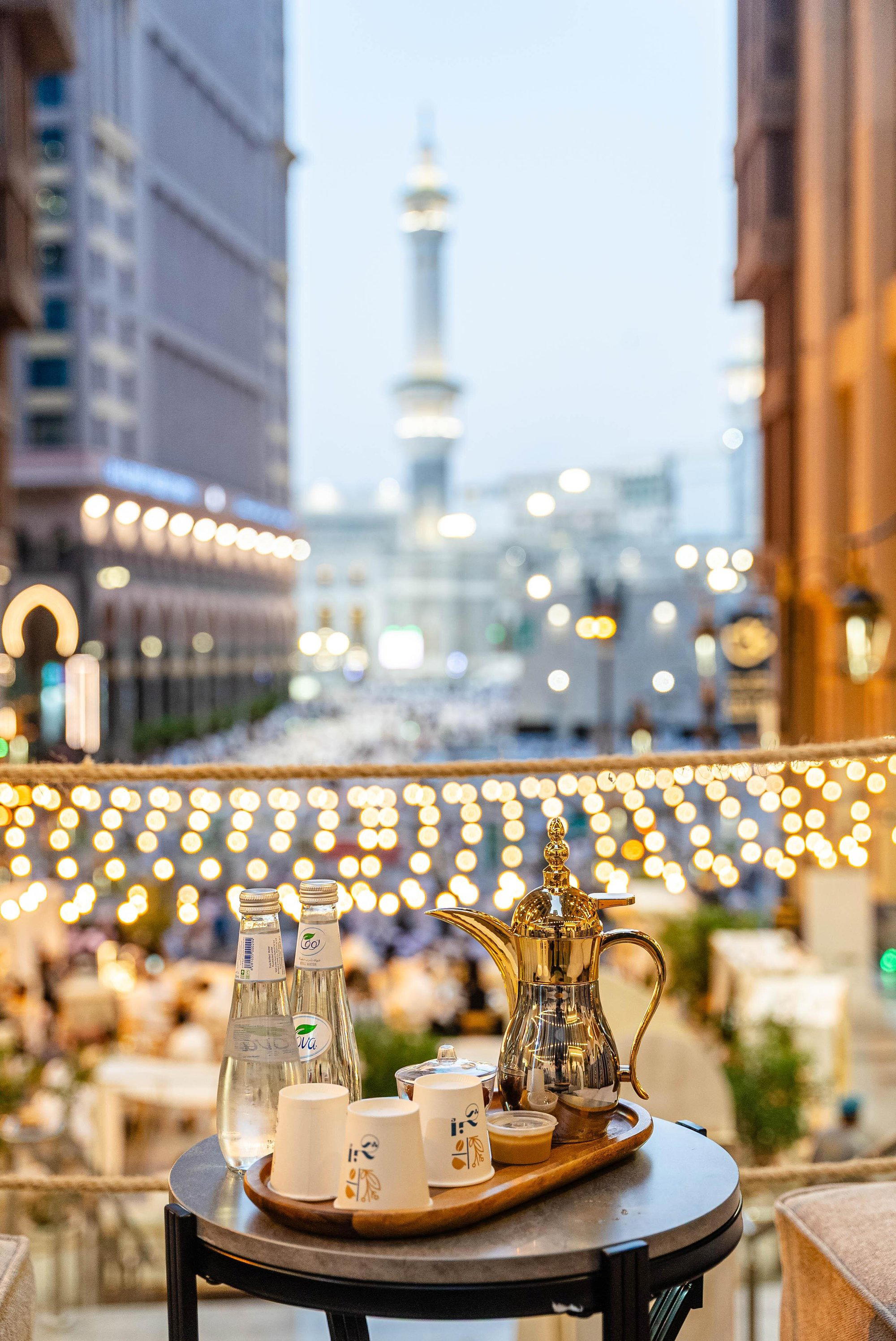
Approaching a cafe in Makkah is rarely a slow, staged affair. The city moves in pulses: prayer times, family errands, pilgrim transfers, late meals after long days, and local traffic that can shift the feel of a room within minutes. Bites Cafe belongs to that practical rhythm. Its value is less about theatrical dining and more about how a cafe format fits a city where food has to be flexible, quick to understand, and suited to mixed company.
That matters in Makkah because the city’s restaurant culture is shaped by movement. Pilgrims arrive with different eating habits, residents need everyday options away from hotel dining rooms, and families often look for places that can absorb varied orders without turning dinner into a formal event. In that setting, the cafe category carries more weight than it might in a leisure city. It becomes a pressure valve between hotel buffets, fast-service chains, and larger local restaurants such as Al Dar, Al Hijaz Restaurant, and Um Al Qura Restaurant.
A cafe format built for Makkah's mixed dining rhythm
Ingredient sourcing is the quiet test for this kind of place. Makkah is not a coastal dining capital selling itself on day-boat fish or estate-grown produce; it is an inland holy city fed by Saudi distribution networks, regional suppliers, and the demands of a population that changes shape throughout the year. A cafe succeeds here when the kitchen keeps familiar categories consistent, manages freshness across busy periods, and avoids overcomplicating a menu for a room likely to include families, solo diners, and visitors with limited time.
That makes Bites Cafe easier to understand as part of Makkah’s everyday dining layer than as a destination restaurant. The comparison set is not the tasting-menu room or the chef-led counter. It is the practical cafe and casual restaurant tier, where comfort, pacing, and ingredient reliability decide whether a meal works. Within Makkah, editorial references such as A Well-remembered Piazza and Al Shubaiikah Café point to the city’s wider split between casual cafe formats and locally oriented dining rooms.
The absence of a declared cuisine type is itself useful for reader expectations. This is not a page to approach as a chef biography or a regional cooking study. It sits closer to the cafe-as-utility model, a format that often matters in Saudi cities because dining decisions are shaped by group size, timing, and ease. For a visitor comparing options across Makkah, Our full Makkah restaurants guide gives the broader restaurant context, while Our full Makkah hotels guide helps frame where a cafe stop fits around accommodation zones and transfers.
Where sourcing matters more than ceremony
In cities with heavy religious travel, ingredient discipline has a practical meaning. It is about predictable dairy handling, bread and pastry turnover, hot dishes that hold their shape during busy service, and drinks that can be prepared at pace. The cafe format does not need a long backstory to justify itself; it needs a supply chain that can support repeatable orders and a room that does not punish diners for arriving between commitments.
Saudi cafe culture has also become broader over the past decade. The category now covers everything from dessert counters and espresso-led rooms to casual all-day dining. Across the country, other casual formats show the appetite for reliable, easy-to-understand dining templates. Makkah’s cafe tier works differently: it is less about scene-making and more about serving a city whose dining windows are compressed by ritual, travel, and family logistics.
That distinction helps explain why a place like Bites Cafe should be read with a practical critical eye. Awards and chef credentials are not the clearest lens here. The stronger question is whether the format suits Makkah, whether the menu categories are easy to share, and whether the kitchen’s sourcing can support consistency. For travellers continuing through Saudi Arabia, unnamed local dining rooms in other cities can offer useful contrasts, each sitting in a different hospitality pattern.
How to place it in a Makkah itinerary
Bites Cafe is better suited to a low-friction meal or break than to a heavily planned dining evening. That is not faint praise. In Makkah, a dependable casual stop can be more useful than a room with elaborate claims, especially for diners moving between worship, family obligations, and hotel zones. Readers building a wider city plan can cross-check nearby categories through Our full Makkah bars guide, Our full Makkah wineries guide, and Our full Makkah experiences guide, noting that local customs shape what those categories mean in practice.
The editorial takeaway is simple: treat Bites Cafe as part of Makkah’s functional cafe network, not as a formal dining room. Its relevance lies in the way it reflects the city’s everyday food mechanics, where sourcing consistency, accessible ordering, and adaptable pacing carry the argument. For readers comparing farther afield, other compact dining formats show how different cities use casual rooms for entirely different purposes. In Makkah, the measure is utility under pressure.
Frequently asked questions
What part of town is Bites Cafe in?
Makkah.
Do they take walk-ins at Bites Cafe?
The public record for Bites Cafe in Makkah points to a casual café format rather than a reservation-led dining room, but walk-in details are not published here. Check the venue's official channels for the latest details.
What's the signature at Bites Cafe?
No named signature item is listed for Bites Cafe in Makkah. The safer read is that this is a café stop, so expect a menu built around standard café orders rather than a single headline dish.
Can Bites Cafe handle vegetarian requests?
Vegetarian-request details are not published for Bites Cafe in Makkah. Check the venue's official channels for the latest details before visiting.
Is Bites Cafe suitable for children?
Bites Cafe in Makkah reads as a low-pressure café stop rather than a formal dining room. That format can make it a sensible choice for families looking for an easy meal break.
What should I expect atmosphere-wise at Bites Cafe?
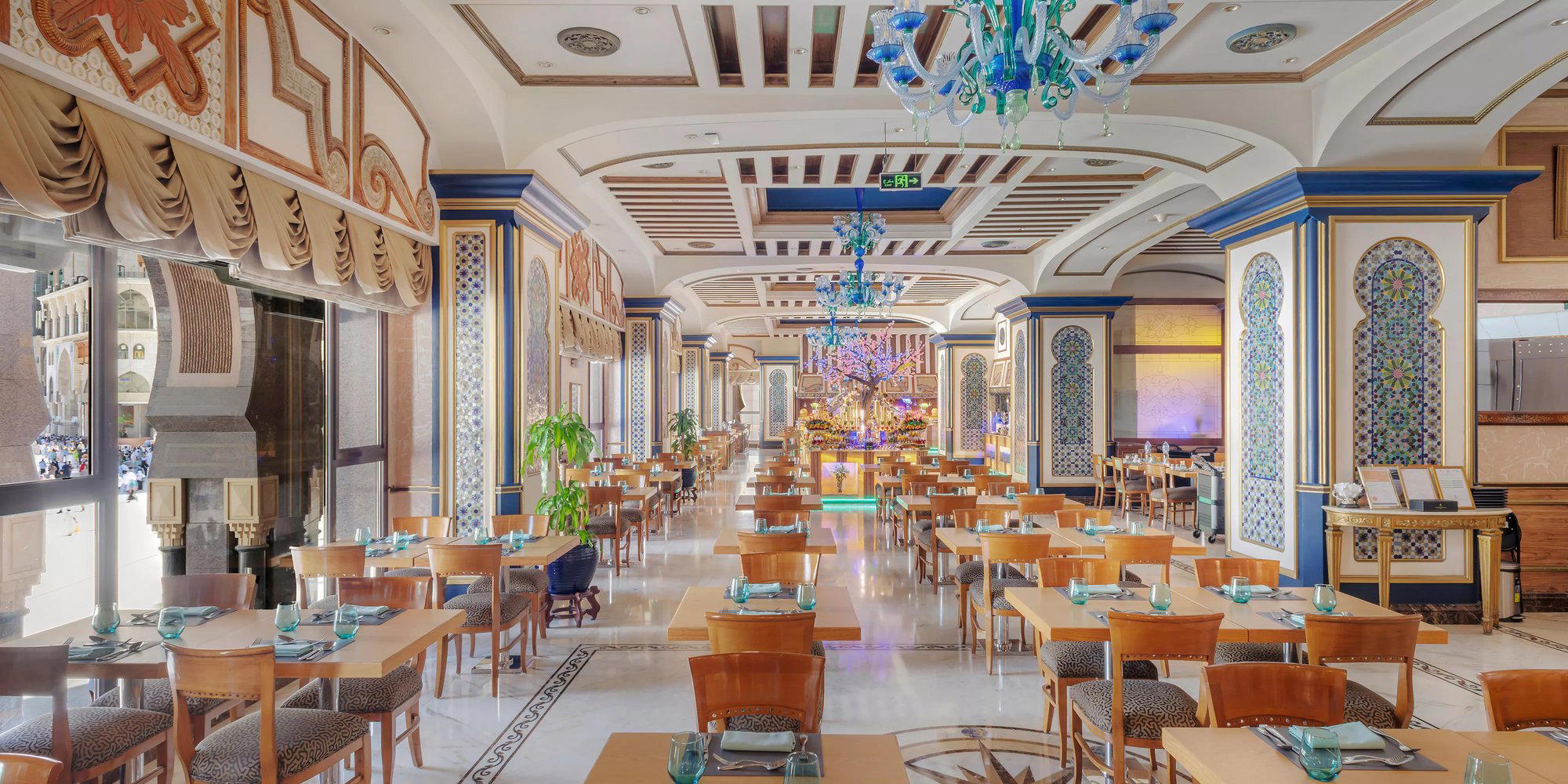
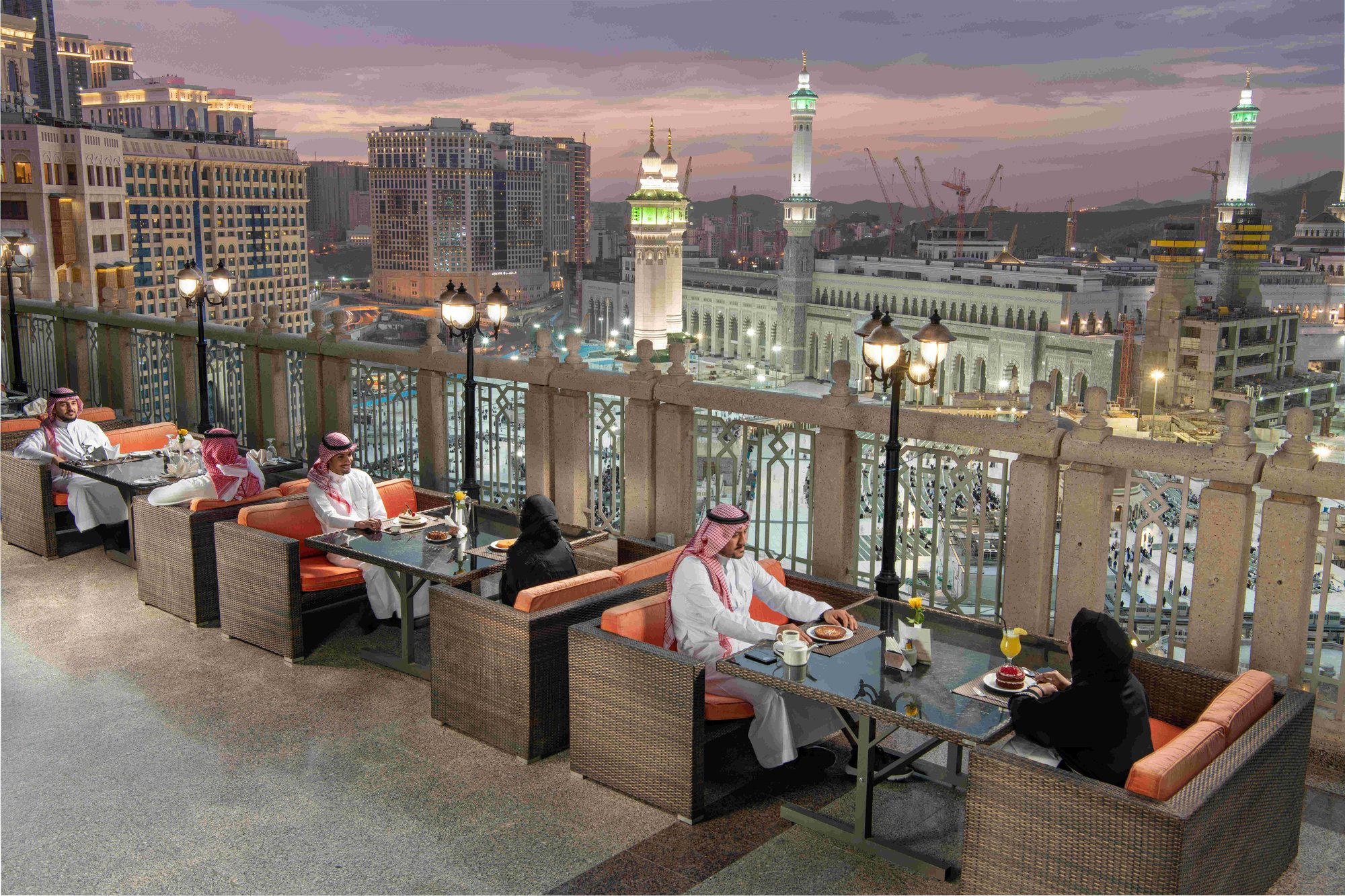
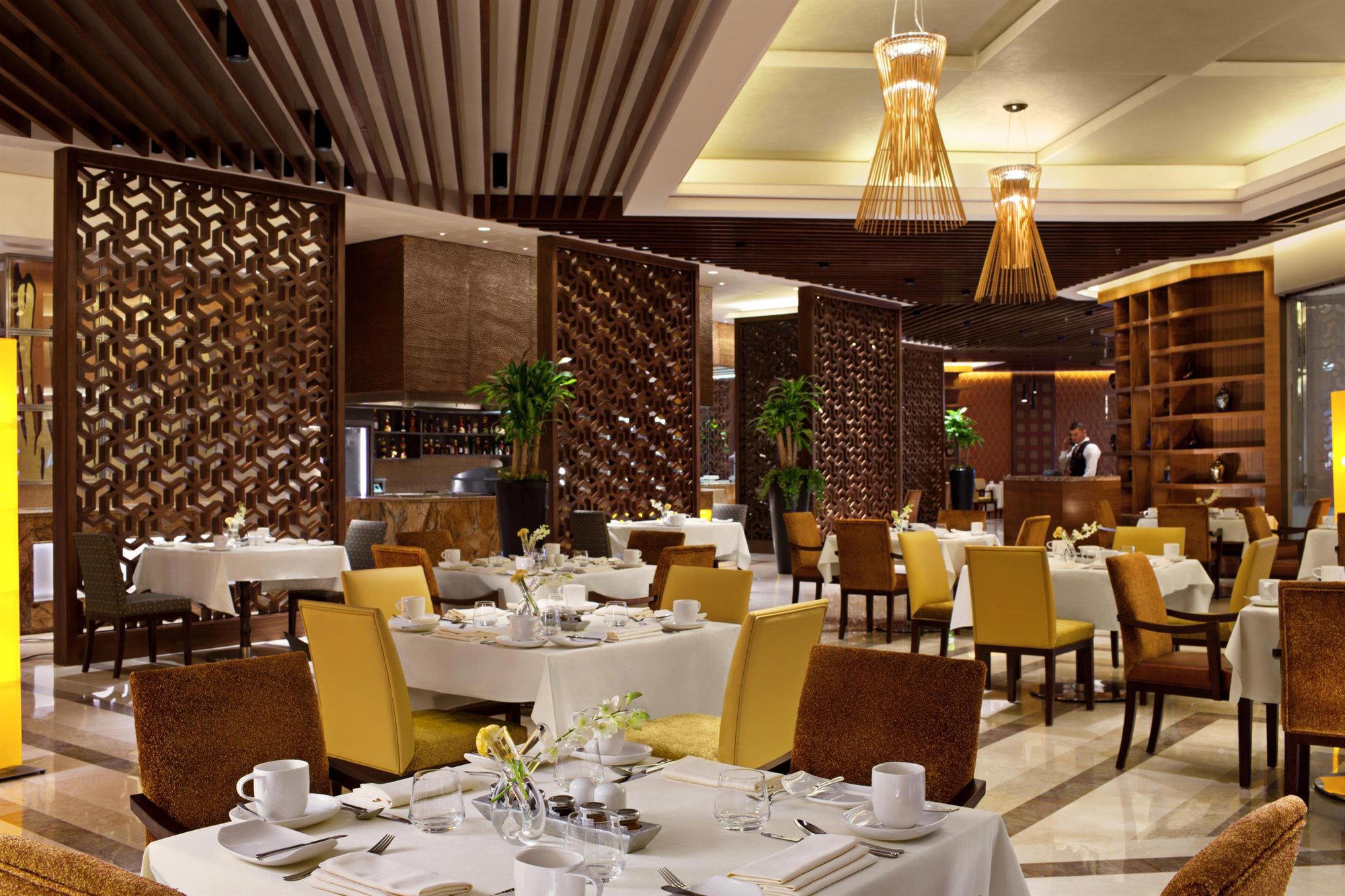
Expect a straightforward café atmosphere in Makkah, shaped more by practicality than ceremony. It reads as a place built for a quick stop, a coffee, or an unhurried break.
Fast Comparison
Comparable venues by cuisine and price in the same metro.
| Venue | Cuisine | Price |
|---|---|---|
| Bites CafeThis venue — the venue you are viewing | Halal hotel lobby café | $1–10 |
| Al Dar | Halal Middle Eastern | Not listed |
| Al Hijaz Restaurant | International & Middle Eastern Hotel Buffet | Not listed |
| Al Shubaiikah Café | International light meals & Hijazi café bites | $10–20 |
| A Well-remembered Piazza | International & Oriental Piazza | $20–30 |
| Um Al Qura Restaurant | Middle Eastern & International Buffet | Not listed |
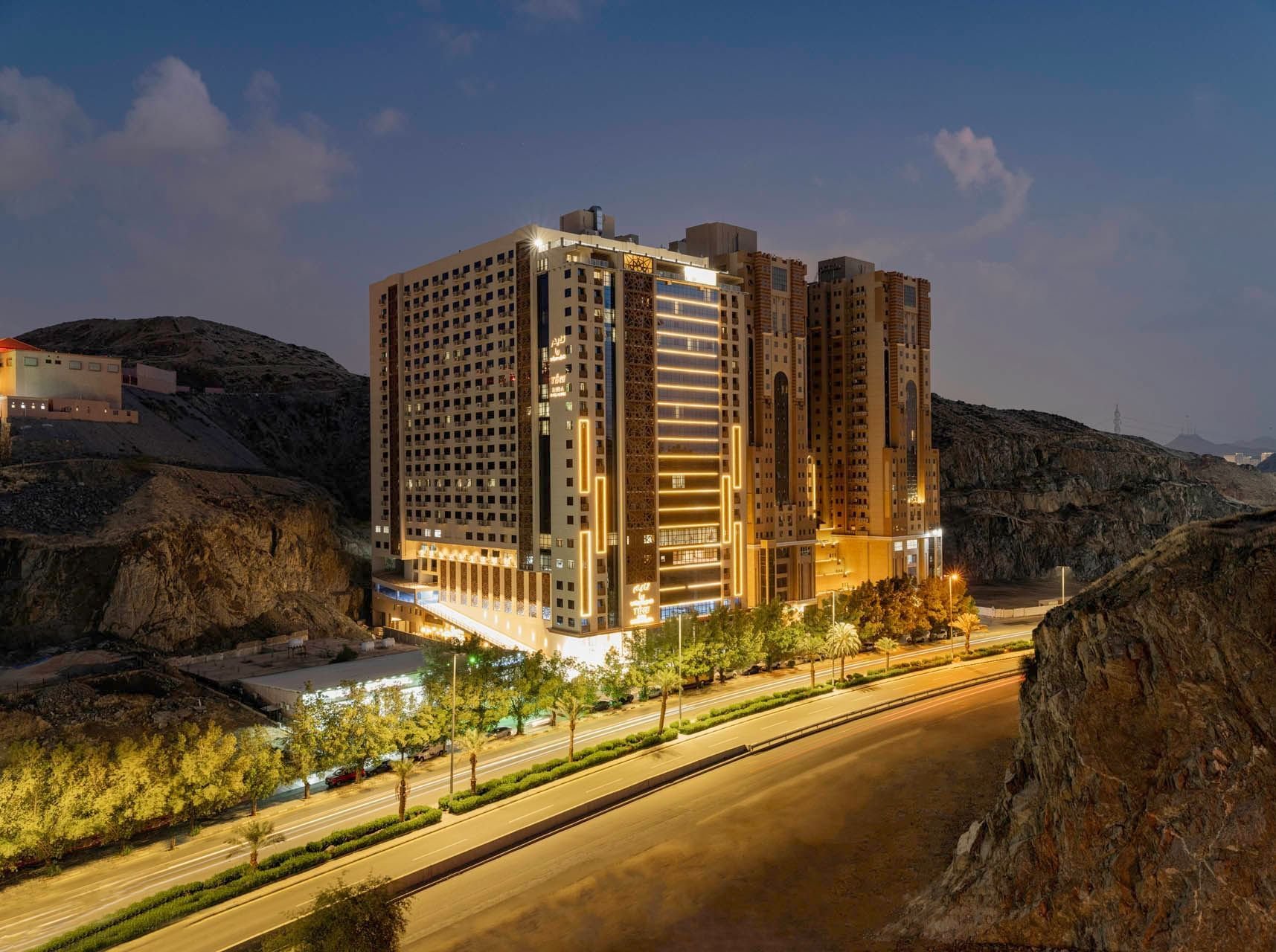
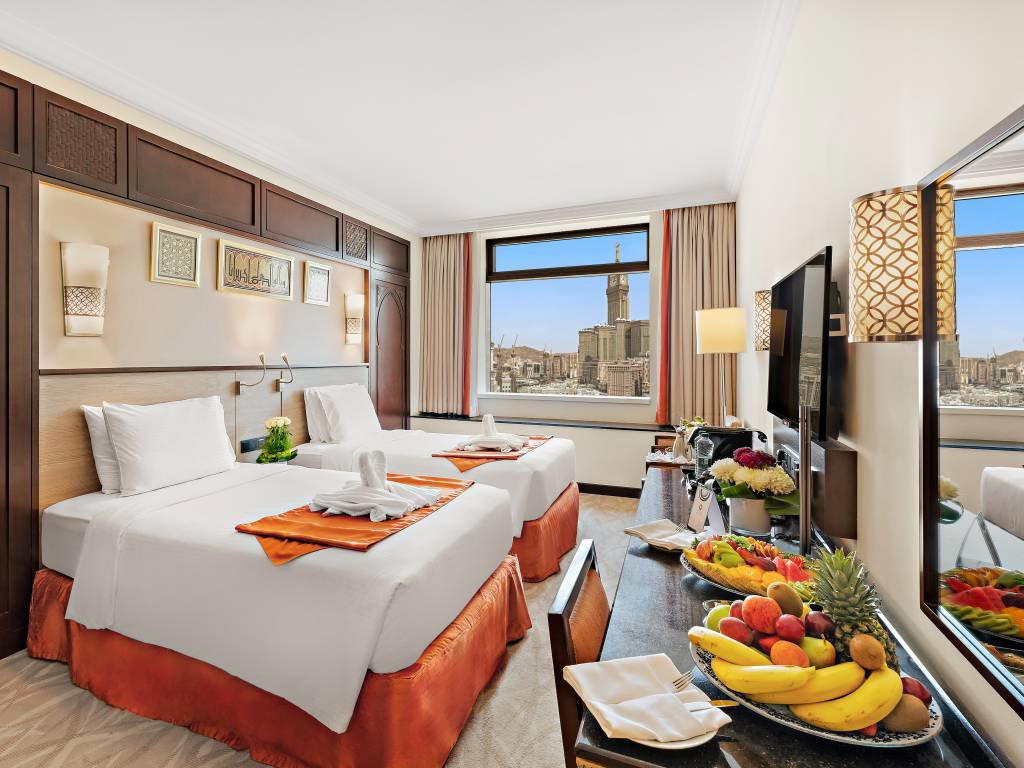
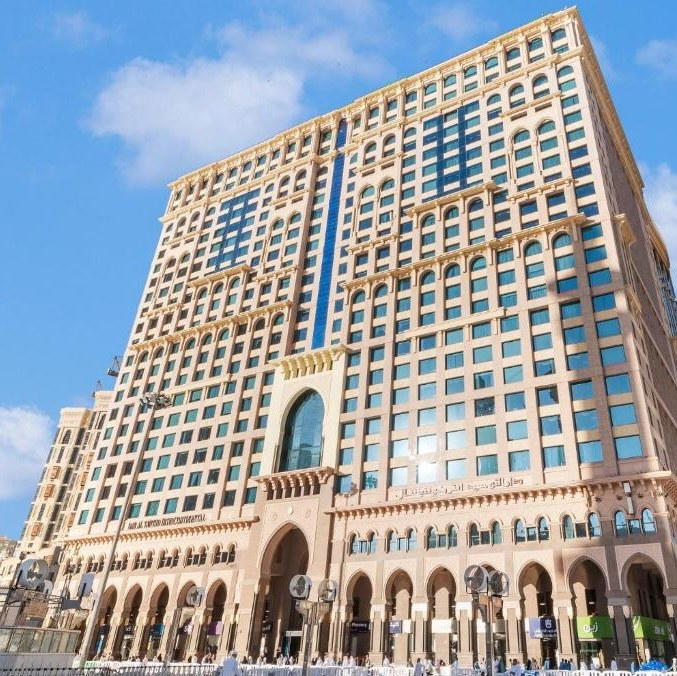
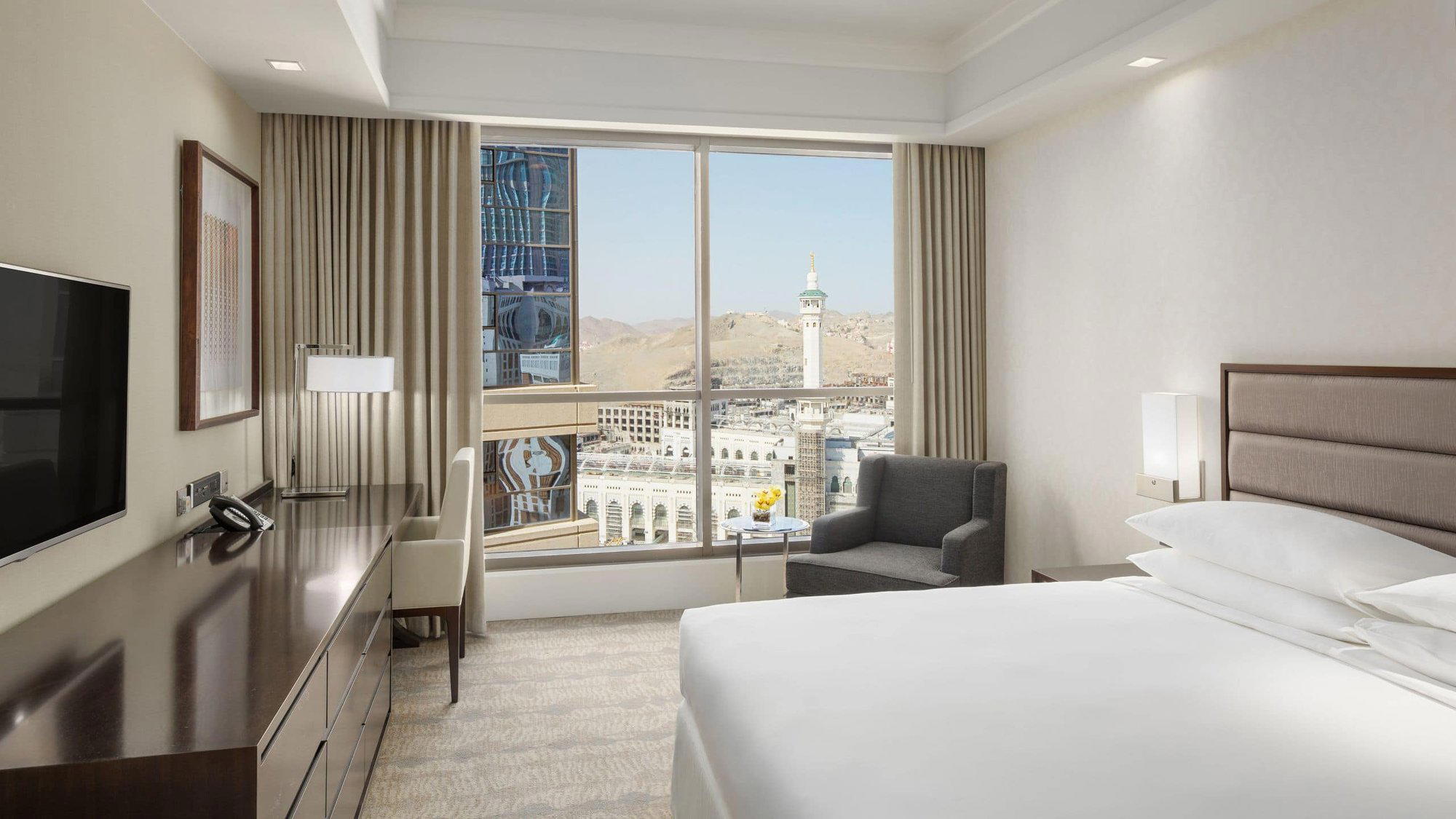
Details
- Casual Hangout
- After Work
- Solo
- Family
- Hotel Restaurant
- Standalone
- Zero Proof
- A La Carte
- Counter Dining
- Coffee
- Tea
- Soft Drinks
- Halal
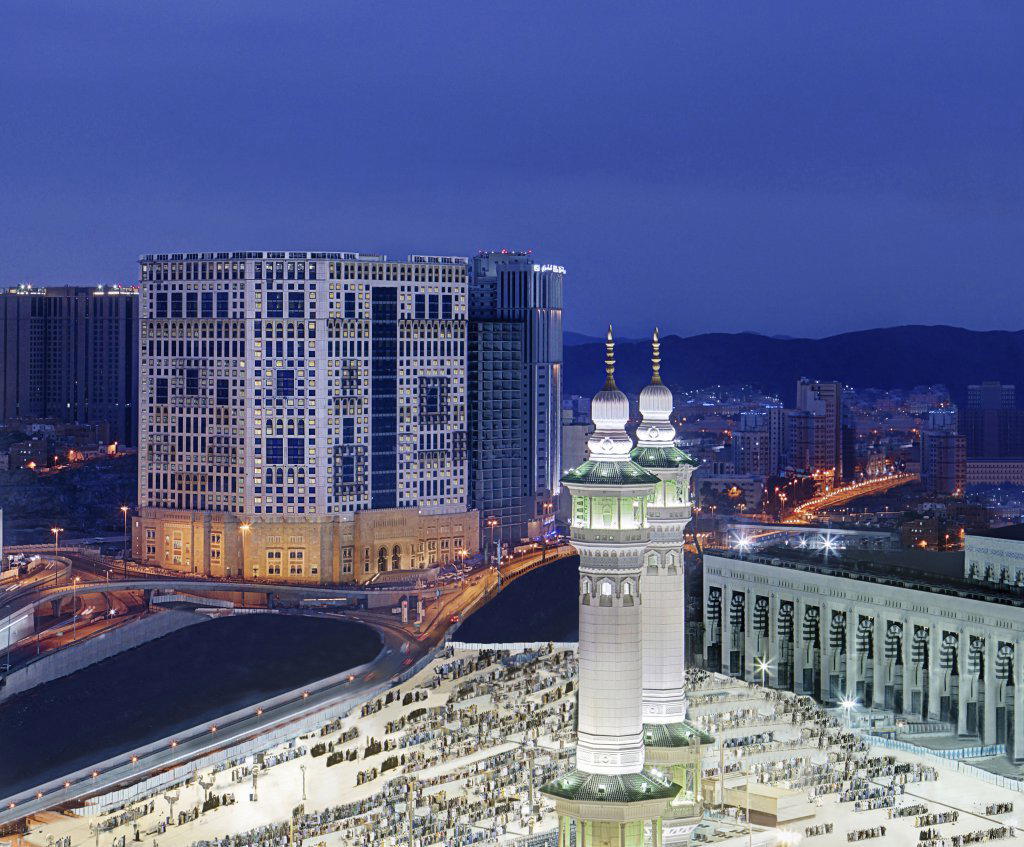
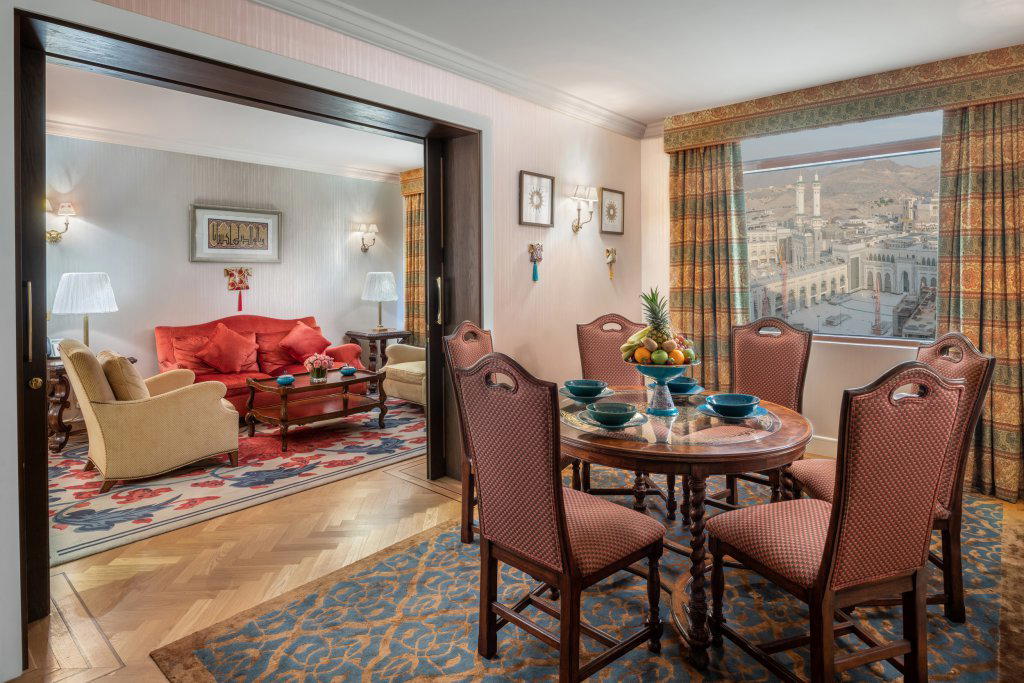
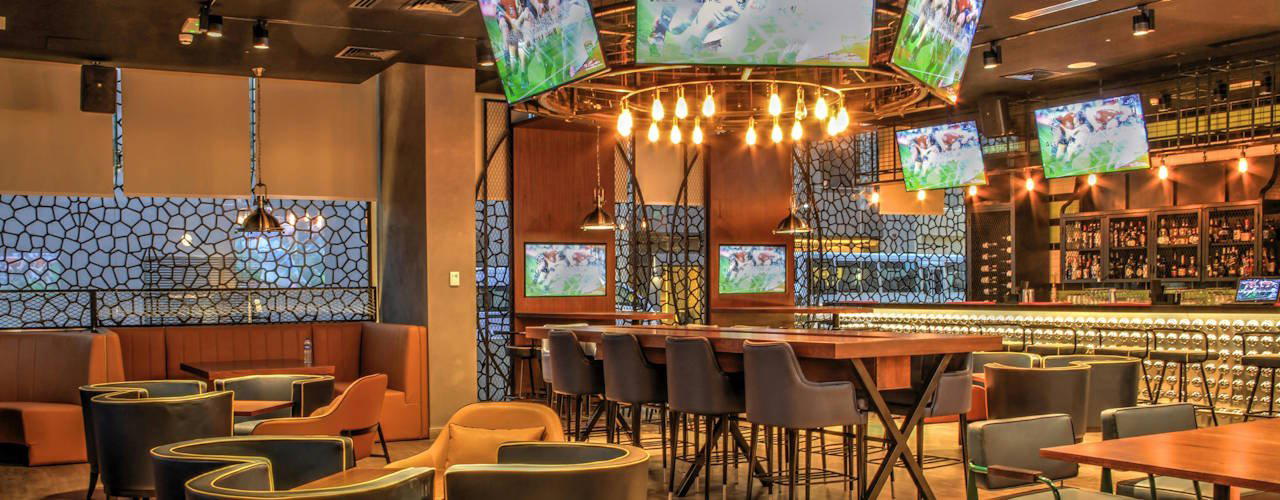
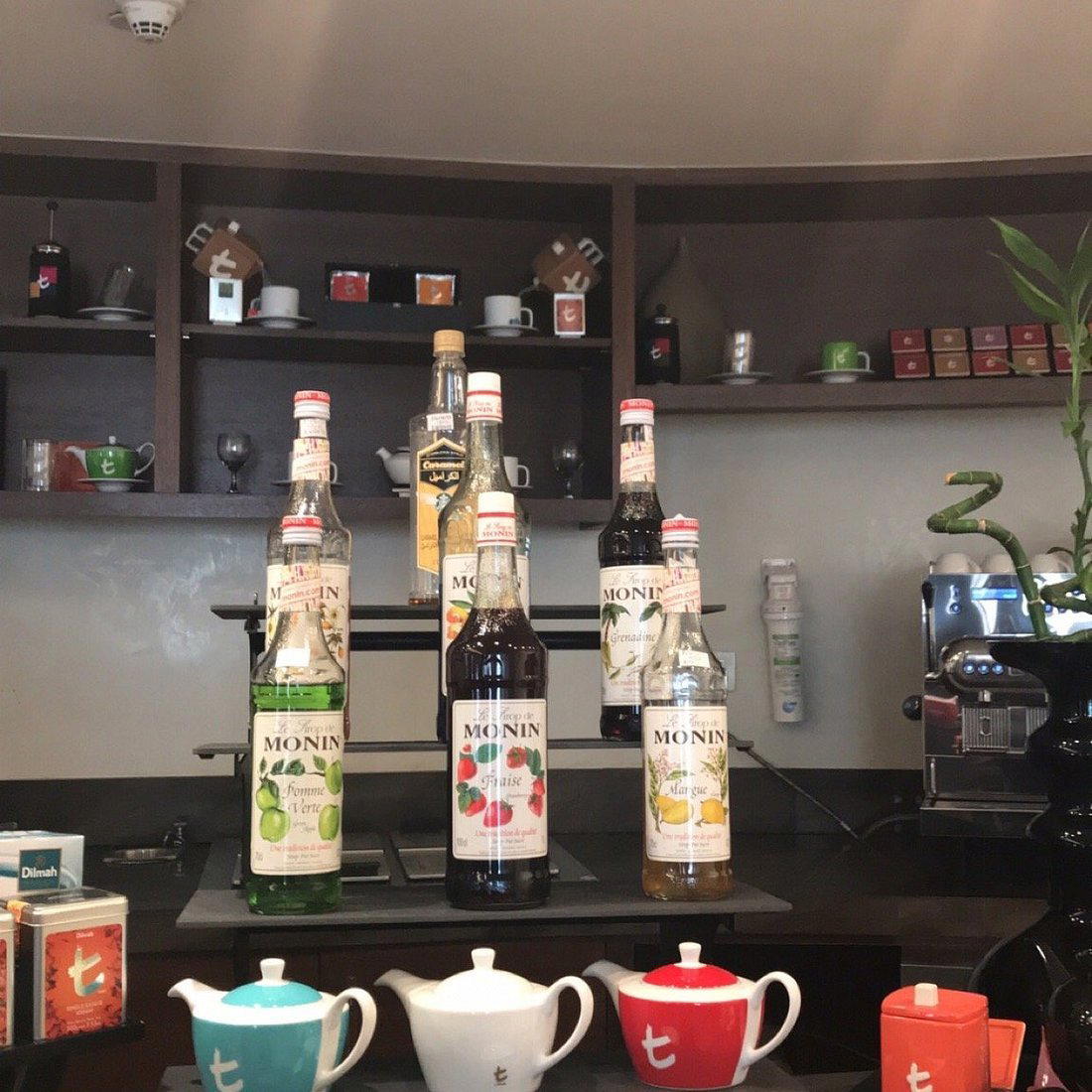
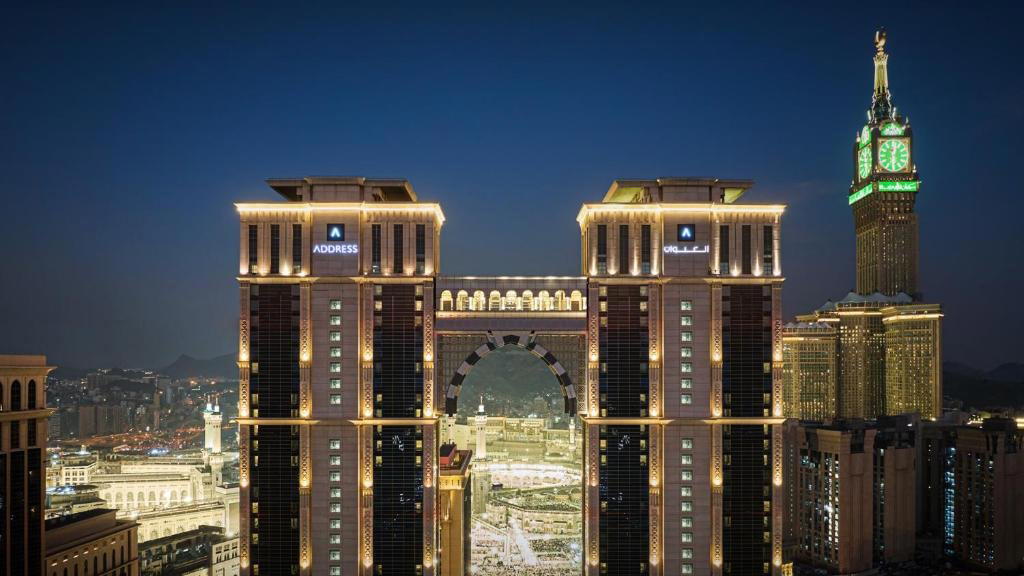
Casual hotel‑lobby cafe atmosphere designed for quick, comfortable breaks rather than destination dining, with a relaxed setting suited to hotel guests between prayers or during travel.