Al Dar
Our verdict
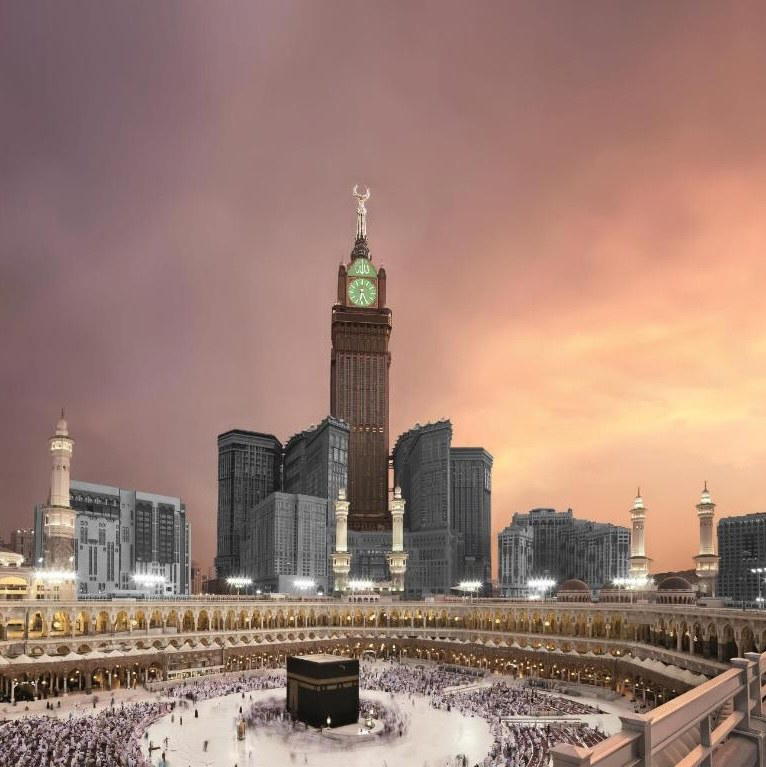
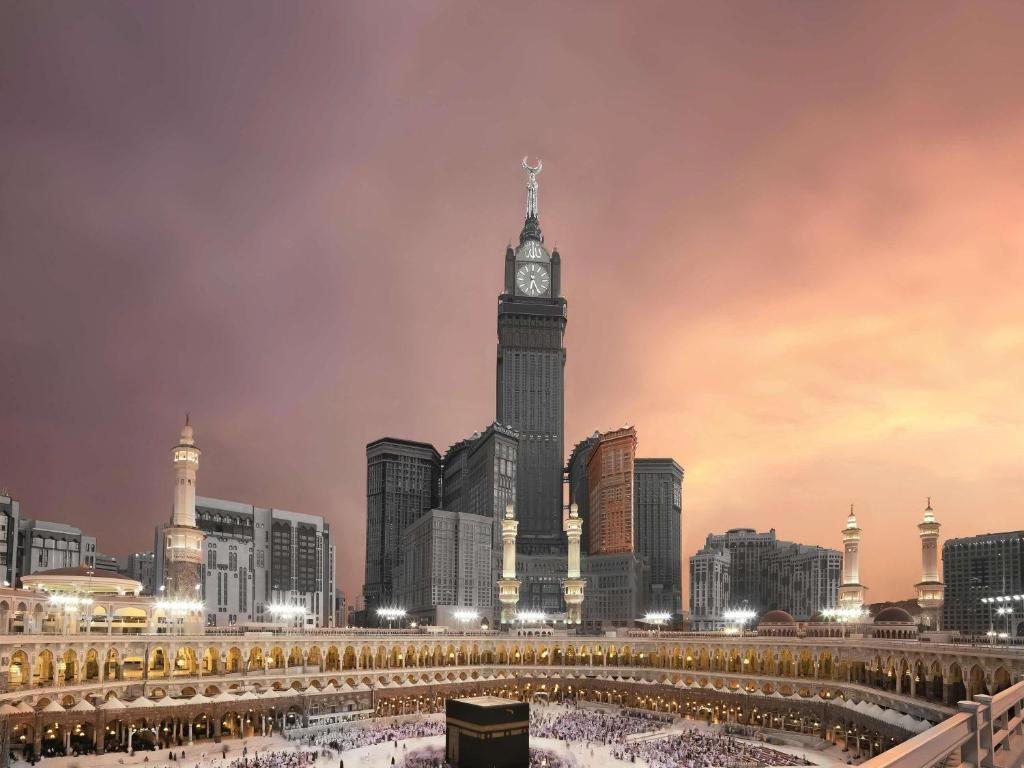
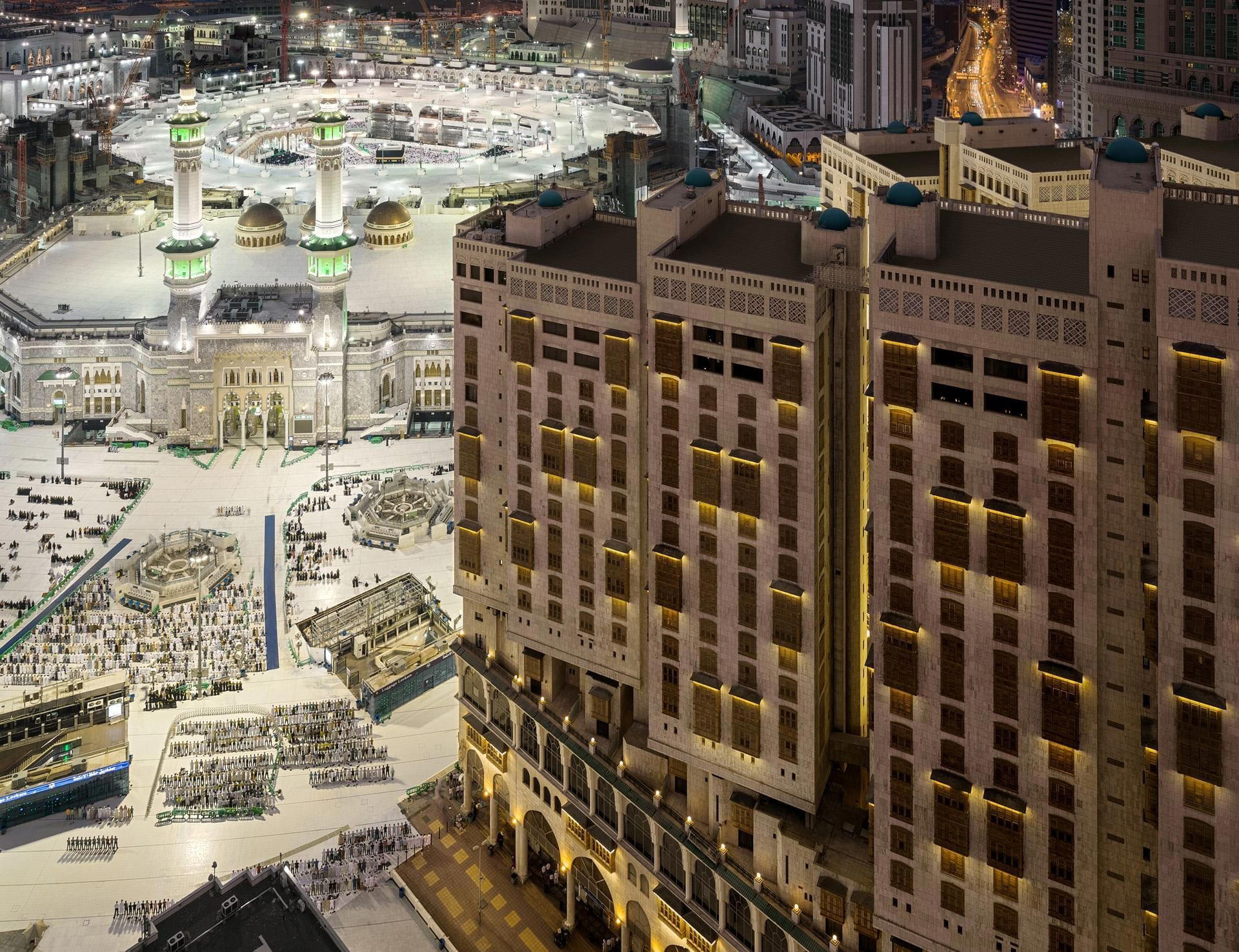
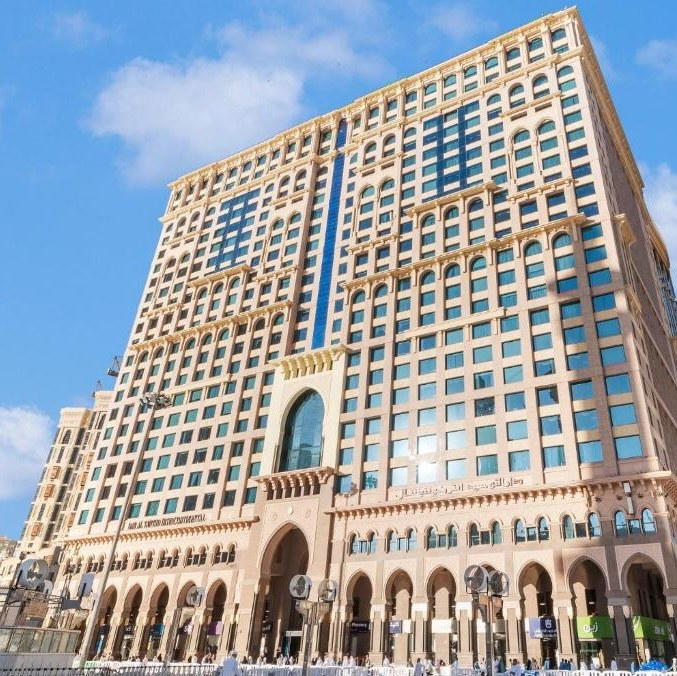
Al Dar sits in Makkah’s Central Area, where dining is shaped by pilgrimage rhythms, hotel corridors, and large mixed groups moving between prayer, rest, and meals. With no public awards, chef details, or menu format listed, the useful read is contextual: treat it as part of the city’s central dining fabric rather than a destination built around a named kitchen personality.

Pearl is the En Primeur Club membership app — saves, bookings, and concierge access live there. Same editors, same standards.
- Address
- CRCM+6FX, King Abdul Aziz - 38 Rd, Centeral Area، Makkah 24231, Saudi Arabia
- Phone
- +966 12 572 9513
- Directions
- Get directions
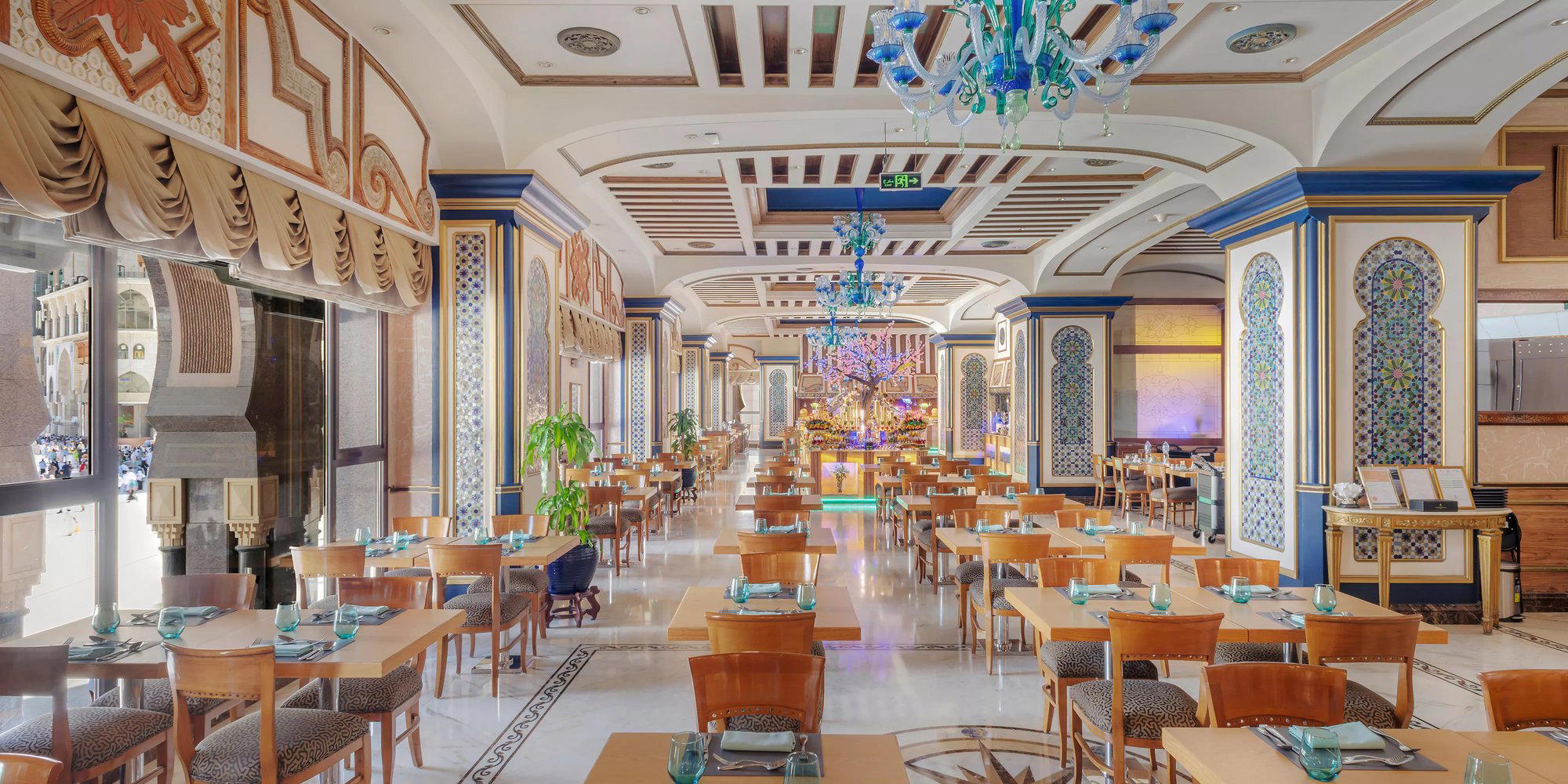
Approaching dining in Makkah is less about restaurant theatre than movement: families, pilgrims, hotel guests, and local workers crossing the same city with different clocks in mind. In that setting, dining has to do several jobs at once. It feeds groups with uneven appetites, absorbs late and early schedules, and sits close to religious purpose rather than nightlife or leisure ritual. Al Dar belongs to that practical urban pattern, where location and cultural fit matter more than chef mythology.
Makkah dining is built around pilgrimage tempo, not restaurant spectacle
The dining scene in Makkah differs sharply from restaurant districts in other Saudi destinations. Demand is seasonal, multilingual, and group-heavy, with meals often arranged around prayer times, hotel transfers, and the physical fatigue of pilgrimage. That changes the way restaurants are judged. A polished tasting-menu structure or a celebrity chef narrative carries less weight here than accessibility, ease for families, and a format that can handle guests arriving with practical priorities.
That context also explains why many useful Makkah restaurants are difficult to assess through the usual luxury-dining signals. The public record provided here establishes Al Dar as a Makkah restaurant, but it does not establish a chef credit, published seat count, or formal cuisine category, so the smarter read is not to force it into a fine-dining frame. Makkah is better understood as a hospitality city where restaurants serve a dense, transient population. In that environment, a venue’s relevance often comes from its place in the city’s daily religious and logistical flow.
For a wider scan of the city, Our full Makkah restaurants guide is the useful starting point. Nearby names such as Aja, Al Dira, Atyaf, Lezzet, and Mazedar show how the city’s restaurant map is often read by proximity and purpose before culinary taxonomy. That is not a weakness; it is the operating logic of Makkah.
Makkah meals carry cultural weight through function
In many Saudi cities, hospitality is expressed through abundance, seating flexibility, and the ability to accommodate families without ceremony. In Makkah, that tradition intersects with pilgrimage. Meals are not only social occasions; they are part of managing energy, elders, children, and groups moving together through a demanding itinerary. The cultural value sits in reliability and fit rather than in staged novelty.
Al Dar’s position in Makkah places it inside that tradition. Without named dishes or a listed cuisine type, it would be careless to claim a specific regional repertoire. What can be said is that restaurants in this city are judged against a particular brief: they need to make sense for mixed parties, varied meal times, and guests who may be choosing on location after a long day rather than researching weeks ahead. In a city where the religious calendar shapes footfall, that brief is serious.
Saudi dining outside Makkah gives useful contrast. Fast-service venues, heritage dining rooms, destination-travel restaurants, and café-led formats all follow different hospitality rhythms. Makkah is its own category: religious density shapes the meal before cuisine branding does.
How to place Al Dar in a Makkah itinerary
The case for Al Dar is strongest for travellers already orienting themselves around Makkah and looking for a restaurant that fits the cadence of the city rather than a separate dining pilgrimage.
That distinction matters for planning. Visitors building a broader stay should pair restaurant decisions with hotel location, prayer schedules, and the composition of the travelling party. Our full Makkah hotels guide helps frame that accommodation-first logic, while Our full Makkah experiences guide places dining inside the wider rhythm of the city. Other Makkah category coverage is useful mainly as an editorial signpost: Makkah’s hospitality culture is not organized around alcohol-led leisure in the way many global city guides are.
For readers comparing Saudi and international dining formats, the contrast is instructive. Other casual and highly specialized restaurant models can be built around imported formats or narrow cuisine identity. Makkah asks a different question: does the meal work for the moment, the group, and the city’s religious tempo?
That makes Al Dar a sensible inclusion for Makkah travellers who value fit over spectacle. For additional regional context, other EP Club restaurant coverage can offer broader comparisons in how place, memory, and dining format intersect.
Frequently asked questions
Is Al Dar okay with children?
Al Dar’s location in Makkah makes it a practical choice for family groups moving through the city. In this part of Saudi hospitality, restaurants are often built around group dining and flexible pacing rather than formal service.
What's the overall feel of Al Dar?
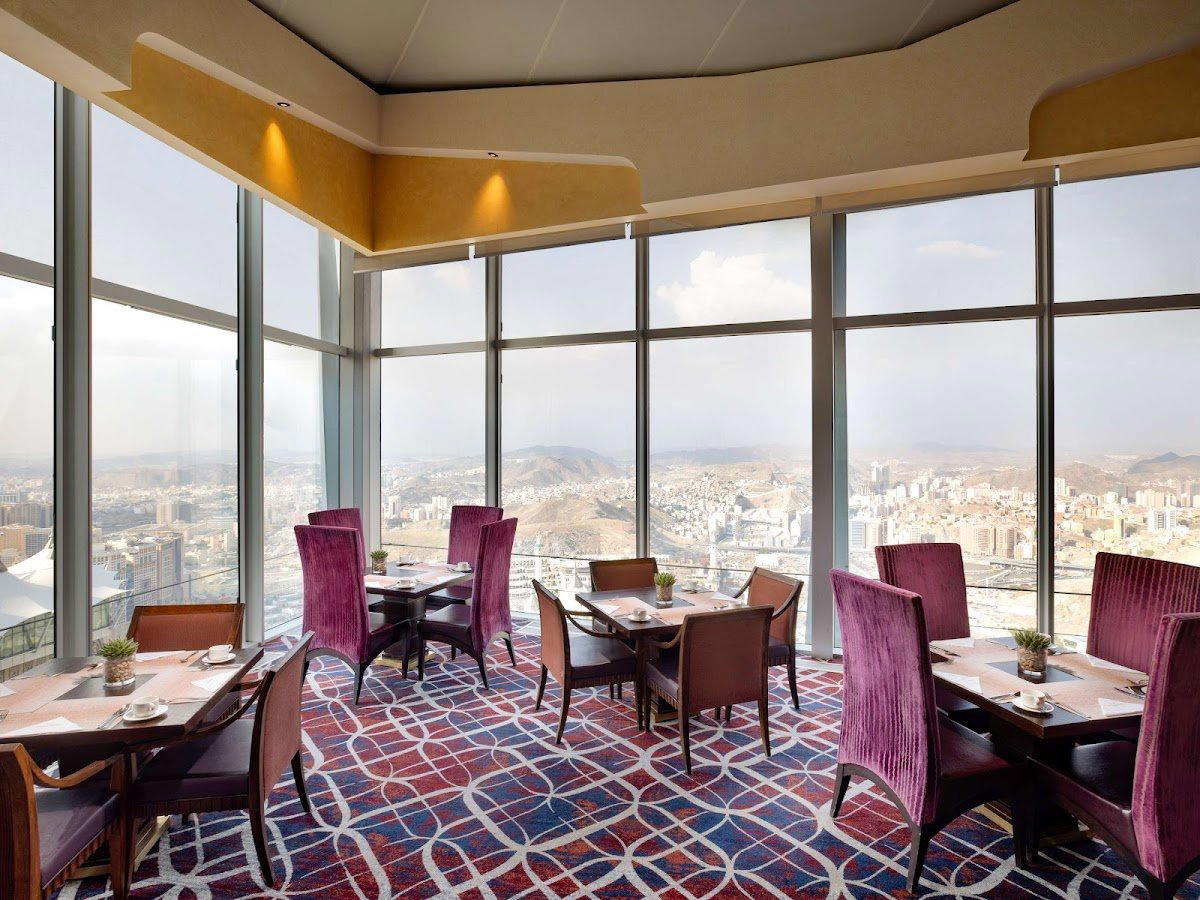
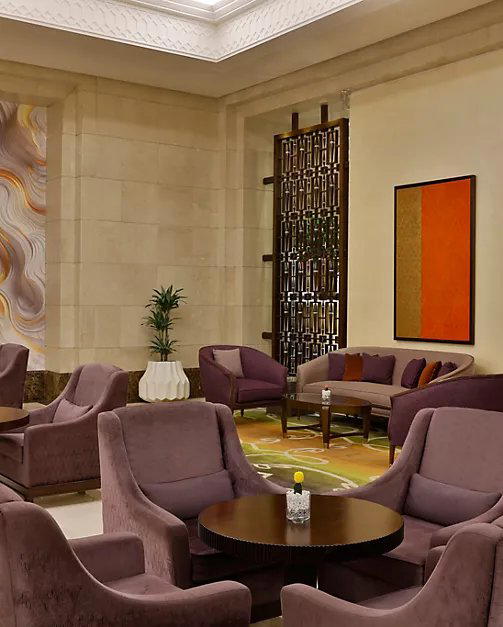
Expect a functional restaurant in Makkah rather than a polished dining-room experience. The setting points to a venue shaped by transit, meal breaks, and mixed-language foot traffic.
What's the address for Al Dar?
Al Dar is located in Makkah.
How far ahead should I plan for Al Dar?
Plan around prayer times, peak meal windows, and the heavier flow that comes with Makkah. Check the venue's official channels for the latest details.
What makes Al Dar worth seeking out?
Al Dar is in Makkah, which is the point for travellers who want a restaurant that fits the city’s practical dining rhythm. That location is the main draw: it suits pilgrimage traffic, group movement, and meals planned around the wider cadence of the city.
Price and Positioning
Nearby venues at a similar price tier for orientation.
Details
- Quiet
- Classic
- Cozy
- Solo
- Family
- Group Dining
- Casual Hangout
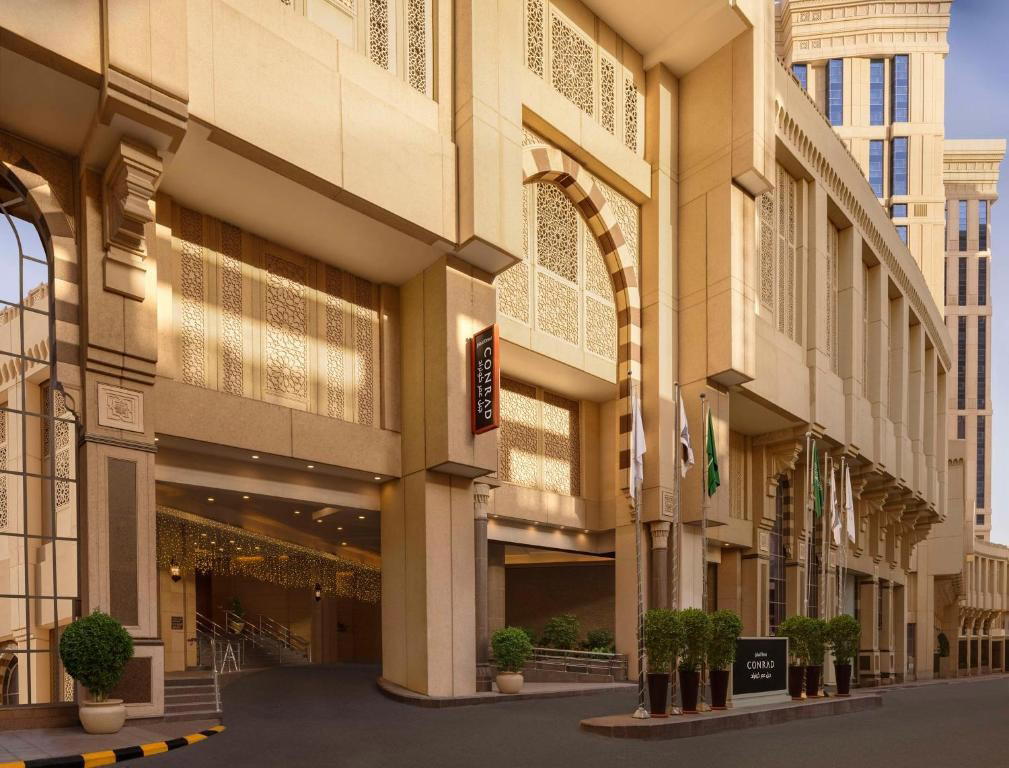
- Hotel Restaurant
- A La Carte
- Halal
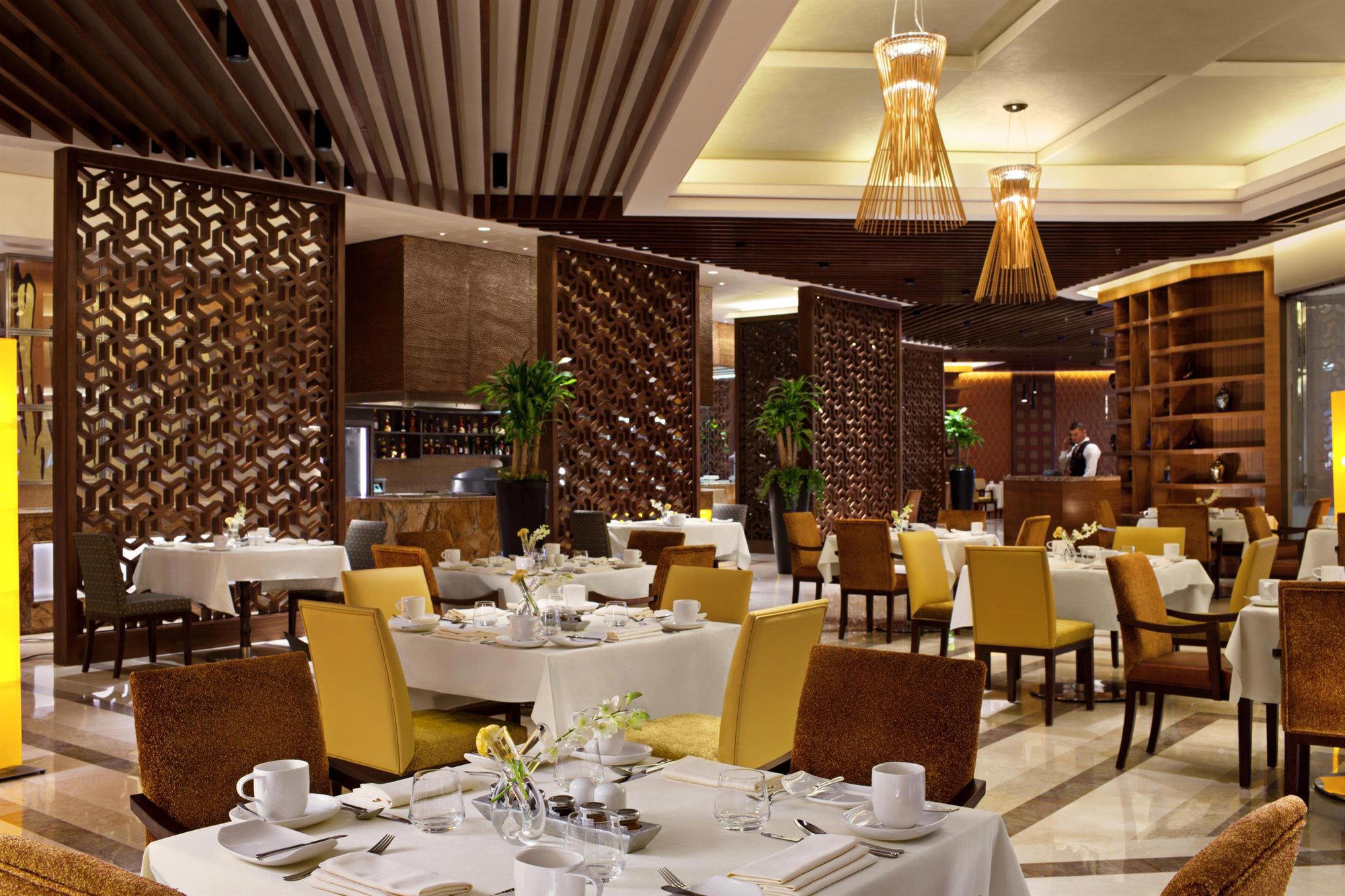
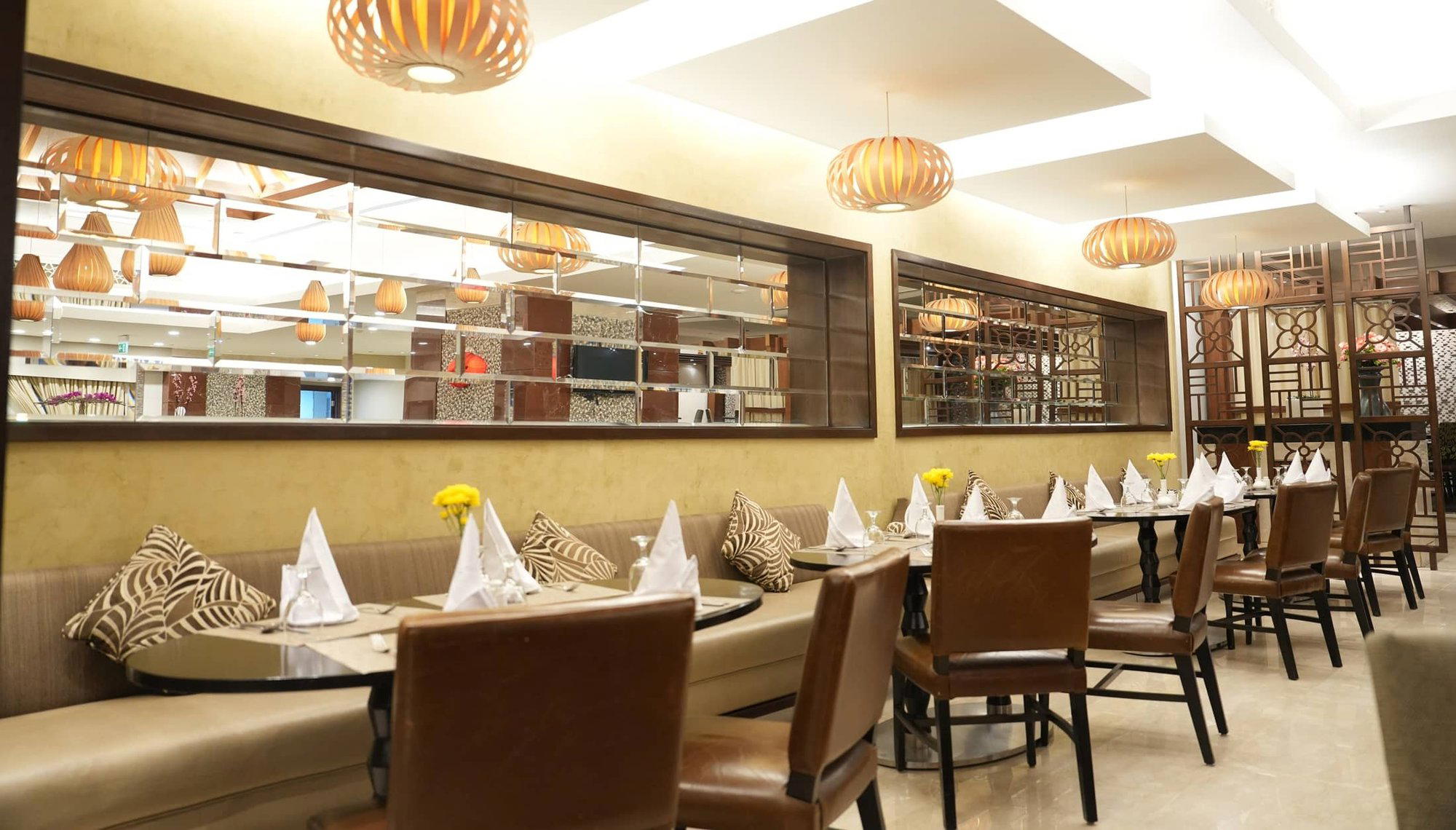
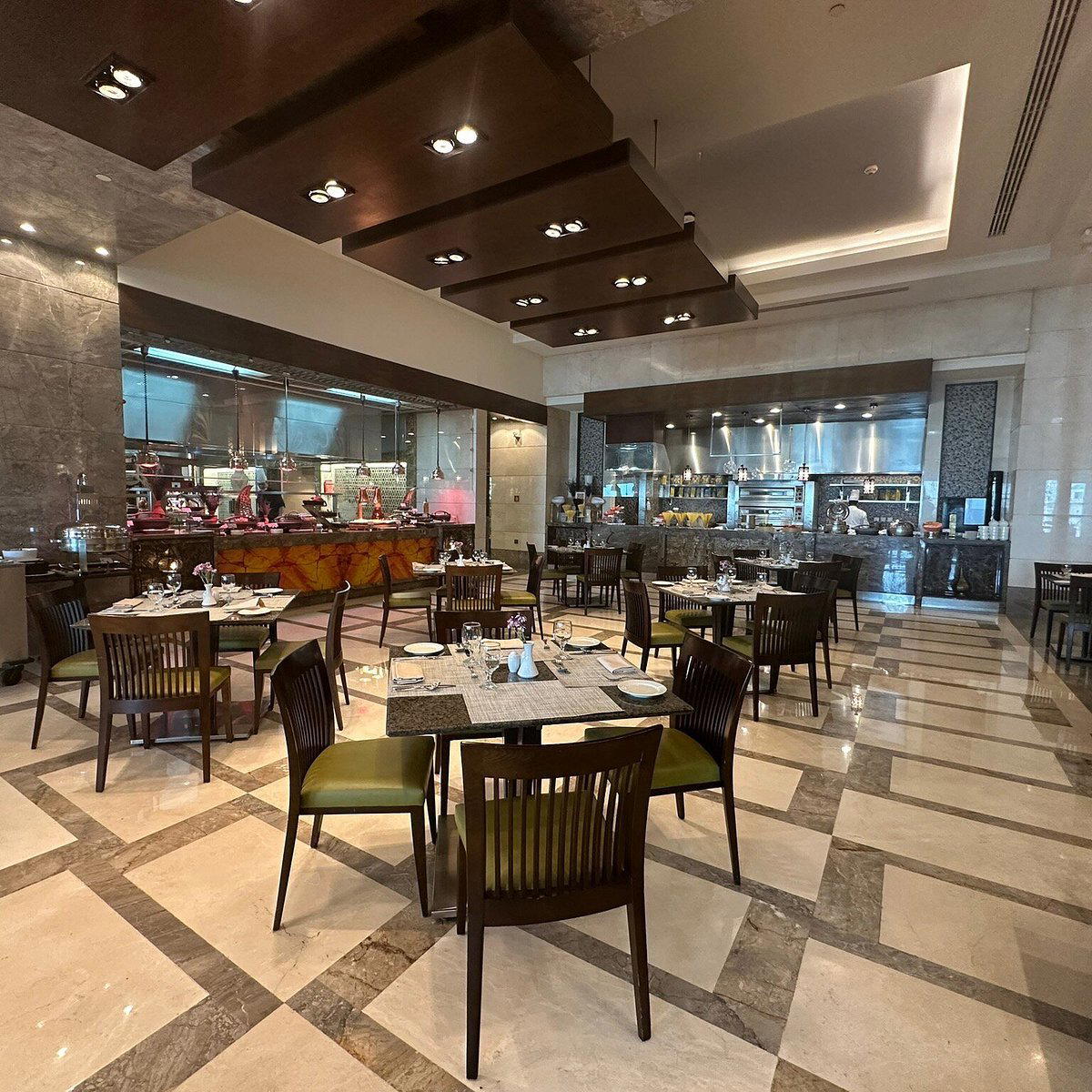
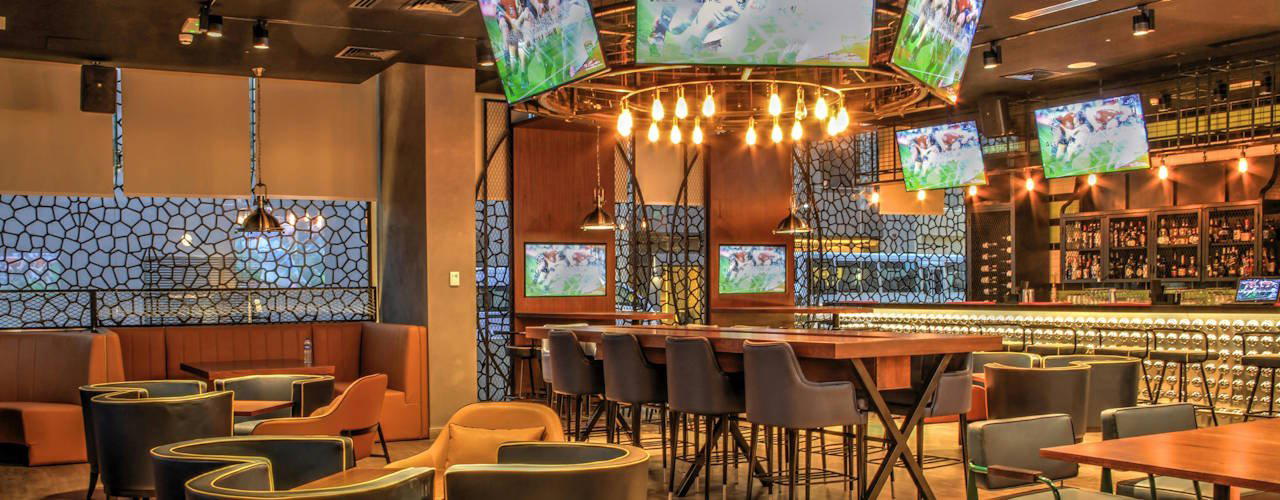
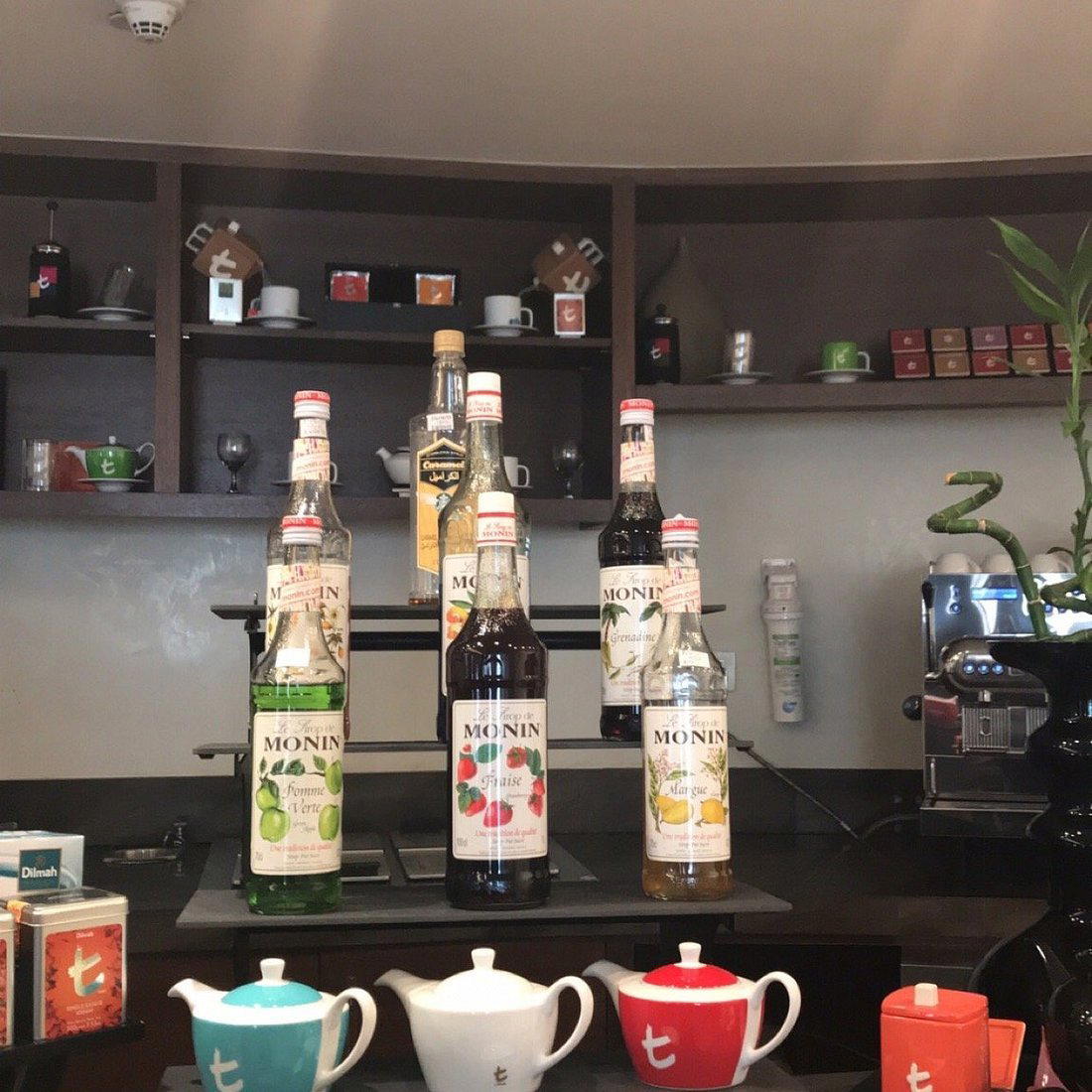
Comfortable, simple, and practical, with guest comments highlighting friendly staff and an in-house cafe rather than a destination dining atmosphere.