On Rue Gambetta in central Biarritz, Bistrot du Haou occupies the kind of address where locals eat without consulting a guide. The format follows the bistrot tradition that underpins the Basque Coast's mid-tier dining scene: a focused menu, unhurried pacing, and a room that fills early with regulars. For visitors accustomed to the city's more formal tables, it offers a different and equally revealing register of how this part of France actually eats.
Pearl is the En Primeur Club membership app — saves, bookings, and concierge access live there. Same editors, same standards.
- Address
- 43 Rue Gambetta, 64200 Biarritz, France
- Phone
- +33559241884
- Website
- facebook.com
- Directions
- Get directions
 Saves & bookings on Pearl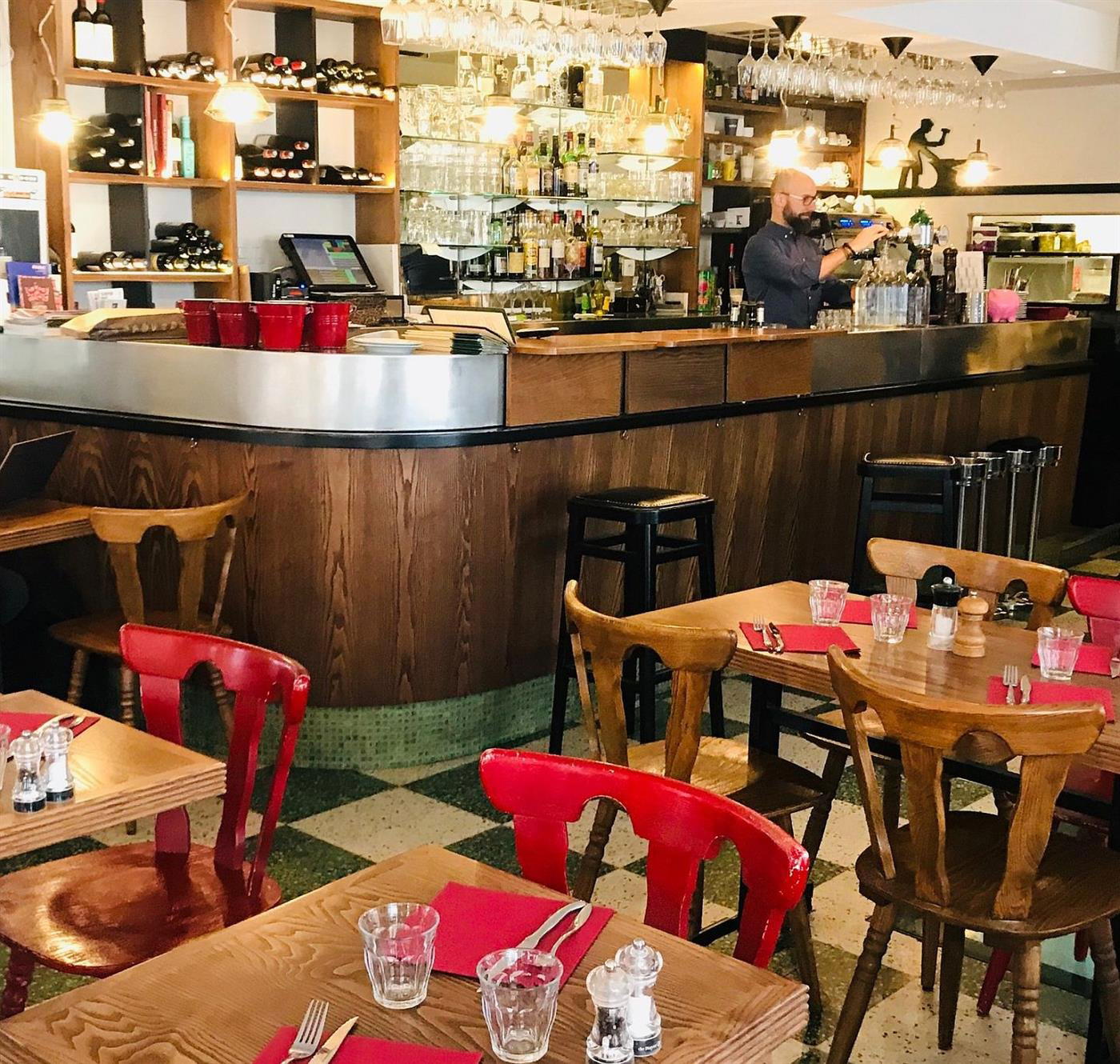
Rue Gambetta and the Bistrot Tradition
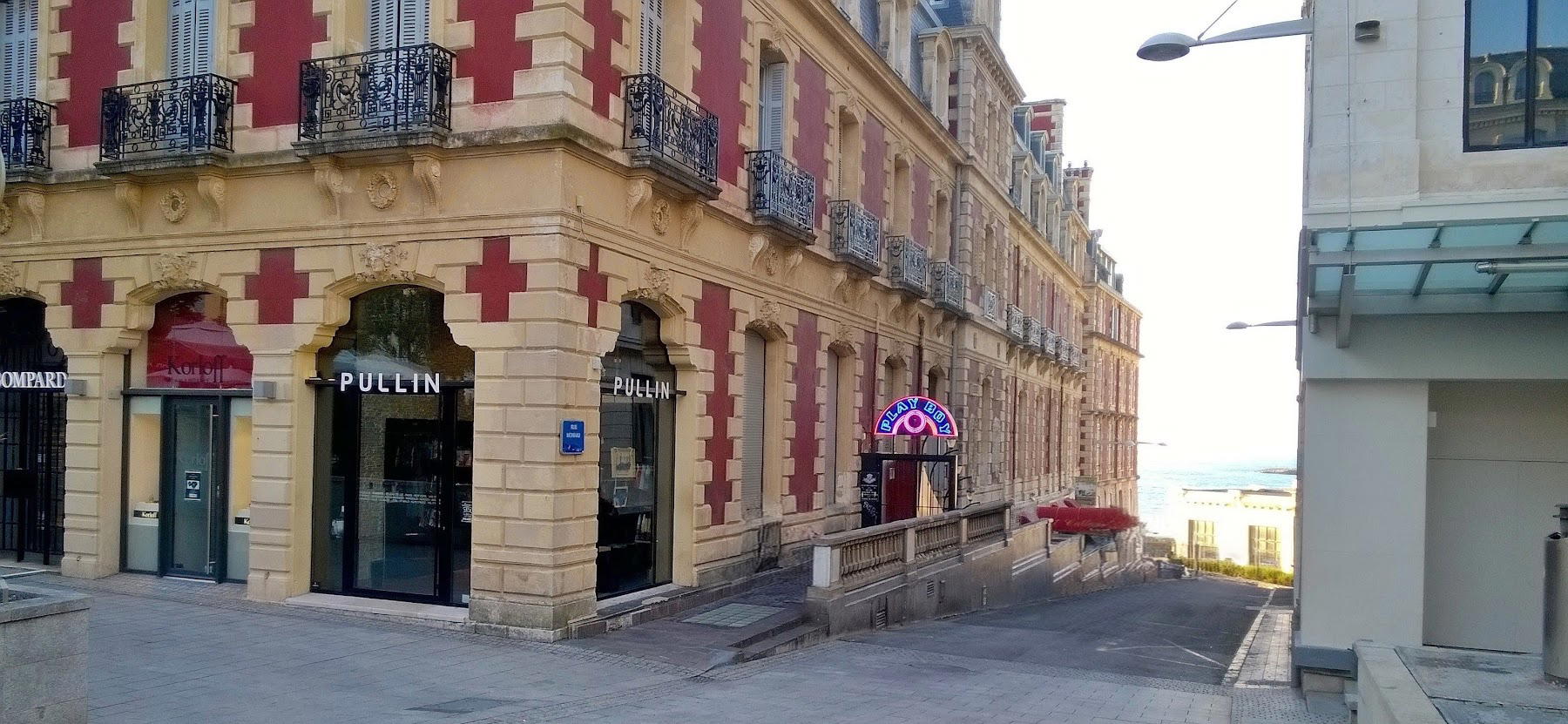
Biarritz has a well-documented split in its restaurant offering. At one end sit the gastronomic addresses, places like L'Impertinent and La Table d'Aurélien Largeau, where tasting menus and formal service define the experience. At the other end, the bistrot format has remained stubbornly vital, operating on shorter menus, faster turnover, and a room dynamic that prioritises the regular over the tourist. Bistrot du Haou, a French-Basque Bistro in Biarritz, sits at 43 Rue Gambetta, where the street functions more as a working neighbourhood artery than a tourist corridor. That address matters. Rue Gambetta is where you find butchers, pharmacies, and cafés that don't adjust their tempo for seasonal visitors. A bistrot here is not performing authenticity; it is part of the fabric.
The bistrot tradition in the Basque Country carries its own particular logic. Unlike the brasseries of Bordeaux or the wine-bar-adjacent bistros of Paris, the southwest French version tends to pull from the larder directly: duck, lamb from the hills, fish from the nearby Atlantic ports, and a cheese course that treats the local product as a matter of course rather than a selling point. Across the French border, the Basque pintxos culture adds a further layer of influence, reinforcing a habit of eating sociably and without ceremony. Bistrot du Haou operates inside that tradition, in a city where even the more formally ambitious tables, like Les Rosiers and AHPĒ, acknowledge the Basque pantry as the starting point.
How the Meal Unfolds
In bistrot format, the rhythm of the meal is itself a kind of editorial statement. There is no amuse-bouche sequence, no interstitial bread course engineered to set a tempo. You arrive, you read a compact menu, you order. The absence of ceremony is not a shortcut; it is the point. The Basque Country's mid-register dining culture has long resisted the inflation of the dining ritual that became fashionable in metropolitan French cooking during the 1990s and 2000s. Where a gastronomic room like Mirazur in Menton or Alléno Paris au Pavillon Ledoyen builds meaning through accumulated technique and presentation, a bistrot builds it through compression: the quality of the produce has to carry the dish without architectural support.
That compression creates a different kind of attention in the diner. You notice the sauce, the seasoning, whether the fish was salted correctly, whether the terrine has balance. There is no distraction in the form of tweezed garnish or tableside theater. This is, in its own way, a more demanding format for the kitchen, and it is one reason why the better bistrot tables in southwest France have accumulated loyal local followings rather than tourist-facing accolades. The room at addresses like this fills early on weekday evenings with people who have eaten there before and will eat there again.
Biarritz Mid-Tier Dining in Context
Biarritz's dining scene has shifted over the past decade. The city's reputation as a resort destination, sustained by surf culture and its pre-war history as a destination for European royalty, once pushed the restaurant market toward either luxury hotels or casual beach-adjacent eating. The middle ground, the range occupied by competent, ingredient-led bistrot and neighbourhood restaurants, is more populated now than it was fifteen years ago. Places like Aiete represent part of that expansion. Bistrot du Haou operates in the same price tier as the city's other accessible mid-range tables, a bracket that in Biarritz typically means a two-course lunch or a three-course dinner without the formality or price point of the gastronomic rooms.
For comparison: in the broader French regional context, the tradition of serious cooking at mid-range prices has deep roots. Establishments like Bras in Laguiole and Auberge de l'Ill in Illhaeusern represent the gastronomic apex of regional French cooking, but the tradition they sit atop was built by generations of bistrot and auberge cooks who treated regional produce as the primary material. Les Prés d'Eugénie in nearby Eugénie-les-Bains offers a further point of regional reference for how southwest France has approached the relationship between terroir and dining format across different price levels. The bistrot is not a lesser version of that tradition; it is an earlier and often more direct expression of it.
Who Eats Here and When
The clientele at a Rue Gambetta address in Biarritz tends to be a mix of local professionals, families, and visiting French tourists who know the town well enough to eat off the main drag. The seasonal pattern in Biarritz follows surf and school calendars: July and August bring the highest volume of visitors, and competition for tables at the better mid-range addresses increases accordingly. The shoulder months, particularly September and October, when the surf remains good and the summer crowds have thinned, offer particularly comfortable conditions for eating across the city's bistrot tier. Those months also tend to bring the autumn produce into the kitchen: mushrooms, game, and the first chestnuts from the Basque interior.
For broader orientation on where Bistrot du Haou sits within Biarritz's full restaurant offering, the EP Club Biarritz restaurants guide maps the city's dining by format and price. Further afield, anyone building a touring itinerary through France's gastronomic regions might use tables like Flocons de Sel in Megève, Troisgros in Ouches, Georges Blanc in Vonnas, or Paul Bocuse's Auberge du Pont de Collonges as anchors, with the southwest bistrot tier representing the counterpoint to those formal institutions. Internationally, the bistrot format finds parallels in the approach taken by restaurants like Le Bernardin in New York and Lazy Bear in San Francisco in their respective commitments to letting the primary ingredient lead, even if the format and price point differ considerably. And La Table du Castellet in Provence offers another regional French reference point for understanding how southern French kitchens handle produce-first cooking at different scales.
Planning Your Visit
The restaurant is at 43 Rue Gambetta, 64200 Biarritz. As with most bistrot-format addresses in the city, arriving without a reservation on summer evenings carries real risk; the room fills fast and without the buffer of staggered multi-hour tasting menu seatings. For weekday lunches and off-season visits, the calculus is more relaxed. Biarritz's centre is walkable, and Rue Gambetta is accessible on foot from most of the city's central accommodation.
Cuisine and Credentials
Comparable venues nearby, for context on price, style, and recognition.
| Venue | Cuisine | Price | Notes |
|---|---|---|---|
| Bistrot du HaouThis venue — the venue you are viewing | French-Basque Bistro | $$ | Not listed |
| Etxola Bibi | Casual Coastal Basque Bistro | $$ | Côte des Basques |
| Restaurant LMB | French Basque Bistro | $$ | near Grand Plage |
| Le Marion | Traditional French Bistro | $$ | Hippodrome |
| Aiete | Modern Basque Fusion | $$$ | Bibi-Beaurivage |
| Marloe Biarritz | Modern Basque Bistronomie | $$$ | Avenue du Président J.F. Kennedy |
At a Glance
- Cozy
- Classic
- Intimate
- Rustic
- Date Night
- Casual Hangout
- Group Dining
- Family
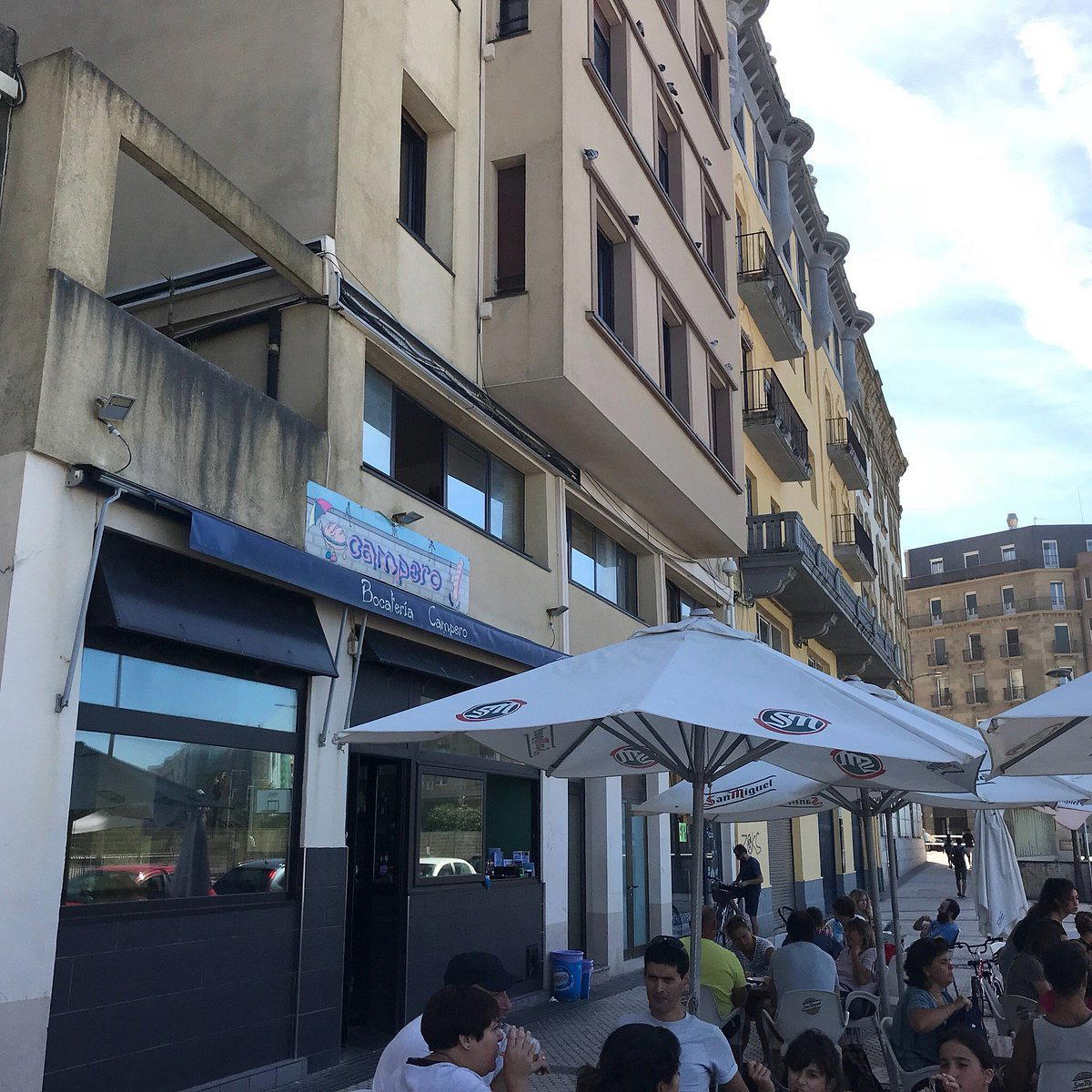
- Terrace
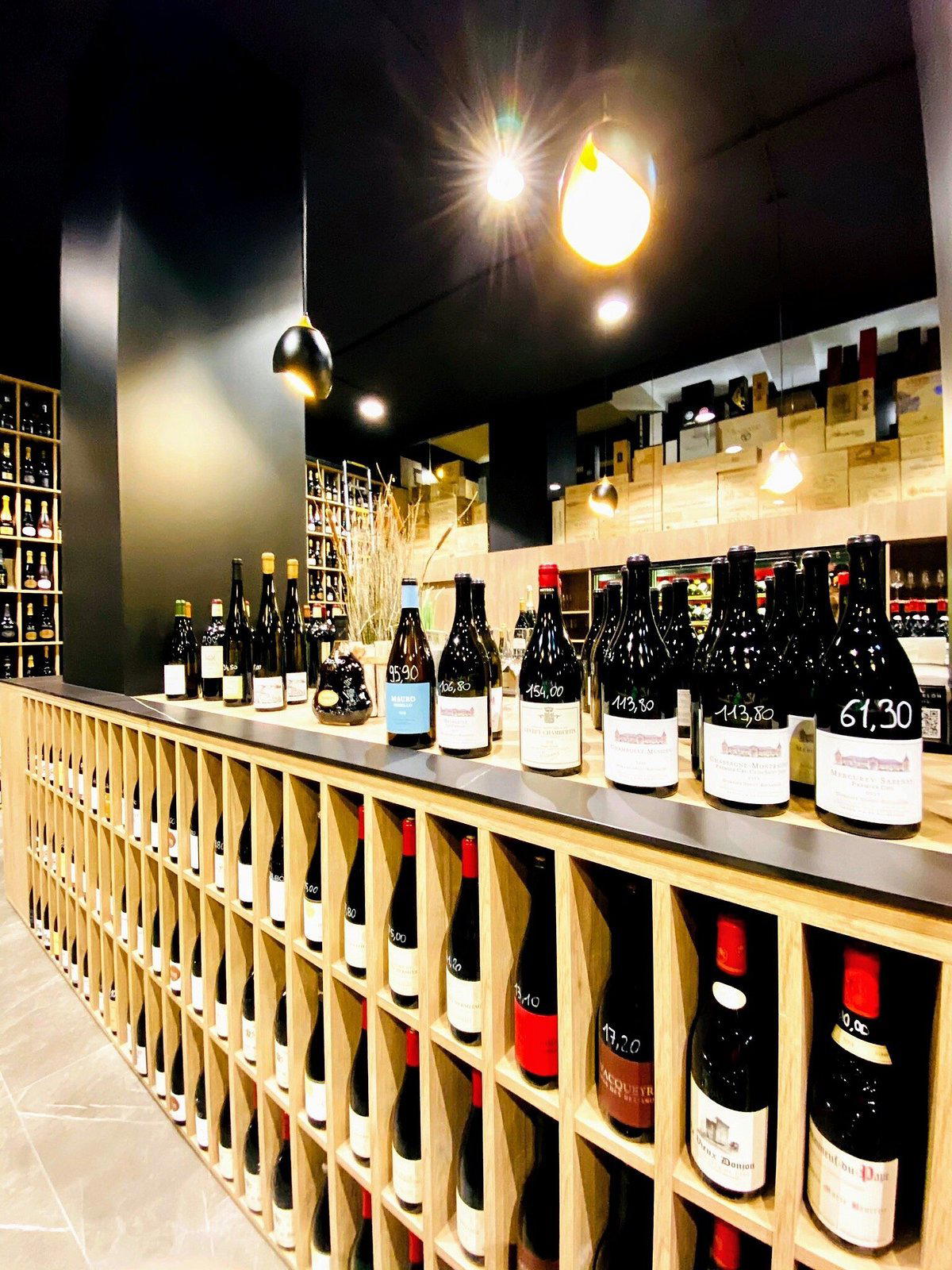
- Wine Cellar
- Extensive Wine List
- Local Sourcing
Current opening hours
- Monday
- Closed
- Tuesday
- 8:30 AM–2 PM, 7:30–9:30 PM
- Wednesday
- 8:30 AM–2 PM, 7:30–9:30 PM
- Thursday
- 8:30 AM–2 PM, 7:30–9:30 PM
- Friday
- 8:30 AM–2 PM, 7:30–9:30 PM
- Saturday
- 8:30 AM–2 PM, 7:30–9:30 PM
- Sunday
- Closed
Hours can change for holidays and private events. Last verified .
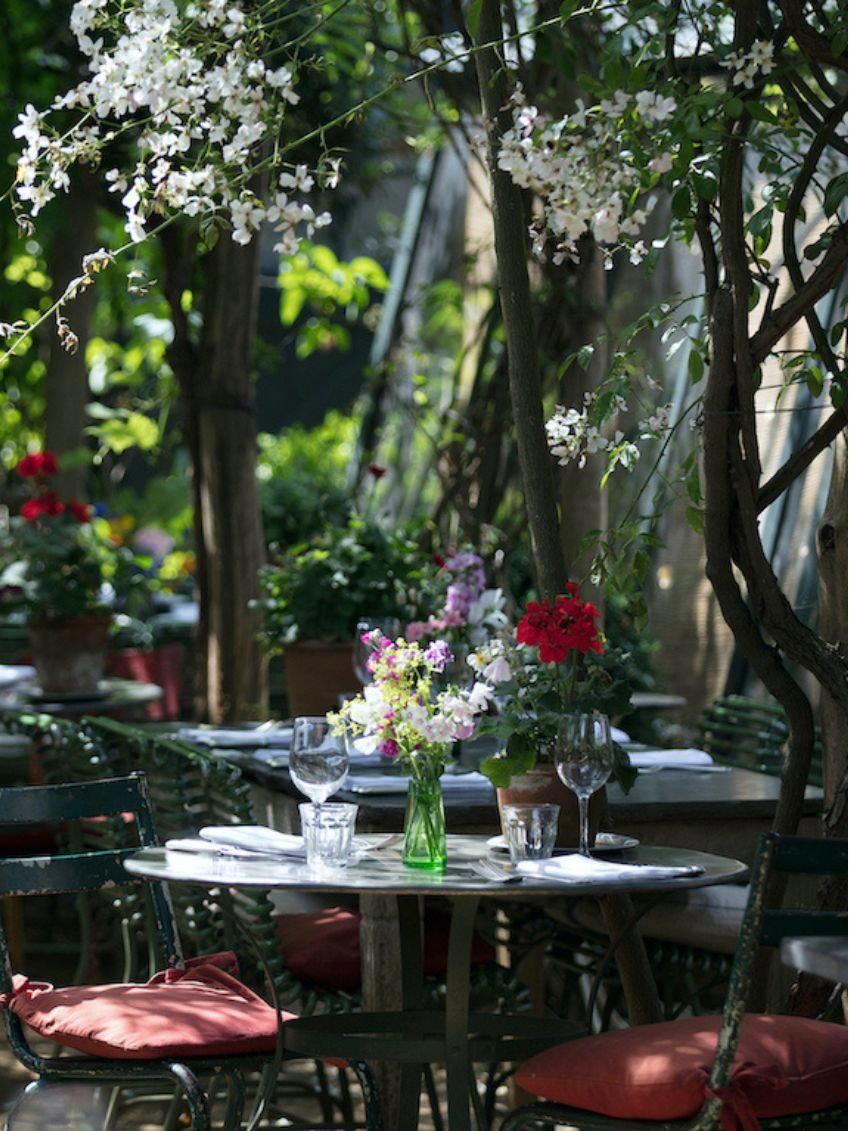
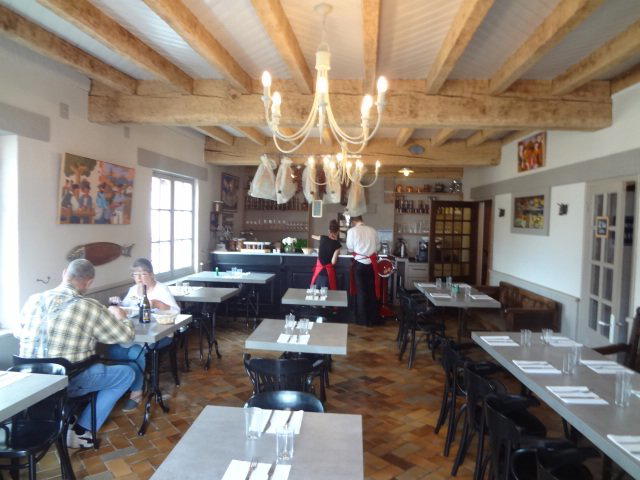
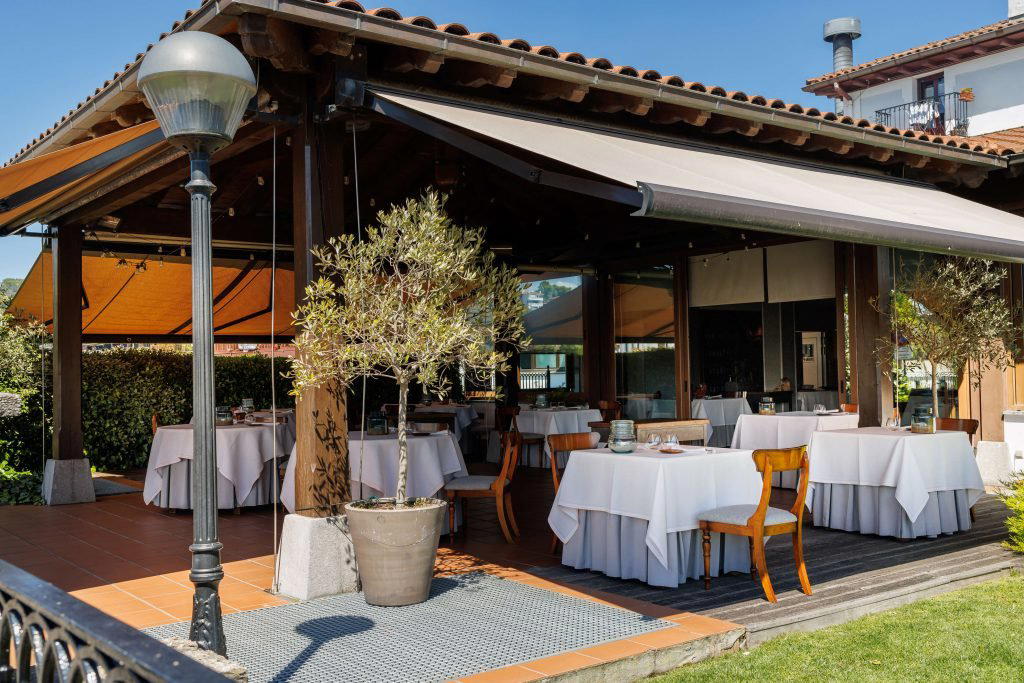
Warm and inviting with vintage wooden tables, period tilework, and elegant bistro-chic décor; natural sunlight floods the sunny terrace during the day, creating a gracious and intimate atmosphere.