Bidou

Michelin Plate
Our verdict
Bidou in Bukit Damansara revisits the classical nouvelle cuisine movement through a focused 3- or 4-course set menu that references culinary figures like Paul Bocuse. Chef Darren Teoh, known for his work at Dewakan, takes a deliberately retrospective approach here, with dishes such as threadfin and scallop mousse baked en croûte alongside a wine list offering more than 30 by-the-glass selections.

Pearl is the En Primeur Club membership app, where members save venues, book tables and use the concierge.
The menu
What to order
- Loup de mer en croûte de Monsieur Paul Bocuse
- Salade gourmand de Michel Guerard
- Langue de boeuf Provencal
A Restaurant Built Around a Counter-Argument
Kuala Lumpur's fine dining conversation has tilted heavily toward innovation over the past decade. The restaurants drawing the most international attention, among them Dewakan with its two Michelin stars and its programme of Malaysian ingredient research, have framed ambition as forward motion. Against that backdrop, a restaurant that asks whether the French nouvelle cuisine movement of the 1970s still has something to teach is, in this city at this moment, a deliberate and considered provocation.
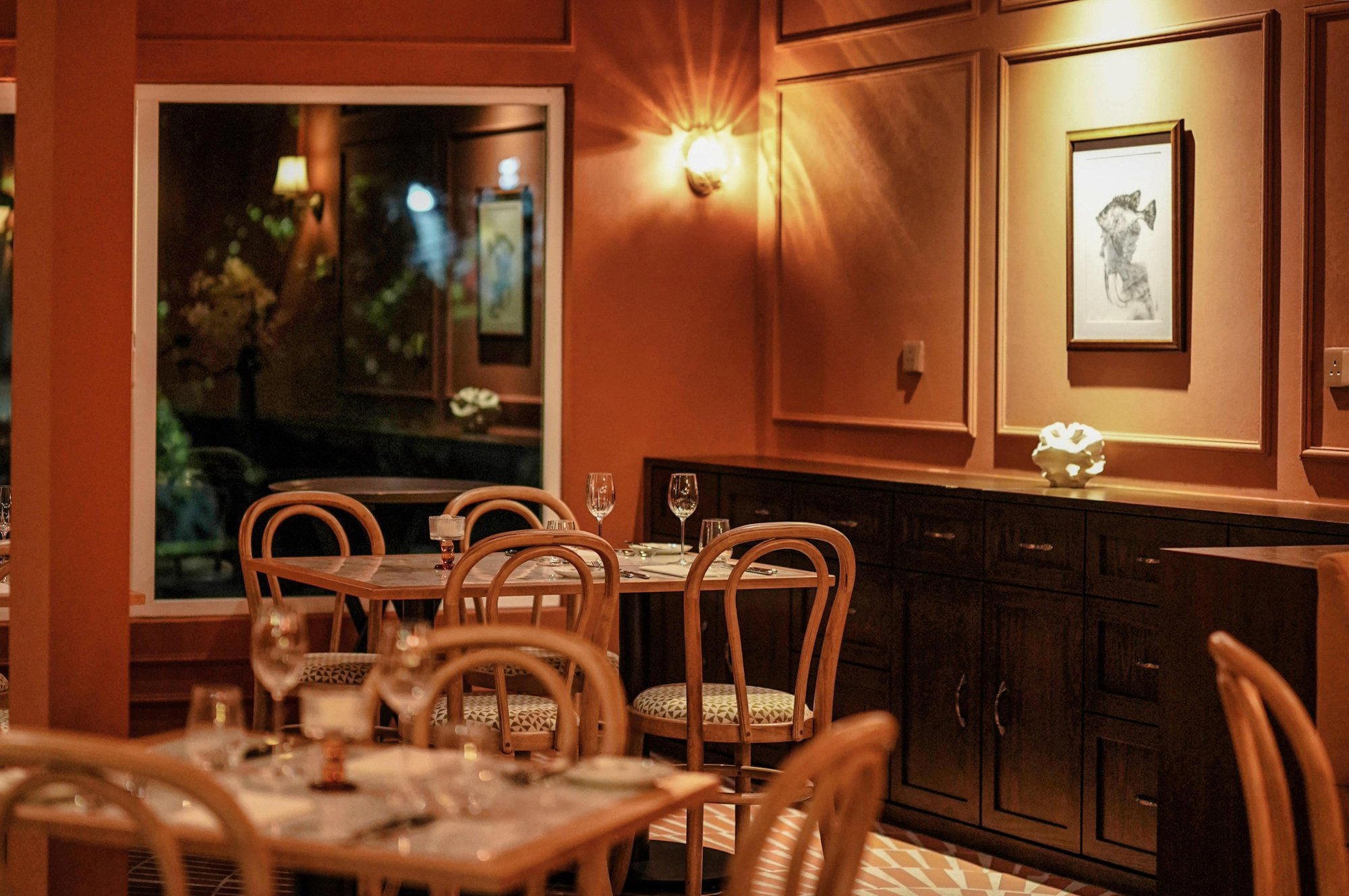
Bidou occupies a residential stretch of Bukit Damansara, one of Kuala Lumpur's older leafy enclaves where the dining scene is quieter and more local in character than the high-traffic corridors of KLCC or Bangsar. Arriving here, you are not walking into a destination district. The address on Jalan Setiakasih 5 sits away from the gallery-and-cocktail-bar circuits that define KL's more conspicuously fashionable neighbourhoods, and that separation feels intentional. The setting supports the programme: this is a restaurant asking for a different kind of attention.
The Nouvelle Cuisine Framework and Why It Still Matters
Nouvelle cuisine, as codified by figures including Paul Bocuse, Michel Guérard, and the Troisgros brothers in France during the late 1960s and 1970s, was itself a reaction against heaviness. It prioritised lighter sauces, shorter cooking times, and the visual presentation of food as a deliberate act. Many of those techniques were absorbed so thoroughly into mainstream fine dining that they became invisible, the operating assumptions behind how a generation of chefs were trained. Revisiting them now, as Bidou does, is less nostalgia than archaeology: finding the logic beneath what we now take for granted.
Within Kuala Lumpur's current fine dining tier, this positioning is genuinely distinct. Beta (Michelin one star) anchors itself in Malaysian culinary identity. DC. by Darren Chin (Michelin one star) works within French contemporary codes but with a forward-facing sensibility. Molina and Ling Long, both in the innovative Michelin bracket, are similarly oriented toward what comes next rather than what came before. Bidou is working a different seam entirely.
The Menu: Structure and Signal Dishes
The format is a 3- or 4-course set menu with choice at each course, which gives the meal enough structure to feel purposeful without the rigidity of a fixed tasting sequence. That structure is itself a classical reference point: the European set menu format, with its clear articulation of progression from starter through main and into dessert, was central to how nouvelle cuisine restaurants presented themselves as serious without being theatrical.
The dish that concentrates the programme most legibly is the threadfin and scallop mousse baked en croûte, which directly cites Paul Bocuse's recipe. The pastry crust is shaped like a fish, a visual and technical nod to the original, and a tangy Charron sauce accompanies the fish. En croûte preparations require precision in both pastry work and timing: the crust must protect without stewing, the mousse must set without tightening, and the fish must arrive at the table with moisture intact. When this category of dish works, it demonstrates a kind of classical command that more deconstructed or technique-driven formats rarely ask of a kitchen. That Bidou has built this into its identity, rather than relegating it to a heritage special, says something about the seriousness of the retrospective project here.
The Wine List as an Extension of the Concept
A wine list with more than 30 by-the-glass selections is, in any context, a significant operational commitment. Pouring that many wines by the glass requires either a high table-turn volume or a serious investment in preservation technology, and in a set-menu restaurant in a residential neighbourhood, the latter is the more likely explanation. The practical effect for the diner is meaningful: you can track through the meal with different pours at each course without committing to a bottle, which suits a structured menu format well.
The size of the by-the-glass list also signals something about the restaurant's intent. Nouvelle cuisine was never indifferent to wine, and pairing food with wine as a deliberate act, rather than an afterthought, was part of the movement's larger argument that dining was a complete experience to be designed rather than assembled. A list of this breadth suggests Bidou treats that pairing dimension with corresponding seriousness.
Planning Your Visit
Bidou is located in Bukit Damansara, which sits north of Bangsar and is most easily reached by car or ride-hailing app. The neighbourhood is residential in character, and street navigation is less intuitive than in KL's more commercial districts, so building in a few extra minutes of travel time is advisable. The set menu format, with its 3- or 4-course structure and choice at each course, means the meal has a defined rhythm: plan for a proper dinner-length visit rather than a quick stop.
Given the focused format and the restaurant's positioning within KL's considered fine dining tier, advance booking is the sensible approach. Restaurants in this category, particularly those without the volume buffers of large dining rooms, tend to fill up on weekends and during KL's international event calendar. Checking availability well ahead of your intended date is standard practice here. For a fuller picture of where Bidou sits in the city's dining ecosystem, our full Kuala Lumpur restaurants guide maps the scene across price points and styles.
If you are building a broader KL itinerary, our Kuala Lumpur hotels guide, bars guide, and experiences guide offer context across the city's other hospitality tiers. For those extending travel into Malaysia more broadly, the dining contexts in George Town, Seberang Perai, and Langkawi each operate within very different culinary registers and are worth understanding on their own terms.
For those interested in how set-menu formats and the chef-driven experience model have evolved internationally, the programmes at Atomix in New York City, Lazy Bear in San Francisco, and Emeril's in New Orleans each offer contrasting approaches to how a kitchen can build a format around a clear culinary argument.
Frequently asked questions
Is Bidou a family-friendly restaurant?
Bidou's format, a structured 3- or 4-course set menu in a residential Bukit Damansara address, points toward an adult dining occasion rather than a casual family outing. The nouvelle cuisine framework and wine-forward list suggest a pace and setting suited to conversations over a considered meal.
What kind of setting is Bidou?
Bidou sits on Jalan Setiakasih 5 in Bukit Damansara, a quiet residential neighbourhood north of Bangsar. The address and set-menu format suggest an intimate, chef-led dining room rather than a high-volume restaurant floor. It functions as a deliberate counterpoint to KL's innovation-first fine dining scene.
What distinctions does Bidou have?
Bidou has received recognition including: Unlike Dewakan that focuses on innovation, chef Darren Teoh opened Bidou to revisit the nouvelle cuisine movement. The 3- or 4-course set menu offers a choice of dishes, which may include threadfin and scallop mousse baked en croûte, in a n….
What's the must-try dish at Bidou?
The threadfin and scallop mousse baked en croûte is the reference point, a direct nod to Paul Bocuse's recipe, with pastry shaped like a fish and a Charron sauce alongside. It is the clearest expression of chef Darren Teoh's intent to revisit, rather than reinvent, classical nouvelle cuisine technique.
Price and Recognition
Comparable venues nearby, for context on price, style, and recognition.
| Venue | Cuisine | Price | Awards | Notes |
|---|---|---|---|---|
| BidouThis venue (the venue you are viewing) | Classic French Fine Dining | $50–100 | Michelin Plate | Not listed |
| Dominic | Modern French | Not listed | Michelin Plate | Chow Kit, Modern French |
| Cilantro | Contemporary French-Japanese Fine Dining | $100–150 | Michelin Plate | Kampong Dollah, Contemporary French-Japanese Fine Dining |
| Frangipaani | Contemporary North Indian with Goan influences | Not listed | Michelin Plate | Bukit Damansara, Contemporary North Indian with Goan influences |
| Jie | Modern Borderless Chinese | $50–100 | Michelin Plate | Bukit Damansara, Modern Borderless Chinese |
| Entier | Modern French Fine Dining | $50–100 | Michelin Plate · Star Wine List | Brickfields, Modern French Fine Dining |
Recognition history
Dated appearances from independent guides and award organizations, with the underlying list record or original source where available.
Michelin Plate
Michelin
Continue exploring
More in Kuala Lumpur
Restaurants in Kuala Lumpur
All restaurants in Kuala Lumpur →
Bars in Kuala Lumpur
All bars in Kuala Lumpur →
Details
- Elegant
- Cozy
- Sophisticated
- Modern
- Date Night
- Special Occasion
- Business Dinner
- Open Kitchen
- Extensive Wine List
- Local Sourcing
- Street Scene
- Prix Fixe
Current opening hours
- Monday
- 6–11 PM
- Tuesday
- 6–11 PM
- Wednesday
- 6–11 PM
- Thursday
- 6–11 PM
- Friday
- 6–11 PM
- Saturday
- 11 AM–2:30 PM, 6–11 PM
- Sunday
- Closed
Hours can change for holidays and private events. Hours as of .
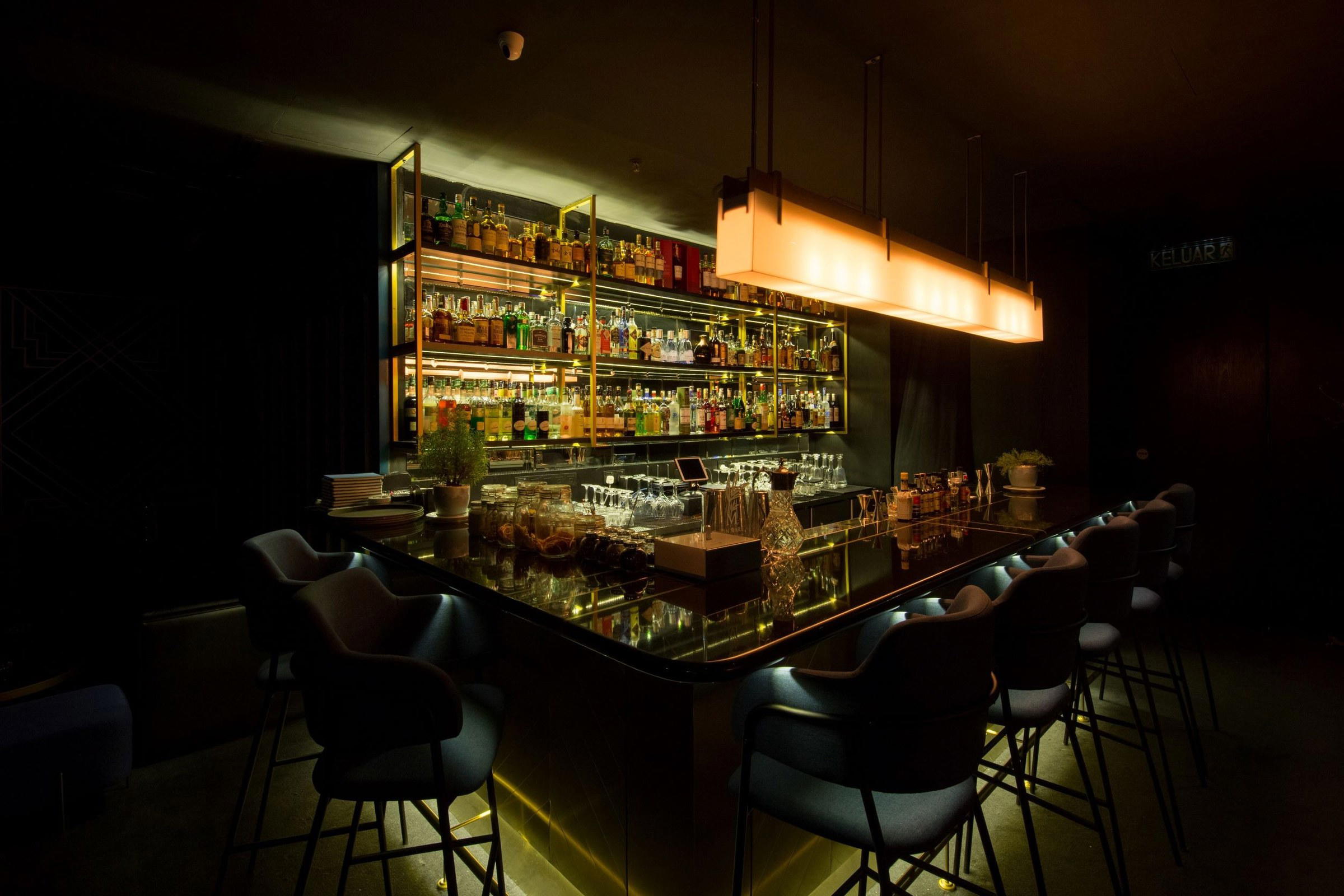
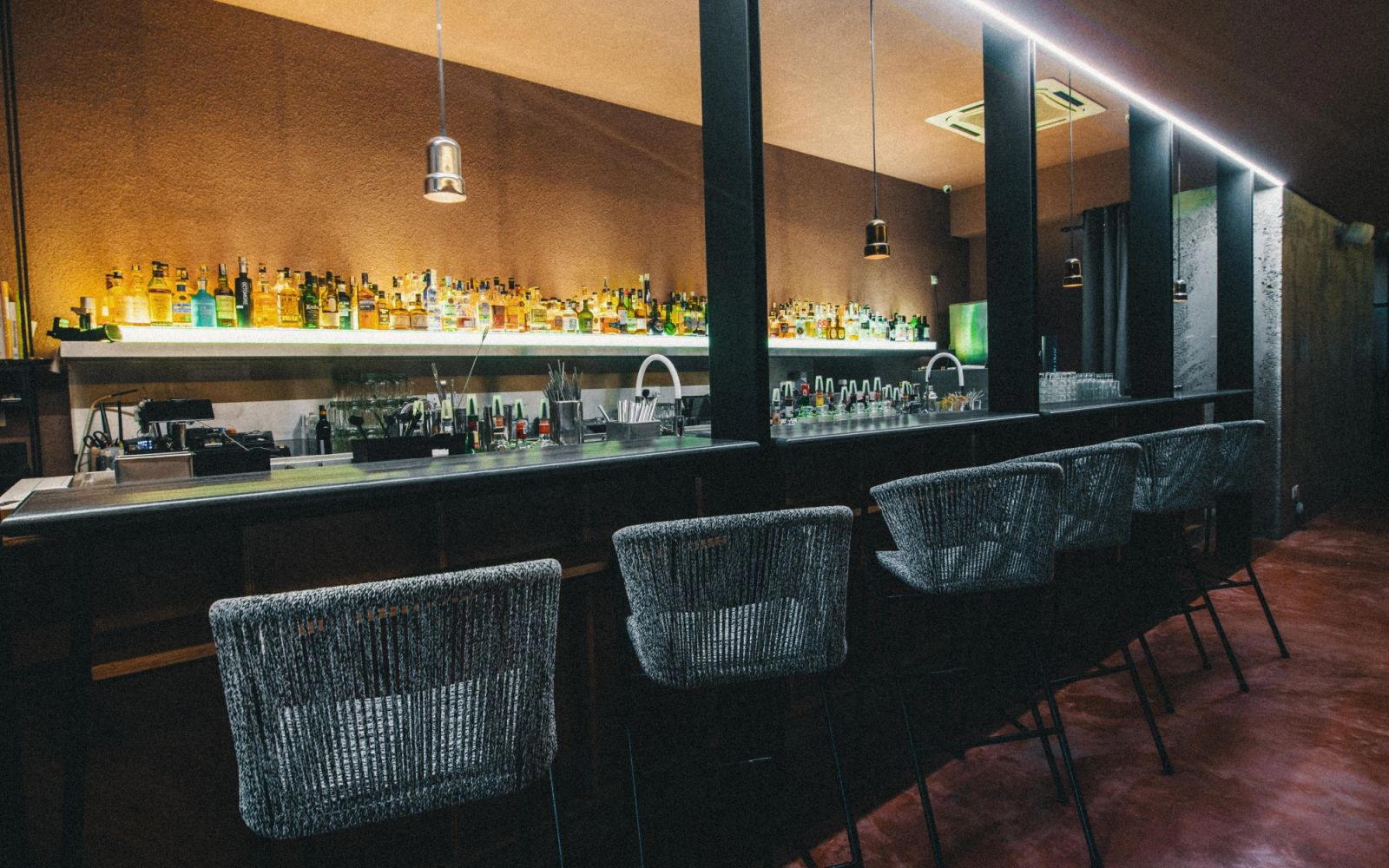
Elegant space with peach walls, blush accents, warm lighting, cosy fixtures, cheeky drawings, and giant picture windows offering street tree canopy views, especially dramatic at sunset.