Biao Xia sits in Gusu District, where Suzhou dining is shaped by canalside markets, freshwater produce, and the city’s preference for gentle seasoning over spectacle. The appeal is less about imported luxury cues than about how a local table reads Jiangnan ingredients: seasonal vegetables, river produce, soy, vinegar, and restrained sweetness handled with precision.
Pearl is the En Primeur Club membership app — saves, bookings, and concierge access live there. Same editors, same standards.
- Address
- 369 Guangji S Rd, Gusu District, Suzhou, Jiangsu, China, 215000
- Phone
- +86 512 6908 8888
- Directions
- Get directions
 Saves & bookings on Pearl
Approaching Biao Xia puts the meal in the older logic of Suzhou rather than a glass-tower rhythm. Suzhou is dense with canals, residential lanes, small shops, and the kind of daily food economy that makes ingredient sourcing feel immediate rather than ornamental. In this city, a restaurant is judged less by theatrical plating than by whether produce, greens, aromatics, soy, and vinegar are handled with restraint.
Biao Xia belongs to that Suzhou conversation. The city’s cooking sits inside a wider regional tradition, where sweetness is calibrated, textures matter, and kitchens often work with seasonal local ingredients. That does not mean every table is formal or fixed to one label. Suzhou’s current restaurant scene ranges from noodle shops and family banquet rooms to more composed local dining, with ingredient quality often doing more work than decoration.
Suzhou ingredients matter more than dining-room theatre
Suzhou’s advantage is proximity. Regional supply, market habits, and the vegetable belt around the area have long shaped the local palate. The city’s cooking rewards timing: spring produce, summer freshness, autumn specialties, and cool-weather braises all carry different expectations. A serious Suzhou meal should therefore feel seasonal even when the menu is not explained through a chef-driven manifesto.
That is the useful frame for reading Biao Xia. Rather than leaning only on award shorthand, the stronger signal is geographical: Suzhou is a city where local regulars tend to reward clarity, freshness, and correct seasoning. The kitchen’s reputation should be assessed through that lens, not through the imported vocabulary of tasting menus or luxury hotel dining. If a dish leans sweet, it should be balanced by vinegar or stock depth; if local ingredients appear, texture and freshness carry the argument.
Within Suzhou, the comparison set is broad. Other Suzhou dining rooms point toward more explicit local-cuisine lanes, while regional Chinese cooking in Suzhou is not limited to one reference point. Alkanna, Tang Yuan, Chai Court, Yu Mian Tang, and Ling Ling Jiu Jia help map the city’s spread from noodles and casual meals to more structured local dining.
How to read a Suzhou table in 2026
The better way to approach this category is to order for contrast rather than status. Suzhou meals work when hot and cold dishes, local and market ingredients, soft and crisp textures, sweet and saline notes, all have space. A table built only around expensive proteins misses the point. A table that includes seasonal greens, bean products, carefully handled preparations, soup or stock-led dishes, and a starch course gives a clearer view of the kitchen.
Suzhou also asks for a different tempo from larger northern or coastal cities. The city’s stronger dining moments often come from control rather than volume: a sauce that does not smother, a broth that carries sweetness without becoming sugary, a vegetable cooked long enough to soften but not collapse. That is why ingredient sourcing is not a decorative claim here. It is the foundation of the cuisine’s credibility.
For wider context, Our full Suzhou restaurants guide is the natural starting point, with parallel planning through Our full Suzhou hotels guide, Our full Suzhou bars guide, Our full Suzhou wineries guide, and Our full Suzhou experiences guide. Travellers comparing regional Chinese dining beyond Suzhou can also look at other dining rooms across China. For a sharper contrast with Chinese regional dining, unnamed formats abroad show how sourcing, staple dishes, and service structure can work differently.
The reader decision
Biao Xia makes sense for travellers who want Suzhou through ingredients rather than ceremony. The case is strongest for diners already interested in local cooking, seasonal produce, and the quieter discipline of regional seasoning. It is not a venue to judge only by award shorthand or chef mythology. Judge it by whether the table tastes of Suzhou: seasonal, measured, and connected to the markets around it.
Fast Comparison
Comparable venues by cuisine and price in the same metro.
| Venue | Cuisine | Price |
|---|---|---|
| Yu Mian Tang | Noodles | ¥ |
| Ling Ling Jiu Jia | Jiangsu Cuisine | ¥¥ |



At a Glance
- Elegant
- Sophisticated
- Modern
- Romantic
- Business Dinner
- Date Night
- Group Dining
- Family
- Celebration
- Special Occasion
- Private Event
- Private Dining
- Design Destination
- Hotel Restaurant
- Extensive Wine List
- Local Sourcing
- Sustainable Seafood
- Garden
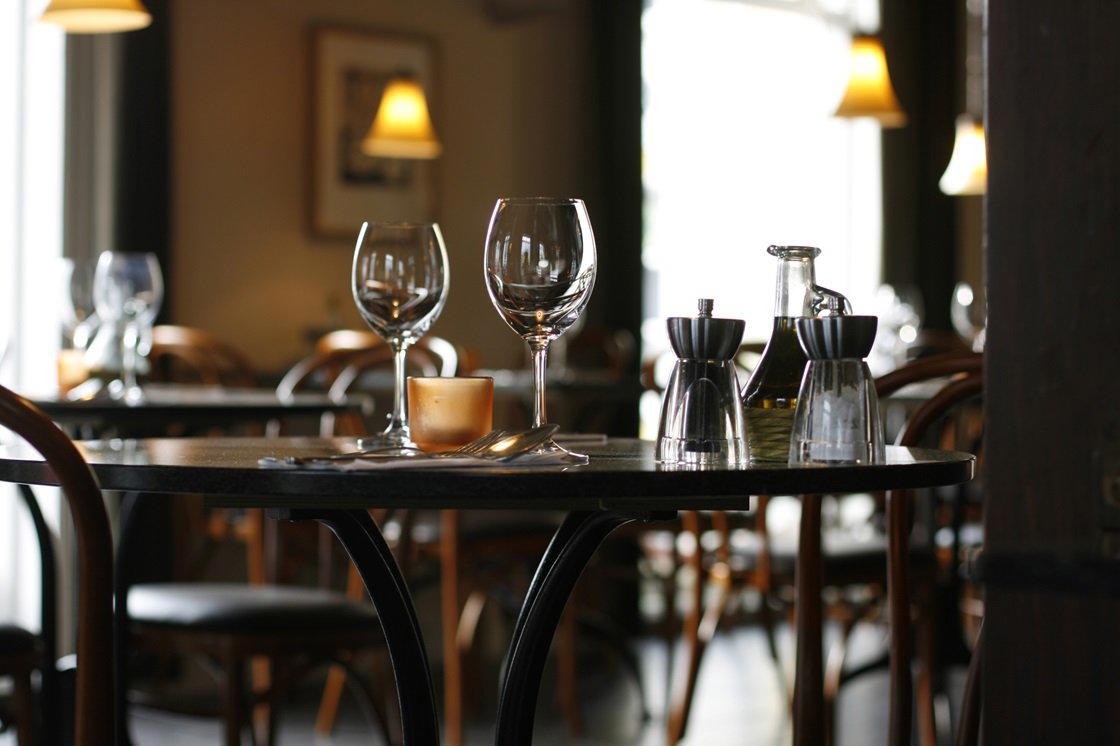
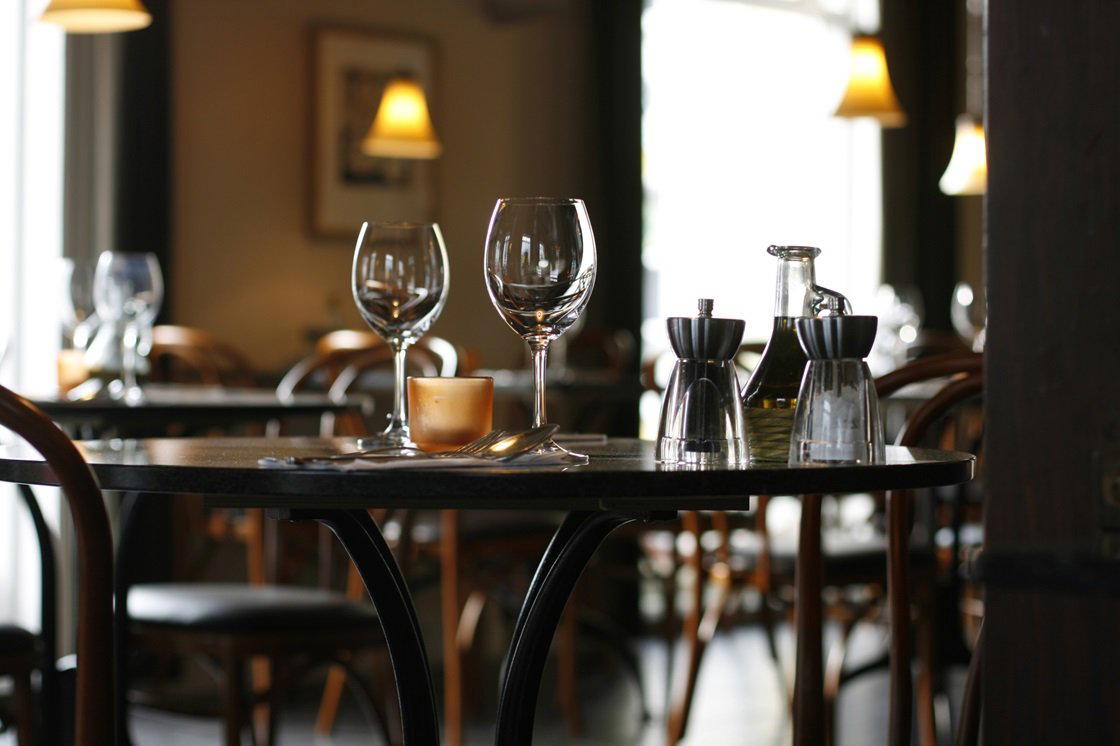
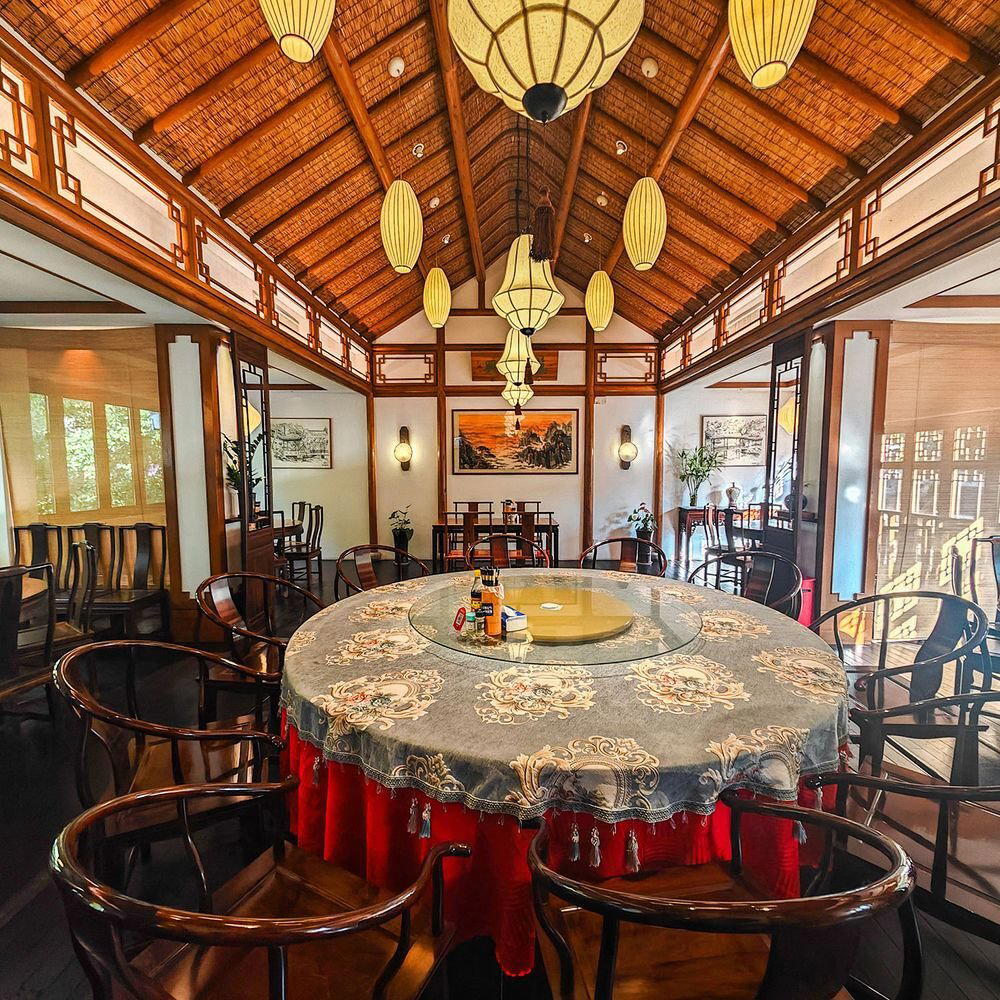
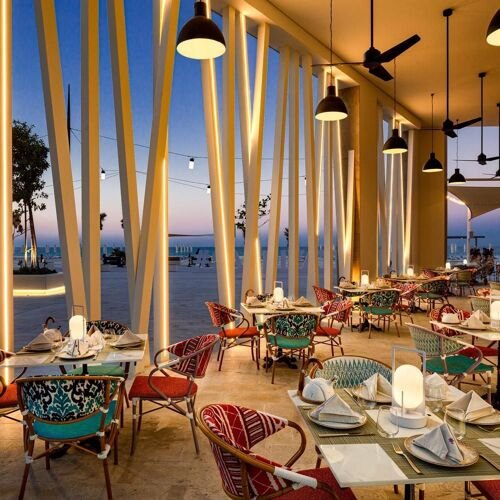
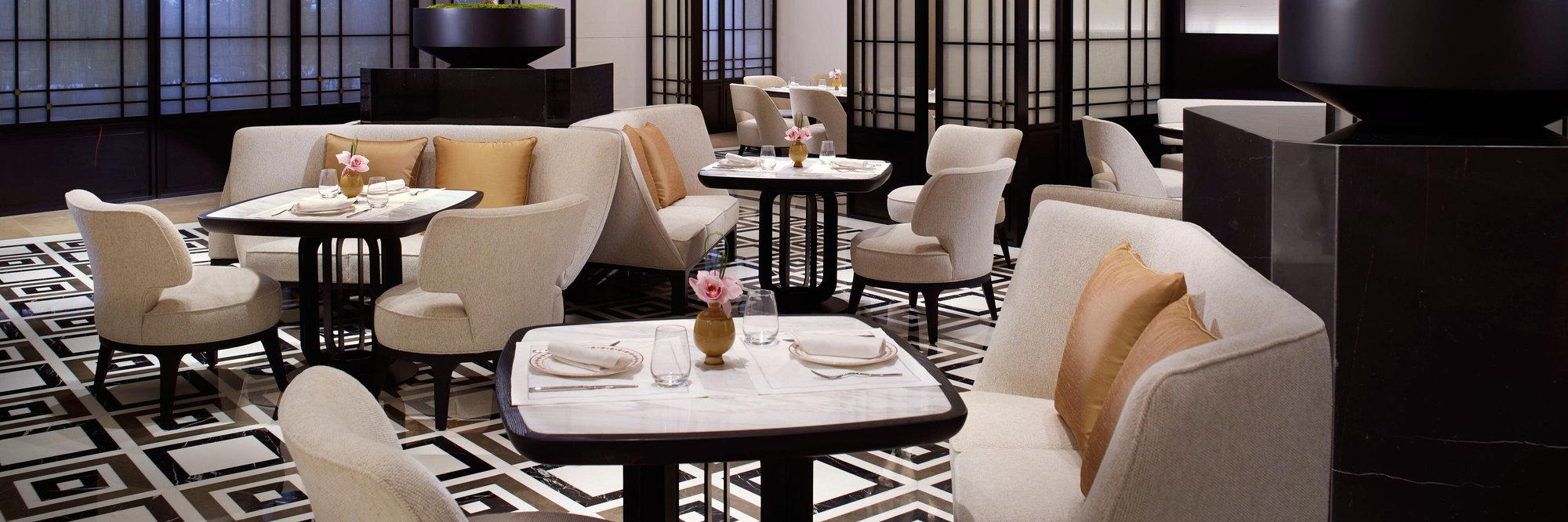
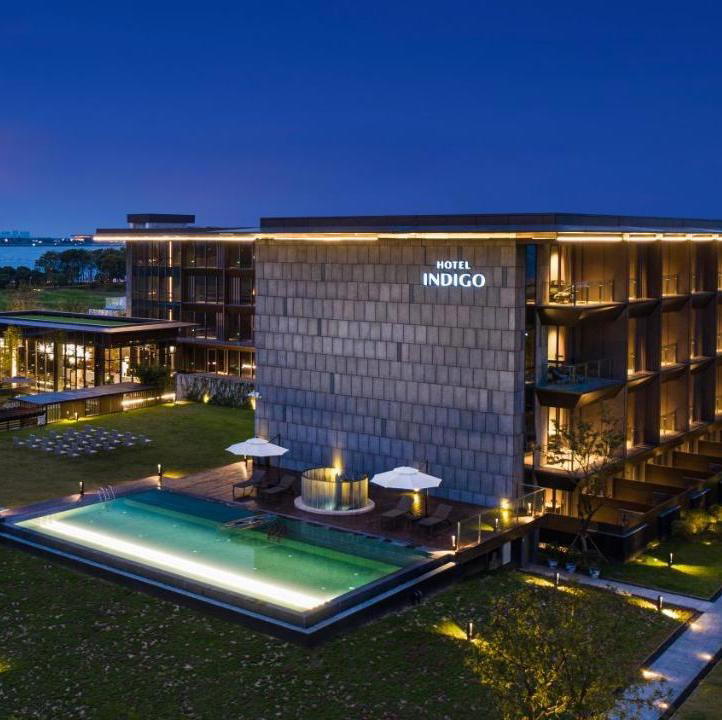
An elegant, garden-inspired dining room within The Ritz-Carlton, Suzhou, echoing classical Suzhou gardens with refined décor and private rooms, creating a sophisticated yet comfortable atmosphere suited to business entertaining and special occasions.
Know Before You Go
- Reservations
- Recommended
- Dress code
- Smart casual
- Getting there
- 369 Guangji S Rd, Gusu District, Suzhou, Jiangsu, China, 215000