
Michelin Bib Gourmand
Our verdict
Tang Yuan stands on Shantang Street, where carved timber and painted panels mark one of Suzhou's canal-side addresses known for traditional Jiangsu fare. The venue's ornate façade signals both its age and its place in the broader network of heritage-district restaurants serving local sweet soups and small bites to weekday crowds and weekend tourists alike.

Pearl is the En Primeur Club membership app, where members save venues, book tables and use the concierge.
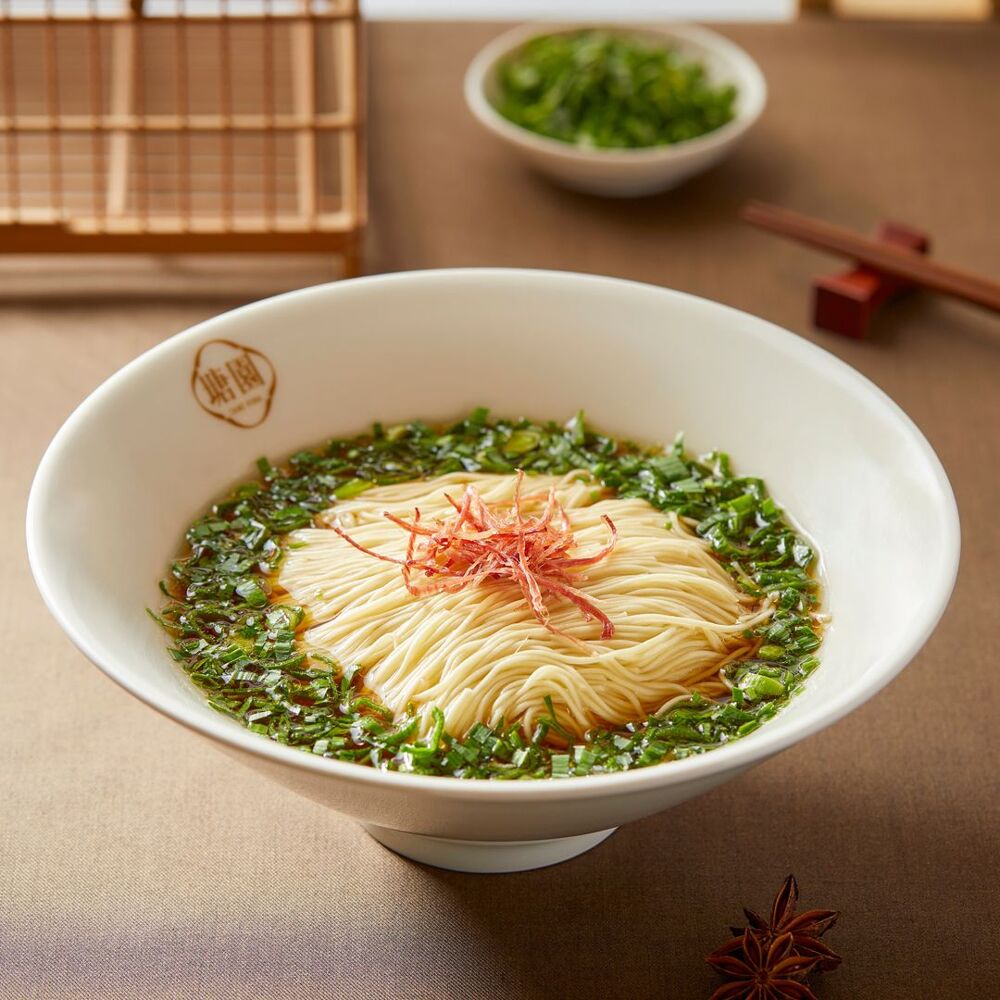
The menu
What to order
- Suzhou-style noodles in red soy-based broth
- Suzhou-style noodles in white meat broth
- Suzhou-style noodles tossed in sauce with various toppings
Shantang Street runs northwest from the city centre, a kilometre-long stretch of flagstone and canal where Ming-era shophouses lean toward the water. Tang Yuan occupies number 38 Fangjishang, a timber-fronted building distinguished by carved eaves and lacquered doors that frame the entrance. Inside, the layout remains compact: tables pressed close, small windows admitting slanted afternoon light, and a service counter anchored near the kitchen pass. The ornate façade sets expectations for decoration heavier than most neighbourhood canteens, though the interior prioritises turnover over lingering.
Suzhou's canal districts support a dense, tiered dining landscape. At the upper end, Ban Ting Jia Yan and Bai Sheng Ren Jia command four-figure cheques for tasting formats built around seasonal lake fish and heirloom technique. In the middle tier, spots like Ban Lan (Fujian) and Biao Xia work niche regional formats at two to three times the price of street-level vendors. Tang Yuan sits closer to the street-vendor end: walk-in friendly, menu posted at the counter, turnover measured in hours rather than courses. For context within the broader city map, consult our full Suzhou restaurants guide.
Sweet-soup tradition and what arrives at the table
The name Tang Yuan translates to sweet glutinous-rice balls, a category eaten year-round in the Jiangnan delta but particularly dense in Suzhou, where dozens of vendors specialise in this format. The rice balls themselves come filled, black sesame, red-bean paste, occasionally peanut, and float in a broth that ranges from clear ginger syrup to fermented rice wine. Ingredient sourcing for this format hinges on rice quality: short-grain glutinous varieties milled locally produce a firmer skin that holds shape through boiling and doesn't collapse in hot liquid. Vendors who source from Jiangsu mills typically note provenance on wall signage; those who don't often use blended flour that softens faster and clouds the broth.
Tang Yuan's menu expands beyond its namesake dish. Small plates include braised pork belly, sweet-and-sour mandarin fish, and pan-fried river shrimp, staples lifted from the broader Jiangsu canon. Soup options extend to wonton and noodle combinations, formats that overlap with nearby Yu Mian Tang, a noodle house one tier lower in both price and ambition. Where Yu Mian Tang focuses solely on wheat noodles and broth, Tang Yuan hedges across formats, which dilutes specialist depth but widens the appeal for groups with mixed appetites.
The canal-side location on Shantang Street draws a predictable visitor pattern: domestic tourists photographing shopfronts between 10 a.m. and 4 p.m. and neighbourhood regulars filling tables before 9 a.m. or after 6 p.m. Weekday mornings see the shortest queues; weekend afternoons stretch wait times past thirty minutes, though turnover remains brisk. The venue does not accept advance reservations, a policy shared by most walk-in Jiangsu canteens at this price tier.
Navigating Shantang Street and the broader Gusu district
Shantang Street forms the northern boundary of the historic Gusu core, a district bounded by classical gardens, stone bridges, and a canal network that defines Suzhou's water-town identity. Tang Yuan sits roughly halfway along the street's pedestrianised section, ten minutes on foot from the Shantang Street metro station (Line 2) and fifteen minutes from the Suzhou Railway Station by taxi. The neighbourhood supports a dense cluster of teahouses, silk workshops, and snack vendors, which means foot traffic peaks midday and dips sharply after 8 p.m. when most shops close.
For a fuller picture of where Tang Yuan fits within the city's dining spectrum, cross-reference Alkanna (contemporary Chinese, higher price bracket) and the Chao Zhou specialist Chao 27, both of which operate reservation-only formats and occupy the tier where chef pedigree and ingredient traceability become explicit selling points. Tang Yuan's lack of formal awards or critical recognition places it in the vast middle cohort of heritage-district addresses that rely on location, volume, and familiarity rather than editorial acclaim.
Neighbouring districts offer additional context. For accommodation within walking distance, see our full Suzhou hotels guide. Cocktail and wine options remain thin in the immediate canal zone; for that, consult our full Suzhou bars guide. Cultural programming and garden visits anchor most itineraries; those threads are explored in our full Suzhou experiences guide.
Tang Yuan functions as a street-level orientation point rather than a destination. It answers the question of where to eat when hunger strikes mid-walk along Shantang Street, not where to plan an evening around. The ornate façade and central location ensure visibility, but the format, high turnover, no bookings, limited English signage, means expectations should align with neighbourhood canteen dynamics rather than chef-driven programming. For travellers building a Jiangsu tasting itinerary, it serves as a useful low-stakes introduction to sweet-soup tradition before stepping up to the reservation-tier venues that layer in seasonal sourcing, technique depth, and formal service.
Frequently asked questions
Is Tang Yuan a family-friendly restaurant?
Tang Yuan on Shantang Street serves a single category of sweet soup that appeals to all ages. The format is informal, the price point accessible, and the location within the Gusu canal district makes it an easy stop during family walks along the historic waterway.
What's the overall feel of Tang Yuan?
The venue occupies a building on Fangjishang with an ornate outer façade, typical of restored Shantang Street shopfronts. Inside, the focus is functional: quick service, shared seating, and a narrow menu centered on glutinous-rice balls served in hot broth. The atmosphere is utilitarian rather than lingering.
What's Tang Yuan known for in terms of accolades?
Tang Yuan has received recognition including: From the ornate outer façade to....
Where is Tang Yuan located?
Tang Yuan is located at 38 Fangjishang, Shantang Street, Gusu, Suzhou, Jiangsu, CHN, Suzhou.
Do I need a reservation for Tang Yuan?
No. Tang Yuan operates on a walk-in basis, consistent with street-level sweet-soup vendors across the Jiangnan delta. Weekday afternoons see shorter queues; weekend evenings and public holidays push wait times past fifteen minutes, especially when tour groups arrive on Shantang Street.
What makes Tang Yuan worth seeking out?
It serves a regional staple in its historic context. The location on Shantang Street, within the Gusu district's canal network and stone-bridge grid, anchors the experience in Suzhou's classical geography. The sweet glutinous-rice balls themselves represent a year-round tradition particular to the Jiangnan delta, offering a direct counterpoint to the savory noodle and dumpling shops that dominate the surrounding blocks.
Side-by-Side Snapshot
Comparable venues by cuisine and price in the same metro.
| Venue | Cuisine | Price | Awards | Notes |
|---|---|---|---|---|
| Tang YuanThis venue (the venue you are viewing) | Suzhou-style Noodle Shop | $1–10 | Michelin Bib Gourmand | Not listed |
| Yu Mian Tang | Suzhou Heritage Noodles | $20–30 | Michelin Bib Gourmand | Noodles |
| Ling Ling Jiu Jia | Farm-to-Table Jiangsu Cuisine | $30–50 | Michelin Bib Gourmand | Jiangsu Cuisine |
| Tongdexing | Traditional Suzhou Noodles | $10–20 | Not listed | Not listed |
| Pingjiangsong | Modern Suzhou Cuisine | Not listed | 1 Michelin Star | Jiangsu Cuisine |
| Chao 27 | Refined Chaozhou Cuisine | $100–150 | Michelin Plate | Chao Zhou |
Recognition history
Dated appearances from independent guides and award organizations, with the underlying list record or original source where available.
Michelin Bib Gourmand
Michelin
Continue exploring
More in Suzhou
Details
- Classic
- Quiet
- Solo
- Casual Hangout
- Standalone
- Street Scene
- A La Carte
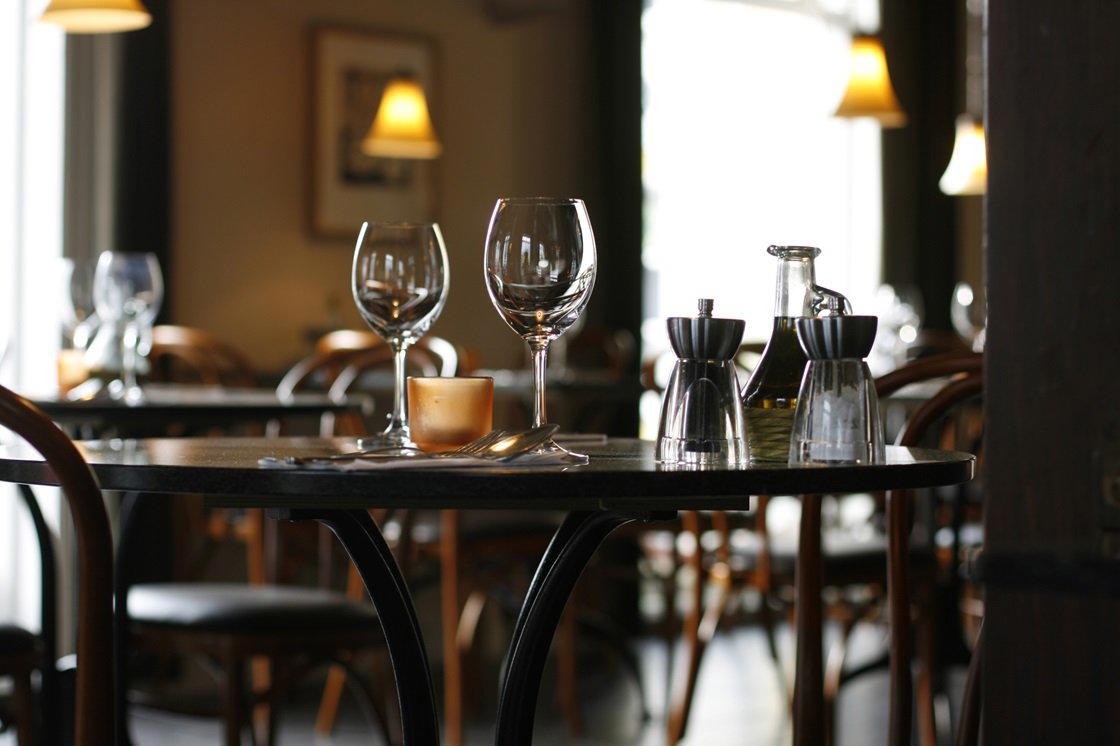
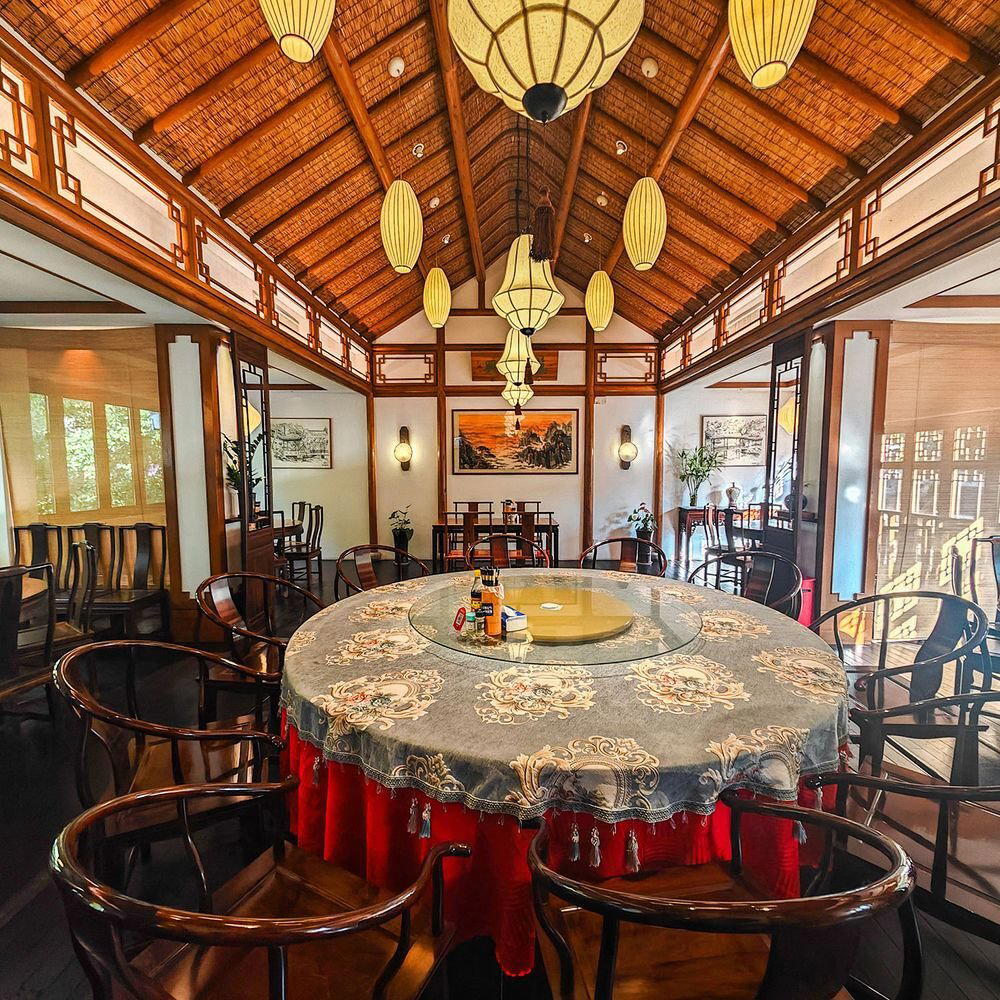
Simple, traditional noodle-shop setting with modest décor and a calm, everyday atmosphere suited to quick, solo meals rather than long gatherings.