Berghaus Alpenrösli
At Talstrasse 135, Berghaus Alpenrösli sits at the quieter, local end of Klosters-Serneus, a Graubünden mountain house where the dining tradition leans on valley-sourced produce rather than resort spectacle. The setting is classic alpine timber-and-stone, the atmosphere unhurried. For visitors who want to eat the way the valley actually eats, it belongs in the itinerary alongside Klosters' more prominent addresses.
Pearl is the En Primeur Club membership app — saves, bookings, and concierge access live there. Same editors, same standards.
- Address
- Talstrasse 135, 7250 Klosters-Serneus, Switzerland
- Phone
- +41814221357
- Website
- alpenroesliklosters.ch
- Directions
- Get directions
 Saves & bookings on Pearl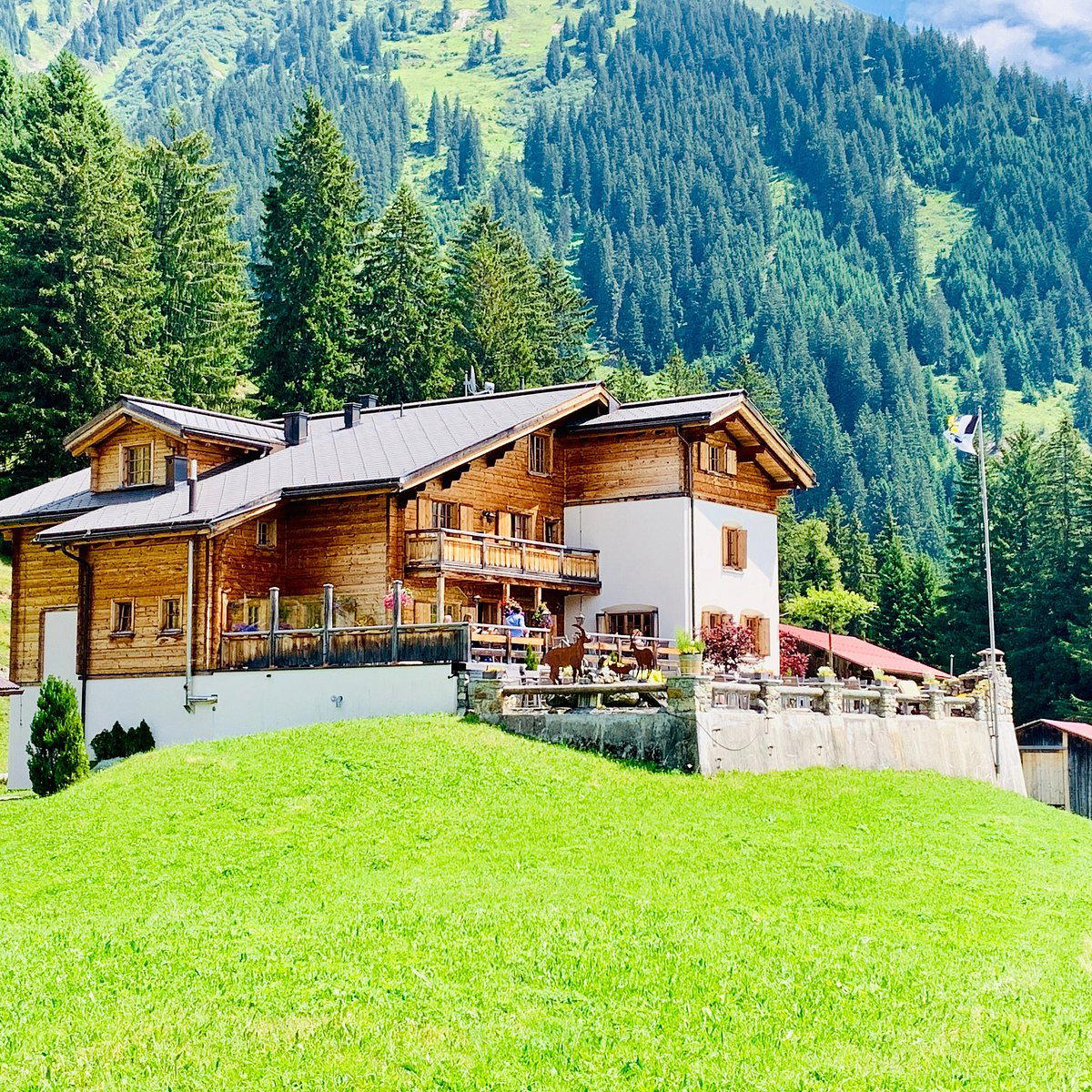
The Valley Behind the Plate
In Graubünden, the relationship between mountain geography and what lands on the table is not a marketing posture, it is a structural fact. Short growing seasons, high-altitude pastures, and centuries of preserved-food tradition have shaped a cuisine that reads differently from lowland Swiss cooking. The Prättigau valley, which runs through Klosters and Klosters-Serneus toward Davos, sits at roughly 1,200 metres, and the farms and dairies operating at that elevation produce milk, cheese, and meat with a fat content and flavour density that lowland equivalents rarely match. Berghaus Alpenrösli, at Talstrasse 135 in Klosters-Serneus, is a restaurant serving Traditional Swiss Alpine cuisine.
This is the framing that matters when thinking about what a Berghaus, literally a mountain house, represents in the Swiss alpine context. They sit in a different register entirely, one where the sourcing is hyper-local almost by default and where the menu changes around what is available in the valley rather than what a chef wishes to execute year-round. Berghaus Alpenrösli operates at the other, more grounded end of that spectrum, where the sourcing intelligence comes from proximity and relationship rather than from a foraging program with its own press release.
What a Graubünden Mountain House Actually Looks Like
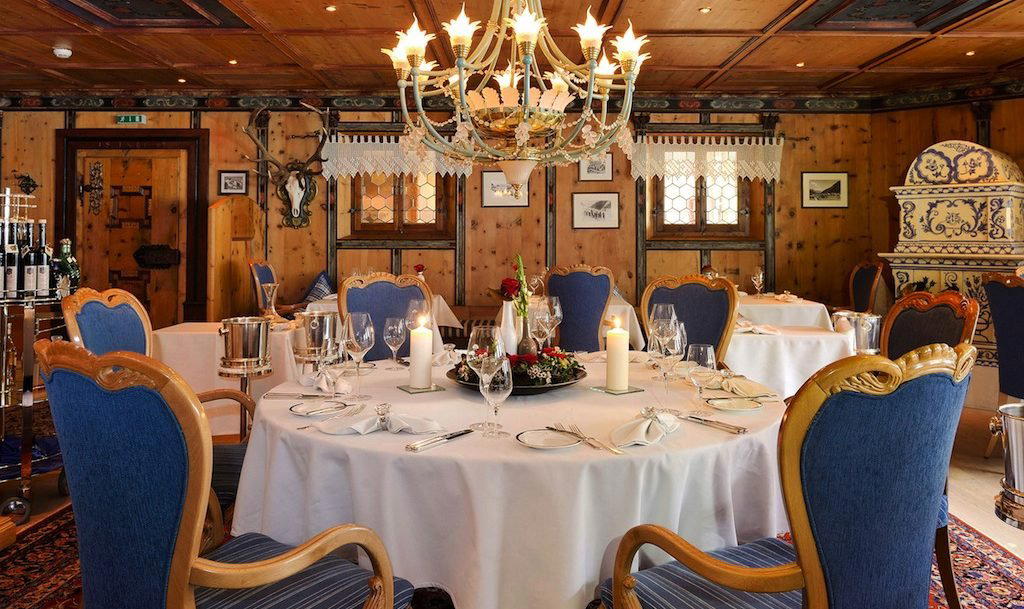
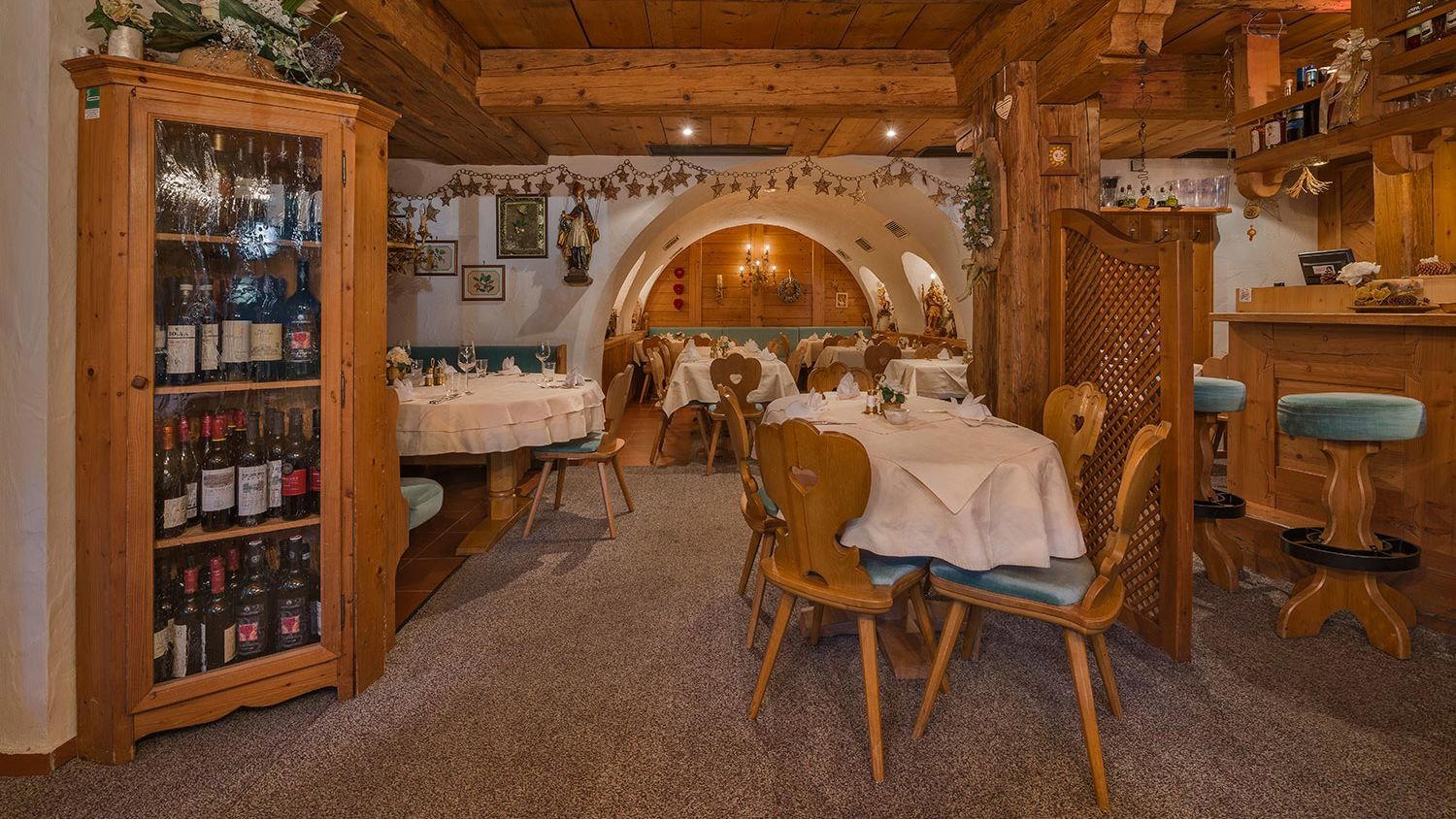
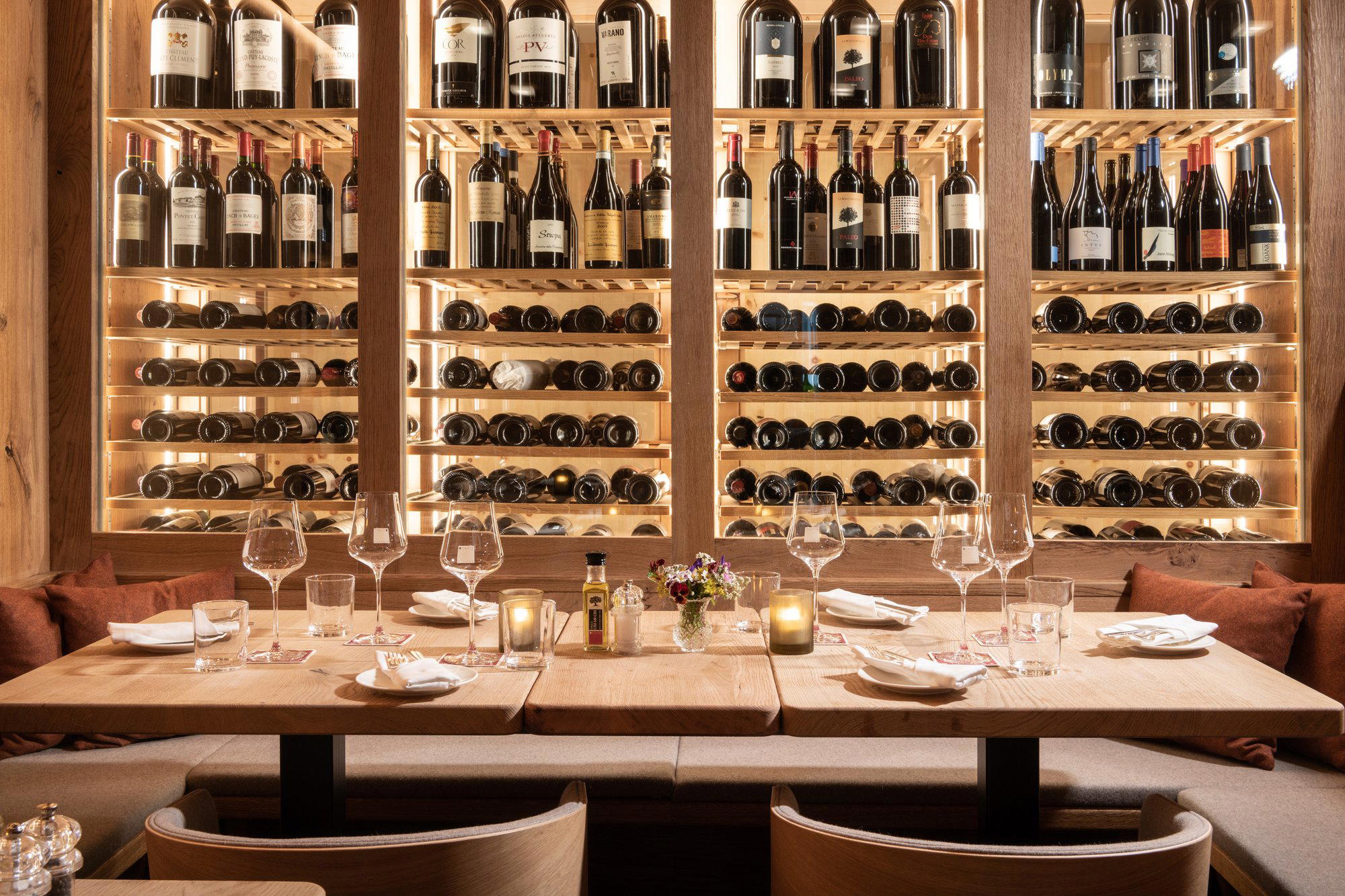
The approach to Klosters-Serneus along the Talstrasse runs through the quieter, less-touristed end of the municipality, away from the train station and the ski-resort hotels, closer to the farmland and the older residential fabric of the village. The physical character of a Berghaus in this part of Switzerland tends toward dark timber ceilings, tiled stoves or wood-burning hearths, and the kind of worn-in furniture that accumulates across generations rather than being commissioned for an interior concept. The atmosphere at addresses in this category is unhurried in a way that resort dining rarely manages, because the clientele is as likely to be locals from the valley as it is visitors from Zurich or London.
That mix matters for understanding what you are walking into. Klosters has attracted high-profile visitors for decades, it has a long association with British royalty and with the kind of low-key wealth that prefers a quiet village to the Davos conference circuit, but Klosters-Serneus has tended to absorb the more settled, less transient end of that visitor base. Restaurants that have survived in this environment without pivoting to resort pricing have done so because they serve both the local population and the return visitors who come back to the same table every winter season.
Sourcing in the Prättigau Context
Alpine ingredient sourcing in the Prättigau operates on a logic that is worth understanding before you sit down. The valley's dairy tradition produces cheeses aged in mountain huts, sura fuorma, a sour-milk cheese specific to Graubünden, is especially regionally distinct, and the meat supply from high-altitude summer pastures tends to be smaller-scale and shorter-supply than what lowland butchers can offer. Seasonal availability is not a culinary philosophy here so much as a physical reality: root vegetables, preserved meats, dried pulses, and stored dairy carry the menu through the deep winter months, while summer and early autumn bring wild herbs, fresh soft cheeses, and the first-of-season produce from valley gardens.
This is the ingredient context in which Berghaus Alpenrösli operates. The editorial comparison worth making is not to the creative alpine cooking at places like focus ATELIER in Vitznau or the seasonal precision of Gasthaus Höhwald (Seasonal Cuisine) nearby in Klosters, but to the older, less mediated tradition where alpine ingredients reach the table with minimal transformation, braised, roasted, or preserved rather than reconstructed. That tradition is the one that gives mountain-house dining in Graubünden its particular character and its continued relevance to visitors who have already eaten their way through the more formally constructed end of Swiss alpine cuisine.
Klosters in the Wider Swiss Dining Picture
Klosters sits at a notable remove from the Swiss cities that generate most of the country's restaurant press coverage. The mountain-village dining circuit of the Graubünden operates on different terms: lower price points, tighter seasonal calendars, and a stronger connection between the local agricultural economy and what appears on the menu. Visitors who arrive in Klosters expecting urban fine-dining density will be recalibrating their expectations; those who arrive understanding that the valley's dining character is distinct from the city's will find a more satisfying frame.
For the broader Swiss mountain dining scene, useful reference points include Da Vittorio in St. Moritz, which shows what happens when resort money and Italian culinary ambition intersect, and La Table du Valrose in Rougemont, which occupies a similarly village-scale but more formally composed position. The restaurant sits in neither of those registers, it is a mountain house rather than a destination restaurant, and its value to the visitor is proportional to how clearly that distinction is understood.
Planning a Visit
The restaurant is located at Talstrasse 135, Klosters-Serneus, the Serneus end of the municipality rather than the main Klosters village centre, which adds a few minutes of travel from the train station or the central resort area. Reservations are recommended. Neighbouring addresses for comparison include Vereina Stübli, which occupies a similar village-scale position in Klosters.
How It Stacks Up
Comparable venues nearby, for context on price, style, and recognition.
| Venue | Cuisine | Price | Awards | Notes |
|---|---|---|---|---|
| Berghaus AlpenrösliThis venue — the venue you are viewing | Traditional Swiss Alpine | $$$ | Not listed | Not listed |
| Vereina Stübli | Swiss Regional European | $$$ | Not listed | Klosters village |
| Gasthaus Höhwald | Alpine Austrian-Swiss Seasonal Cuisine | $$$ | Michelin Plate | Monbiel |
| Kochendörfer | Central European with Fish Specialties | $$$ | Not listed | Pontresina |
| Appenzeller Huus Bären | Modern Swiss Regional | $$ | Not listed | Gonten |
| Bratwurst & Bowls | Swiss Bratwurst & Poke Bowls | $$ | Not listed | Old Town |
Continue exploring
More in Klosters
Restaurants in Klosters
Browse all →
Bars in Klosters
Browse all →


Hotels in Klosters
Browse all →

At a Glance
- Rustic
- Cozy
- Scenic
- Family
- Casual Hangout
- Terrace
- Panoramic View
- Extensive Wine List
- Local Sourcing
- Mountain
Rustic alpine interior with cozy, charming atmosphere enhanced by dramatic terrace views and warm service.