Berberè Pizzeria

Berberè has been rethinking artisan pizza since 2010, when brothers Matteo and Salvatore Aloe built a chain around live sourdough fermentation and ingredient transparency at a time when most Italian pizza chains were doing neither. The Castel Maggiore location, inside the Lifestyle Shopping Centre, carries that same sourcing-led approach into the Bologna orbit.
Pearl is the En Primeur Club membership app — saves, bookings, and concierge access live there. Same editors, same standards.
- Address
- Lifestyle Shopping Centre, Via Pio La Torre, 4b, 40013 Bologna BO, Italy
- Phone
- +39 051 705715
- Website
- berberepizza.it
- Directions
- Get directions
 Saves & bookings on Pearl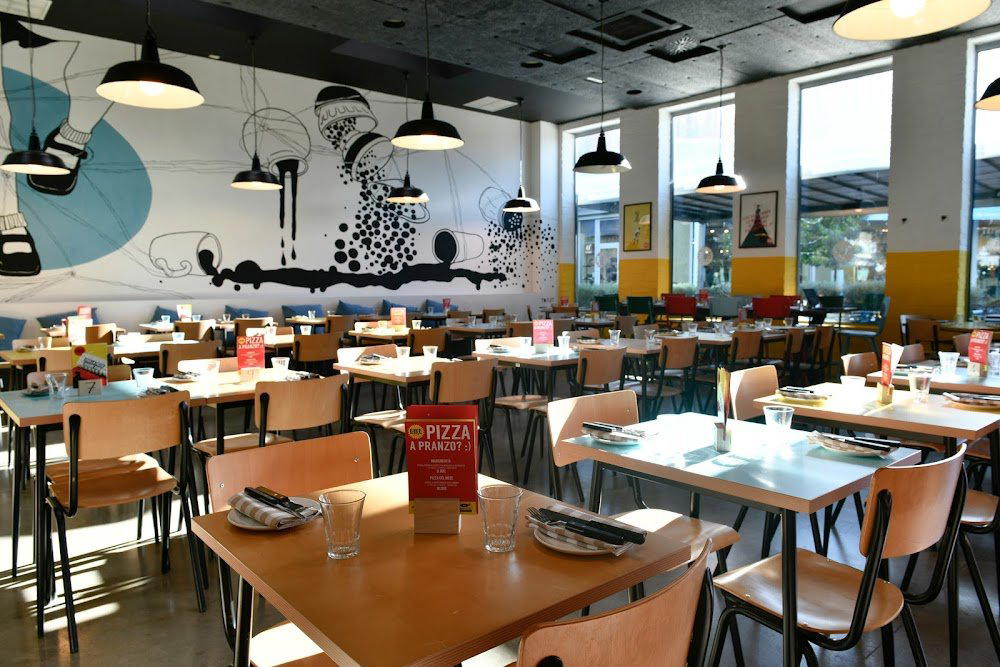
Where the Dough Does the Talking
Berberè Pizzeria is a modern Italian pizza restaurant in Bologna, with a casual setting and dishes priced around $20 per person. Inside a shopping centre off Via Pio La Torre, Berberè Castel Maggiore occupies a format that could easily go wrong, the kind of retail-adjacent site where chains default to throughput and forget about craft. Berberè has spent years proving that the container does not determine the content. The room signals the brand's consistent aesthetic: clean lines, minimal decoration, the kind of space that pushes attention toward the plate rather than away from it. In the Bologna metropolitan area, where civic pride in local food runs high and visitors arriving from Emilia-Romagna's fine-dining circuit might expect any serious dining operation to have a point of view on its ingredients, Berberè meets that expectation at a fraction of the price.
The Fermentation Argument
Italian artisan pizza has split into recognisable camps over the past two decades. On one side, Neapolitan orthodoxy, with its strict flour specifications, short fermentation windows, and DOC toppings. On the other, a looser northern Italian approach that has absorbed natural wine sensibilities and slow-food thinking into the dough itself. Berberè belongs firmly to the second group. The chain was founded by brothers Matteo and Salvatore Aloe on a specific technical premise: that live sourdough fermentation, maintained consistently across locations, produces a more digestible pizza than commercial yeast. That is not a marketing claim without substance. Long-fermented doughs break down gluten structures differently, and the acidity created during fermentation affects both flavour and how the body processes the bread component of the meal. The result at Berberè is a base that reads lighter than its thickness might suggest, chewy without being dense, with the faint tang that marks a starter culture that has been maintained over time rather than activated from a packet.
This matters in the context of a chain operation. Consistency in sourdough across multiple sites is genuinely difficult. It requires standardised starter maintenance, controlled proofing environments, and staff trained to read dough rather than just follow a clock. Berberè has expanded across Italy and into London while maintaining this methodology.
Sourcing as Editorial Position
The Aloe brothers positioned Berberè from the start around ingredient transparency, at a time when that language was almost entirely absent from the mid-market pizza category. Italian fine dining has long assumed sourcing rigour, and kitchens at the level of Dal Pescatore in Runate or Enoteca Pinchiorri in Florence would never need to advertise their supply chains because the standard is implicit. But between those three-Michelin-star operations and the mass-market pizza chains, there was a gap where sourcing information was largely absent. Berberè moved into that gap deliberately. The chain's menus have consistently named suppliers, flagged seasonal produce, and used high-quality base ingredients, including flour, fior di latte, and cured meats from producers with identifiable provenance rather than anonymous commodity suppliers.
In Emilia-Romagna, where DOP products like Parmigiano Reggiano, Prosciutto di Parma, and Mortadella di Bologna carry both legal protection and deep local identity, ingredient sourcing is not an abstract virtue, it is a legible signal of seriousness. A pizza operation in the Bologna orbit that uses genuine local DOP ingredients is making a statement that local diners can evaluate directly, because they know what those products taste like from the market, from their own kitchens, from decades of eating them. Berberè's sourcing commitment lands differently here than it would in, say, a London high street, where the same ingredients might read as exotic import.
The Chain Question
Berberè presents a useful case study in how a craft-led concept scales without necessarily compromising its founding logic. The chain has grown since 2010 to cover multiple Italian cities and has crossed into the UK market, which typically accelerates the compromises that erode artisan positioning: supplier substitution, dough standardisation via commercial shortcuts, front-of-house de-skilling. Whether Berberè has fully avoided those pressures is a question each visit answers individually. What the founding structure gave the brand was a set of constraints specific enough to function as quality guardrails, the sourdough commitment is harder to quietly abandon than a vague promise about "fresh ingredients."
For reference, Italy's most serious independent restaurants, Piazza Duomo in Alba, Reale in Castel di Sangro, or Uliassi in Senigallia, operate in a category defined by irreplicability and single-site intensity. Berberè operates in a different register entirely, one where the challenge is replication without dilution. The Castel Maggiore site is one data point in that ongoing experiment.
Castel Maggiore and the Bologna Dining Orbit
Castel Maggiore sits north of Bologna proper, close enough to the city that its dining options draw from the same ingredient pool and the same regional eating culture, but with a more local, less tourist-facing character than central Bologna's restaurant strip. For visitors making their way through the area, the local dining scene spans a range of options across price points and styles. For Italian contemporary dining at a higher tier in the same town, Iacobucci represents a different position in the local offering.
The shopping centre location on Via Pio La Torre makes Berberè Castel Maggiore accessible by car, with the parking infrastructure that retail centres in this part of the Bologna periphery typically provide. As a chain operation with counter-style service, walk-in dining is generally viable, though weekend and early evening slots can fill faster than the format suggests. Arriving before the main dinner window gives one predictable experience.
Comparison Snapshot
Comparable venues nearby, for context on price, style, and recognition.
| Venue | Cuisine | Price | Awards | Notes |
|---|---|---|---|---|
| Berberè PizzeriaThis venue — the venue you are viewing | Modern Italian Pizza | $$ | Not listed | Not listed |
| Serra Sole | Modern Emilian Fine Dining | $$$$ | Not listed | Trebbo |
| Iacobucci | Italian Contemporary | $$$$ | Michelin 1 Star | Villa Zarri |
| Vineria Favalli | Traditional Bolognese Wine Bar | $$ | Not listed | Santo Stefano |
| Cibreo Caffe | Tuscan Bistro | $$ | Not listed | Santo Spirito |
| Antica Trattoria Bellinazzo | Traditional Italian Trattoria | $$ | Not listed | Villa Bartolomea |
Recognition history
Dated appearances from independent guides and award organizations, with the underlying list record or original source where available.
50 Top Pizza 50 Top World Artisan Pizza Chains #39
50 Top Pizza
Continue exploring
More in Castel Maggiore
Restaurants in Castel Maggiore
Browse all →
Bars in Castel Maggiore
Browse all →
Hotels in Castel Maggiore
Browse all →
At a Glance
- Modern
- Lively
- Family
- Casual Hangout
- Group Dining
- Open Kitchen
Current opening hours
- Monday
- 12:30–2:30 PM, 7–10:30 PM
- Tuesday
- 12:30–2:30 PM, 7–10:30 PM
- Wednesday
- 12:30–2:30 PM, 7–10:30 PM
- Thursday
- 12:30–2:30 PM, 7–10:30 PM
- Friday
- 12:30–2:30 PM, 7–10:30 PM
- Saturday
- 12:30–2:30 PM, 7–10:30 PM
- Sunday
- 12:30–2:30 PM, 7–10:30 PM
Hours can change for holidays and private events. Last verified .
Welcoming open-space room with modern, airy furnishing but can feel disorganized during busy times.