Beothuk Lake
Our verdict
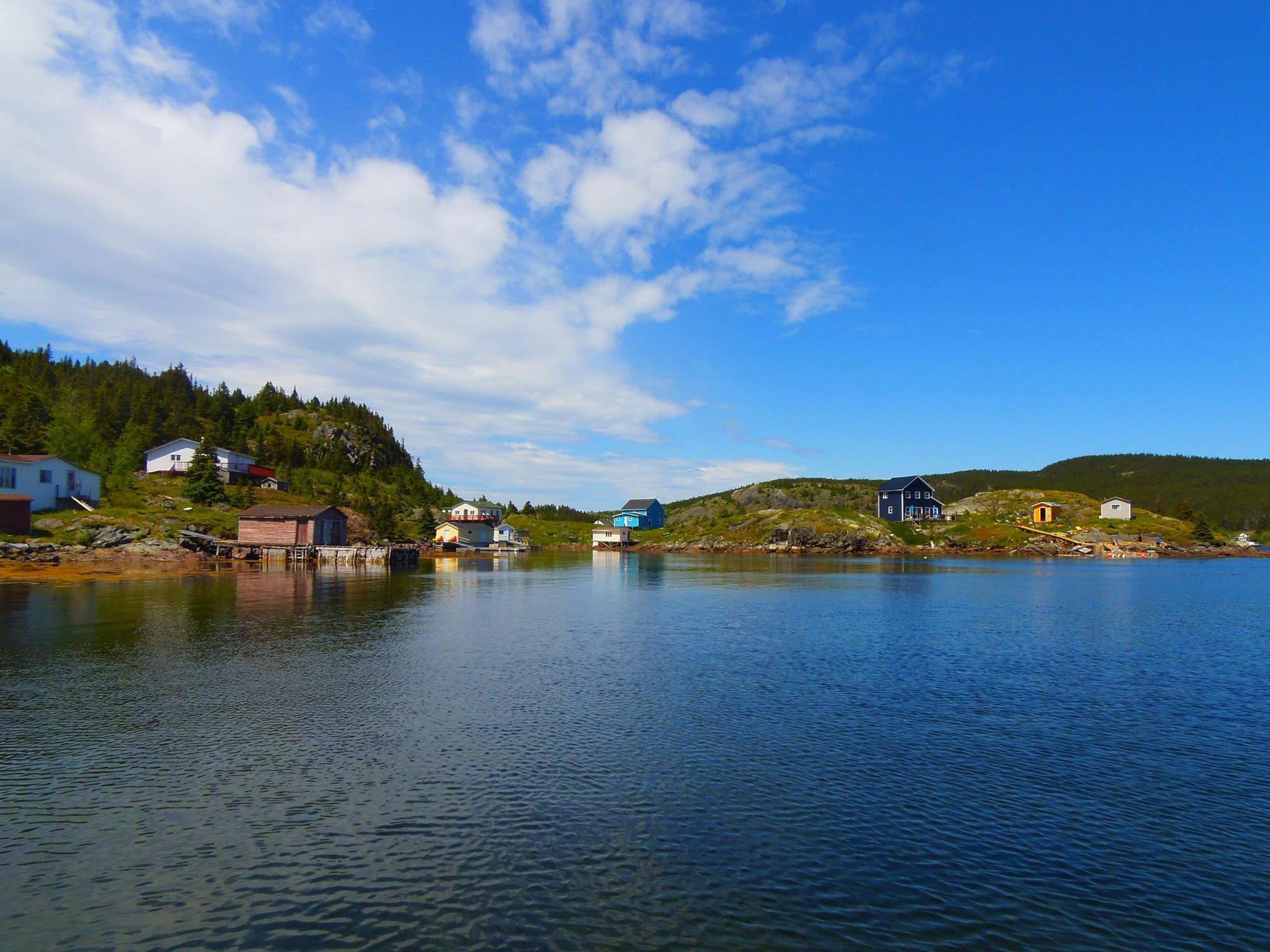
Beothuk Lake sits within Division No. 6, a stretch of Newfoundland and Labrador where boreal wilderness and freshwater systems define what it means to eat and travel here. The lake itself anchors a broader understanding of interior Newfoundland's larder: cold, clean water, short growing seasons, and a tradition of subsistence that still shapes how food is sourced and prepared across the region.

Pearl is the En Primeur Club membership app — saves, bookings, and concierge access live there. Same editors, same standards.
- Address
- Newfoundland and Labrador, Canada
- Directions
- Get directions
Interior Newfoundland and the Arithmetic of Remoteness
Newfoundland's food story is often told from the coastline outward: salt cod, snow crab, turbot pulled from the North Atlantic shelf. But the interior of Division No. 6 tells a different version. Beothuk Lake, set within the boreal heart of the island, represents the freshwater counterpart to that coastal identity. The lakes and rivers of this region were the hunting and fishing grounds of the Beothuk people for millennia, and the cold oligotrophic waters that characterise this part of Newfoundland produce trout and arctic char under conditions that coastal aquaculture cannot replicate. That provenance matters to how the region's food culture is understood and, increasingly, how it is presented to visitors arriving from outside the province.
Division No. 6 is not a dining destination in the conventional sense. There are no tasting-menu counters here, no sommeliers presenting allocation wines from a short list. What exists instead is a food geography shaped almost entirely by what the land and water yield: wild game, freshwater fish, foraged berries, and an agricultural margin so narrow that seasonality is not a menu philosophy but a hard constraint. For travellers accustomed to the kind of sourcing language that appears on menus at Tanière³ in Quebec City or Alo in Toronto, encountering the actual source conditions is a corrective experience.
What the Water Produces
Beothuk Lake and the surrounding watershed sit within one of the least industrially disturbed freshwater systems in eastern Canada. The cold, low-nutrient water that defines this type of boreal lake supports slow-growing, high-quality fish populations, particularly brook trout and ouananiche (landlocked Atlantic salmon), both of which have been central to the subsistence economy of inland Newfoundland for generations. The Beothuk people, for whom the lake is named, relied on exactly these species as a primary protein source across seasonal migration patterns that moved between interior and coast.
This is the kind of sourcing context that contemporary fine-dining has spent the last decade trying to articulate. At Eigensinn Farm in Singhampton, the argument is made through a self-sufficient farm model. At Fogo Island Inn Dining Room in Joe Batt's Arm, it is made through deep integration with Newfoundland's outport fishing tradition. The interior lakes of Division No. 6 represent a different but equally coherent argument: that the most direct form of sourcing is simply proximity to undisturbed habitat, without mediation by farming, certification, or branding.
Newfoundland's Interior vs. the Coastal Narrative
Canadian food culture has a strong coastal bias. The restaurants drawing national and international attention, from AnnaLena in Vancouver on the Pacific side to Catch22 Lobster Bar in Moncton on the Atlantic, tend to anchor their identity in ocean product. Interior wilderness food culture operates on a different register, one that is less visible to the food media but arguably more intact as a subsistence tradition. In Newfoundland specifically, this interior tradition was nearly extinguished along with the Beothuk people themselves, the last of whom died in 1829. What persists today is a settler-inherited version of the same practical relationship with freshwater and boreal forest that the Beothuk maintained for centuries.
That historical weight is worth sitting with before treating the region as a backdrop for outdoor recreation or a source of picturesque remoteness. The lake's name is not incidental. Travelling to Division No. 6 with any seriousness means acknowledging that the food geography here is inseparable from a history of displacement and cultural loss.
Placing Division No. 6 in Canada's Broader Dining Geography
Visitors who come to Newfoundland specifically for food tend to concentrate on St. John's and the Avalon Peninsula, where a recognisable restaurant scene has developed over the past fifteen years. Further afield on the island, places like Chafe's Landing Restaurant in Division No. 1 represent the kind of community-rooted seafood hospitality that has always existed here but now draws visitors from outside the province. Division No. 6 sits at a further remove from that circuit. The accommodation infrastructure is sparse, the roads into the interior are not designed for high visitor throughput, and the dining options are shaped by what is locally practical rather than what is editorially compelling.
The comparison is not useful in culinary terms, but it is useful in travel-planning terms. Visitors looking for a restaurant experience in the mode of Narval in Rimouski or The Pine in Creemore, where a defined culinary philosophy is presented in a structured format, will not find that in Division No. 6. What they will find is the raw material that those kitchens spend significant effort trying to source.
Planning a Visit to the Beothuk Lake Area
Access to the Beothuk Lake area within Division No. 6 requires private vehicle transport; there is no scheduled public transit serving the interior of the island at this distance from the Trans-Canada corridor. The nearest significant service centres are Grand Falls-Windsor and Gander, both of which offer accommodation, fuel, and basic provisioning. Visitors should plan itineraries around the region's short operational season: the window between ice-out in late spring and the onset of difficult weather in autumn is the practical travel period, roughly May through October, with July and August offering the most reliable conditions for wilderness access.
Fishing in Newfoundland requires a provincial licence, obtainable online through the provincial government portal, and the interior lakes of Division No. 6 fall under specific angling regulations that should be confirmed before travel. For those approaching the region through a broader Newfoundland food and travel itinerary, pairing interior wilderness time with a visit to the island's emerging coastal dining scene creates a more complete picture of what the province produces. See our full Division No. 6 restaurants guide for more context on the region's food geography.
For reference on how Canadian wilderness sourcing connects to formal dining at the highest tier, the work being done at Le Bernardin in New York City around North Atlantic product, and at Lazy Bear in San Francisco around foraged and fermented ingredients, illustrates how far removed the presentation layer can be from the source conditions that Division No. 6 makes directly accessible.
Frequently asked questions
Is Beothuk Lake child-friendly?
Beothuk Lake sits within Division No. 6, Newfoundland's interior — a region accessed exclusively by private vehicle with no public transit. The terrain suits older children and teenagers comfortable with remote outdoor environments, but the lack of facilities and the distance from services in this part of Newfoundland and Labrador make it a poor fit for very young children without serious preparation.
Is Beothuk Lake formal or casual?
Beothuk Lake is a remote freshwater lake in Division No. 6, not a dining or hospitality venue, so dress codes are irrelevant here. Practical outdoor clothing suited to Newfoundland's interior climate is the appropriate standard. Conditions can shift sharply, so layering is advisable regardless of season.
Why do travellers specifically seek out Beothuk Lake rather than Newfoundland's better-known coastal destinations?
Most visitors to Newfoundland concentrate on St. John's and the Avalon Peninsula, leaving Division No. 6 and the interior largely bypassed by organised tourism. Beothuk Lake appeals to those after a freshwater environment within one of eastern Canada's least industrially disturbed watersheds — a condition that coastal destinations, however well-regarded, cannot replicate. Access requires a private vehicle, which further filters the visitor base toward those with a deliberate interest in the interior rather than convenience travellers.
What do regulars order at Beothuk Lake?
Beothuk Lake is a natural lake in Newfoundland's interior, not a restaurant or food venue, so there is no menu to speak of. Visitors drawn repeatedly to this area of Division No. 6 typically come for freshwater fishing and wilderness access, given the watershed's low industrial disturbance and cold, nutrient-sparse waters characteristic of eastern Canadian interior systems.
How It Stacks Up
| Venue | Cuisine | Price | Awards | Notes |
|---|---|---|---|---|
| Beothuk LakeThis venue — the venue you are viewing | Newfoundland Lake seafood | Not listed | Not listed | Not listed |
| Alo | Modern French Fine Dining with Asian Influences | $200–300 | 1 Michelin Star · La Liste Top Restaurants | Contemporary |
| Sushi Masaki Saito | Edomae-Style Omakase | $500+ | 1 Michelin Star · La Liste Top Restaurants | Sushi, Japanese |
| The Pine | Contemporary Chinese Fine Dining | $150–200 | 1 Michelin Star · World's 50 Best #48 | Chinese |
| Aburi Hana | Modern Japanese Kyō-Kaiseki | $300–500 | 1 Michelin Star · The Best Chef One Knife | Kaiseki, Japanese |
| AnnaLena | Modern Canadian Tasting Menu | $100–150 | 1 Michelin Star · World's 50 Best #35 | Contemporary |
Details
- Waterfront
- Local Sourcing
Rustic natural atmosphere