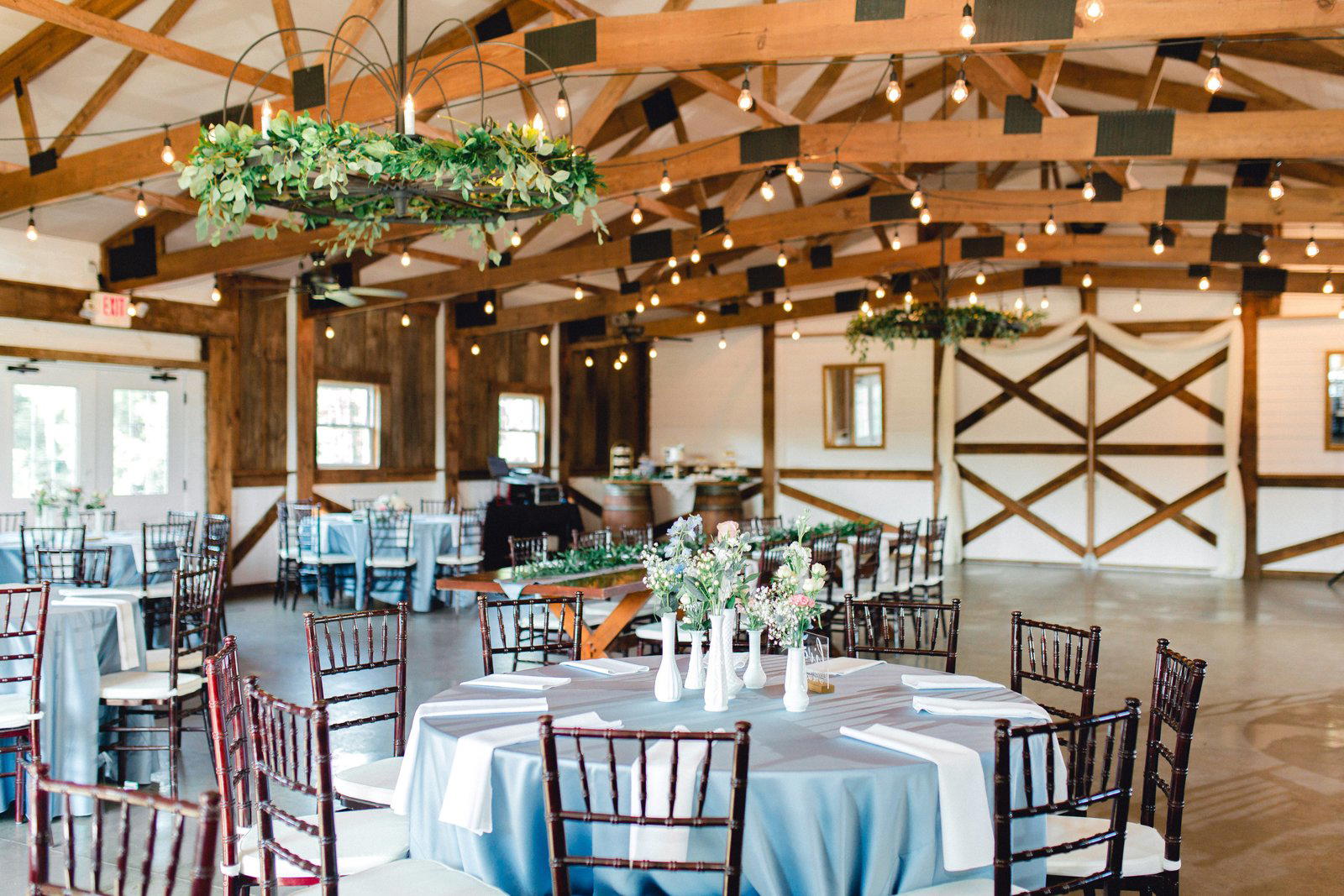
The Roosevelt

James Beard Award Semi Finalist
Our verdict
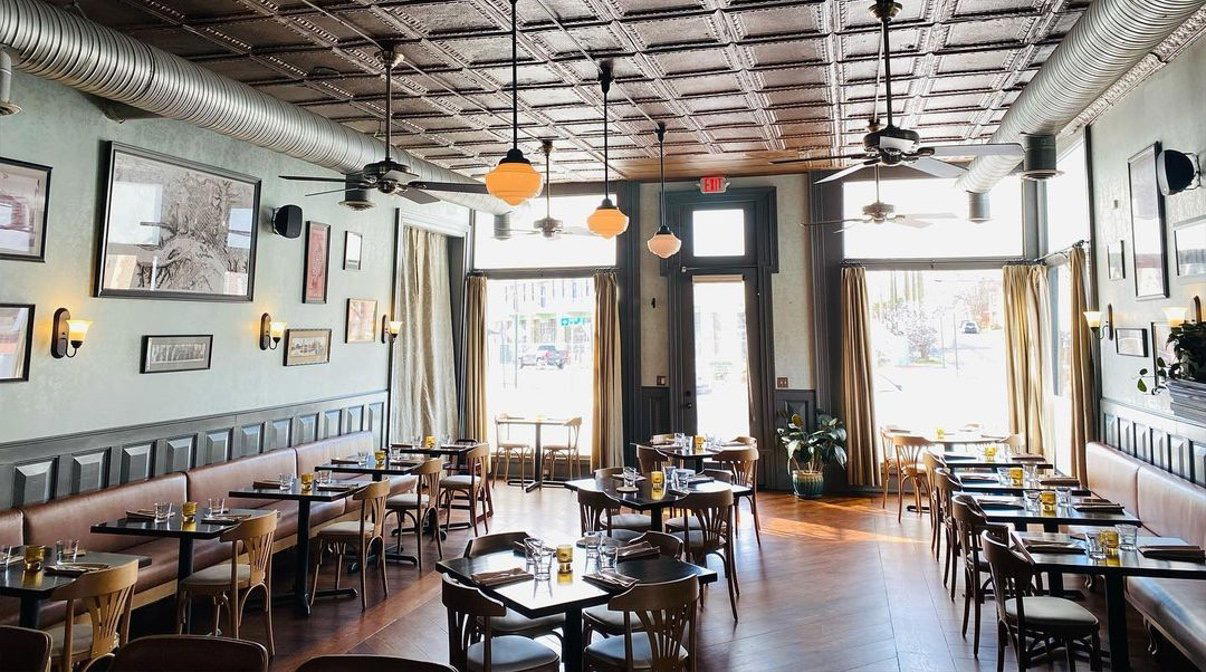
The Roosevelt occupies a converted space on North 25th Street in Richmond's Church Hill neighborhood, operating as one of the city's more serious American kitchens in a part of town that has quietly built a reputation for independent, chef-driven dining. The room draws on the area's architectural heritage while the kitchen positions itself alongside the better-regarded independent restaurants in the Richmond scene.

Pearl is the En Primeur Club membership app, where members save venues, book tables and use the concierge.
The menu
What to order
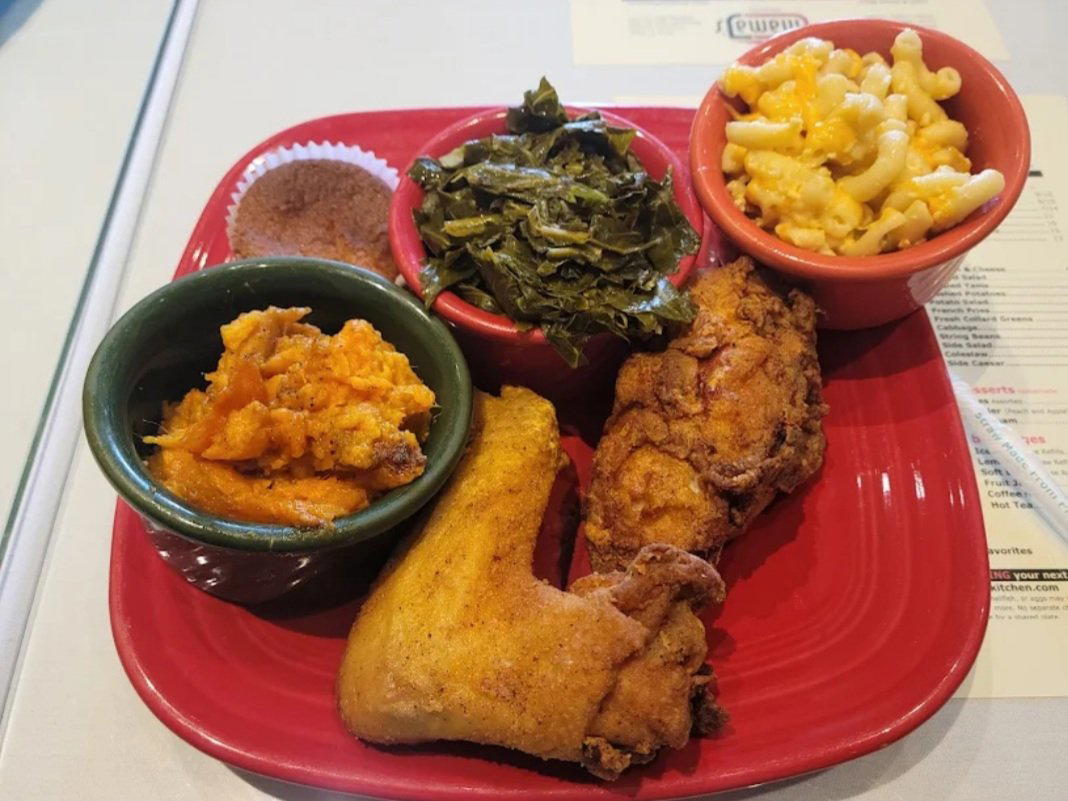
- Southern Poutine
- Scallops with Peaches
- Fried Catfish
- Tobacco Smoked Pork Butt
Church Hill and the Geography of Richmond's Independent Dining
Richmond's dining identity has never been built around a single corridor or a cluster of marquee names. Instead, it has developed through neighborhood pockets, each with its own character and pace. Church Hill, on the eastern edge of the city, represents one of the more considered of those pockets. The area's 19th-century rowhouses and brick-fronted commercial buildings create a physical context that sits apart from the broader Carytown and Scott's Addition scenes, and the restaurants that have taken root here tend toward independent ownership and deliberate programming rather than high-volume concept dining.
The Roosevelt, at 623 N 25th St, is one of the addresses that helped define what Church Hill dining could be. In a city where the conversation around serious American cooking has grown considerably over the past decade, the restaurant sits in the tier of places that positioned Richmond as something other than a secondary market. That positioning matters: cities like Richmond, separated from coastal media centers, tend to develop strong independent restaurants precisely because they are not chasing trend cycles driven by outside attention. The Roosevelt has benefited from that dynamic.
The Room and What It Communicates
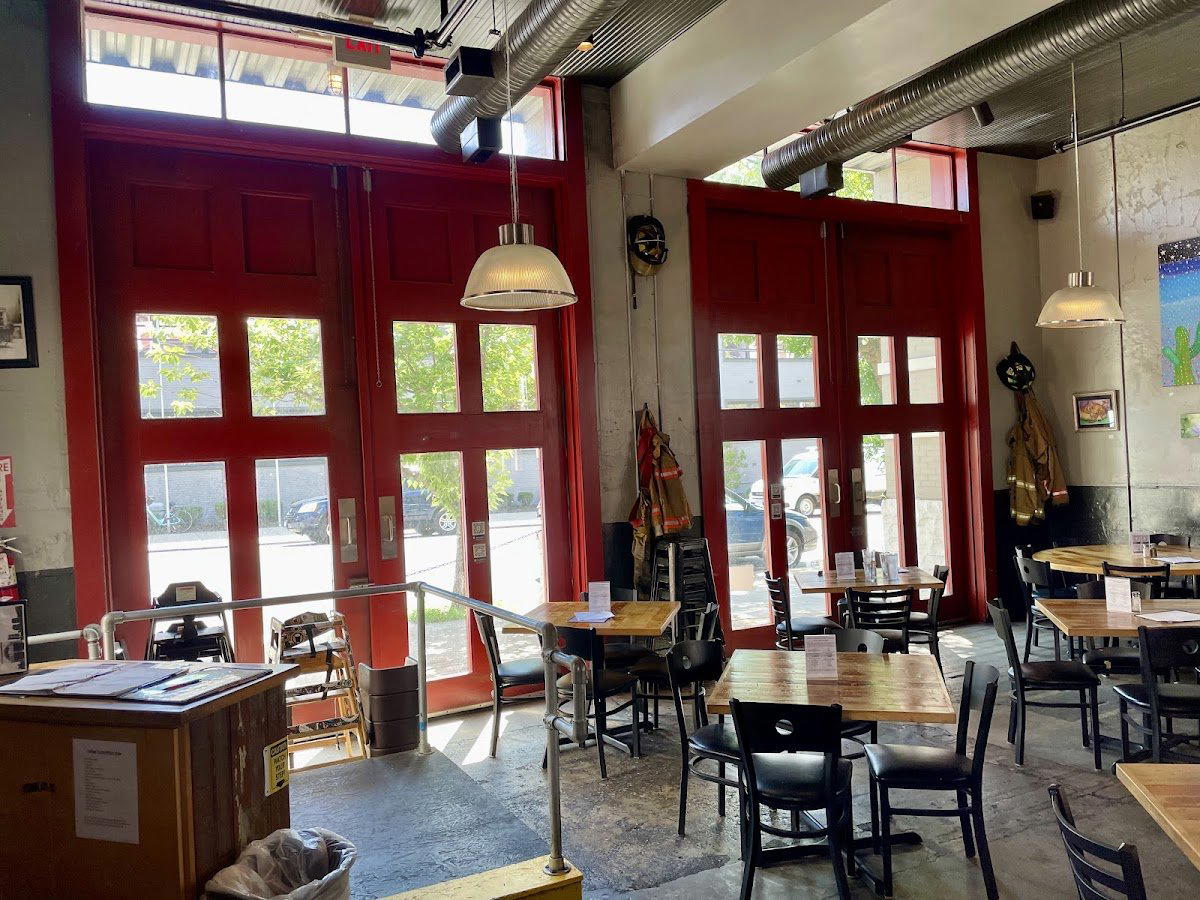
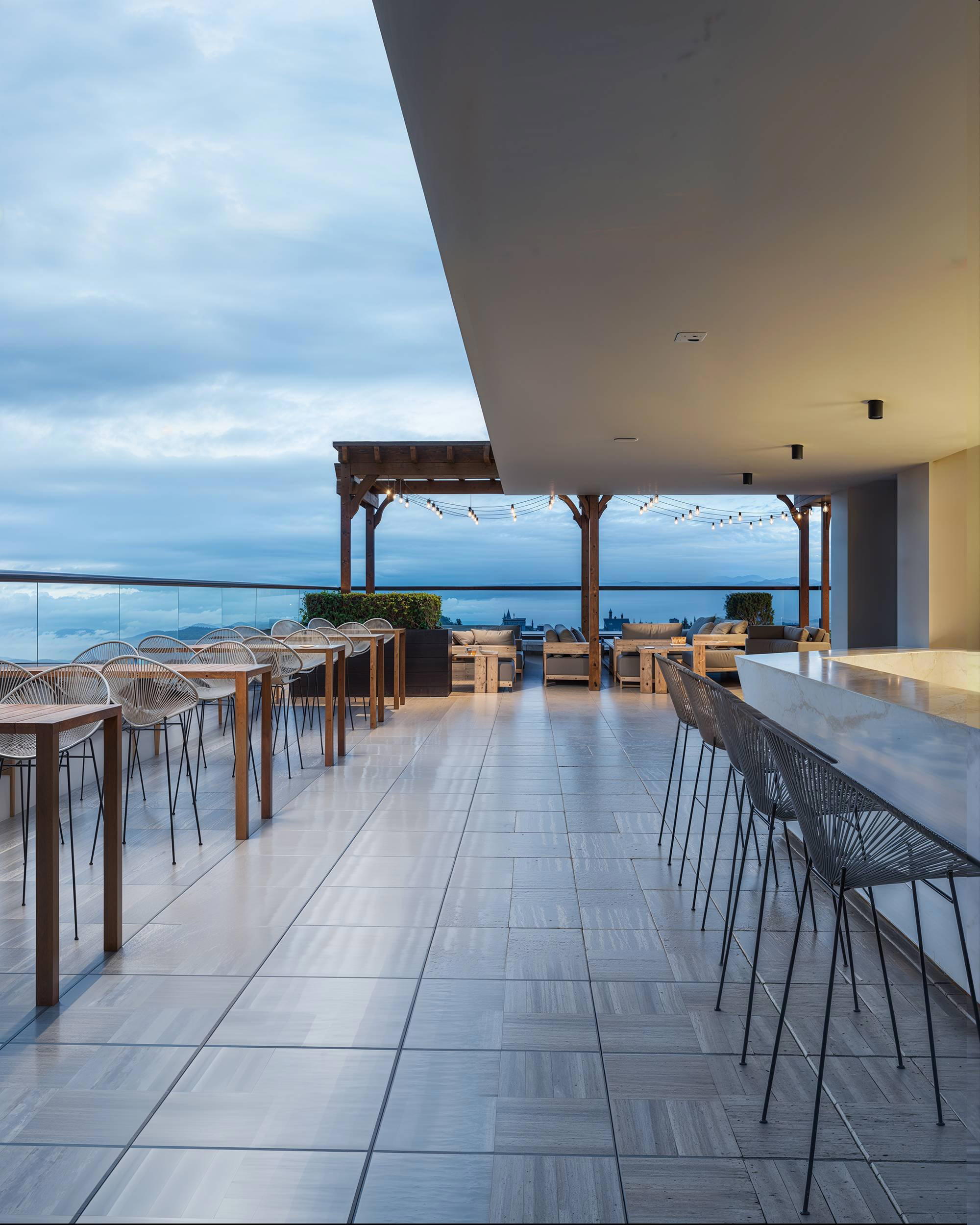
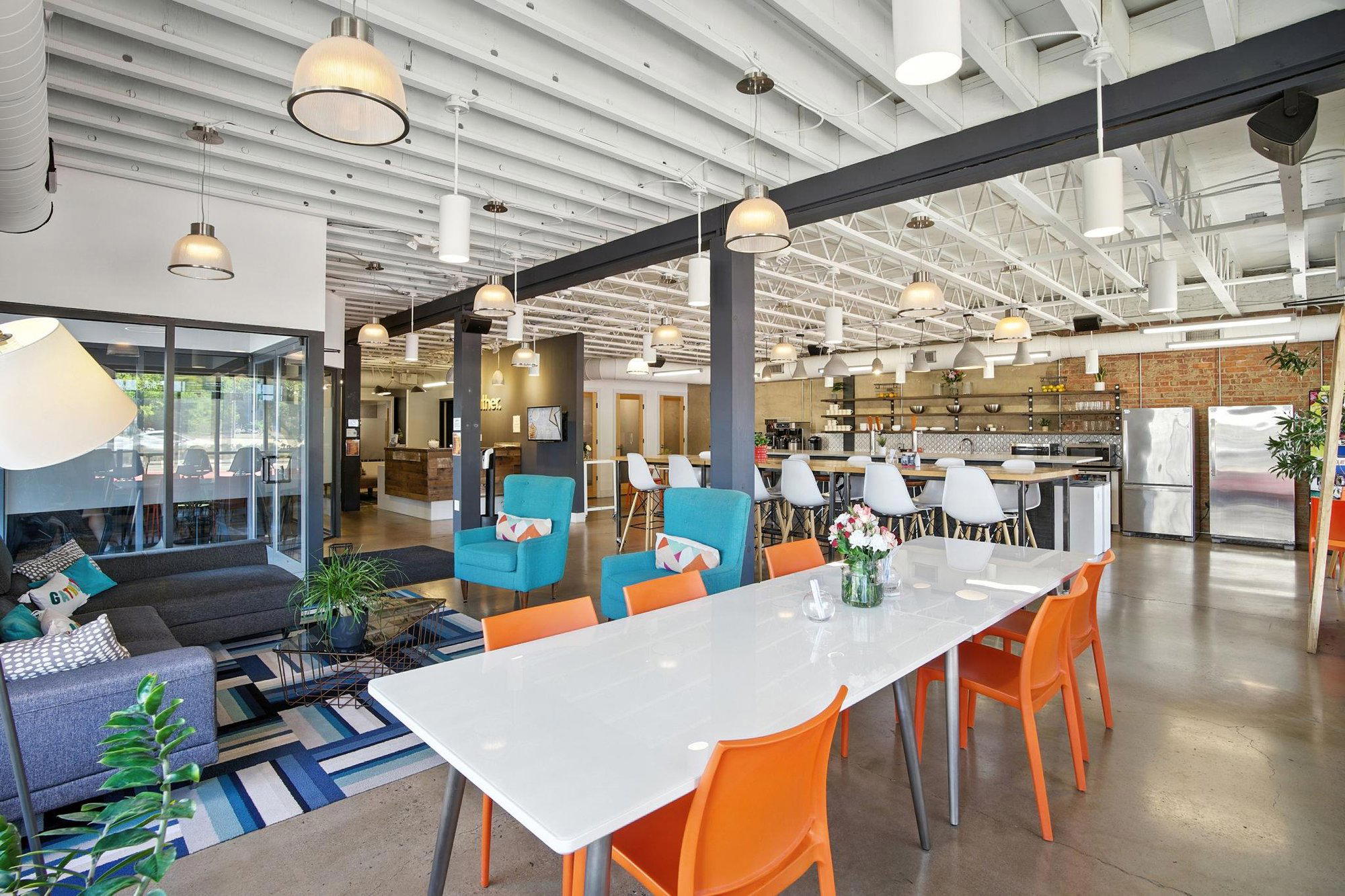
Walking into a Church Hill restaurant in a converted neighborhood building, you arrive with certain expectations about scale and register. The Roosevelt does not attempt to manufacture grandeur. The physical environment works at a human scale, with the kind of spatial honesty that comes from working within an existing structure rather than building from scratch for effect. The sounds are those of a functioning dining room rather than a designed soundscape. Light falls in a way that makes the space feel considered without feeling theatrical.
This physical register connects to a broader pattern across American cities where the most interesting independent kitchens have moved away from the open-kitchen spectacle format and returned to rooms where the meal itself carries the weight. Compare the room scale at a place like Lazy Bear in San Francisco or Smyth in Chicago, where architecture and format are tightly intertwined, and you start to understand how differently a Church Hill address shapes the dining contract. At The Roosevelt, the room asks you to pay attention to what is on the plate and in the glass rather than to the spectacle of the space itself.
Where The Roosevelt Sits in the Richmond Scene
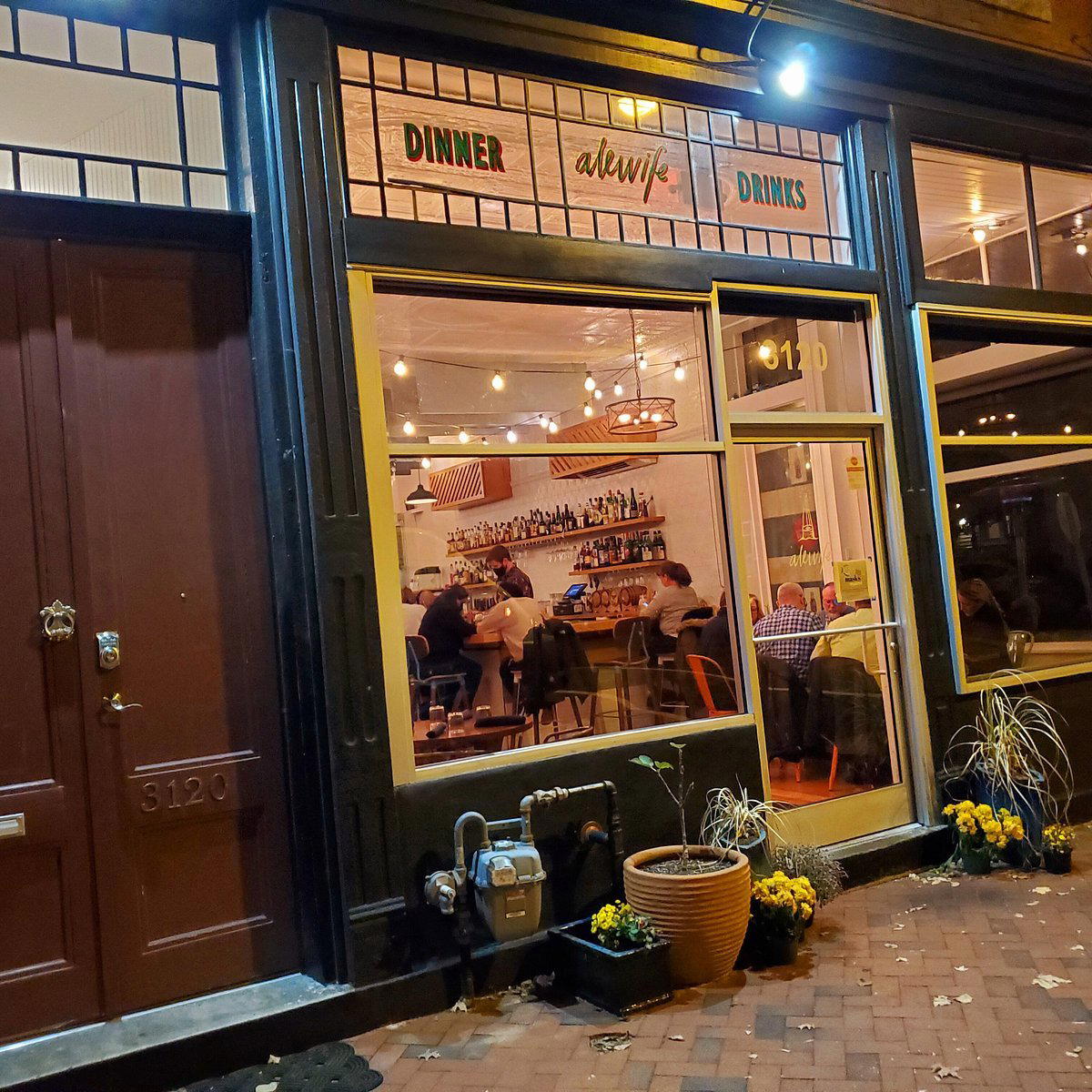
Richmond's restaurant scene has developed a genuine depth over the past decade. The city now supports a range of serious independent operators across neighborhoods, from the seafood-focused kitchens that have drawn on the Chesapeake's proximity to the more produce-led American cooking that has emerged alongside Virginia's agricultural identity. Within that context, The Roosevelt occupies a position among the more established independent names, alongside places like Alewife and 8 ½ in The Fan, which together form part of the city's more thoughtful dining tier.
The comparison set matters for how you approach a booking. Richmond's serious independent restaurants are not priced or programmed against the benchmark of The French Laundry in Napa or Le Bernardin in New York City. They operate within a mid-Atlantic regional framework where the relationship between ingredient sourcing, technique, and price point reflects local market realities. That means the food can be ambitious without the pricing structure of a coastal tasting-menu destination. It also means that the cooking often draws more directly on regional producers and seasonal availability than you would find in a larger market kitchen chasing a global pantry.
For broader context on how The Roosevelt fits within the city's dining tier, the full Richmond restaurants guide maps the scene across neighborhoods and price points. Other Church Hill and East End addresses worth cross-referencing include 2207 Macdonald and 3200 Rockbridge St, which operate in adjacent parts of the city with overlapping sensibilities.
Virginia Produce and the Southern Coastal Larder
The kitchens that have distinguished themselves in Richmond over the past decade share a common reference point: the agricultural and coastal resources of Virginia and the broader mid-Atlantic region. The Chesapeake watershed, Virginia's Shenandoah Valley farms, and the Blue Ridge foothills together produce a larder that is genuinely distinctive, and the restaurants that have made the most of it have done so by treating regional sourcing as a structural commitment rather than a marketing frame.
This positions Richmond's better independent kitchens in an interesting comparative space relative to farm-to-table destinations further north. Blue Hill at Stone Barns in Tarrytown has established a particular model for how a restaurant can organize itself entirely around a local agricultural ecosystem. Richmond's kitchens, including The Roosevelt, operate within the same broad philosophy but without the infrastructure of an attached farm, which means the sourcing relationships are built outward into a network of regional producers rather than inward to a single property. The result can be a more varied and seasonally responsive pantry, though it requires more logistical discipline from the kitchen.
If you are coming to The Roosevelt from outside Virginia, it is worth treating the meal as an introduction to that regional larder. The mid-Atlantic has not received the same sustained editorial attention as the Pacific Coast's farm-forward restaurants, places like Single Thread Farm in Healdsburg or Addison in San Diego, but the underlying ingredient quality is there. Richmond is a reasonable entry point for understanding it.
Planning a Visit
Church Hill is accessible from downtown Richmond without requiring a car, though having one opens up the East End more readily. The neighborhood has changed considerably over the past decade and the restaurant cluster around North 25th Street now draws from across the city rather than just the immediate area. If you are pairing The Roosevelt with other stops, 4 Stones Vegetarian Cuisine represents a different register of the city's independent dining, and the broader Church Hill corridor rewards an afternoon of walking before an evening reservation.
For readers who have experience with higher-format American restaurants, from Providence in Los Angeles to The Inn at Little Washington or Emeril's in New Orleans, The Roosevelt operates at a different scale and with a different set of ambitions. It is not competing in that register. It is making an argument for what serious regional American cooking looks like when the chef does not need to perform for a national audience, which is, in many respects, a more interesting argument to follow.
Frequently asked questions
What's the address for The Roosevelt?
The Roosevelt is located at 623 N 25th St, Richmond, VA 23223, Richmond.
Is The Roosevelt a good fit for someone exploring Richmond's independent dining scene for the first time?
Church Hill is one of the neighborhoods that shaped Richmond's identity as a city of serious independent operators rather than import concepts, and The Roosevelt sits squarely in that tradition at 623 N 25th St. The room communicates neighborhood scale rather than destination-restaurant formality, which makes it a reasonable entry point into the East End dining circuit. For context on where it fits relative to the broader Richmond scene, it belongs alongside the Virginia-produce-focused kitchens that have given the city its current reputation.
What should I order at The Roosevelt?
The Roosevelt's kitchen draws from the Virginia agricultural and coastal larder that defines the stronger end of Richmond's independent dining scene, so dishes grounded in seasonal regional produce and Southern coastal tradition represent the kitchen at its most focused. Given the Church Hill setting and the scale of the room, the menu tends toward the kind of cooking that rewards attention rather than novelty. Ask your server what has come in locally that week, that question will tell you more about the current menu than any printed list.
Do they take walk-ins at The Roosevelt?
Walk-in availability at The Roosevelt, located at 623 N 25th St in Richmond's Church Hill neighborhood, depends on the night and the season. Smaller independent rooms like this one can fill quickly on weekends, particularly as Richmond's East End has drawn more dining traffic over the past several years. Arriving early in service or targeting a weeknight gives you the best chance without a reservation.
Credentials Lens
| Venue | Cuisine | Price | Awards |
|---|---|---|---|
| The RooseveltThis venue (the venue you are viewing) | Modern Southern American | $30–50 | James Beard Award Semi Finalist |
| Chef Tony Seafood Restaurant | Modern Cantonese Dim Sum & Seafood | $30–50 | Not listed |
| Jade Seafood Restaurant | Cantonese Dim Sum and Seafood | Not listed | Wine Spectator Best of Award of Excellence |
| Lemaire Restaurant | New American Southern | $30–50 | Wine Spectator Award of Excellence |
| HK BBQ Master | Cantonese BBQ | $10–20 | Not listed |
| Minamishima | Japanese Edomae Sushi Omakase | $150–200 | La Liste Top Restaurants |
Recognition history
Dated appearances from independent guides and award organizations, with the underlying list record or original source where available.
James Beard Award Semi Finalist
James Beard Award