Casa Dominick's
On Monroe Street in Ann Arbor's near-campus corridor, Casa Dominick's occupies the kind of address where neighbourhood regulars and first-time visitors tend to overlap. The kitchen works within a sourcing-conscious framework that has made ingredient provenance a recurring subject among diners who track the city's independent restaurant scene. For a fuller picture of what the street and surrounding blocks offer, the Ann Arbor dining conversation starts here.
Pearl is the En Primeur Club membership app — saves, bookings, and concierge access live there. Same editors, same standards.
- Address
- 812 Monroe St, Ann Arbor, MI 48104
- Phone
- +1 734 662 5414
- Directions
- Get directions
 Saves & bookings on Pearl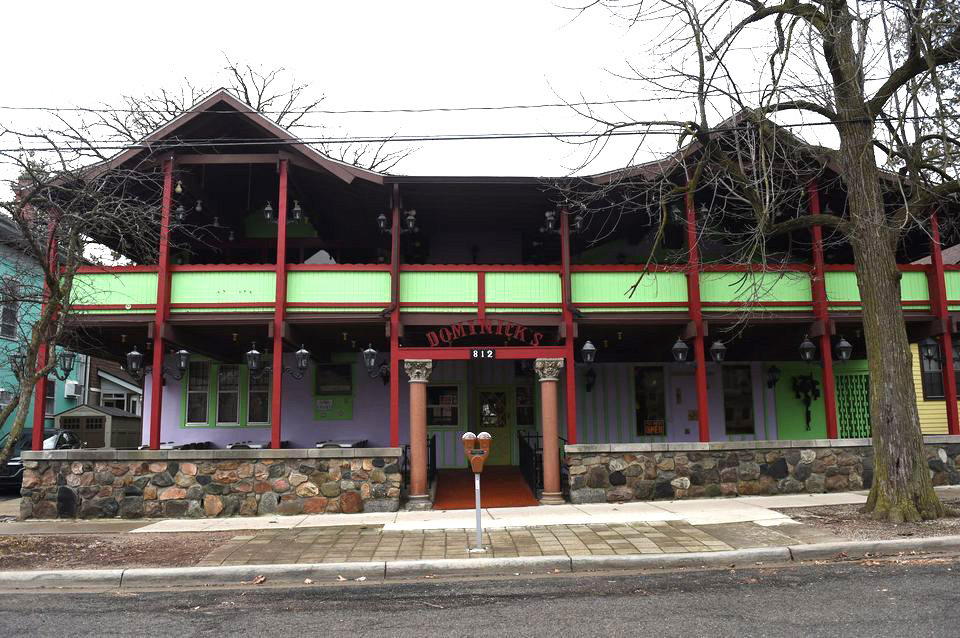
Casa Dominick's is a bar at 812 Monroe St in Ann Arbor, MI 48104, with. Monroe Street in Ann Arbor has a particular quality in the early evening: the tree canopy along the pavement filters whatever light remains, and the buildings step close enough to the sidewalk that you register a place before you've consciously decided to look for it. Casa Dominick's at 812 Monroe St sits in that zone, at an address that has long attracted the kind of dining that anchors a neighbourhood rather than performing for a wider audience. The approach is deliberate and place-specific.
Where the Food Comes From
The question of provenance, what region a product comes from and how directly the kitchen has access to it, has become a meaningful differentiator in the tier of dining that sits between fast-casual and destination tasting menus. Ann Arbor is well positioned for this kind of cooking. The city sits within reach of productive agricultural land in southern Michigan, and the regional food-supply network that developed around farmers markets and university-adjacent food culture has given kitchens here a denser set of sourcing options than comparably sized cities in other states.
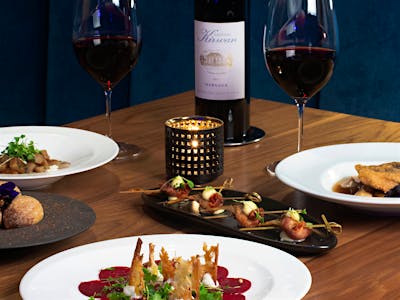
Casa Dominick's operates within that context. The kitchen's orientation toward where ingredients originate, rather than simply what category of cuisine it produces, places it alongside the strand of Ann Arbor restaurants that treat supply-chain decisions as editorial choices. That approach tends to produce menus that shift with what is actually available rather than menus engineered around a fixed identity, which means the experience at any given visit is shaped partly by the season and partly by what producers are offering at that moment.
The Monroe Street Corridor and Its Dining Character
The near-campus corridor around Monroe Street occupies a different register from Ann Arbor's downtown core. Downtown pulls toward Main Street, where the density of bars and established dining rooms creates a more performative dining atmosphere. Monroe Street and its adjacent blocks tend toward something quieter: neighbourhood spots with regulars, wine programs built around conversation rather than spectacle, and kitchens that don't need the foot traffic of a Friday-night Main Street crowd to sustain their model.
That distinction matters when placing the bar in context. The Ann Arbor independent restaurant scene has enough range that venues in different sub-neighbourhoods occupy meaningfully different positions. Comparison venues in the broader city include Aventura and Bar 327 Braun Court, both of which operate in their own distinct formats, and Black Pearl, which occupies the bar end of the spectrum. The bar sits in the dining-focused tier, closer in spirit to venues where the kitchen's decisions are the primary conversation.
What a Sourcing-Led Kitchen Produces
When a kitchen's identity is built around ingredient provenance rather than a fixed national cuisine, the menu becomes a kind of argument about what the region can supply at its leading. Southern Michigan's growing season produces strong stone fruit in summer, root vegetables and squash through autumn, and a winter period that pushes kitchens toward preserved, aged, and cured products. Restaurants working seriously within that framework tend to cook differently across the year in ways that destination-formula kitchens do not.
That variability is both a feature and a calibration challenge for first-time visitors. A table in late summer will encounter different material from a table in February, and the kitchen's skill shows partly in how it handles the less glamorous parts of the agricultural calendar as well as the peak months. This is the standard by which sourcing-led restaurants are usefully assessed, not whether the summer produce is good, which is easy, but whether the kitchen finds something worth eating in harder months.
Ann Arbor in the Wider Midwest Dining Conversation
Ann Arbor occupies a specific position in Midwest dining: a university city with enough educated, food-engaged dining population to support serious independent kitchens, but without the critical mass of Chicago or the national-press attention that follows. That positioning has produced a dining scene with genuine depth at the independent level and relatively little of the franchise or chain dilution that affects comparably sized cities. For travellers moving through the region, it merits the same attention as second-tier cities in other parts of the country that have built strong food identities below the radar of national travel coverage.
For context on how Ann Arbor's dining culture compares to bar and cocktail programs in other American cities, the range is instructive. Programs like Kumiko in Chicago, Jewel of the South in New Orleans, and Julep in Houston represent the tier of American hospitality that draws national recognition, while ABV in San Francisco, Superbueno in New York City, and Bar Leather Apron in Honolulu each demonstrate how strong independent programs build followings outside the traditional coastal media centres. The Parlour in Frankfurt on the Main extends that comparison internationally. Ann Arbor's independent restaurant scene operates on a smaller scale but with comparable seriousness at its better addresses.
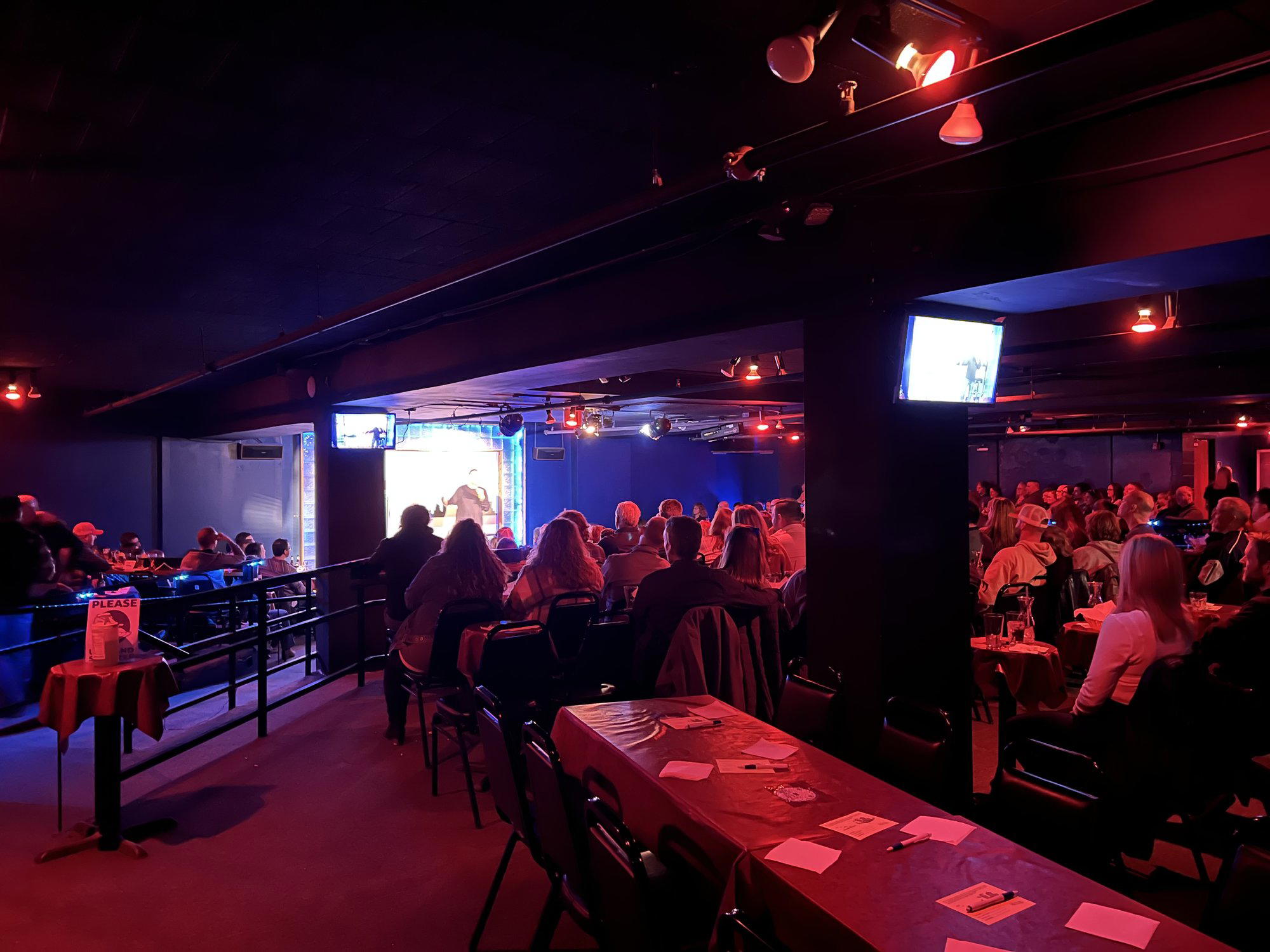
The city also supports a live-performance and entertainment calendar that intersects with the dining scene; Ann Arbor Comedy Showcase is a useful reference point for an evening that combines dining on Monroe Street with later programming nearby.
Planning a Visit
The bar address at 812 Monroe St places it within walking distance of the University of Michigan's central campus, which means the surrounding area is accessible on foot from most near-campus accommodation. The neighbourhood's character is residential and relatively quiet on weeknights, which can make early-week reservations easier to secure than weekend tables if timing is flexible. Given the sourcing-led format, visiting during peak Michigan growing season, roughly late June through October, aligns leading with what a kitchen of this type tends to do at its most confident. For the broader dining picture in the city, our full Ann Arbor restaurants guide maps the independent scene across neighbourhoods and price tiers.
Quick Comparison
Comparable venues nearby, for context on price, style, and recognition.
| Venue | Cuisine | Price | Notes |
|---|---|---|---|
| Casa Dominick'sThis venue — the venue you are viewing | pub | $$ | Not listed |
| Bløm Mead + Cider | beer_bar | $$ | Downtown Ann Arbor |
| The Earle Restaurant | wine_bar | $$$ | downtown |
| Tomukun Korean BBQ | pub | $$ | Downtown |
| Bar 327 Braun Court | cocktail_bar | $$ | Kerrytown |
| HopCat | beer_bar | $$ | Downtown |
Continue exploring
More in Ann Arbor
Bars in Ann Arbor
Browse all →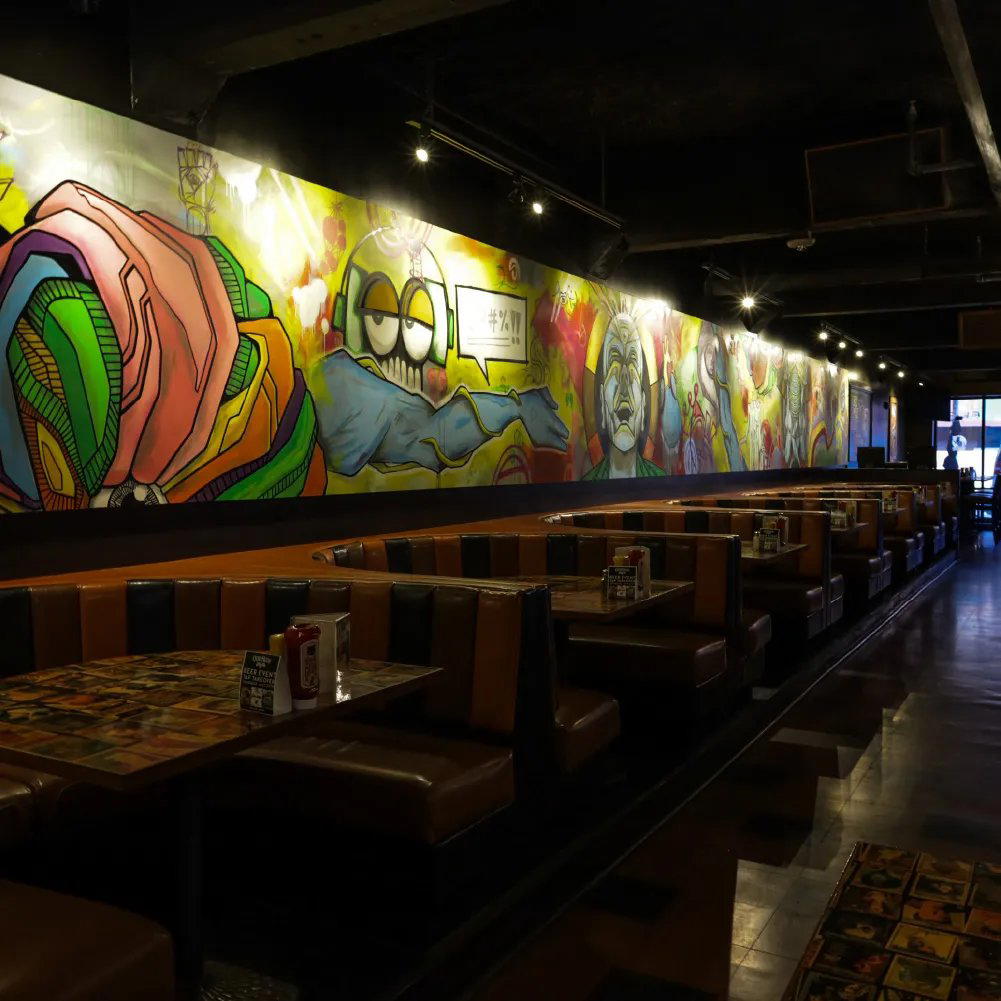
Restaurants in Ann Arbor
Browse all →
At a Glance
- Lively
- Cozy
- Rustic
- Group Outing
- Casual Hangout
- Standalone
- Outdoor Terrace
- Communal Tables
- Classic Cocktails
- Street Scene
Current opening hours
- Monday
- 11 AM–9 PM
- Tuesday
- 11 AM–9 PM
- Wednesday
- 11 AM–9 PM
- Thursday
- 11 AM–9 PM
- Friday
- 11 AM–9 PM
- Saturday
- 11 AM–9 PM
- Sunday
- Closed
Hours can change for holidays and private events. Last verified .
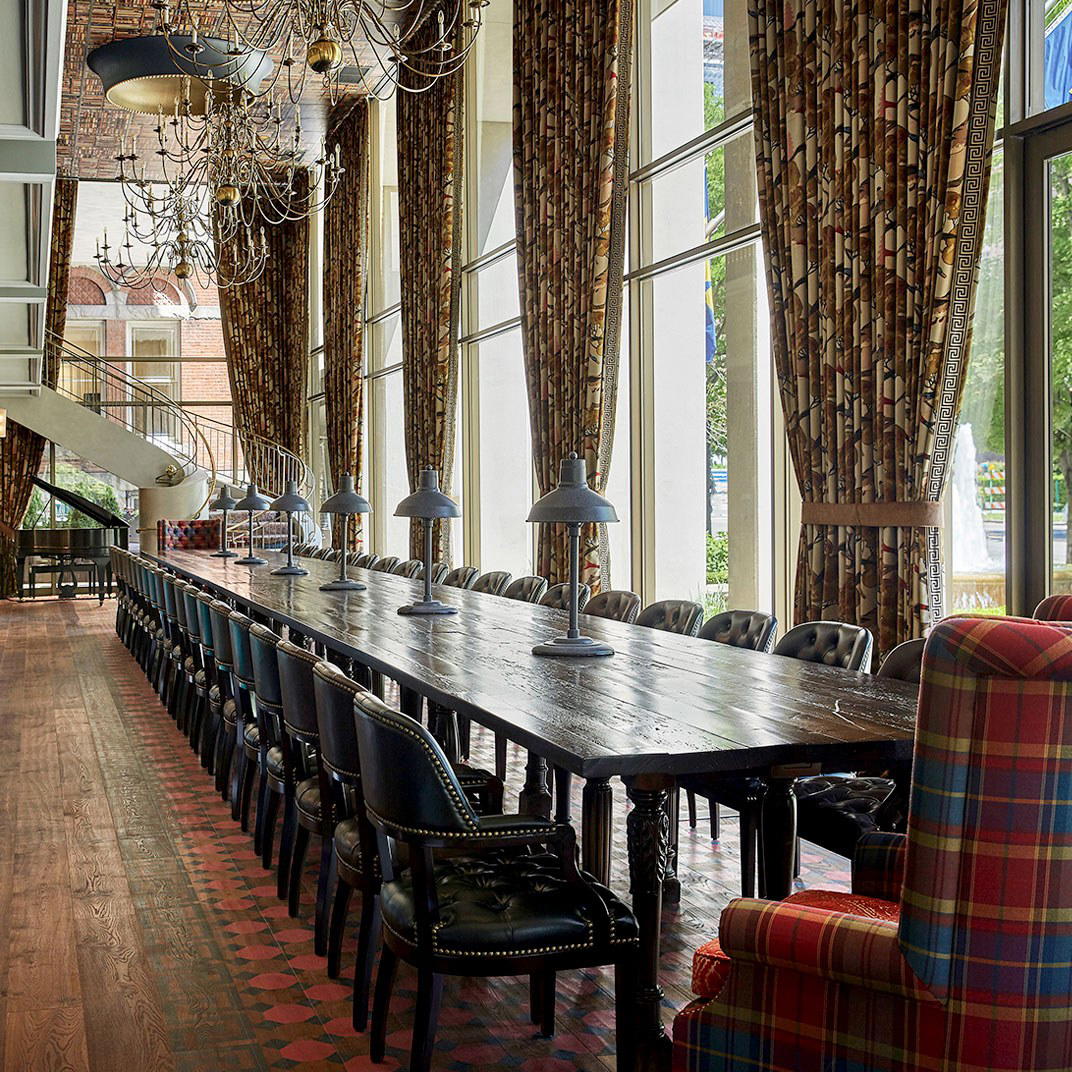
Grungy shabby chic with rowdy card games, flickering string lights, and sangria-stained wood.