
Gambero Rosso 1 Forchetta
Our verdict
Bella Vita sits in Shanghai’s Xuhui District with a Gambero Rosso one-fork designation, a useful signal for readers tracking Italian dining outside Europe. The sharper question is not spectacle but sourcing discipline: how an Italian kitchen in Shanghai handles produce, dairy, oil, flour, and wine expectations in a city where international dining has matured beyond novelty.

Pearl is the En Primeur Club membership app, where members save venues, book tables and use the concierge.
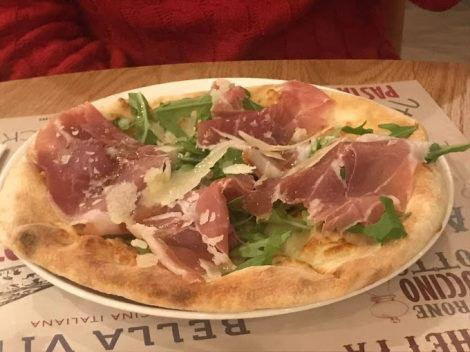
The menu
What to order
- Homemade pacchero in tomato sauce with basil
- Whipped black cod
- Slow-cooked pork head
- House-made spaghetti with tuna
- Fiorentina thick-cut steak
- Classic Italian desserts
On Tianping Road, the useful first read is neighbourhood rather than theatre. Xuhui has long been one of Shanghai’s more convincing districts for slower dining: plane-tree streets, residential scale, and a clientele that tends to reward restaurants with repeatable standards rather than one-season noise. In that setting, Bella Vita belongs to the part of the city’s Italian scene where ingredient choices matter more than decorative Mediterranean shorthand.
Italian cooking in Shanghai now depends on supply lines, not nostalgia
Shanghai’s European restaurants are no longer judged simply for importing a cuisine into China. The city has had enough international dining for the conversation to move toward procurement: which ingredients need to travel, which can be sourced locally, and where the kitchen draws the line between adaptation and dilution. For Italian cooking, that line is especially visible. Pasta, bread, olive oil, cheese, cured products, tomatoes, seafood, and seasonal vegetables all expose weak buying decisions quickly.
That is where Bella Vita’s Gambero Rosso one-fork restaurant designation has practical meaning. Gambero Rosso is an Italian authority, and its fork system signals recognition within an Italian dining framework rather than a generic luxury ranking. A one-fork designation does not imply grand-formality dining; it points to a restaurant that has cleared a cuisine-specific credibility threshold. In Shanghai, that matters because Italian restaurants can drift into either hotel dining polish or casual trattoria theatre. The stronger addresses usually show restraint: fewer clichés, better raw materials, and cooking that does not treat richness as a substitute for clarity.
The sourcing question is also what separates serious Italian restaurants in Asia from broad European menus. A kitchen can buy imported cheese and cured meat, but the harder work is consistency across staples: flour behavior in humid summers, tomato quality outside peak periods, dairy storage, seafood selection, and the calibration of acidity and fat for local palates without flattening the cuisine. Those details rarely read as spectacle, yet they decide whether an Italian meal in Shanghai feels anchored or assembled.
Xuhui gives this style of restaurant the right kind of pressure
Xuhui is not the city’s loudest dining district, which is part of its advantage. Restaurants here often operate under the scrutiny of locals, expatriate regulars, and visitors who already know the difference between comfort Italian and disciplined regional cooking. The room does not need to announce itself if the sourcing and execution are doing the work. In this part of Shanghai, durability counts: a restaurant earns attention by being useful across occasions, not by chasing the newest format.
Bella Vita should be read through that lens. The available public signals point less toward chef-driven theatre and more toward cuisine identity, neighbourhood fit, and external Italian recognition. For readers planning a Shanghai dining itinerary, that places it in a different decision category from Cantonese banqueting rooms, steakhouse dining, and destination tasting counters. It is the sort of address to consider when the brief is Italian food with a recognised standard rather than a maximalist night out.
Shanghai’s broader restaurant map helps clarify the choice. For Cantonese dining, EP Club readers can cross-reference 100 Century Avenue Cantonese, 102 House (Cantonese), and 102 House Shanghai. For meat-led Western formats, compare the role of 100 Century Avenue Steakhouse and 1515 West Chophouse (Steakhouse). Those links are not substitutes; they show how varied Shanghai’s premium dining grammar has become, from Cantonese precision to steakhouse scale to Italian ingredient discipline.
How to place Bella Vita in a Shanghai itinerary
The cleanest reason to book Bella Vita is specificity. Shanghai can deliver scale, skyline dining, regional Chinese depth, and polished hotel restaurants in the same trip. Italian cooking earns its slot only when it offers a different rhythm: less ceremony than a banquet, more culinary structure than a casual international meal, and enough sourcing seriousness to justify choosing it in a city with deep local alternatives.
Because detailed public information on format, pricing, chef leadership, and booking channels is not part of the core public profile, the sensible approach is to treat the Gambero Rosso one-fork designation as the main external trust signal and plan around the restaurant’s Xuhui location. That makes it better suited to travellers already spending time in the former French Concession area than to those building a single-night, cross-city dining sprint.
For wider planning, use Our full Shanghai restaurants guide alongside Our full Shanghai hotels guide, Our full Shanghai bars guide, Our full Shanghai wineries guide, and Our full Shanghai experiences guide. Readers extending the trip across China can also map regional dining contrasts through #8 in Chengdu, 167 Shan Hai Li in Fuzhou, 1913 in Hangzhou, 1927 Dong Yuan Si Chu in Xiamen, 1949 - Duck de Chine in Beijing, and 1980烧肉粽 in 厦门市. For a transpacific contrast in Japanese-leaning casual formats, see Jōdo Saké Bar in Los Angeles and Onigiri Time in Pasadena.
Frequently asked questions
What's Bella Vita known for in terms of accolades?
Bella Vita has received recognition including: Gambero Rosso one-fork restaurant designation.
What's the address for Bella Vita?
Bella Vita is located at No. 318 Tianping Rd. Xuhui District, Shanghai.
How hard is it to get a table at Bella Vita?
Bella Vita sits at No. 318 Tianping Rd. in Xuhui District, so it is a restaurant where planning ahead is sensible rather than casual. Its Gambero Rosso one-fork designation gives it enough profile to justify advance booking.
What has Bella Vita built its reputation on?
Bella Vita’s clearest credential is its Gambero Rosso one-fork restaurant designation. In Shanghai, that signals a serious Italian address rather than a decorative one.
Is Bella Vita allergy-friendly?
Allergy handling depends on the restriction, but the practical answer is to raise it before confirming a table. Bella Vita’s Shanghai address at No. 318 Tianping Rd. Xuhui District makes advance coordination the sensible approach.
How It Compares
Comparable venues nearby, for context on price, style, and recognition.
| Venue | Cuisine | Price | Awards | Notes |
|---|---|---|---|---|
| Bella VitaThis venue (the venue you are viewing) | Upscale Italian Bistro in a Villa with Rooftop Terrace | $50–100 | Gambero Rosso 1 Forchetta | Not listed |
| upper club | Modern Chinese Hot Pot | Not listed | Black Pearl 1 Diamond | Jing'an |
| Malt Fun | Whisky Bar | $50–100 | Not listed | Xujiahui |
| NOBLE | Modern Huaiyang | Not listed | Black Pearl 1 Diamond | Lao Bai Du |
| Da Vittorio | Modern Italian Fine Dining | Not listed | Not listed | Lu Jia Du |
| The Kitchen Table | Modern International Bistro | $50–100 | Not listed | Hongkou |
Recognition history
Dated appearances from independent guides and award organizations, with the underlying list record or original source where available.
Gambero Rosso 1 Forchetta
Gambero Rosso
Continue exploring
More in Shanghai
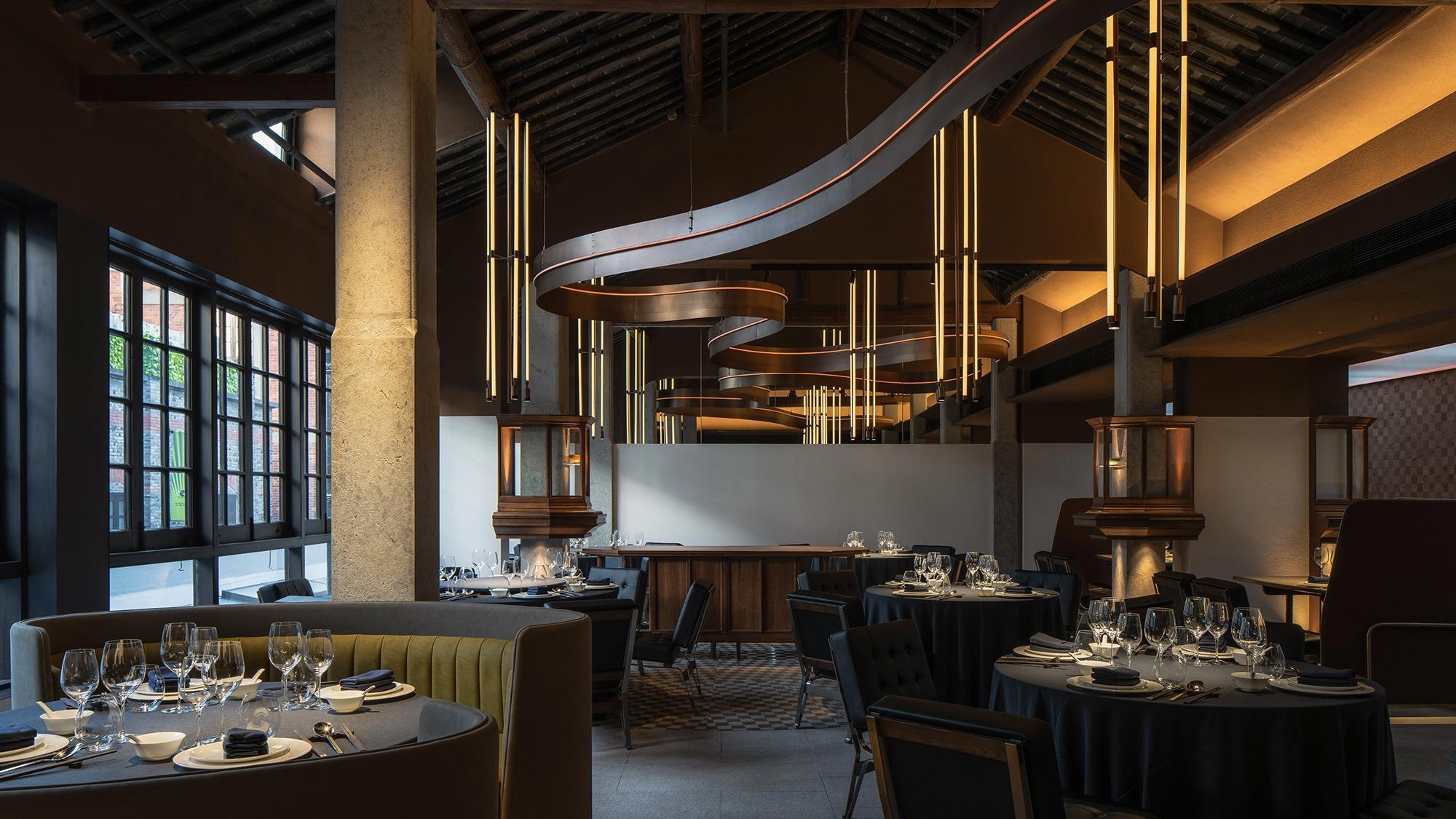
Restaurants in Shanghai
All restaurants in Shanghai →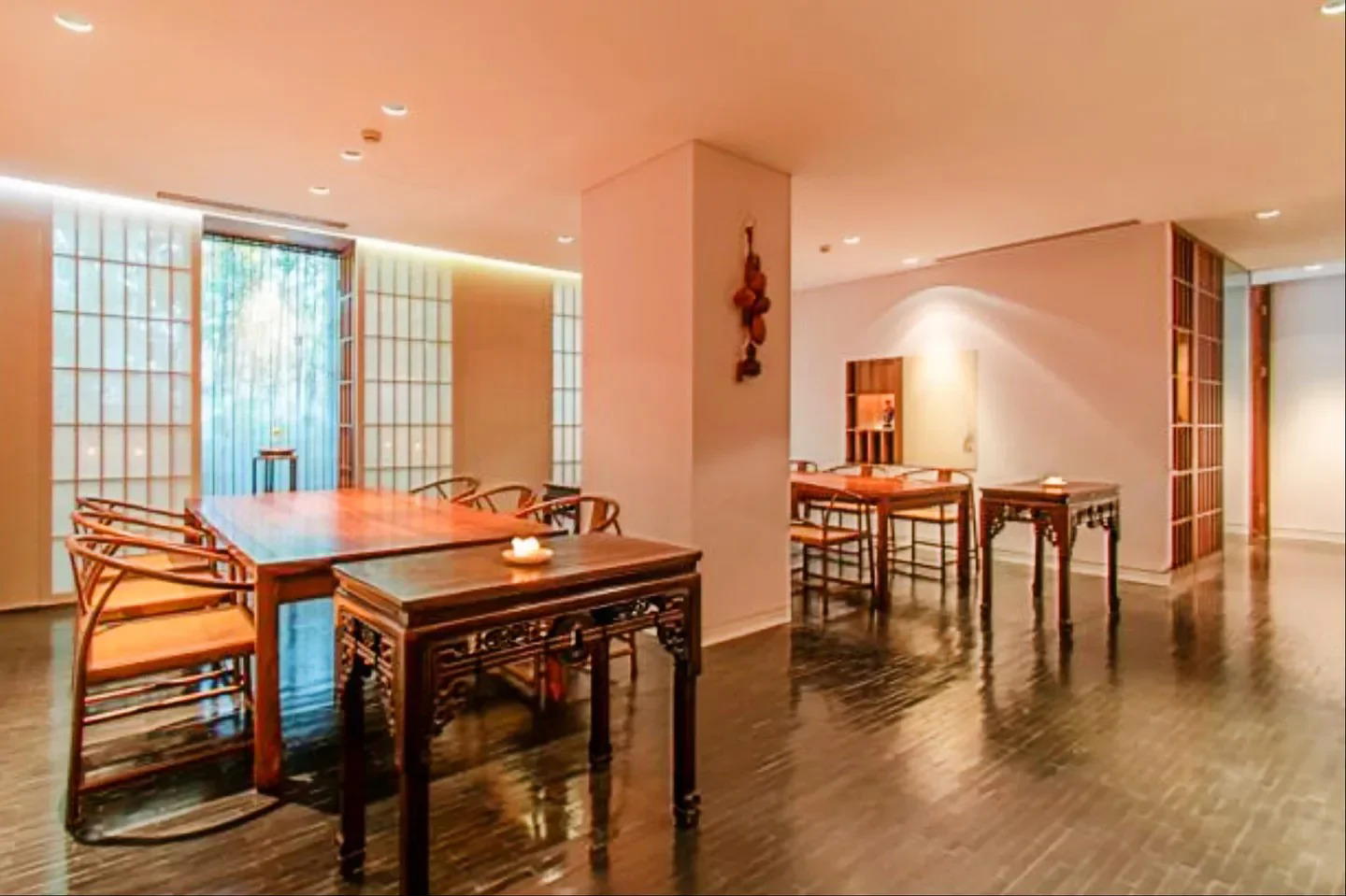
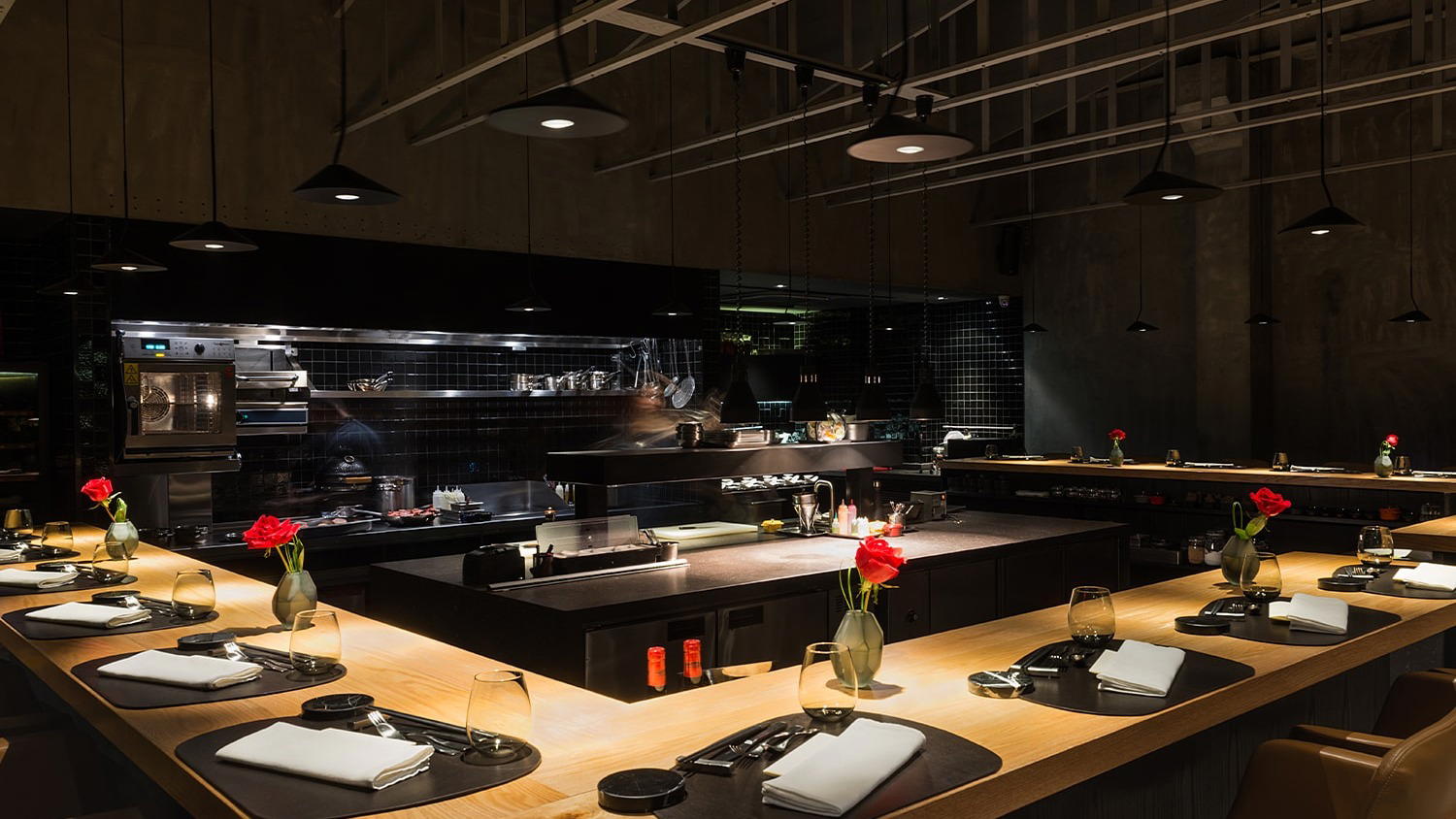
Bars in Shanghai
All bars in Shanghai →
Details
- Elegant
- Cozy
- Romantic
- Modern
- Trendy
- Sophisticated
- Date Night
- Business Dinner
- Group Dining
- Celebration
- Special Occasion
- After Work
- Rooftop
- Terrace
- Open Kitchen
- Design Destination
- Standalone
- Extensive Wine List
- Craft Cocktails
- Local Sourcing
- Street Scene
- A La Carte
- Wine
- Cocktails
- Vegetarian Friendly
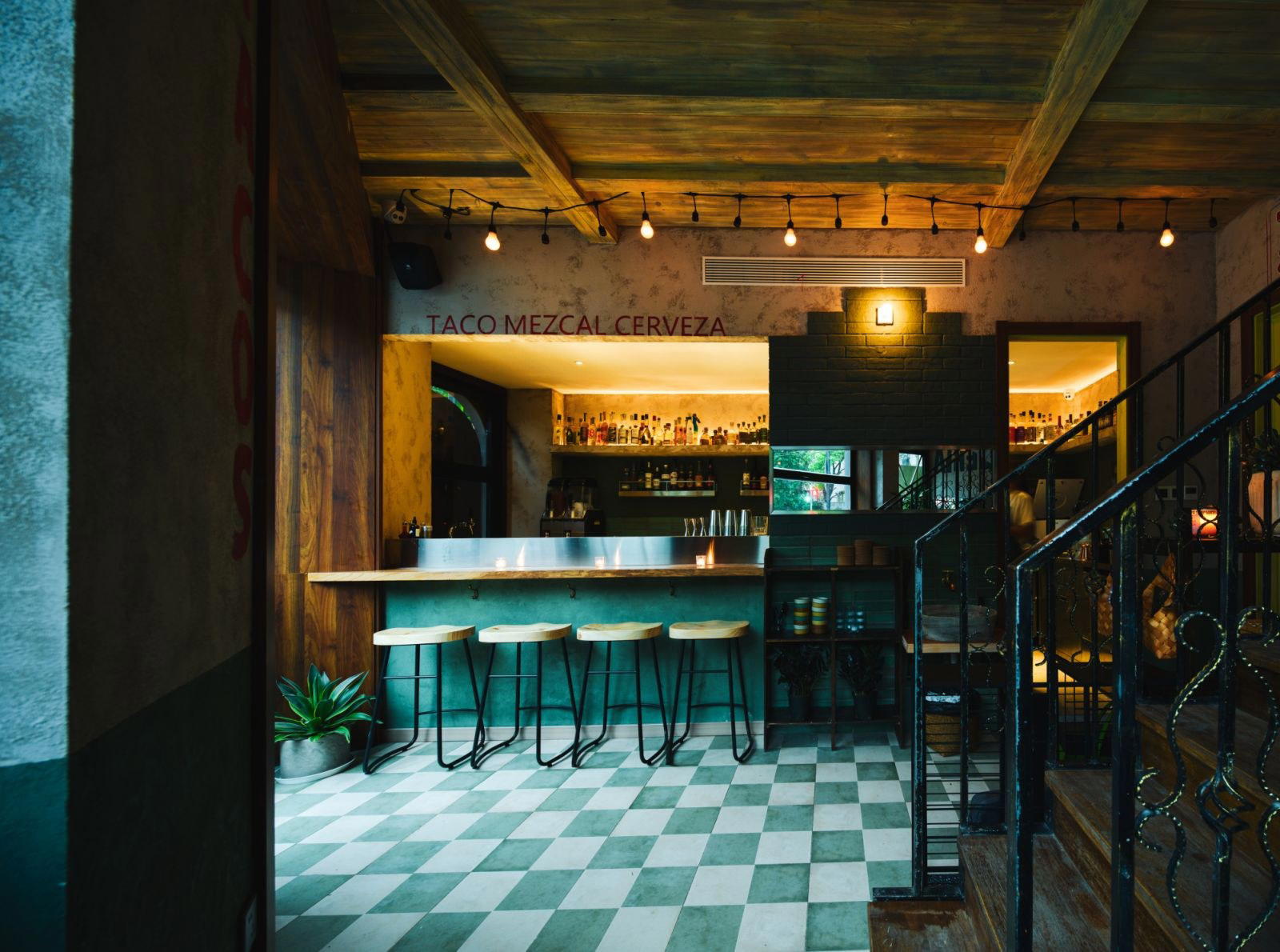
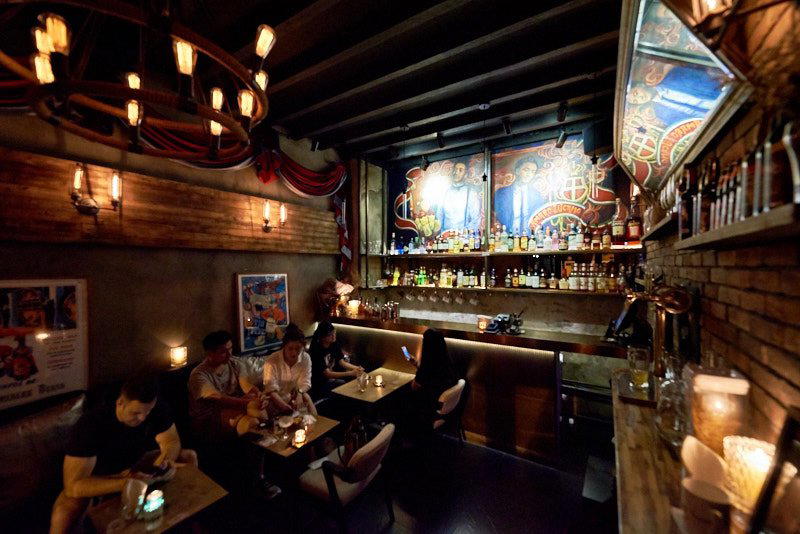
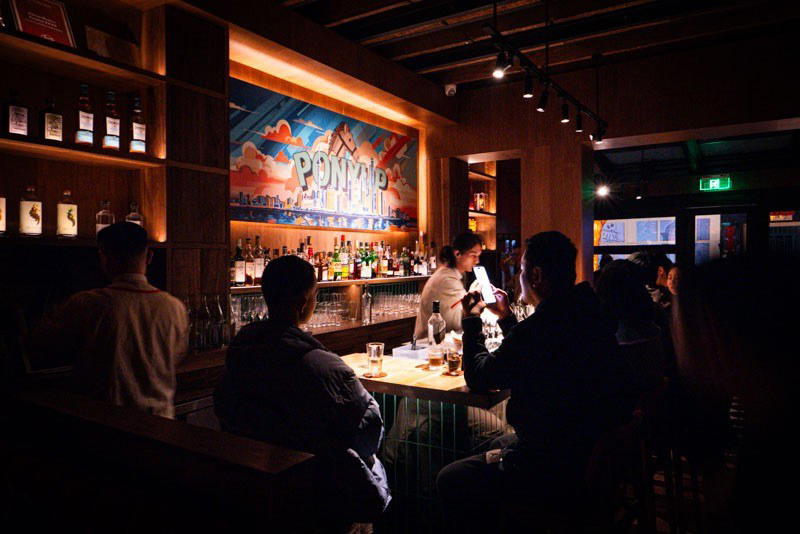
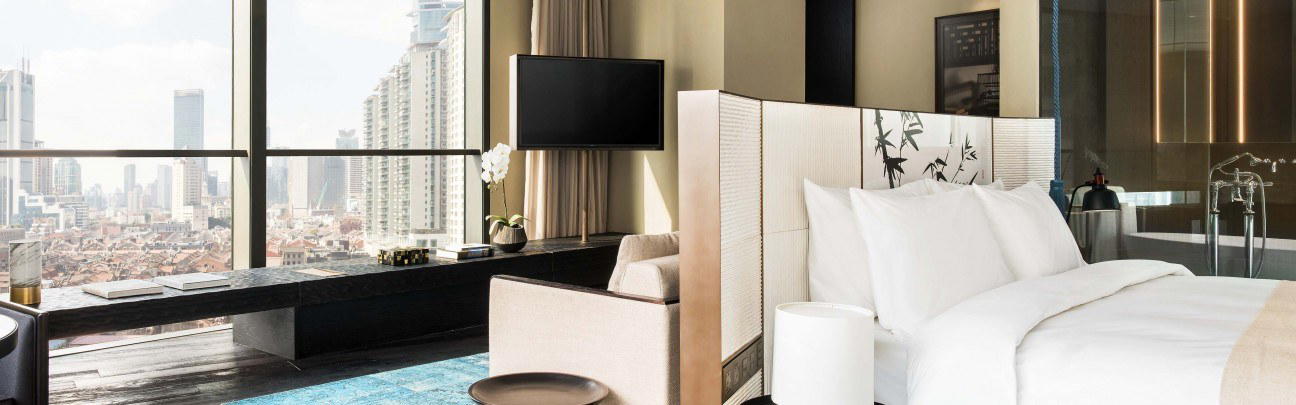
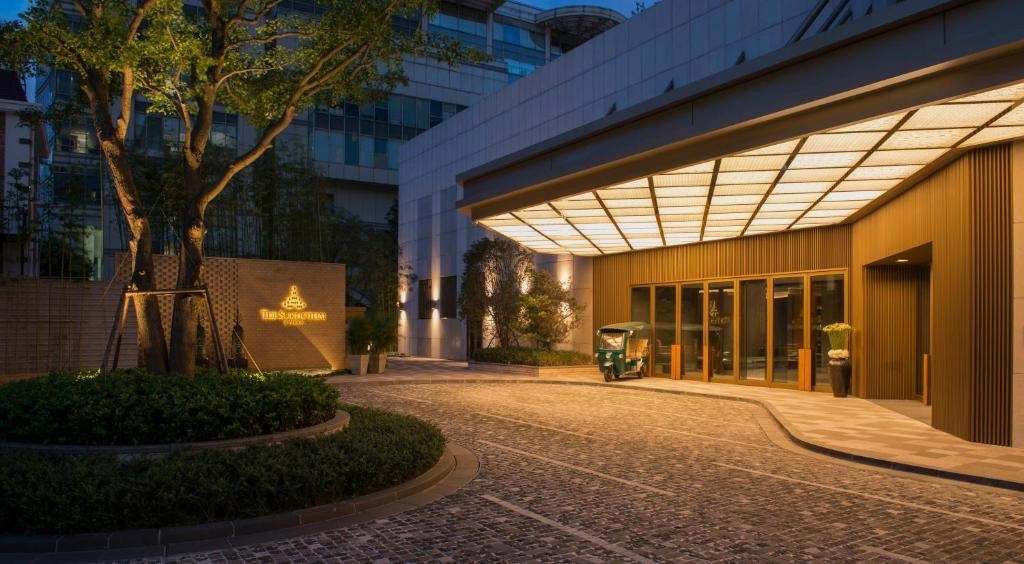
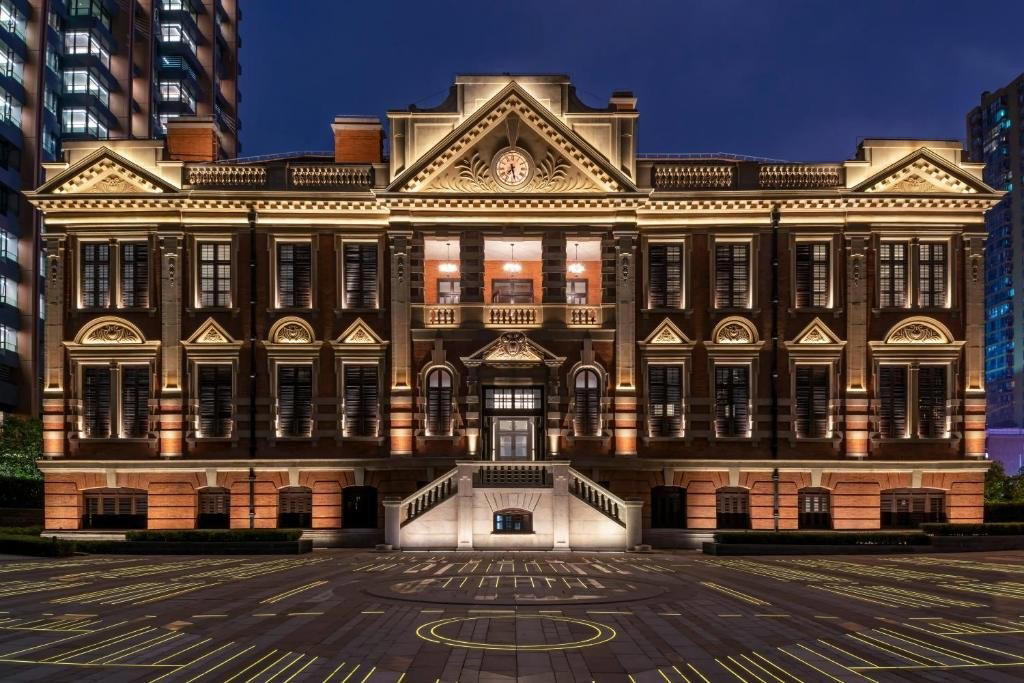
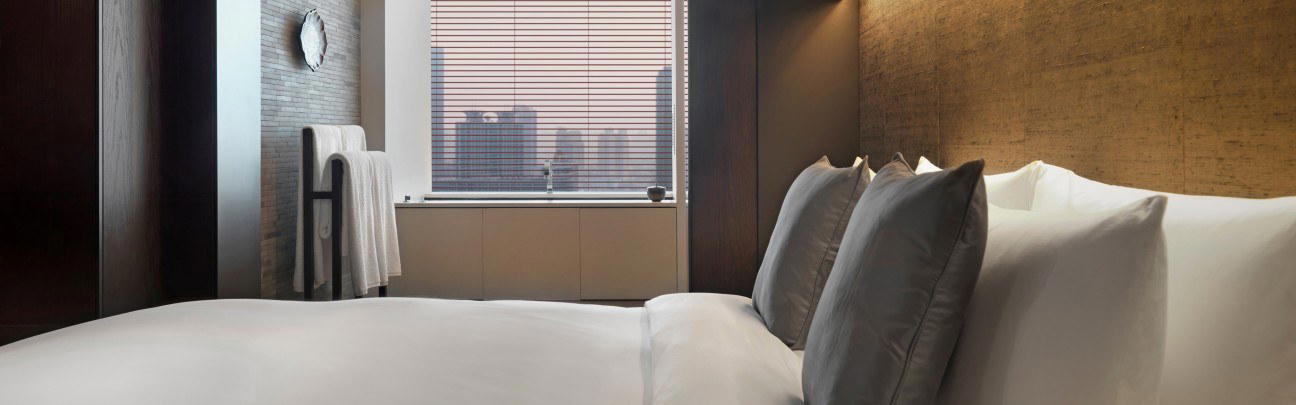
Spread across a multi-level villa with sleek, warm-toned dining rooms facing an open kitchen and a spacious rooftop terrace, the atmosphere is elegant yet relaxed, with soft lighting and a romantic, sophisticated feel suited to leisurely meals and special occasions.