
Relais Chateaux Award
Our verdict
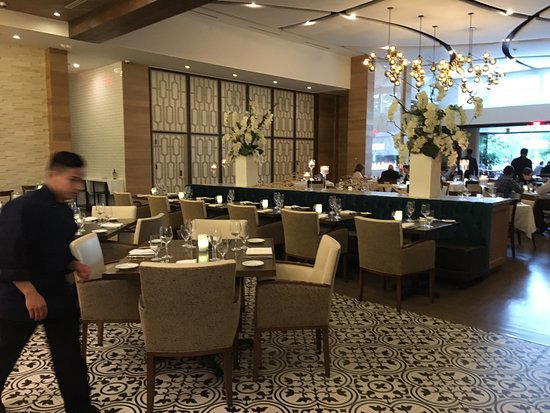
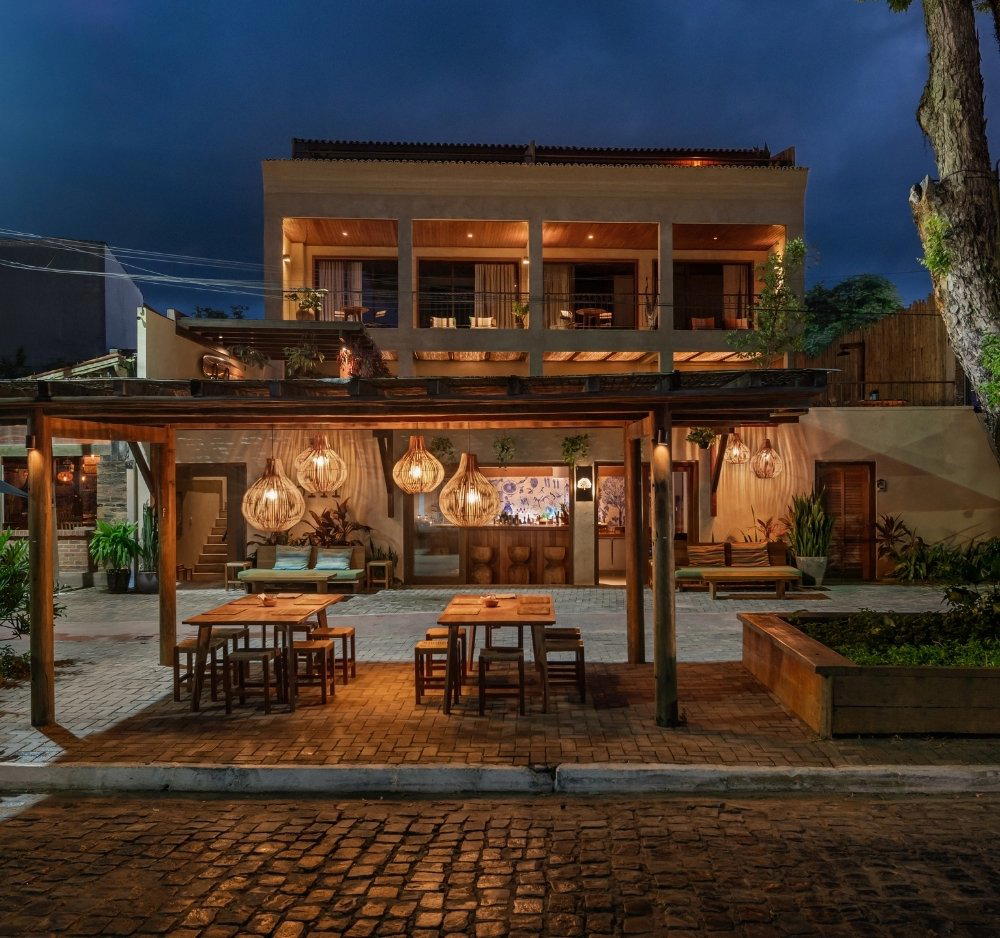
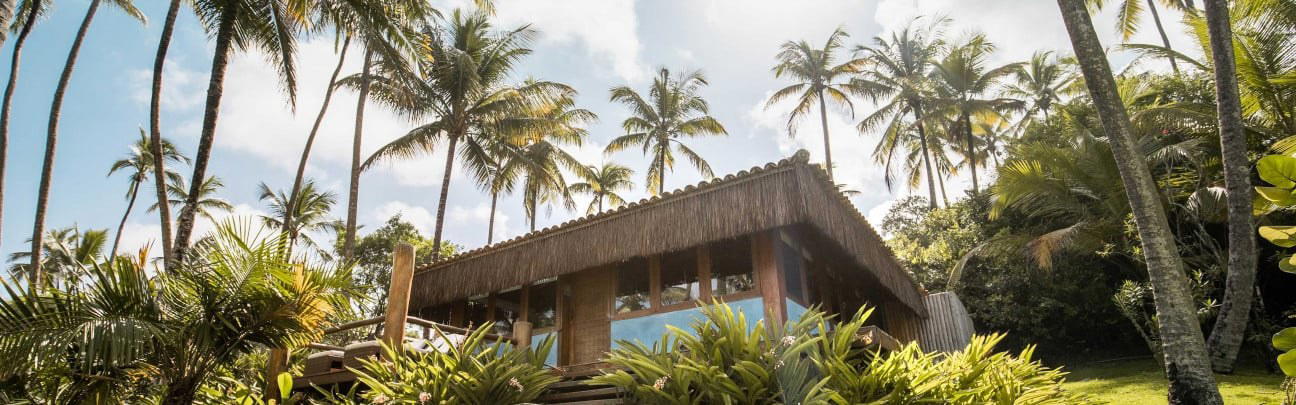
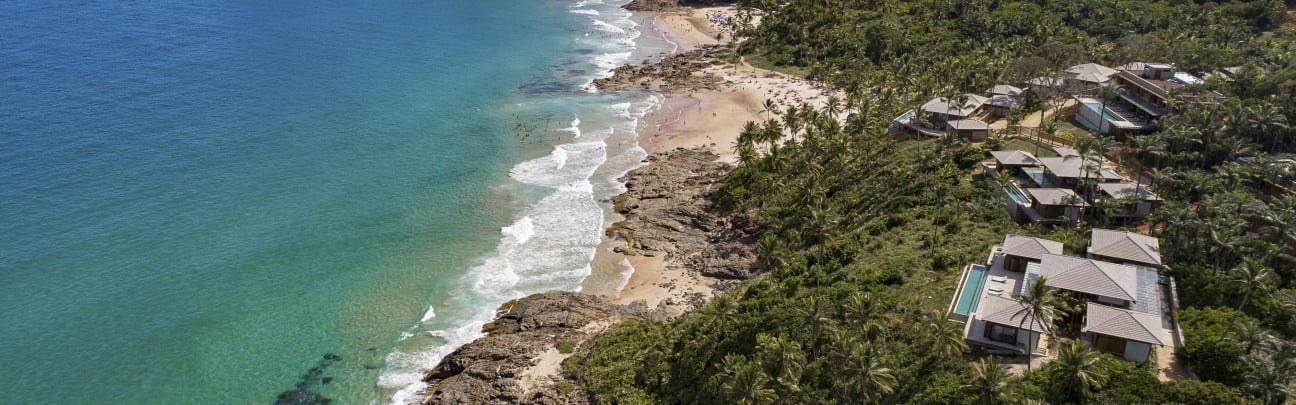
Beach restaurant places Itacaré’s coastal cooking inside the slower rhythm of Txai Resort, where Bahia’s shoreline and forested inland supply the editorial frame. Chef Nena’s “expression of the terroir” brief matters here because the restaurant reads less as resort dining than as a regional table shaped by Atlantic seafood, tropical produce, and a Relais & Châteaux context.

Pearl is the En Primeur Club membership app — saves, bookings, and concierge access live there. Same editors, same standards.
- Address
- Rod. Ilhéus Itacaré - BA 001 - Km 48 Centro
- Phone
- +557321015000
- Directions
- Get directions
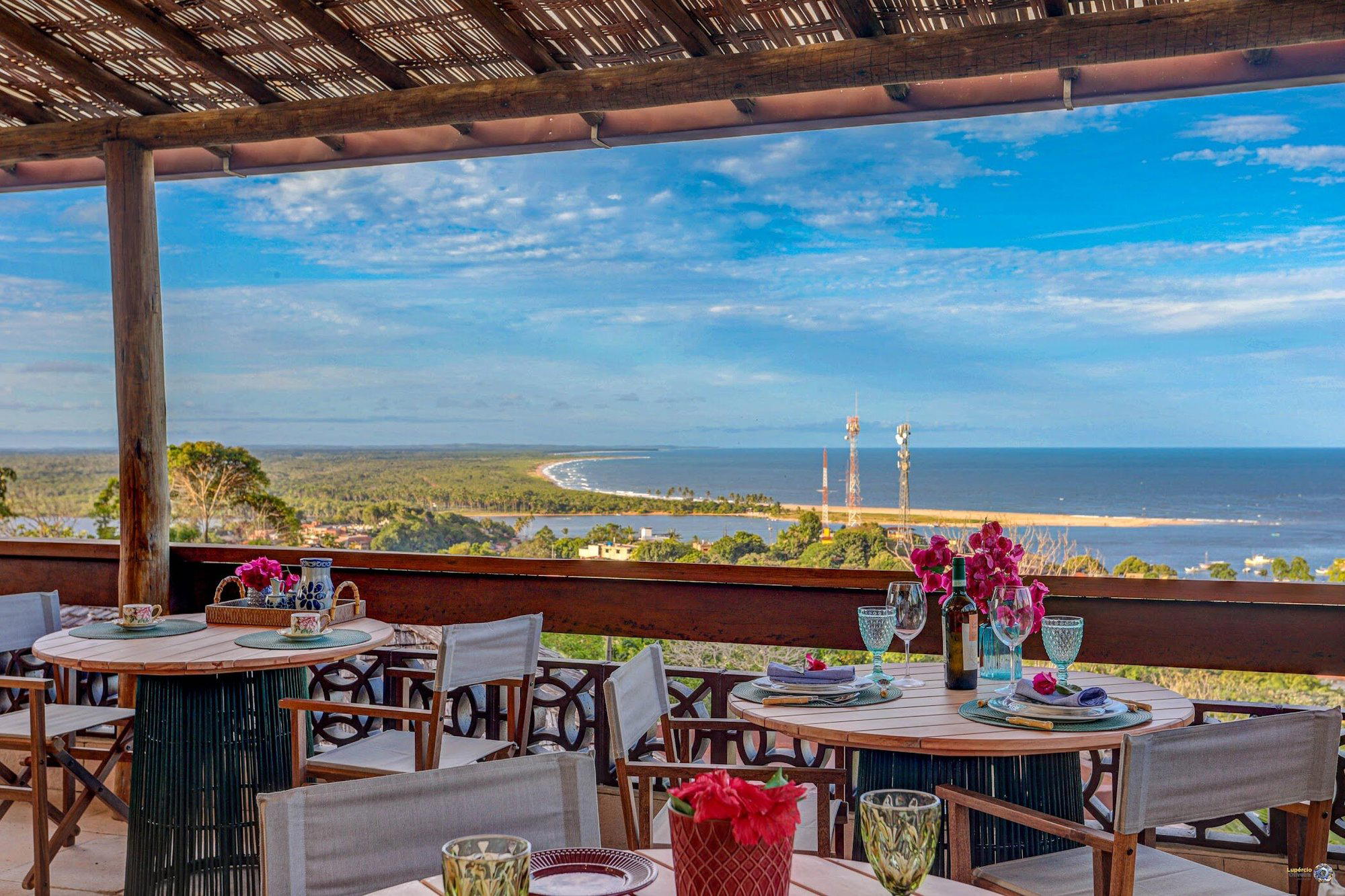
Approach Itacaré and the setting starts before the menu: sea air, a beach-restaurant context, and a quieter coastal scale than larger resort corridors. The point is not spectacle but how a meal in Itacaré can turn a beach restaurant into a regional argument, with setting and place as more than scenery.
Coastal destination dining often splits between international comfort food that travels badly and kitchens willing to let the region set the terms. Beach restaurant belongs to the second camp. Its cuisine is described as an expression of the terroir, a phrase that gains force in Itacaré, where the meal is expected to feel connected to its surroundings rather than detached from them. Its credibility comes from that frame, not imported luxury signals.
Coastal Bahia sets the menu before the kitchen does
Itacaré’s food culture is not best read as a postcard. It belongs to a coastal setting where a serious restaurant must decide whether to smooth the edges for travelers or keep place legible on the plate. The stronger choice is the latter: keep the restaurant anchored in Itacaré, let the setting matter, and let local character speak louder than imported technique.
Chef Nena’s role is best read through that lens. The name gives the kitchen authorship, but the larger story is culinary evolution where polished hospitality must still leave room for regional directness. The “terroir” language signals a kitchen asking to be judged against Itacaré’s sense of place rather than a generic premium template. That is higher risk, because regional cooking leaves less room to hide behind luxury clichés.
Relais & Châteaux recognition in 2026 adds a trust signal, but its implication is more interesting. In a coastal destination such as Itacaré, it does not simply mark comfort; it suggests a hospitality ecosystem where service, provenance, and setting are expected to align. For travelers comparing Itacaré with larger Brazilian dining cities, the distinction matters. Big cities reward density and competition; Itacaré rewards specificity and patience.
Readers building a broader Brazil dining map can contrast that coastal logic with other city-led addresses and regional dining rooms across the country. They are not substitutes for Itacaré; they show how varied Brazil’s restaurant grammar becomes when geography drives the cooking.
Chef Nena's brief works because the beach format stays regional
The chef-led beach restaurant is a familiar premium travel format, but Itacaré gives it a sharper test. A kitchen can claim local commitment while flattening the food into decorative references. Here, the stated category keeps attention on place: not tasting-menu theatre or imported fine-dining posture, but a beach restaurant in Itacaré that must speak fluently to its location.
That connection to Itacaré matters. In coastal travel, the restaurant often becomes one of the main lenses through which guests understand the destination after dark. The dining room may need to serve different expectations, but the evening table is where the region can become more precise. Chef Nena’s authorship reads as discipline inside that hospitality frame: accessible enough for travelers, grounded enough not to feel detached from Itacaré.
Rather than a bargain hunt or trophy reservation, judge it as part of a high-touch coastal meal. The editorial question is whether the restaurant gives the destination more definition. On available signals, yes: the cuisine positioning, chef attribution, and Relais & Châteaux association all point to a restaurant meant to translate place, not merely feed a passing audience.
Within the city, Itacaré’s dining scene is compact, beach-facing, and tied to coastal formats. Nearby editorial reference points are best understood generically as other dining in Itacaré rather than direct substitutes. The useful comparison is not ranking them, but seeing how the town’s restaurant culture leans on shoreline, lodging, and local ingredients rather than urban restaurant churn.
How to place it in an Itacaré itinerary
Beach restaurant is in Itacaré, so it suits travelers already planning the coast rather than dinner as a quick central stop. Itacaré rewards slower pacing: beach time, weather, and transfer logistics shape the meal more than in a dense city grid.
Plan the wider itinerary as a destination stay, not a single-table detour. Use the full Itacaré restaurants guide for the food map, then pair it with the full Itacaré hotels guide if lodging drives the trip. Drinking and after-dinner planning sit better in the full Itacaré bars guide, while the full Itacaré experiences guide frames the coast beyond the table. The full Itacaré wineries guide is useful for category coverage, though this is not a wine-region trip like Brazil’s better-known wine areas.
Internationally, the “expression of the terroir” category links Itacaré to a broader Relais & Châteaux habit: restaurants using luxury hospitality to sharpen regional identity. For different expressions, compare the category logic with other restaurants carrying the same terroir-driven language in very different destinations. The ingredients and climates do not need to match, which is the point: the category only has meaning when local terrain leads.
The editorial verdict is clear: this is the Itacaré table to consider when the meal needs to explain the coast rather than distract from it. The value lies in Chef Nena’s regional brief, a beach-restaurant setting, and an Itacaré sense of place. Travelers seeking urban restaurant theatre should look elsewhere; those using dinner to understand where they have landed will find the premise coherent.
Frequently asked questions
Can I bring kids to Beach restaurant?
Beach restaurant is in Itacaré, so it fits a coastal stay rather than a standalone tasting room. For family arrangements, contact the restaurant directly.
What is the atmosphere like at Beach restaurant?
The setting is shaped by its “Expression of the terroir” brief and its place in Itacaré. The 2026 Relais & Châteaux Restaurants listing, plus Chef Nena’s role, points to a polished beach restaurant with a regional focus.
What style of cooking does Beach restaurant do?
Beach restaurant serves Expression of the terroir cuisine.
What's Beach restaurant's location?
Itacaré.
Who is the chef at Beach restaurant?
The chef associated with Beach restaurant is Chef Nena.
How It Compares
Comparable venues nearby, for context on price, style, and recognition.
| Venue | Cuisine | Price | Awards | Notes |
|---|---|---|---|---|
| Beach RestaurantThis venue — the venue you are viewing | Brazilian beach restaurant | Not listed | Relais Chateaux Award | Not listed |
| Orixás | North Restaurant | Bahian Fine Dining | Not listed | Not listed | Itacaré |
| Txai Resort Itacaré | Modern Bahian Cuisine | $50–100 | Relais Chateaux Award | Itacaré |
| Charco | Modern Brazilian with South American and Asian influences | Not listed | Not listed | Jardim Paulista |
| Restaurante Casa de Tereza | Authentic Bahian Seafood | Not listed | Not listed | Rio Vermelho |
| Roberta Sudbrack | Modern Brazilian | Not listed | Not listed | Jardim Botânico |
Recognition history
Dated appearances from independent guides and award organizations, with the underlying list record or original source where available.
Relais Chateaux Award
Relais Chateaux
Continue exploring
More in Itacaré
Restaurants in Itacaré
Browse all →

Details
- Scenic
- Rustic
- Relaxed
- Casual Hangout
- Date Night
- Solo
- Waterfront
- Terrace
- Waterfront
- A La Carte
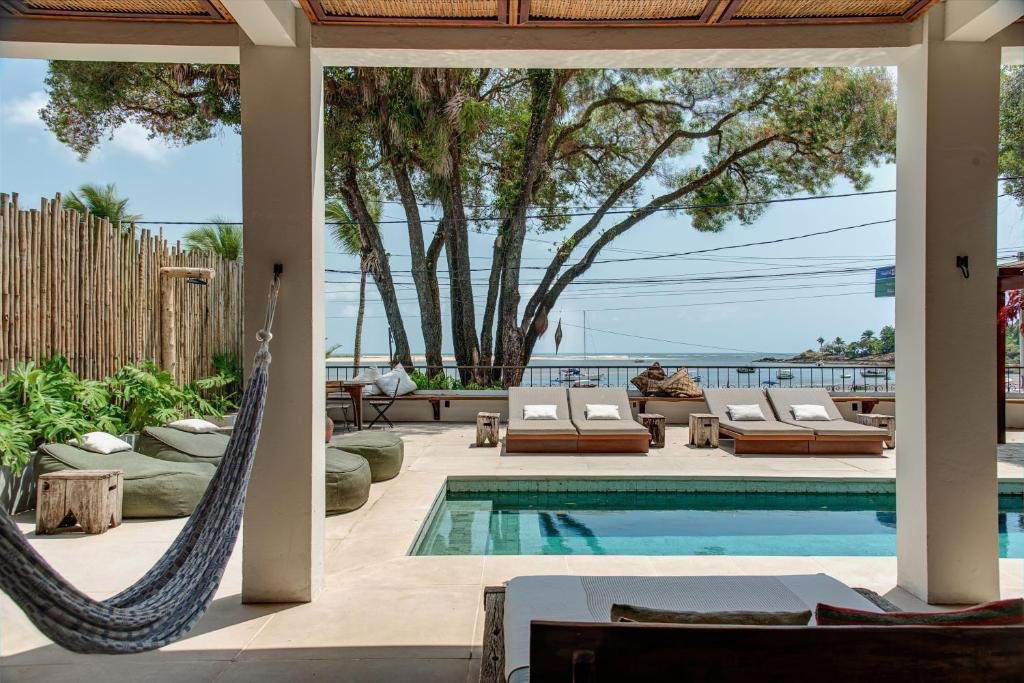
Laid-back beach-club feel with open-air seating by the sand, focused on the natural setting of Praia de São José rather than design or formality.