Battambang
Our verdict
Battambang brings Cambodian cooking to Oakland's Broadway corridor, operating from a address that sits at the intersection of the city's immigrant food traditions and its evolving downtown dining scene. The kitchen works within a culinary tradition that remains genuinely underrepresented across the Bay Area, making this a reference point for Khmer food in Northern California.

Pearl is the En Primeur Club membership app, where members save venues, book tables and use the concierge.

The menu
What to order
- Amok Trei
- Char Kroeung
- Battambang Noodles
- Kdarm Salk Bom Porng
Broadway's Cambodian Anchor
Oakland's Broadway corridor has long functioned as a layered record of the city's immigration waves. Vietnamese pho shops, Chinese barbecue counters, and East African coffee houses occupy the same blocks, often within sight of each other. At 850 Broadway, Battambang sits inside that broader pattern, representing a culinary tradition that arrived in Oakland through the Cambodian refugee communities that settled in the East Bay during the late 1970s and 1980s. That history gives the restaurant a context that extends well beyond any single dish or dining room.
The name itself is instructive. Battambang is Cambodia's second-largest city and a regional cooking center, known for a style of Khmer cuisine that differs meaningfully from the street food of Phnom Penh. Restaurants that carry a regional Cambodian name in the diaspora often signal a deliberate connection to provincial cooking traditions rather than a pan-Asian shorthand, and that holds here. Khmer cooking as a category sits at an interesting intersection: it shares some structural elements with Thai and Vietnamese cuisines (fish sauce, fresh herbs, aromatic pastes) but maintains distinct flavor profiles built around galangal, lemongrass, and fermented fish paste in combinations that don't appear elsewhere in the same proportions.
Oakland and the Cambodian Dining Tradition
The East Bay holds one of the largest concentrations of Cambodian Americans in the United States, a demographic fact that shapes the neighborhood food infrastructure in ways that distinguish Oakland from San Francisco across the bay. Where San Francisco's restaurant scene trends toward experimentation and format innovation, parts of Oakland preserve a community-facing restaurant culture where authenticity to a regional original matters more than adaptation for a broader audience. Battambang operates in that register.
This matters for anyone cross-referencing Oakland's broader dining scene. The city does produce ambitious tasting-menu cooking and destination-level bars, but it also sustains a tier of long-established community restaurants that carry weight precisely because they aren't trying to translate their cuisine for a wider market. That tier sits apart from the format experimentation you'd find at, say, Lazy Bear in San Francisco or the produce-led fine dining of Single Thread Farm in Healdsburg. It also sits apart from the precision-driven tasting formats at Atomix in New York City or the coastal luxury of Le Bernardin in New York City. Those are different competitive sets entirely. Battambang's peer restaurants are the other long-running immigrant kitchens that have held their ground in Oakland across decades of neighborhood change.
Within that group, you can find useful comparisons on the same stretch of the city. 8th St Cafe represents the Hong Kong-style cafe tradition in the area, while Alem's Coffee anchors the Ethiopian coffee culture that has become a defining characteristic of Oakland's food identity. 3 Bottled Fish represents another dimension of the city's Chinese restaurant tradition. Together they sketch a food geography shaped more by community settlement patterns than by any curated dining district strategy.
What Khmer Cuisine Actually Means at the Table
For readers approaching Cambodian food without much prior reference, a few structural points help. Khmer cuisine uses a foundational aromatic paste called kroeung, which typically combines lemongrass, galangal, kaffir lime leaves, turmeric, and shallots. This paste appears across multiple preparations and gives Cambodian cooking a profile that is earthy and citrus-forward without the chile heat that defines much of its Southeast Asian context. Fish from the Mekong and Tonle Sap lake systems has historically been the protein backbone of Cambodian cooking, and fermented fish preparations (prahok being the most prominent) add a depth of umami that functions similarly to the fermented shrimp paste found in other Southeast Asian traditions.
The rice-based structure of Cambodian meals also differs from the noodle-forward dishes that many Bay Area diners associate with Southeast Asian restaurants. Amok, a coconut curry steamed in banana leaf, remains the most internationally recognized Cambodian preparation, though regional Battambang cooking carries its own specialties that don't always overlap with the tourist-facing menu of Phnom Penh restaurants.
Where This Fits in Oakland's Food Map
Practically speaking, Broadway in downtown Oakland is accessible from multiple directions. The 19th Street and 12th Street BART stations both connect to the corridor, making it reachable from San Francisco without a car. That accessibility has historically supported the survival of restaurants in this stretch that might otherwise have been displaced by rising costs. The address at 850 Broadway places Battambang within walking range of several other independent restaurants that reflect Oakland's community dining character, including Agave Uptown and alaMar Dominican Kitchen, both of which represent other dimensions of the city's immigrant and diaspora food culture.
For visitors building a broader Oakland itinerary, the downtown Broadway area functions as a starting point for understanding how the city's food identity actually works, distinct from the higher-profile fine dining rooms that attract national attention. Oakland's restaurant scene is not a single-tier operation. It runs from the community tables of restaurants like Battambang through mid-range independent operators to the ambitious kitchens that draw comparisons with Providence in Los Angeles, Addison in San Diego, or Smyth in Chicago. Understanding the full range matters when you're reading the city honestly. You can find our broader assessment in the full Oakland restaurants guide.
We recommend confirming hours and availability directly before visiting, as community-facing restaurants in this tier sometimes operate on schedules that differ from standard dining-district patterns. Reservations policies at restaurants in this category vary considerably; walk-in availability has historically been more accessible here than at destination tasting-menu formats, but that can shift with local demand.
Frequently asked questions
What dish is Battambang famous for?
Do I need a reservation for Battambang?
What makes Battambang worth seeking out?
Do they accommodate allergies at Battambang?
Is Battambang a good option for someone new to Cambodian food?
Price and Positioning
Comparable venues nearby, for context on price, style, and recognition.
| Venue | Cuisine | Price | Notes |
|---|---|---|---|
| BattambangThis venue (the venue you are viewing) | Authentic Cambodian | $20–30 | Not listed |
| Grocery Cafe | Home-style Burmese | Not listed | Eastlake, Home-style Burmese |
| Lanesplitter Pizza & Pub | New York Style Thin Crust Pizza | $10–20 | Temescal, New York Style Thin Crust Pizza |
| Ohgane Korean BBQ | Traditional Korean BBQ | $20–30 | Temescal, Traditional Korean BBQ |
| Sobre Mesa | Afro-Latin Tapas | $30–50 | Downtown, Afro-Latin Tapas |
| Plank | Elevated American Gastro Pub | Not listed | Jack London Square, Polished American Gastro Pub |
Continue exploring
More in Oakland
Restaurants in Oakland
All restaurants in Oakland →
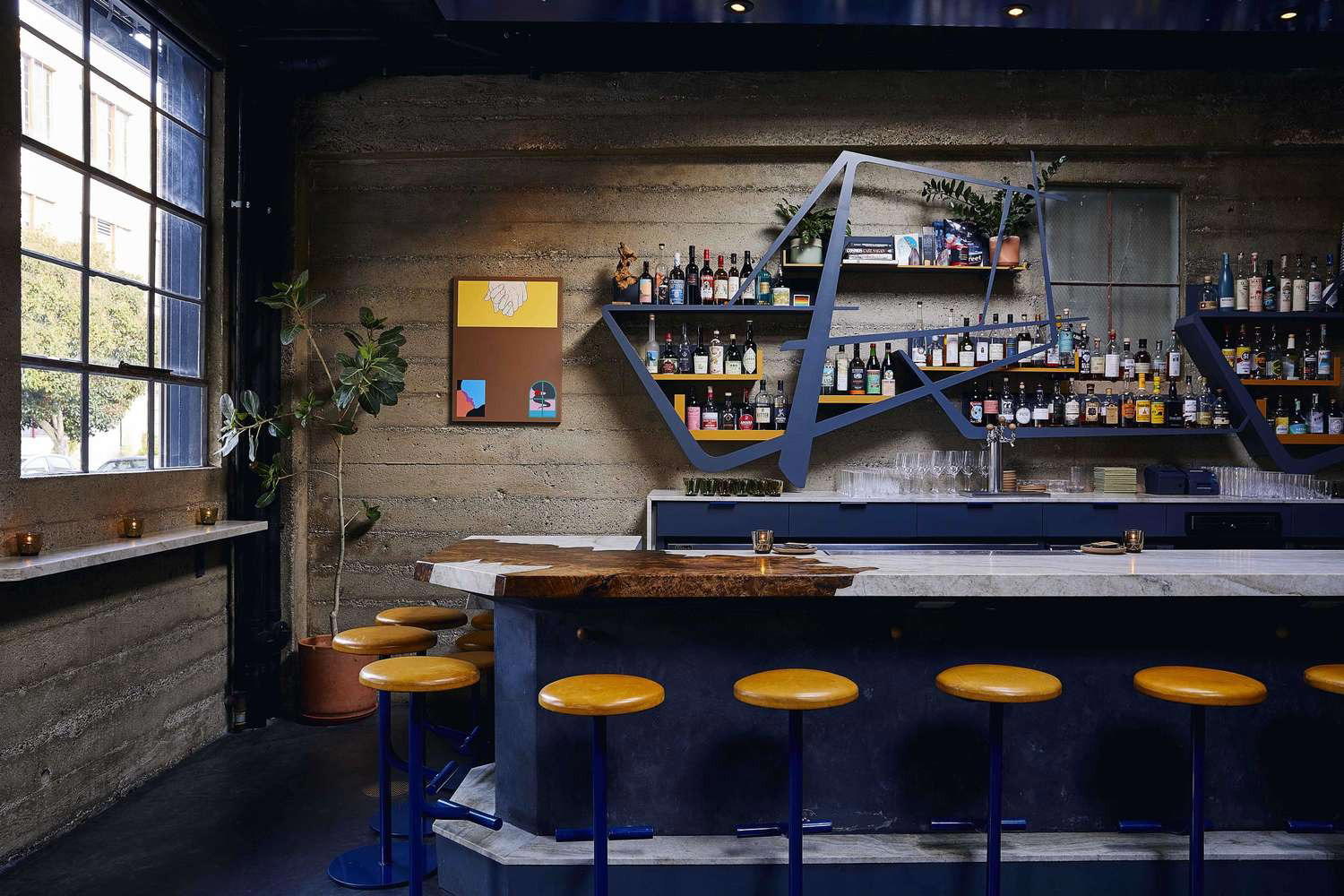
Bars in Oakland
All bars in Oakland →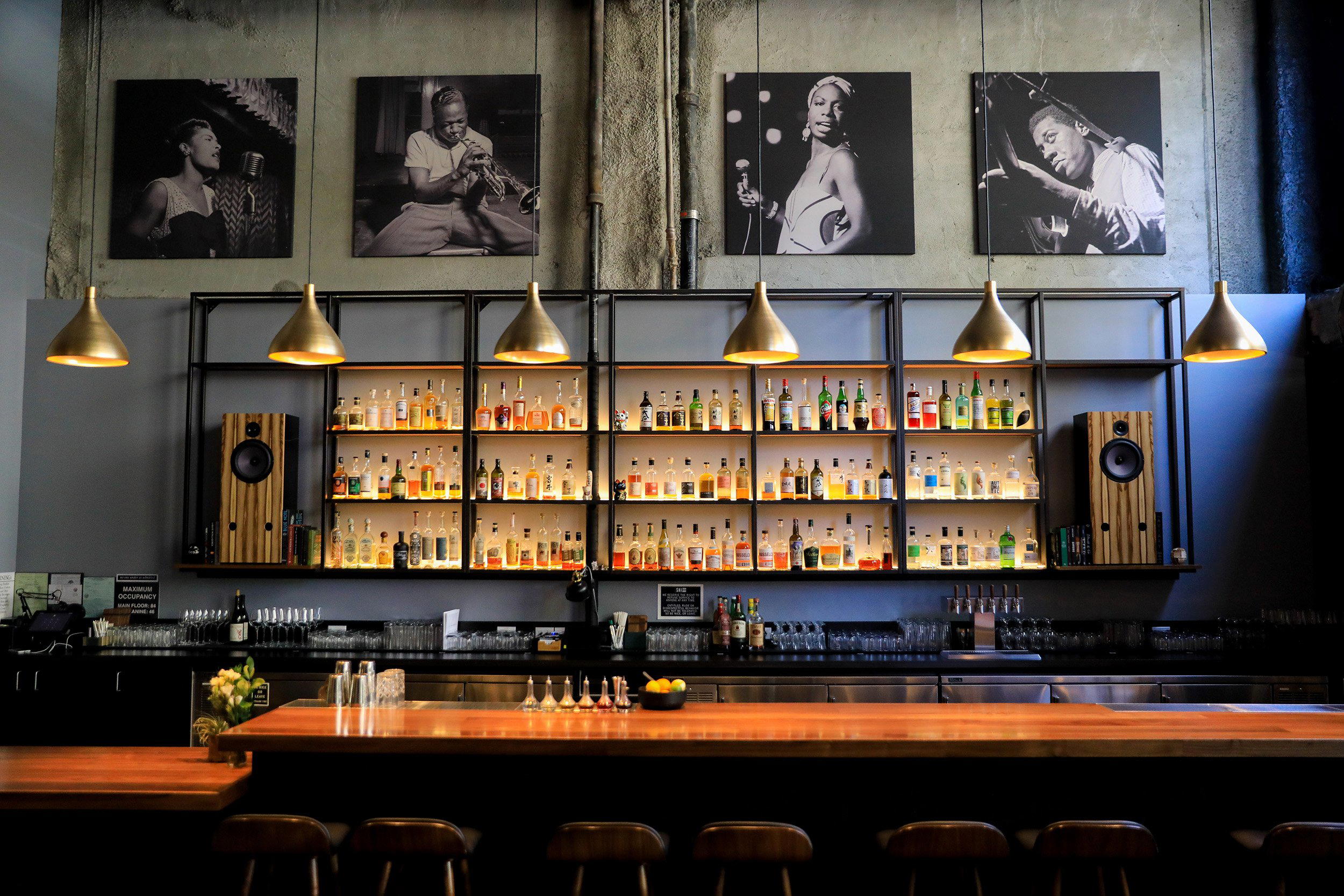
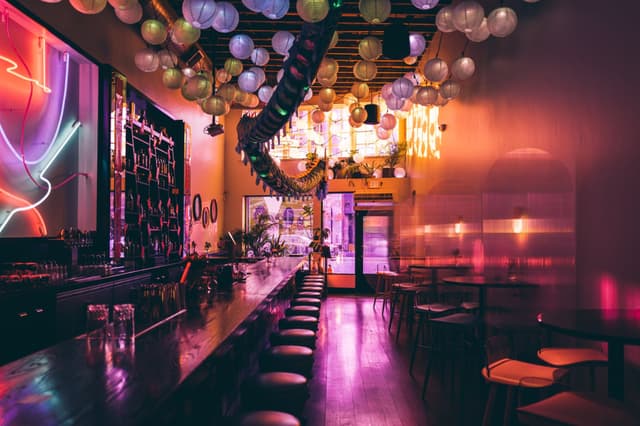
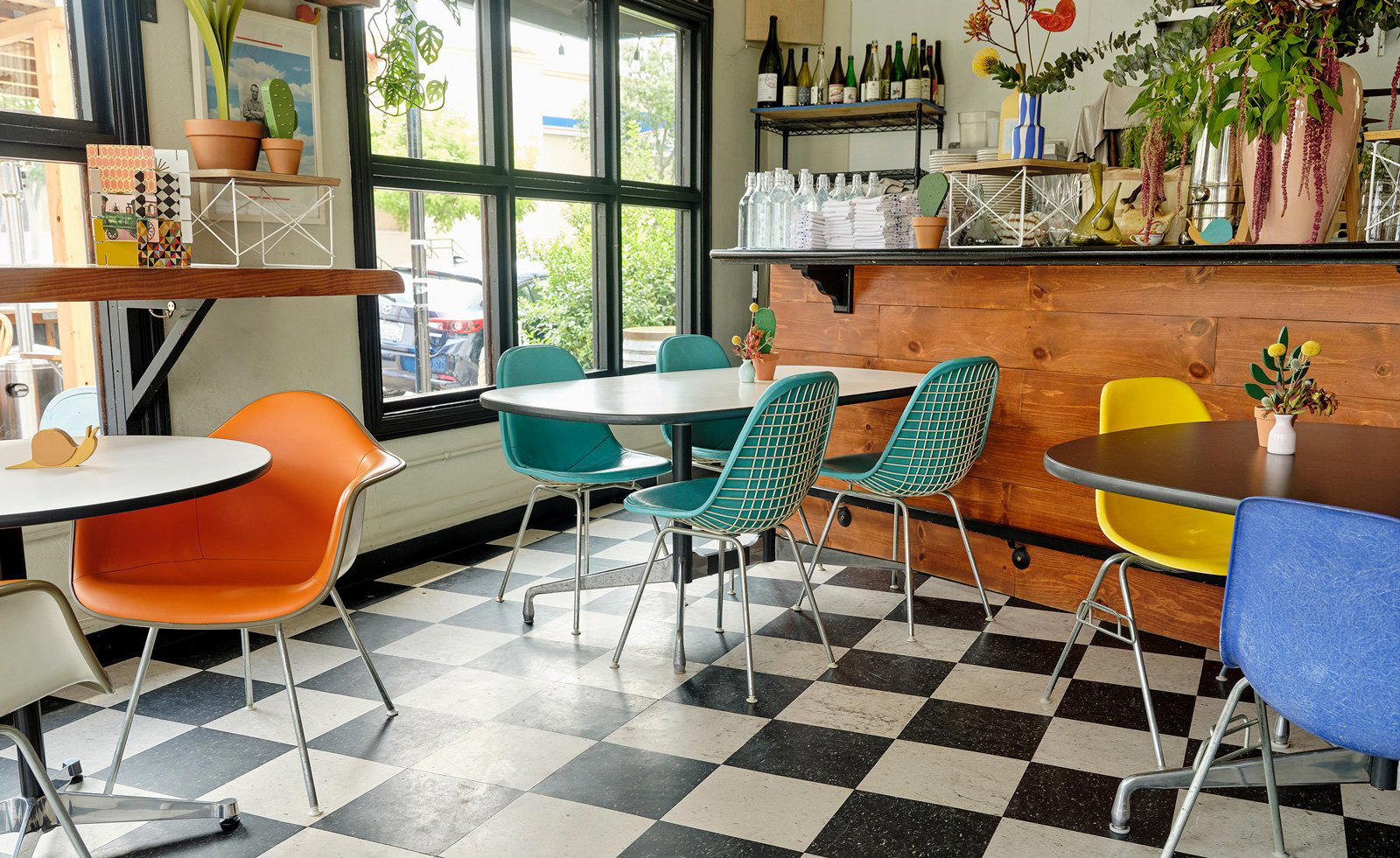



Details
- Cozy
- Rustic
- Family
- Casual Hangout
- Standalone
- A La Carte
- Vegetarian Friendly
- Vegan Options
Current opening hours
- Monday
- 11 AM–8 PM
- Tuesday
- 11 AM–8 PM
- Wednesday
- 11 AM–8 PM
- Thursday
- 11 AM–8 PM
- Friday
- 11 AM–8 PM
- Saturday
- 11 AM–8 PM
- Sunday
- Closed
Hours can change for holidays and private events. Hours as of .
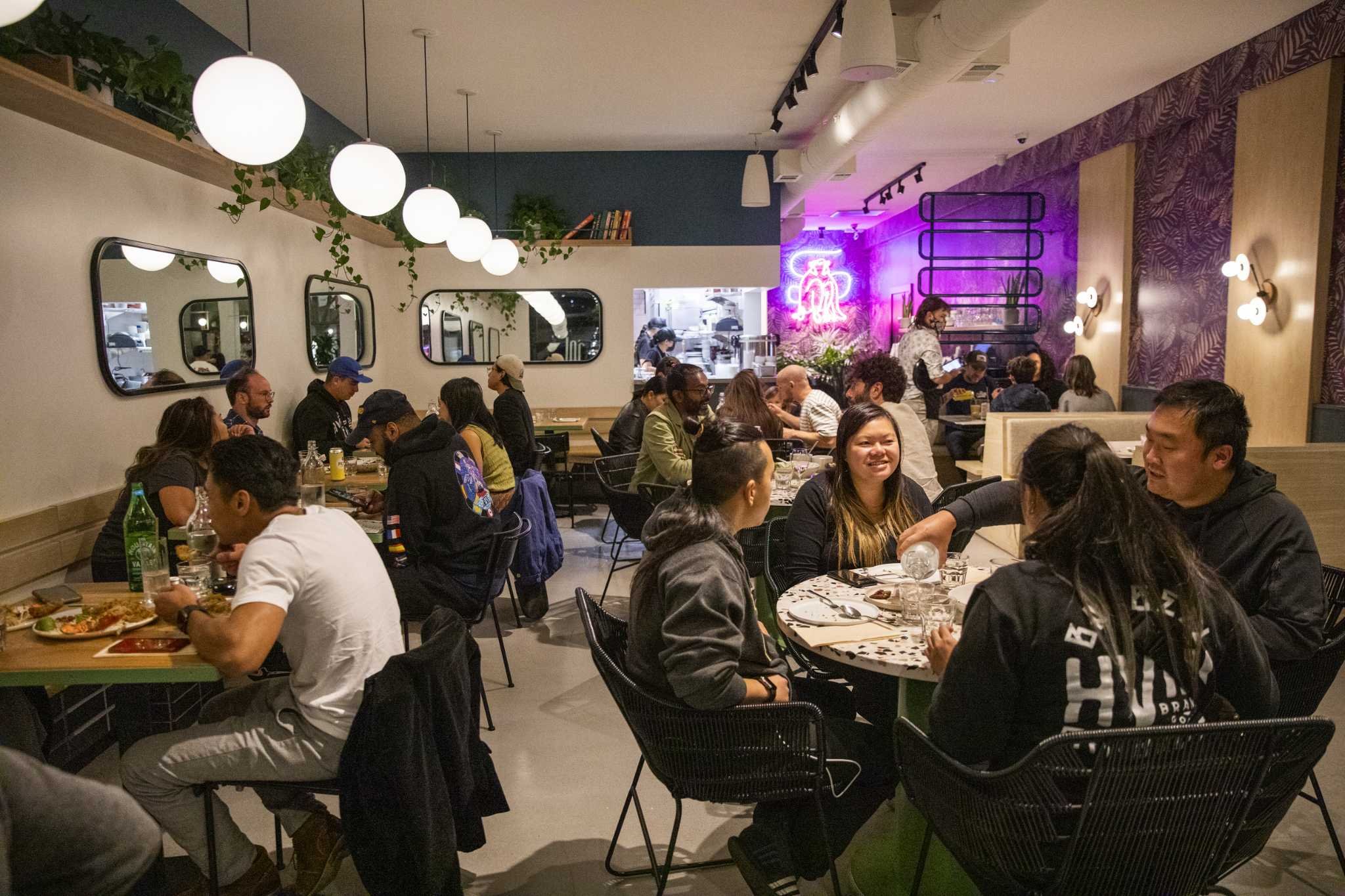
Casual, non-fancy atmosphere in a tiny, tight-seating space with a welcoming family feel.