Barnsider
Our verdict
Barnsider sits on Sand Creek Road in Colonie, New York, where the tradition of wood-fired American cooking connects a suburban dining room to a longer regional story about sourced ingredients and open-flame technique. The format is casual enough for weeknight regulars but considered enough to hold the attention of visitors coming out from Albany. It occupies a specific niche in the Capital Region's dining scene that few places bother to fill.

Pearl is the En Primeur Club membership app — saves, bookings, and concierge access live there. Same editors, same standards.
- Address
- 480 Sand Creek Rd, Colonie, NY 12205
- Phone
- (518) 869-2448
- Hours
- Mon–Thu 4–9 PMFri–Sat 4–10 PMSun 4–9 PM
- Website
- barnsiderrestaurant.com
- Directions
- Get directions
Wood, Fire, and the Capital Region Table
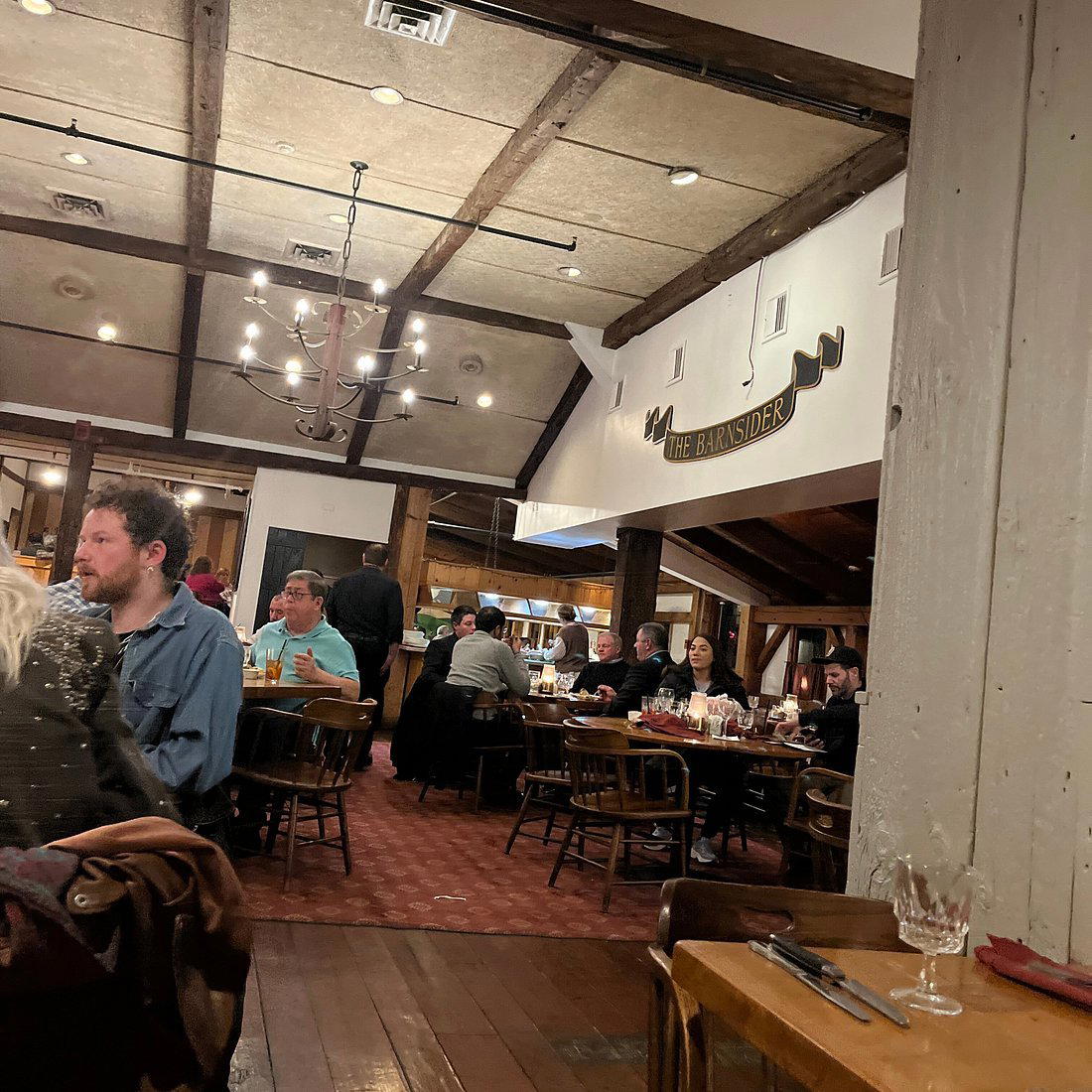
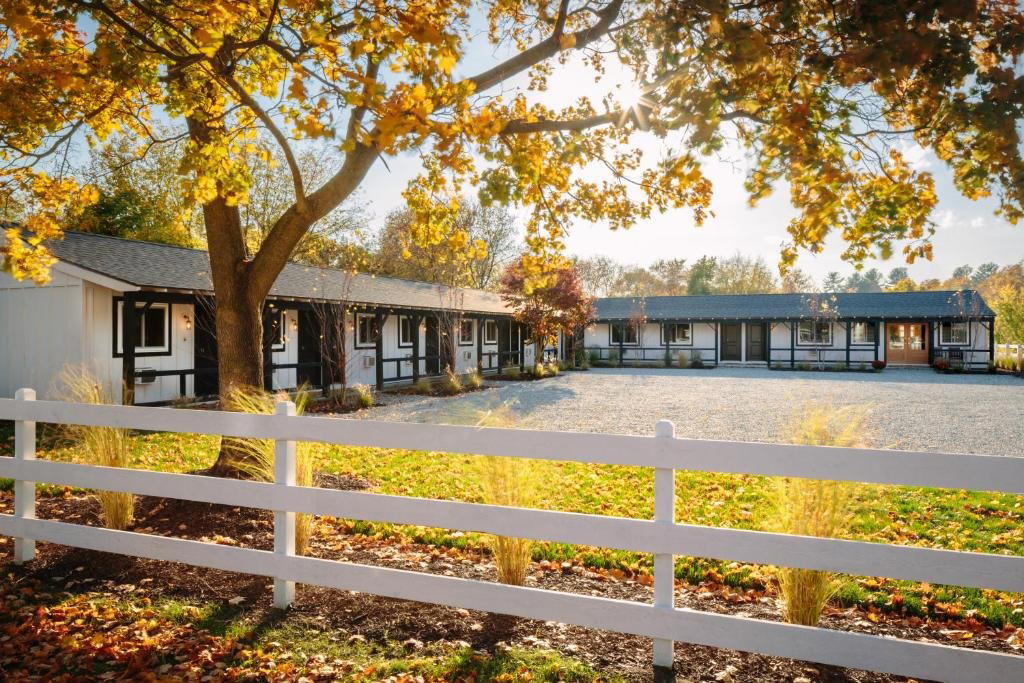
Suburban American steakhouses and grill rooms have a complicated reputation. At their worst, they are chain-adjacent places where the provenance of the beef goes unasked and the menu reads like a franchise template. At their more considered end, they carry a regional specificity that urban fine dining sometimes loses in its pursuit of imported credentials. Barnsider, on Sand Creek Road in Colonie, belongs to the latter tradition. The building signals its intent before you reach the door: wood construction, the kind of weathered exterior that reads as deliberate rather than neglected, and a faint suggestion of smoke that precedes any menu conversation. This is a place built around fire, and everything that follows is an extension of that premise.
Colonie sits just west of Albany in a suburban corridor that most serious dining coverage skips in favor of the capital city itself. That geographical oversight has allowed a handful of restaurants to develop loyal, local followings without the noise that comes with urban press attention. Barnsider has operated in this quieter register for long enough that it functions less as a destination discovery and more as a known quantity for Capital Region diners who understand what the room offers. For visitors arriving from outside the area, it represents a version of American grill cooking that is rooted in place rather than trend. For context on where it sits in the broader Colonie dining picture, our full Colonie restaurants guide maps the wider scene.
The Sourcing Argument in American Grill Cooking
The current conversation about ingredient sourcing in American restaurants has largely been claimed by a specific tier of high-investment, farm-named tasting menu operations. Places like Blue Hill at Stone Barns in Tarrytown or Single Thread Farm in Healdsburg have made the farm-to-table throughline the explicit subject of the dining experience, sometimes to the point where the sourcing narrative overwhelms the food itself. What gets less attention is the older, quieter version of the same instinct: grill rooms and steakhouses that built their identities around regional beef and local produce long before the language of provenance became fashionable marketing.
Barnsider operates in that older tradition. The wood-fire format is not a recent affectation but a foundational choice that shapes every protein on the menu. Open-flame cooking at this scale requires a specific relationship with suppliers: cuts need to be selected for how they respond to direct heat, and the margin for error on sourcing is narrower than in a kitchen where finishing sauces can compensate. The result, when the model works, is a directness that more technique-heavy restaurants sometimes sacrifice. The ingredient carries the load because the cooking method demands it.
This places Barnsider in an interesting position relative to the broader American dining conversation. Operations like Bacchanalia in Atlanta or Frasca Food and Wine in Boulder have built national reputations on the same sourcing-first instinct applied to different formats and price points. Oyster Oyster in Washington, D.C. has pushed the plant-forward version of the same argument into award territory. What Barnsider represents is the suburban steakhouse iteration: less celebrated, less Instagrammed, but applying a comparable sourcing logic to a format that a much wider range of diners will actually use on a regular basis.
What the Room Tells You
American steakhouses and grill rooms communicate their identity through architecture as much as menu language. The barn-style construction at Barnsider positions it within a specific lineage of American roadhouse dining that predates both the mid-century chophouse and the contemporary farm-dinner format. High ceilings, exposed wood, and the physical presence of the hearth or grill station create a sensory environment that primes a certain kind of appetite. This is eating as occasion without formality, which is a harder balance to achieve than it appears.
The suburban location on Sand Creek Road means the room draws a mix of local regulars, Albany-area professionals, and occasional visitors who might otherwise default to dining in the city. That demographic breadth is itself an editorial data point: restaurants that hold a mixed local crowd over years are usually doing something more precisely calibrated than their modest geography suggests. The comparison point is not The French Laundry in Napa or Atomix in New York City, but rather the category of American grill rooms that have earned durable local authority by being consistently right rather than occasionally brilliant. Emeril's in New Orleans built its foundational reputation on that same principle before the celebrity layer was added.
Placing Barnsider in the National Picture
The American wood-fire grill tradition has received serious critical attention at its upper registers. Lazy Bear in San Francisco applies a communal fire-cooking format to a tasting menu structure that draws national press. Smyth in Chicago uses open-flame and fermentation as organizing principles for a kitchen with James Beard recognition. Providence in Los Angeles and Le Bernardin in New York City represent the seafood end of the sourcing-driven American table at Michelin level. At the other end of the formality spectrum, The Inn at Little Washington and Addison in San Diego demonstrate what happens when American ingredient sourcing meets European-influenced fine dining ambition.
Barnsider sits well outside that awards tier. Its value is different in kind, not just in degree. What the Capital Region has in Barnsider is a grill room with genuine physical character and a format built for repeat use. The restaurants that have shaped American fine dining thinking, from ITAMAE in Miami to The Wolf's Tailor in Denver to Atelier Moessmer Norbert Niederkofler in Brunico, are doing something categorically different. But the sourcing instinct that drives their leading work has a longer American history, and Barnsider is part of that lineage even if it operates at a different altitude.
Planning Your Visit
Barnsider is located at 480 Sand Creek Road in Colonie, New York, in the suburban zone immediately west of Albany. The address puts it within easy reach of both the Albany airport corridor and downtown Albany itself, making it a practical option for visitors arriving by air or staying in the city. The barn-format space accommodates groups without the acoustic problems that plague harder-surfaced contemporary rooms, which makes it a realistic choice for business dinners or family gatherings where conversation needs to travel across the table. Current booking details, hours, and any updated pricing are best confirmed directly with the venue, as this information was not available at time of publication.
Frequently asked questions
Is Barnsider a family-friendly restaurant?
Barnsider's barn-style setting on Sand Creek Road in Colonie reads as a relaxed American grill room rather than a formal dining room, which generally accommodates families without issue. The suburban Albany location and grill-focused format align with a broad audience rather than an exclusively adult fine-dining crowd. Confirming specific family policies directly with the restaurant before visiting is advisable.
Is Barnsider formal or casual?
The barn-structure architecture at Barnsider signals a casual-to-relaxed register rather than a white-tablecloth environment. American wood-fire grill rooms in this suburban Albany corridor tend to occupy the middle ground: presentable but not ceremonial. Nothing in the venue's profile at 480 Sand Creek Road, Colonie, points toward a dress code requirement.
How does Barnsider's barn-style architecture shape the dining experience in Colonie?
American steakhouses and grill rooms often use architectural language to signal their identity before a menu arrives, and Barnsider's barn-structure construction in Colonie is a deliberate choice in that tradition. The format connects the room to a regional vernacular that positions the kitchen's wood-fire approach as a natural extension of the setting. Located at 480 Sand Creek Road in the suburban zone west of Albany, the space occupies a different register from the Capital Region's urban dining rooms, favoring atmosphere built through structure rather than decor layering.
What's the must-try dish at Barnsider?
Barnsider's identity is built around wood-fire grill cooking, which makes fire-prepared proteins the logical focus of any visit. Specific menu items and current preparations are best confirmed directly with the restaurant, as the wood-fire format lends itself to seasonal and market-driven changes. The grill-room context in Colonie places beef-centric plates at the center of the offer.
Where is Barnsider in Colonie?
Barnsider is located at î480 Sand Creek Rd, Colonie, NY 12205, Colonie.
Is Barnsider reservation-only?
For a suburban Albany grill room of this profile, weekend demand can run ahead of walk-in availability, so contacting the venue in advance is the practical approach.
A Quick Peer Check
| Venue | Cuisine | Price | Awards | Notes |
|---|---|---|---|---|
| BarnsiderThis venue — the venue you are viewing | Classic American Steakhouse | $30–50 | Not listed | Not listed |
| Le Bernardin | French Seafood Fine Dining | $300–500 | 3 Michelin Stars · World's 50 Best #13 | French, Seafood |
| Lazy Bear | Modern American Tasting Menu | Not listed | 2 Michelin Stars · World's 50 Best #25 | Progressive American, Contemporary |
| Atomix | Modern Korean Tasting Menu | $300–500 | 2 Michelin Stars · World's 50 Best #7 | Modern Korean, Korean |
| Per Se | French Fine Dining Tasting Menu | $300–500 | 3 Michelin Stars · World's 50 Best #40 | French, Contemporary |
| Masa | Traditional Japanese Omakase | $500+ | 2 Michelin Stars · World's 50 Best #27 | Sushi, Japanese |
Continue exploring
More in Colonie
Restaurants in Colonie
Browse all →
Bars in Colonie
Browse all →
Hotels in Colonie
Browse all →
Details
- Classic
- Rustic
- Group Dining
- Special Occasion
- Business Dinner
- Private Dining
- A La Carte
- Vegetarian Friendly
- Gluten Free Options
Current opening hours
- Monday
- 4–9 PM
- Tuesday
- 4–9 PM
- Wednesday
- 4–9 PM
- Thursday
- 4–9 PM
- Friday
- 4–10 PM
- Saturday
- 4–10 PM
- Sunday
- 4–9 PM
Hours can change for holidays and private events. Last verified .
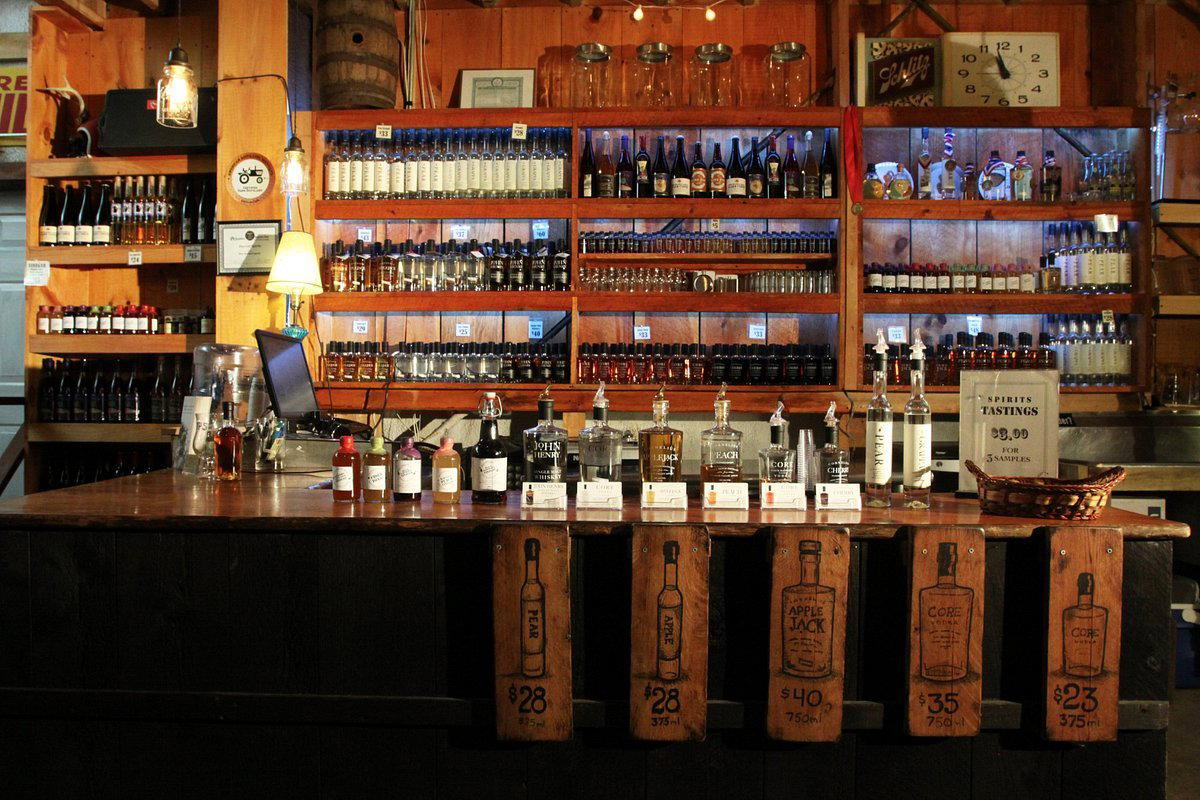
Bustling and classic steakhouse atmosphere with lively pub side.