Our verdict
Barin belongs to the quieter side of Osaka dining, away from the city’s louder street-food shorthand and closer to the ingredient-led rooms clustered around Chuo Ward. With no public award or price signal attached, it reads as a restaurant to assess by format, sourcing discipline, and fit within a broader Osaka itinerary rather than by trophy metrics.

Pearl is the En Primeur Club membership app — saves, bookings, and concierge access live there. Same editors, same standards.
- Address
- 〒540-0007 Osaka, Chuo Ward, Banbachō, 3−91 パティーナ大阪
- Directions
- Get directions
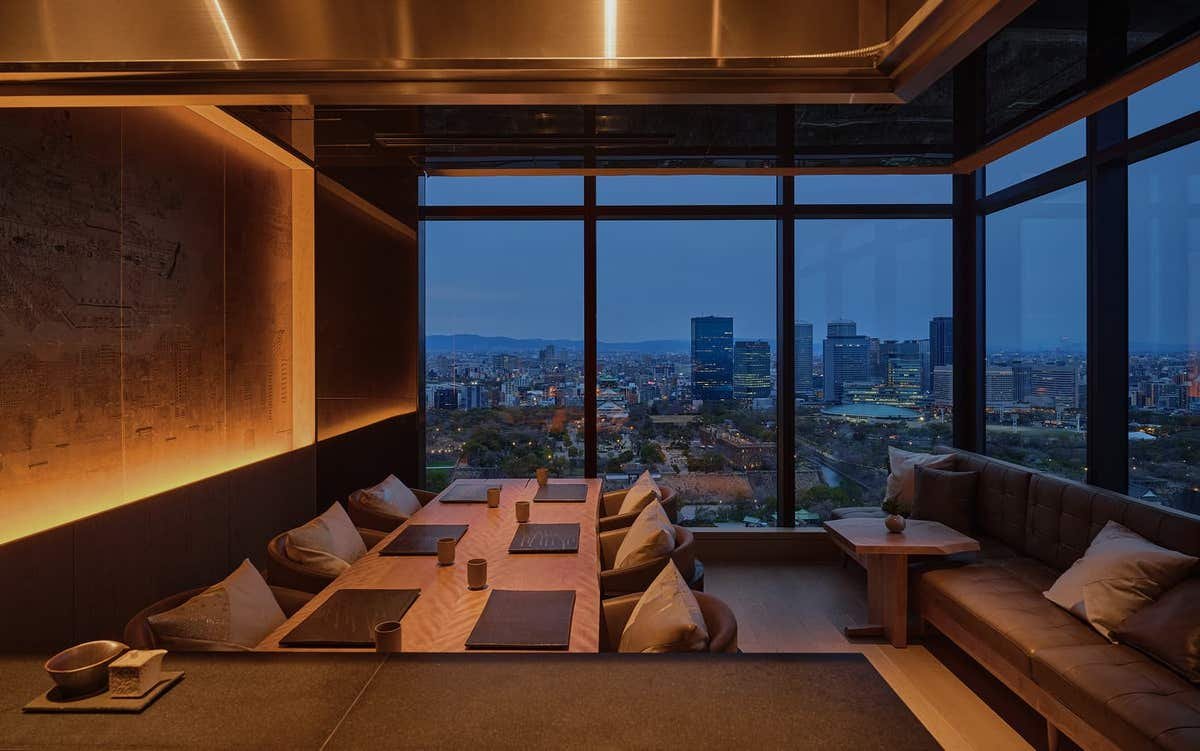
The menu
What to order
- Kuroge Wagyu beef
- Lunch Kaiseki Course “Sui Rin”
- “Sho Hou” 8-course menu
Approaching Barin in Osaka, the city changes register. Osaka’s appetite is often sold through neon, takoyaki queues, and late-night counter food, but this kind of dining address asks for a slower reading: quieter hospitality, more deliberate pacing, and rooms that rely less on street theatre than on the shape of the meal. Barin sits inside that broader Osaka conversation, where the interesting question is not how loudly a restaurant announces itself, but how carefully a dining stop fits into the city around it.
That matters in Osaka because the city has always been a buying city as much as an eating city. Its kitchen culture grew around markets, merchant taste, and a practical respect for ingredients that do not need grand explanation. In higher-touch dining rooms, sourcing can become the hidden structure: seasonality, rice quality, stock work, and the decision to keep a plate restrained rather than decorative. When a restaurant in Osaka avoids the obvious tourist script, the editorial test becomes simple: does it use the city’s access, appetite, and technique to make a meal feel specific to place?
Ingredient discipline over Osaka spectacle
Osaka’s restaurant scene splits into several useful lanes. There is the quick-service canon, where repetition and volume are part of the appeal. There are daytime stops that show how Osaka’s casual eating can be as precise as its evening counters. Then there is the more composed tier, where specialist rooms and carefully paced dining reflect a city comfortable absorbing outside formats without losing its local appetite.
Barin is better understood in that composed lane than in the grab-and-go Osaka mythology. Without leaning on a public cuisine label, the responsible reading is category-based rather than claim-heavy: this is an Osaka dining address whose relevance depends on how it frames the experience, not on a public list of seats, chef biography, or signature dishes. That can be useful for travelers. It shifts attention away from credential collecting and toward the meal’s underlying grammar: seasonality, sourcing choices, portion rhythm, and whether the room supports focused dining rather than casual snacking.
The comparison set in Osaka also helps sharpen the decision. Nagahori, Chukasoba Uemachi, P72, IÑAKI, and Raindrop all sit within the same city conversation, but each gives travelers a different way to think about mood, format, and planning. Against that field, Barin reads as a choice for travelers who are comfortable with a less pre-labeled restaurant and who care more about Osaka’s dining culture than about checking a named format off an itinerary.
Why Osaka rewards slower dining choices
Osaka is useful because it lets a traveler build a day without reducing the city to a single food cliché. The city connects hotels, business areas, cultural walks, and restaurants that can sit before or after a more structured evening. That setting suits a meal where the value is in restraint. Osaka’s stronger dining rooms often do not need to imitate Kyoto’s ceremonial quiet or Tokyo’s reservation economy; they work through hospitality that is direct, produce that is handled with confidence, and menus that respect appetite.
Ingredient sourcing is the lens to use here. In Japan, the language of provenance can become decorative if a restaurant merely names regions without changing the cooking. The better signal is whether the kitchen lets ingredients determine the shape of the meal: lighter preparations when a dish calls for restraint, richer work when stock or fat carries the plate, and a sense that the menu could not be lifted unchanged into another city. Barin should be judged by that standard. The restaurant’s public footprint does not provide named dishes, chef credentials, or a formal tasting-menu structure, so diners should avoid arriving with expectations built around signature-item hunting. The more useful expectation is an Osaka meal where sourcing and pacing carry the experience.
For a broader read on the city, pair this kind of dinner with lower-ceremony stops rather than stacking only formal reservations. Our full Osaka restaurants guide gives the clearest route through that mix, while our full Osaka hotels guide, our full Osaka bars guide, our full Osaka wineries guide, and our full Osaka experiences guide help place dinner inside a complete trip rather than treating it as an isolated booking.
How to place Barin in a Japan itinerary
Travelers moving beyond Osaka can use Barin as a reference point for a broader Japanese dining pattern: small differences in place change the logic of a meal. In some cities, restaurants frame sourcing through a more explicit regional tradition. Elsewhere, casual specialist rooms tend to make category identity more obvious. Kyoto’s dining culture often invites a more formal reading of season and restraint.
Other Japanese and Japanese-adjacent references point in different directions, showing how tightly a restaurant’s identity can be tied to category, locality, or the expectations of a particular city. Across the Pacific, Japanese drinking and rice-food culture can also be translated through diaspora settings. Barin’s place in Osaka is quieter: it belongs to the decision set for diners who want the city’s ingredient intelligence without needing the restaurant to declare itself through a famous chef or a single named dish.
Frequently asked questions
Would Barin be comfortable with kids?
The supplied details do not state a kids policy for Barin. For a dining stop in Osaka, families should check directly and plan around the pace of the meal.
What kind of setting is Barin?
Barin is in Osaka, so the setting is best read as a city dining address rather than a casual street-food stop. Expect an Osaka restaurant context rather than a named district or landmark setting in the supplied details.
Where exactly is Barin?
Osaka.
Is Barin reservation-only?
The venue details do not state a reservation-only policy. Given its Osaka setting, advance planning is the sensible approach for an Osaka dining stop.
What's the defining dish or idea at Barin?
No specific dish or cuisine is listed for Barin, so the clearest idea is the setting itself: a named dining venue in Osaka. That makes it more of a location-driven dining address than a menu-led concept in the supplied details.
A Quick Peer Check
Nearby venues at a similar price tier for orientation.
| Venue | Cuisine | Price | Awards | Notes |
|---|---|---|---|---|
| BarinThis venue — the venue you are viewing | Teppanyaki | $150–200 | Not listed | Not listed |
| P72 | Plant-Focused Seasonal Dining | $50–100 | Not listed | Not listed |
| IÑAKI | Basque Grill & Rotisserie | Not listed | Not listed | Not listed |
| Raindrop | Modern Italian-Japanese Wine Bar | $20–30 | Star Wine List | Not listed |
| Nagahori | Michelin-starred Japanese Izakaya Omakase | $50–100 | Tabelog 100 #20 | JPY 10,000 - JPY 14,999 JPY 10,000 - JPY 14,999 View spending breakdown |
| Chukasoba Uemachi | Chukasoba (Chinese-style Ramen) | $10–20 | Michelin Bib Gourmand · Tabelog 100 #81 | Ramen |
Continue exploring
More in Osaka
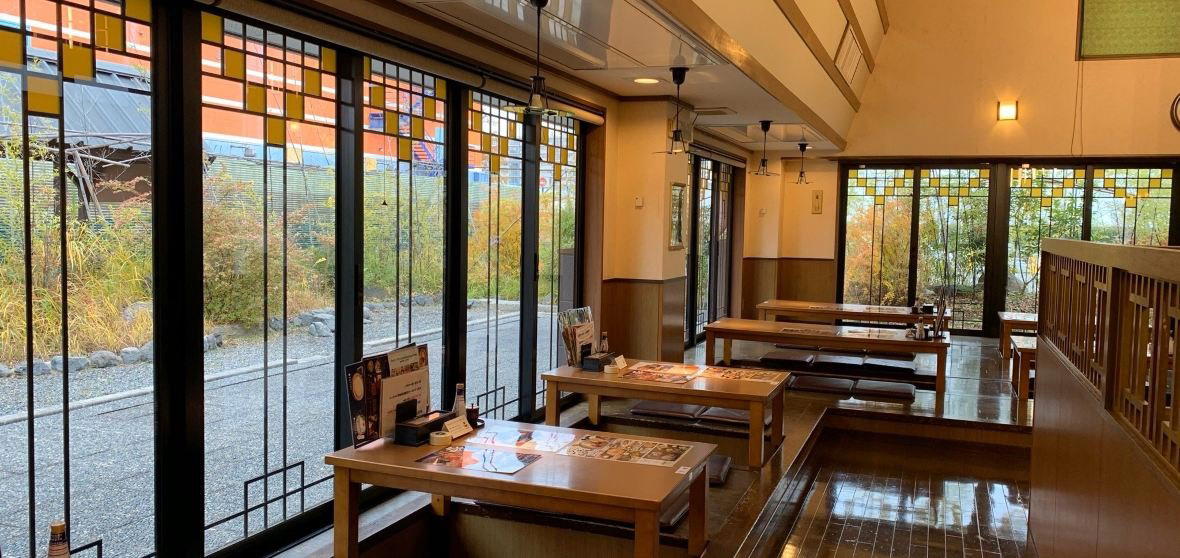
Restaurants in Osaka
Browse all →


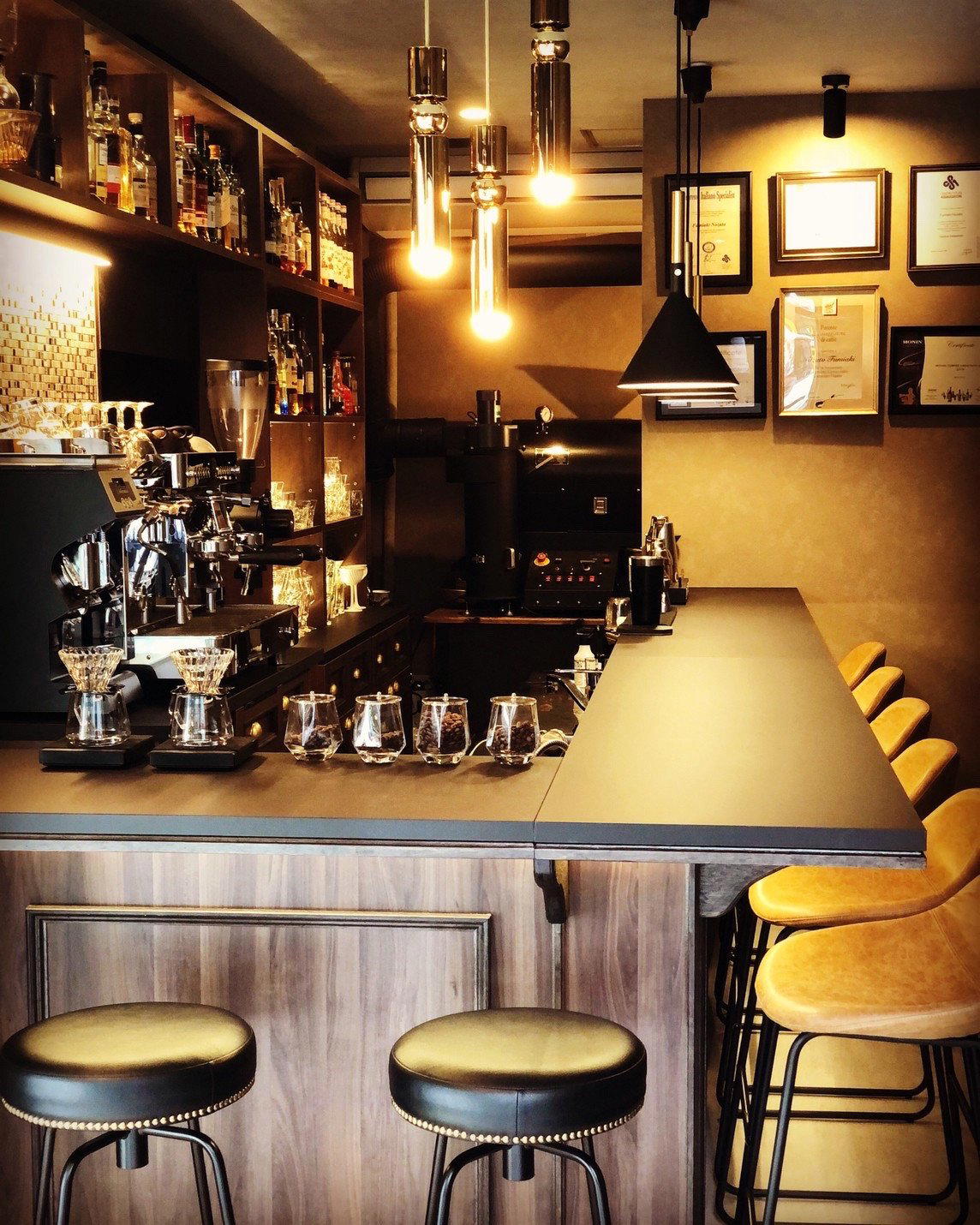
Bars in Osaka
Browse all →
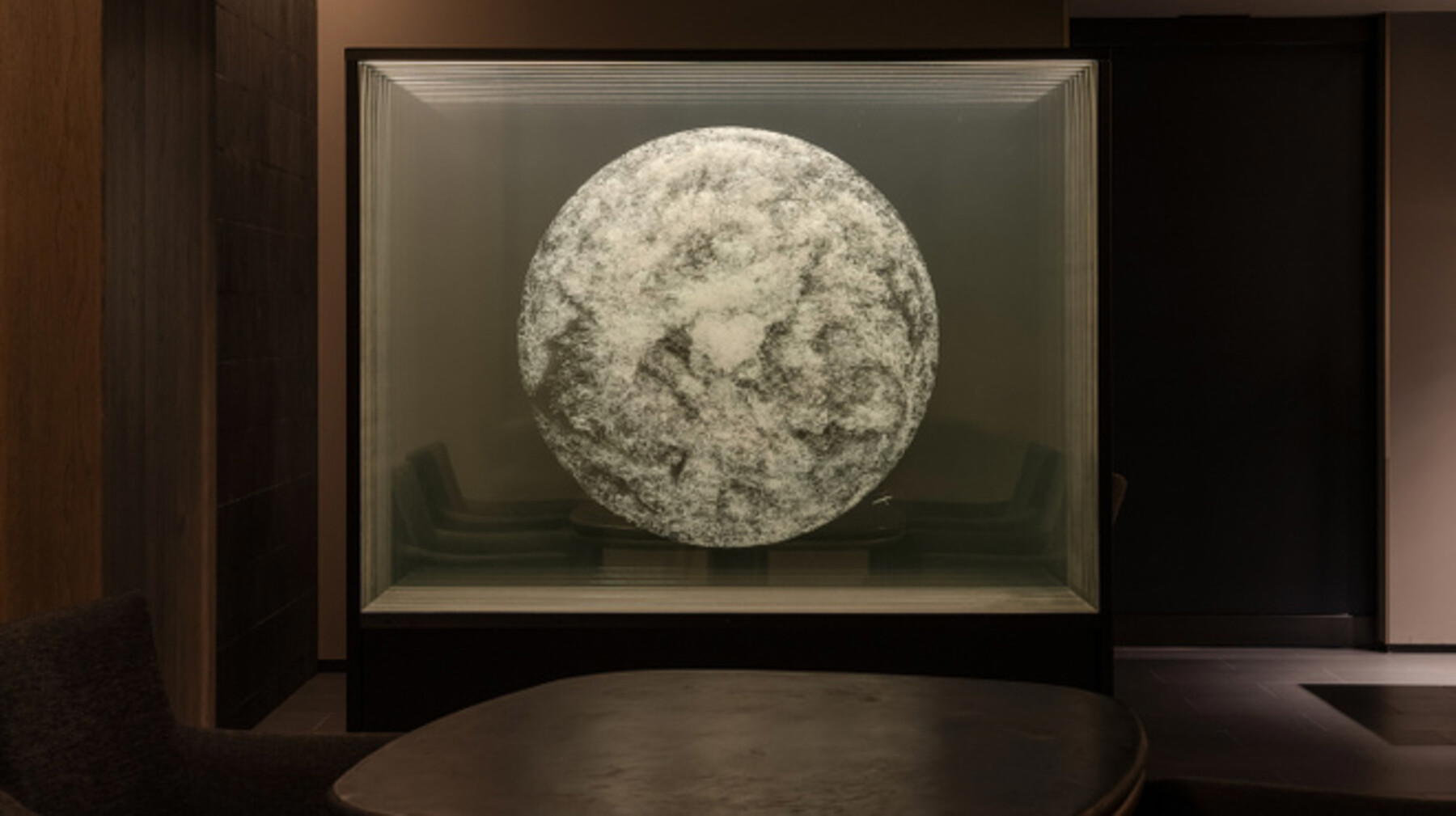
Hotels in Osaka
Browse all →



Wineries in Osaka
Browse all →
Details
- Sophisticated
- Quiet
- Elegant
- Scenic
- Intimate
- Modern
- Business Dinner
- Date Night
- Group Dining
- Celebration
- Special Occasion
- Private Event
- Chefs Counter
- Private Dining
- Panoramic View
- Hotel Restaurant
- Sommelier Led
- Local Sourcing
- Skyline
- Set Menu
- Counter Dining
- Prix Fixe
- Wine
- Vegetarian Friendly
- Pescatarian Friendly
- Gluten Free Options
Refined, quiet, and theatrical in a restrained way, with a high-floor setting, skyline views, and an intimate teppanyaki counter experience.