Bardea Steak


World's Best Steaks 50 Best #49 · Wine Spectator Award of Excellence
Our verdict
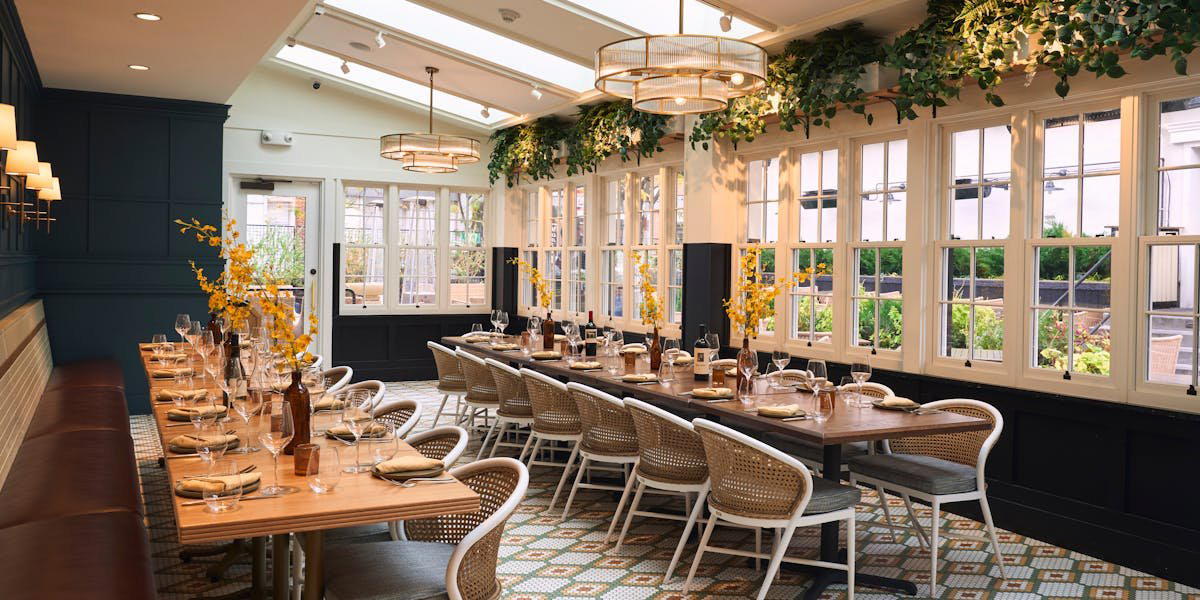
Ranked among North America's Top 50 Steakhouses and helmed by James Beard-nominated Chef Antimo DiMeo, Bardea Steak on Wilmington's North Market Street brings wood-fired technique and rare-breed cuts to a city more often associated with its Italian-American sister restaurant. The format spans familiar and uncommon cattle breeds, with the grill as the kitchen's defining instrument.

Pearl is the En Primeur Club membership app — saves, bookings, and concierge access live there. Same editors, same standards.
- Address
- 608 N Market St, Wilmington, DE 19801
- Phone
- (302) 550-9600
- Hours
- Mon ClosedTue–Wed 5–9 PMThu–Sat 5–10 PMSun 4–9 PM
- Website
- bardeasteak.com
- Directions
- Get directions
- Booking
- Book on OpenTable
The menu
What to order
- Piedmontese Filet
- Washugyu Bone-In Filet
- The Butcher's Feast
- Elk Meatballs
- Wagyu Empanadas
- Carrot Cake
Where Wood Smoke Meets the Mid-Atlantic Steakhouse Tradition
North Market Street in Wilmington occupies an interesting position in the American dining conversation: close enough to Philadelphia and Washington D.C. to draw serious restaurant-goers, but distinct enough to have developed its own culinary identity over the past decade. That identity has been shaped, in large part, by the James Beard Award-nominated program anchored at this address. Bardea Steak, at 608 N Market St, sits within that context as the more focused, protein-driven sibling to Bardea Food & Drink, Wilmington's well-regarded Italian-leaning restaurant a short walk away.
The wood-fired grill is the editorial and culinary center of what happens here. That choice of cooking method carries cultural weight across American steakhouse history: open-fire cooking predates the gas-fired broiler approach that defined mid-century chophouses, and its resurgence in fine dining over the past fifteen years represents a deliberate return to technique that prioritizes char, smoke integration, and crust formation over the consistency of controlled heat. At Bardea Steak, that method applies not only to the expected premium cuts but also to breeds that rarely appear on American steakhouse menus, creating a program that references both tradition and genuine curiosity about the cattle itself.
Rare Breeds and the Case for Provenance
American steakhouse culture spent decades anchored to a fairly narrow cattle conversation: USDA Prime, specific aging protocols, and a handful of established producers. The shift toward rare and heritage breeds is relatively recent, driven partly by what happened in the fine-dining world as chefs began applying sourcing rigor to protein the way an earlier generation applied it to produce. The result, when executed with discipline, is that the breed itself becomes a flavor argument rather than a marketing footnote.
Bardea Steak's approach to cuts from both familiar and rare breeds places it alongside a cohort of American steakhouses that are effectively making a comparative tasting argument with their menus. This is a different proposition from the classical chophouse, which implicitly argues that technique and grade are sufficient differentiators. It's closer in spirit to what sommeliers do when they offer regional comparisons within a single varietal, though the analogy only goes so far. The wood-fired grill is the constant; the breed variation is the variable. That structure rewards repeat visits in a way that a static steakhouse menu rarely does.
For context on how this positions Bardea Steak within the broader American fine-dining circuit, consider that its peer restaurants in the national conversation tend to sit in major coastal markets. Venues like Le Bernardin in New York City or The French Laundry in Napa operate in cities where restaurant recognition is almost expected given the concentration of media and industry attention. A Top 50 North America steakhouse designation for a restaurant in Wilmington, Delaware, carries a different kind of signal: it reflects a program that earned recognition on culinary merit rather than on the strength of its location's restaurant ecosystem.
The Chef Credential and What It Means for the Room
James Beard Award nominations function as a rough peer-reviewed signal in the American restaurant industry. The nomination process involves input from local and national judges, restaurant industry professionals, and food media, and a nomination in a competitive category positions a chef within a defined national tier. Chef Antimo DiMeo's nomination places the Bardea program, across both restaurants on North Market Street, in a bracket that the broader Wilmington dining scene doesn't always get credit for sustaining.
That credential matters for Bardea Steak specifically because the steakhouse format is one where the chef's role can sometimes seem secondary to the sourcing and the grill. A James Beard-nominated operator in the kitchen argues against that assumption: the decisions around breed selection, wood type, aging protocol, and menu architecture are culinary ones, not just procurement ones. The difference between a high-quality ingredient and a high-quality dish still runs through the kitchen.
For readers building a mental map of American chef-driven restaurants, the Bardea Steak program is worth tracking alongside venues like Lazy Bear in San Francisco, Blue Hill at Stone Barns in Tarrytown, or Addison in San Diego: restaurants where a chef's accumulated credential set directly shapes what appears on the plate, and where the dining room reflects a point of view rather than a category expectation.
Wilmington as a Dining City: The Larger Frame
Wilmington is frequently evaluated through the lens of its proximity to larger markets, which tends to undersell what the city has developed on its own terms. The North Market Street corridor in particular has matured into a dining address with enough ambition to justify a standalone visit rather than a detour. The Bardea program represents the clearest evidence of that, but the surrounding context supports it: Wilmington's restaurant scene has diversified considerably, and the city's bar and experiences offerings have followed.
Travelers coming from Philadelphia or Washington D.C. will find Wilmington accessible by Amtrak, with the station close to the North Market Street corridor. That logistical ease makes an evening at Bardea Steak a realistic option for visitors staying elsewhere in the region, though the Wilmington hotel market has also developed options worth considering for an overnight stay. The city's wine options and broader hospitality infrastructure have grown to support the restaurant quality that venues like Bardea Steak now represent.
A ranking among North America's Top 50 Steakhouses is a specific designation, and it positions Bardea Steak within a peer group that includes some of the most capitalized and media-covered dining operations on the continent. The difference in market size between Wilmington and the cities where many of those peers operate is considerable. Restaurants like Alinea in Chicago, Providence in Los Angeles, or The Inn at Little Washington benefit from media density and destination dining infrastructure that a mid-size East Coast city simply doesn't replicate. That Bardea Steak appears in the same conversation reflects something about the consistency and quality of the program rather than anything about Wilmington's restaurant ecosystem size.
The wood-fired format also connects Bardea Steak to a broader American cooking movement that has influenced restaurants from Single Thread Farm in Healdsburg to Emeril's in New Orleans: an interest in live fire as a primary technique rather than a finishing flourish. That approach has deeper roots in global beef culture, particularly in South American and Spanish traditions where wood and charcoal are the standard rather than the exception. Bardea Steak draws on that tradition while operating within a distinctly American steakhouse framework, which is part of what makes the program editorially interesting rather than simply well-executed.
Planning a Visit
Bardea Steak is located at 608 N Market St, Wilmington, DE 19801, within walking distance of Wilmington's Amtrak station and the downtown hotel corridor. Given its national ranking designation and the James Beard profile attached to the broader Bardea program, reservations are advisable, particularly for weekend evenings. The restaurant-and-bar format suggests some flexibility for walk-ins at the bar, though the kitchen's more ambitious tasting-oriented cuts are leading approached with a full table booking. For visitors building a Wilmington itinerary, pairing an evening at Bardea Steak with a meal at Bardea Food & Drink across two nights gives a complete picture of what the DiMeo program is doing on North Market Street, and what Wilmington has quietly become as a dining destination in the Mid-Atlantic region.
Frequently asked questions
Is Bardea Steak Michelin-listed?
Bardea Steak has received recognition including: Proudly named one of North America's Top 50 Steakhouses, Bardea Steak is a restaurant and bar by James Beard-nominated Chef Antimo DiMeo, offering exceptional cuts from familiar and rare breeds, many cooked on a wood-fired grill..
Where exactly is Bardea Steak?
Bardea Steak is located at 608 N Market St, Wilmington, DE 19801, Wilmington.
What do regulars order at Bardea Steak?
The wood-fired grill is the kitchen's defining instrument, and cuts cooked over open fire are the natural anchor of a meal here. Chef Antimo DiMeo's program emphasizes rare and lesser-known breeds alongside familiar options, so the cut selection itself is worth exploring beyond default choices. The rare-breed selections are what separate this menu from a conventional USDA Prime steakhouse.
How hard is it to get a table at Bardea Steak?
Bardea Steak carries a North America Top 50 Steakhouse ranking and a James Beard nomination, which typically drives reservation demand well above what a mid-sized market city like Wilmington would otherwise sustain. Booking ahead is advisable, particularly on weekends. The restaurant's position at 608 N Market St also makes it a natural stop for Amtrak corridor travelers passing between Philadelphia and Washington, which adds pressure to the dining room.
What's Bardea Steak best at?
The combination of wood-fired technique and a rare-breed cut program is what gives Bardea Steak its standing in the national steakhouse conversation — enough to earn a Top 50 designation across all of North America. Most steakhouses in this tier default to commodity Prime beef and conventional cooking methods; the provenance-focused sourcing and live-fire approach here represent a deliberate departure from that format. Chef Antimo DiMeo's James Beard nomination signals that the approach has drawn serious peer recognition, not just regional press.
Booking and Cost Snapshot
| Venue | Cuisine | Price | Awards | Notes |
|---|---|---|---|---|
| Bardea SteakThis venue — the venue you are viewing | Modern Steakhouse with Global Influences | $150–200 | World's Best Steaks 50 Best #49 · Wine Spectator Award of Excellence | Not listed |
| Le Bernardin | French Seafood Fine Dining | $300–500 | 3 Michelin Stars · World's 50 Best #13 | French, Seafood |
| Atomix | Modern Korean Tasting Menu | $300–500 | 2 Michelin Stars · World's 50 Best #7 | Modern Korean, Korean |
| Lazy Bear | Modern American Tasting Menu | Not listed | 2 Michelin Stars · World's 50 Best #25 | Progressive American, Contemporary |
| Alinea | Avant-Garde Molecular Gastronomy | $300–500 | 2 Michelin Stars · World's 50 Best #37 | Progressive American, Creative |
| Masa | Seasonal Hokkaido Tempura Omakase | $150–200 | Tabelog 100 #34 | Sushi, Japanese |
Recognition history
Dated appearances from independent guides and award organizations, with the underlying list record or original source where available.
World's Best Steaks 50 Best Steakhouses in North America #49
World's Best Steaks
Wine Spectator Award of Excellence
Wine Spectator
Continue exploring
More in Wilmington
Restaurants in Wilmington
Browse all →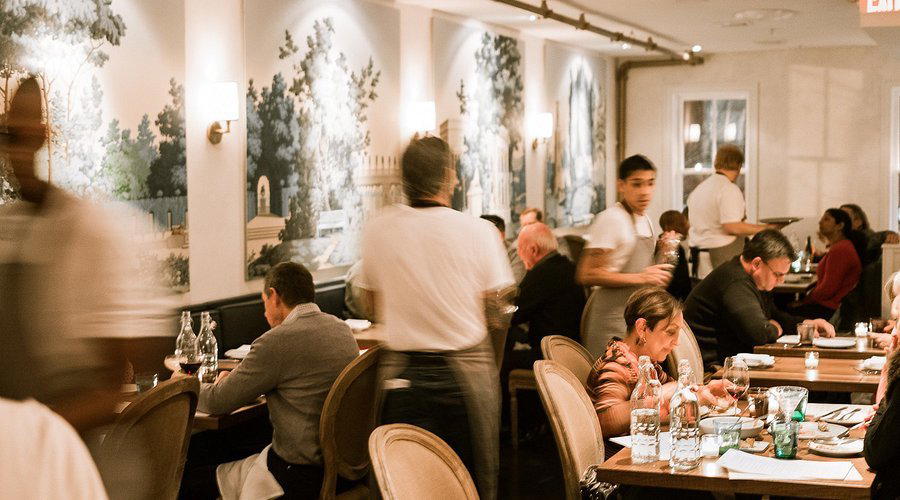
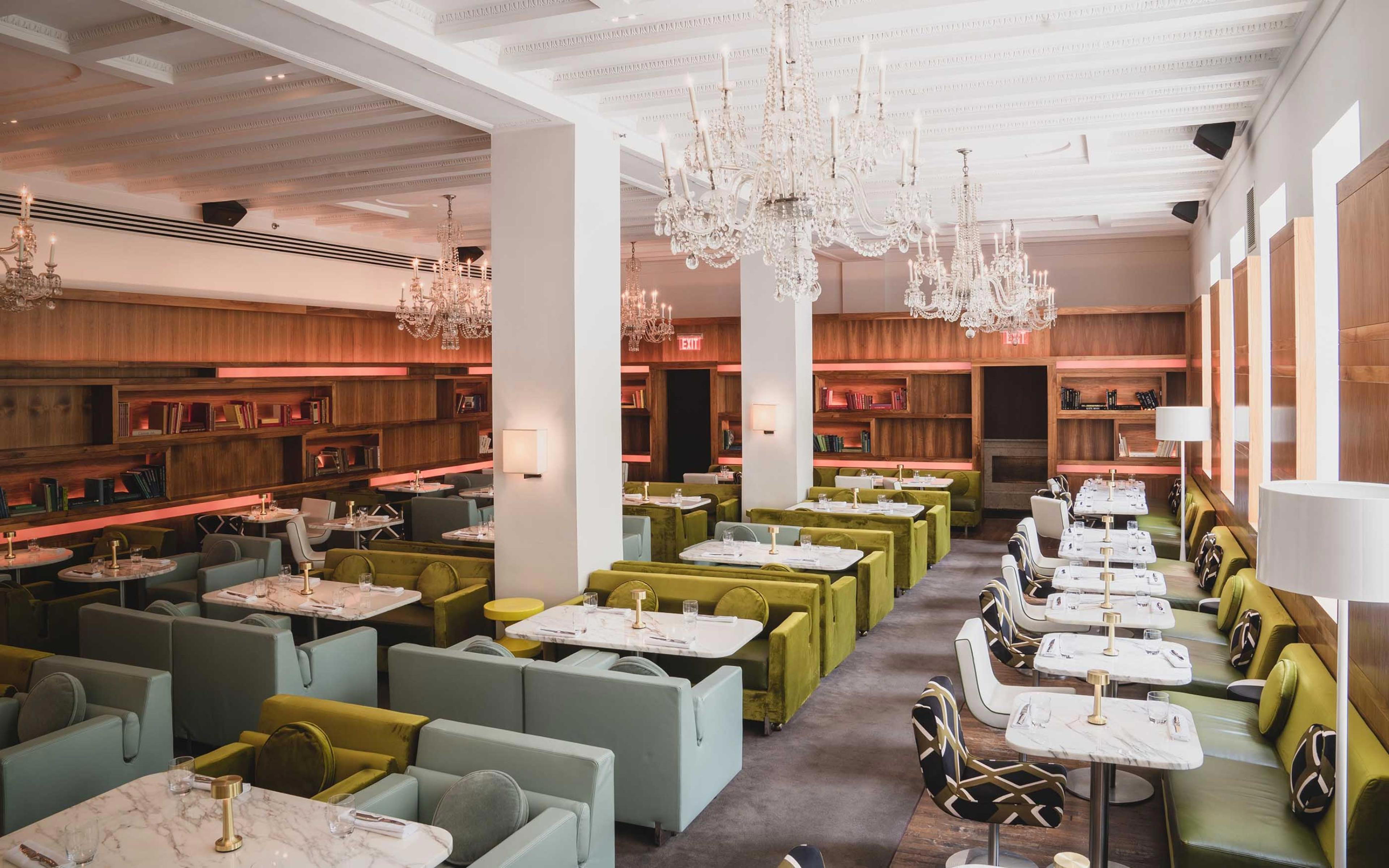
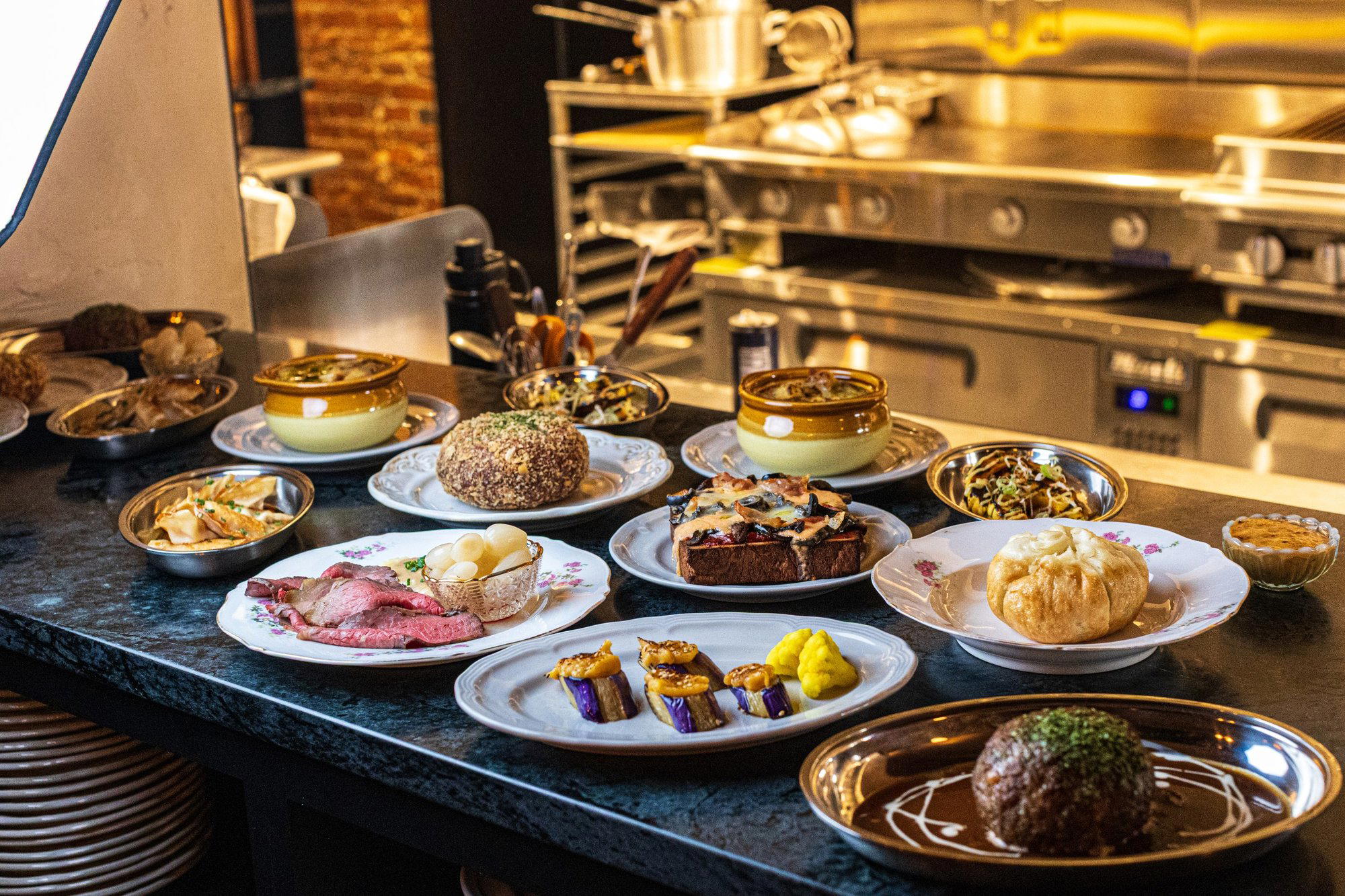
Bars in Wilmington
Browse all →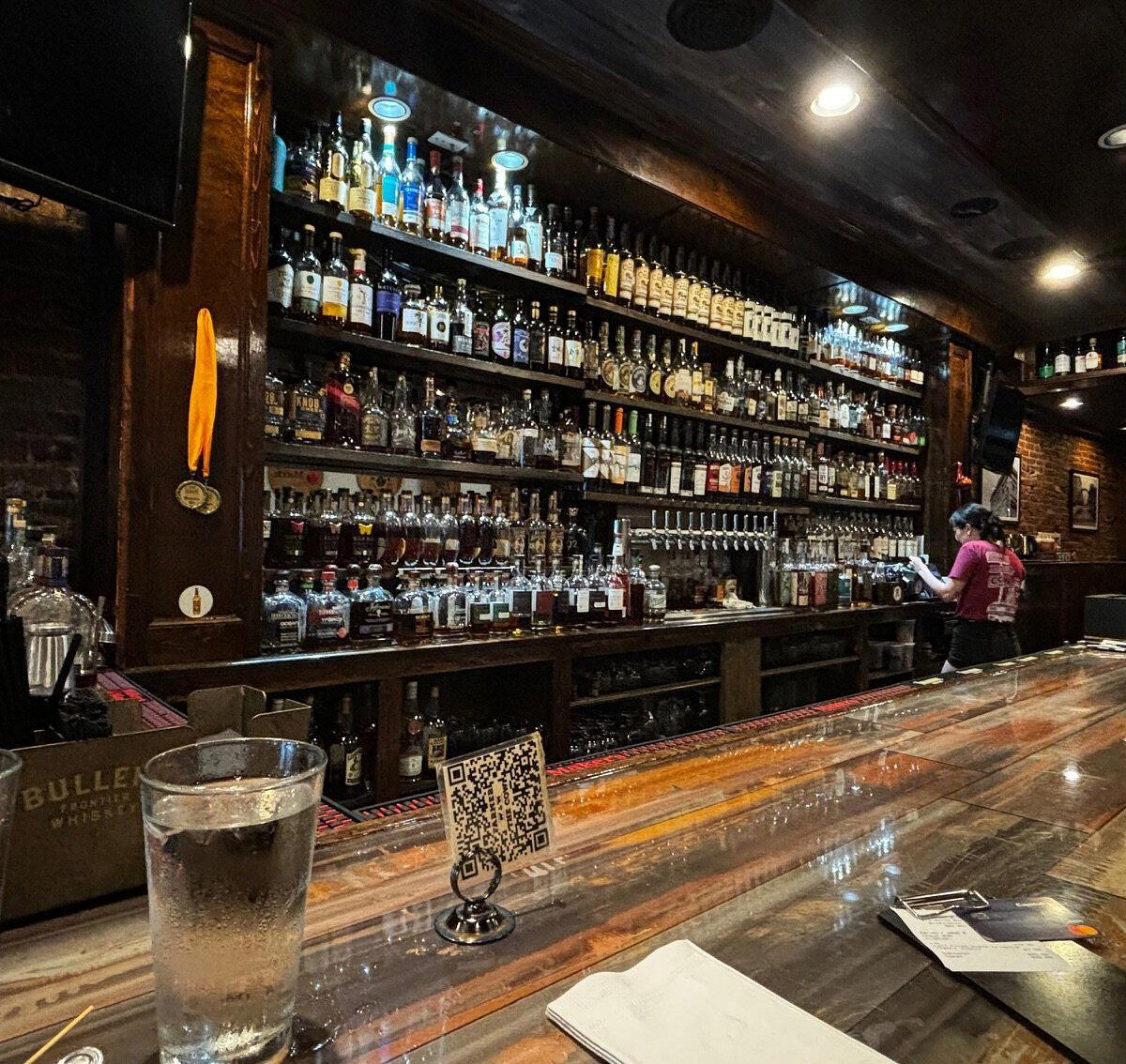
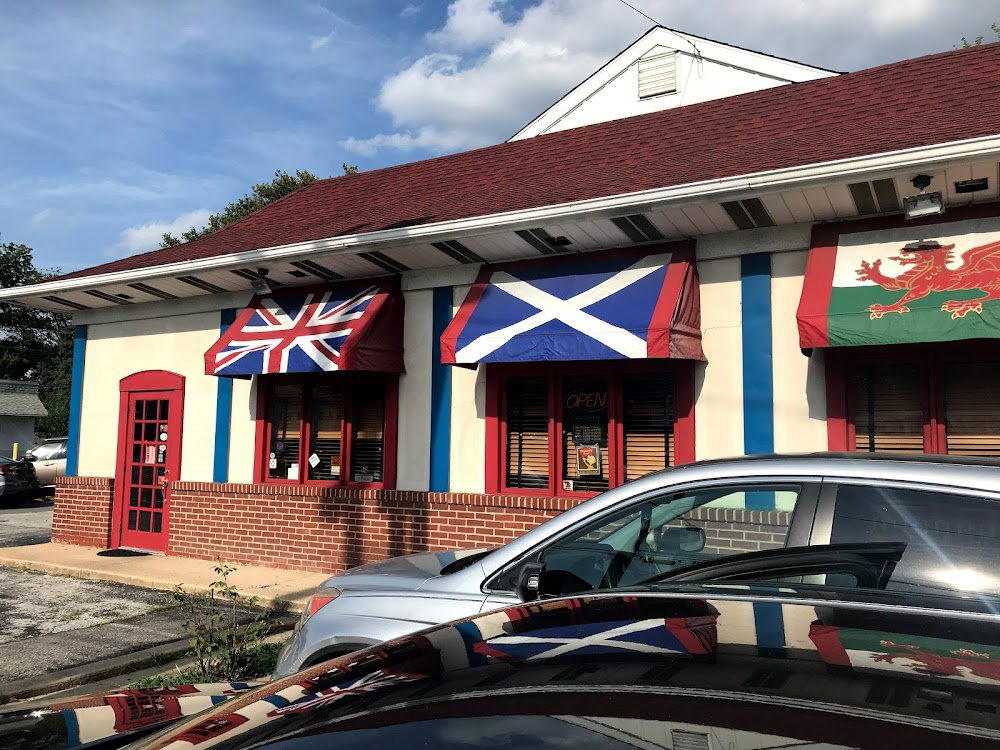
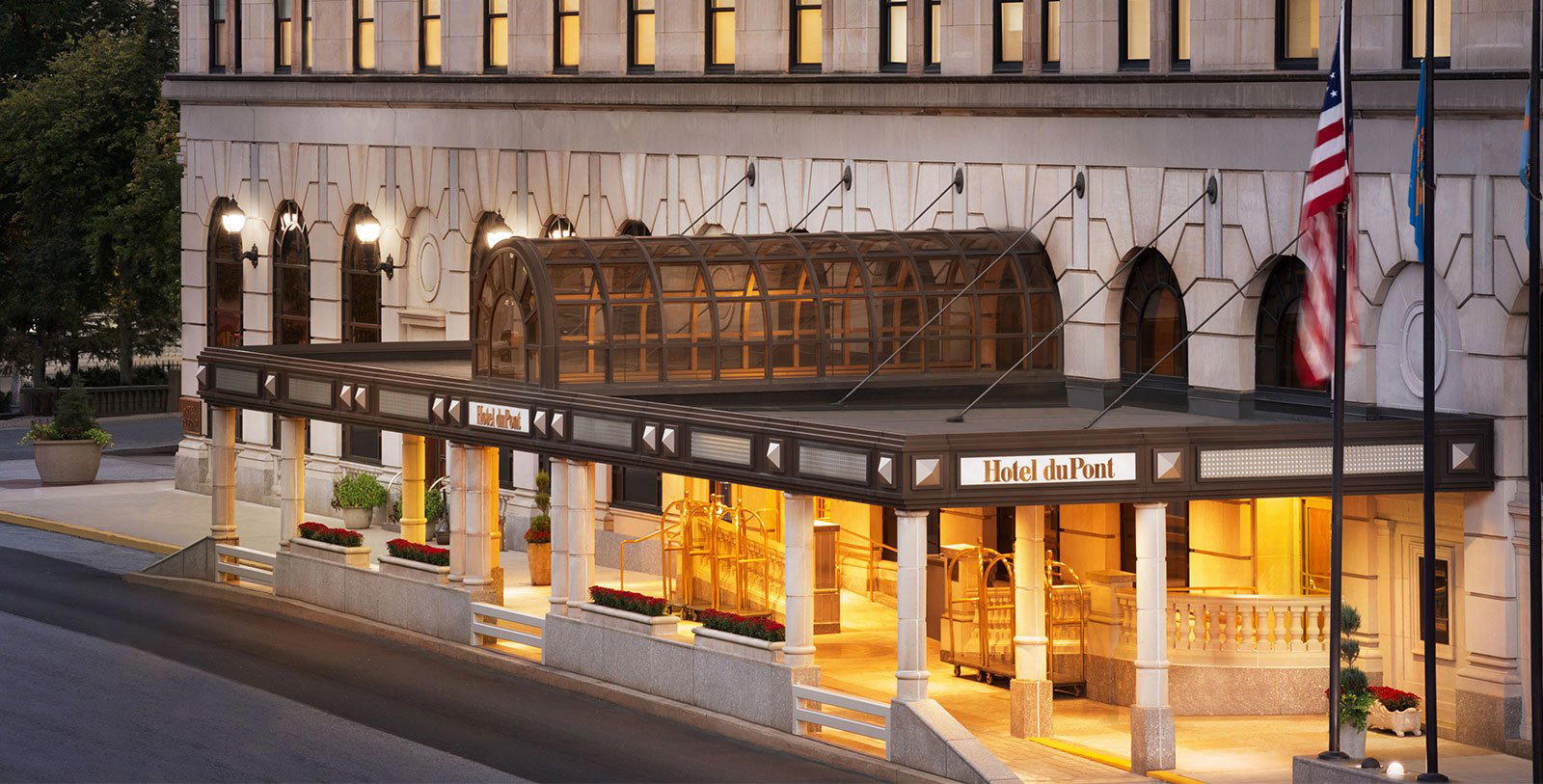
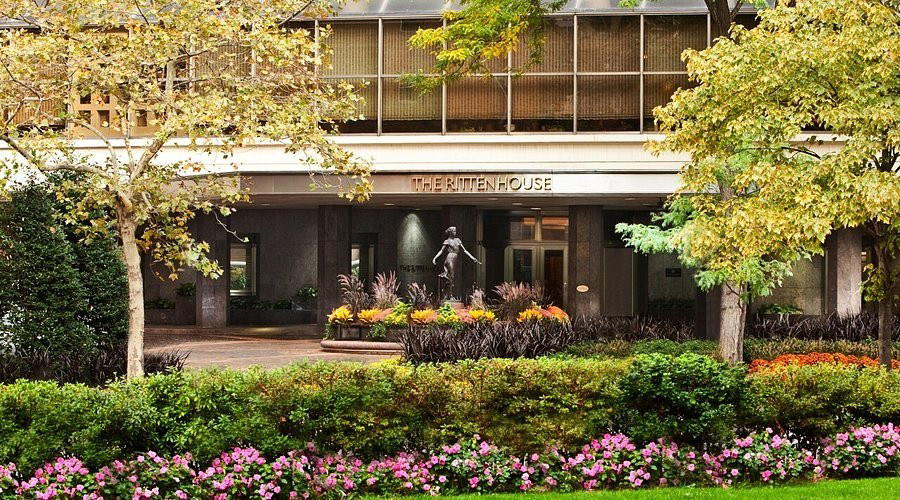
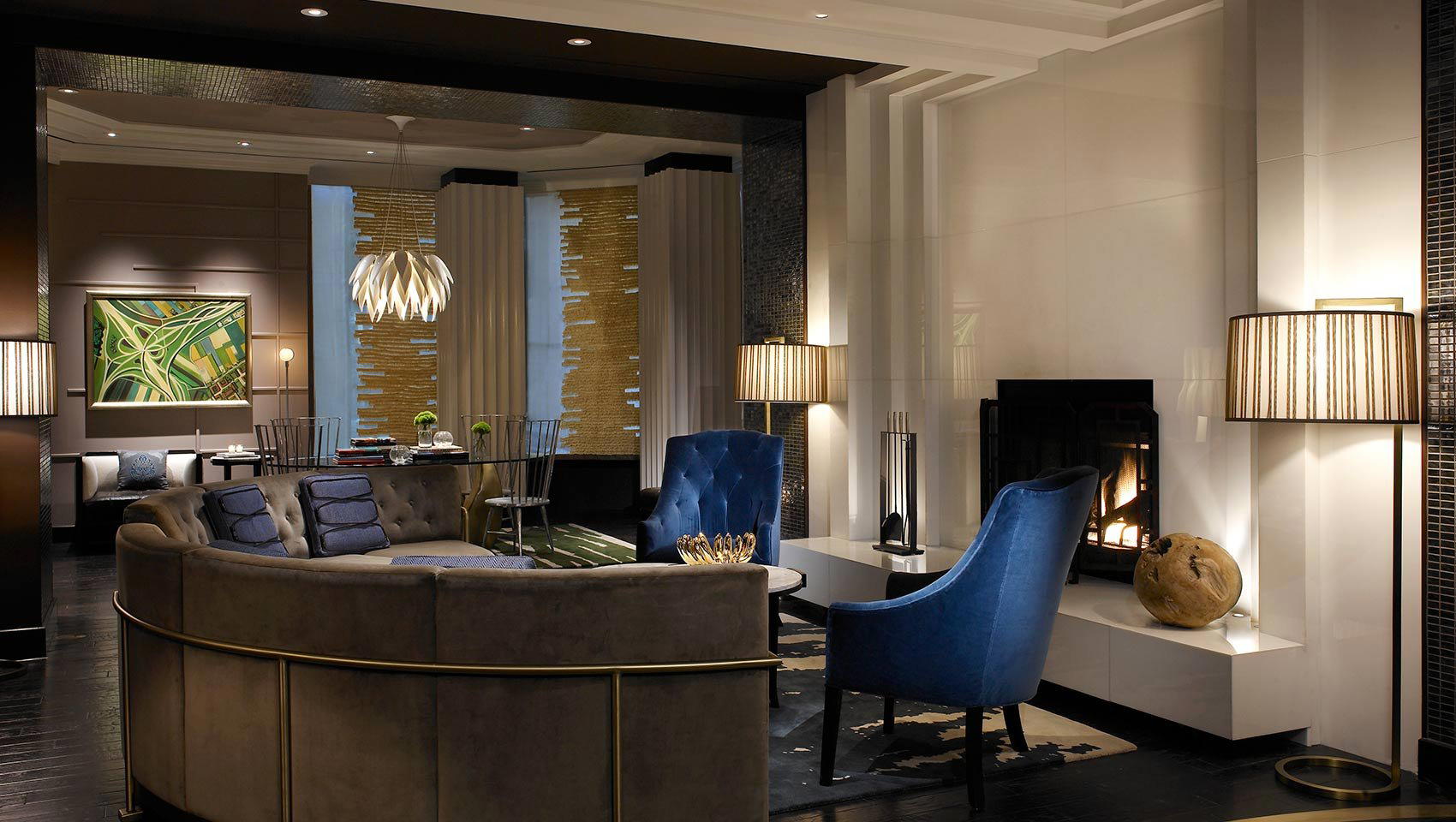
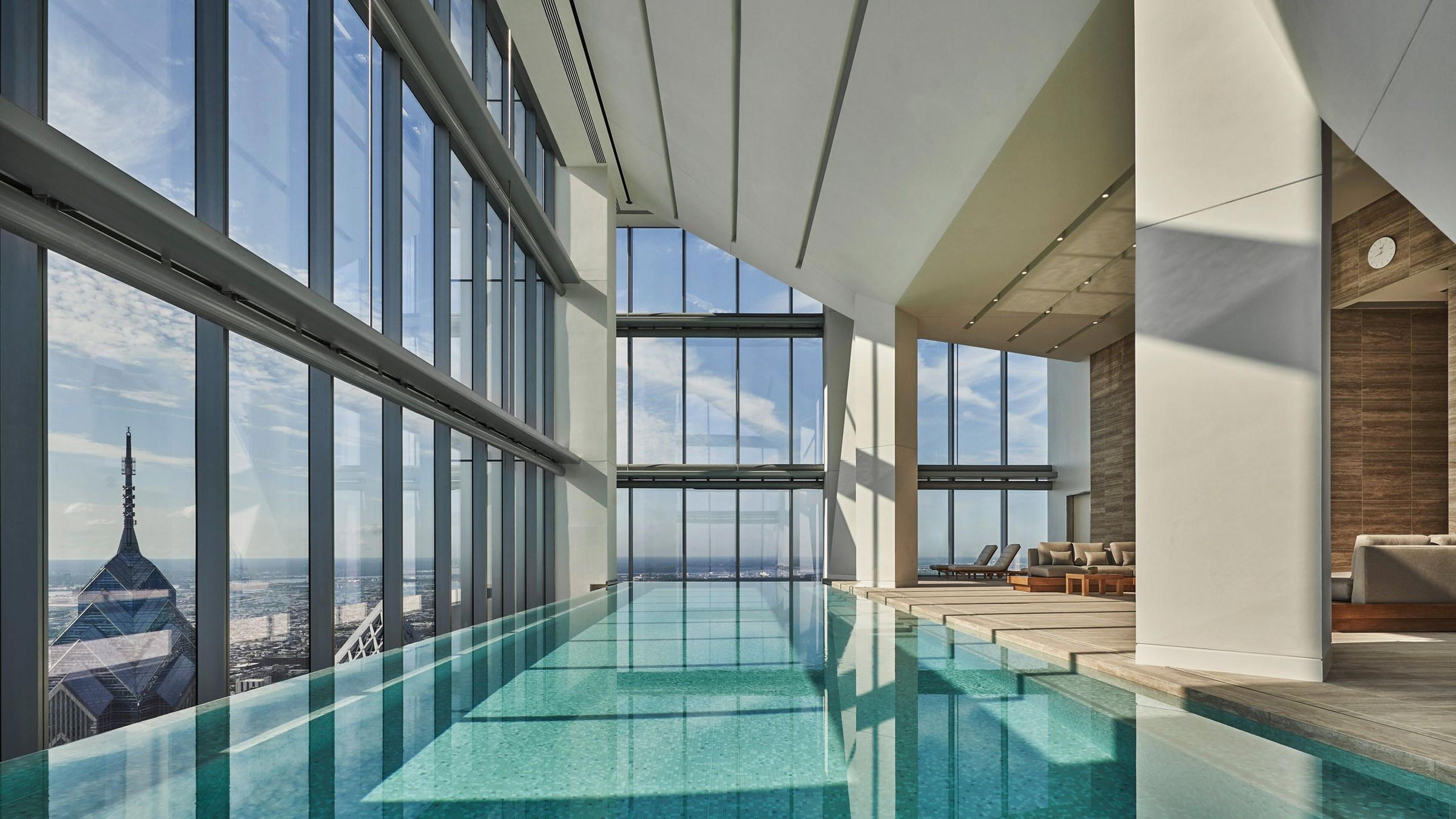
Hotels in Wilmington
Browse all →
Wineries in Wilmington
Browse all →
Bardea Steak
The wine
Bardea Steak holds the Wine Spectator Award of Excellence, which Wine Spectator gives to lists of usually 90 or more selections.
- Wine program
- Exceptional wine program
- Wine Spectator
- Wine Spectator Award of Excellence
- Extensive wine list
- Sommelier-led
- Craft cocktails
Details
- Romantic
- Lively
- Elegant
- Sophisticated
- Modern
- Date Night
- Special Occasion
- Celebration
- Business Dinner
- Group Dining
- Open Kitchen
- Private Dining
- Extensive Wine List
- Craft Cocktails
- Sommelier Led
- Farm To Table
- Local Sourcing
- Sustainable
- A La Carte
- Tasting Menu
- Small Plates
- Bourbon
- Scotch
- Craft Cocktails
- Wine
- Gluten Free Options
- Allergy Accommodating
Current opening hours
- Monday
- Closed
- Tuesday
- 5–9 PM
- Wednesday
- 5–9 PM
- Thursday
- 5–10 PM
- Friday
- 5–10 PM
- Saturday
- 5–10 PM
- Sunday
- 4–9 PM
Hours can change for holidays and private events. Last verified .
Warm, stylish, and lively modern steakhouse with polished service, fireplaces, and an 'old New York' aesthetic; can be loud during peak service with open kitchen views.