Barcelona

Wine Spectator Award of Excellence
Our verdict
Barcelona sits on East Whittier Street in Columbus's Merion Village, operating at the intersection where Spanish culinary tradition meets Midwestern seasonal produce. The kitchen works within a framework of imported technique applied to local ingredients, placing it in a growing cohort of Columbus restaurants that look outward for method while sourcing close to home. For the South Side dining scene, it functions as a reference point rather than an outlier.

Pearl is the En Primeur Club membership app — saves, bookings, and concierge access live there. Same editors, same standards.
- Address
- 263 E Whittier St, Columbus, OH 43206
- Phone
- (614) 443-3699
- Hours
- Mon ClosedTue–Thu 11 AM–9 PMFri 11 AM–10 PMSat 4–10 PMSun 4–9 PM
- Website
- barcelonacolumbus.com
- Directions
- Get directions
- Booking
- Book on the venue's website
South Side Columbus and the New Regionalism
Columbus's South Side dining corridor has spent the better part of a decade shedding its reputation as an afterthought to the Short North and German Village circuits. East Whittier Street, in particular, has attracted a class of operator more interested in neighbourhood permanence than in the kind of high-visibility positioning that defines restaurant openings closer to downtown. Barcelona, at 263 E Whittier St, fits that pattern: a South Side address that signals a deliberate choice rather than a compromise on real estate.
The broader context matters here. American cities of Columbus's scale — mid-size, Midwestern, with a large public university feeding both the labour market and the dining audience — have increasingly produced restaurants that adopt the structural vocabulary of coastal fine dining while leaning on regional supply chains. You see the same impulse at Smyth in Chicago, where hyper-local sourcing underpins technically demanding tasting menus, and at Single Thread Farm in Healdsburg, where the farm-to-table premise is taken to its most rigorous conclusion. Barcelona in Columbus operates on a smaller register, but the underlying logic, imported technique, indigenous product, connects it to a wider American dining conversation.
The Spanish Frame Applied to Ohio Seasons
Spanish cuisine, in its contemporary professional form, carries a specific technical inheritance: the precision of Basque cookery, the emulsification logic of Catalan sauces, the patience built into cured and preserved proteins. When that inheritance lands in the Ohio Valley, the seasonal calendar shifts considerably. The Iberian Peninsula's summer abundance of peppers, tomatoes, and stone fruit maps, imperfectly but productively, onto what central Ohio farms produce through late spring and into autumn. The tension between the reference cuisine and the available ingredient set is where kitchens in this position make their most interesting decisions.
Restaurants working this particular intersection, Spanish structural logic, Midwestern seasonal supply, are rarer in Columbus than the city's general dining growth might suggest. The more common play has been broader Mediterranean, which allows more flexibility in sourcing. A commitment to Spanish specificity, by contrast, demands that the kitchen either import at cost or find local analogues that hold up under the technical demands of the cuisine. Neither path is simple, and the choice itself says something about the kitchen's priorities. Comparable conversations about technique-versus-terroir play out at very different price and prestige levels: Le Bernardin in New York City resolves the tension through sheer sourcing power, while Addison in San Diego leans into California's geographic advantage. Columbus kitchens work with neither of those use points, which makes the editorial question sharper: what does restraint-driven, technique-led Spanish cooking look like when the produce calendar is Ohio's rather than Andalusia's?
Where Barcelona Sits in the Columbus Dining Order
Columbus's restaurant tier structure has grown more differentiated over the past five years. At the top of the market, a handful of addresses compete on tasting-menu format and serious wine programs. Below that, a mid-market cohort offers polished casual dining with identifiable culinary frameworks. Barcelona occupies the Merion Village segment of that mid-tier, where the competitive set includes neighbourhood anchors rather than destination restaurants drawing from across the metro.
For context on the wider Columbus scene, Agni represents the South Asian end of Columbus's global-technique conversation, while Agave & Rye Grandview applies a similarly specific national culinary identity to a local audience. Alqueria is the most direct point of comparison within the Iberian-inflected category. 2110 and 'plas round out a small group of South Side and near-South operators that have collectively shifted the gravitational centre of Columbus dining away from its older northern corridors. Our full Columbus restaurants guide maps the wider picture across neighbourhoods and price tiers.
At the national level, the restaurants that have made the most of the local-ingredients-global-technique premise tend to share a few structural features: direct relationships with a small number of farms, menus that change in response to availability rather than on a fixed seasonal schedule, and a willingness to let the ingredient define the dish rather than the other way around. Blue Hill at Stone Barns in Tarrytown and Lazy Bear in San Francisco have built reputations on exactly this premise, at considerably higher price points and with more elaborate formats. The underlying discipline, however, is transferable regardless of scale.
Getting There and Planning a Visit
The East Whittier Street address puts Barcelona within the Merion Village neighbourhood, south of German Village and accessible from downtown Columbus in under ten minutes by car. Street parking along Whittier is the standard approach for most visitors. The South Side corridor tends to draw a neighbourhood-first crowd, which means weekday evenings typically offer more availability than Friday and Saturday, when the area pulls from across the city. Given the limited venue data currently available through third-party booking platforms, contacting the restaurant directly is the practical first step for reservation timing and current hours. For broader itinerary planning around this part of Columbus, the South Side functions leading as an evening destination rather than a daytime stop, with the corridor's dining concentration most active from early evening onward. Restaurants in this tier and geography in Ohio generally see their strongest trade September through November, when the local harvest calendar and the return of the university population converge.
Comparisons to destination-level American restaurants in adjacent categories, Emeril's in New Orleans, Providence in Los Angeles, The Inn at Little Washington in Washington, The French Laundry in Napa, Atomix in New York City, or Atelier Moessmer Norbert Niederkofler in Brunico, illuminate the range of ambition available to kitchens working with a clear national cuisine as their structural reference. Barcelona in Columbus is not competing in that tier, but the editorial question those restaurants clarify is the same: how much of a cuisine's identity survives transplantation, and what fills the gap when the original ingredient context is absent?
Frequently asked questions
What part of town is Barcelona in?
Barcelona is located at î263 E Whittier St, Columbus, OH 43206, Columbus.
How does Barcelona fit into the broader South Side Columbus dining scene?
Barcelona is part of a group of independent restaurants that have shifted Columbus's dining centre of gravity southward over the past decade. The Merion Village location at 263 E Whittier St places it among neighbours that draw on the area's working-class residential character rather than the curated retail of the Short North. That context shapes the atmosphere: the cooking carries Spanish technical ambition, but the room operates at the register of a neighbourhood restaurant rather than a destination showcase.
What dish is Barcelona famous for?
Barcelona's kitchen draws on Spanish culinary technique applied to Ohio's seasonal ingredients, meaning the menu shifts with regional availability rather than fixed signature plates. The through-line, based on the restaurant's positioning in Columbus's South Side corridor, is Spanish-framework cooking grounded in what the Midwest produces. For current menu specifics, contacting the restaurant directly at 263 E Whittier St is the most reliable route.
Do they take walk-ins at Barcelona?
Walk-in availability at Barcelona varies by night and season. The East Whittier Street address puts it in Merion Village, a neighbourhood that draws steady local traffic without the Short North tourist volume, so off-peak evenings tend to be more accommodating. Calling ahead or arriving early is the practical approach for a guaranteed seat.
What do critics highlight about Barcelona?
Coverage of Barcelona tends to focus on its role in repositioning Columbus's South Side as a serious dining corridor rather than an annex to German Village. The restaurant's application of Spanish technique to Ohio seasonal produce is the recurring critical frame. It sits in a tier of Columbus addresses that have pushed the city's restaurant conversation beyond its traditional Short North anchors.
Peers You’d Cross-Shop
Comparable venues nearby, for context on price, style, and recognition.
| Venue | Cuisine | Price | Awards | Notes |
|---|---|---|---|---|
| BarcelonaThis venue — the venue you are viewing | Authentic Spanish Tapas | $50–100 | Wine Spectator Award of Excellence | Not listed |
| Galla Park Social | Modern American Steakhouse | $50–100 | Not listed | Short North |
| Cento | Authentic Italian Fine Dining | $50–100 | Wine Spectator Award of Excellence | Brewery District |
| FYR Short North | Live-Fire Argentine-Inspired Grill | $30–50 | Not listed | Arena District |
| South Village Grille | Modern American with Sushi Pop-up | $30–50 | Not listed | Schumacher Place |
| Vine + Forge | Ohio-inspired American | $30–50 | Not listed | Uptown District |
Recognition history
Dated appearances from independent guides and award organizations, with the underlying list record or original source where available.
Wine Spectator Award of Excellence
Wine Spectator

Details
- Elegant
- Cozy
- Sophisticated
- Romantic
- Date Night
- Special Occasion
- Business Dinner
- Live Music
- Private Dining
- Extensive Wine List
- Small Plates
- A La Carte
- Sangria
- Vegetarian Friendly
- Vegan Options
- Gluten Free Options
Current opening hours
- Monday
- Closed
- Tuesday
- 11 AM–9 PM
- Wednesday
- 11 AM–9 PM
- Thursday
- 11 AM–9 PM
- Friday
- 11 AM–10 PM
- Saturday
- 4–10 PM
- Sunday
- 4–9 PM
Hours can change for holidays and private events. Last verified .
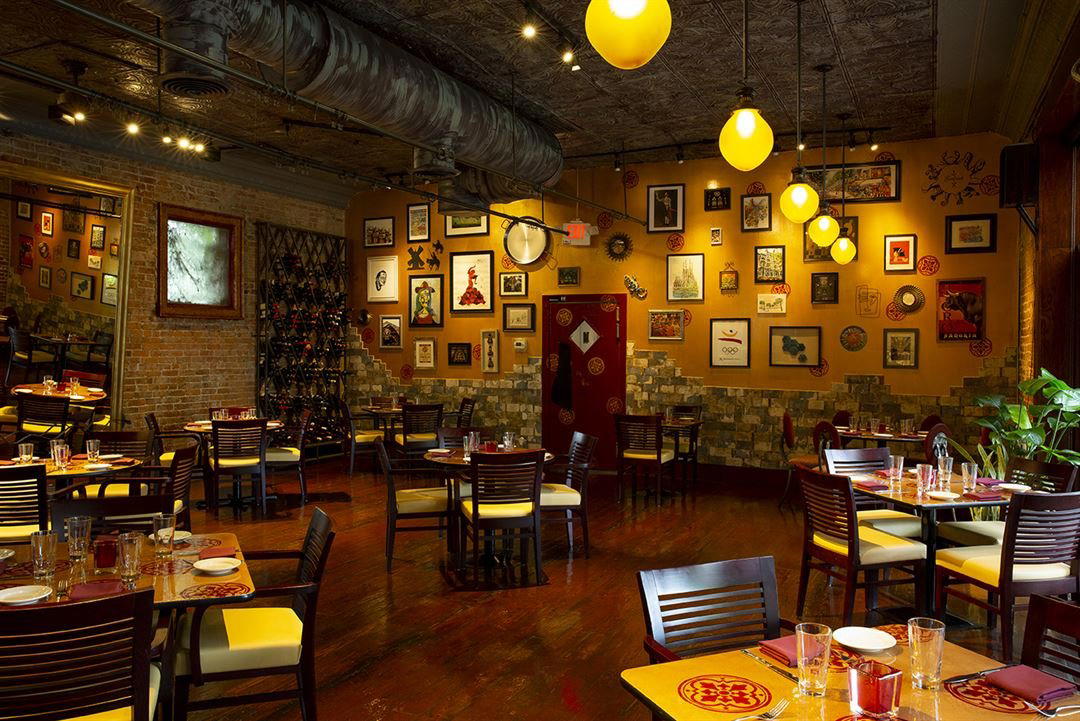
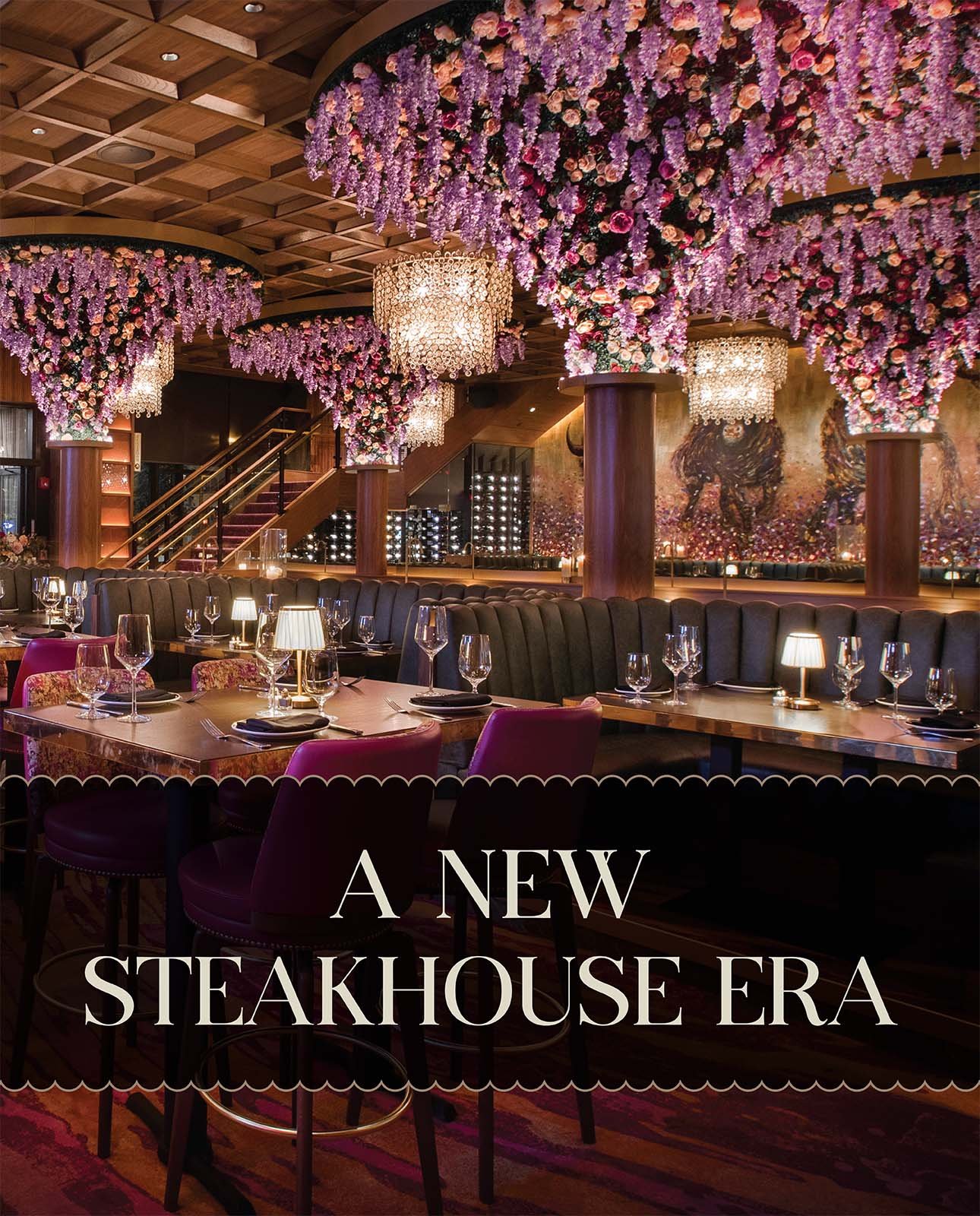
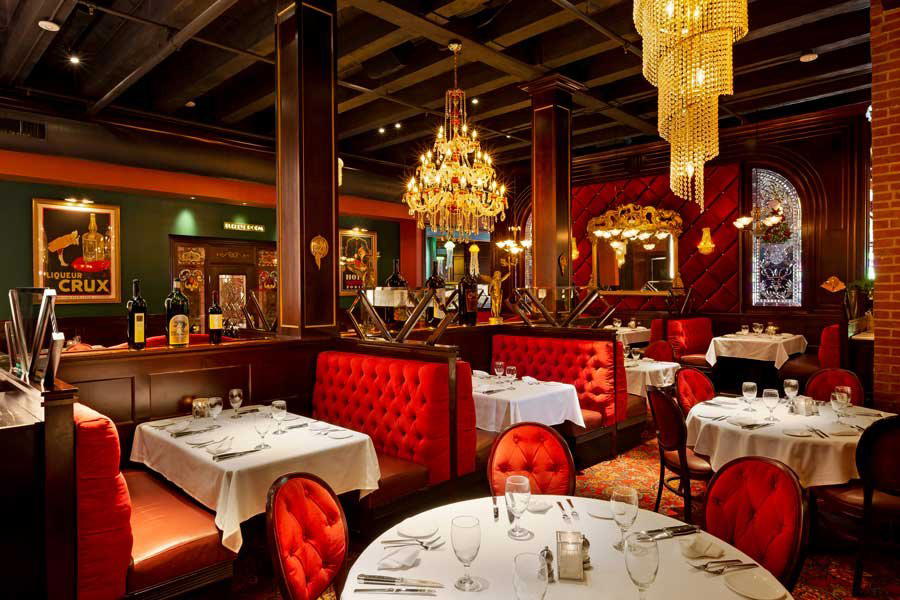
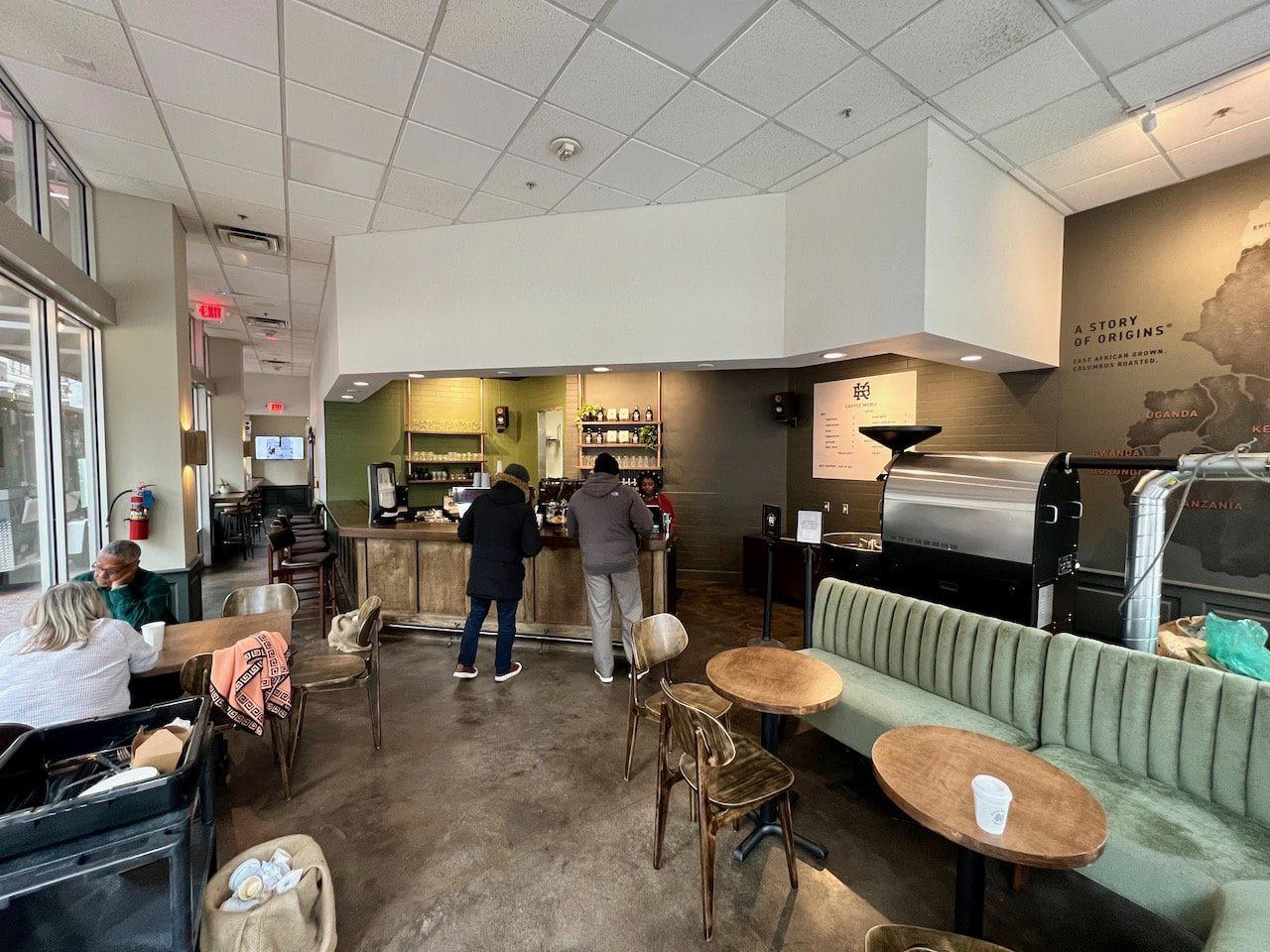
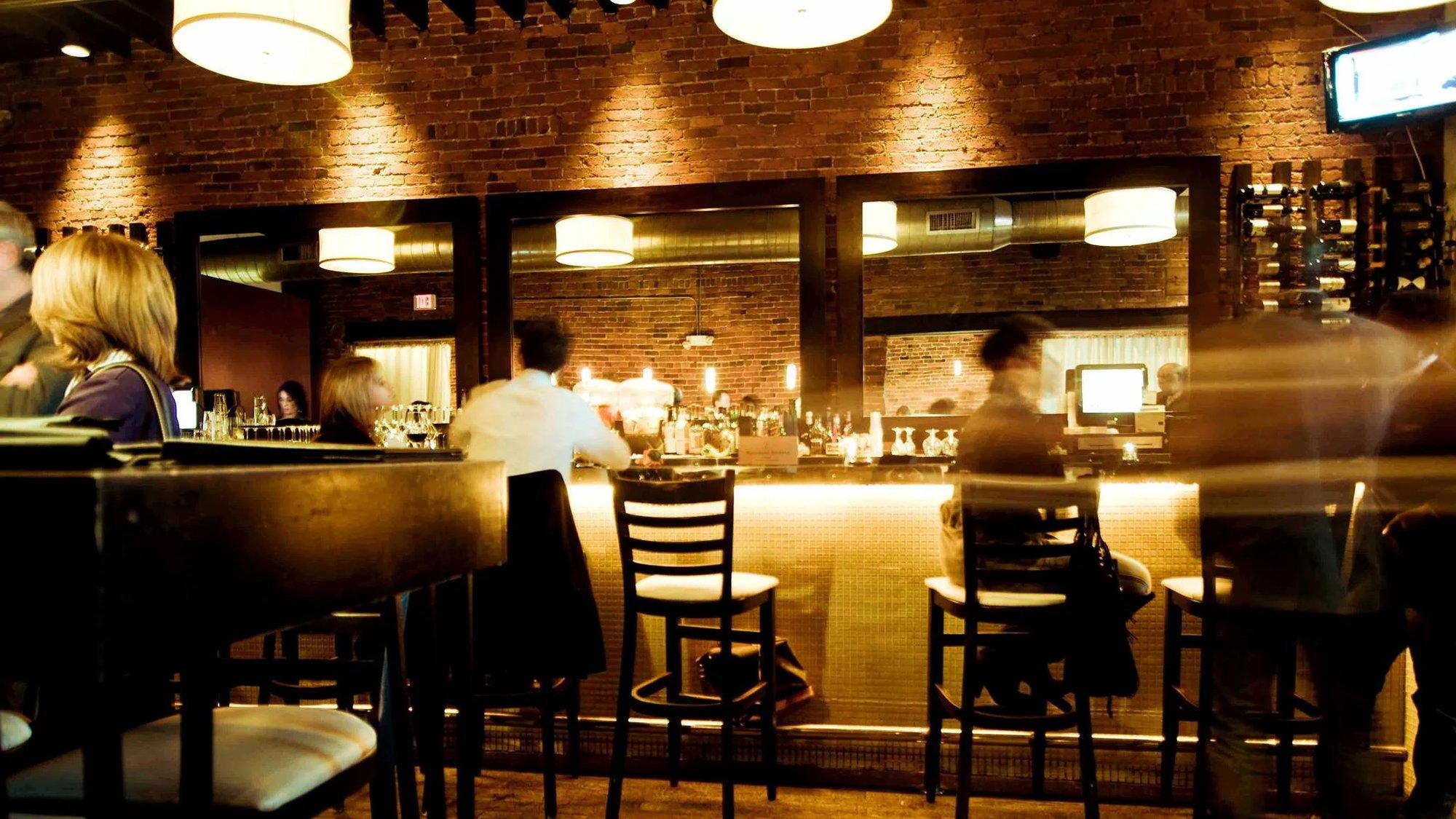
Warm inviting atmosphere blending metropolitan chic and Old World European charm with beautiful interior art and enchanting patio lighting.