Barca Restaurant
Our verdict
Barca Restaurant on Columbia Street is one of Fall River's established dining addresses, operating in a city whose Portuguese heritage runs deep through its kitchens and fishing culture. The sourcing tradition that defines this part of southeastern Massachusetts — fresh Atlantic catch, regional produce, old-world technique — shapes what ends up on the plate here. For context on where Barca sits in the local scene, see our full Fall River restaurants guide.

Pearl is the En Primeur Club membership app — saves, bookings, and concierge access live there. Same editors, same standards.
- Address
- 85 Columbia St, Fall River, MA 02721
- Phone
- (508) 675-0002
- Hours
- Mon 12–9 PMTue ClosedWed–Thu 5–9 PMFri–Sat 12–10 PMSun 12–9 PM
- Website
- barcarestaurant.com
- Directions
- Get directions
- Booking
- Book on OpenTable
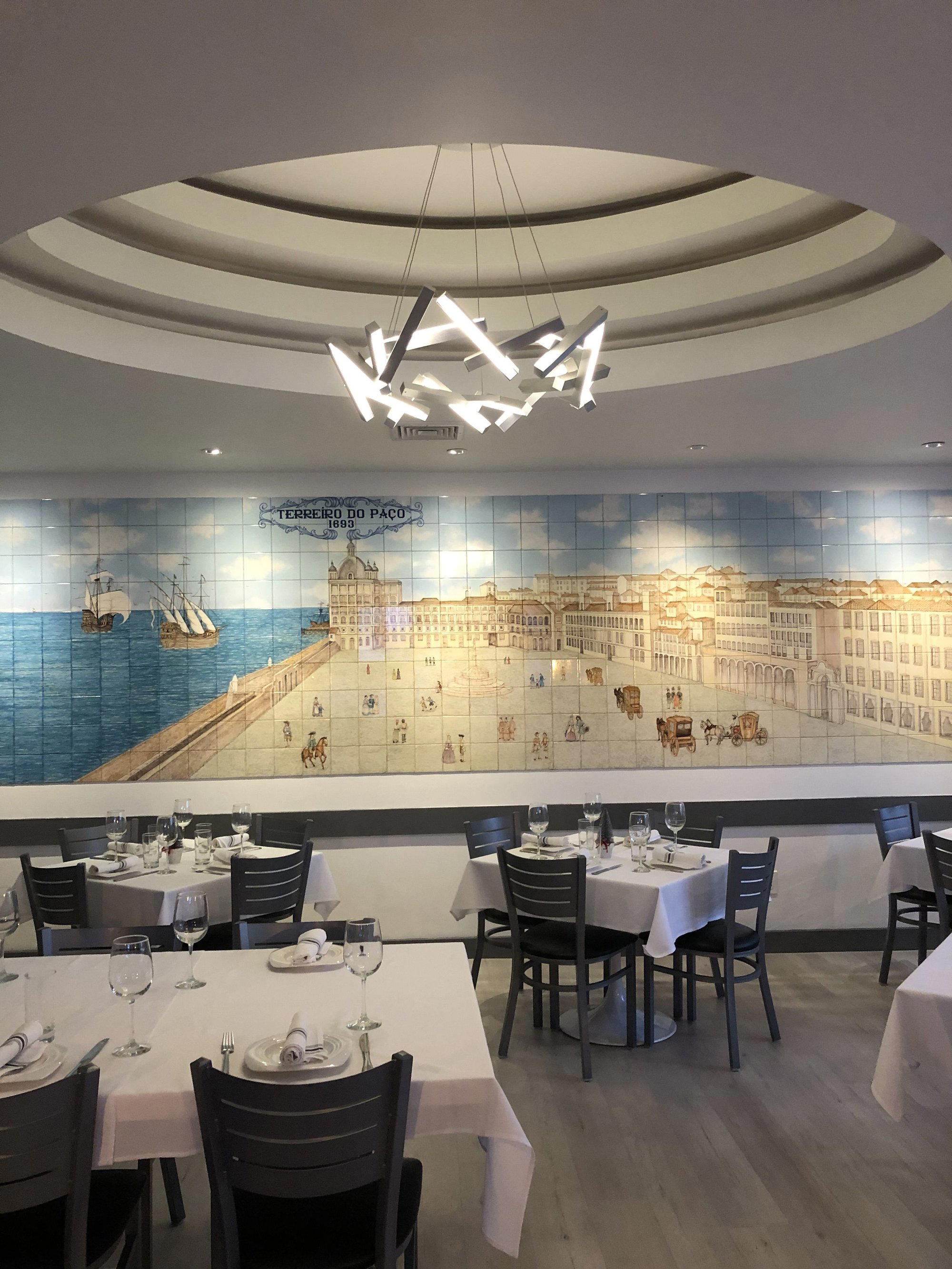
Fall River's Table: What the City Brings to the Plate
Fall River, Massachusetts, is not a city that needs to invent a food identity. Settled heavily by Portuguese immigrants from the Azores and mainland Portugal across the nineteenth and early twentieth centuries, the city carries one of the most coherent culinary signatures in New England: salt cod and fresh Atlantic seafood, bread-forward meals, long-cooked meats, and a wine culture that references the Douro and Alentejo more than Napa. The waterfront geography reinforces all of it. The harbor puts the city within the daily catch radius of boats working Buzzards Bay and Rhode Island Sound, and that proximity has shaped how restaurants here source and cook in ways that no amount of menu engineering can replicate from the inland side.
Into that context, Barca Restaurant at 85 Columbia St, Fall River, MA 02721 operates as a neighborhood address carrying the weight of a city where the dining culture is both specific and confident. Columbia Street sits in the urban core, and restaurants along this corridor draw from a local clientele that knows what good Portuguese-inflected cooking looks like. That is a useful pressure. Cities with assertive culinary identities are harder places to coast — the regulars have calibrated expectations, and the comparison set is not abstract.
The Sourcing Logic Behind Coastal New England Cooking
The editorial angle worth pressing at any serious Fall River restaurant is sourcing. The argument for this city's food is geographic: Atlantic seafood arriving through Southeastern Massachusetts ports has a freshness window and a cost structure that kitchens in Boston, never mind New York, cannot access on the same terms. Le Bernardin in New York City works at the top of the market for imported and domestic seafood, but its supply chain operates at a remove from the dock that a well-positioned Fall River kitchen does not face. That structural advantage is worth something, and the restaurants in this city that use it well tend to keep menus honest — fewer intermediaries between water and plate.
The Portuguese culinary tradition compounds this. Where American seafood cooking often defaults to butter-led French technique or the char-forward approach of the American grill, the Portuguese canon works differently: piri piri, olive oil, long brines, fermented pastes, and a comfort with whole-fish preparation that wastes less and extracts more from quality raw material. The result, when executed with discipline, is cooking that is both economical in the culinary sense and deeply regional in character. You see this logic at work in operations ranging from the tightest neighborhood counter to more formal sit-down rooms across Fall River and the surrounding SouthCoast.
For a direct comparison within Fall River's dining tier, Douro Steakhouse anchors the city's Portuguese-heritage dining at the red-meat end of the spectrum, named for the river valley that produces some of Portugal's most compelling wines. Where Douro leans into the land-based tradition of the interior, a name like Barca frames the kitchen's identity around the water.
Placing Barca Against the Broader American Sourcing Movement
The sourcing-first approach that defines thoughtful Fall River cooking sits within a national conversation that has been building for two decades. Restaurants across the country have restructured their supply relationships around geography, seasonality, and producer transparency. Blue Hill at Stone Barns in Tarrytown made the farm-to-table argument at the institutional level. Single Thread Farm in Healdsburg built a vertically integrated model where the same ownership controls production and service. Smyth in Chicago runs foraged and fermented programs with a rigor that requires a full back-of-house fermentation operation. Lazy Bear in San Francisco frames its tasting format explicitly around seasonal California produce.
These are all high-investment, urban-tier operations. The point is not that a Columbia Street restaurant in Fall River operates in the same category as a French Laundry in Napa or an Addison in San Diego. The point is that the sourcing logic, buy close, buy with knowledge of origin, let the raw material lead the plate, runs as clearly through a working-class Portuguese-American city on Buzzards Bay as it does through any tasting-menu destination. In some ways more clearly, because there is no performance attached to it. The access is structural, not aspirational.
Comparable region-driven sourcing arguments appear at ITAMAE in Miami, which works the Peruvian ceviche tradition through Florida-sourced fish, and at Oyster Oyster in Washington, D.C., where a plant-based menu is structured around Chesapeake watershed produce. The geography changes; the argument holds. Proximity to source material shapes the quality ceiling, and restaurants that sit inside that proximity have an inherent advantage over those importing ambition from a distance. For ambitious programs at the European end of the spectrum, Atelier Moessmer Norbert Niederkofler in Brunico makes the same case from the South Tyrolean Alps.
What to Know Before You Go
Barca Restaurant's address at 85 Columbia St places it in the walkable core of Fall River, accessible from the city center and the waterfront. Dress expectations at Fall River's mid-tier restaurants tend toward the casual end of smart-casual: the city's dining culture is unpretentious, and over-dressing will feel more conspicuous than under-dressing. For a broader map of where Barca sits relative to other Fall River addresses and how the city's dining tier is organized, the full Fall River restaurants guide is the clearest reference. Comparisons to coastal-sourcing programs at Providence in Los Angeles, Emeril's in New Orleans, The Inn at Little Washington, Frasca Food & Wine in Boulder, The Wolf's Tailor in Denver, and Atomix in New York City help place what a geographically anchored sourcing program can mean at different price tiers and ambition levels.
Frequently asked questions
Where is Barca Restaurant in Fall River?
Barca Restaurant is located at 85 Columbia St, Fall River, MA 02721, Fall River.
Is Barca Restaurant a good choice for someone exploring Fall River's Portuguese food tradition for the first time?
Fall River carries one of the highest concentrations of Portuguese-American residents in the United States, which means the city's restaurants operate against a demanding and knowledgeable local audience rather than catering to novelty tourism. Barca's Columbia St location puts it inside that community rather than at its edge. For a first encounter with the city's food culture, that positioning matters more than any single dish on the menu.
What should I order at Barca Restaurant?
The editorial logic of any serious Fall River restaurant points toward Atlantic seafood and dishes shaped by the city's deep Portuguese-Azorean heritage. At 85 Columbia St, the menu positioning follows that same geographic and cultural throughline.
What's the standout thing about Barca Restaurant?
The address at 85 Columbia St places Barca within Fall River's food culture, a city whose Portuguese immigrant population from the Azores and mainland Portugal has produced one of the most distinct regional food identities in New England. That context, Atlantic sourcing access combined with a century-plus of Lusophone culinary tradition in the city, is the frame any serious dish here should be read against.
Can Barca Restaurant handle vegetarian requests?
Fall River's dominant culinary tradition leans heavily toward seafood and meat preparations rooted in Portuguese cooking, so vegetarians should check the venue's official channels at 85 Columbia St to confirm what the kitchen can accommodate.
Side-by-Side Snapshot
Comparable venues nearby, for context on price, style, and recognition.
| Venue | Cuisine | Price | Awards | Notes |
|---|---|---|---|---|
| Barca RestaurantThis venue — the venue you are viewing | Portuguese Bistro | $20–30 | Not listed | Not listed |
| Douro Steakhouse | Modern Portuguese Steakhouse | $50–100 | Not listed | downtown |
| Tremont 647 | Global Comfort Food with American Roots | Not listed | Not listed | South End |
| Ama | Global Fusion inspired by African Diaspora and Nepali traditions | $50–100 | Star Wine List | Allston |
| Jumbo Seafood | Cantonese Seafood | $20–30 | Star Wine List | Brookline |
| Larsen's Fish Market | Fresh Seafood Market | $20–30 | Not listed | Menemsha |
Continue exploring
More in Fall River
Restaurants in Fall River
Browse all →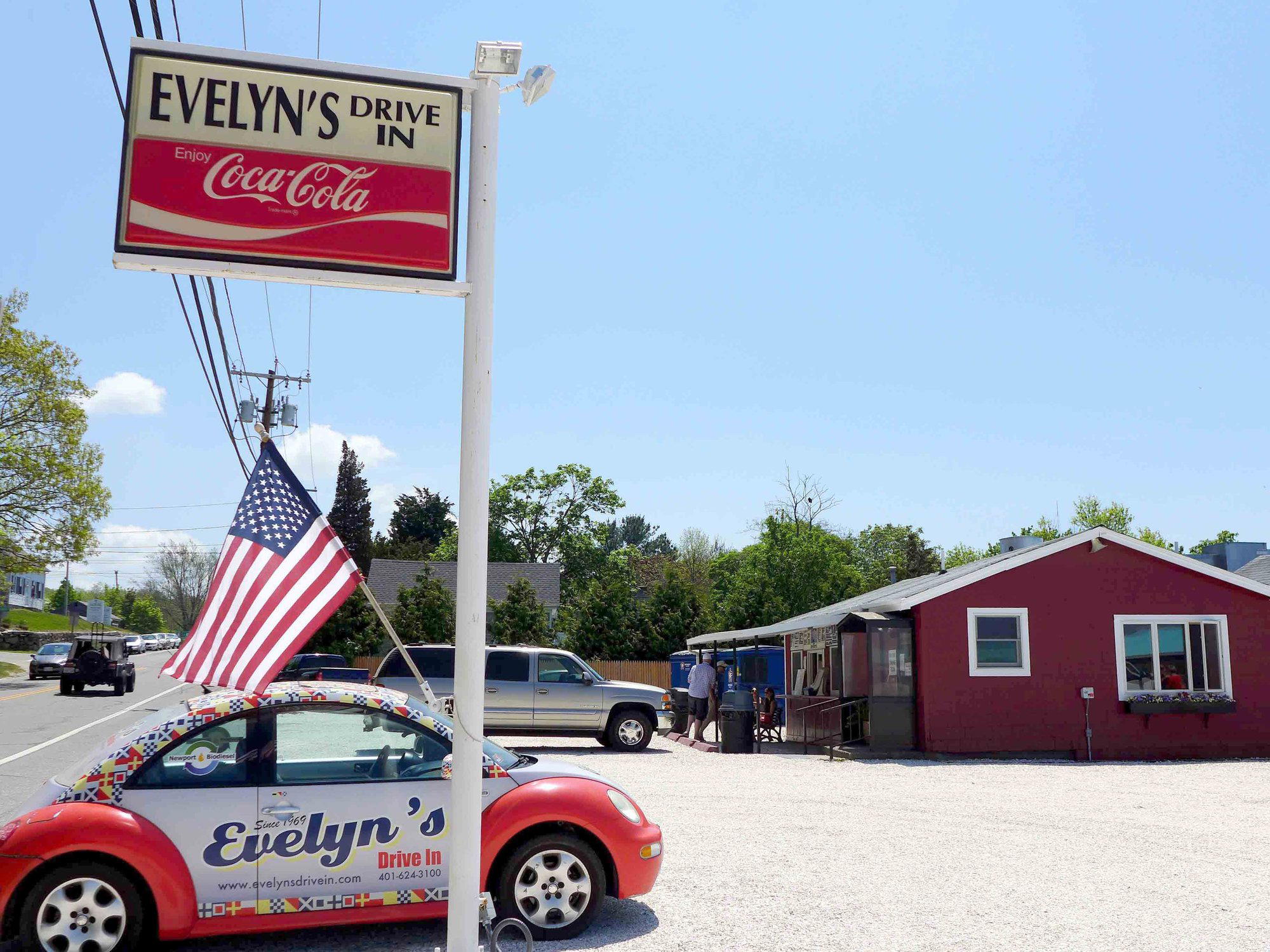
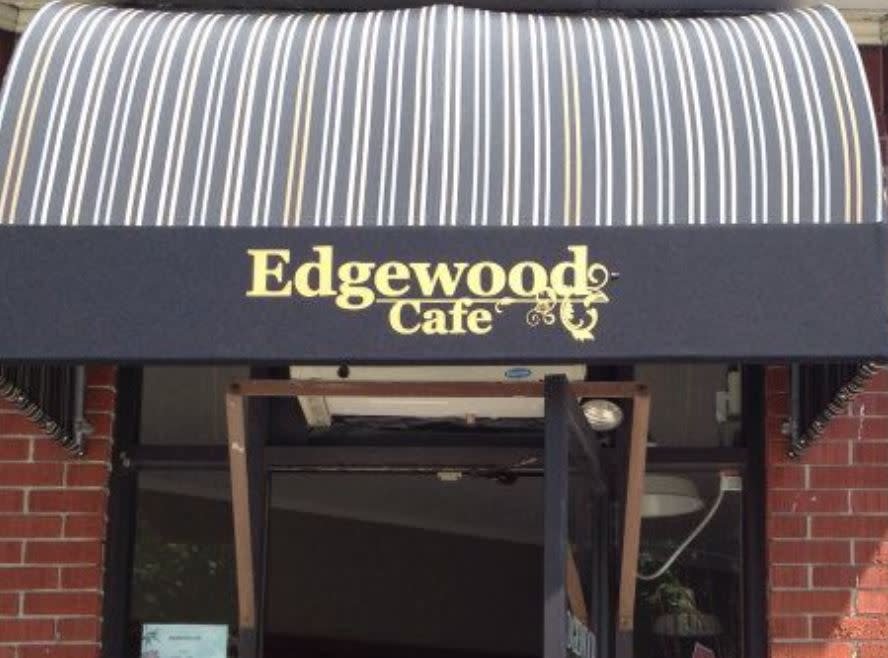
Bars in Fall River
Browse all →
Barca Restaurant
The wine
- Wine program
- Curated wine list
- Extensive wine list
Details
- Classic
- Cozy
- Casual Hangout
- Date Night
- Group Dining
- Historic Building
- Extensive Wine List
- A La Carte
- Wine
Current opening hours
- Monday
- 12–9 PM
- Tuesday
- Closed
- Wednesday
- 5–9 PM
- Thursday
- 5–9 PM
- Friday
- 12–10 PM
- Saturday
- 12–10 PM
- Sunday
- 12–9 PM
Hours can change for holidays and private events. Last verified .
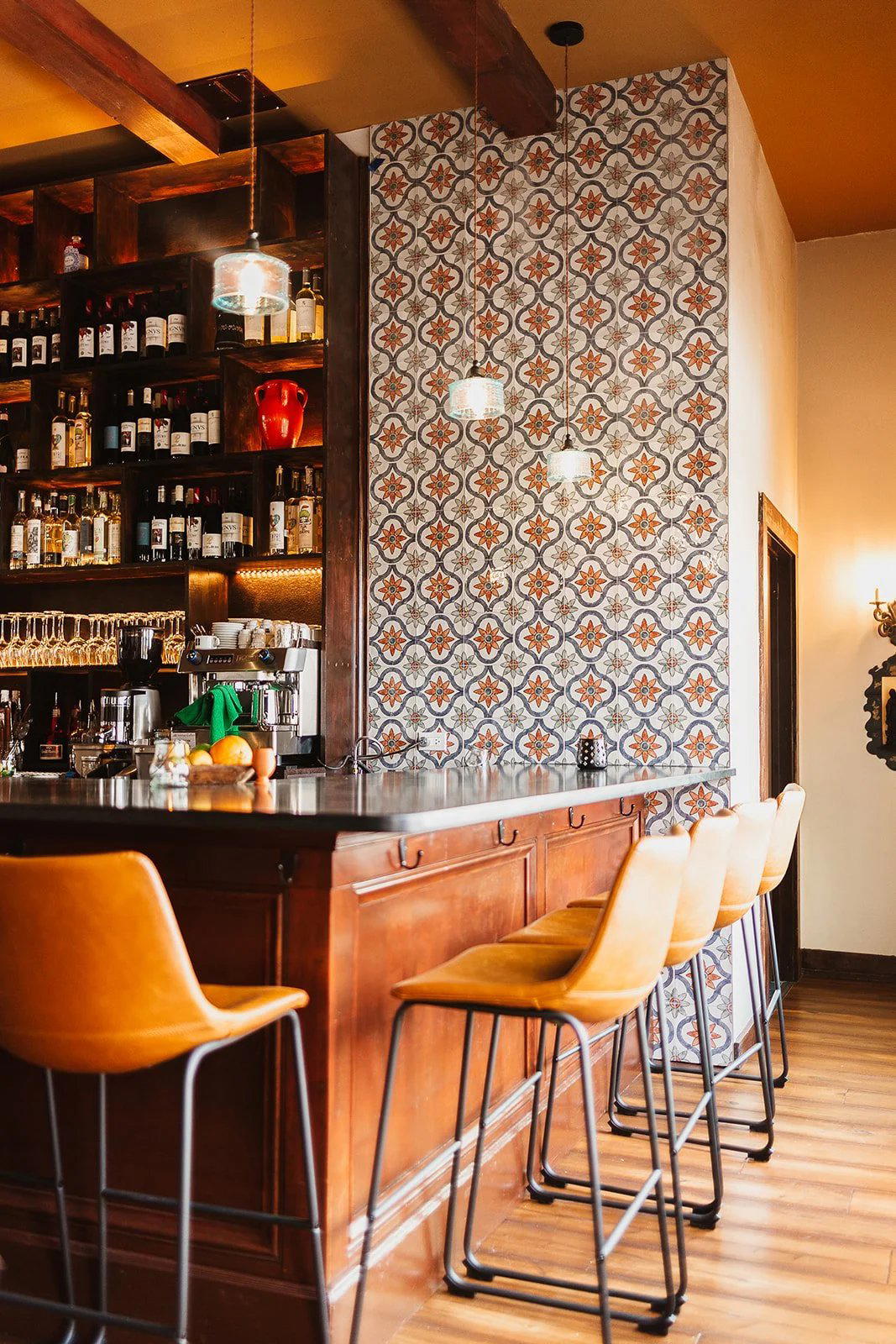
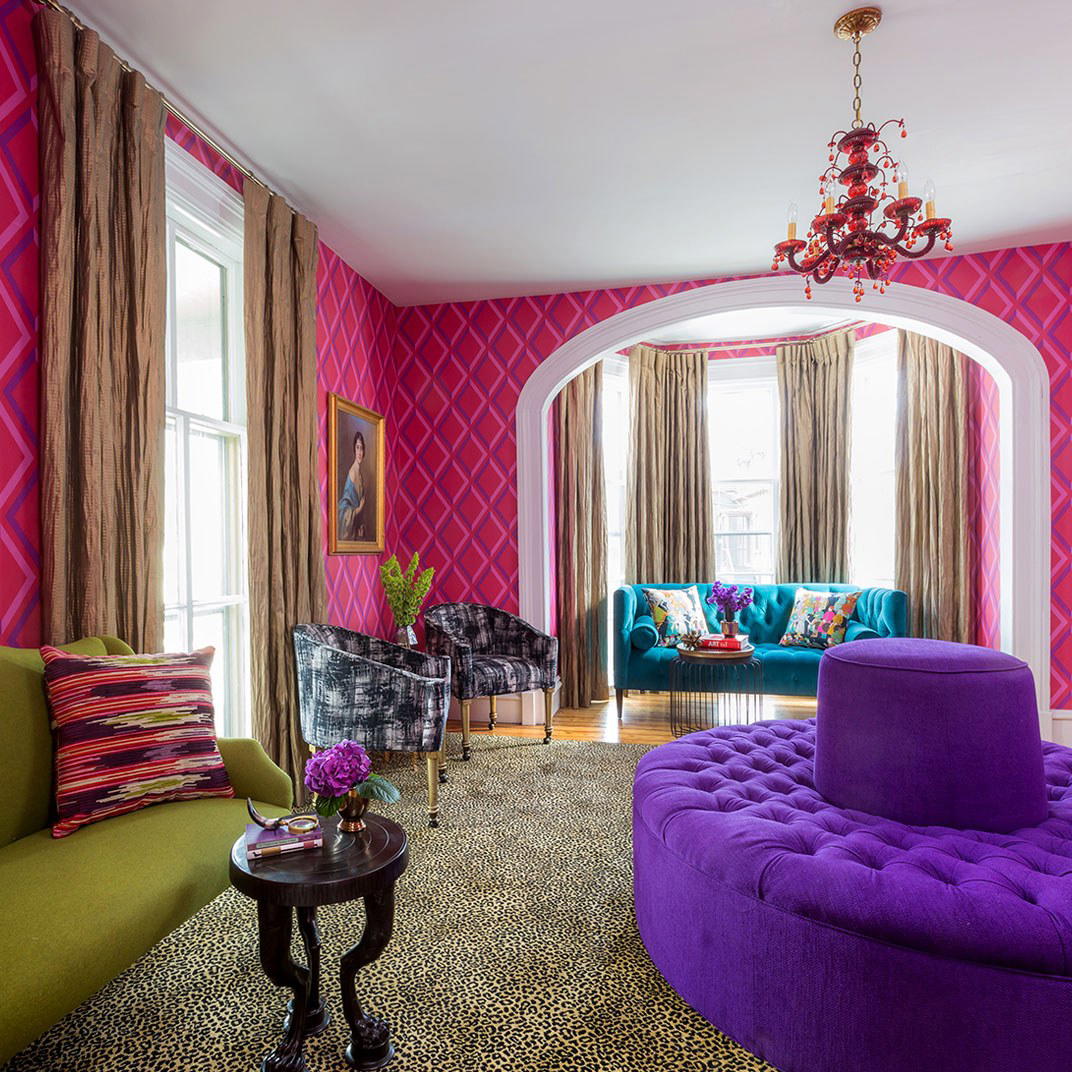
Casual and relaxed atmosphere with terra-cotta walls and tiled art evoking an old-world vibe.