Bar Vitrine

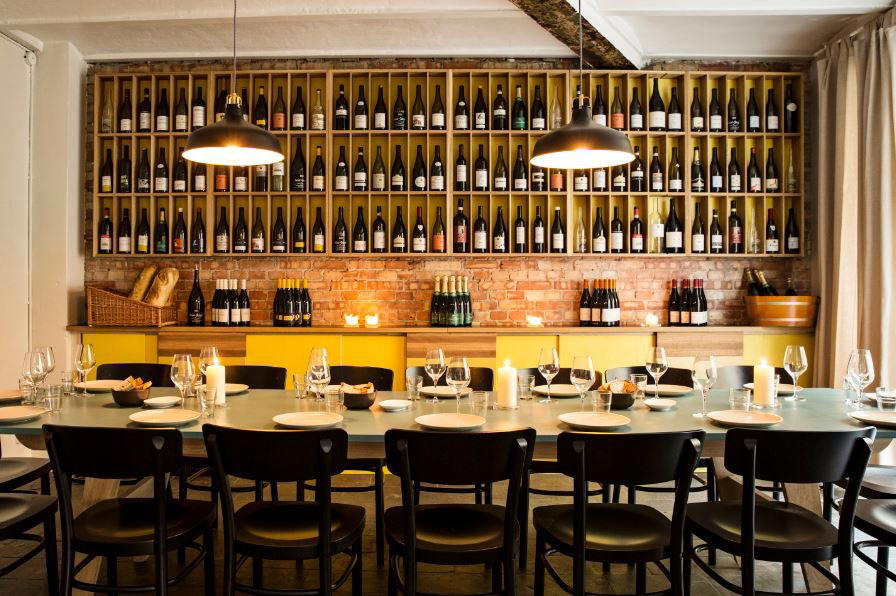
Bar Vitrine belongs to Copenhagen’s newer school of design-led drinking rooms, where the bar, the room and the kitchen carry equal weight. Frama shapes the physical language, Riccardo Marcon brings restaurant-grade operating pedigree, and chef Dhriti Arora gives the food a fermentation-led, Indian-inflected edge rather than treating snacks as an afterthought.
Pearl is the En Primeur Club membership app — saves, bookings, and concierge access live there. Same editors, same standards.
- Address
- Møntergade 5, Copenhagen, Copenhagen, Denmark
- Phone
- +45 31 73 50 60
- Website
- barvitrine.dk
 Saves & bookings on Pearl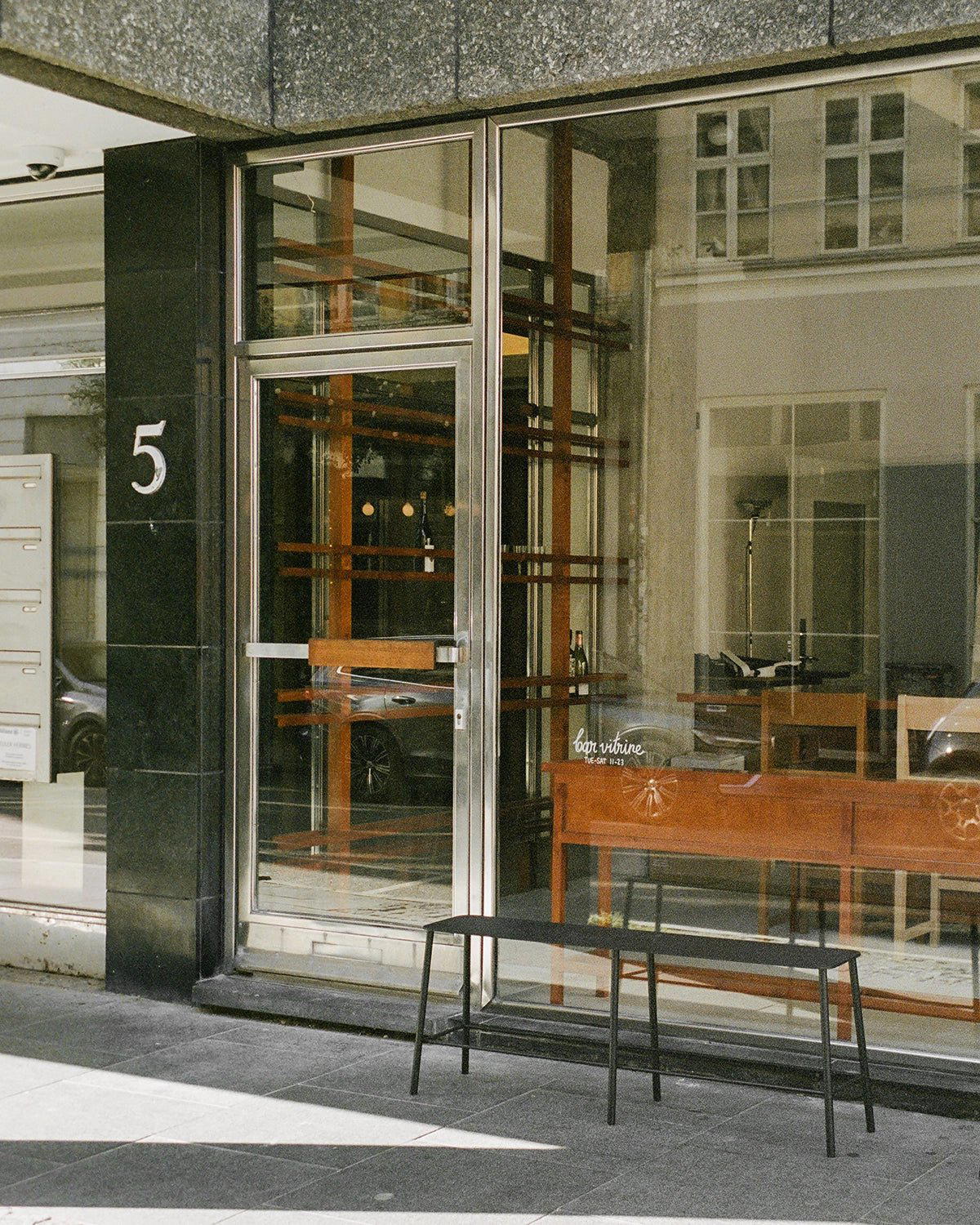
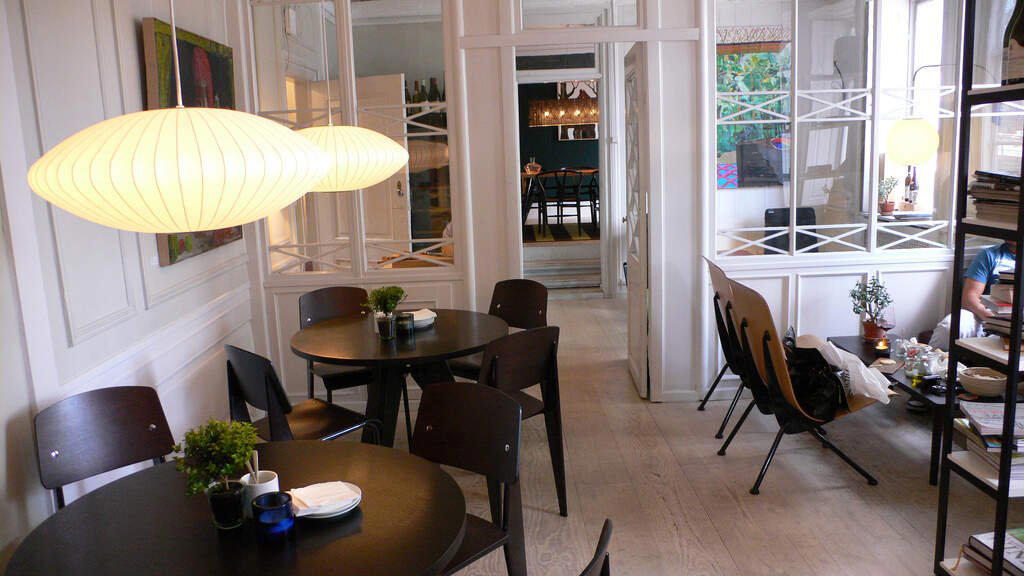
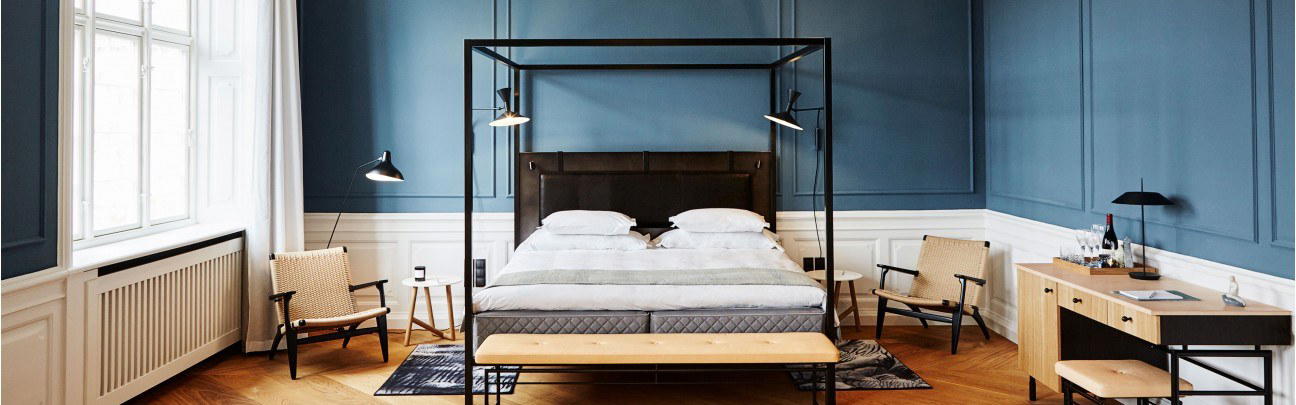
Glass, lighting and furniture matter in Copenhagen bars because the city has trained drinkers to read a room as closely as a menu. Bar Vitrine enters that conversation through Frama, the Copenhagen design studio known for spare materials and disciplined interiors, so the first signal is not volume or spectacle but control: a compact room built around proportion, texture and a sense that every object has been edited.
That matters because Copenhagen’s cocktail culture has shifted away from theatrical concealment and toward rooms where technique sits in plain sight. The stronger new bars here do not need a fake speakeasy narrative; they rely on clarity, service rhythm and a tight relationship between drinking and food. Bar Vitrine fits that direction, with the added weight of Riccardo Marcon, whose Copenhagen restaurants Barabba and Propaganda have helped normalize late, informal, high-quality dining in a city once more rigidly divided between tasting-menu restaurants and casual bars.
Design discipline sets the tempo before the first drink
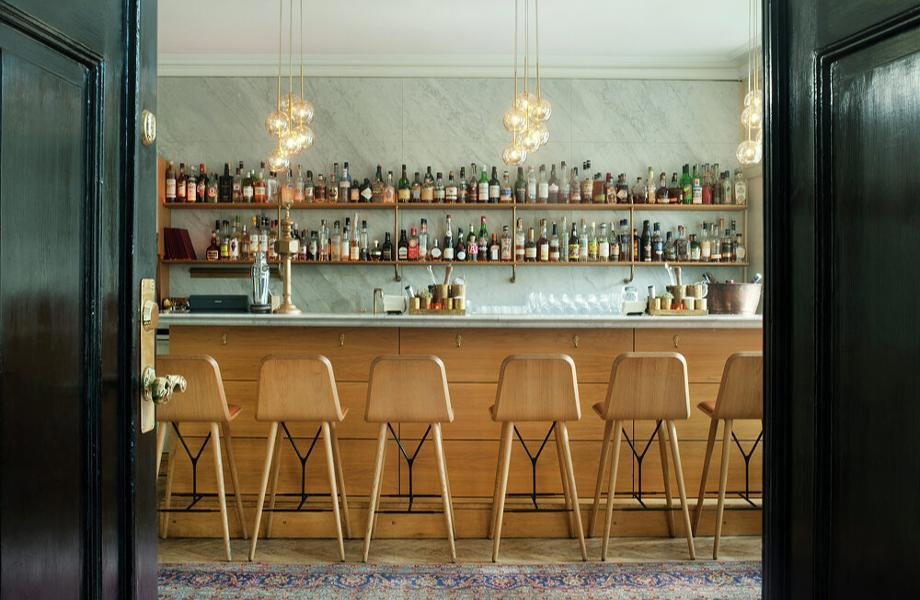
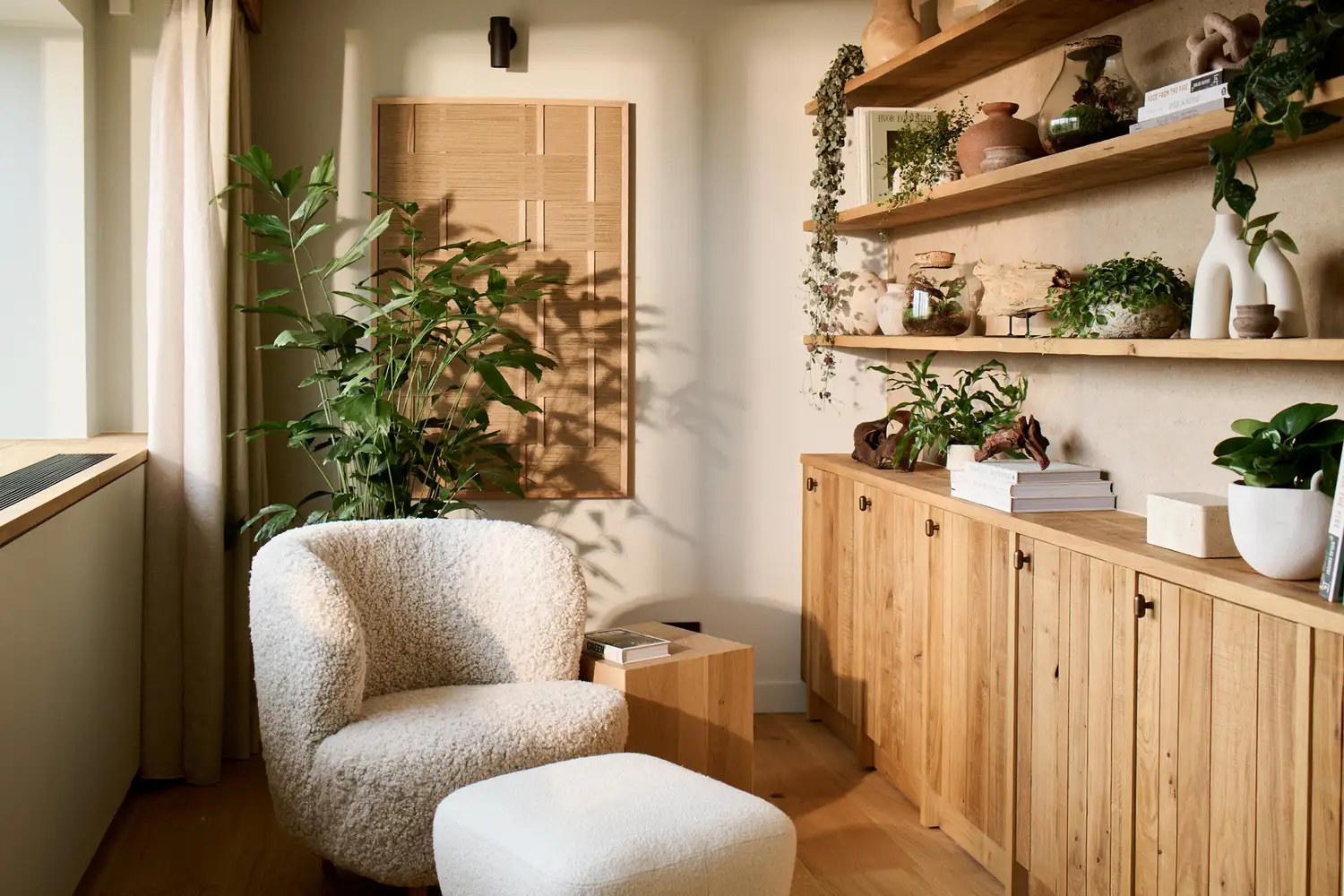
The Frama connection gives the bar a specific Copenhagen accent. This is not maximalist nightlife design, and it is not the candlelit Nordic cliché either. The point is restraint with intent: a room where the furniture, lighting and sightlines make the bar feel closer to a small design salon than a conventional cocktail den. In a city where interiors often become shorthand for taste, that is a meaningful signal, not decoration.
The cocktail programme should be understood through that same lens. With no public list of named house drinks to anchor the discussion, the useful reading is structural rather than decorative: Bar Vitrine is positioned for guests who care about balance, technique and the cadence of a small-format bar. Copenhagen has enough high-volume drinking rooms; the more interesting tier now sits in places where the room, glassware, food and staff pacing create a complete argument.
For a broader read on the city’s drinking culture, the full Copenhagen bars guide gives useful context, while the city’s wider restaurant scene is mapped in our full Copenhagen restaurants guide. Travellers building a full itinerary can also cross-check Copenhagen hotels, Copenhagen experiences and Copenhagen wineries for the rest of the trip.
The kitchen gives the bar its sharper edge
The more distinctive argument is made by the food. Copenhagen bars often split into two camps: drink-first rooms with minimal snacks, and restaurant-adjacent venues where the kitchen quietly changes the evening’s centre of gravity. Bar Vitrine belongs to the second camp. Chef Dhriti Arora brings Noma-aligned training and a clear fermentation vocabulary, but the point is not résumé worship. It is how that background meets Indian reference points in a bar setting.
Corn and fermented tomato chaat, along with crisp tapioca fritters with coconut chutney, say more about the place than a generic promise of “bar food” ever could. These are not neutral drinking snacks. They point toward acid, crunch, heat and fermentation, the qualities that make food work beside cocktails without becoming heavy. In Copenhagen, where fermentation has moved from avant-garde restaurant technique into a broader culinary grammar, that detail places the bar inside a local tradition while avoiding imitation of the city’s tasting-menu temples.
That crossover is the reason Bar Vitrine reads as more than a design object. The room may set the tone, but the kitchen prevents the experience from becoming purely aesthetic. For drinkers who plan evenings around texture and pacing, this is the useful distinction: the bar gives enough culinary structure to support a longer stop, not just a single aperitif.
Where it sits in a Copenhagen night
The smartest use of Bar Vitrine is as a design-conscious cocktail stop with serious food instincts. It suits an evening when the drinking matters, but so does the room; when snacks need to carry flavour rather than merely occupy the table. The absence of a published price range or formal booking detail means planning should stay flexible, especially on busier Copenhagen nights when compact bars fill early.
Its role in a trip is also clear. This is a Copenhagen bar for travellers interested in the city’s current overlap between design, fermentation and informal dining. For additional bar planning beyond the capital, EP Club also covers Bardok in Aarhus, Hugos No. 19 in Køge and ¡BE! Club in San Sebastián. Within Copenhagen’s own bar archive, readers may also want to file Absalon Bar, Admiral Terrace, Ancestrale and Baest for separate evenings rather than treating them as interchangeable stops.
Continue exploring
More in Copenhagen
Restaurants in Copenhagen
Browse all →

Bars in Copenhagen
Browse all →

At a Glance
- Cozy
- Trendy
- Intimate
- Lively
- Modern
- Hidden Gem
- Sophisticated
- Date Night
- Casual Hangout
- After Work
- Group Dining
- Solo
- Special Occasion
- Wine Cellar
- Design Destination
- Standalone
- Natural Wine
- Extensive Wine List
- Natural Wine
- Local Sourcing
- Street Scene
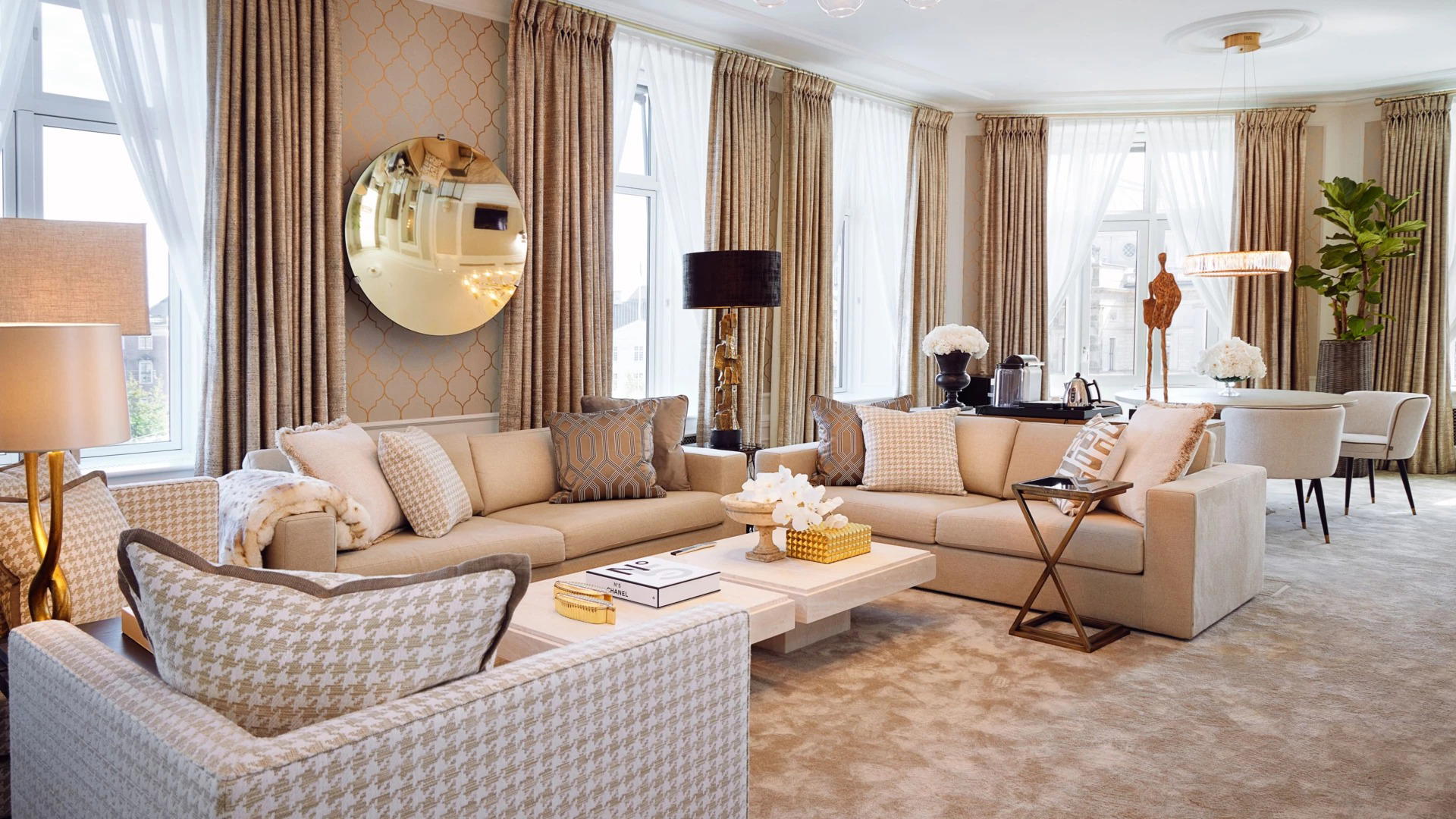
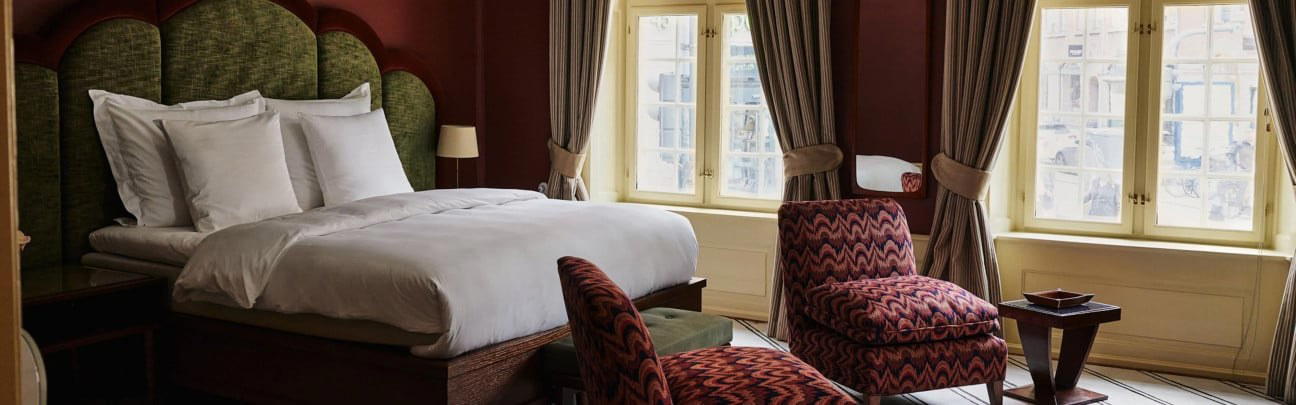
Small, stylish wine bar and eatery with a cozy, social feel, loud music, and a design-forward, minimalist interior featuring marble counters, warm lighting, and refined details.