Bar Kabawa

Bar Kabawa brings Caribbean cooking into Manhattan’s contemporary casual dining conversation, with Paul Cunningham attached and a 2026 Opinionated About Dining Casual Recommended citation adding an external signal. The point is not formality; it is how a compact downtown room can treat Caribbean food as a serious urban language without forcing it into tasting-menu theatre.
Pearl is the En Primeur Club membership app — saves, bookings, and concierge access live there. Same editors, same standards.
- Address
- 12 Extra Pl, Manhattan, New York, 10003, United States
 Saves & bookings on Pearl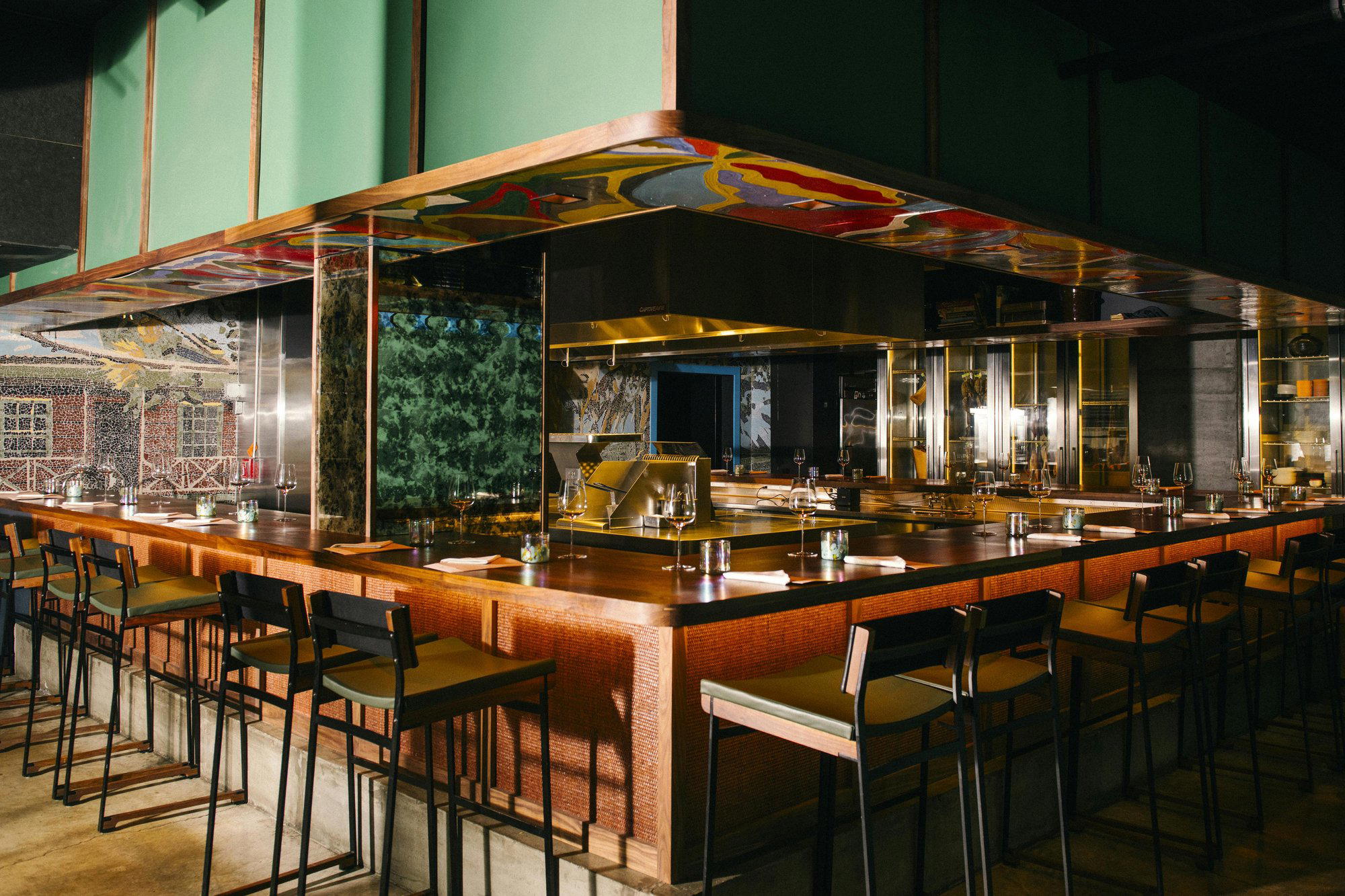
Extra Place feels like a service alley Manhattan forgot to over-polish: narrow, brick-lined, quieter than the avenues around it. That setting matters. Caribbean restaurants in New York have often been read through neighborhood loyalty, takeout rhythm, and diaspora memory rather than critical dining. Bar Kabawa enters another conversation, shaped by downtown room design, chef-driven attention, and diners’ growing willingness to take Caribbean cooking seriously beyond comfort-food or celebration-food binaries.
The address, 12 Extra Pl, sits in a part of Manhattan where small-format dining tests ideas without white-tablecloth ceremony. Nearby East Village and NoHo-adjacent blocks can absorb a burger counter, sake bar, bakery, and wine room within minutes, rewarding focused concepts over sprawling menus. On the neighborhood’s casual spectrum, 7th Street Burger, Abraço Bakery, Apollo Bagels, and Angel's Share show how stronger Manhattan casual rooms work: narrow premise, clear identity, little tolerance for wasted gestures.
Caribbean cooking treated as a downtown dining language
Caribbean cuisine in New York carries a history larger than any room. Jamaican, Haitian, Trinidadian, Bajan, Dominican, Guyanese, and broader West Indian foodways have shaped the city through patties, roti, rice-and-peas plates, stews, pepper sauces, rum culture, and weekend cooking that speaks to migration as much as appetite. The shift is that this food is being asked to occupy multiple registers at once: everyday, celebratory, regional, chef-led, and bar-friendly.
Bar Kabawa sits inside that shift. The cuisine is listed simply as Caribbean, avoiding the false precision of reducing the region to one island or dish type. The question is not whether a Manhattan restaurant can “translate” Caribbean food for downtown diners; that framing is tired. The better question is whether the room respects the cuisine’s force without sanding it into generic tropical cues. A 2026 Opinionated About Dining Casual Recommended citation gives the restaurant a credible external marker within North American casual dining, not a fine-dining coronation. That distinction matters: Caribbean food does not need luxury formatting to be taken seriously, and the casual tier can be the sharper place to judge it.
Paul Cunningham’s name adds credential, signaling an accountable kitchen rather than an anonymous theme, but it should not become the whole story. The cultural weight belongs to the cuisine itself: food born from trade routes, colonial violence, Indigenous ingredients, African technique, Indian indenture, Chinese and European influence, and the improvisational intelligence of island economies. In Manhattan, that history can become decoration or structure. The stronger version lets seasoning, starch, smoke, acid, and heat organize the experience rather than serve as accents.
Why the casual citation matters more than polish
Opinionated About Dining’s Casual Recommended recognition in 2026 places Bar Kabawa among restaurants noticed for more than convenience or neighborhood charm. In a city where expensive tasting menus still dominate awards, casual recognition can be more useful for travelers. It points to appeal tied to format, identity, and execution rather than ceremony. That is the right frame for Caribbean food in Manhattan, where the risk is not informality but flattening.
The downtown casual category is crowded with single-idea restaurants: burgers with cult pacing, bakeries with line discipline, wine bars with tight lists, bistros borrowing from Paris without acting like stage sets. Au Cheval belongs to the same Manhattan appetite for familiar formats sharpened by brand confidence and service rhythm. Bar Kabawa’s difference is cultural rather than purely stylistic. It asks diners to treat Caribbean food not as a detour from the city’s main dining conversation, but as part of it.
New York’s restaurant map has often separated diaspora cooking from critical prestige. Outer-borough Caribbean institutions may carry deeper community memory, while Manhattan rooms receive more media oxygen. The fair reading holds both truths: a downtown Caribbean restaurant can widen access for travelers and cross-neighborhood diners, but should be judged against the tradition’s depth. The OAD citation is a useful trust signal, not a substitute for broader judgment.
For a Manhattan food day, this stop pairs more naturally with a tightly edited downtown itinerary than a formal evening built around ceremony. Use our full Manhattan restaurants guide for the wider dining field, then cross-check the trip through our full Manhattan hotels guide, our full Manhattan bars guide, our full Manhattan wineries guide, and our full Manhattan experiences guide. Manhattan rewards short distances and decisive choices; one compact neighborhood usually beats chasing reservations across the island.
How to read the room without forcing a signature narrative
The stronger order at a Caribbean restaurant is rarely one trophy plate. It is reading the kitchen’s handling of heat, sweetness, acid, fat, and starch across the menu. In Caribbean cooking, balance is not mildness. Pepper can be structural, fruit savory, smoke memory-bearing, and rice or bread more than filler. A serious downtown version should keep those elements legible.
No single signature dish is publicly listed for the restaurant, and that absence is not a problem. Order across categories rather than hunting a named hit. Look for the kitchen’s treatment of Caribbean staples and seasonings, then note how the bar or drinks program supports spice and richness. Rum, citrus, ginger, tropical fruit, bitter notes, and low-intervention refreshment can all make sense, but restraint is key: drinks should frame the food, not turn the room into a vacation cliché.
Travelers interested in how regional cuisines move into contemporary casual formats can draw a wider North American line without pretending the cuisines are interchangeable. Jōdo Saké Bar in Los Angeles and Onigiri Time in Pasadena show Japanese formats at different levels of compression; ¿Por Qué No? in Portland reflects casual Mexican cooking’s staying power in an informal city; 'Ai Love Nalo in Waimanalo Beach, 'āina in San Francisco, and 'Ama 'Ama in Kapolei show island food shifting between community, chef-led, and resort contexts. For Caribbean-specific reference outside New York, 2210 by NattyCanCook, Caribbean in London and Conejo Negro, Caribbean in Toronto underline the larger point: Caribbean cooking is no longer peripheral in major dining cities.
The editorial verdict is measured but clear. The restaurant is valuable because it places Caribbean food inside Manhattan’s serious casual conversation without fine-dining costume. The address gives downtown convenience; the OAD Casual Recommended recognition gives outside validation; the cuisine gives stakes. For diners who care about how New York absorbs, reframes, and sometimes corrects its dining hierarchies, this is a useful room to watch.
Comparable venues nearby, for context on price, style, and recognition.
| Venue | Cuisine | Price | Notes |
|---|---|---|---|
| Bar KabawaThis venue — the venue you are viewing | Caribbean Daiquiri & Wine Bar | $$$ | Not listed |
| Clemente Bar | Modern Plant-Based Fine Dining & Cocktails | $$$ | Flatiron District |
| Angel's Share | Japanese Cocktail Bar & Izakaya Snacks | $$$ | West Village |
| Aurora | Rustic Italian Trattoria | $$$ | SoHo |
| Fabrique | Swedish artisan bakery & café | $$ | Meatpacking District |
| Beauty & Essex | Modern American Small Plates | $$$$ | Lower East Side |
Recognition history
Dated appearances from independent guides and award organizations, with the underlying list record or original source where available.
Opinionated About Dining Casual in North America Recommended
Opinionated About Dining
Continue exploring
More in Manhattan
Restaurants in Manhattan
Browse all →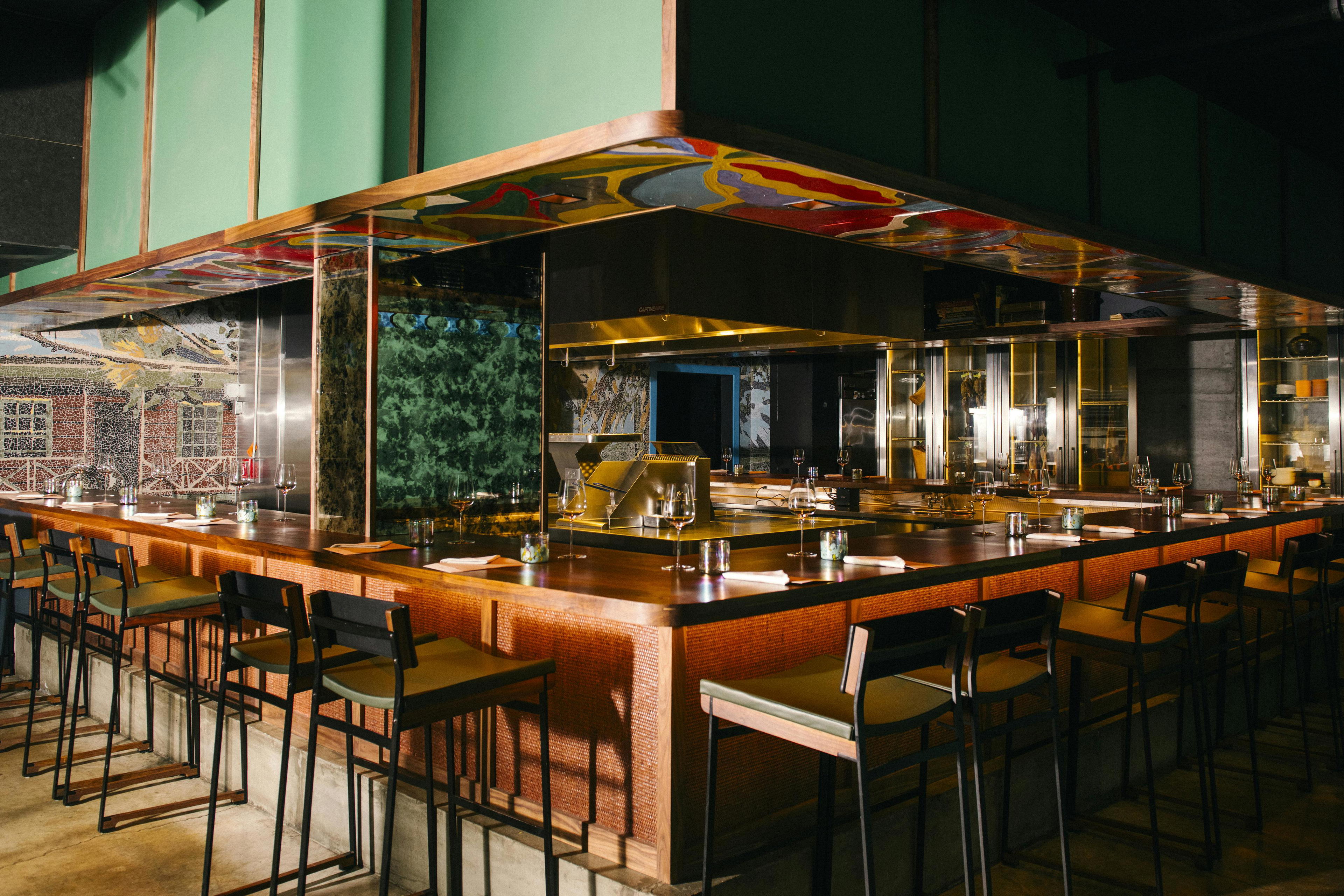

Bars in Manhattan
Browse all →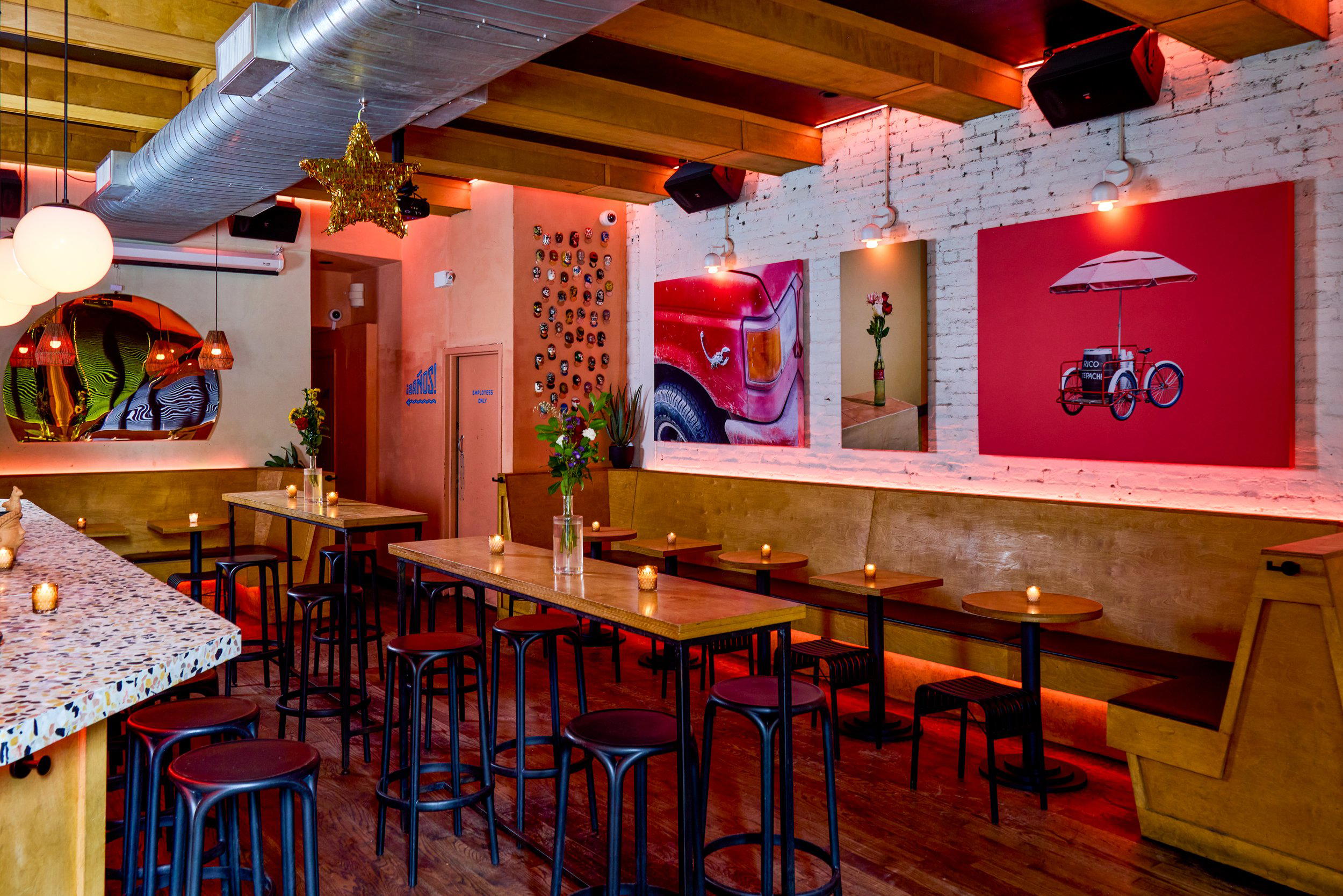

Hotels in Manhattan
Browse all →







At a Glance
- Lively
- Trendy
- Energetic
- Intimate
- Modern
- Cozy
- After Work
- Casual Hangout
- Date Night
- Group Dining
- Late Night
- Private Event
- Private Dining
- Design Destination
- Standalone
- Craft Cocktails
- Extensive Wine List
- Corkage Allowed
Casual but polished bar with a lively Caribbean party feel, driven by daiquiris, wine, soca and dancehall on the soundtrack, creating an energetic yet intimate atmosphere suited to drinks and light bites.