Angel's Share

Angel's Share belongs to Manhattan's more serious drinking culture, where the value is in producer selection, restraint, and a room that lets the glass set the pace. Its 2026 Opinionated About Dining Casual Recommended listing gives it a current editorial signal, while chef Michael Mckillop anchors the food side without turning the experience into a chef-led spectacle.
Pearl is the En Primeur Club membership app — saves, bookings, and concierge access live there. Same editors, same standards.
- Address
- Manhattan, New York, United States
 Saves & bookings on Pearl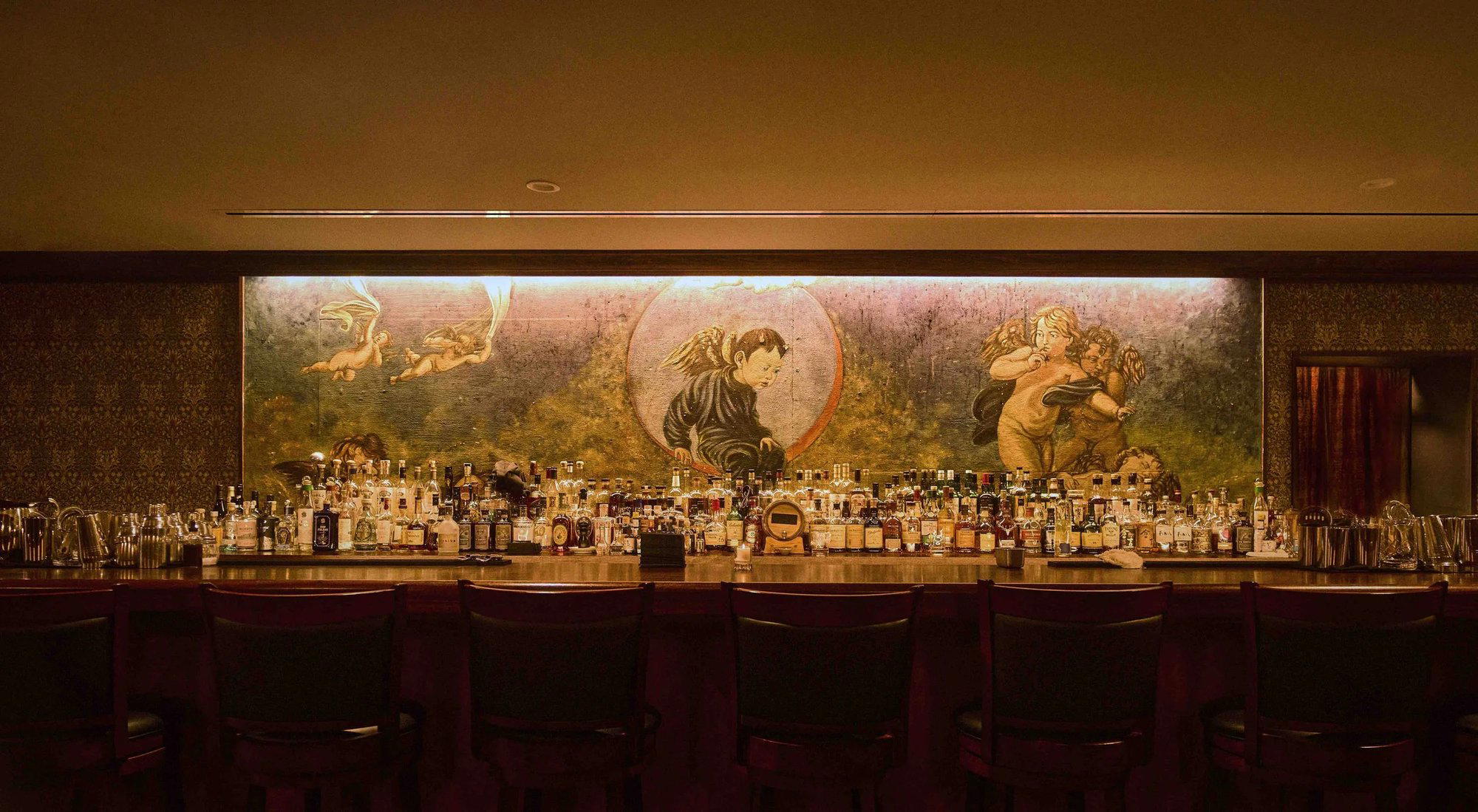
Manhattan drinking rooms tend to reveal their intentions quickly: volume, lighting, glassware, and how much space the menu gives to provenance. In the better wine-bar tier, the room is not built around spectacle. It is built around decisions: what to pour by the glass, which producers deserve space, how much food is needed to keep the evening moving, and whether the kitchen understands that a wine bar lives or dies by balance rather than abundance.
Angel's Share sits inside that category rather than the louder end of New York nightlife. Its classification as a wine bar matters because the format asks different questions from a restaurant. The kitchen has to support drinking without becoming secondary filler, and the beverage program has to offer enough editorial judgment to justify a dedicated visit. Recognition as a 2026 Opinionated About Dining Casual Recommended venue places it in a North American casual dining conversation where informality does not mean low ambition.
A Manhattan wine-bar format built on sourcing discipline
Ingredient sourcing in a wine bar starts before the kitchen. It begins with the bottle list: regions, importers, vintage depth, producer choices, and the willingness to pour wines that reward attention rather than label recognition alone. Manhattan has plenty of rooms that use wine as décor for a dinner reservation. The stronger version treats wine as the organizing principle, then builds food around acidity, salt, fat, and tempo.
That distinction is useful here. A serious wine bar does not need a long menu to make its point; it needs a kitchen that understands how sourced ingredients behave alongside the glass. Cheese, preserved seafood, vegetables, charcuterie, bread, and cooked plates all carry different demands, and the wrong level of richness can flatten a bottle fast. The relevant measure is not menu size. It is whether the food reads as part of the same editorial system as the cellar.
Chef Michael Mckillop gives the venue a named culinary anchor, but the broader New York context is the story. The city has moved beyond the old split between formal dining rooms and casual bars. A growing middle tier now expects real cooking, careful sourcing, and serious beverage thinking in rooms that do not require ceremony. That is where Angel's Share fits: not as a substitute for a tasting menu, but as a place where the quality argument is made through selection and restraint.
Why casual recognition matters in a city crowded with polished rooms
Casual dining recognition is often more revealing than luxury recognition in Manhattan. The luxury tier has clearer signals: fixed menus, long reservations, high-touch service, and price as a filter. Casual rooms operate with less armor. They have to earn attention through repeatability, pacing, and the credibility of their choices. A 2026 OAD Casual Recommended citation is therefore a useful trust marker, because it points to a venue being assessed within its actual category rather than forced into a fine-dining frame.
For readers mapping a Manhattan night around drinks and food, the category also sets expectations. This is not the moment to judge the room by the standards of a grand dining room, nor to treat it as a generic bar stop. The better comparison is with the modern wine-bar model: compact food, ingredient-led plates, staff fluency, and a list that can carry a short visit or a longer evening. That format rewards diners who order in sequences rather than all at once.
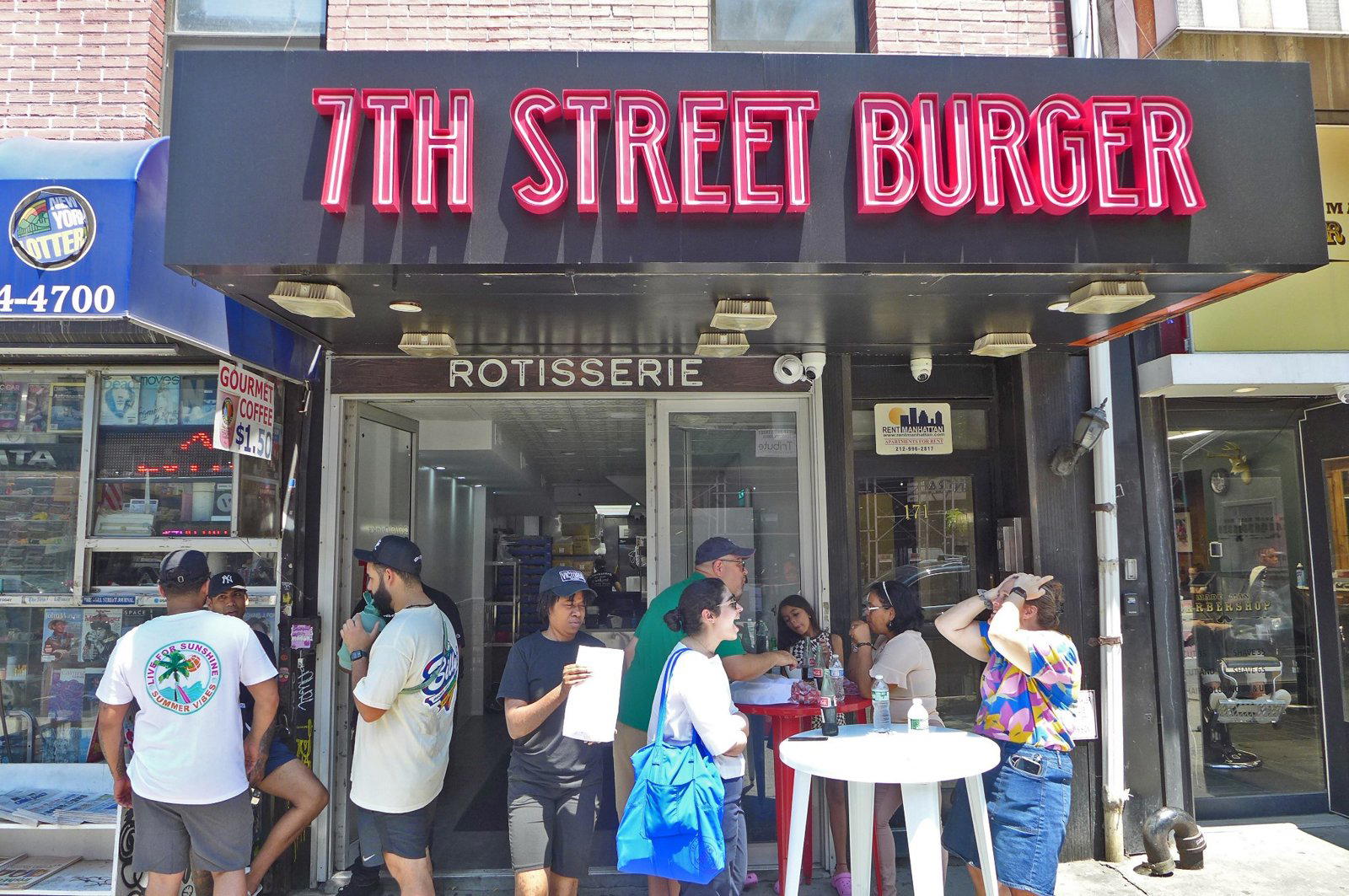
Manhattan's current casual scene is especially strong because it has stopped treating informality as a lack of structure. A burger counter, a bakery, a bagel shop, a bistro, and a wine bar can now sit in the same editorial conversation if each has a clear point of view. For a broader view of that range, see Farra, 7th Street Burger (Hamburgers), Abraço Bakery (Café), Apollo Bagels (Bagels), and Au Cheval (French Bistro). Each points to the same larger shift: specialization now carries as much weight as formality.
How to read the room before ordering
The practical move in a wine bar is to let the first glass set the meal's scale. If the list leans bright and mineral, lighter plates usually make more sense at the start. If the list moves toward richer reds or oxidative styles, the food can carry more fat and depth. Without needing ceremony, the format rewards a little patience: ask what is drinking well by the glass, then build food around that answer.
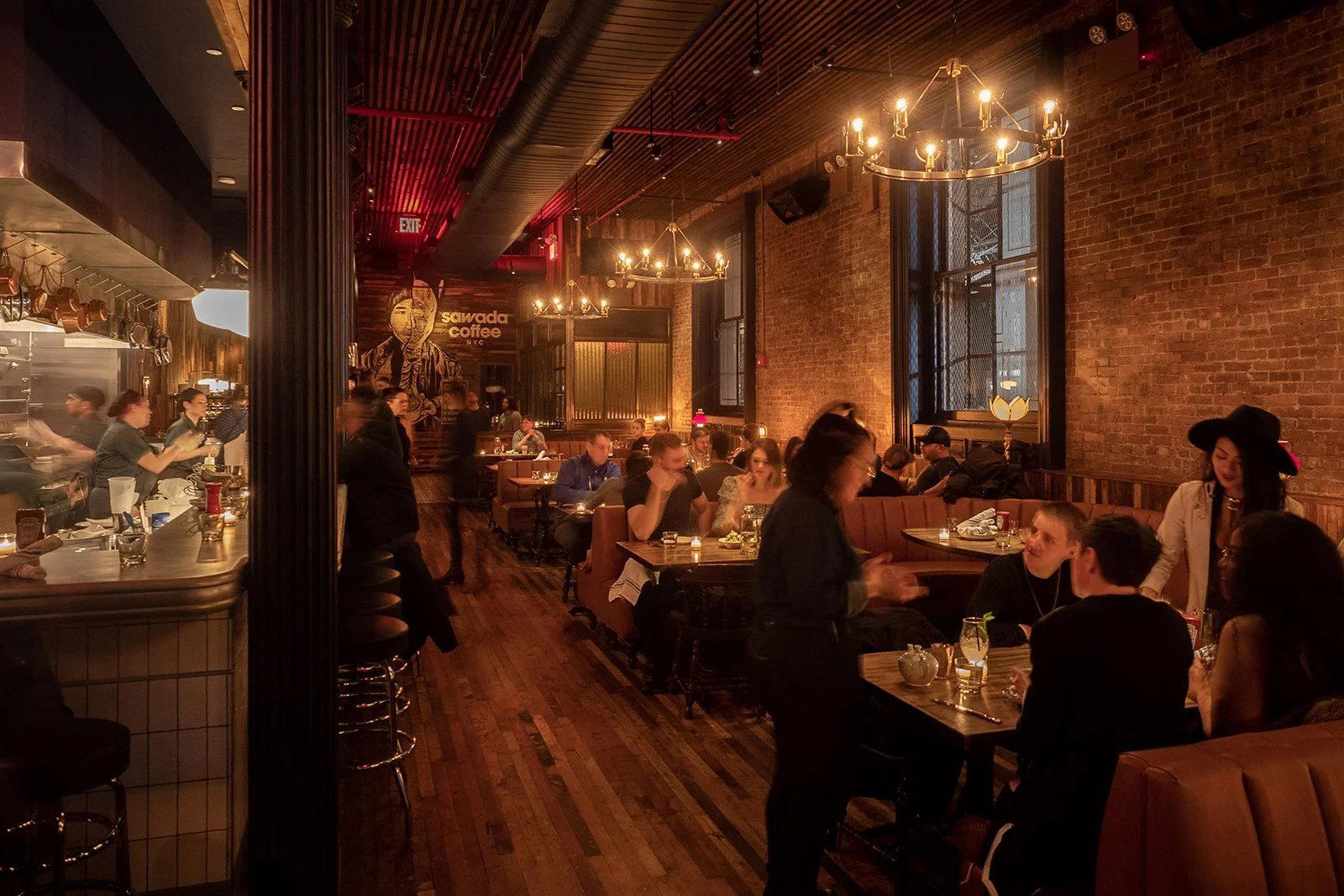
Angel's Share is better understood as part of an itinerary than as a standalone declaration. Manhattan rewards nights that move by category: a focused drink, a compact meal, a late coffee, or a hotel bar if the evening stretches. The useful planning layer is citywide rather than venue-specific, and EP Club's Manhattan coverage separates those decisions across the full Manhattan restaurants guide, the full Manhattan hotels guide, the full Manhattan bars guide, the full Manhattan wineries guide, and the full Manhattan experiences guide.
The same sourcing question travels well beyond New York. Sake, street-food formats, plant-based Hawaiian cooking, and European wine bars all show how much a casual room can communicate through procurement and editing. For related reading, see Jōdo Saké Bar in Los Angeles, Onigiri Time in Pasadena, ¿Por Qué No? in Portland, 'Ai Love Nalo in Waimanalo Beach, 'āina in San Francisco, 'Ama 'Ama in Kapolei, 40 Maltby Street, Wine Bar in London, and 4850, Wine Bar in Amsterdam.
The editorial case for the restaurant is simple: Manhattan has enough polished rooms that polish alone no longer means much. The stronger signal is category clarity. A wine bar with a current OAD casual recommendation, a named chef, and a format built around selection rather than excess belongs on the radar for readers who care where the glass and the plate come from, and how intelligently they are put in conversation.
How It Compares
Comparable venues nearby, for context on price, style, and recognition.
| Venue | Cuisine | Price | Notes |
|---|---|---|---|
| Angel's ShareThis venue — the venue you are viewing | Japanese Cocktail Bar & Izakaya Snacks | $$$ | Not listed |
| Ci Siamo | Live-Fire Italian | $$$ | Chelsea |
| Bar Goto | Japanese Cocktail Bar with Okonomiyaki | $$$ | Lower East Side |
| Dante West Side | Italian Small Plates & Cocktail Bar | $$$ | West Village |
| Bar Kabawa | Caribbean Daiquiri & Wine Bar | $$$ | East Village |
| Beauty & Essex | Modern American Small Plates | $$$$ | Lower East Side |
Recognition history
Dated appearances from independent guides and award organizations, with the underlying list record or original source where available.
Opinionated About Dining Casual in North America Recommended
Opinionated About Dining
Continue exploring
More in Manhattan
At a Glance
- Intimate
- Cozy
- Romantic
- Classic
- Sophisticated
- Date Night
- After Work
- Late Night
- Casual Hangout
- Solo
- Special Occasion
- Standalone
- Design Destination
- Historic Building
- Craft Cocktails
- Sake Program
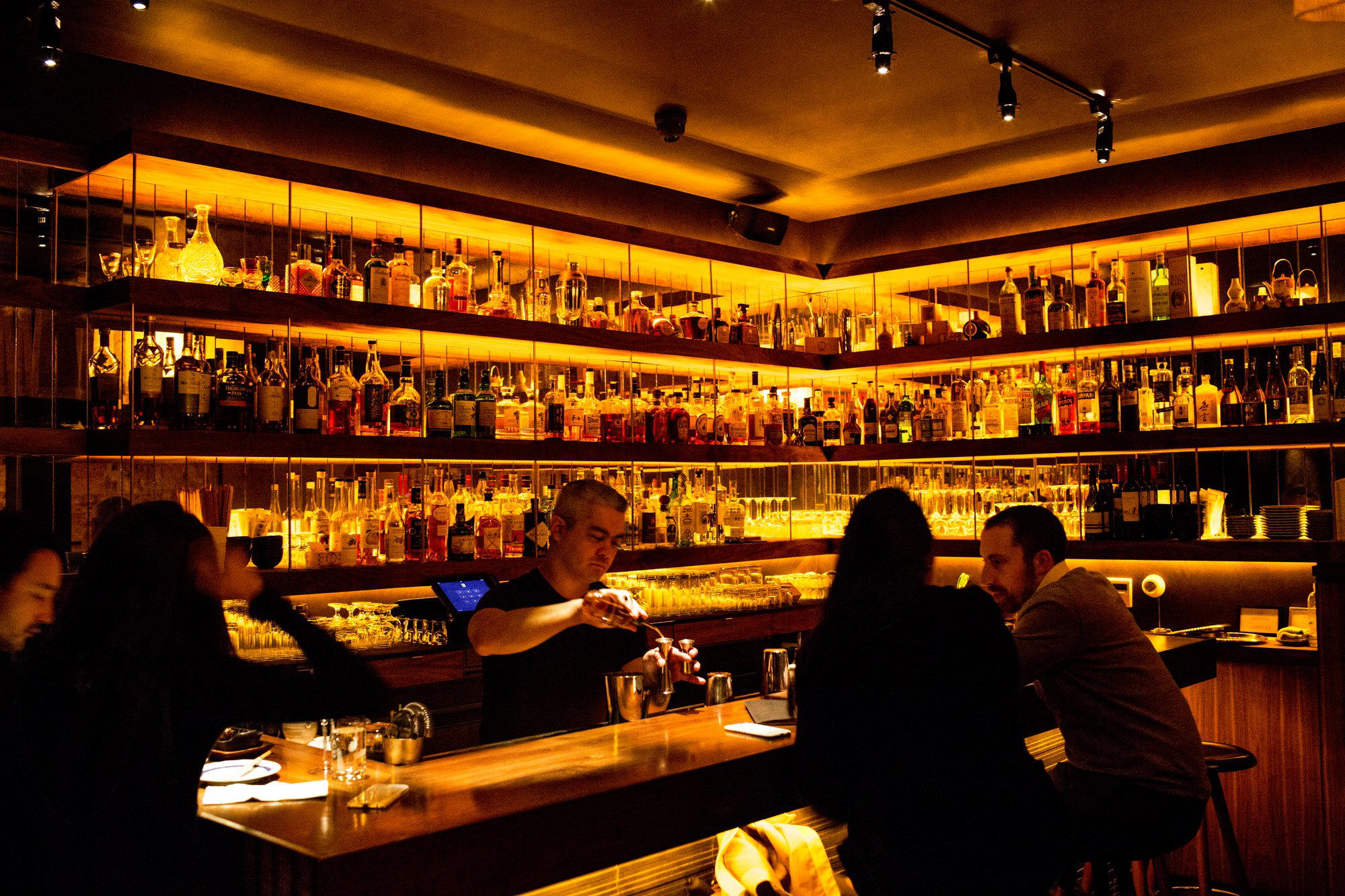
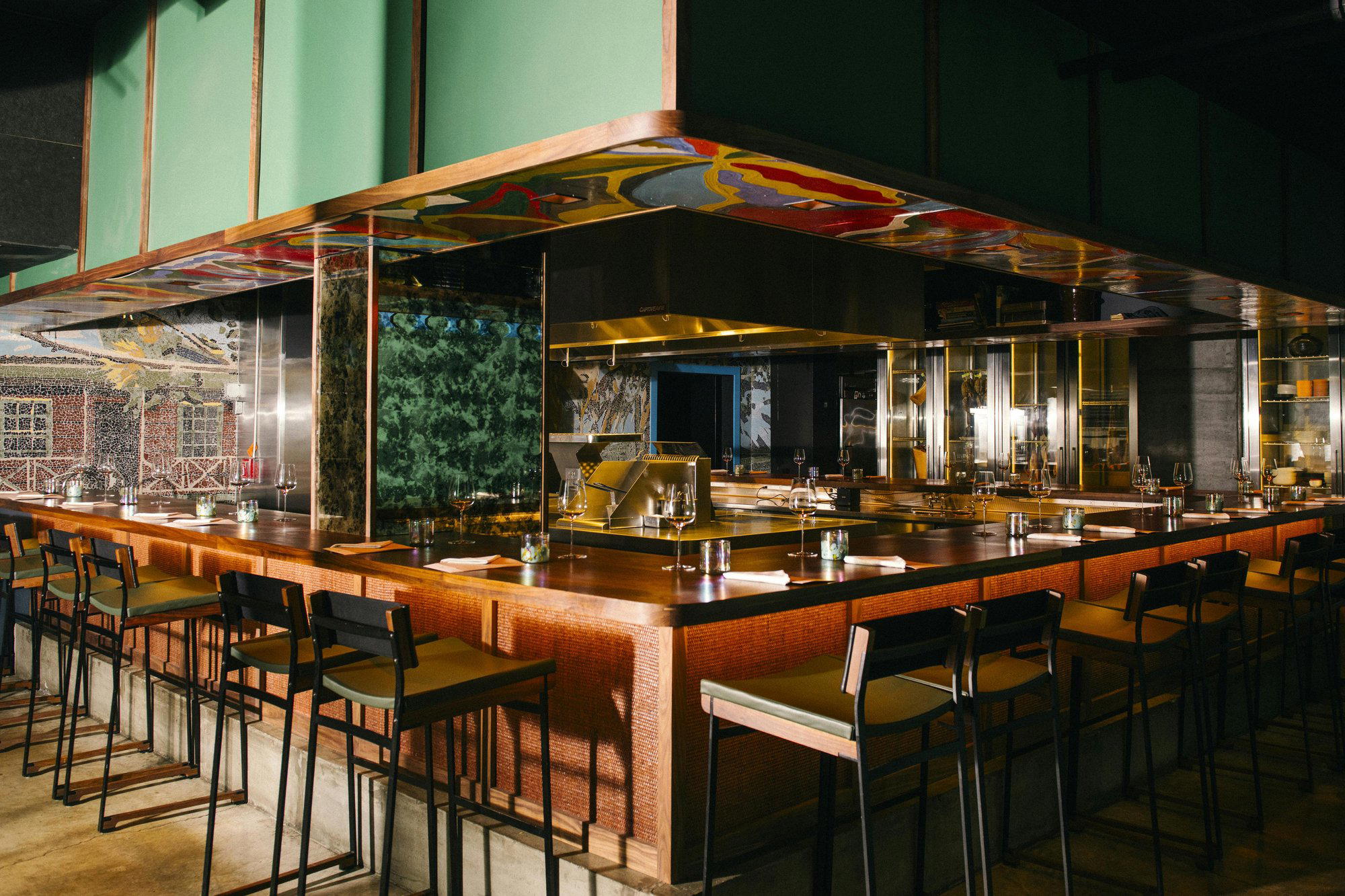
Dimly lit and subdued, with a quiet, almost ceremonious bar atmosphere where guests sit at a small bar, speak softly, and watch Japanese-style bartenders work with calm precision.