Macarfi 6 Food Rating
Our verdict
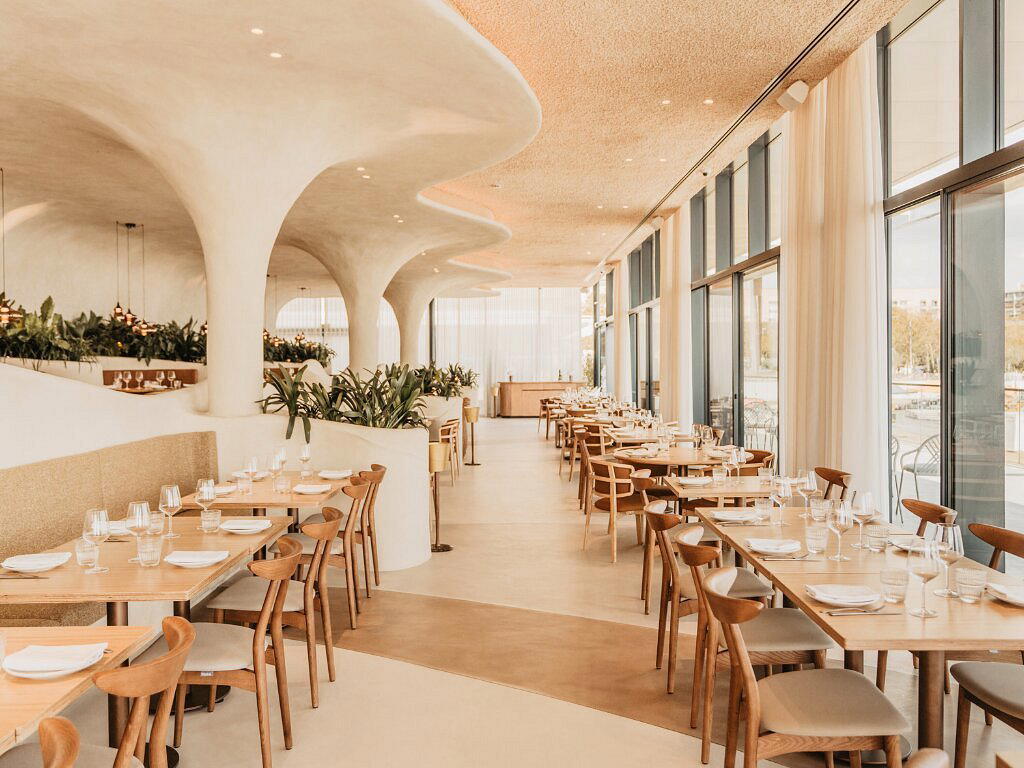
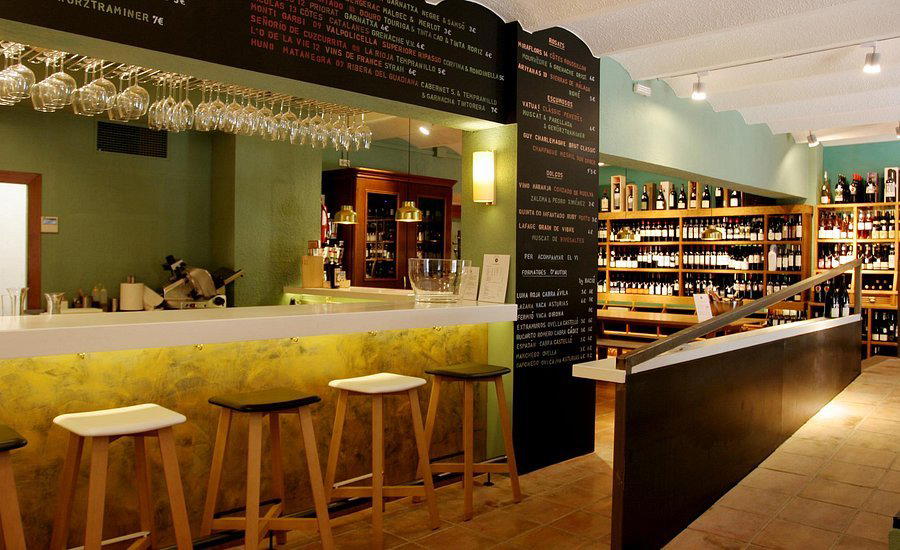
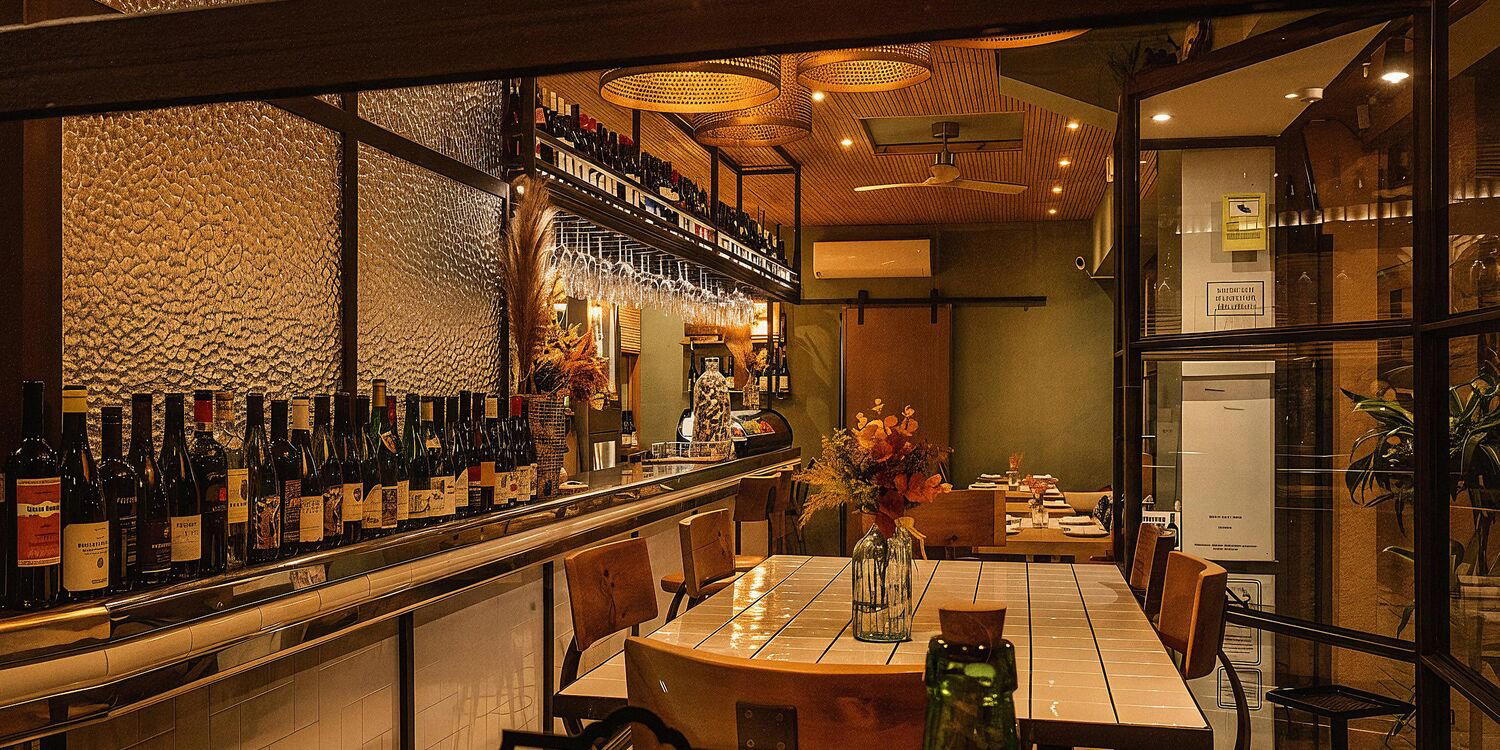
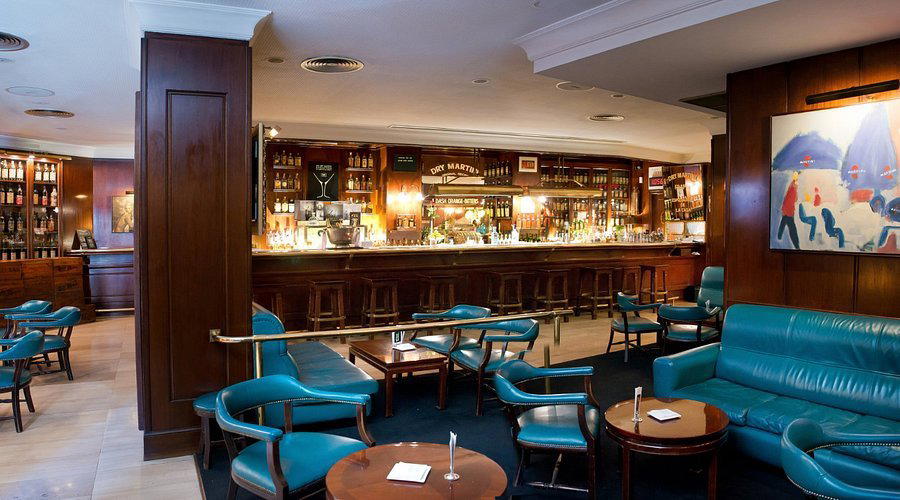
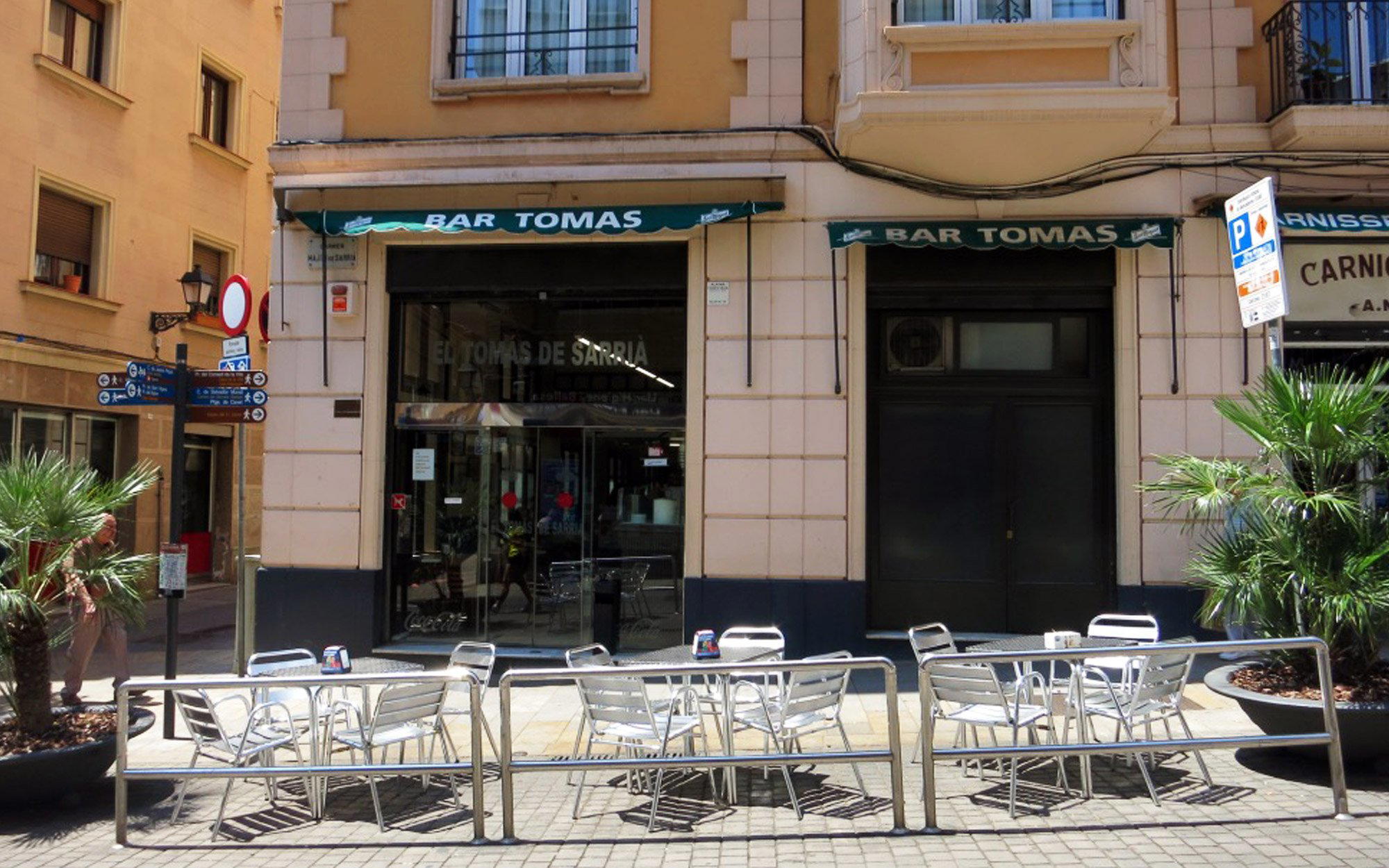
Bar El Tomàs de Sarrià occupies a particular place in Barcelona's bar culture: a neighbourhood institution on Carrer Major de Sarrià that has outlasted trends while the city's dining scene has transformed around it. Where much of Barcelona now competes on concept and spectacle, this Sarrià address holds its position through consistency and local loyalty rather than reinvention for its own sake.

Pearl is the En Primeur Club membership app, where members save venues, book tables and use the concierge.
The menu
What to order
- Patatas bravas
- Croquetas
- Anxoves
- Bunyols
The Street That Remembers Itself
Carrer Major de Sarrià moves at a different pace to the Eixample or the Gothic Quarter. The street is the commercial spine of what was once an independent municipality, absorbed into Barcelona in 1921 but still carrying the spatial logic and social habits of a town rather than a city neighbourhood. The bars and shops here answer to a local constituency first, and passing trade second. That ordering shapes everything about how places like Bar El Tomàs de Sarrià function, and why they endure while venues oriented toward tourism rotate in and out of the same addresses every few years.
Barcelona's bar culture has split visibly over the past two decades. The city centre and waterfront districts consolidated around high-volume, high-turnover models, while the upper residential neighbourhoods of Sarrià-Sant Gervasi maintained a denser concentration of places that operate on neighbourhood terms. Within that pattern, bars on Carrer Major de Sarrià occupy a specific niche: they serve a population that returns daily rather than once a trip, which imposes its own discipline on quality and consistency.
What Changes, and What Doesn't
The editorial angle that makes Bar El Tomàs de Sarrià worth examining is not novelty but persistence, and what persistence means in a city that has undergone as much gastronomic transformation as Barcelona. When Disfrutar and Cocina Hermanos Torres were redefining what progressive Spanish cooking could look like, and when ABaC, Lasarte, and Enigma were competing for a different tier of international attention, neighbourhood bars in Sarrià faced a different kind of pressure: remain recognisable to the people who have been coming for twenty years, while absorbing the broader shifts in ingredient sourcing, food expectation, and informal hospitality that have moved through the city.
The evolution at a place like Bar El Tomàs de Sarrià is not the kind that generates press releases. It happens in the gradual calibration of what gets ordered most, what gets dropped from a pintxos selection, how the counter is managed during the midday rush. Spanish bar culture has always been iterative in this way. The most durable neighbourhood bars are not static; they are simply evolving on a timeline set by their regulars rather than by the hospitality calendar.
Sarrià specifically has a long-standing relationship with the kind of Catalan and Spanish bar food that sits between tapas and something more considered. The neighbourhood's demographic, skewing toward established professional families and longtime residents, creates demand for quality that is not about theatre but about reliability. A well-made patatas bravas served at a clean counter to the same customer three times a week is a harder brief to maintain than a showpiece dish served once to a tourist.
Where Bar El Tomàs Sits in the Barcelona Bar Continuum
Barcelona's bar scene stratifies more clearly than it might appear from the outside. At one end sit the creative fine-dining addresses that have made the city a reference point on Spain's international restaurant circuit, alongside destinations like El Celler de Can Roca in Girona, Quique Dacosta in Dénia, and Mugaritz in Errenteria, which together define what Spain's broader high-end dining conversation looks like. At the other end are the tourist-facing operations concentrated around La Barceloneta and the Ramblas. Bar El Tomàs de Sarrià belongs to neither of those poles.
These places do not compete with DiverXO in Madrid or with Arzak in San Sebastián for the same audience. They compete for the lunch table of the architect who lives two streets away and eats out six days a week. That is a narrower and, in some ways, more demanding competitive position.
The distinction matters for anyone approaching Barcelona's dining as a whole. Spain's restaurant circuit at the premium level, from Azurmendi in Larrabetzu and Martin Berasategui to Aponiente in El Puerto de Santa María, Ricard Camarena in València, and Atrio in Cáceres, operates in a register that is entirely separate from what a Sarrià neighbourhood bar does. Understanding both ends of that range, and everything between them, is what produces a coherent read of how Spain actually eats.
Planning a Visit
Carrer Major de Sarrià 49 sits in the pedestrianised core of old Sarrià, reachable by FGC from Plaça Catalunya in around fifteen minutes to Sarrià station, which deposits you a short walk from the address. The neighbourhood logic here is midday and early evening: this is bar culture oriented around the lunch hour and the late-afternoon drink rather than late-night sittings. Anyone building a day in upper Barcelona can pair a visit with the Sarrià market and the quieter streets behind the church, which give a more accurate picture of residential Barcelona than most tourist-facing itineraries allow. For the wider Barcelona context, the EP Club Barcelona restaurants guide maps the full range of the city's dining across neighbourhoods and price points, including how Sarrià-Sant Gervasi fits into the broader geography of where the city eats seriously. Those planning extended Spain itineraries with a fine-dining component may also find the EP Club coverage of Lazy Bear in San Francisco and Le Bernardin in New York City useful for comparative framing of how neighbourhood identity and international aspiration coexist in a city's dining culture.
Frequently asked questions
What's Bar El Tomàs de Sarrià's location?
Bar El Tomàs de Sarrià is located at Carrer Major de Sarrià, 49, Sarrià-Sant Gervasi, 08017 Barcelona, Spain, Barcelona.
How do you get to Bar El Tomàs de Sarrià by public transport from central Barcelona?
The FGC commuter rail connects Plaça Catalunya to Sarrià station in approximately fifteen minutes, making the bar at Carrer Major de Sarrià 49 one of the more accessible neighbourhood addresses outside the city's main tourist grid. From Sarrià station, the bar is a short walk along the pedestrianised Carrer Major de Sarrià. This accessibility, combined with the bar's local character in the Sarrià-Sant Gervasi district, makes it a practical stop for visitors wanting to move beyond the Eixample.
What's the must-try dish at Bar El Tomàs de Sarrià?
Bar El Tomàs de Sarrià is associated in the Sarrià neighbourhood with its patatas bravas, which have earned a strong local reputation over many years. Specific menu details are best confirmed on arrival at Carrer Major de Sarrià 49, as the offering reflects the bar's classic, unpretentious format rather than a rotating tasting structure.
Can I walk in to Bar El Tomàs de Sarrià?
Walk-ins are the standard mode at a bar of this neighbourhood format, though peak hours on weekends can make seating at Carrer Major de Sarrià 49 competitive. Arriving mid-morning or mid-afternoon on weekdays gives you the best chance of settling in without a wait. No booking infrastructure has been publicly documented for this address.
What's the signature at Bar El Tomàs de Sarrià?
The bar's defining identity is its position as a fixture of old Sarrià village rather than any single dish or drink. Within that context, patatas bravas with a house sauce have become the item most associated with the address among locals and visitors to the Sarrià-Sant Gervasi district. The bar sits on Carrer Major de Sarrià, the pedestrianised commercial spine of the neighbourhood.
Can Bar El Tomàs de Sarrià adjust for dietary needs?
No dietary or allergen policy has been publicly documented for Bar El Tomàs de Sarrià. For a bar operating in the classic Barcelona neighbourhood format at Carrer Major de Sarrià 49, specific requirements are worth raising directly when you arrive, as kitchen flexibility varies by service period and staffing.
The Short List
| Venue | Cuisine | Price | Awards | Notes |
|---|---|---|---|---|
| Bar El Tomàs de SarriàThis venue (the venue you are viewing) | Classic Spanish Tapas | $10–20 | Macarfi 6 Food Rating | Not listed |
| Cocina Hermanos Torres | Modern Spanish Fine Dining | $300–500 | 3 Michelin Stars · World's 50 Best #69 | Creative |
| Disfrutar | Avant-Garde Catalan Fine Dining | $300–500 | 3 Michelin Stars · World's 50 Best #1 | Progressive, Creative |
| Lasarte | Modern Basque-Mediterranean Fine Dining | $300–500 | 3 Michelin Stars · La Liste Top Restaurants | Progressive Spanish, Creative |
| Cinc Sentits | Modern Catalan Fine Dining | $150–200 | 2 Michelin Stars · La Liste Top Restaurants | Modern Spanish, Creative |
| Enoteca Paco Pérez | Modern Mediterranean Seafood | $200–300 | 2 Michelin Stars · La Liste Top Restaurants | Modern Spanish, Modern Cuisine |
Recognition history
Dated appearances from independent guides and award organizations, with the underlying list record or original source where available.
Macarfi 6 Food Rating
Macarfi