Bao



Michelin Bib Gourmand · The Good Food Guide GFG Good
Our verdict
Bao on Lexington Street has carried a Michelin Bib Gourmand for consecutive years and a queue that rarely shortens, regardless of weather. The Soho original, open since 2015, serves Taiwanese xiao chi and pillowy steamed buns at prices that make it one of the most accessible serious meals in central London. The tick-box menu, solo-diner provisions, and walk-in format place it in a distinct tier of the city's casual dining scene.

Pearl is the En Primeur Club membership app, where members save venues, book tables and use the concierge.
The menu
What to order
- Classic Bao
- Confit Pork Bao
- Taiwanese Fried Chicken
Lexington Street on a Weekend Afternoon
The queue on Lexington Street is one of London's more reliable urban phenomena. Whatever the season, a line forms outside number 53 before the doors open, composed of shoppers cutting through Carnaby and regulars who know the walk-in system well enough to time their arrival. This is not a restaurant that takes reservations, and that decision shapes everything about how it feels: the energy inside is self-selecting, the tables turn at a pace set by appetite rather than a booking schedule, and the crowd skews toward people who have done this before and know what they want.
Soho's casual dining tier has grown considerably since 2015, when Bao opened this original site, but the format has not dated. London's appetite for Taiwanese food was limited at the time; the city's Taiwanese offer was thin compared with the depth available in, say, the Chinese restaurant clusters of Gerrard Street or the broader pan-Asian spread of Fitzrovia. Bao arrived with a focused menu, a walk-in model, and a tick-box ordering system borrowed from the dim sum tradition, and it created a template that several restaurants have since echoed without quite replicating the combination of price, precision, and staying power. The Bib Gourmand recognitions from Michelin in both 2024 and 2025, alongside an Opinionated About Dining ranking among casual European restaurants, confirm that the original has not drifted as the brand has expanded across the capital.
The Menu as a Collaborative System
The editorial angle on Bao is often written around the buns themselves, and that framing is not wrong, but it understates the coherence of the wider menu. The tick-box format functions as a collaborative system between kitchen and table: the list is constructed so that a solo diner or a group of four can arrive at a balanced spread without guidance, moving through xiao chi snacks, buns, rice plates, sides, and drinks in a sequence that builds correctly if you follow the menu's internal logic.
The xiao chi section anchors the savoury end. Pig's blood cake with soy-cured egg is the kind of dish that defines the kitchen's confidence with Taiwanese street-food references: the texture contrast is deliberate, the fermented notes are present without being aggressive, and the portion sits correctly as an opener. Mapo aubergine on chi shiang rice moves the register toward something more substantial. These are dishes with clear Taiwanese street-food lineage, and they read as considered rather than approximate interpretations of that tradition.
Buns are the menu's structural centre. The braised pork version, served with peanut powder and fermented greens, is the one most cited in the restaurant's public record and the one against which the others are implicitly measured. The fried chicken variant, marinated in soy milk with Szechuan mayo and golden kimchi, represents the kitchen pulling in a different direction: heat, acid, and crunch rather than the yielding richness of the pork. Both work within the same pillowy dough format, which is consistent enough across the menu to function as a kind of house signature without becoming monotonous.
Drinks list includes homemade peanut milk and a category described on the menu as 'dream drinks,' which in practice means combinations like grape soda with aloe vera foam. These are not afterthoughts. They were developed to pair with the food's flavour register in the same way that a more formal restaurant might design a non-alcoholic pairing. The 'weeping saké' option signals the same thinking: the beverage program is coordinated with the kitchen's output rather than treated as a separate revenue line.
The Solo Diner Provision
London's restaurant culture has historically been ambivalent about solo dining. Tables for one are often positioned poorly, service can become perfunctory, and menus designed for sharing create awkward portion arithmetic for a single person. Bao addressed this structurally. The Lexington Street branch has a dedicated 'long day menu' framed as a moment of solitude for the solo diner, and the counter seating at the bar means that eating alone here is a designed experience rather than an accommodation. This is worth noting because it is comparatively rare in the casual Taiwanese format, where sharing plates are the default assumption.
Where It Sits in the London Picture
London's restaurant map at the upper end runs through a different set of coordinates entirely. CORE by Clare Smyth, Restaurant Gordon Ramsay, Sketch, The Lecture Room and Library, The Ledbury, and Dinner by Heston Blumenthal occupy the ££££ tier and operate on booking lead times measured in months. Bao sits at the single-£ price point and operates without reservations. These are not competing restaurants in any meaningful sense; they serve different purposes on the same city map. What Bab demonstrates, though, is that Michelin recognition is not confined to the upper pricing brackets. The Bib Gourmand designation exists precisely to mark the restaurants where the quality-to-value ratio is the story, and the Lexington Street original has held that designation across multiple consecutive cycles.
For context on where the cuisine itself originates, the tradition that Bao draws from is well-documented in Taipei. Fujin Tree Taiwanese Cuisine and Champagne in Songshan and Golden Formosa in Taipei represent the source market for the cooking style that Bao has interpreted for London. Across the United Kingdom, the broader restaurant conversation also includes destination dining at The Fat Duck in Bray, L'Enclume in Cartmel, Moor Hall in Aughton, Gidleigh Park in Chagford, Hand and Flowers in Marlow, and Le Manoir aux Quat' Saisons in Great Milton, all operating in a different format and price register but part of the same national dining conversation.
Planning a Visit
Bao at 53 Lexington Street, Carnaby, operates without reservations at this original location, so arrival timing matters. Weekday lunch sessions from noon run through to 3pm, with dinner from 5pm to 10pm Monday through Thursday. Friday and Saturday the kitchen runs continuously from noon to 10:30pm, and Sunday closes at 9pm. The price tier means a full meal, including drinks, lands well within the reach of an unplanned stop between Carnaby shopping and an evening elsewhere. The Lexington Street site was the first to open in 2015 and remains the reference point against which the group's other London branches are measured.
For broader planning across the city, EP Club's guides cover London restaurants, London hotels, London bars, London wineries, and London experiences.
Frequently asked questions
at Bao?
The braised pork bun with peanut powder and fermented greens is the dish most associated with the Lexington Street original and the one most cited in its public record, including Michelin's own Bib Gourmand citation. The tick-box menu is constructed to guide you toward a complete spread: open with xiao chi such as pig's blood cake with soy-cured egg, add a rice plate like mapo aubergine on chi shiang rice, then build around two or three buns from the core selection. The fried bao with Horlicks ice cream closes the meal in a register that signals the kitchen's awareness of where the format started, as street food with a sweet finish, and where it has arrived. Homemade peanut milk is the drink most aligned with the food's flavour profile, though the sake option works if you want something with more edge. The awards record, including consecutive Michelin Bib Gourmand recognitions and an Opinionated About Dining ranking, confirms that the ordering logic is sound rather than arbitrary.
Where It Fits
A quick peer check to anchor this venue’s price and recognition.
| Venue | Cuisine | Price | Awards | Notes |
|---|---|---|---|---|
| BaoThis venue (the venue you are viewing) | Modern Taiwanese Bao Buns | $30–50 | Michelin Bib Gourmand · The Good Food Guide GFG Good | Not listed |
| The Ledbury | Modern British Fine Dining | $300–500 | 3 Michelin Stars · World's 50 Best #42 | Modern European, Modern Cuisine |
| Sketch, The Lecture Room and Library | Modern French Fine Dining | $200–300 | 3 Michelin Stars · World's 50 Best #18 | Modern French |
| CORE by Clare Smyth | Modern British Fine Dining | $150–200 | 3 Michelin Stars · World's 50 Best #97 | Modern British |
| Restaurant Gordon Ramsay | French Fine Dining | $200–300 | 3 Michelin Stars · World's 50 Best #13 | Contemporary European, French |
| Dinner by Heston Blumenthal | Historic British Fine Dining | $200–300 | 2 Michelin Stars · World's 50 Best #45 | Modern British, Traditional British |
Recognition history
Dated appearances from independent guides and award organizations, with the underlying list record or original source where available.
Michelin Bib Gourmand
Michelin
Opinionated About Dining Casual in Europe Recommended
Opinionated About Dining
The Good Food Guide GFG Good
The Good Food Guide
Full recognition history (8 entries)
Michelin Plate
Michelin
Michelin Bib Gourmand
Michelin
Michelin Bib Gourmand
Michelin
Opinionated About Dining Casual in Europe Ranked #695
Opinionated About Dining
Opinionated About Dining Casual in Europe Recommended
Opinionated About Dining
Bao
Featured Guides
Continue exploring
More in London
Restaurants in London
All restaurants in London →
Bars in London
All bars in London →



Details
- Modern
- Trendy
- Minimalist
- Casual Hangout
- Open Kitchen
- Craft Cocktails
- Sake Program
- Small Plates
- A La Carte
- Sake
- Cocktails
- Vegetarian Friendly
- Allergy Accommodating
Current opening hours
- Monday
- 12–3 PM, 5–10 PM
- Tuesday
- 12–3 PM, 5–10 PM
- Wednesday
- 12–3 PM, 5–10 PM
- Thursday
- 12–3 PM, 5–10 PM
- Friday
- 12–10:30 PM
- Saturday
- 12–10:30 PM
- Sunday
- 12–9 PM
Hours can change for holidays and private events. Hours as of .
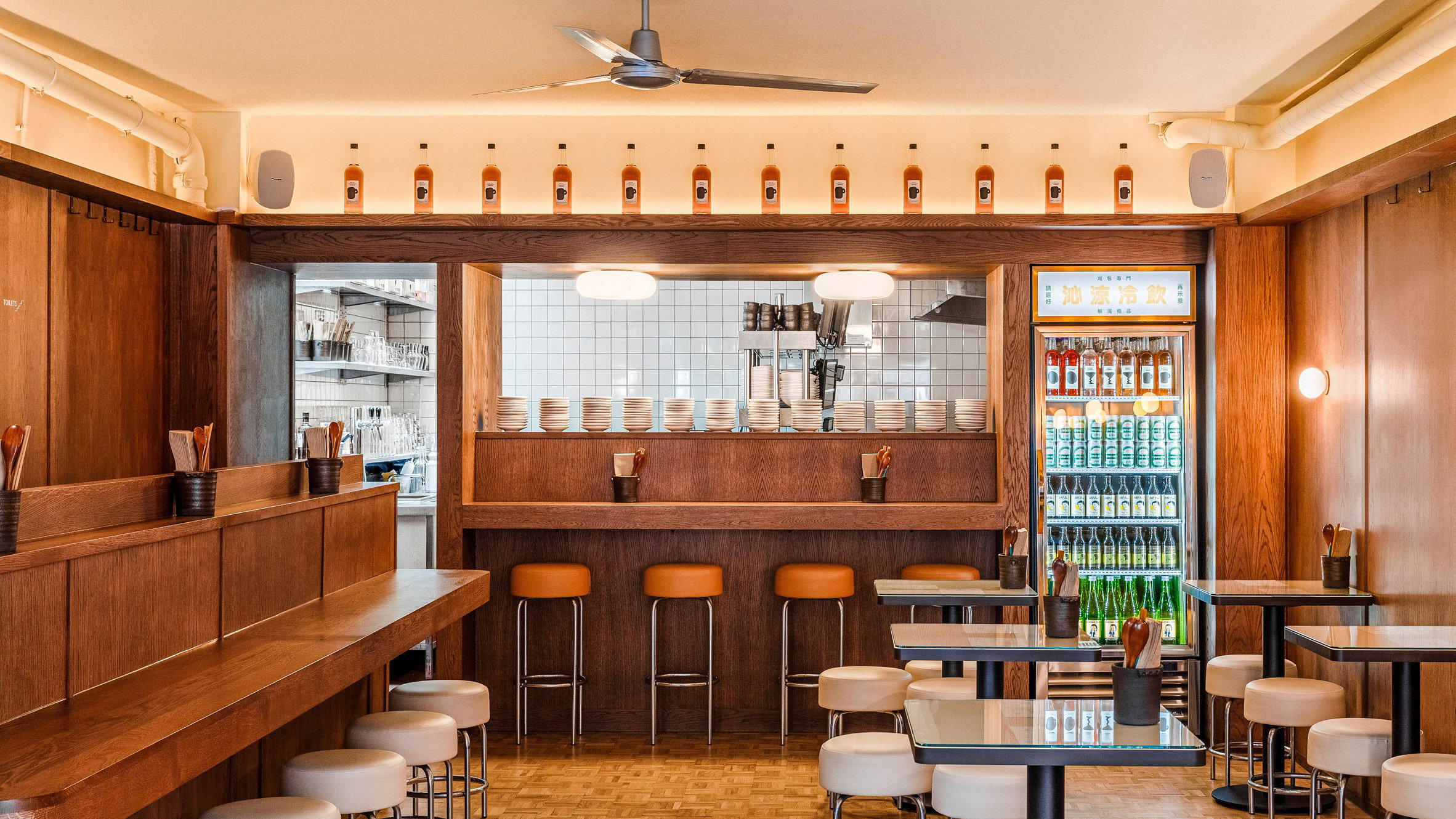
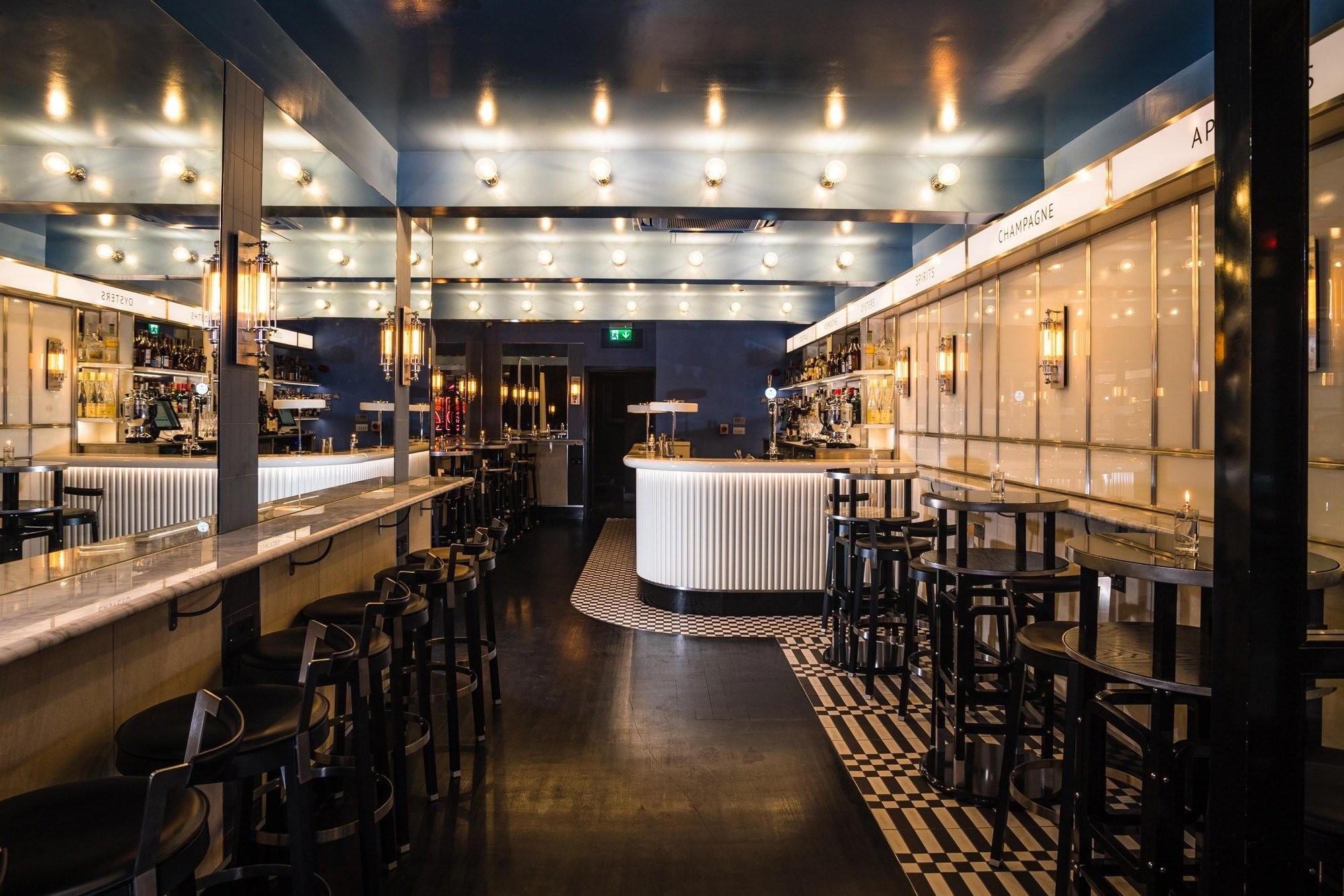
Minimalist with plain interiors, low stools, narrow tables, and a casual, energetic atmosphere.