Bamboo on 2nd
Bamboo on 2nd sits at 2212 2nd Ave N in Birmingham, Alabama, in a city that has built a serious restaurant culture over the past decade. Specific menu details and booking information are best confirmed directly with the venue. For a broader read on Birmingham dining, EP Club's city guide maps the full range of options across neighbourhoods and price tiers.
Pearl is the En Primeur Club membership app — saves, bookings, and concierge access live there. Same editors, same standards.
- Address
- 2212 2nd Ave N, Birmingham, AL 35203
- Phone
- +12057030551
- Website
- bambooon2nd.com
- Directions
- Get directions
 Saves & bookings on Pearl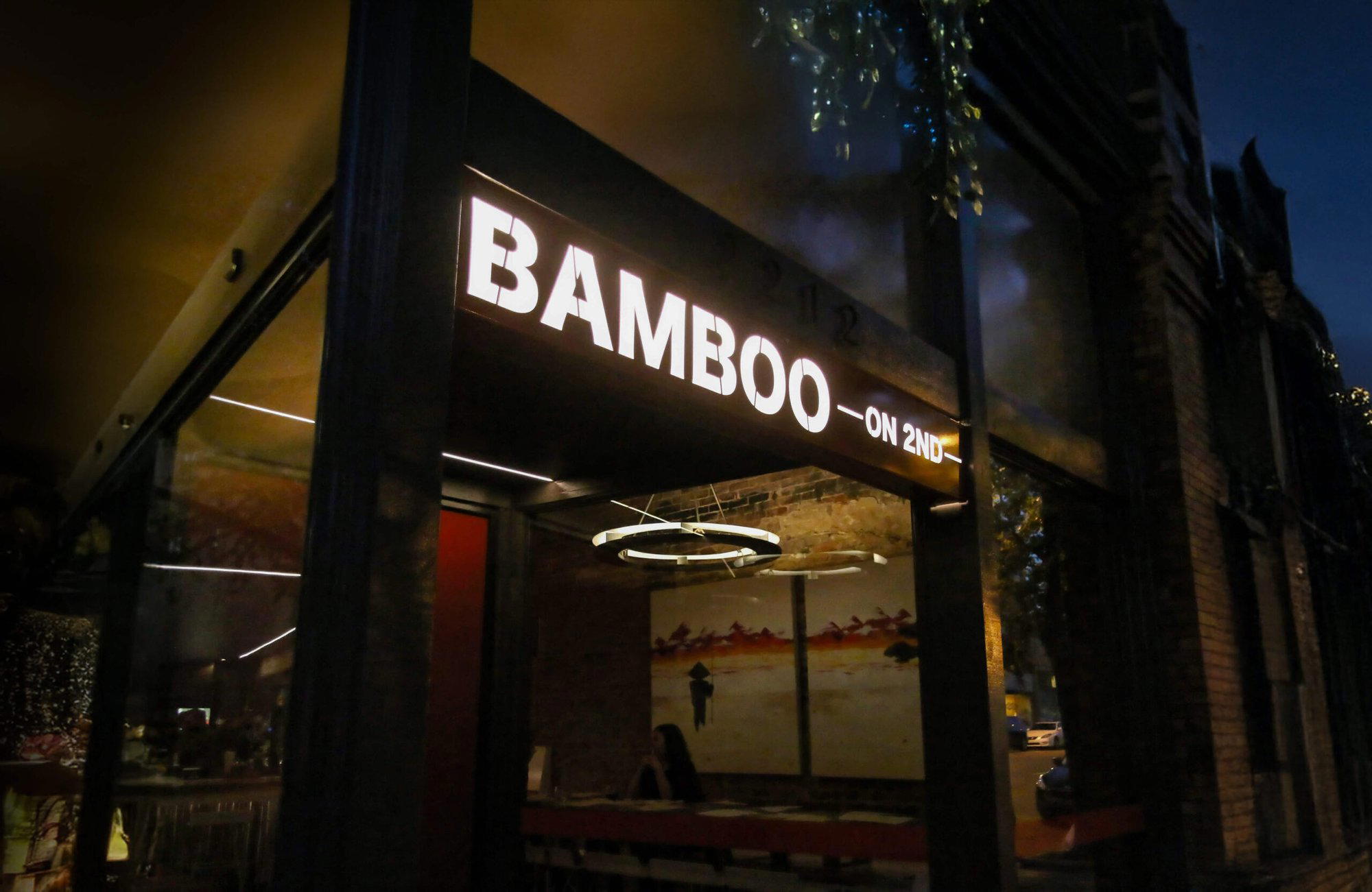
2nd Avenue North and the Shape of Birmingham Dining
Birmingham's restaurant scene has undergone a sustained transformation since the early 2010s, moving from a city associated almost entirely with Southern comfort cooking into one with a credible spread of independently operated restaurants across multiple cuisines and formats. The stretch of 2nd Avenue North, where Bamboo on 2nd is addressed at 2212, sits within that broader realignment. The avenue connects the historic commercial core of downtown with the Cultural District, and the dining activity along it reflects the neighbourhood's mix of working professionals, arts-adjacent foot traffic, and a younger residential base that arrived as warehouse conversions and loft developments changed the area's character.
That context matters when placing any restaurant in Birmingham's current tier structure. The city now runs from casual neighbourhood spots and counter-service operations through a mid-range layer of independently owned full-service restaurants, and up to a small group of ambitious tasting-menu and fine-dining addresses. Bamboo on 2nd at 2212 2nd Ave N occupies this active corridor and offers Pan-Asian Sushi & Ramen at about $35 per person.
Asian Dining Traditions in the American South
The name Bamboo carries a set of associations that gesture toward East or Southeast Asian culinary traditions. That framing is worth examining in the context of the American South broadly, and Birmingham specifically, because the region's relationship with Asian cuisine has changed considerably over the past two decades. What was once a category largely represented by adapted Chinese-American formats has diversified into Vietnamese, Thai, Korean, and Japanese operations with increasing fidelity to regional source cuisines.
Across the South, Vietnamese pho houses and bánh mì counters proliferated first in cities with established diaspora communities, then spread as mainstream appetite caught up. Korean barbecue and Japanese ramen formats followed, partly driven by the same forces of culinary media and social-platform exposure that reshaped dining preferences nationally. Birmingham has not been immune to this shift. The city's Asian restaurant offering, while smaller in absolute count than Atlanta or Nashville, has grown in range and ambition. A name like Bamboo, in this environment, could position itself anywhere from a fast-casual pan-Asian counter to a more considered sit-down format drawing on specific regional traditions. The cultural weight of that positioning depends entirely on the specificity of what the kitchen is doing, whether it is anchoring to a particular regional cuisine, adapting broadly for local palates, or working somewhere in between.
That distinction is not a trivial one. Some restaurants build menus around the internal logic of a single culinary tradition. Atomix in New York City, for instance, has built a national reputation precisely by grounding its tasting menu in the deep structures of Korean cuisine rather than flattening them for a broader audience. At the other end of the format spectrum, accessible everyday-dining operations have their own cultural function: they bring a cuisine into regular rotation for diners who might not engage with a more demanding or expensive format. Both are legitimate, and the interesting editorial question is where on that spectrum a given restaurant positions itself.
Where Bamboo on 2nd Sits in Birmingham's Competitive Set
Birmingham's upper dining tier is anchored by a handful of restaurants with documented critical recognition. Opheem holds Michelin recognition for its modern Indian cooking. Adam's and Simpsons both operate at the ££££ tier in modern and British cuisine respectively. 670 Grams has developed a following for its creative format, and Bayonet represents the seafood end of the ambitious independent category. These are the reference points against which any serious restaurant in the city is implicitly measured, not because of price alone but because they represent a standard of intentionality in cooking and service that diners in this tier have come to expect.
The restaurant, given its 2nd Avenue North address, is operating in a neighbourhood that sees enough foot traffic to support a range of formats. Its Pan-Asian Sushi & Ramen menu and casual, walk-in-friendly setup place it in Birmingham's mid-range tier. What can be said is that the address places it within reach of the downtown business and cultural audience that supports the city's mid-range and upper-mid-range restaurant tier.
For comparison, the national conversation around ambitious Asian-rooted restaurants extends well beyond New York. Providence in Los Angeles and Smyth in Chicago represent different expressions of how American fine dining has absorbed and transformed global culinary influences. Lazy Bear in San Francisco and Single Thread Farm in Healdsburg show how Northern California has developed its own idiom. Even in the South, Emeril's in New Orleans has long demonstrated that Southern cities can sustain serious, nationally recognised restaurant culture. Birmingham is building toward that kind of recognition, and the restaurants that will define it are the ones operating with one clearly articulated culinary point of view.
Planning a Visit: What to Confirm Before You Go
The restaurant is open Mon: 5–9 PM; Tue: 5–9 PM; Wed: 5–9 PM; Thu: 5–9 PM; Fri: 5–10 PM; Sat: 5–10 PM; Sun: Closed, and it is walk-in friendly. For allergy or dietary requirements, direct communication with the kitchen is one practical route.
For a full mapping of Birmingham's dining options across neighbourhoods and price tiers, EP Club's Birmingham restaurants guide provides the broader context. Those researching fine-dining benchmarks further afield may find useful frames of reference in The French Laundry in Napa, Le Bernardin in New York City, Blue Hill at Stone Barns in Tarrytown, Addison in San Diego, The Inn at Little Washington, or Atelier Moessmer Norbert Niederkofler in Brunico for international comparison.
Booking and Cost Snapshot
Comparable venues nearby, for context on price, style, and recognition.
| Venue | Cuisine | Price | Notes |
|---|---|---|---|
| Bamboo on 2ndThis venue — the venue you are viewing | Not listed | $$ | Not listed |
| Big Bad Breakfast | Homewood, Southern Breakfast | $$ | Not listed |
| Cafe Dupont | Not listed | $$$$ | North End, Farm-to-Table Southern with Classic French Technique |
| Golden Temple Cafe | Southside, Vegetarian and Vegan Cafe | $$ | Not listed |
| Niki's West | Not listed | $$ | Acipco-Finley, Southern Meat-and-Three Cafeteria |
| Adiõs | Not listed | $$ | Downtown Birmingham, Mexico City-Inspired Cocktails |
Continue exploring
More in Birmingham
Restaurants in Birmingham
Browse all →
Bars in Birmingham
Browse all →
Hotels in Birmingham
Browse all →
At a Glance
- Trendy
- Modern
- Rustic
- Intimate
- Date Night
- Casual Hangout
- Solo
- Open Kitchen
- Craft Cocktails
- Sake Program
- Beer Program
Current opening hours
- Monday
- 5–9 PM
- Tuesday
- 5–9 PM
- Wednesday
- 5–9 PM
- Thursday
- 5–9 PM
- Friday
- 5–10 PM
- Saturday
- 5–10 PM
- Sunday
- Closed
Hours can change for holidays and private events. Last verified .