Google: 4.5 · 399 reviews
Culina Ristorante and Caffè
Culina Ristorante and Caffè at 300 S Doheny Drive brings Italian dining into Beverly Hills' most competitive restaurant tier, where ingredient provenance and seasonal sourcing define the room as much as any menu description. The dual format, ristorante and caffè, positions it between the full-service Italian dining occasion and something more casual, covering a wider range of evening and daytime needs than most single-format competitors on this stretch of the Westside.
 Discover on Pearl
Pearl is the En Primeur Club membership app — saves, bookings, and concierge access live there. Same editors, same standards.
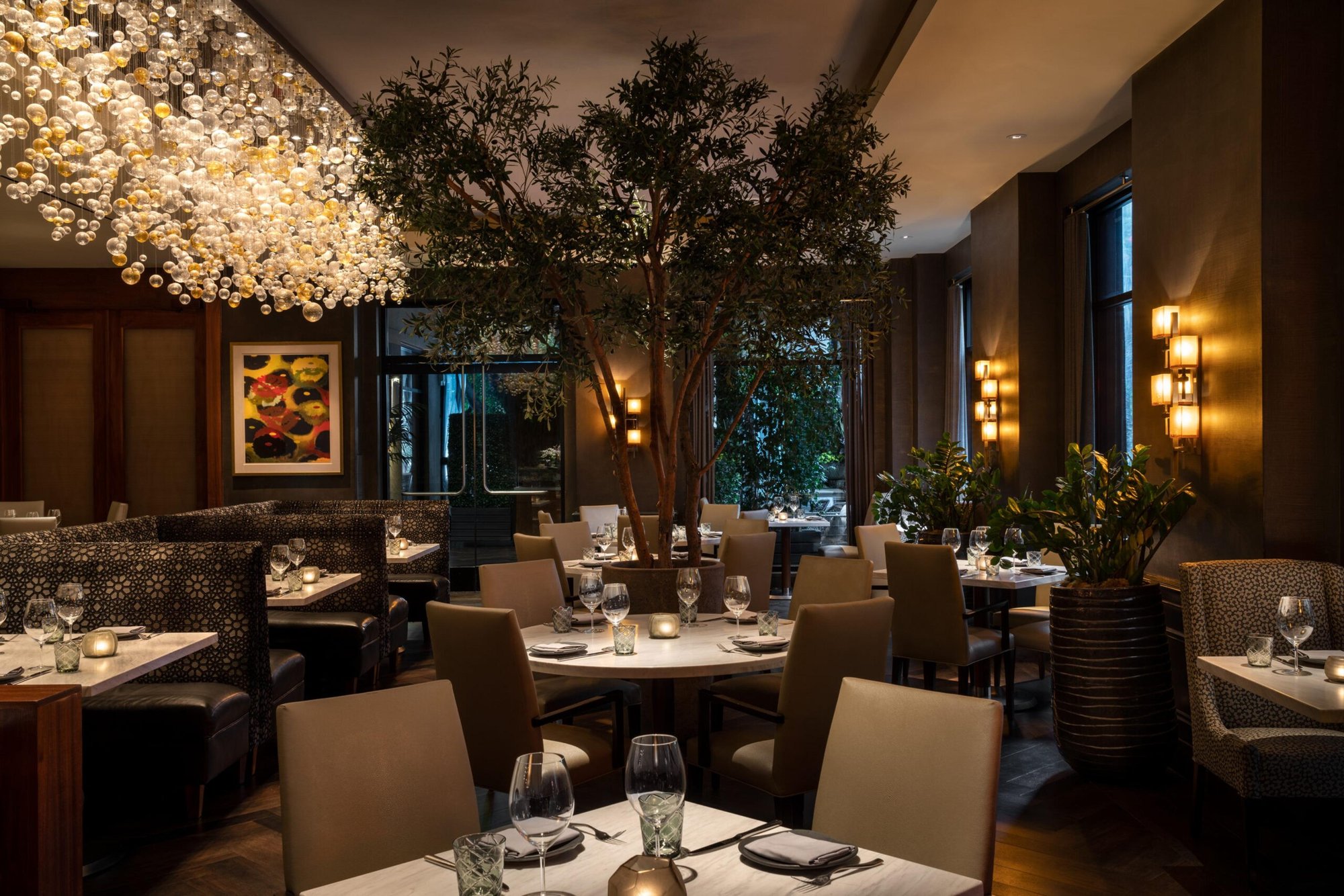
Italian Sourcing in a Neighbourhood That Demands Specificity
Beverly Hills has never been short of Italian restaurants, but the ones that hold ground over time tend to share a common discipline: they treat ingredient sourcing as the editorial spine of the menu, not a marketing footnote. The shift in premium Italian dining across California has moved steadily toward provenance-led cooking, where the origin of the olive oil, the region of the pasta flour, and the supply chain behind the protein carry as much weight as technique. Culina Ristorante and Caffè, at 300 S Doheny Drive, sits inside that movement, operating from a Beverly Hills address that places it in direct conversation with some of the most closely watched Italian and Californian tables in the city.
The address itself matters. South Doheny sits at the edge where Beverly Hills bleeds into West Hollywood, which means Culina draws from two of the densest concentrations of restaurant-literate diners in Los Angeles. These are guests who cross-reference menus, who have eaten at Spago and CUT Beverly Hills, and who will notice immediately whether a kitchen is sourcing with genuine intention or assembling a plausible-sounding menu around commodity product.
The Room Before the Menu
Approaching Culina from Doheny, the transition from street to dining room follows a logic common to hotel-adjacent restaurants in this corridor: there is a deliberate decompression, a shift in noise and scale that separates the room from the ambient pace of the Westside. The dual-format structure, ristorante and caffè operating under the same name and address, signals something specific about how the property reads the time of day. The caffè format handles the lighter, faster rhythms, the espresso and midday appetite, while the ristorante carries the full-service occasion-dining weight. This two-speed operation is more common in Italy than in Italian-American restaurants, where the caffè tradition often gets absorbed into a single service format.
That structural decision has practical consequences for the guest. It means Culina can serve meaningfully different functions across the day, which in a neighbourhood like Beverly Hills, where lunch business is driven by entertainment industry schedules and dinner by social occasion, is not a small advantage. Restaurants that attempt one format across all dayparts tend to look underpowered at the edges of service. The dual format addresses that problem directly.
Where Sourcing Becomes the Point
The ingredient-sourcing argument in California Italian cooking has particular urgency here. The state produces some of the strongest raw materials in the country: Central Valley stone fruits, Central Coast seafood, San Joaquin olive oil, and specialty citrus that appears on Italian menus in Rome only as an imported luxury. A kitchen in Beverly Hills that chooses to anchor its sourcing in California product is making a claim about the relationship between California and Italian cooking, arguing that the two traditions share enough in common, seasonality, produce-centrality, restraint on heavy sauce, that they can be read through the same culinary grammar.
This sourcing logic connects Culina to a broader pattern visible across the California Italian scene, from the vegetable-forward rooms of San Francisco to the estate-olive-oil-centric menus of the Central Coast. It also positions the kitchen differently from competitor tables in Beverly Hills that prioritise a more classical Italian-American register, where cream sauces and imported Parmesan carry most of the flavour weight. The comparison matters: Marea, which operates a Beverly Hills location of the New York seafood-Italian benchmark, reads from an entirely different sourcing position, one rooted in a New York sensibility and imported Mediterranean product. Esterel in the same neighbourhood runs a French-Mediterranean lens. Culina's Italian framing with California sourcing is a distinct positioning, not a default.
The Beverly Hills Italian Tier
Beverly Hills Italian dining sits in a specific competitive bracket. The price expectations are high enough that mid-range execution reads as underperformance, but the format diversity is wide enough that there is no single archetype dominating the category. Guests who might otherwise book Spago Beverly Hills for Californian fusion are sometimes making the same booking decision as guests considering Italian alternatives, because the underlying ask is similar: a polished, seasonally credible, occasion-appropriate dinner on the Westside.
For the globally travelled diner who has eaten at Le Bernardin in New York City or 8 1/2 Otto e Mezzo Bombana in Hong Kong, the question with a venue like Culina is always about the quality ceiling. Beverly Hills has earned credibility in that regard, and the presence of hotel-standard Italian dining in this neighbourhood places Culina in a peer set that takes both service discipline and product sourcing seriously. Restaurants at this tier in other cities, Lazy Bear in San Francisco, Single Thread Farm in Healdsburg, Alinea in Chicago, tend to be explicit about provenance in a way that has become a defining signal of ambition in American fine dining. Culina's format suggests it is operating with similar intent, even if its register is more accessible than those tasting-menu-format peers.
Planning Your Visit
The dual-format structure means planning looks different depending on which version of Culina you are booking. Caffè visits are lower-friction by design, suited to walk-in availability on weekday mornings or after-lunch hours. The ristorante side, particularly for dinner, sits in Beverly Hills' most competitive evening tier, where the density of well-regarded restaurants means that any venue drawing repeat clientele is maintaining a booking window worth respecting. For weekend dinner and larger parties, advance planning of at least a week is advisable; this is a corridor where last-minute availability at the level of service you want tends to narrow significantly as the week progresses.
Culina's location at 300 S Doheny is accessible by car with valet options common to the hotel-adjacent dining cluster in this part of Beverly Hills. For guests staying along the Wilshire or Little Santa Monica corridors, it is within easy reach without requiring a long Westside crossing. Those planning a broader evening around dining, drinks, and the neighbourhood's retail character should consult our full Beverly Hills bars guide and our full Beverly Hills restaurants guide for adjacent options. Our full Beverly Hills hotels guide, our full Beverly Hills wineries guide, and our full Beverly Hills experiences guide cover the broader planning picture for those spending more time in the neighbourhood.
Side-by-Side Snapshot
A quick peer reference to anchor this venue in its category.
| Venue | Cuisine | Price | Awards | Notes |
|---|---|---|---|---|
| Culina Ristorante and Caffè | This venue | |||
| CUT Beverly Hills | Steakhouse | $$$$ | Steakhouse, $$$$ | |
| Spago Beverly Hills | Californian Fusion | Californian Fusion | ||
| Spago | ||||
| Esterel | ||||
| Marea |
Continue exploring
More in Beverly Hills
Restaurants in Beverly Hills
Browse all →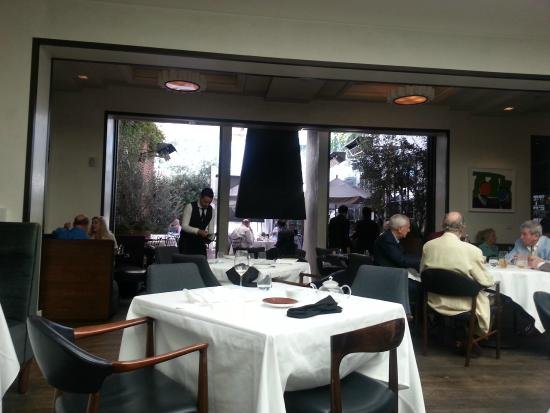
Bars in Beverly Hills
Browse all →
Hotels in Beverly Hills
Browse all →
Wineries in Beverly Hills
Browse all →
At a Glance
- Romantic
- Elegant
- Sophisticated
- Scenic
- Date Night
- Business Dinner
- Celebration
- Special Occasion
- Brunch
- Group Dining
- Open Kitchen
- Garden
- Terrace
- Hotel Restaurant
- Private Dining
- Extensive Wine List
- Craft Cocktails
- Sommelier Led
- Corkage Allowed
- Organic
- Garden
Elegant and refined with a neighborhood cosy feel despite luxury hotel setting; features beautiful dining rooms and expansive outdoor garden patio with fountains and waterfall views; bright, inviting atmosphere suitable for both intimate and group dining.