


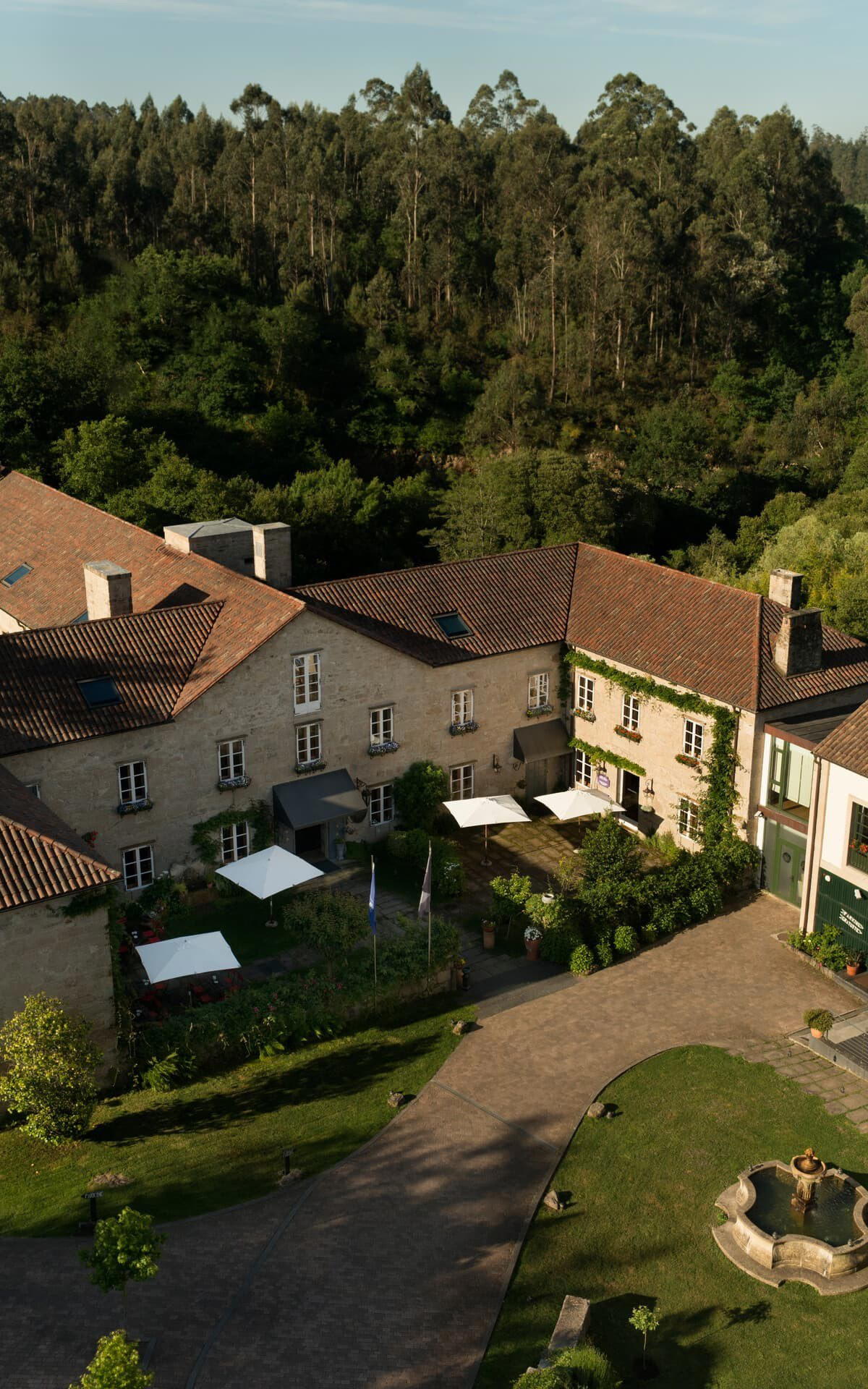
Inside a boutique hotel on Spain's Costa da Morte, Balarés frames its cooking around the land and sea immediately surrounding it. A fixed-price menu and a tasting format both run on local seasonal produce prepared with modern technique, with suppliers named on the menu as evidence of a sourcing commitment the kitchen calls 'Territory & Proximity & Commitment.'
Pearl is the En Primeur Club membership app — saves, bookings, and concierge access live there. Same editors, same standards.
- Address
- Balares 3, 15110, A Coruña, Spain
- Phone
- +34 622 59 14 00
- Website
- balares.es
- Directions
- Get directions
 Saves & bookings on Pearl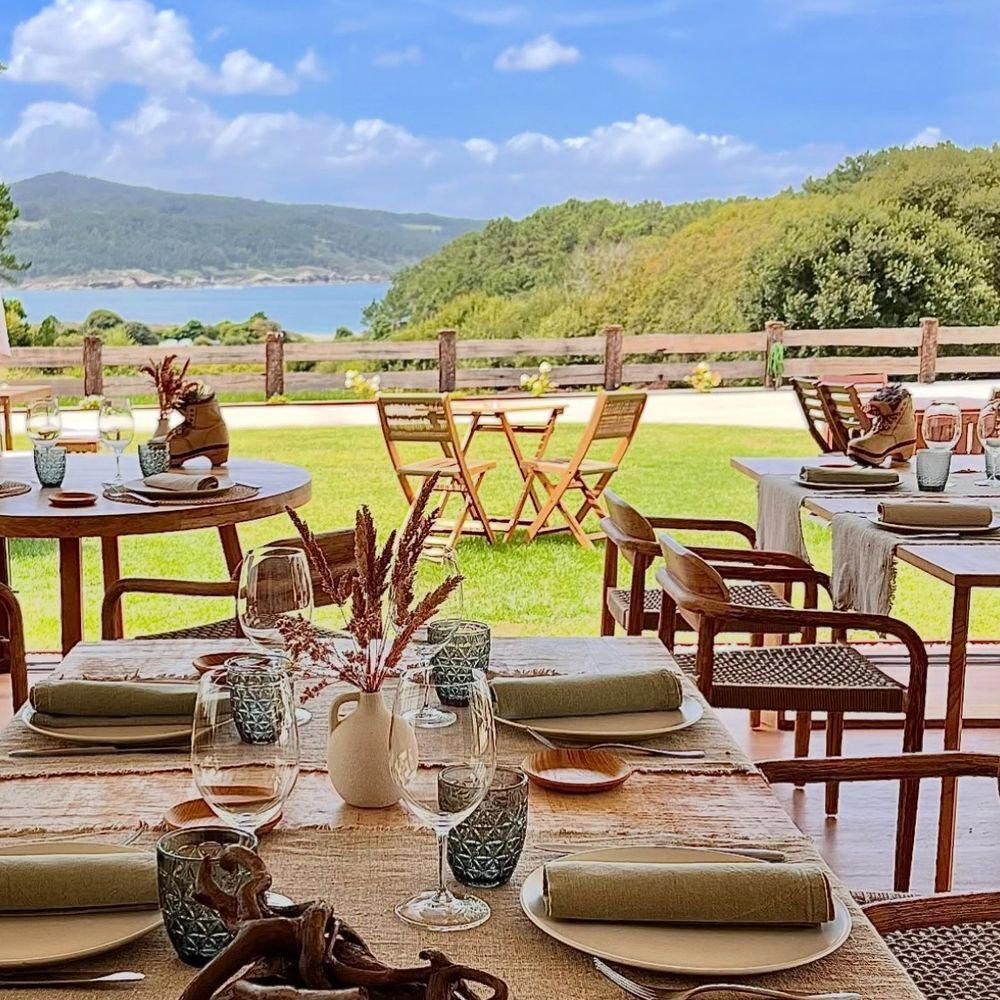
Where the Atlantic Sets the Menu
The Costa da Morte, Galicia's jagged northwestern coastline, named for the shipwrecks that once made it notorious, is one of the least-visited stretches of Spain's Atlantic seaboard. The fishing villages along this coast have always operated on a tight local loop: what comes out of the water or grows in the hinterland is what ends up on the plate.
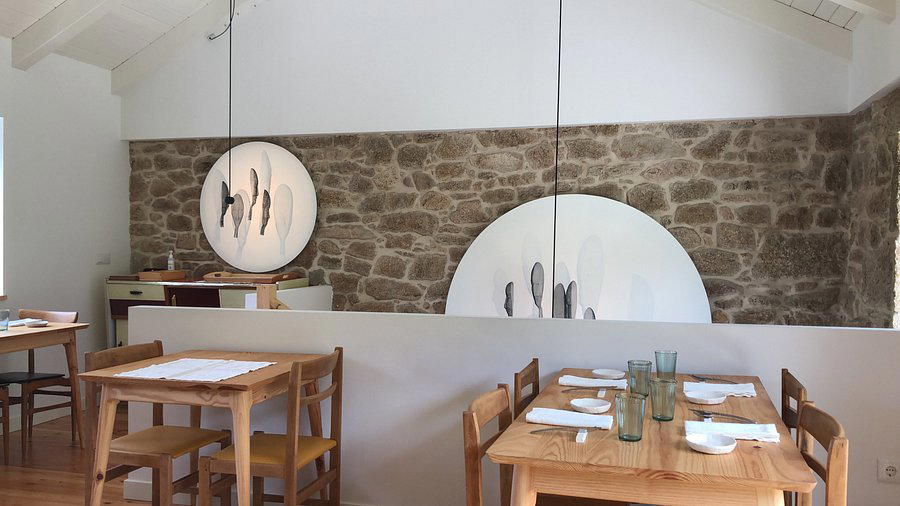
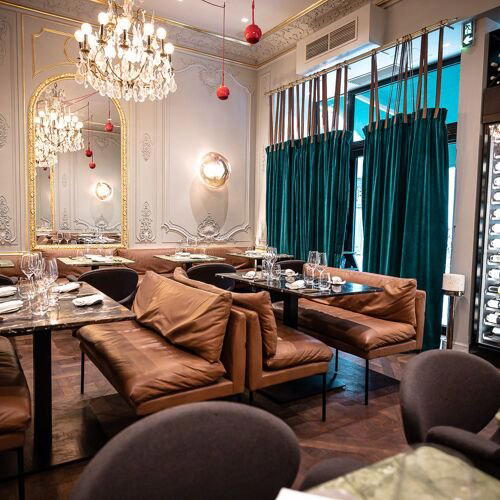
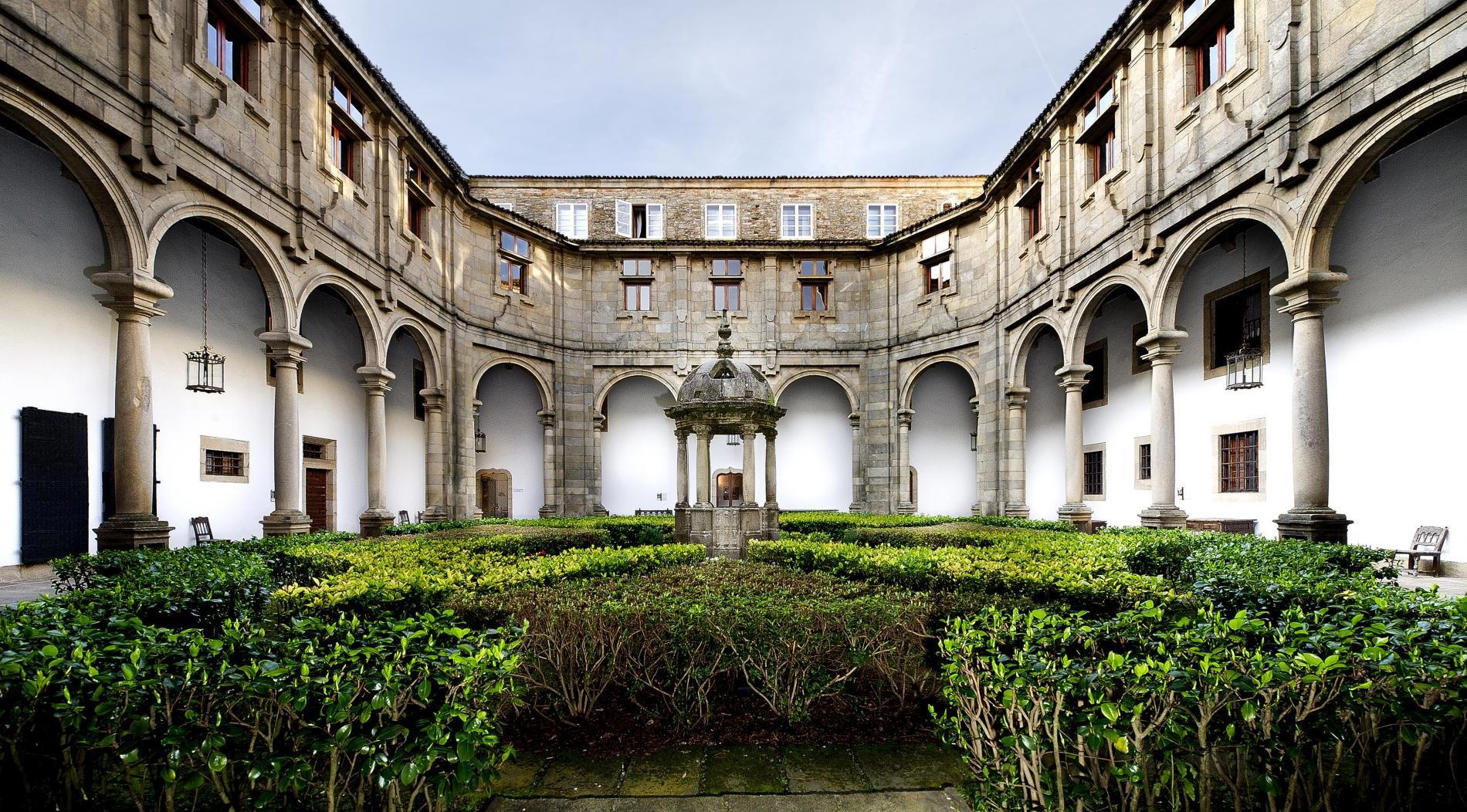
The hotel takes its name from Balarés beach, among the more unspoilt stretches of shoreline along this coast, and the restaurant carries that geographic reference into its dining room. The atmosphere is elegant rustic, with stone or exposed timber and soft light. It is the kind of room that does not need to announce itself.
The Logic of 'Territory & Proximity & Commitment'
What makes Balarés worth attention from a sourcing perspective is not simply that it uses local ingredients, most restaurants in rural Galicia do, out of habit if nothing else, but that the kitchen has formalised this into a stated philosophy and made it legible to the diner. The menu credits suppliers by name. A diner can see, before a dish arrives, whose hands grew or caught what they are about to eat.
This approach places Balarés in a category of Spanish restaurants that have moved beyond farm-to-table as a marketing posture toward something more granular: a kitchen that functions as a kind of editorial layer between producer and guest, selecting, contextualising, and presenting the region's larder in a format designed to make the geography legible. Restaurants like Ricard Camarena in València and Atrio in Cáceres have built significant reputations around comparable producer-first commitments, operating at higher price points and with greater national visibility. Balarés operates in a quieter register, but the structural logic is the same: the sourcing map is the menu.
Galicia's larder justifies the attention. The ría system, the deep coastal inlets that define the regional geography, produces shellfish of unusual quality, particularly percebes (goose barnacles), razor clams, and Padrón peppers from the inland. The Atlantic waters off Costa da Morte add fish that rarely travel far enough to appear on menus in Madrid or Barcelona. A kitchen committed to proximity in this region has access to ingredients that many of Spain's higher-profile restaurants source specifically from Galicia while paying a premium for the distance.
Two Formats, One Source Logic
The kitchen offers a fixed-price menu alongside a longer tasting format. Both draw from the same seasonal and local supply chain, which means the choice is less about what you eat and more about the depth at which you want to experience it. The tasting menu format, now standard across Spain's more considered dining rooms, from the three-Michelin-star ambition of Azurmendi in Larrabetzu to the seafood progressivism of Aponiente in El Puerto de Santa María, allows a kitchen to sequence ingredients across a meal in a way that a shorter fixed-price menu cannot. At Balarés, the tasting format gives the kitchen room to move through Galicia's seasons more fully, while the fixed-price option offers the same sourcing philosophy in a shorter format.
Modern technique here means precision cooking methods applied to traditional Galician ingredients, rather than the avant-garde restructuring associated with restaurants like Mugaritz in Errenteria or DiverXO in Madrid. The combination of local sourcing with modern technique is increasingly the default position for serious regional cooking across Spain: the ingredient carries the identity, the technique carries the precision.
Ponteceso and the Costa da Morte as a Dining Destination
Ponteceso is a small municipality at the mouth of the Anllóns river, facing the Atlantic. It does not appear in the standard circuits of Spanish food tourism, which remain concentrated in the Basque Country, Catalonia, and Madrid. That relative obscurity is, in practical terms, an advantage for the traveller willing to reach it. The Costa da Morte rewards the kind of slow travel that a boutique hotel-restaurant combination is specifically designed to support: arrive, eat well that evening, spend the next day on the coast, eat again.
Spain's most decorated dining rooms, Arzak in San Sebastián, El Celler de Can Roca in Girona, Martin Berasategui in Lasarte-Oria, Cocina Hermanos Torres in Barcelona, Quique Dacosta in Dénia, operate in a different competitive register entirely. Balarés does not position against them. It shows that serious, intentional cooking does not require a major city address or a Michelin citation.
Planning Your Visit
Balarés is located at Balares 3, 15110, A Coruña, Ponteceso, within the boutique hotel of the same name. Given the small scale typical of hotel restaurants in rural Galicia and the dual-menu format, securing a reservation before arriving in the area is advisable rather than optional, the kitchen's capacity to serve walk-ins at a property of this type is limited, and the nearest alternatives of comparable intention are not within easy reach. Seasonal availability matters here: the menu moves with local supply, so early autumn and late spring tend to offer the widest range. Guests staying at the hotel have obvious logistical convenience, but the restaurant warrants a visit on its own terms for travellers already on the Costa da Morte.
How It Stacks Up
Comparable venues nearby, for context on price, style, and recognition.
| Venue | Cuisine | Price | Awards | Notes |
|---|---|---|---|---|
| BalarésThis venue — the venue you are viewing | Galician Coastal Cuisine | $$$ | Michelin Plate | Not listed |
| Asador Rio Sil | Galician Steakhouse | $$$ | Michelin Plate | Carballo |
| Artabria | Modern Galician Seafood | $$$ | Michelin Plate | Riazor |
| Mesón do Campo | Traditional Galician Cuisine | $$$ | Michelin Plate | centro histórico |
| Eclectic | Modern Galician Fusion Tasting | $$$ | Michelin Plate | San Andrés |
| Beldade | Contemporary Galician | $$$ | Michelin Plate | O Remesal |
Recognition history
Dated appearances from independent guides and award organizations, with the underlying list record or original source where available.
Guía Repsol 1 Sol
Guía Repsol
Macarfi 7.9 Food Rating
Macarfi
Michelin Plate
Michelin
Continue exploring
More in Ponteceso
Restaurants in Ponteceso
Browse all →
At a Glance
- Rustic
- Cozy
- Scenic
- Intimate
- Family
- Special Occasion
- Waterfront
- Terrace
- Local Sourcing
- Waterfront
Elegant rustic atmosphere reminiscent of traditional Galician kitchens, centered around the warmth of the hearth and natural surroundings.