


Michelin Plate · Macarfi 7.7 Food Rating
Our verdict
Bākkō occupies a compact address in Madrid's Salamanca district, running informal Japanese cuisine through a charcoal grill and a Basque-inflected sensibility. Two omakase formats sit alongside à la carte sections dedicated to nigiri, oysters, and hot dishes. A bar-only nigiri menu and a considered sake list round out one of the neighbourhood's more focused Japanese propositions.

Pearl is the En Primeur Club membership app — saves, bookings, and concierge access live there. Same editors, same standards.
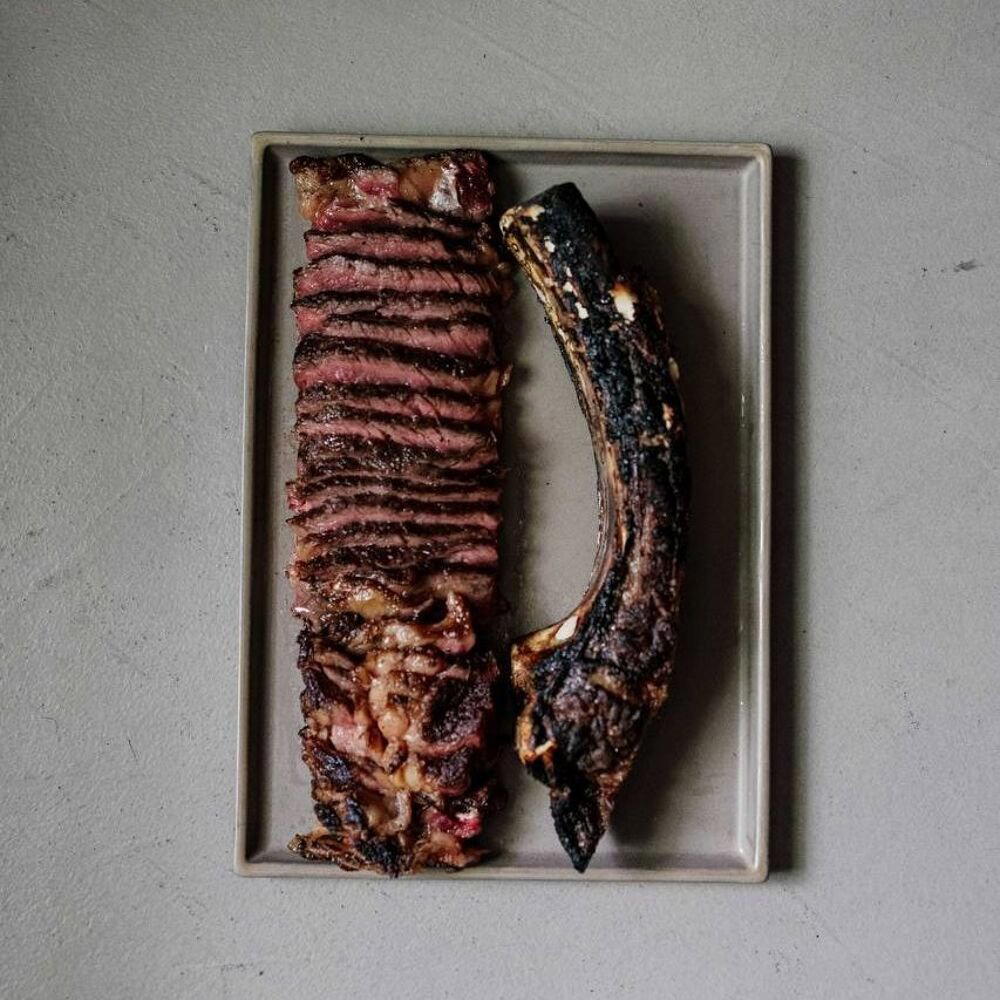
Where the Salamanca Address Meets a Shifting Kitchen Register
Madrid's Salamanca district has spent the last decade hardening its reputation as the city's most consistent luxury dining corridor. Avenida de Jorge Juan carries the trophy addresses, but the streets feeding off Paseo de la Castellana have quietly assembled a different kind of programme: smaller rooms, more focused menus, kitchens that cook with a point of view rather than a room rate in mind. Bākkō sits on Calle de López de Hoyos, a short walk from the Castellana, inside that second category.
The broader context matters here. Madrid's Japanese restaurant tier has evolved considerably since the early 2010s, when the city's exposure to Japanese technique was largely filtered through fusion menus built for Europeanised palates. What followed was a sharper split: on one side, high-format omakase counters demanding significant spend and advance booking; on the other, casual izakaya formats that traded depth for accessibility. The more interesting recent movement has been the space between those poles, where kitchens apply serious technique to informal formats and price accordingly. Bākkō reads as part of that middle evolution.
The Kitchen's Operating Logic
The menu structure at Bākkō is deliberately layered. Standalone sections cover nigiri, oysters, and hot dishes, allowing guests to build their own sequence. Two omakase formats, a shorter and a longer version, offer the alternative of surrendering that sequencing entirely. This dual-track approach is now standard among Madrid's better Japanese addresses, but the detail here is in the calibration between the tracks rather than the existence of both.
Charcoal grill is the kitchen's most consequential tool, and it shapes the character of the hot dishes section in ways that distinguish Bākkō from counters that foreground raw technique alone. Charcoal cooking at this level is less about spectacle than about managing heat, smoke, and timing with precision; the results land differently from both the delicate restraint of a pure sushi counter and the broad strokes of a general grill restaurant.
Basque thread running through parts of the menu is worth noting as a broader trend rather than a curiosity. Basque culinary logic, with its insistence on premium product and minimal interference, has cross-pollinated into Japanese-influenced kitchens across Spain with some consistency. The gyoza with cured egg yolk is one marker of this: it takes a Japanese form and applies a curing technique that reads as much Spanish as anything else. That kind of fluency in cross-reference is what separates kitchens operating with genuine range from those running novelty menus. For deeper Basque kitchen tradition, Arzak in San Sebastián and Martin Berasategui in Lasarte-Oria provide the primary reference points.
The Bar Counter as a Separate Programme
Nigiri menu available only at the bar counter is a structural decision that carries real consequence for how guests should book and plan. Bar-counter-only menus have become a marker of intent in Japanese dining rooms globally: they signal that the kitchen views the counter as a distinct experience rather than overflow seating. In Madrid specifically, this model has precedent at the higher end of the market, where counter seats at addresses like DiverXO carry their own logic and hierarchy.
At Bākkō, the implication is practical: if nigiri is your priority, the bar is your seat. That requires booking strategy, not just a reservation. Guests who arrive expecting the full menu at any table will miss a section of what the kitchen is doing.
Sake as Programme, Not Afterthought
The sake selection functions as a genuine programme here. Madrid's premium restaurant scene has historically been wine-centric to a degree that crowds out other beverage categories, and the city's Japanese restaurants have generally followed that gravity. A considered sake list at this address represents the kind of category commitment that indicates the kitchen takes the full meal architecture seriously, from the charcoal smoke on the hot dishes to the clean minerality that a well-chosen junmai can carry through a nigiri sequence. For guests accustomed to sake as a default accompaniment, the list here is worth approaching with the same attention given to the food menu.
Madrid's Creative Dining Field and Where Bākkō Sits
Madrid's formal creative dining tier is anchored by a cluster of multi-Michelin-starred rooms: Coque, Deessa, DSTAgE, and Paco Roncero each operate at the top of that bracket. Bākkō does not position itself in competition with those rooms. Its operating register is lower in formality and its menu architecture is more modular. The comparison set is better understood as Madrid's serious mid-tier Japanese addresses, where the Salamanca neighbourhood location, the dual omakase option, and the charcoal technique give it a legible identity within a competitive field.
The international comparison is also instructive. Restaurants like Atomix in New York represent the high end of Korean-Japanese hybrid cooking at serious price points, and Le Bernardin in New York the benchmark for rigorous technique applied to seafood. Within Spain, Aponiente, Azurmendi, El Celler de Can Roca, and Cocina Hermanos Torres define the formal creative end. Bākkō operates in a deliberately different register from all of them, one where the goal is precision within an informal frame rather than ceremony.
Planning a Visit
Bākkō's address on Calle de López de Hoyos, in the northern part of Salamanca near Paseo de la Castellana, places it within easy reach of the district's main transport links and a short distance from the major avenues that cross the neighbourhood. The area is dense with restaurants, bars, and cultural destinations, making it a practical anchor for an evening that might extend before or after dinner. Guests with a specific interest in the bar nigiri menu should request counter seating when booking, since that section of the menu is not available at table. The omakase formats offer the more structured experience and require less decision-making on arrival; the à la carte route rewards guests who come with a clear sense of what sections interest them. For broader planning across the city, our full Madrid restaurants guide, hotels guide, bars guide, wineries guide, and experiences guide provide the wider context.
Frequently asked questions
What distinctions does Bākkō have?
Bākkō has received recognition including: Located just a stone's throw from Paseo de la Castellana, in an area with plenty to see and do, this restaurant serves informal Japanese cuisine with a global twist, featuring charcoal-grilled dishes and interesting nods to Basque cuisine i….
What's Bākkō's location?
Bākkō is located at C. de López de Hoyos, 9, Salamanca, 28002 Madrid, Spain, Madrid.
What should I eat at Bākkō?
The menu divides into nigiri, oysters, and hot dishes on the à la carte side, with short and long omakase formats for a sequenced alternative. Among the hot dishes, the gyoza with cured egg yolk is a documented standout. The nigiri menu is available exclusively at the bar counter, which is a separate programme worth booking specifically if nigiri is the priority.
Is Bākkō reservation-only?
The two omakase formats require kitchen coordination and sequenced pacing, which strongly favours advance booking. The bar counter operates as a distinct programme with its own exclusive nigiri menu, so guests should specify their preferred seating when reserving.
Similar Picks
Comparable venues nearby, for context on price, style, and recognition.
| Venue | Cuisine | Price | Awards | Notes |
|---|---|---|---|---|
| BākkōThis venue — the venue you are viewing | Modern Japanese Charcoal Grill | $50–100 | Michelin Plate · Macarfi 7.7 Food Rating | Not listed |
| Hotaru Madrid | Contemporary Japanese Sushi Bar | $100–150 | Michelin Plate · Macarfi 7.6 Food Rating | Recoletos |
| Shibari Sushi and Grill | Modern Japanese Omakase & Robata Grill | $50–100 | Michelin Plate | Embajadores |
| 99 Sushi Bar (Hermosilla) | Japanese haute cuisine & sushi | $50–100 | Guía Repsol 1 Sol | Barrio de Salamanca |
| Sr. Ito Lab | Modern Japanese Fusion | $30–50 | Not listed | Trafalgar |
| Tori-Key | Authentic Japanese Yakitori | $50–100 | Michelin Plate | Rios Rosas |
Recognition history
Dated appearances from independent guides and award organizations, with the underlying list record or original source where available.
Michelin Plate
Michelin
Macarfi 7.7 Food Rating
Macarfi
Opinionated About Dining Top New Restaurants in Europe Ranked #26
Opinionated About Dining
Full recognition history (5 entries)
Opinionated About Dining Top Restaurants in Europe Recommended
Opinionated About Dining
Opinionated About Dining Newly Added European Restaurants
Opinionated About Dining
Continue exploring
More in Madrid
Restaurants in Madrid
All restaurants in Madrid →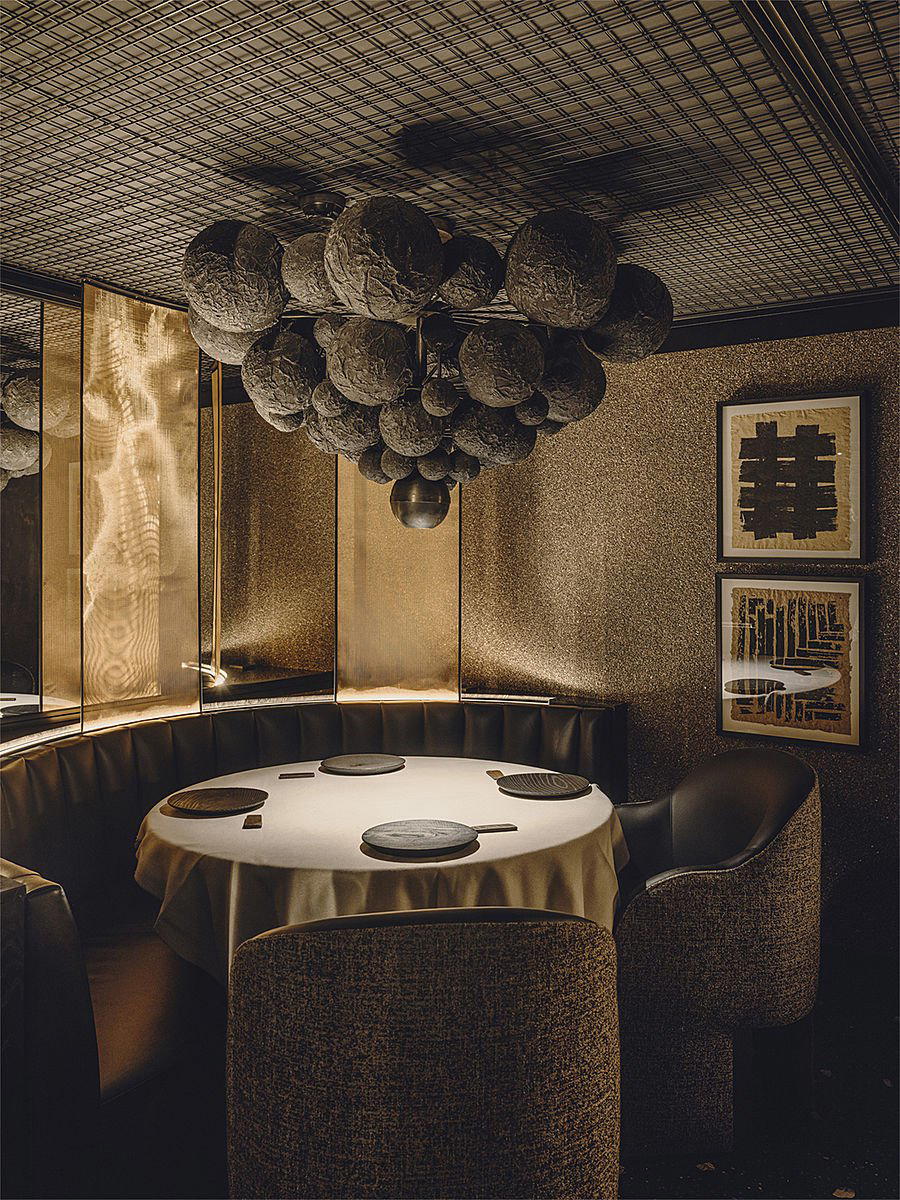
Bars in Madrid
All bars in Madrid →

Bākkō
The wine
- Wine program
- Deep wine list
- Extensive wine list
- Sake program
Details
- Modern
- Elegant
- Intimate
- Sophisticated
- Date Night
- Business Dinner
- Special Occasion
- Chefs Counter
- Open Kitchen
- Sake Program
- Extensive Wine List
- Omakase
- Counter Dining
- Sake
Current opening hours
- Monday
- 8:45–9:45 PM
- Tuesday
- 8:45–9:45 PM
- Wednesday
- 1:45–2:45 PM, 8:45–9:45 PM
- Thursday
- 1:45–2:45 PM, 8:45–9:45 PM
- Friday
- 2–3:30 PM, 8:45–10 PM
- Saturday
- 1:45–2:45 PM, 8:45–10 PM
- Sunday
- Closed
Hours can change for holidays and private events. Last verified .
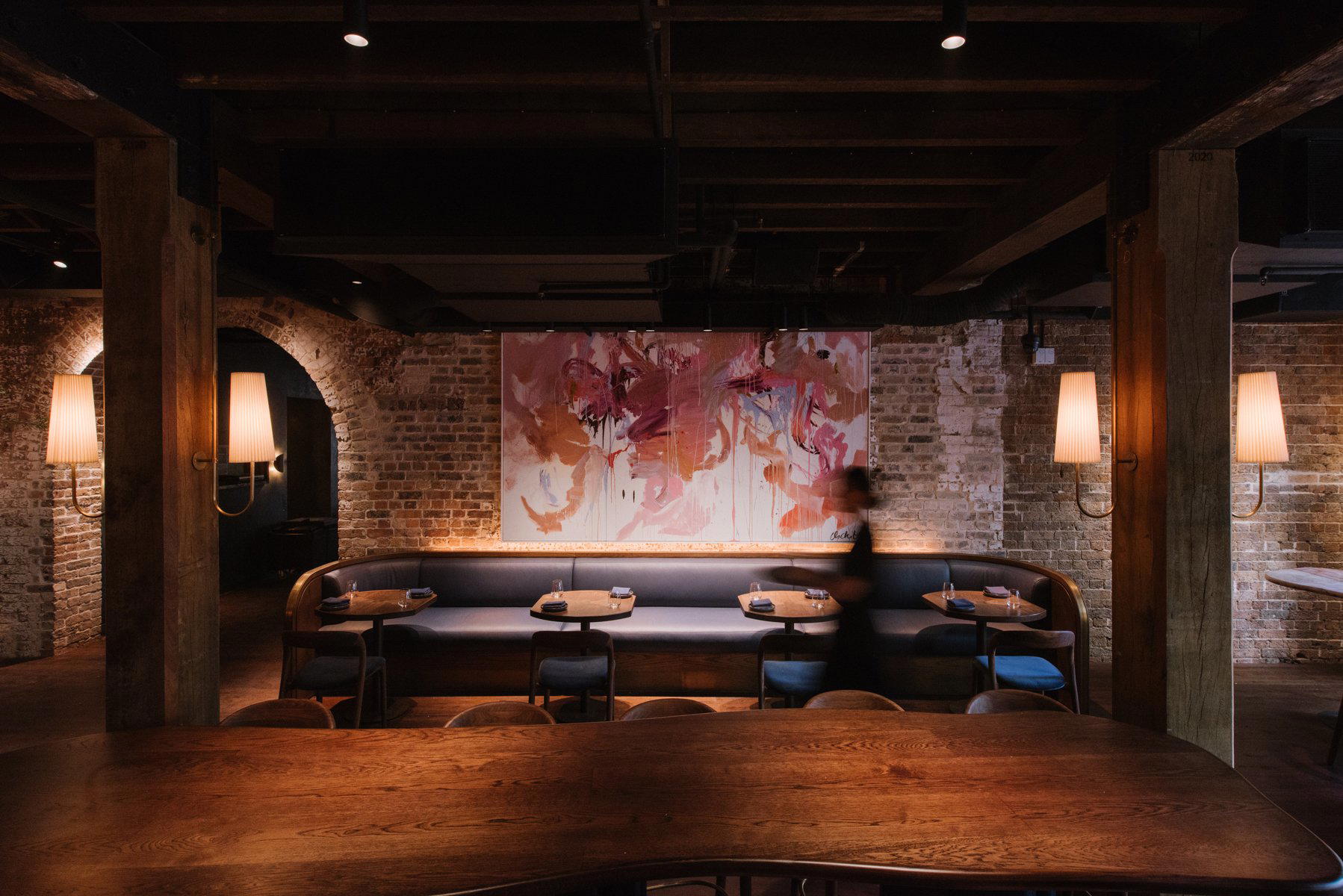
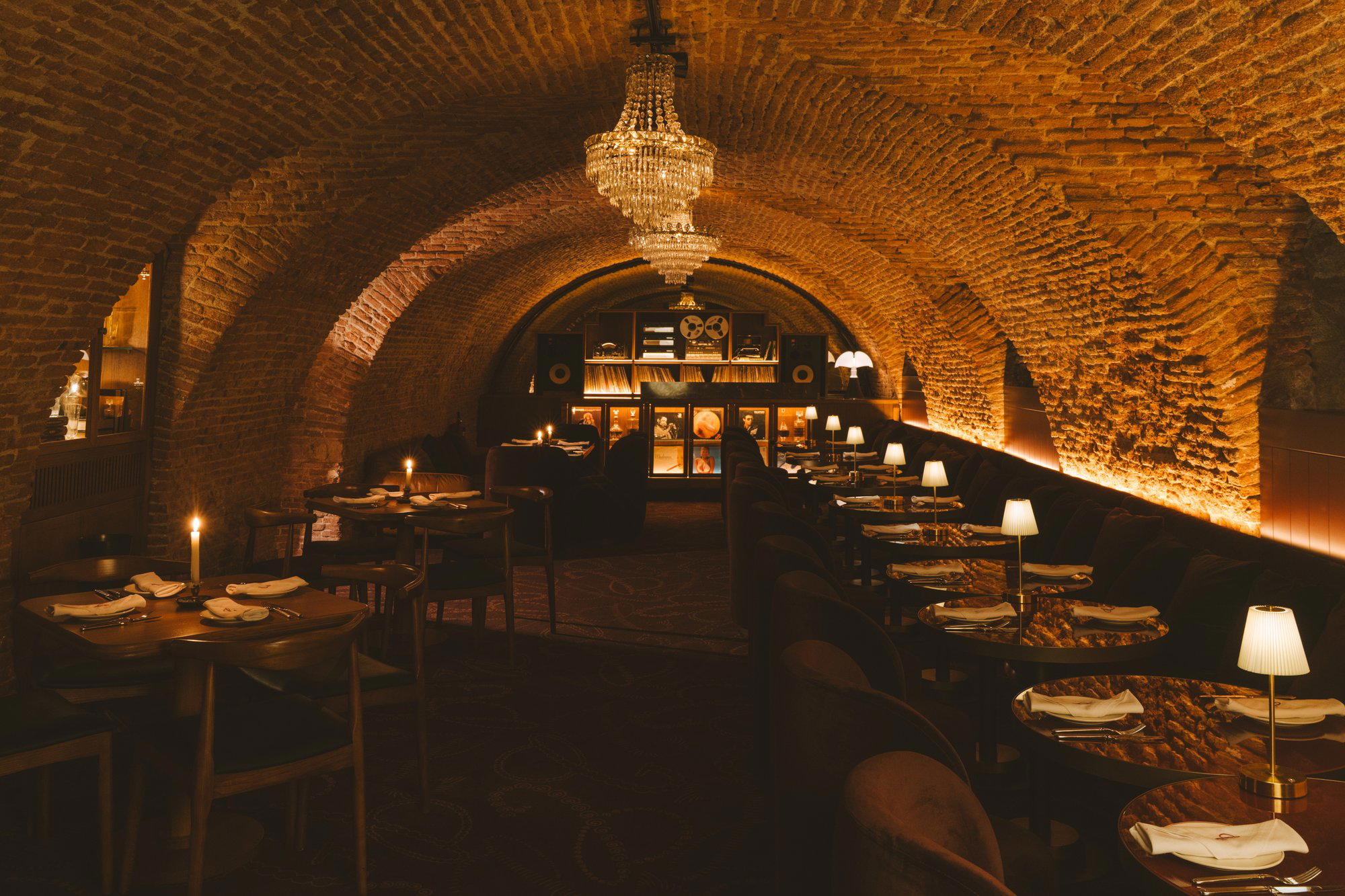
Warm, functional lighting highlighting precise plating in a counter-focused space with visible charcoal grill, creating an engaging theater-like atmosphere.