baba's döner limmatplatz
On Langstrasse, Zurich's most restless dining corridor, baba's döner limmatplatz has grown into a reference point for serious döner in a city more associated with tasting menus and fondue. The format is direct: well-sourced meat, proper bread, and the kind of execution that keeps the queue moving without sacrificing quality. It sits at the accessible end of Zurich's otherwise expensive food scene.
Pearl is the En Primeur Club membership app — saves, bookings, and concierge access live there. Same editors, same standards.
- Address
- Langstrasse 238, 8005 Zürich, Switzerland
- Website
- babasdoener.ch
- Directions
- Get directions
 Saves & bookings on Pearl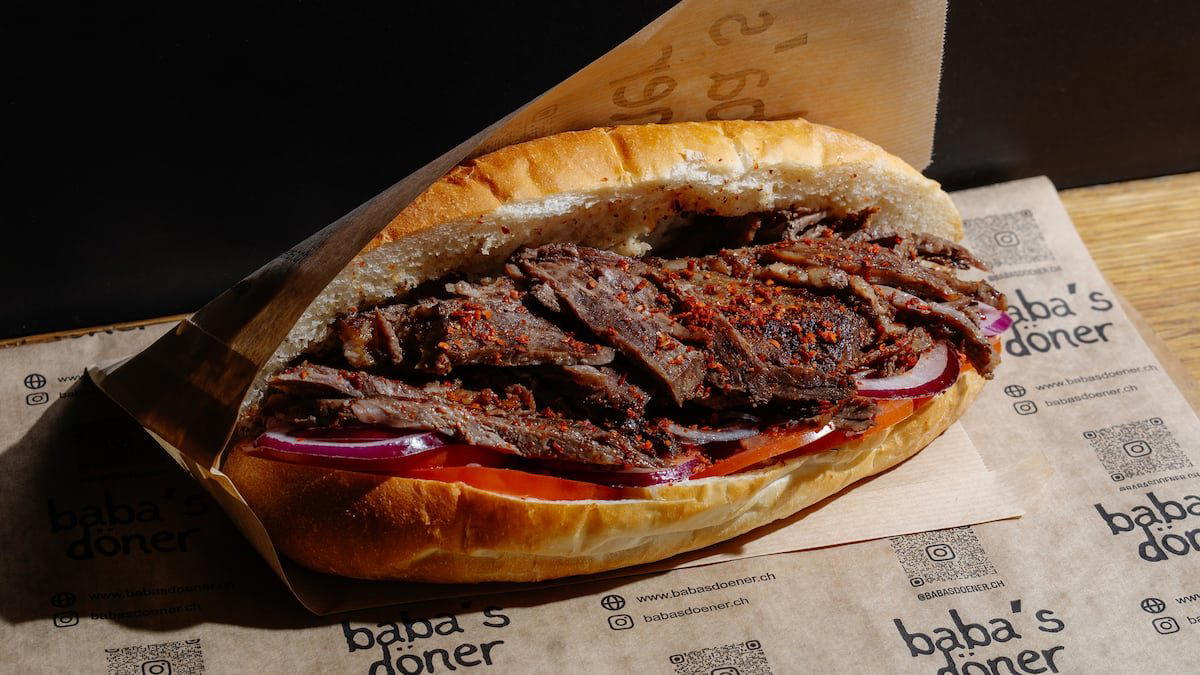
Langstrasse and the Street Food Question
Zurich's relationship with affordable, fast, genuinely good food has always been complicated. baba's döner limmatplatz is a restaurant at Langstrasse 238 in Zürich, known for Charcoal-Grilled Turkish Döner and priced at about $15 per person. The city's dining identity leans heavily toward the formal end, Michelin counters, sharing-format tasting menus like those at IGNIV Zürich by Andreas Caminada, and creative prix-fixe rooms such as The Counter and The Restaurant. The gap between CHF 300 tasting menus and the city's street-level eating has historically been wide and poorly served. Langstrasse, running through the 4th and 5th districts, is where that gap gets contested. The street has been Zurich's most commercially restless corridor for decades: bars, late-night kitchens, casual formats that turn over fast and occasionally graduate into something with staying power.
baba's döner limmatplatz, at Langstrasse 238 in the 8005 postal district, sits toward the Limmatplatz end of that strip, where the character of the street shifts from late-night club zone toward something slightly more neighbourhood-oriented. The address puts it within reach of commuter flows from the tram and a residential density that supports repeat custom rather than purely tourist-driven footfall.
Döner in a Tasting-Menu City
The döner format has a particular dynamic in cities with expensive dining cultures. In London, Berlin, or Vienna, döner operates across a wide quality spectrum, from the aggressively cheap to the thoughtfully sourced. In Zurich, where ingredient costs and labour overheads push even casual food into a higher price bracket than comparable cities, the format carries a different set of pressures. A döner operation here cannot simply undercut on price the way a Berlin Imbiss might; it has to justify its position on quality rather than economy.
That pressure has shaped what serious döner looks like in Zurich. The better operators in the city have, over time, moved toward more carefully sourced meat, properly structured bread with appropriate crumb and crust, and sauces and vegetables that are prepared in-house rather than bought in bulk. The evolution mirrors what happened to the burger category in premium European cities roughly a decade earlier: a format once associated purely with convenience got reexamined by operators who believed the core product deserved more careful execution. baba's döner limmatplatz sits within that movement, a Langstrasse address that has developed a local reputation not despite the format but because of what the format can deliver when done with attention.
For broader context on where Switzerland's most considered restaurants are operating, the distance from Zurich to Schloss Schauenstein in Fürstenau, Memories in Bad Ragaz, or Hotel de Ville Crissier in Crissier illustrates how concentrated Switzerland's fine dining infrastructure is in its destination restaurant tier. baba's döner occupies a completely different register, deliberately accessible, operating at street level in a neighbourhood defined by its informality.
The Langstrasse Format and How It Has Shifted
Langstrasse has changed considerably over the past fifteen years. A strip that was defined in the early 2000s primarily by its nightlife and a degree of grit that deterred certain visitors has progressively absorbed a more mixed demographic. Families, young professionals, and longer-term residents who might once have avoided the street for dinner now use it as a primary dining corridor. The food offer has adjusted accordingly: more sit-down capacity, more daytime trading, formats that can sustain lunch as well as late-evening traffic.
The restaurant reflects that shift. The Limmatplatz end of Langstrasse now trades on a more neighbourhood-restaurant energy than the club-corridor identity that defines the street's southern stretch. An operation at this address is positioned for the mixed-use customer who might also stop at Eden Kitchen & Bar or look for something faster before or after a sit-down meal elsewhere. The döner format works here precisely because it is fast enough for a street with energy but considered enough for a neighbourhood that has moved upmarket.
The evolution of the venue itself follows this trajectory. What began as a direct döner point has, through iteration on product and consistency of execution, developed the kind of local credibility that transforms a casual address into a reference point. In a city where Widder and comparable formal addresses set the upper register of dining expectation, a street-food operation that holds its quality standard over time earns a different kind of trust from its regulars.
Switzerland's Broader Street Food Context
Switzerland's premium restaurant geography extends well beyond Zurich. Cheval Blanc by Peter Knogl in Basel, Einstein Gourmet in Sankt Gallen, Maison Wenger in Le Noirmont, and destination addresses like Da Vittorio in St. Moritz, Mammertsberg in Freidorf, La Table du Valrose in Rougemont, and focus ATELIER in Vitznau represent the country's serious investment in haute cuisine. The contrast with baba's döner is not a criticism of either end, it maps the actual range of what Swiss dining contains. A country that sustains a Le Bernardin-comparable concentration of serious tasting rooms in its cities and mountain towns also contains street-level food culture that deserves attention on its own terms.
For visitors arriving from cities with developed street food cultures, the comparison point is less the formal Swiss restaurant tier and more what cities like Berlin or Istanbul have demonstrated the döner format can achieve. The question baba's döner poses at Langstrasse 238 is whether Zurich, with its cost pressures and its formal dining bias, can support the same seriousness of execution in a casual format. The local repeat custom suggests the answer is yes.
Planning a Visit
Langstrasse operates as a pedestrian-friendly corridor with most traffic moving on foot or by tram, which keeps arrival direct at most times of day. As with most Langstrasse operations, the venue functions at its most characteristically itself during the evening, when the street's mixed energy is at full volume.
Cuisine-First Comparison
Comparable venues nearby, for context on price, style, and recognition.
| Venue | Cuisine | Price | Notes |
|---|---|---|---|
| baba's döner limmatplatzThis venue — the venue you are viewing | Charcoal-Grilled Turkish Döner | $$ | Not listed |
| baba's döner | Charcoal-Grilled Turkish Döner | $$ | Oerlikon |
| Musti Grill | Turkish Charcoal Grill | $$ | Altstetten |
| Luigia | Traditional Italian | $$ | City center / Kreis 1 |
| Cindys Bistro - Afro Deli | West African Fusion Bistro | $$ | Aussersihl |
| Ototo | Japanese Sushi | $$ | Wipkingen |
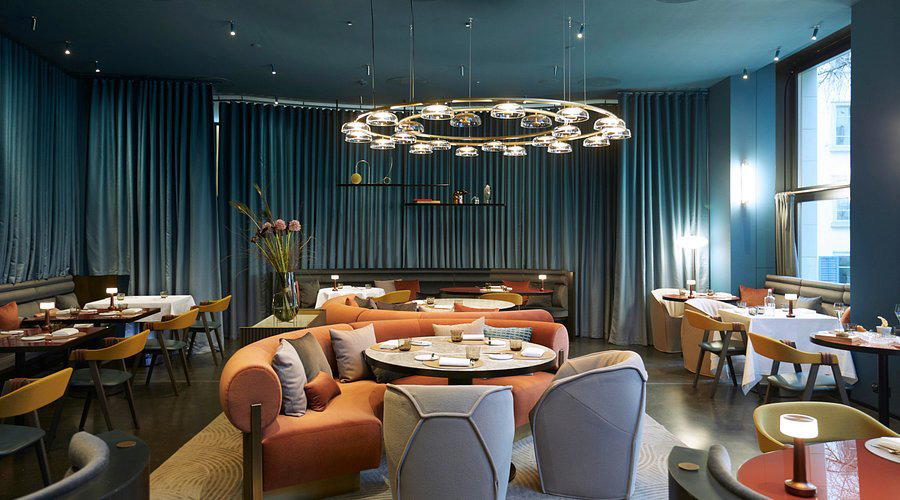
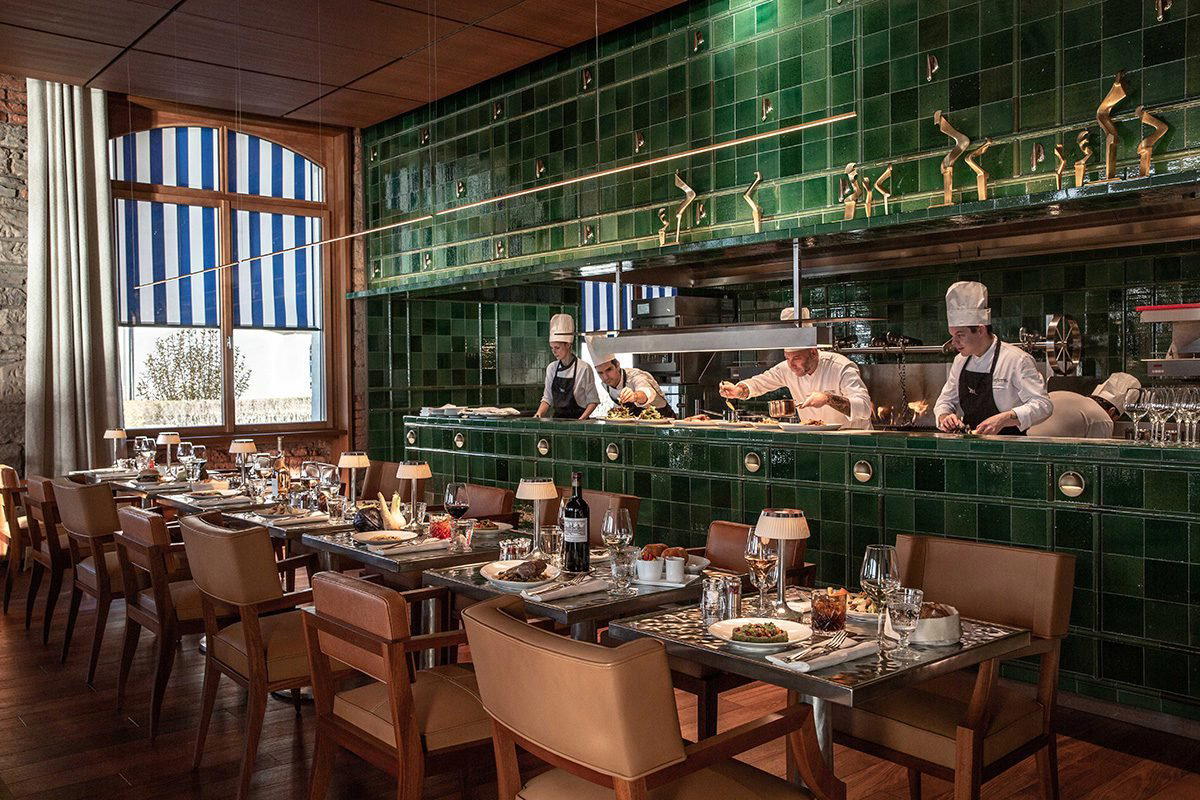
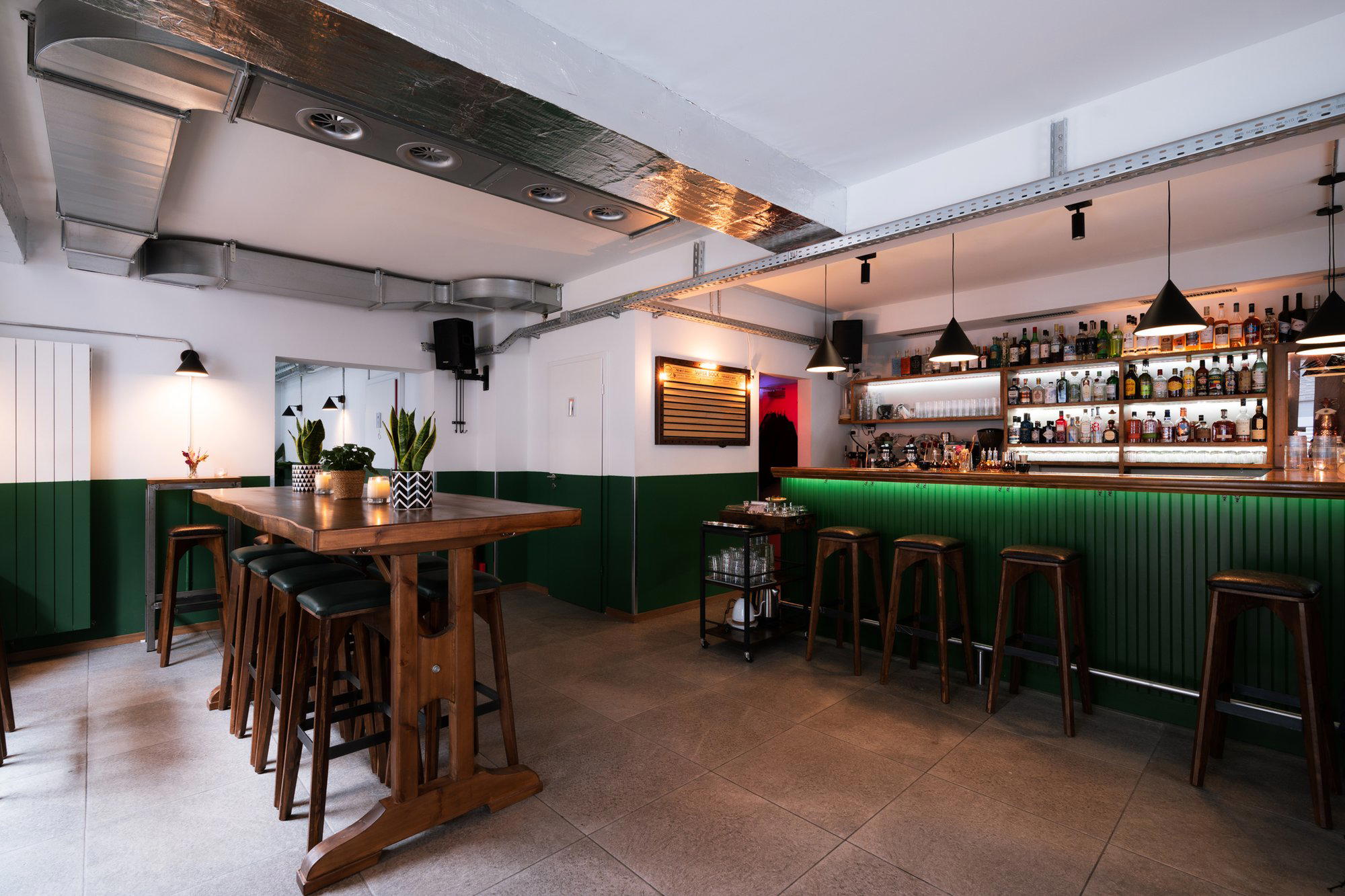
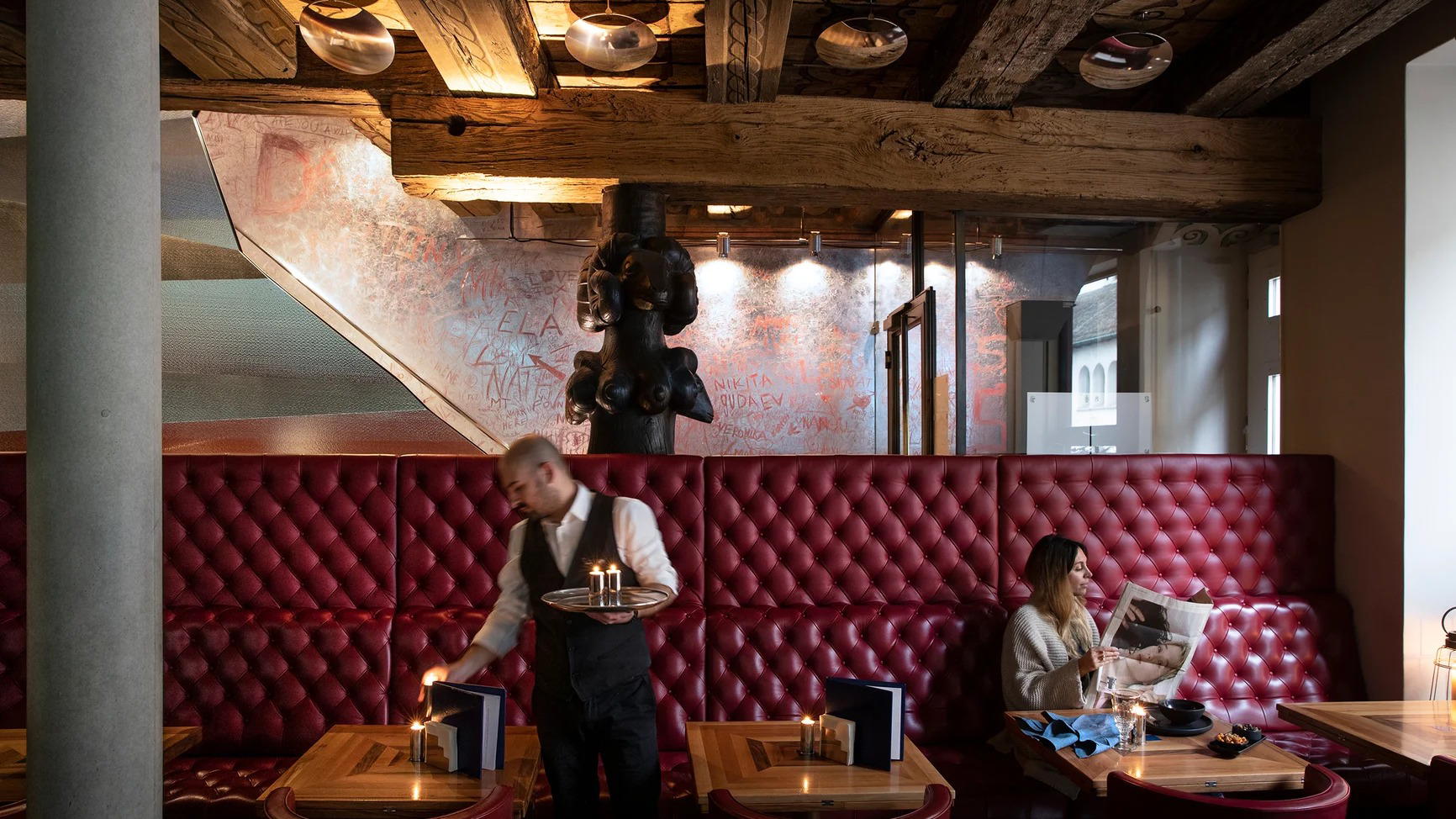
At a Glance
- Trendy
- Lively
- Casual Hangout
- After Work
- Late Night
- Open Kitchen
- Local Sourcing
Current opening hours
- Monday
- 11 AM–9:30 PM
- Tuesday
- 11 AM–9:30 PM
- Wednesday
- 11 AM–9:30 PM
- Thursday
- 11 AM–9:30 PM
- Friday
- 11 AM–10:30 PM
- Saturday
- 11 AM–10:30 PM
- Sunday
- Closed
Hours can change for holidays and private events. Last verified .
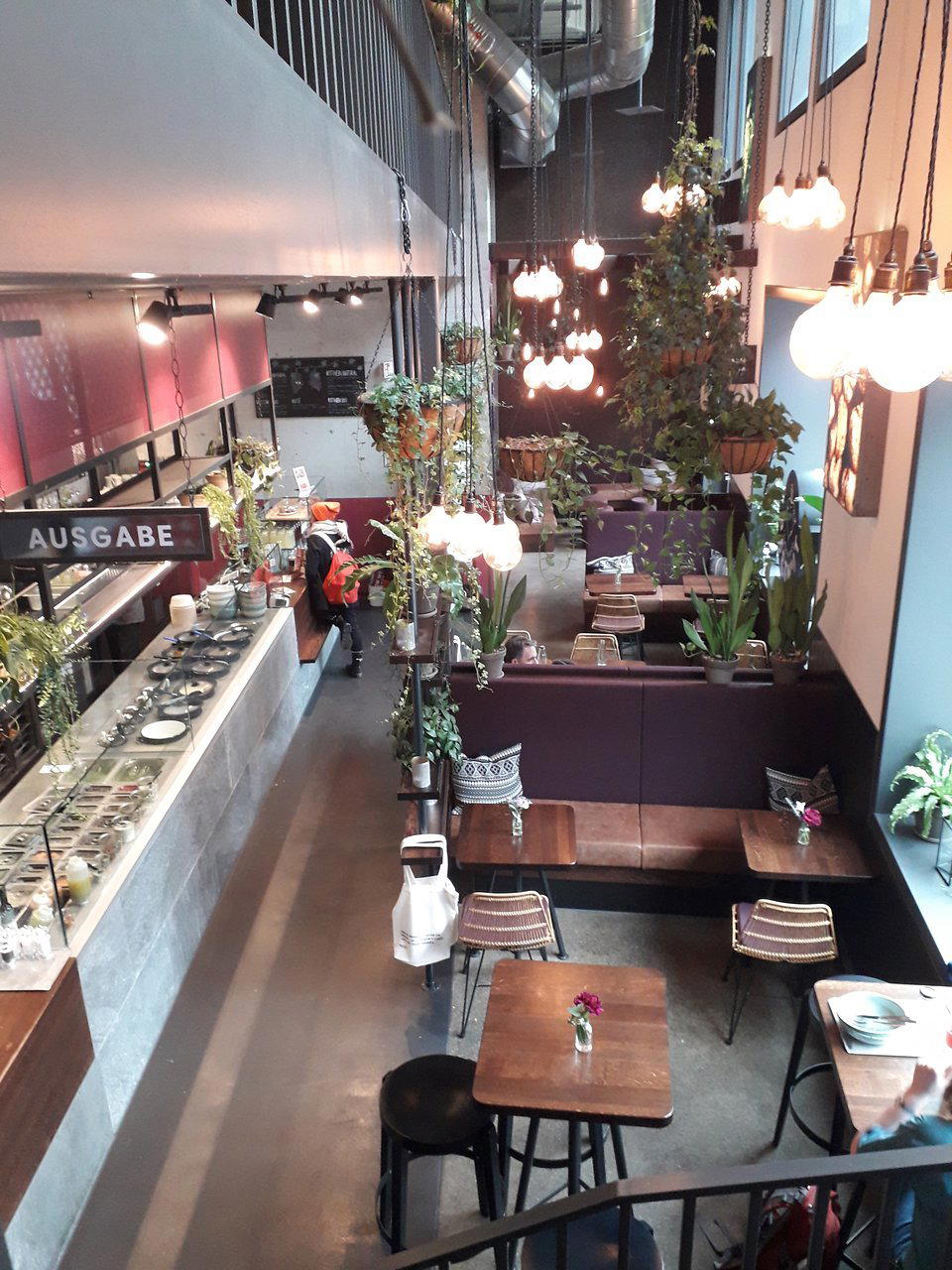
Casual street food spot with lively grill atmosphere.