Bab El-Sharq sits on Cairo’s Nile Corniche in Qasr El Nil, a setting that places it inside the city’s hotel-side dining circuit rather than the neighbourhood grill-house tradition. Read it through ingredients and setting: Egyptian cooking here is shaped by river-city expectations, shared plates, grilled meats, breads, herbs, and the social pace of a capital that treats dinner as a long evening, not a quick stop.
Pearl is the En Primeur Club membership app — saves, bookings, and concierge access live there. Same editors, same standards.
- Address
- قصر النيل, Nile Corniche, Ismailia, Qasr El Nil, Cairo Governorate 11221, Egypt
- Phone
- +20 12 77233582
- Website
- ritzcarlton.com
- Directions
- Get directions
 Saves & bookings on Pearl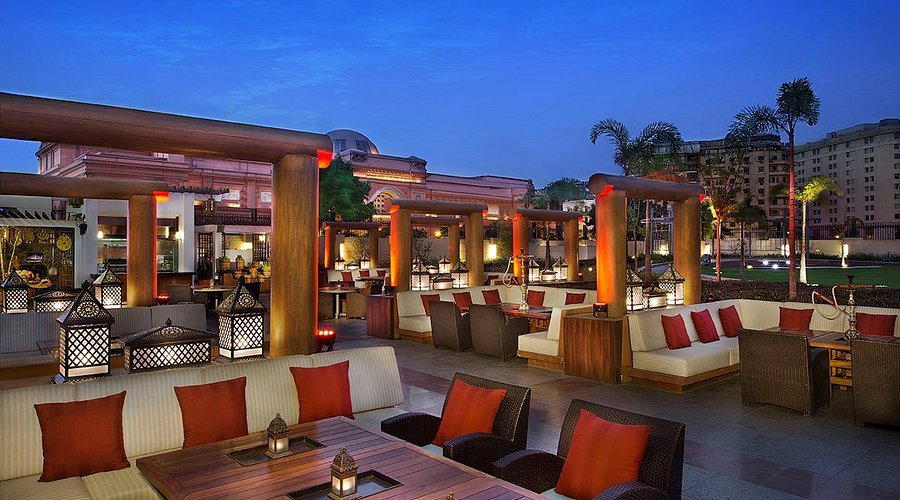
The approach to Qasr El Nil is pure central Cairo: river traffic, hotel frontages, taxis edging along the Corniche, and the Nile acting less like scenery than civic infrastructure. In this part of the city, restaurants carry a different burden from backstreet koshary counters or suburban grill rooms. They are asked to translate Egyptian cooking for a mixed audience: Cairenes marking an occasion, regional visitors staying near the river, and travellers who want local flavour without decoding the city one side street at a time.
Bab El-Sharq belongs to that Nile-side category. The useful way to judge it is not by chasing chef mythology or awards language, but by asking how well the format handles Egyptian ingredients in a setting built for hospitality. Cairo’s table is rooted in staples that are humble on paper and demanding in execution: baladi bread, rice, legumes, pickles, tahini, herbs, charcoal-grilled meats, slow-cooked vegetables, and the sour-savoury snap of lemon, vinegar, garlic, and tomato. When these elements are handled with discipline, the meal reads as Egyptian rather than generic Middle Eastern hotel dining.
Egyptian cooking, viewed through the riverfront dining circuit
Cairo’s restaurant scene splits into several lanes. There are old family names associated with grilled meats, hotel restaurants designed for consistency, Nile-view dining rooms where setting is part of the transaction, and newer international rooms that speak the language of design-led hospitality. Bab El-Sharq sits closest to the second and third lanes, which changes the reader’s expectations. The point is not street-food immediacy; it is a composed version of familiar Egyptian eating, suited to a central address and a longer evening.
That matters because ingredient sourcing in Egyptian cooking is less about rare luxury produce than about freshness, repetition, and heat control. Tomatoes need acidity, not sweetness alone. Herbs need to arrive green and assertive. Bread has to function as utensil, texture, and temperature marker. Grilled meat depends on marinade, fat, smoke, and timing. A restaurant in this category succeeds when those everyday components keep their identity under service pressure.
For travellers comparing Cairo dining styles, Abou Shakra points toward the city’s classic meat-and-grill vocabulary, while 8 Restaurant represents a more internationally coded luxury lane. Bab El Nil offers another Nile-facing reference point, and Aura and Beymen Café show how Cairo’s premium restaurants increasingly borrow from broader hotel, café, and lifestyle formats. Bab El-Sharq is better understood inside that matrix than as a standalone destination claim.
What the setting changes about the meal
Location shapes appetite in Cairo. A central Corniche address draws diners who may be moving between museums, hotels, business meetings, and late family dinners. That produces a restaurant culture less hurried than downtown lunch rooms and less residential than the villa-district dining of the west side. Service has to absorb mixed groups, different dining rhythms, and a broad range of familiarity with Egyptian food.
The smart order in this context usually follows the structure of the Egyptian table rather than the Western starter-main-dessert sequence. Cold and warm mezze establish the kitchen’s handling of acid, sesame, garlic, and herbs. Grilled items test fire and seasoning. Rice, bread, and vegetable dishes are not supporting actors; they are where the cuisine’s balance becomes clear. Without a listed signature dish or chef-led tasting format, the safer editorial read is to treat the menu as a shared-table proposition rather than a single-plate performance.
That distinction helps separate the restaurant from more specialised restaurants across Egypt. Abou Shakra (ابو شقرة) in Al Haram leans into the grilled-meat lineage near the pyramids corridor, Al Khal Egyptian Restaurant in Nasr reflects a different neighbourhood dining rhythm, and Andrea El Mariouteya in Sheikh Zayed City carries the outdoor-grill association of Greater Cairo’s western edge. Coastal and resort addresses such as B'HAAR in Sidi Abd El Rahman, Bella Italian Restaurant in Hurghada, and Blé in North Coast serve a different travel mood altogether.
How to place it within a Cairo itinerary
The restaurant makes the strongest sense for a central Cairo evening when the setting matters as much as the cuisine category. It is not the choice for diners chasing a documented awards trail, a named chef counter, or a publicly listed tasting-menu format. It is the more pragmatic selection for Egyptian flavours in the Nile Corniche orbit, especially when the group includes diners with different levels of familiarity with local food.
For wider planning, use Our full Cairo restaurants guide to compare dining formats across the city, then pair dinner with Our full Cairo hotels guide, Our full Cairo bars guide, Our full Cairo wineries guide, and Our full Cairo experiences guide. Readers extending the same editorial lens beyond Egypt can contrast compact specialist formats such as Jōdo Saké Bar in Los Angeles and Onigiri Time in Pasadena, where sourcing, scale, and format drive the experience in a completely different register.
A Quick Peer Check
Nearby venues at a similar price tier for orientation.
| Venue | Cuisine |
|---|---|
| Bab El-Sharq | This venue |
At a Glance
- Lively
- Elegant
- Scenic
- Sophisticated
- Group Dining
- Family
- Casual Hangout
- Late Night
- Live Music
- Garden
- Hotel Restaurant
- Craft Cocktails
- Beer Program
- Garden
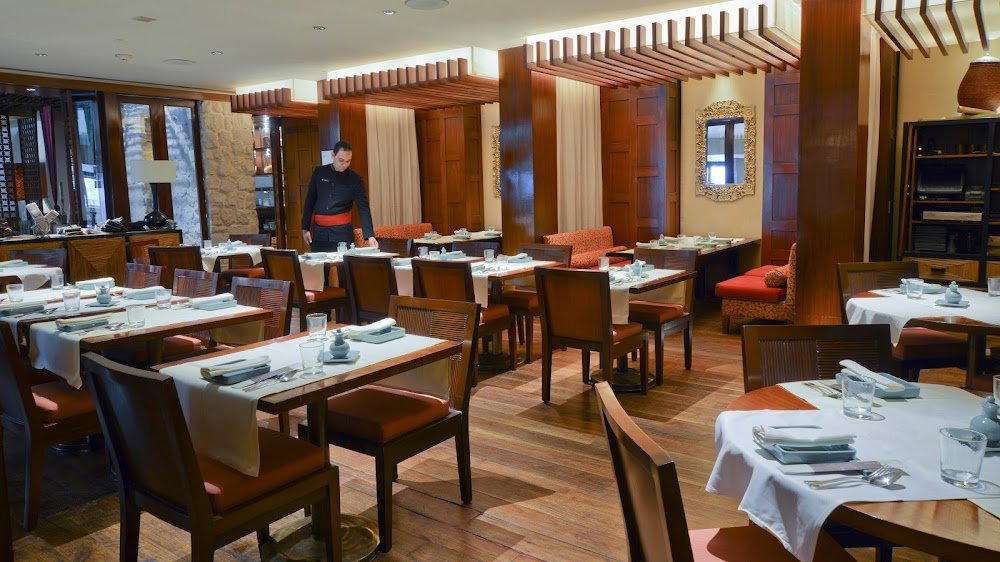
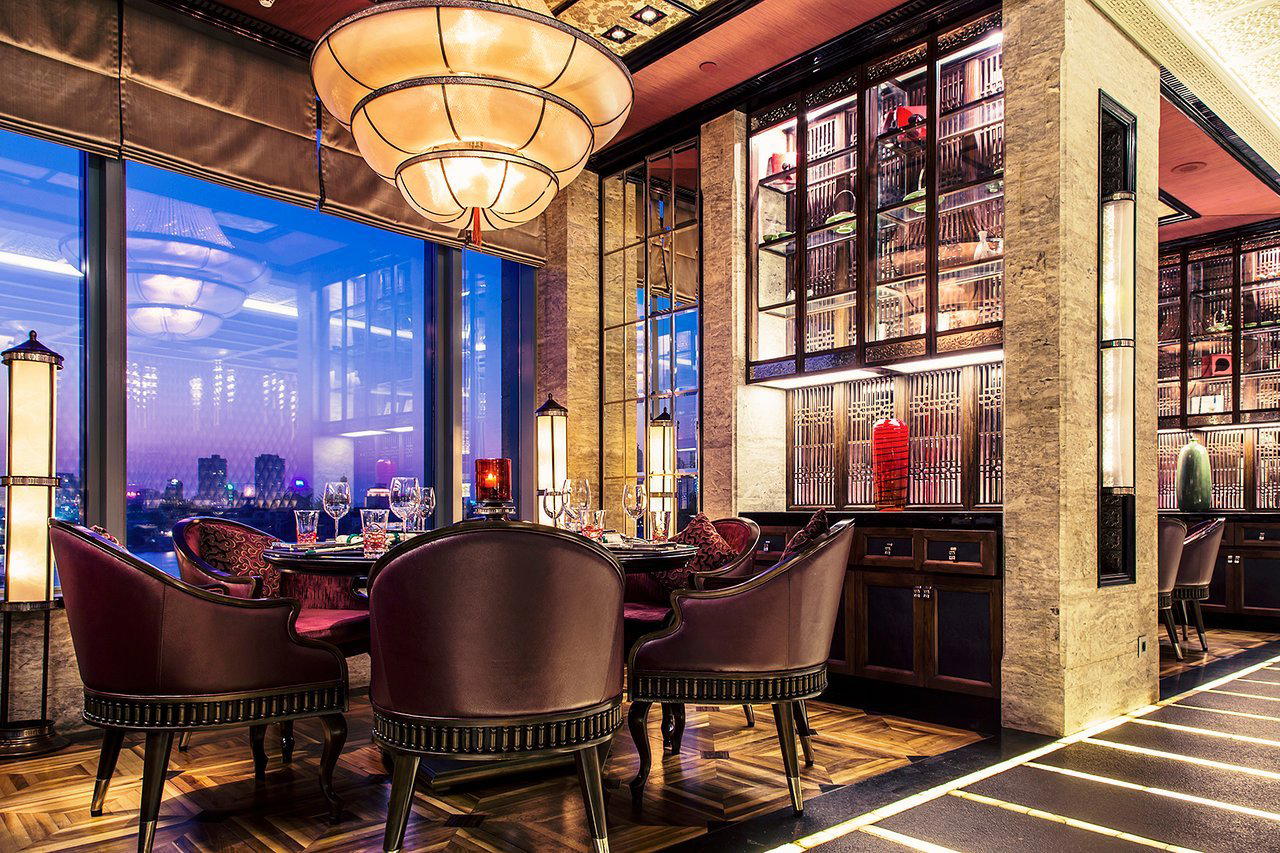
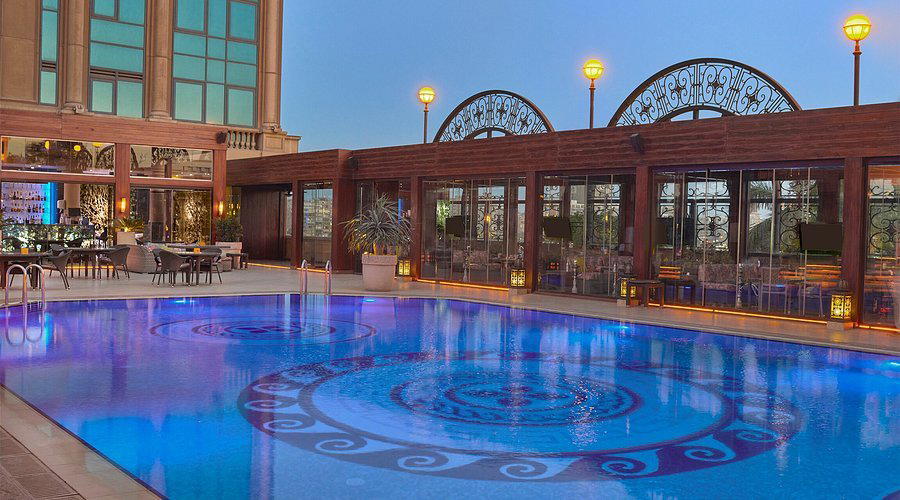
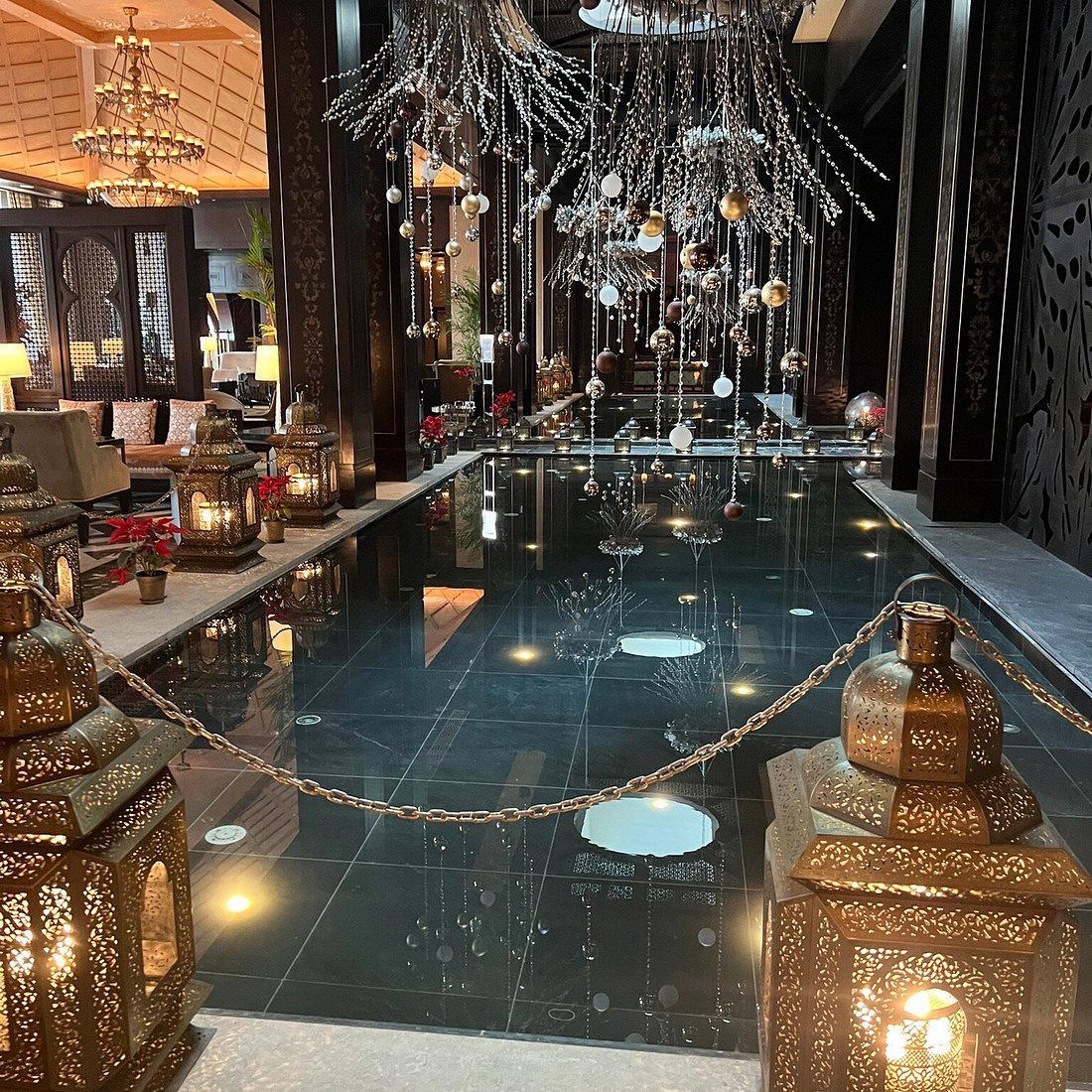
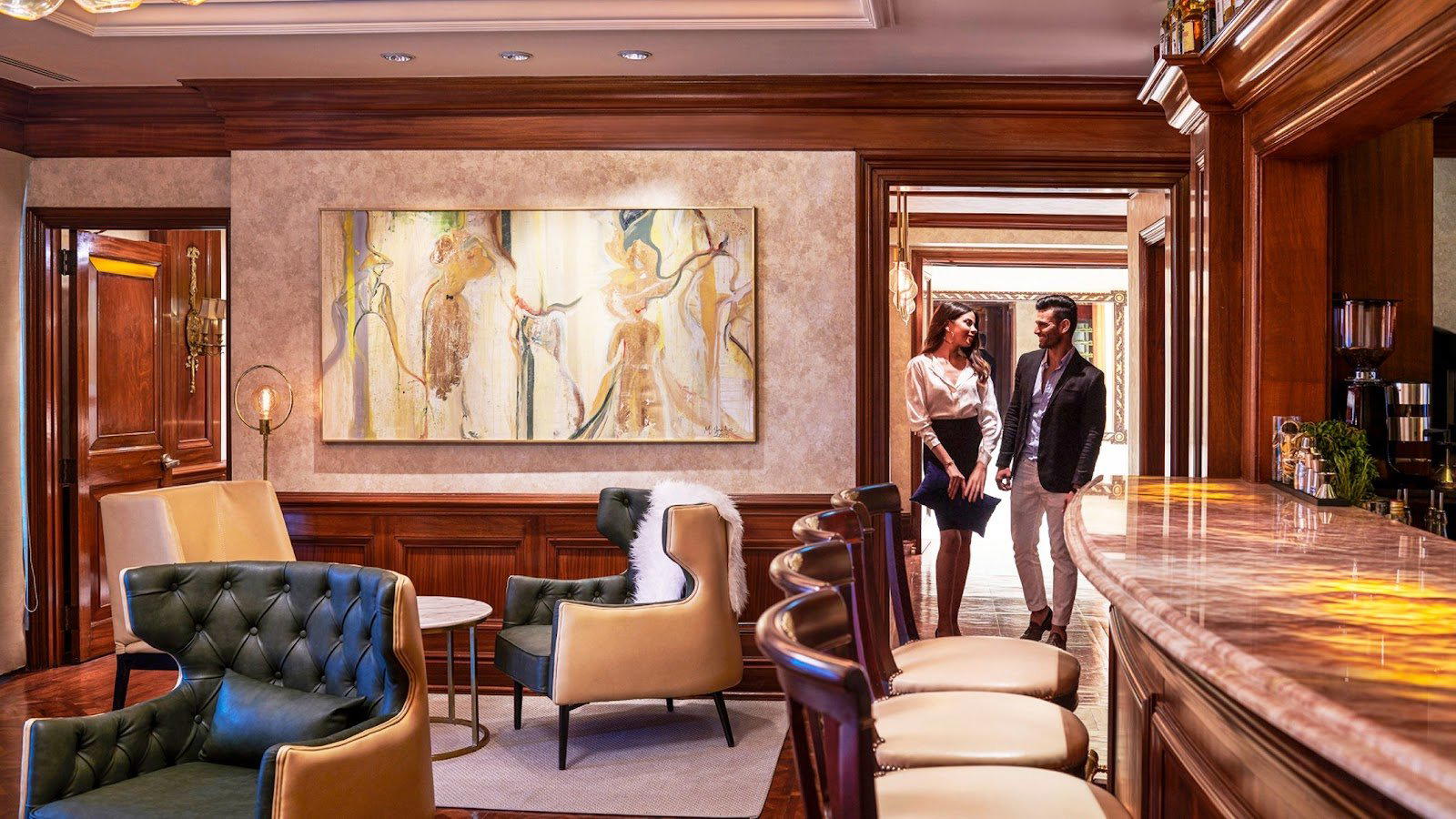
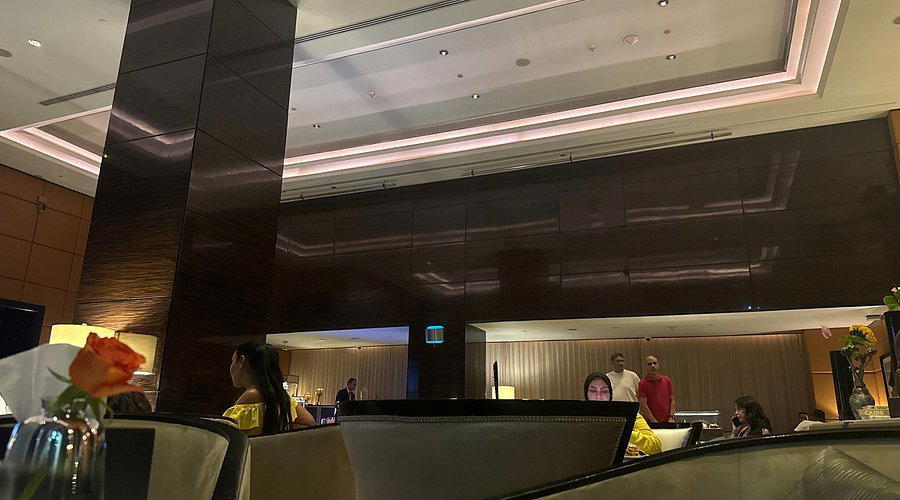
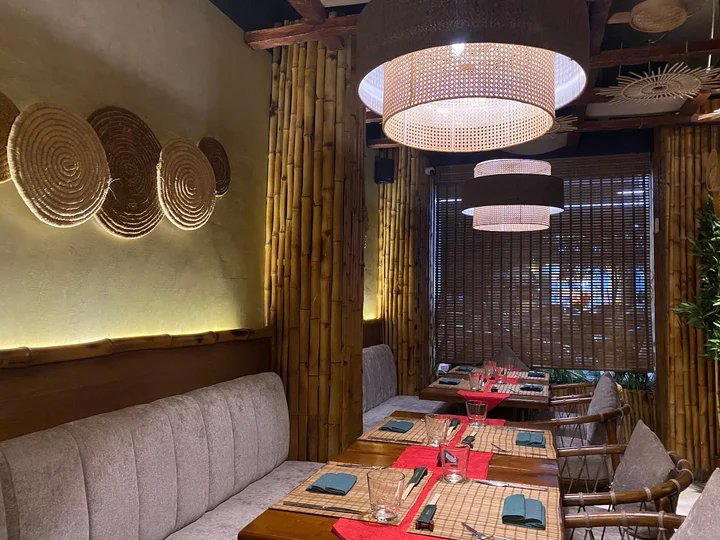
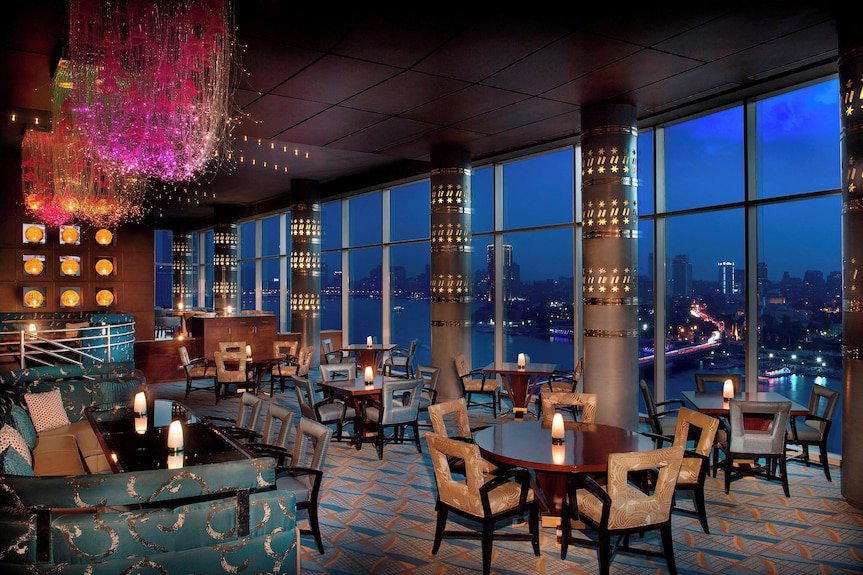
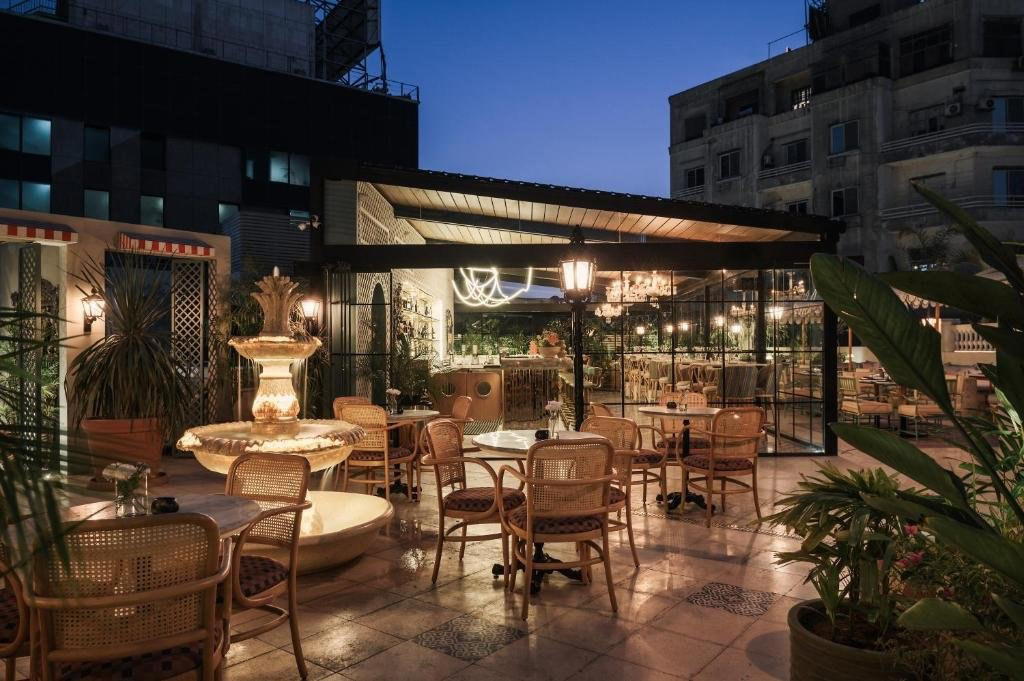
An elegant, dimly lit oriental setting with wood accents and garden views of the Egyptian Museum; evenings are lively with live music, belly dancing, shisha, and sports screenings.