Our verdict
Beymen Café belongs to Cairo’s polished café-dining tier, where the point is less ceremony than a controlled pause between shopping, hotel lobbies, and the Nile-side rhythm of central Cairo. With no public awards or chef-led tasting format attached, its appeal sits in mood, location, and the city’s growing appetite for international café culture shaped by local produce and daily social ritual.

Pearl is the En Primeur Club membership app — saves, bookings, and concierge access live there. Same editors, same standards.
- Address
- 1089 Nile Corniche, Qasr El Nil, Cairo Governorate 11519, Egypt
- Phone
- +20 2 27916919
- Website
- fourseasons.com
- Directions
- Get directions
The menu
What to order
- Light international dishes
- Fresh salads
- Gourmet sandwiches
- Sushi
- Elegant desserts
- Homemade jams and freshly baked breads
Approaching Cairo’s dining rooms, the city changes register: traffic stays close, light shifts through the room, and the meal often has to work across several tempos at once. A café in this part of the city is rarely just a coffee stop. It is a meeting room, a late breakfast address, a pause between errands, and, when handled with discipline, a useful gauge of how Cairo’s international dining habits are being absorbed into local routine.
Beymen Café sits in that polished café bracket rather than Cairo’s formal restaurant tier. That distinction matters. The city has ambitious hotel dining, regional rooms, grill institutions, and destination-style international restaurants; a café has to earn attention differently. It does so through consistency, comfort, and the ability to serve a mixed daypart crowd without turning every sitting into an occasion. In Cairo, where lunches stretch, coffee meetings multiply, and dinner can begin late, that flexible format has cultural value.
Cairo's café table is now part local pantry, part international shorthand
The more interesting question in Cairo café dining is not whether the room looks imported, but how the plate reads once it lands in Egypt. Produce, dairy, herbs, bread, citrus, and preserved elements carry the meal more than elaborate technique in this category. When cafés lean too hard on generic international menus, they become interchangeable; when they understand the city’s pantry, even a light meal can feel anchored. Beymen Café is best read through that lens: a contemporary café format in a city where ingredient familiarity matters as much as design.
Cairo diners tend to know freshness by repetition rather than by menu language. Familiar produce, cheeses, breads, grilled items, herbs, sauces, and citrus appear across households, street counters, and high-end rooms, which means a café cannot hide behind presentation for long. The city’s premium addresses increasingly borrow from international café culture, yet the stronger versions avoid severing the meal from Egyptian expectations of generosity, shareability, and textural contrast. That is the standard by which this kind of room should be judged.
The contrast with more formal Cairo venues is useful. 8 Restaurant belongs to the hotel-dining end of the spectrum, while other Cairo dining rooms carry different kinds of local weight. Terrace-led settings, hotel leisure rooms, and regional menus point to other Cairo modes. Beymen Café operates in a quieter lane, where the measure is not spectacle but whether the café format feels credible in the city rather than copied onto it.
The room suits Cairo's in-between hours better than formal dining
Cairo rewards venues that understand timing. The city’s dining day is elastic, and café culture fills the spaces that conventional restaurants often underserve: late morning meetings, afternoon coffee, early evening pauses, and light dinners when a full dining room feels excessive. This is where a premium café earns its place. It gives structure to an unscheduled day without demanding the commitment of a tasting menu or a long hotel meal.
That also explains why public recognition should be read in context in this category. Awards tend to track chef-led restaurants, wine programs, or destination dining formats; cafés are judged more by repeat use, location logic, and whether the kitchen can keep simple things sharp. In Cairo, that means serving a clientele moving between business, family obligations, hotels, and the city’s social circuit. The better comparison is not a Michelin-style restaurant but a dependable urban café with enough polish to hold a long conversation.
For visitors mapping a wider Cairo trip, Beymen Café makes more sense as part of a city dining pattern than as a solitary target. Use Our full Cairo restaurants guide for the broader restaurant spread, then cross-check sleep, drinks, and cultural planning through Our full Cairo hotels guide, Our full Cairo bars guide, Our full Cairo wineries guide, and Our full Cairo experiences guide. Cairo works better when meals are sequenced by area and time of day, not treated as isolated trophies.
Where it fits among Egypt's broader dining habits
Egypt’s dining culture is unusually good at moving between everyday appetite and occasion. A grill lunch, a hotel terrace, a seafood meal, and a café table in Cairo all belong to the same national conversation about hospitality, but they answer different needs. Some Egyptian dining rooms sit closer to culinary identity, while other group-friendly restaurants reflect the pull of open-air eating and social meals beyond the central routine.
The coastal and resort circuit adds another comparison point. Seasonal dining rooms and leisure-market restaurants show how Egyptian dining stretches into holiday settings, where setting and season carry more weight. By contrast, a Cairo café has to function year-round, across ordinary weekdays as well as social evenings. That durability is its real test.
International references can be useful when they clarify format rather than inflate status. A focused specialist succeeds by narrowing the brief. Beymen Café works from the opposite premise: breadth, comfort, and adaptability. In Cairo, that can be just as telling. The city does not need every good table to perform ambition loudly; sometimes the sharper move is to understand the rhythm of the day and feed it with restraint.
Frequently asked questions
Is Beymen Café okay with children?
Yes, Beymen Café’s café format in Cairo makes it a practical stop for families rather than a formal dining room. The setting suits flexible, daytime pacing, which is usually easier with children.
How would you describe the vibe at Beymen Café?
It reads as a polished Cairo café, with a setting better suited to coffee, dessert, and light meals than a long sit-down dinner. Its appeal is more about flexible pacing and everyday usefulness than formal occasion dining.
What's Beymen Café's location?
Cairo.
Should I book Beymen Café in advance?
For a Cairo café, a call ahead is sensible if the outing is for a larger party or peak hours.
How It Stacks Up
Comparable venues by cuisine and price in the same metro.
| Venue | Cuisine | Price |
|---|---|---|
| Beymen CaféThis venue — the venue you are viewing | Modern international café with sushi and desserts | $20–30 |
| Bullona | Modern Mediterranean with Italian influences | $50–100 |
| Riviera | Coastal Italian | Not listed |
| Zitouni | Egyptian Cuisine | Not listed |
| 8 Restaurant | Authentic Cantonese | $50–100 |
| Byblos | Modern Lebanese Fine Dining | $50–100 |
Details
- Modern
- Elegant
- Quiet
- Sophisticated
- Cozy
- Casual Hangout
- After Work
- Solo
- Business Dinner
- Brunch
- Design Destination
- Hotel Restaurant
- A La Carte
- Coffee
- Tea
- Soft Drinks
- Vegetarian Friendly
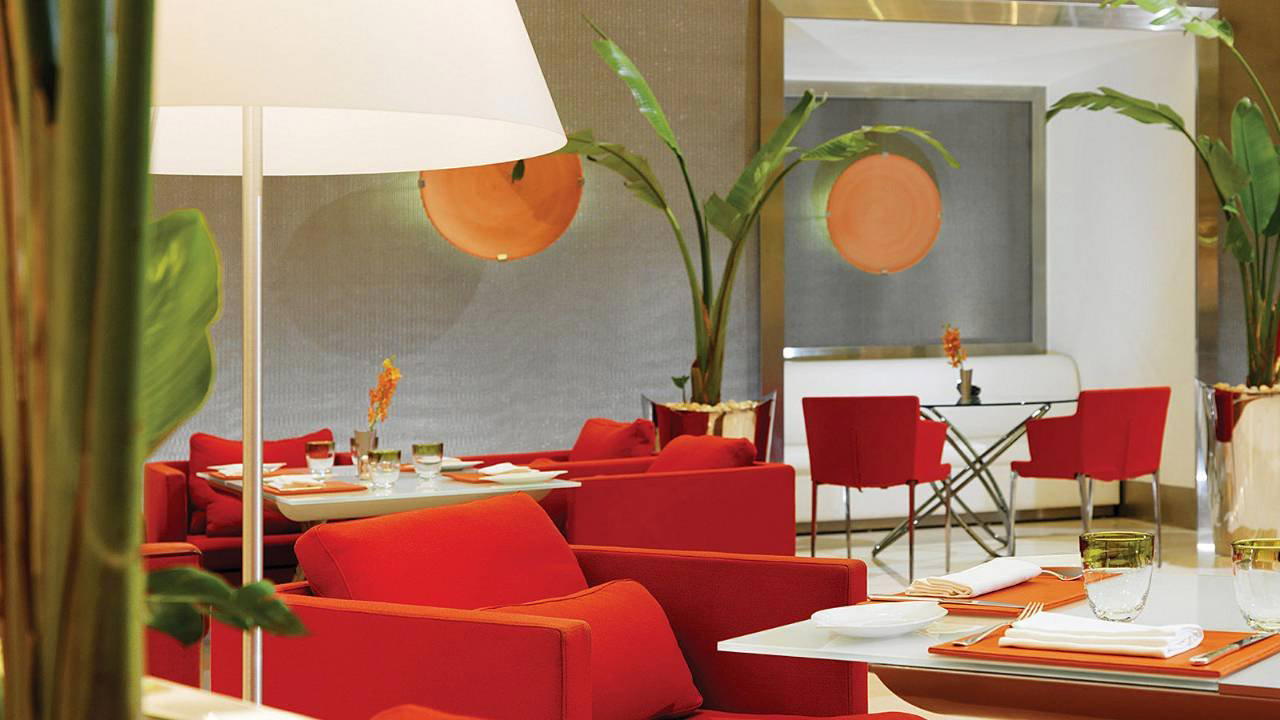
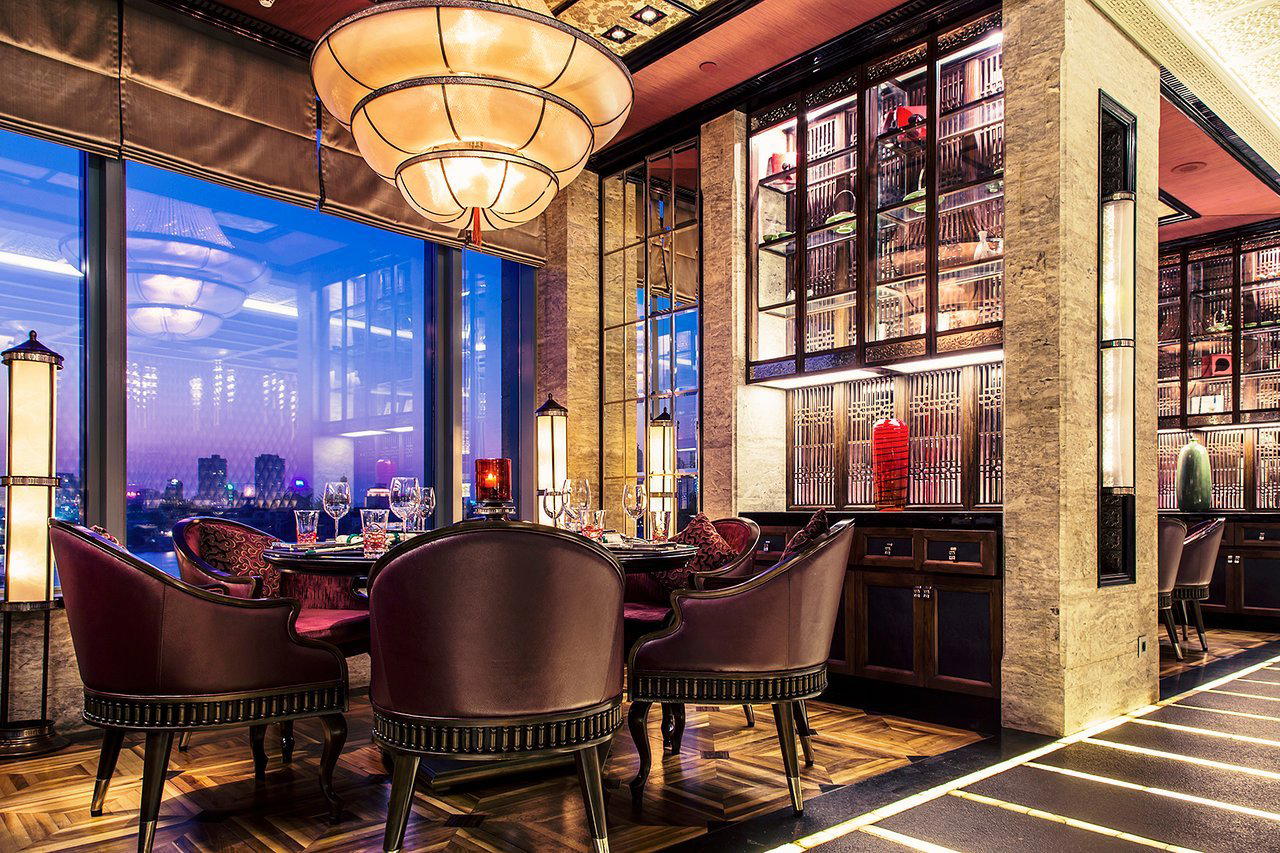
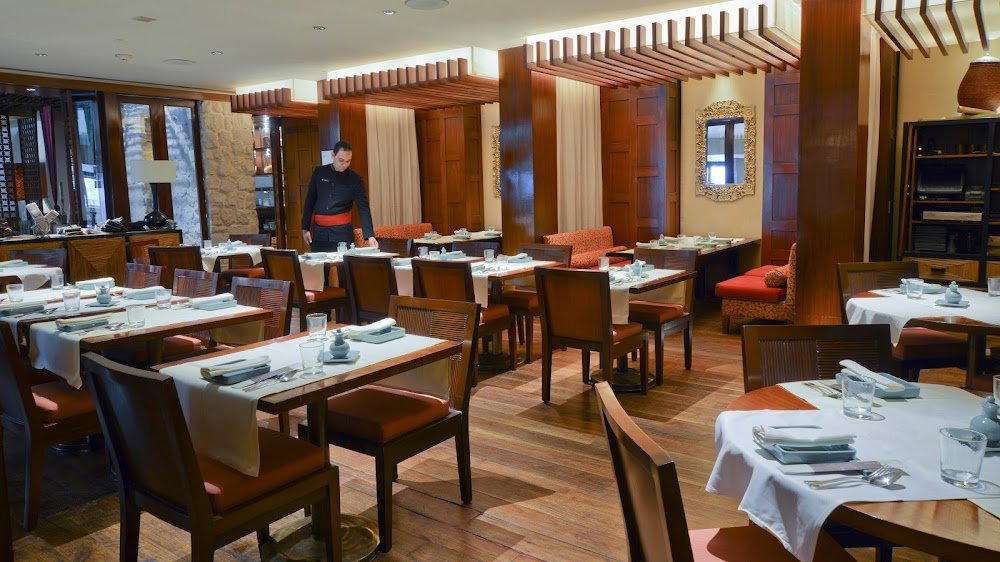
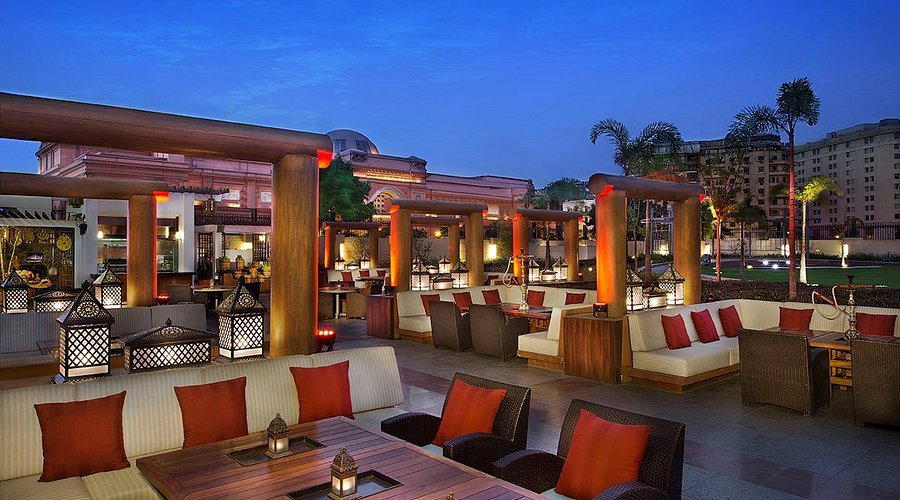
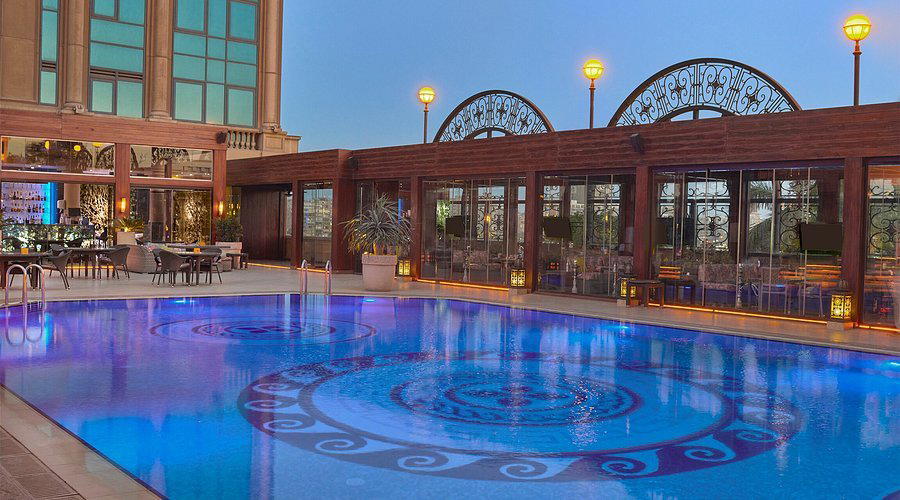
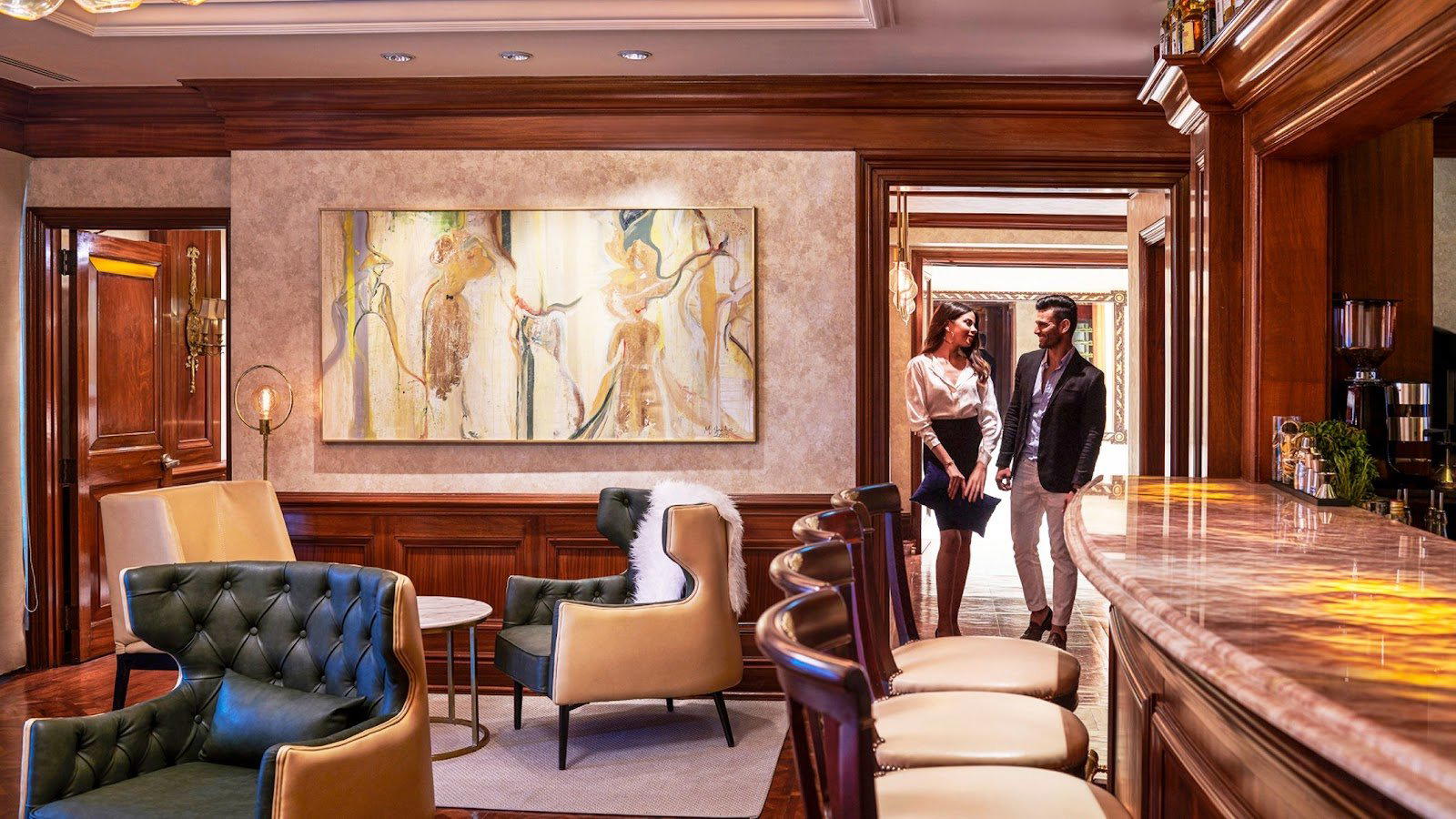
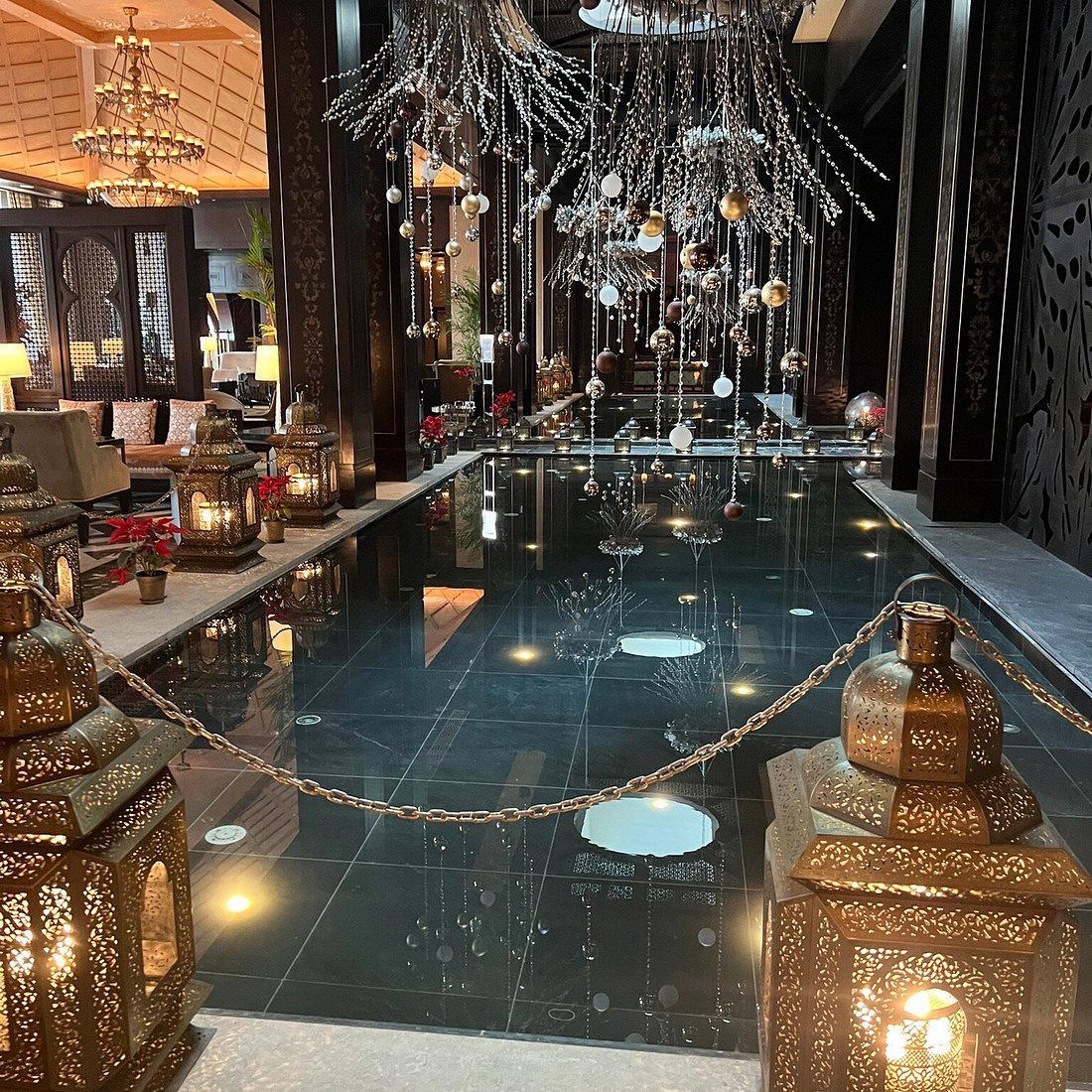
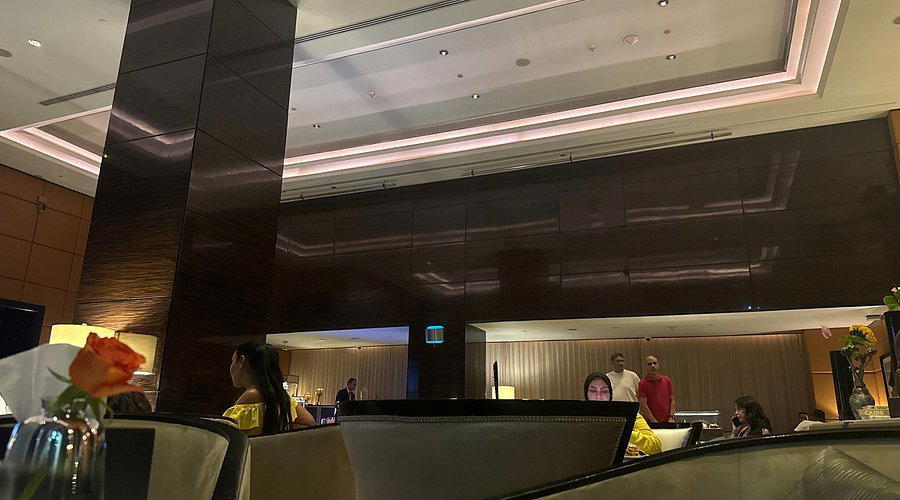
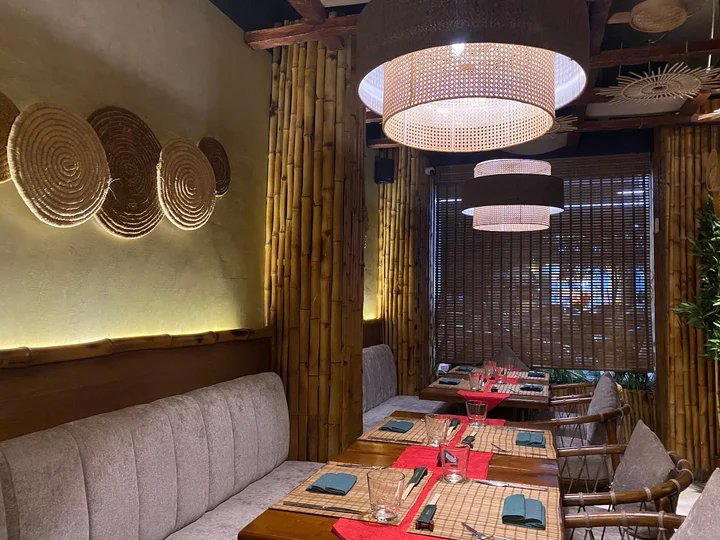
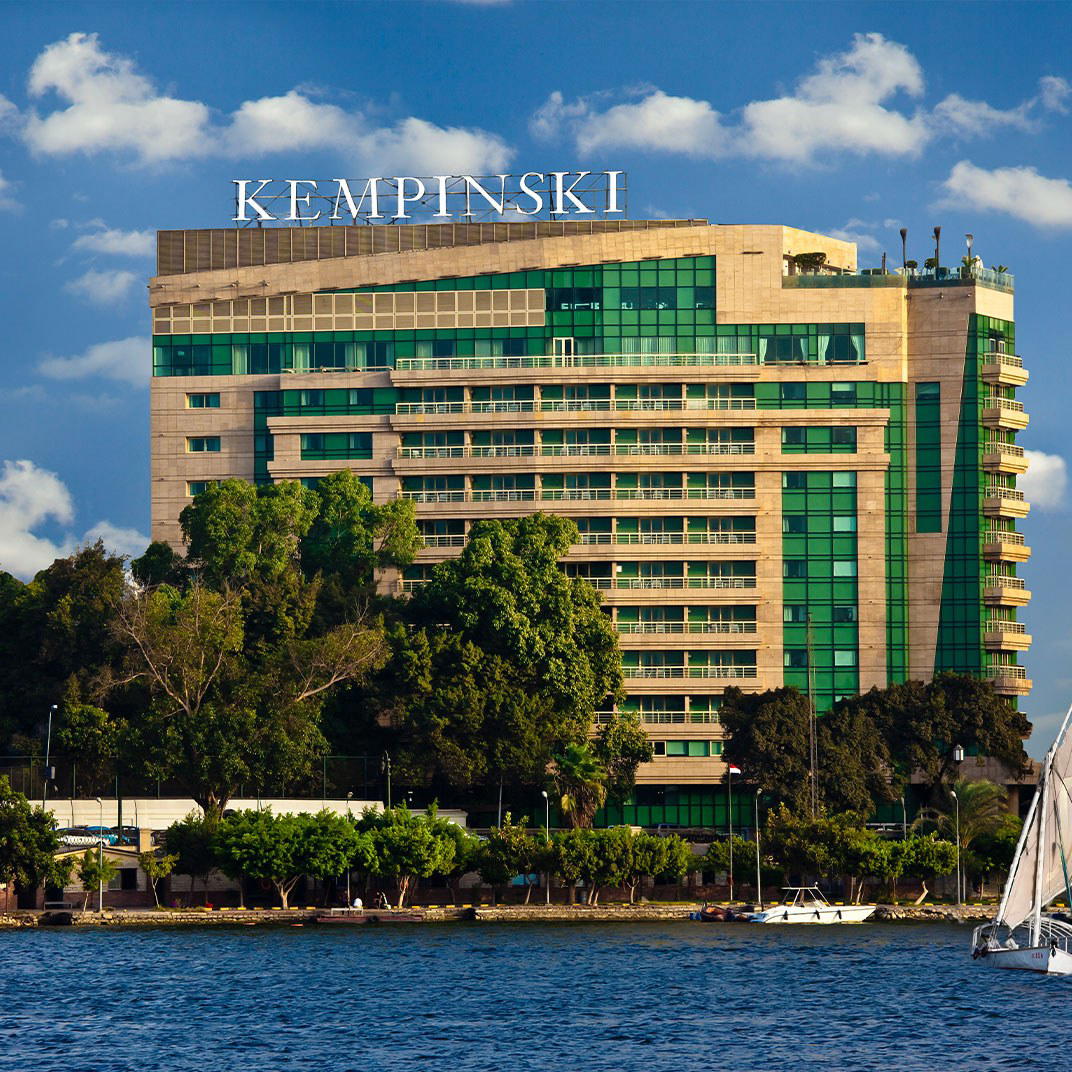
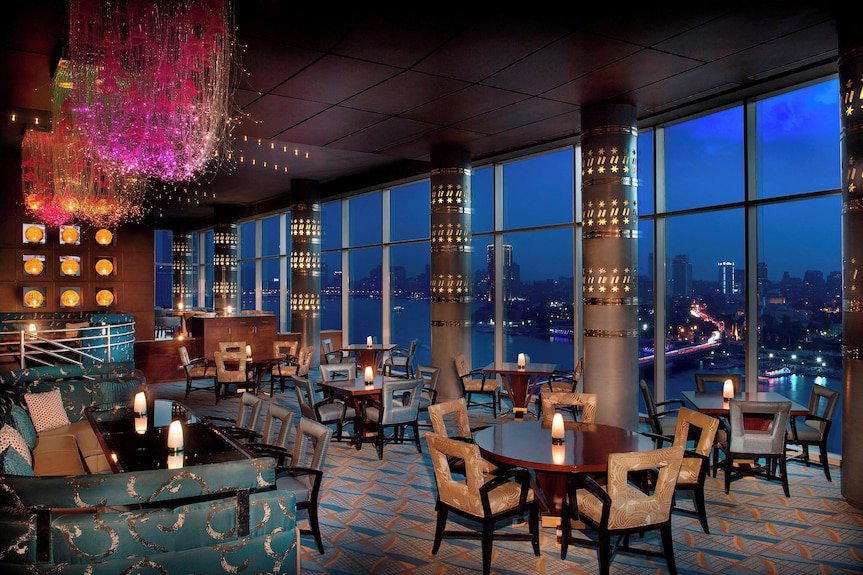
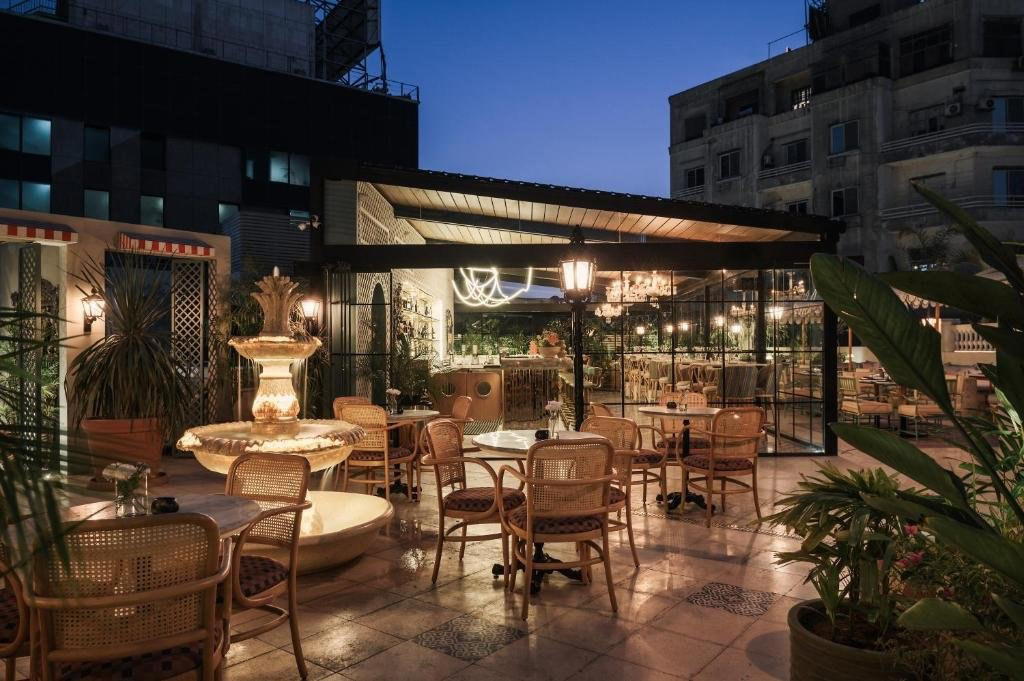
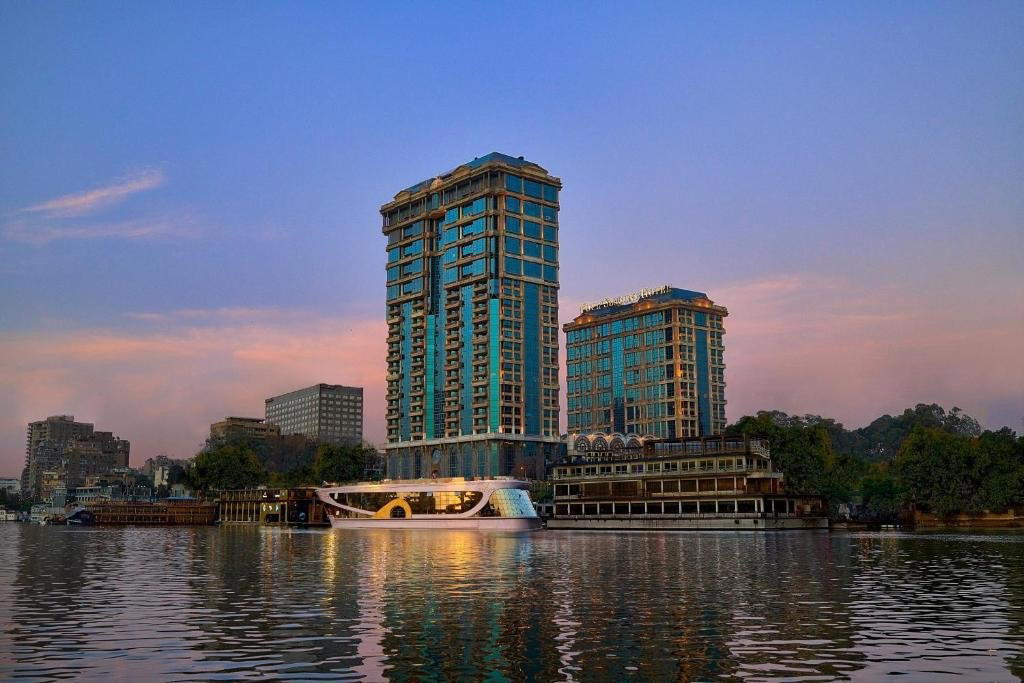
Bright and airy with a soaring stained-glass ceiling, modern light furnishings and a relaxed, upscale hotel-café feel suited to coffee breaks, light meals and informal meetings.